Pilates
Trail-ready Pilates for hikers: a 25-minute class for ankles, a trunk that carries a pack, hips, the lowering leg and one-leg balance
A 25-minute Pilates class for days you don't hike. It takes the ankles through their range, builds a trunk and upper back that hold up under a pack, strengthens the hips, practises slow lowering for descents and finishes with one-leg balance for rough ground. The step-down is strength work borrowed from the hiking training workout, because Pilates has no move that loads the legs the way a long descent does. It doesn't replace walking, hills or the hiking training workout. No trial has tested this class.
Breathe and ankles
- Beginner · Abs · 3D demoKnees bent, feet flat; breathe into the sides of your ribsHarder: Roll-up (Pilates)
- Ankle CARs (controlled articular rotations)10 each way, each ankleBeginner · Calves, Shins · 3D demoSlow circles, only as big as is comfortableEasier: Ankle circlesHarder: Toes-tucked kneeling (toe squat)
- Knee-to-wall ankle rock10 slow rocks each sideBeginner · 3D demoHeel down; knee towards the wallHarder: Deep squat hold



A trunk for the pack
- Hundred (Pilates)50 beatsIntermediate · Abs, Hip flexors, Shoulders · 3D demoHead down if your neck tires, or with osteoporosisEasier: Wall hundred (wall Pilates)Harder: Boomerang (Pilates)
- Dead bug2 × 8 each sideBeginner · Abs, Hip flexors · 3D demoLower back stays downEasier: Dead bug heel tapsHarder: Forearm plank
- Side plank2 × 20 s each sideIntermediate · Abs, Hip abductors, Shoulders · 3D demoKnees down to startEasier: Knee side plankHarder: Side plank with leg lift
- Swimming (Pilates)2 sets of 20 sIntermediate · Back, Glutes, Shoulders · 3D demoSmall, brisk flutters; bird dogs instead if arching hurtsEasier: Mermaid (Pilates seated side bend)Harder: Leg pull back (Pilates leg pull up)
- Prone Y-T-W raises5 of each shapeBeginner · Back, Shoulders, Neck · 3D demoNeck long, shoulder blades back and downEasier: Wall angelHarder: Bent-over reverse fly





Hips
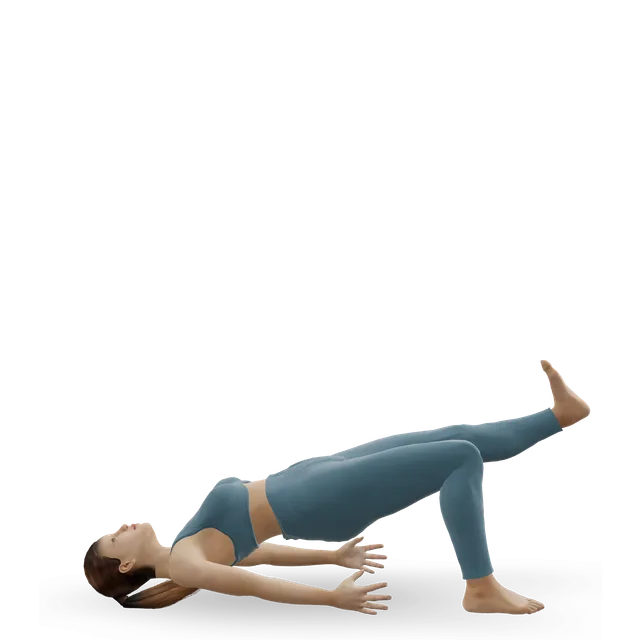
- Shoulder bridge (Pilates)3 kicks each legIntermediate · Glutes, Hamstrings, Abs · 3D demoPelvis levelEasier: Wall bridge (feet-on-wall bridge)Harder: Leg pull back (Pilates leg pull up)
- Side kick (Pilates side kick series)8 each sideBeginner · Hip flexors, Glutes, Hip abductors · 3D demoGlide the leg, pelvis stillHarder: Side-lying leg circles (Pilates side kick series)
- Clamshell10 each sideBeginner · Hip abductors, Glutes · 3D demoLift only as far as your pelvis stays stillEasier: Supine isometric hip abduction (belt press)Harder: Lateral band walk


The lowering leg
- Beginner · Calves · 3D demoHands on a counter; up for 2, down for 3Easier: Seated bent-knee calf raise (soleus raise)Harder: Standing dumbbell calf raise
- Beginner · Shins · 3D demoBack against a wall, heels down; lift your toesHarder: Single-leg tibialis raise
- Patrick step-down2 to 3 × 8 slow each legIntermediate · Quads, Glutes, Hip abductors · 3D demoLower over 3 s from a low step, knee over the middle of your footEasier: Bodyweight squatHarder: Skater squat



One-leg balance for rough ground
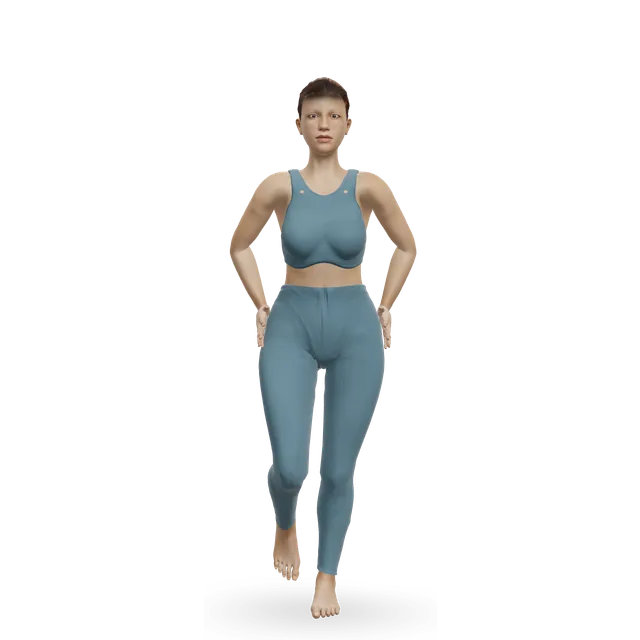
- Single-leg stand3 holds of up to 30 s each legBeginner · Hip abductors, Calves, Glutes · 3D demoHand near the counter; then no hand, then eyes closedEasier: Tandem stance and heel-to-toe walkHarder: Single-leg reach matrix
- Hip airplane5 slow turns each legAdvanced · Glutes, Hip abductors, Abs · 3D demoHold a counterEasier: Single-leg standHarder: Single-leg Romanian deadlift
- Single-leg reach matrix1 round of 5 reaches each direction, each legIntermediate · Quads, Hip abductors, Glutes · 3D demoSmall reaches first; a hand near the counterEasier: Standing crossed-leg side reachHarder: Single-leg Romanian deadlift


Close
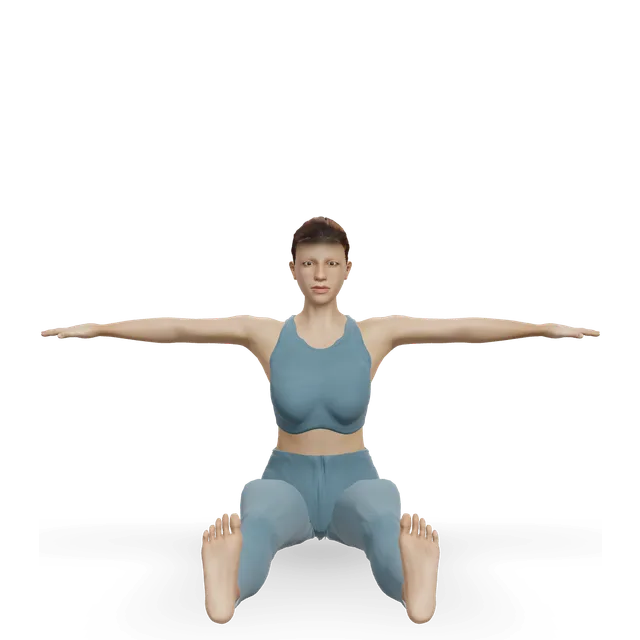
- Spine twist (Pilates)3 each sideBeginner · Abs, Back, Shoulders · 3D demoSit tall; smooth and comfortableHarder: Saw (Pilates)
Tips
- Two or three times a week on days you don't hike, alongside the hiking training workout, made a little harder every week or two (our suggestion). Falls programmes that worked ran 3 or more times a week for at least 12 weeks.
- Not the day before a long or steep hike: keep that day easy (our suggestion).
- If you've sprained an ankle before, the balance block matters most.
- Knee pain on stairs or descents: use a lower step for the step-downs, and see our knee pain when hiking guide.
- With osteoporosis, keep your head down in the hundred, as its move page says; this class has no rolling moves.
- Stop and sit down if you feel dizzy, faint or unwell. Chest pain that doesn't go away needs 999.
The doses are suggested starting points, not a prescription. Choose a range you can control and stop for sharp or increasing pain, numbness or tingling. Get individual advice after an injury or surgery, or if you are pregnant or managing a health condition.
Guides that recommend it
Find more moves like these
More pilates



Beginner Pilates workout
A 20-minute mat Pilates workout for complete beginners. It covers breathing, spine position and the foundation moves, each with an easier option.
20 minBeginner13 movesNo equipment

10-minute Pilates abs
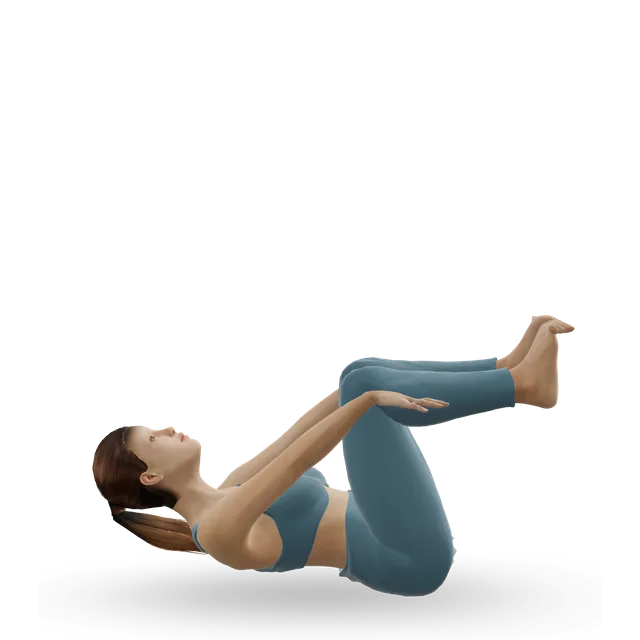
Ten minutes of the classic Pilates abdominal series: the hundred, the roll-up and the series of five, with a plank to finish.
10 minIntermediate11 movesNo equipment
Full-body mat Pilates workout
A 30-minute intermediate mat Pilates class that follows the classical order, from the hundred to the push-up, with prep versions of the hardest moves.
30 minIntermediate22 movesNo equipmentQuestions people ask
How long does the trail-ready pilates for hikers: a 25-minute class for ankles, a trunk that carries a pack, hips, the lowering leg and one-leg balance take?
About 25 minutes, including any warm-up and cool-down listed. Shorten it by doing fewer rounds; lengthen it by adding one.
What equipment do I need?
You need: A wall, A step. Each move links to its guide, where you can find an alternative if you are missing something.
Is it suitable for beginners?
It is written for beginners. 13 of its 18 moves have an easier option listed beside them if you need one.
How do I make it easier or harder?
Use the easier or harder option listed under each move, change the number of rounds, or adjust the rest. Progress one change at a time.