Lifting injuries are uncommon
Weightlifting and powerlifting have about 1 to 4 injuries per 1,000 training hours, mostly to the lower back, knees and shoulders, low next to contact sports.
Pilates guide
Pilates can give lifters what the barbell doesn't always: trunk endurance and control at low load, hip and upper-back mobility for the squat, hinge and overhead positions, one-leg balance, and a calm session for a rest day. It won't make you stronger or more muscular than lifting does, and no trial has tested Pilates in weightlifters, powerlifters or bodybuilders.
Pilates breathing and a lifting brace are different skills for different loads, and timing matters: long holds just before heavy sets can cost a little force. Pilates sits beside your lifting and your coach, never in place of them.
This guide is for gym-goers, powerlifters, Olympic weightlifters and bodybuilders. It covers where lifters get hurt, what the evidence says, breathing and bracing, mobility for the lifts, your lower back, leaking in women who lift, your week, a free 25-minute rest-day class and the warning signs, from a sudden pop to back pain with numbness.
Weightlifting and powerlifting have about 1 to 4 injuries per 1,000 training hours, mostly to the lower back, knees and shoulders, low next to contact sports.
Pilates was no better or worse than other exercise for strength in people who weren't training, and it doesn't replace progressive loading.
Pilates breathes out through pursed lips while you move. Heavy lifts use a braced trunk, which stiffened the spine more than drawing the belly in, in small lab studies of a few healthy men; no trial has compared them in lifters.
Long holds just before heavy sets cost a few per cent of force. Do Pilates after lifting or on a rest day, and lift first if strength is the goal.
Squat depth went with ankle and hip bend, and arms overhead use upper-back extension. Pilates can work them; practise the lift itself so the range carries over.
Half of the women lifters in a Norwegian survey reported leaking urine. The NHS says to see a GP about any leaking, and pelvic floor exercises are among the first things a GP may suggest; our class leaves room for them.
Across 9 mostly low-quality studies, weightlifting had 2.4 to 3.3 and powerlifting 1.0 to 4.4 injuries per 1,000 hours of training, mostly to the spine, shoulder and knee. Bodybuilding had fewer. Elite US weightlifters had 3.3 per 1,000 hours, and 90.5% of injuries cost a day or less of training; elite Swedish lifters had 2.6.
In weightlifting, the knee (21%), lower back (19%), hands and fingers and shoulder (15.3% each) led; in powerlifting, the lower back and pelvis (30.8%), shoulder (19.6%) and elbow and upper arm (8.0%). The lower back is mostly strains and sprains from squats and deadlifts.
In 104 Swedish powerlifters, 70% had pain or an injury affecting their training at the time, and only 16% of them had stopped training.
Source 18
In 12 young Japanese weightlifters scanned for 5 years, all had disc changes after 4 years and 7 had a stress fracture of the lower spine, though only 3 had back pain in the last year. It's a tiny study with no comparison group.
Back pain that is worse arching back and has lasted more than a couple of weeks can be a stress fracture of the spine (spondylolysis): get it checked.
Source 19
Of 664 pec tendon tears in 23 studies, all in men, 63% happened during weight training, and surgery did better than no surgery. Distal biceps tendon ruptures ran at about 2.6 per 100,000 people a year in a US database, mostly in men in their 40s, from the arm being forced straight against a heavy load.
In Norwegian national-level lifters, 50% of 180 women and 9.3% of 204 men leaked urine, and most women with stress leaking said it hurt their performance. Across 5 studies of 1,809 women, 41% to 49% of powerlifters and 37% to 54% of weightlifters leaked, most often in the deadlift and squat.
Pilates trains trunk endurance while breathing, hip and upper-back mobility, single-leg balance and a lower-load session, on a mat or on spring-loaded equipment such as the reformer. It doesn't build maximal strength or muscle as well as progressive loading, replace coaching of the lifts, or prevent the injuries above (our reading).
No trial has tested Pilates in lifters. The nearest studies are small, short or in older adults, and none counted injuries.
Our searches of PubMed, Europe PMC and ClinicalTrials.gov found no Pilates trial in weightlifters, powerlifters, bodybuilders or CrossFit athletes.
Source 3
Across 11 trials in people who weren't training, Pilates was no better or worse than other exercise for strength, at very low to low certainty. In older women, Pilates and a resistance programme didn't differ on machine-measured strength in one trial, and core resistance training beat Pilates for trunk strength and leg power in another.
In 34 gym members, 8 weeks of unsupervised mat Pilates thickened the deepest tummy muscle only during a Pilates exercise, not when sitting or standing, while the strength training group gained more in the muscle above it.
Source 29
In 102 trained young adults, 3 holds of 30 seconds of Pilates-style or static stretching didn't change knee strength. One Pilates session in people doing high-intensity conditioning training was followed by better flexibility and wall-ball scores, with no comparison group.
In 44 older adults, resistance training paced by Pilates breathing gained less ankle strength than the same training without it. It's one small trial, and not in lifters.
Source 32
In the one trial of a mind-body class in lifters, 7 weeks of yoga changed neither flexibility nor power in 18 Olympic weightlifters, against a comparison group, as our yoga for weightlifters guide says.
Source 33
Across 31 studies in athletes, trunk training improved trunk endurance most, and strength and power a little. It hasn't been tested in lifters.
Source 34
Strength training cut sports injuries to about a third across trials, and more volume meant more protection; stretching didn't help. No trial shows that bracing, belts, Pilates or core training prevent lifting injuries.
Teacher-training schools teach breathing in through the nose and out through pursed lips, with a deep out-breath to draw in the deep tummy muscles. It's for steady, controlled movement at low load, and you breathe out on the effort.
Source 5
Bracing means tightening the whole trunk at once. In small lab studies of a few healthy men, it stiffened the spine far more than drawing the belly in, and raised the pressure in the abdomen by about 116 mmHg against 10 for drawing in. A review of 22 trials found both techniques improved trunk stability measures, with few direct comparisons. No trial has compared them in lifters.
A brief held breath is close to unavoidable near your maximum or when a set goes to failure; its health risks are unconfirmed. Pressure in the abdomen was highest in heavy squats and lowest in the bench press. Blood pressure averaged 320/250 mmHg in 5 bodybuilders doing heavy leg presses, and a held breath raised it more than coached breathing in 44 young adults.
A belt raised the pressure in the abdomen in heavy deadlifts and squats, and added repetitions in a set to exhaustion, without making lifters steadier. A belt alone didn't change muscle activity; bracing did. No trial shows a belt prevents injury.
Our reading: Pilates teaches you to keep your trunk steady while you breathe and your limbs move, and to breathe out on the effort, the default our breathing guide gives for most sets. Save the braced, held breath for heavy sets in the gym, and skip it altogether with high blood pressure, heart disease, glaucoma, a hernia, recent surgery or in pregnancy, as our guide to breathing when lifting explains.
Elite weightlifters with long-lasting back pain had smaller diaphragm movement on ultrasound than those without. It's a one-off measurement, not evidence that breathing training helps.
Source 47
In 101 adults, squat depth went with ankle bend and hip bend in men, and with ankle bend and shin strength in women; in 20 people it went with ankle bend in a lunge. These are lab associations.
Raising both arms took the upper back about 10 to 13 degrees towards extension in 21 men, varying between people.
Source 11
Our reading: the knee-to-wall rock and 90/90 switch for the squat, hip hinge practice and a strap hamstring stretch for the hinge, and thoracic rotation, wall angels and upper-back extension on a foam roller for overhead work. No trial shows a Pilates or yoga programme deepens a loaded squat, so practise the lift with light weight so the range carries over.
In 40 Swedish powerlifters, scores on a 7-test movement control battery didn't differ between the 12 with back pain and the 28 without. Don't assume back pain from lifting is a control problem Pilates must fix.
Source 49
Our reading: trunk endurance while breathing (the dead bug, bird dog, side plank and Pallof press), hip strength and gentle back extension can sit beside a sensible return to lifting. Keep back extension small if arching hurts, and follow our back pain guides for what to change in the lifts.
Static stretching just before activity cut performance by 3.7% on average: 4.6% with holds of 60 seconds or more per muscle and 1.1% with shorter holds, with no clear loss when moving came afterwards. Across 104 studies, strength fell 5.4%. An international expert panel advises against holds over 60 seconds per muscle before maximal or explosive efforts.
If strength is the goal, lift first: the American College of Sports Medicine's position stand puts strength work at the beginning of the session.
Source 9
The International Olympic Committee (IOC) says poor management of training load is a major risk factor for injury. A hard reformer class is a session, not a rest day.
Source 53
Our suggestion: keep lifting as you do now, and add Pilates once or twice a week, 20 to 30 minutes, after lifting or on a rest day. Not in the hour before heavy sets. Our guide to Pilates and strength covers doing both on the same day.
In 480 women powerlifters, leaking was less severe in those who had had a pelvic floor assessment or could do the exercises correctly. In 3 lifters given 12 weeks of home pelvic floor training, one improved, one stayed the same and one got worse. Our reading: see a pelvic health physiotherapist, train the pelvic floor most days, and adjust breath and load in the deadlift and squat. Pilates classes can include the pelvic floor exercises, but Pilates alone isn't a proven fix.
Lateral breathing, 5 to 8 breaths at the start of every session (the move page's dose). For anyone who leaks with lifting: pelvic floor exercises, 8 slow holds of up to 10 seconds and 8 quick squeezes, three times a day (from the move page's dose); pelvic floor relaxation, 5 to 10 slow breaths, 1 to 3 times a day (the move page's dose).
Hundred, 50 beats to start, building to 100 (the move page's dose); dead bug, 2 sets of 8 each side (our Pilates for athletes class); bird dog, 2 sets of 6 each side, holding each for 5 seconds (our Pilates for rowers class); side plank, 2 holds of 20 to 30 seconds each side, knees down to start (our Pilates for athletes class); half-kneeling Pallof press, 2 sets of 8 to 10 each side (our editorial starting point); leg pull front, 3 to 5 each side (the move page's dose), on your forearms if your wrists complain.
 3D demoHundred (Pilates)Intermediate · No equipment
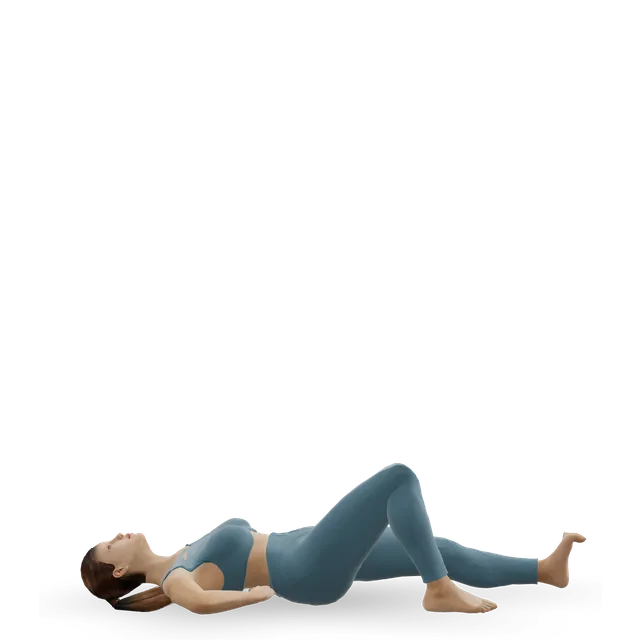
 3D demoDead bugBeginner · No equipment
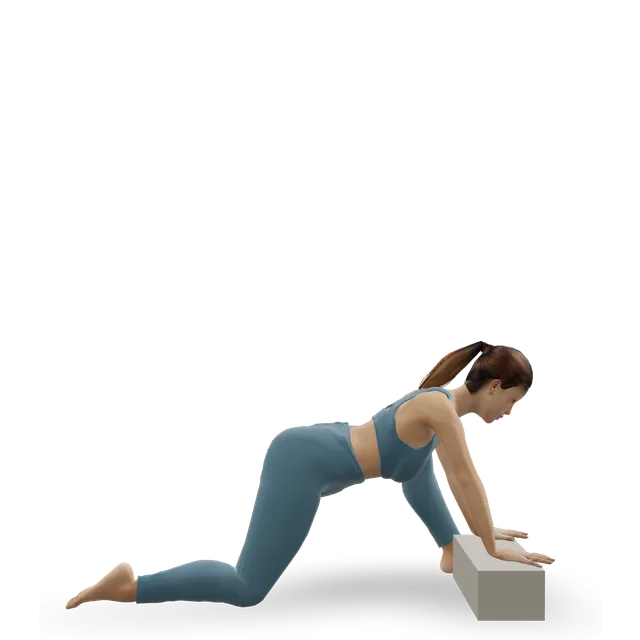
 3D demoBird dogBeginner · No equipment
 3D demoSide plankIntermediate · No equipment
 3D demoHalf-kneeling Pallof pressBeginner · A band + An anchor point
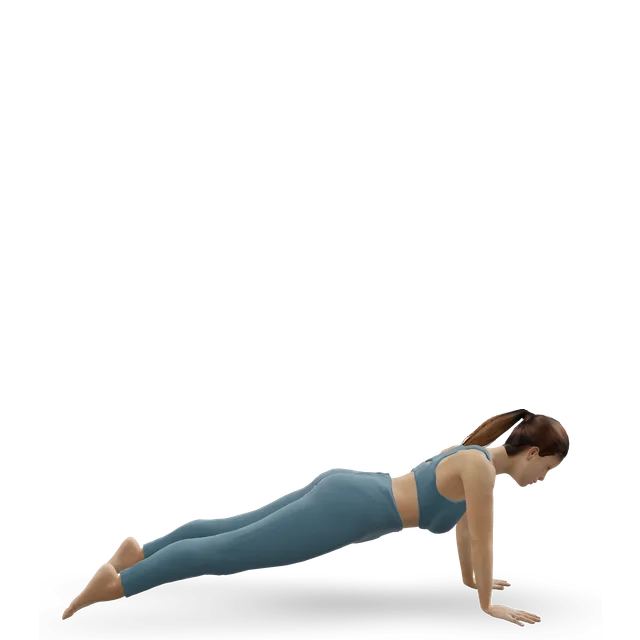 3D demoLeg pull front (Pilates leg pull down)Advanced · No equipment
Knee-to-wall rock, 10 slow rocks per side (the move page's dose); 90/90 switch, 10 slow switches (the move page's dose); hip hinge practice, 8 slow reps, and strap hamstring stretch, 30 seconds each side, after lifting (our Pilates for rowers class); shoulder bridge, 3 to 5 kicks each leg (the move page's dose); side kick, 8 to 10 each side (the move page's dose); clamshell, 10 each side (our Pilates for athletes class).
 3D demoKnee-to-wall ankle rockBeginner · A wall
 3D demo90/90 switchIntermediate · No equipment
 3D demoHip-hinge practiceBeginner · No equipment
 3D demoSupine hamstring stretch with a strapBeginner · No equipment
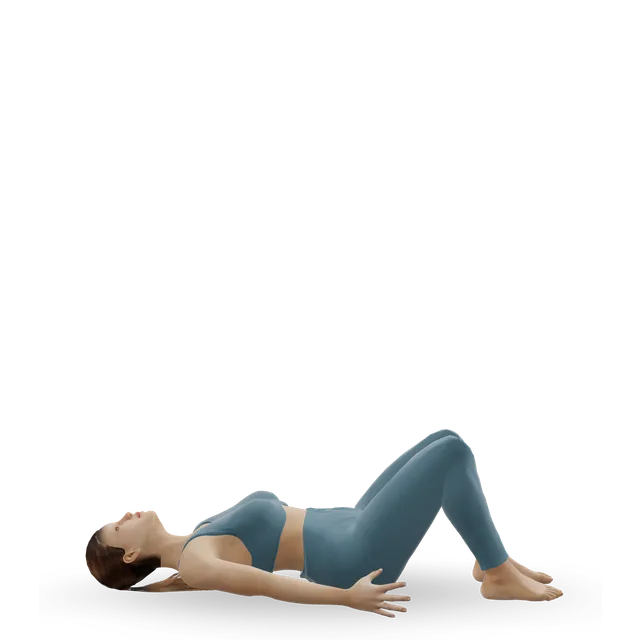
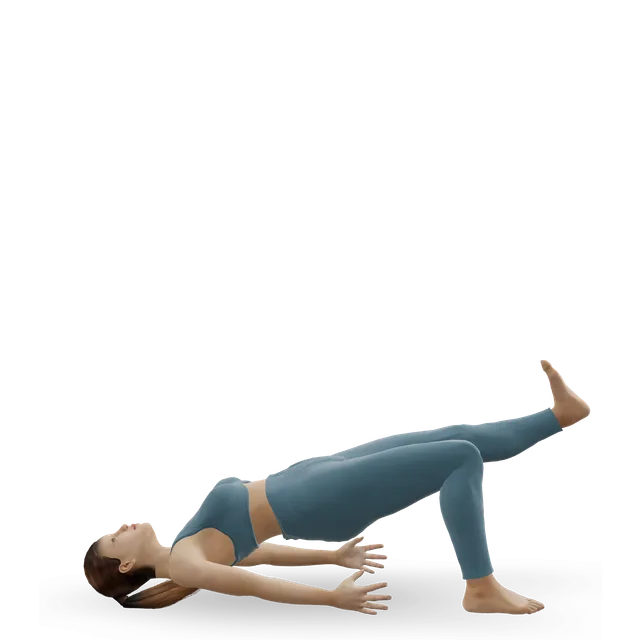 3D demoShoulder bridge (Pilates)Intermediate · No equipment
 3D demoSide kick (Pilates side kick series)Beginner · No equipment
 3D demoClamshellBeginner · No equipment
Cat-cow, 8 waves (the move page's dose), slower than feels natural; thoracic rotation, 6 rotations per side (the move page's dose); side-lying open book, 8 to 10 slow openings each side (the move page's dose); wall angels, 8 slow slides (our overhead squat progression); foam roller upper-back extension, 5 to 8 slow breaths at each of 3 or 4 spots along the upper back (the move page's dose); Y-T-W raises, 5 of each shape, and swimming, 2 sets of 20 seconds (our Pilates for rowers class); single-leg stand, 2 holds of 30 seconds each leg (our Pilates for athletes class).
 3D demoCat-cowBeginner · No equipment
 3D demoThoracic rotationBeginner · No equipment
 3D demoSide-lying open bookBeginner · No equipment
 3D demoWall angelBeginner · A wall
 3D demoFoam roller thoracic extensionBeginner · A foam roller
 3D demoProne Y-T-W raisesBeginner · No equipment
 3D demoSwimming (Pilates)Intermediate · No equipment
 3D demoSingle-leg standBeginner · A wall
No long holds and no hard trunk session; a few minutes of breathing and mobility can go in your warm-up (our suggestion).
Pilates moves are done breathing. Save the braced breath for heavy sets in the gym, and leave it out altogether with the conditions in the breathing section.
Leave out the Pilates push-up, leg pull back and leg pull front until your surgeon or physiotherapist clears pushing (our suggestion).
Leave out moves that load the arm near the end of its range (the leg pull back, push-up and side bend) and end-range shoulder stretches until a physiotherapist clears them.
Stop an exercise, or shrink its range, if you get the feeling the shoulder is about to slip out (editorial).
Keep the swan, swimming and other back extension small, and get it checked if it lasts, especially in a teenage lifter.
Our 25-minute rest-day class works trunk endurance, the hinge, ankles, hips and the upper back, breathing out on every effort. The rowers' class is a close alternative; the Pilates strength workout adds load; the lifting workouts are the training itself; and the pelvic floor class is for leaking.
A 25-minute rest-day Pilates class for lifters: trunk endurance, the hinge, ankles and hips, the upper back and overhead position, breathing on every effort.
25 minIntermediate18 movesA wall, A bandA 25-minute mat Pilates class for rowers: hip hinging and hip range for the catch, moving trunk endurance, glutes, hamstrings, upper back and shoulder blades.
25 minBeginner19 movesNo equipmentA 30-minute Pilates strength class with dumbbells or a band: Pilates trunk work plus squats, lunges, rows and push-ups, each set taken until it is hard.
30 minIntermediate15 movesA dumbbell, A bandA 25-minute yoga class for people who lift: ankles and hips for the squat, the hinge, and the upper back and shoulders for overhead, after training or on a rest day.
25 minBeginner16 movesA wallThe McGill big three for the core: curl-ups, side planks and bird dogs, each held for 10 seconds at a time in falling sets of 5, 3 and 1 reps.
12 minBeginner3 movesNo equipmentA 20-minute Pilates workout for your pelvic floor, built on UK pelvic health physiotherapists' booklet: squeeze as you breathe out, move, then fully release.
20 minBeginner18 movesA wall, A bench or boxA 25-minute practice session for the squat: find your depth on a chair, groove the bodyweight squat with pauses, then load it with a slow goblet squat.
25 minBeginner8 movesA wall, A bench or boxA 25-minute session for the overhead squat: check your ankles and reach, loosen what the check shows, then climb from the goblet squat to a dowel and an empty bar.
25 minIntermediate14 movesCardio machine, A wallThe beginner Pilates plan builds the basics over 4 weeks, 3 days a week; fit it around your lifting days.
This is general information, not a diagnosis. A&E means accident and emergency; in the US, call 911 for 999, and use your doctor's urgent line or urgent care for NHS 111.
Call 999 if:
Call 999 or go to A&E (accident and emergency) straight away for severe difficulty breathing (gasping, choking or not able to get words out), a chest that feels tight or heavy, pain that spreads to your arms, back, neck and jaw, lips or skin turning very pale, blue or grey, or sudden confusion. If you're more short of breath than usual, or your heart is racing, fluttering or skipping beats, contact NHS 111.
Source 58
Call 999 for a headache that "started suddenly and is extremely painful", or one with weakness in the face, arm or one side of the body, trouble speaking or loss of vision. Ask for an urgent GP appointment or call NHS 111 for a headache "triggered or made worse by coughing, sneezing, bending down or exercising".
Source 59
Call 999 or go to A&E: loss of feeling or numbness around the genitals or bottom, new trouble peeing or controlling your bladder or bowels, changes in genital sensation during sex or problems with erections or orgasm, or pain, tingling, weakness or numbness in both legs. These are signs of cauda equina syndrome, which needs treating in hospital urgently. Don't drive yourself.
Same day: leg weakness that is getting worse.
Same day (urgent GP appointment or NHS 111): new difficulty lifting the front of your foot or toes (foot drop), or a foot that slaps down or catches as you walk, especially if it is getting worse. Weakness in both legs, or with numbness around the genitals or bottom or bladder or bowel changes, is the 999 emergency above.
Pain, tingling or numbness spreading below the knee that isn't settling after a few weeks, is getting worse or stops your normal activities: see a GP.
Same day (urgent GP appointment or NHS 111): severe neck pain that starts suddenly or gets worse quickly; heaviness or weakness in the arms or legs; pins and needles in an arm along with neck or arm pain; or pain between the shoulder blades.
Source 67
Each tendon's own guide gives its own advice:
Call 999 or go to A&E: after a fall or injury, or after the bar came down on you or the shoulder slipped during a press, your shoulder looks out of place or has changed shape, or you cannot move your arm. Do not drive yourself, and do not try to put it back in yourself.
See a doctor or physiotherapist if your shoulder has partly or fully come out of joint, or you worry it might, including a clunk or a feeling it will slip with the arm low and back at the bottom of a press.
Source 62
If you're hypermobile, don't use mobility work to push further: the NHS says "do not overextend your joints just because you can". See a GP if you think you have joint hypermobility syndrome: for example, your joints keep dislocating, or you keep getting sprains, strains, pain or stiffness.
Source 63
You feel any pain or become unwell, as the NHS advises for its Pilates videos, and especially for chest pain or pressure, unusual breathlessness, dizziness or fainting. If you have a health problem, an injury or any symptoms, get advice from a healthcare professional, such as a GP, before you start.
Source 64
The NHS advises getting advice from a healthcare professional first if you have a health problem, an injury or symptoms, or have recently had a heart attack or an operation.
Source 64
No trial shows it. Long passive holds just before heavy sets cost a few per cent of force, so do Pilates after lifting or on rest days; short Pilates-style stretches didn't change strength.
In a lab model, the deepest tummy muscle added very little to spine stability and bracing the whole trunk far more, and Pilates thickened that muscle only during a Pilates move.
Drawing in didn't reduce trunk movement under sudden loads in a lab study, while bracing did. Use Pilates breathing for control work and a brace for heavy lifts.
Pilates was no better than other exercise for strength, and strength and muscle come from progressive loading, as our guide to Pilates and strength explains.
It's common, about half of women lifters in one survey, but treatable: the NHS lists pelvic floor exercises among its first treatments. Women powerlifters who'd had a pelvic floor assessment leaked less severely.
A Pilates teachers' body says so, but 4 weeks of gentle mat Pilates didn't significantly change lactate in active women. A rest-day class can feel good; it isn't a recovery treatment.
It can add trunk endurance, hip and upper-back mobility, one-leg balance and a lower-load rest-day session. No trial has tested Pilates in weightlifters, powerlifters or bodybuilders, so treat it as a supplement to your lifting, not a performance tool.
Not if you time it. Long passive holds just before heavy sets cost a few per cent of force, but short Pilates-style stretches didn't change strength in trained young adults. Do Pilates after lifting or on another day.
Often, at first: Pilates asks for slow control, long levers and steady breathing rather than a heavy load, and many strong lifters find the hundred, side planks and leg pulls hard. That's skill and endurance, not a sign you're weak.
After, or on a separate day. If strength is the goal, lift first; before lifting, a short dynamic warm-up and ramp-up sets do the job.
No. Pilates breathing is in through the nose and out through pursed lips while you move, for control at low load; bracing tightens the whole trunk around a breath for a heavy lift. In small lab studies, bracing stiffened the spine more than drawing the belly in, and our breathing guide explains who shouldn't hold their breath.
It can work the ankles, hips and upper back, which went with squat depth and arms overhead in lab studies, but no trial shows a Pilates or yoga programme deepens a loaded squat. Practise the lift itself with light weight so the range carries over.
No. A belt raises the pressure in your abdomen in heavy squats and deadlifts, and Pilates thickened the deepest tummy muscle only during a Pilates move. Neither has been shown to prevent injury.
The same applies: trunk endurance, mobility and a rest-day session, timed away from heavy lifting. Powerlifting has about 1 to 4 injuries per 1,000 training hours, mostly the lower back, shoulders and elbows.
Once or twice a week, 20 to 30 minutes, after lifting or on a rest day (our suggestion). Keep your lifting sessions as they are.
It can be: the springs add resistance to leg, hip and trunk work. Count a hard reformer class as a training session, not a rest day.
Leaking is common in women who lift, about half in one Norwegian survey, and treatable: see a pelvic health physiotherapist and do pelvic floor training most days. Women who'd had a pelvic floor assessment, or could do the exercises correctly, leaked less severely.
A pop or tearing feeling with bruising or a change of shape, back pain with numbness around the genitals or problems peeing, or a sudden, severe headache during a lift need urgent help. The warning signs on this page give the details.
Exercise education, not a personal prescription, and clinical review of these guides is pending. If you are pregnant, have a health condition or have had recent surgery, check with a doctor, midwife or physiotherapist before starting, and stop for sharp or increasing pain. Health disclaimer.