Pilates guide

Pilates for spine health: mobility, control and posture for your neck and back, what Pilates can and can't do, the evidence, and a class

A healthy spine bends forward, arches back, bends sideways and twists, with muscles that have the endurance to hold you up. Pilates trains all of that, slowly and with control. What it doesn't do is realign your spine: in trials, posture changed by a few degrees at most, and the shape of your curves says little about whether your back will hurt.

This guide covers what Pilates does for spinal movement, posture and back endurance, why bending is normal and when to change it (with osteoporosis or after a spinal fracture), discs, neutral spine and imprint, what the evidence shows for back and neck pain, the warning signs, and classes that move your spine in every direction. Our Pilates for back pain and Pilates for posture guides go deeper on each.

The short version

A healthy spine moves in every direction, and Pilates trains that

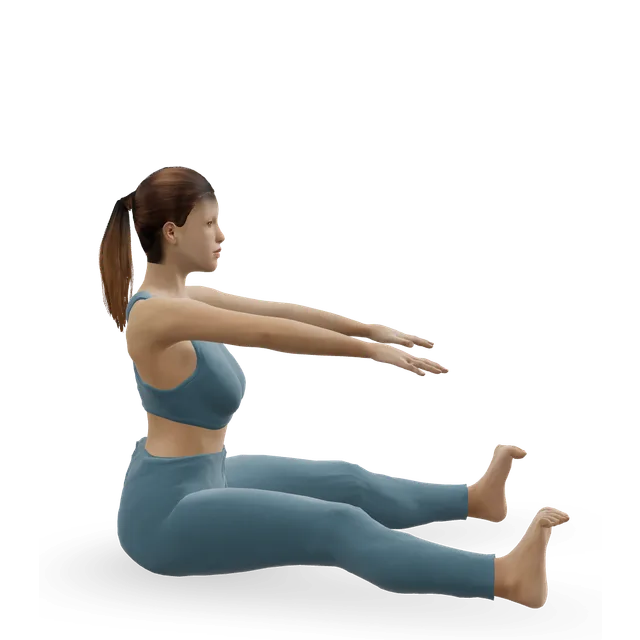
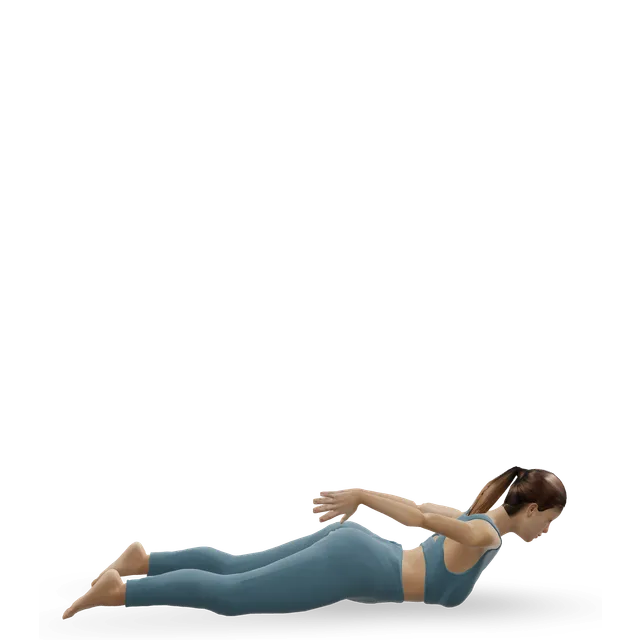
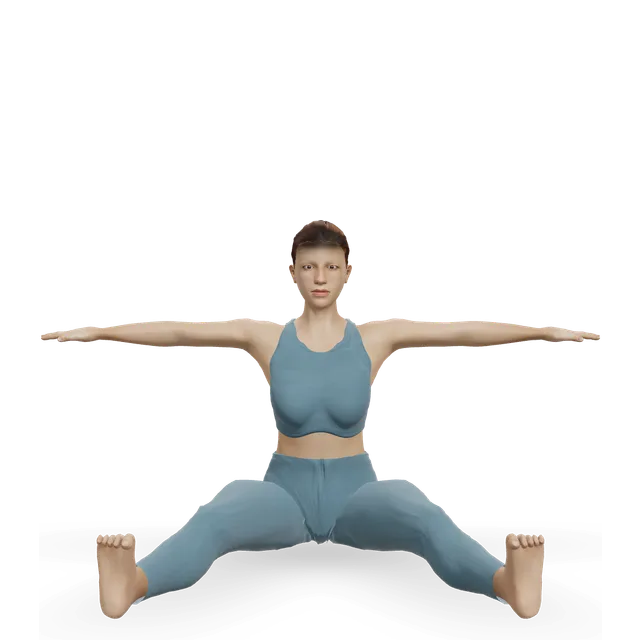
Pilates rounds, arches, side-bends and twists your spine under control (the roll-up and spine stretch, the swan and swimming, the mermaid and side bend, the spine twist and saw), and holds it steady while your arms and legs move.

Source 1

It doesn't realign your spine

The only Pilates study we found that measured alignment on an X-ray in adults found no change, and healthy adults' posture didn't change in a 12-week trial. The clearest result is that school Pilates kept teenagers' upper-back curve from increasing, by about 5 degrees against classmates, from one research group.

Sources 2, 3, 4

Your curves aren't a health verdict, and bending is normal

Across 54 studies there was "no strong evidence" linking spinal curves to spinal pain, and people with back pain have the same lower-back curve on average. Rounding your lower back when lifting wasn't a risk factor for back pain, at low certainty, and "The spine is a strong, stable structure and not easily damaged".

Sources 5, 6, 7, 8

With osteoporosis, change deep or loaded rounding

Only with osteoporosis or a past spinal fracture should you change sustained, repeated, end-range or loaded rounding, as the UK consensus advises; that advice is expert agreement resting on thin evidence. With the Royal Osteoporosis Society's swaps, Pilates "isn’t going to cause a spinal fracture".

Sources 9, 10

Back endurance is worth training; spinal range changes little

Back muscle endurance had the strongest link with back pain of 17 factors in 600 adults, and Pilates raised it in teenagers, though the gain faded within 12 weeks of stopping. Spinal range rose 16% to 40% in older adults in a study with no control group; extra range hasn't been shown in controlled trials, even when pain improved.

Sources 11, 12, 13, 14

Discs, and back and neck pain

No Pilates study has measured discs, and disc changes on scans are normal with age; nothing decompresses or puts back a disc. For long-lasting back pain, Pilates helps about as much as other exercise.

Sources 15, 16, 17

What spine health means, and what Pilates does

Moving well, holding you up, strong bones

On this page, spine health means a spine that moves in every direction you need, muscles around it with the strength and endurance to hold you up and move you, and bones strong enough for both. Our spine guide covers the anatomy, the discs and the curves in full.

Four directions

Your spine bends forward (flexion), arches back (extension), bends sideways and twists. The neck turns the most, the upper back does most of the twisting, and the lower back bends forward and back but twists only a little, as our spine guide explains. Range falls with age whatever you do, so the aim is to keep using it.

How Pilates moves the spine

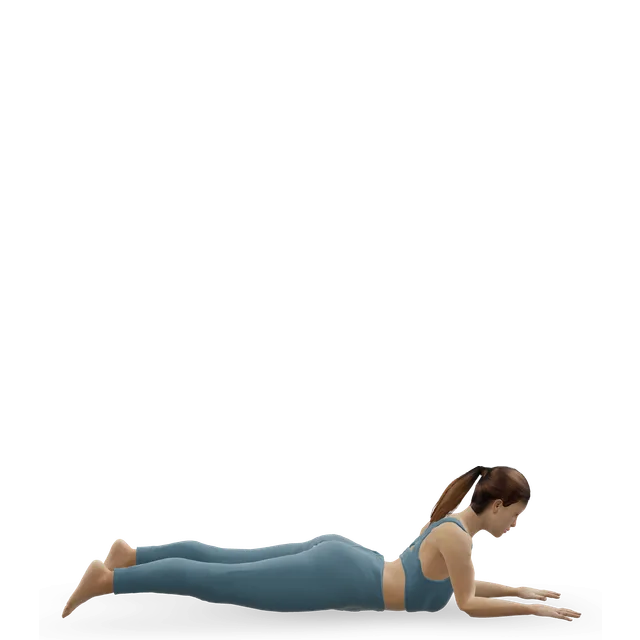
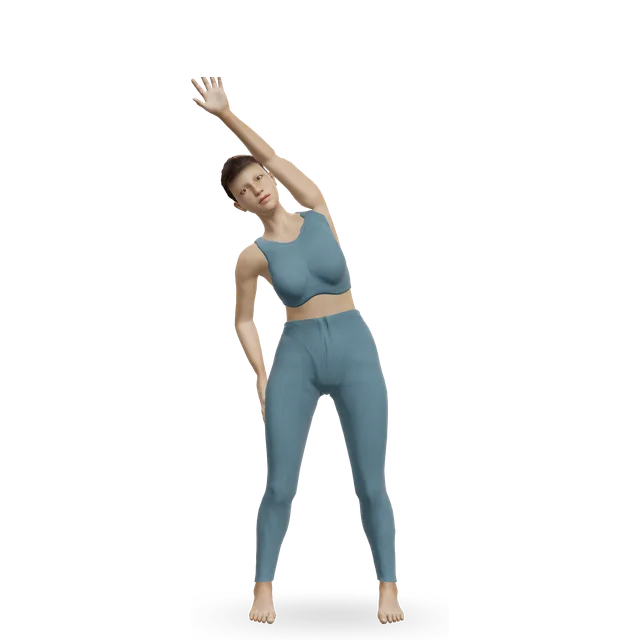
The classical mat moves the spine in all four directions: rounding (the roll-up, rolling like a ball, the spine stretch forward), arching (the swan, swimming, the single-leg kick), side bending (the side bend, the mermaid) and twisting (the spine twist, the saw). One teaching guide says the spine twist will "increase spinal and trunk mobility", the saw will "help increase spinal rotation", the swan "will extend and strengthen your back and hip extensors" and swimming "helps increase spinal extension".

The Pilates Method Alliance says the spine corrector "is all about aligning and mobilizing the spine", though no study has shown Pilates changing the spine's alignment (below).

Sources 1, 18

Holding still is training too

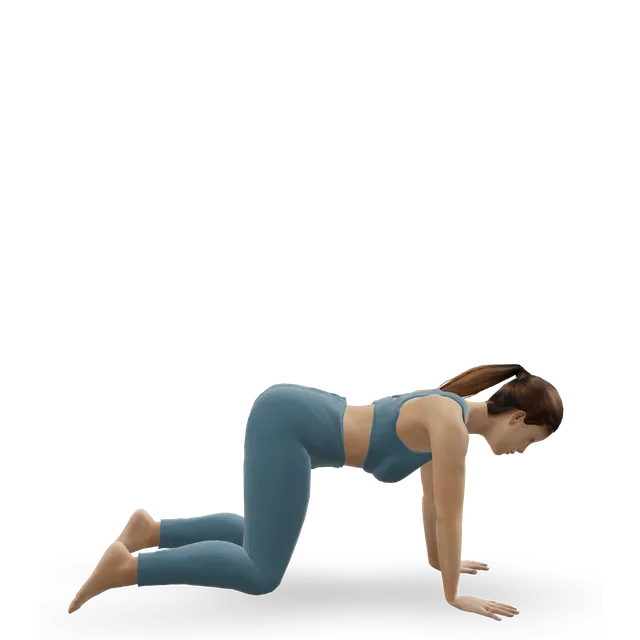
Many Pilates moves hold your spine still while your arms or legs move: the knee hover, the bird dog and leg circles. That trains control and endurance rather than range (our reading).

The muscles

The erector spinae and multifidus straighten the spine and control each level, the deep tummy muscle (transversus abdominis) and the obliques brace and twist it, and the deep neck flexors steady your head. The back muscles are endurance muscles: an osteoporosis exercise panel stressed endurance "because the spinal extensors are postural muscles that require endurance".

Source 19

The curves change with age

The upper-back curve averages 20 to 29 degrees through childhood and the twenties and rises after 40, faster in women: from an average of 43 degrees in women aged 55 to 60 to 52 degrees at 76 to 80. About 20% to 40% of older adults have a curve over 40 degrees, and only about 40% of the most rounded have spinal fractures. A bigger curve goes with fractures that are already there more than it predicts new ones.

Sources 20, 21

Who has been studied

Most Pilates spine studies are in women, older adults, teenagers in school PE (physical education) or people with back pain or ankylosing spondylitis. Healthy young and middle-aged men are barely studied (our reading).

Sources 4, 22, 13, 23

What Pilates can't change

It can't straighten a curve that comes from the shape of the bones or from fractures: the NHS says kyphosis exercises "will not improve the curve in your spine or stop it getting worse". It doesn't put a disc back or realign vertebrae.

Source 24

What the evidence says: movement and endurance

The trials are small, several without a control group, most read only as abstracts, and mostly in women, older adults, teenagers or people with back pain.

Spinal range: gains without a control group, none shown against oneMixed evidence

In 20 people aged about 70, 10 weeks of Pilates raised measured spinal range by 16% to 40%, with no control group; percentages make small angles look big (our reading).

In controlled trials, extra range hasn't been shown. In 96 women with long-lasting back pain, 8 weeks of mat Pilates eased pain by 30% and improved function, but trunk bending range didn't change more than with usual care; in 40 school children, 4 months of mat Pilates left "no differences in posterior chain flexibility and trunk mobility"; and in 22 adults with back pain, range on X-ray changed only in one subgroup. One trial in 60 women with back pain reported Pilates beating home exercise on every measure, a lower-back bending test included, without giving effect sizes.

Sources 13, 14, 25, 2, 26

Any regular exercise may free the spine upEmerging evidence

Women who chose 8 weeks of Pilates or high-intensity interval training both moved their spine more while walking, with no change standing: regular exercise of any kind may help.

Source 27

Sit-and-reach isn't a spine testEmerging evidence

Sit-and-reach reflects hamstring range moderately and lower-back range weakly, so Pilates' sit-and-reach gains in adult women say more about the hamstrings than the spine.

Sources 28, 29

Ankylosing spondylitis, where mobility is the pointEmerging evidence

A 2026 network analysis of 59 trials (3,404 people) found Pilates had the largest effects on disease activity and function against usual care, but "No modality significantly improved BASMI", the spinal mobility index. An earlier pooling of mind-body exercise found a small gain on it, and one small trial of clinical Pilates improved it against home exercise. Our Pilates for ankylosing spondylitis guide has the detail.

Sources 23, 30, 31

Back endurance: linked with back pain, and trainableEmerging evidence

In 600 adults, "endurance of the back extensor muscles had the highest association with LBP" (low back pain), while the size of the lower-back curve, pelvic tilt and muscle lengths were not linked; in 928 Danish adults, good back endurance may have protected men from a first episode. Both are associations, not proof.

Across 8 trials of people with back pain, exercise improved back endurance. In 441 teenagers, two 10-minute Pilates sessions a week for 12 weeks raised it by 19.4 seconds, but the gain faded within 12 weeks of stopping; in 54 women with back pain, 16 weeks of Pilates raised trunk strength, which lasted 2 months.

Sources 11, 32, 33, 12, 34

The deep muscles: no automatic switch-onEmerging evidence

Pilates raised the deep tummy muscle's activity in Pilates moves, "but only when performing Pilates exercises", with no change at rest or in everyday postures. A review of 8 trials found Pilates "not inferior to equivalently dosed exercises" for core muscle thickness, at very low certainty, and in 98 people with back pain, mat and equipment Pilates both improved it, the equipment group sooner. In 9 women, 9 months of Pilates grew the front tummy muscle 21% on MRI (magnetic resonance imaging), but a year of Pilates didn't grow the multifidus in 17 people unless they also did other exercise.

Sources 35, 36, 37, 38, 39

Posture and the curves

Healthy adults: little or no changeEmerging evidence

After 12 weeks of mat Pilates, 50 active adults "did not demonstrate improvements in either posture or balance when compared with the control group". In 74 women, 6 months improved head and pelvis alignment seen from the side and shoulder alignment from the front, but not the spine and pelvis from the front. In 34 older adults with no control group, the only change was a small one in the upper-back curve, standing.

Sources 3, 22, 40

Teenagers: a smaller rise in the curve, from one trial programmeEmerging evidence

In 236 pupils, 15 minutes of Pilates twice a week in PE for 9 months left the upper-back curve 5.45 degrees smaller than in classmates, because "The CG became significantly worse in thoracic kyphosis in standing" (CG is the control group). In 103 teenagers with a rounded upper back, the difference was 5.6 degrees.

Both papers come from one research group and give the same trial registration, so they may come from one trial programme. A review rated the evidence in children and teenagers moderate certainty, but if these two share a programme, that rests on fewer independent trials than it seems. In adults, the certainty was very low to low.

Sources 4, 41, 42

Strengthening, not stretching, changes postureEmerging evidence

Across 23 controlled trials in 969 healthy people, strengthening changed upper-back and neck posture, but "not in the lumbar and lumbopelvic region", and "Moderate-certainty evidence does not support the use of stretching as a treatment of muscle imbalance". Another meta-analysis found exercise changed the upper-back curve, with "no clear effect on lordotic angle", the lower-back curve.

Sources 43, 44

A rounded upper back with ageEmerging evidence

Across 24 studies, exercise reduced an age-related rounded upper back by a small amount, at moderate certainty, with no serious side effects. In the best trial, 6 months of spine strengthening and posture training changed the curve on X-ray by about 3 degrees in 99 adults over 60, while back strength didn't change, so the posture training may explain it. A 2025 pooling found a larger effect, at low certainty.

The only mat Pilates trial in older women with a rounded back (31 women, 8 weeks) found "no significant differences were detected between the groups". Our Pilates for kyphosis guide has more.

Sources 45, 46, 47, 48

No sign of realigning on an X-rayEmerging evidence

The only Pilates study we found that measured alignment on X-ray in adults found "no significant changes were found for any of the alignment parameters" after 6 weeks, while disability improved. In the randomised back-strengthening trial behind the osteoporosis advice, "no radiographic measurements were significantly different between these groups". No study shows Pilates realigning the spine; a few degrees of change in an upper-back curve is possible with targeted strengthening.

Sources 2, 49

Posture, curves and pain: no agreed linkEmerging evidence

Across 41 systematic reviews, "there is no consensus regarding causality of physical exposure to LBP", covering posture, sitting, standing, bending and twisting. Across 54 studies, "We found no strong evidence for any association between sagittal spinal curves and any health outcomes including spinal pain." People with back pain have the same lower-back curve on average, and in age-matched X-ray studies those with pain had a slightly flatter curve, not a deeper one.

Sources 50, 5, 6, 51, 11

The neckEmerging evidence

In 686 young people followed from 17 to 22, young women who sat in "more relaxed postures" had less neck pain later than those who sat upright. In 396 adults followed for a year, bending the neck over a phone "was not a risk factor" for neck pain, while poor sleep and too little activity were. Forward head posture was a little more common in adults with neck pain, in snapshot studies only.

Sources 52, 53, 54

Movement may matter more than shapeMixed evidence

In 12 studies that followed 5,459 people, less side bending, a flatter lower back and stiffer hamstrings went with developing back pain later, though the studies were few and the effects small. Sitting for long spells raises back pain ratings in the moment. So there's no single correct posture to hold: change position often, and move your spine in every direction (our reading).

Sources 55, 56

Is bending safe?

Bending is normalEmerging evidence

"There was low-quality evidence that greater lumbar spine flexion during lifting was not a risk factor for LBP onset/persistence", a review found. Even the UK osteoporosis consensus says "recognising the natural curves in the back, flexibility and function remain important and should be encouraged". The Chartered Society of Physiotherapy's leaflet makes the same point: the spine is strong and not easily damaged.

Sources 7, 9, 8

With osteoporosis or a past spinal fracture

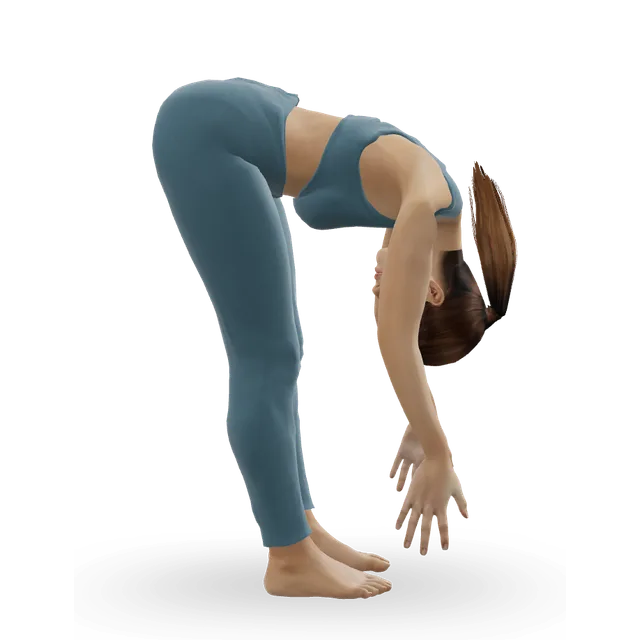
Modify or avoid exercises that round your back deeply or repeatedly, especially with a weight: sit-ups, toe touches, Pilates roll-downs and curl-ups, and extreme yoga forward folds. Bend from the hips instead. You do not need to avoid bending, twisting or lifting altogether: move smoothly and keep your upper back straight.

Twisting should be safe if you do it smoothly and comfortably. Slow down and shorten fast or forceful twists, and leave out the added weight.

Sources 9, 57, 58

Where that advice comes fromEmerging evidence

The UK consensus marks these statements as consensus, meaning expert agreement rather than trial evidence: "Movements or exercise that involve sustained, repeated or end-range flexion should be modified or avoided". The 2024 UK guideline says repetitive forced forward bending "should be undertaken with care", citing case reports and one non-randomised study, and the 2023 Canadian guideline gives similar advice.

The main study behind it is from 1984 and wasn't randomised, with 9 people in the flexion group: new spinal fractures in 16% after extension exercises, 89% after flexion exercises, 53% after both and 67% with no exercise. The rest are case series of yoga forward bends (3 and 9 people), and a safety review found flexion-related fractures "were rare". We found no case report of a spinal fracture in Pilates. Experts warn that blanket advice not to bend or twist "may create fear and activity avoidance".

Sources 9, 59, 60, 61, 62, 63, 64, 65, 66

What the bone experts recommend insteadEmerging evidence

Back extension strength. The UK consensus: "Exercises to improve muscle strength in the back are recommended to improve posture and support the spine. Aim for exercises repeated 3-5 times and held for 3-5 s at least twice a week." In a small follow-up, women who strengthened their back for 2 years had 1.6% of vertebrae fractured 8 years later, against 4.3% in the control group.

For Pilates, a Canadian expert panel says "slow, controlled twisting in supine or side-lying is acceptable, as is midrange (but not end-range) spine flexion/extension with some weight supported by upper extremities (e.g., on all fours)". Supervised heavy lifting with a straight back didn't fracture vertebrae in women with low bone mass, in one trial.

Sources 9, 67, 19, 68

Pilates with osteoporosis

The Royal Osteoporosis Society says: "Generally, Pilates is very safe and isn’t going to cause a spinal fracture." Of rolling like a ball, its fact sheet says: "This exercise is not recommended if you have osteoporosis or an increased fracture risk", and it offers gentler swaps, such as the knee fold. Our Pilates for osteoporosis guide and class have them.

Source 10

After a spinal fractureEmerging evidence

After an osteoporotic spinal fracture, exercise improved function and pain, but "No significant effects were observed on thoracic posture".

Source 69

Neutral spine or imprint?

What the terms mean

One teacher-training school teaches neutral as keeping "the natural lordotic curve of the lumbar spine", "usually used during closed kinetic chain activities", and imprint as "a slight posterior pelvic tilt with slight lumbar" flexion, "often used during open kinetic chain activities": when your legs are lifted, for example. Other schools teach it differently.

Source 70

No trial has compared them for your back

Our searches found no trial comparing neutral spine and imprint for any health outcome.

Source 71

In the lab, position changes which muscles workEmerging evidence

Imprint done well thickened the deep tummy muscle, while "During incorrect imprint, neither TrA or OI thicknesses were different to resting" (TrA and OI are two of the tummy muscles), and changing the spine's position on the reformer changed which muscles worked. These are lab measurements, not health outcomes.

Sources 72, 73

No need to brace all the timeEmerging evidence

In 152 people with back pain, being taught to keep the tummy relaxed rather than contracted during Pilates gave "slightly greater improvement in disability": 1.4 points on a 0 to 24 scale.

Source 74

So

Use whichever position lets you move smoothly without pain. There's no need to brace hard all the time, and neither position has been shown to protect your back (our reading).

Discs

Disc changes on scans are normalStrong evidence

In 3,110 people without back pain, "The prevalence of disk degeneration in asymptomatic individuals increased from 37% of 20-year-old individuals to 96% of 80-year-old individuals". Most people in their 20s had bulging neck discs on MRI, and in 3,369 adults followed for 6 years, MRI findings had no clinically important link with current or future back pain. Some findings are more common in younger adults with back pain, and the label degenerative disc disease has no agreed definition.

Sources 16, 75, 76, 77, 78

What exercise does to discsEmerging evidence

From mostly lab and animal work, discs seem to like loading that is "dynamic, axial, at slow to moderate movement speeds, and of a magnitude experienced in walking and jogging". In people, across 39 mostly cross-sectional studies, "Running was the only physical loading exposure associated with better IVD health" (IVD is intervertebral disc), at very low certainty; in a 6-month trial, exercise "did not benefit the IVD" on MRI; and a yoga trial eased pain without changing the discs on MRI.

In people with a herniated disc, small Pilates trials found less pain and better function, but none measured the disc. No Pilates study has measured discs on a scan.

Sources 79, 15, 80, 81, 82, 83

Bending a back with worn discsEmerging evidence

In disc degeneration, a lecture "that ordinary physical activity would not harm the disc and a recommendation to use the back and bend it", plus exercise, did as well as spinal fusion surgery.

Source 84

So

Pilates is safe movement for a spine with ordinary disc changes, and it doesn't decompress or put back a disc. Our Pilates for a herniated disc and Pilates for degenerative disc disease guides cover the conditions.

Back and neck pain, in brief

Our Pilates for back pain and Pilates for neck pain guides cover pain in full; these are the headline numbers.

Long-lasting low back pain: about as good as other exerciseStrong evidence

In the Cochrane review (10 trials, 510 people), Pilates eased pain by a medium amount against minimal treatment in the short term, at low certainty, and against other exercise there was no difference in disability. Exercise in general eased pain by a similar amount across 249 trials.

Sources 17, 85

Rankings favour Pilates, at low certaintyEmerging evidence

"Pilates had the highest likelihood for reducing pain (93%) and disability (98%)" in a network analysis of 118 trials, and a 2025 umbrella review of 70 reviews found "Seven network meta-analyses favored motor control and Pilates over other forms of exercise to reduce pain (low certainty)", with "no serious adverse events". A ranking is the chance of coming first, not the size of the benefit. The authors of an analysis of 217 trials say people "should be encouraged to perform the exercise that they enjoy to promote adherence", and Cochrane's own comparison of exercise types is still a protocol.

Sources 86, 87, 88, 89

How much: more isn't clearly betterEmerging evidence

A 2026 dose analysis of 239 trials found low to moderate exercise doses enough, with "limited additional benefit at higher exposure", but 84% of the trials were at high risk of bias and the certainty was very low to low.

Source 90

Neck painEmerging evidence

In 8 trials (439 people), Pilates eased neck pain and disability against no exercise, but eased pain slightly less than other exercise straight after, at low certainty, and most trials found no difference in neck range. Across 40 trials, "There is not one superior type of physical exercise for people with chronic non-specific neck pain."

Sources 91, 92

What the guidelines sayStrong evidence

NICE (the National Institute for Health and Care Excellence) says to "Consider a group exercise programme (biomechanical, aerobic, mind-body or a combination of approaches)" for a flare-up of low back pain, with or without sciatica. The NHS says "Activities like walking, swimming, yoga and pilates may also help ease back pain." The Chartered Society of Physiotherapy says "No one type of exercise is proven to be more effective than others".

Sources 93, 94, 8

Feeling better, not a fixed spineEmerging evidence

In trials that eased pain, spinal range and X-ray alignment didn't always change: moving more confidently is the result, not a fixed spine (our reading).

Sources 14, 2

How often

The guidelines and the trials

The NHS and UK guidelines ask for strengthening activities on at least 2 days a week. The trials that changed posture or back endurance used 2 or 3 sessions a week for 8 weeks to 9 months, and the UK consensus's back-extension dose for bone is 3 to 5 repetitions held 3 to 5 seconds, at least twice a week.

Sources 95, 96, 4, 46, 12, 9

Our editorial starting point

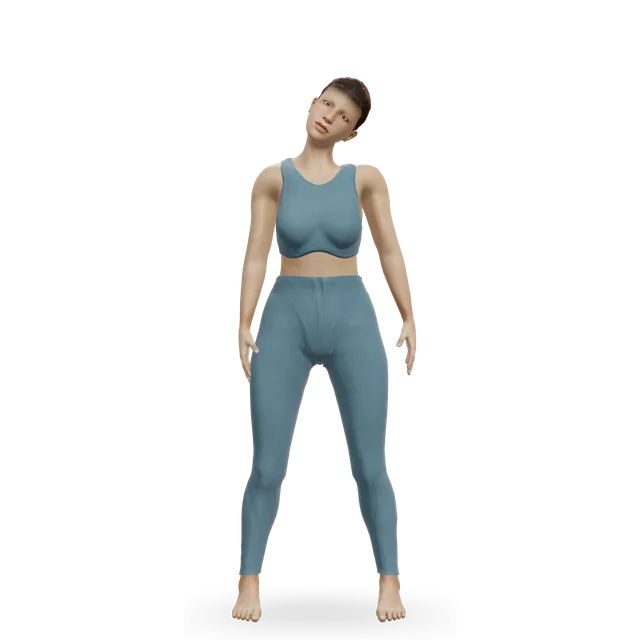
A Pilates class that moves your spine in every direction, twice a week: our Pilates for mobility class, or our Pilates for osteoporosis class if you have osteoporosis or have had a spinal fracture. On other days, a minute or two of spinal movement (cat-cow, an open book, a standing side bend), and when you sit for long, change position every 30 to 60 minutes (our suggestion).

Source 56

Breathe and curl, lying down

Lateral breathing: 5 to 8 breaths at the start of every session (from the move page's dose); pelvic tilt into bridge: 6 to 8 slow reps, lifting only part of the way with osteoporosis (our Pilates for osteoporosis class); knee fold: 2 sets of 5 to 10 each side, every other day (from the move page's dose).

Rounding, in the middle of your range

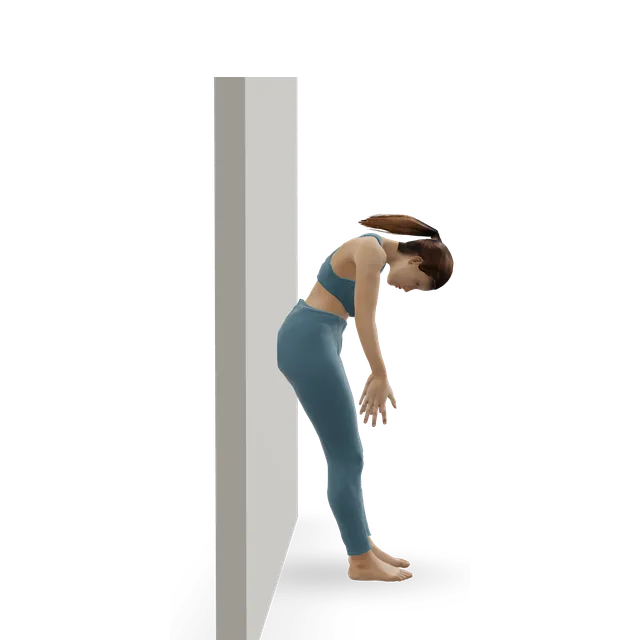
Cat-cow: 8 waves, slower than feels natural (the move page's dose); spine stretch forward: 3 to 5 reps; wall roll-down: 3 to 5 slow reps (from the move pages' doses); segmental roll-down: 5 or 6 slow roll-downs, about 20 seconds each way (our editorial starting point), the move page's dose; hip hinge: 8 slow reps (our Pilates for osteoporosis class), the flat-back swap for rounding; child's pose: hold 1 to 3 minutes, breathing into the back ribs (from the move page's dose). With osteoporosis, see who should change what, below.

Arching, and back endurance

Swan: 5 to 6 reps; swimming: 2 to 3 sets of 20 to 30 seconds; single-leg kick: 6 to 8 each leg; double-leg kick: 4 to 5 each side; seated upper-back lift: 3 to 5 repetitions, each held 3 to 5 seconds, at least twice a week (all from the move pages' doses). With osteoporosis, do swimming as slow lifts held 3 to 5 seconds, as our Pilates for osteoporosis class does. Sphinx: 3 holds of 20 s, left out with spinal stenosis (our spine mobility routine); Y-T-W raises: 5 of each letter (our Pilates for ankylosing spondylitis class).

Side bending

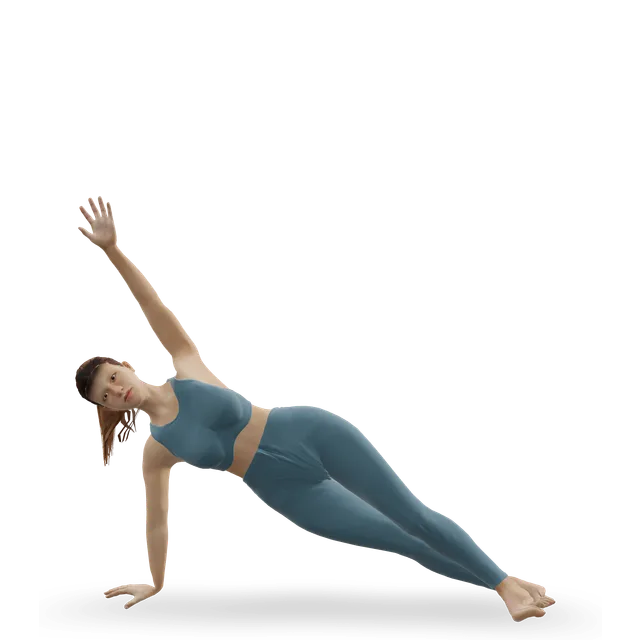
Mermaid: 3 each direction, each side (from the move page's dose); standing side bend: 3 slow bends per side, exhale into each (the move page's dose); knee side plank: 2 holds of 15 to 20 s each side (our spine mobility routine), for endurance at the side; side bend: 3 to 5 each side (from the move page's dose), once a 20-second side plank is easy.

Twisting

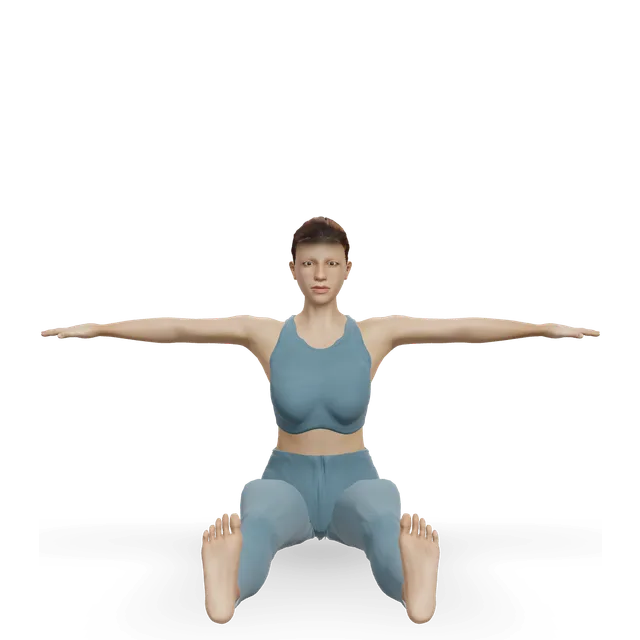
Open book: 8 to 10 slow openings each side, pausing 2 seconds at the end (from the move page's dose); thoracic rotation: 6 rotations per side, moving with the breath (the move page's dose); spine twist and saw: 3 to 4 each side (from the move pages' doses). Lying twists suit osteoporosis too, as a Canadian expert panel says.

Hold your spine steady while your limbs move

Bird dog: 6 each side (our Pilates for posture class); dead bug heel taps: 6 each side, head down (our Pilates for back pain class); knee hover: 3 holds of 15 to 30 seconds (from the move page's dose); forearm plank: 30 s (our 10-minute Pilates abs class).

The neck

Chin tuck: 8 slow reps, 3 to 5 s hold (our Pilates for posture class); neck circles: 3 slow circles each way, once or twice a day (from the move page's dose), or separate nods, tilts and turns with a sore neck.

Who should change what

Osteoporosis: rounding and rolling

The roll-up's page says: "With osteoporosis, a UK consensus suggests, as a precaution, alternatives to the Pilates roll-down and curl-up; people who already move comfortably and smoothly can continue."

The wall roll-down's page says: "With osteoporosis, rest your hands on your thighs and keep them there on the way down and up, and bend only as far as is comfortable with your lower body still against the wall, as the Royal Osteoporosis Society advises; the cat or a flat-back hinge are alternatives."

The Royal Osteoporosis Society doesn't recommend rolling like a ball with osteoporosis; the roll-over, jack knife, open-leg rocker, boomerang, teaser and neck pull also round or roll on the spine, so leave them out too (our suggestion).

Source 10

Osteoporosis: side bending and twists

With a high fracture risk, avoid or change side bending, as the side bend and mermaid pages advise, and keep twists smooth. Don't lie face down later in pregnancy; use an all-fours version of the face-down moves.

The mermaid's page adds: "If osteoporosis gives you a high risk of fracture, Osteoporosis Canada advises avoiding or changing side bending in Pilates."

Spinal stenosis, or back pain that dislikes arching

The swan's page says: "Some back pain gets worse with arching: keep it small, or skip it if it pinches. With spinal stenosis, skip it if arching back brings on leg pain." Treat the sphinx and the double-leg kick the same way (our suggestion).

A disc flare

The roll-up's page says: "During a disc-related flare, use the half roll back or skip it."

After spinal fusion or other back surgery

The roll-up's, saw's and spine stretch forward's pages say: "After spinal fusion or other back surgery, leave this out until your surgeon or physiotherapist says you can bend and twist freely (our suggestion): a 2025 review notes that bending and twisting have historically been limited for about 12 weeks after a lumbar fusion."

Neck pain

Leave out moves that put weight on your neck, such as the roll-over, jack knife and control balance, while you have neck pain or tingling in an arm. In curl-ups, let your hands carry your head, and rest it between repetitions. Most new neck problems start to settle within 8 weeks, according to NHS inform.

If your neck works harder than your abs, lower your head, rest it in your hands, and nod gently without jamming your chin down. Neck pain that persists, or spreads into an arm, is a reason to see our neck pain guide or a professional.

Sources 1, 97, 70

Glaucoma, in head-down moves

The segmental roll-down's page says: "With glaucoma, keep head-down positions brief or use a head-up version: in a small study, eye pressure rose within a minute in head-down yoga poses. Ask your eye team first if your glaucoma is advanced or you've had eye surgery."

Very flexible joints

If you're hypermobile, don't use mobility work to push further: the NHS says "do not overextend your joints just because you can". See a GP if you think you have joint hypermobility syndrome: for example, your joints keep dislocating, or you keep getting sprains, strains, pain or stiffness.

The spine stretch forward's page adds: "With hypermobility, work in the middle of your range, as hypermobility charities and Pilates teachers' bodies advise: stop the reach before the end of your range rather than hanging into it."

Source 98

Pregnancy

In pregnancy, after the first trimester, keep time flat on your back to a few minutes: prop your upper body up, or use a side-lying or all-fours version.

The swan's and swimming's pages add: "Do not lie face down in later pregnancy." The bird dog on all fours is the swap (our suggestion).

Classes to follow

Start with our Pilates for mobility class, which moves your spine in every direction, and our spine mobility routine, which adds a bird dog and side plank for endurance. The posture class builds back strength face down. With osteoporosis or a past spinal fracture, use the Pilates for osteoporosis class, which has the Royal Osteoporosis Society's swaps built in; with back or neck pain, start with those classes.

Mobility Pilates: a 25-minute class for your spine, hips and shoulders, from standing to the floor and back

A 25-minute Pilates mobility class: standing joint circles, spine and hip work on the mat, strength at the end of your range, then sit-to-stands and balance.

25 minBeginner18 movesWall, bench or box

Spine mobility routine: neck to pelvis, every direction

A 15-minute routine that moves your neck, upper back and lower back through bending, arching, side bending and twisting, then holds the spine steady.

15 minBeginner12 movesNo equipment

Pilates for posture: upper back, shoulders and neck

A 20-minute Pilates routine for posture: breathing, head and shoulder-blade control, back strength and upper-back mobility, with no loaded rounding.

20 minBeginner13 movesWall, band

Pilates for osteoporosis: a mat class with safe swaps

A 25-minute Pilates workout for osteoporosis and osteopenia: the Royal Osteoporosis Society's swaps for rounding moves, plus back strength and balance.

25 minBeginner16 movesWall, bench or box

Pilates for back pain (gentle routine)

A gentle 15-minute Pilates-based routine for ongoing low back pain, built from neutral-spine moves with options for backs that dislike bending or arching.

15 minBeginner10 movesNo equipment

Pilates for neck pain: a 20-minute head-supported class

A 20-minute Pilates class for neck pain: head-supported core work, upper-back and shoulder-blade strength, gentle neck movement and slow breathing.

20 minBeginner15 movesWall

Spine-extension Pilates for ankylosing spondylitis: a 25-minute class for posture, rotation and breathing

A 25-minute Pilates class for ankylosing spondylitis and axial SpA: breathing, spinal extension, rotation and hip work, with no rolling or weight on the neck.

25 minBeginner20 movesWall

Wake-up Pilates: a 15-minute morning routine, lying down, then all fours, then standing

A 15-minute morning Pilates routine: breathing and small moves lying down, side-lying and all-fours work, then standing, with the one rounding move last.

15 minBeginner16 movesWall, bench or box

Kyphosis exercises for seniors: a spine-strengthening routine

A 30-minute routine for a rounded upper back in later life, built from the SHEAF trial: floor back-strengthening, posture practice and gentle mobility.

30 minBeginner13 movesBench or box, wall

Upper back mobility routine

A 12-minute routine for a stiff upper back and rounded shoulders: chin tucks, wall angels, Y-T-W raises and open books.

12 minBeginner8 movesFoam roller, wall

Pilates guides for spine conditions

If you have a diagnosis, its own guide has the moves to change and the warning signs.

Pilates for back pain

Pilates for back pain: what the research shows, and how to start safely

Is Pilates good for back pain? What trials show for low back pain, slipped discs and neck pain, how often to go, which moves to start with and when to stop.

Pilates for neck pain

Pilates for neck pain: what the trials show, and how to protect your neck

Is Pilates good for neck pain? What 8 trials found, how the classes ran, which moves to start with, which to change, and the warning signs to act on first.

Pilates for upper back pain

Pilates for upper back pain: posture and desk work, the shoulder blades and ribs, what the trials show, and moves to start with

Is Pilates good for upper back pain? What trials show, why posture matters less than you think, desk breaks, warning signs, and moves with 3D demos.

Pilates for scoliosis

Pilates for scoliosis: what it can and can't do, which moves to adapt, and a routine

Is Pilates good for scoliosis? What the trials show for the curve and pain, how it compares with Schroth and bracing, which moves to adapt, and a routine.

Pilates for kyphosis

Pilates for kyphosis: a rounded upper back, back-extension strength, posture with age, osteoporosis swaps and the classes to follow

Is Pilates good for kyphosis? What trials show for a rounded upper back, back-strengthening moves, osteoporosis swaps, warning signs, and which class to follow.

Pilates for sway back

Pilates for sway back posture: what it is and isn't, the hips and the trunk, which moves to change, what the evidence shows, and the classes to follow

Pilates for sway back posture: what it is, why it isn't lordosis, what Pilates can and can't change, strength moves, flat back and classes to follow.

Pilates for a herniated disc

Pilates for a herniated disc: slipped and bulging discs, the nerve and your leg, bending or arching, the moves to change, and a class

Is Pilates good for a slipped or herniated disc? What the small trials show, how to let your leg guide you, the moves to change, and a free 20-minute class.

Pilates for degenerative disc disease

Pilates for degenerative disc disease: what the label means, the lower back and the neck, which moves to change, and the classes to follow

Pilates for degenerative disc disease: what the label means, why bending is allowed, moves for the lower back and the neck, the evidence and classes to follow.

Show all 14 guidesShow fewer guides
Pilates for spinal stenosis

Pilates for spinal stenosis: leg pain when you walk, why bending forward helps, the moves to change, and a class

Is Pilates good for spinal stenosis? Why bending forward eases it, the back bends to skip, cycling and walking, balance, and a free 25-minute class to follow.

Pilates for spondylolisthesis

Pilates for spondylolisthesis: the slip, the moves to avoid or change, the trunk and the hips, and a 25-minute class

Pilates for spondylolisthesis: which moves arch the back and what to do instead, what the trials show, the warning signs, and a free 25-minute class.

Pilates for ankylosing spondylitis

Pilates for ankylosing spondylitis: posture, spinal mobility, breathing and what the trials show

Pilates for ankylosing spondylitis: what trials show for function and disease activity, posture and breathing, a fused spine, falls and a 25-minute class.

Pilates after spinal fusion

Pilates after spinal fusion: when to start, bending and twisting, the levels above and below, the reformer and a staged class

Pilates after spinal fusion: when to start, bending and twisting, the levels above and below, reformer tips, what the evidence shows and a staged class.

Pilates for cervical spondylosis

Pilates for cervical spondylosis (neck arthritis): the nerve signs, head and neck positions in mat work, the moves to change, and what the evidence shows

Pilates for cervical spondylosis (neck arthritis): head-supported moves, which rolling and upside-down moves to skip, the nerve warning signs, and the evidence.

Pilates for osteoporosis

Pilates for osteoporosis and osteopenia: what to keep and what to swap

Is Pilates safe with osteoporosis or osteopenia? Which moves to keep and which to swap, what it does for bone, balance and falls, and a free workout to follow.

Warning signs

These are the warning signs of our back pain, upper back pain, neck, osteoporosis and Pilates guides, word for word. This is general information, not a diagnosis. A&E means accident and emergency; in the US, call 911 for 999, and use your doctor's urgent line or urgent care for NHS 111.

Call 999 (911 in the US) or go to A&E

If you have back pain and any of these. The first four can be signs of cauda equina syndrome, pressure on the nerves at the base of the spine, which needs treating in hospital urgently. Don't drive yourself: ask someone to drive you or call an ambulance.

  • pain, tingling, weakness or numbness in both legs
  • a loss of feeling around your genitals or anus
  • changes in your bladder or bowels, such as difficulty peeing, or peeing or pooing yourself
  • changes in how your penis or vagina feels during sex, not being able to get or keep an erection, or not being able to orgasm
  • chest pain
  • pain that started after a serious accident, such as a car accident

Source 94

With sciatica, also go to A&E or call 999

If you have:

  • sciatica on both sides
  • weakness or numbness in both legs that's severe or getting worse
  • numbness around or under your genitals, or around your bottom (anus)
  • difficulty starting to pee, not being able to pee, or not being able to control when you pee, if this isn't normal for you
  • not noticing when you need to poo, or not being able to control when you poo, if this isn't normal for you

Source 99

Sudden, severe tummy or back pain

Call 999: sudden, severe pain in the tummy or back, which can come with breathlessness, pale or grey skin, or collapse. It can be a burst abdominal aortic aneurysm, most common in men aged 65 or over and in people who smoke or used to smoke.

Source 94

Neck: call 999 or go to A&E

Call 999 or go to A&E: new problems walking, loss of bladder or bowel control, or a sudden loss of coordination, such as difficulty doing up buttons. These can be signs of pressure on the spinal cord.

Source 100

Get an urgent GP appointment or call NHS 111

If you have back pain and you feel hot, cold, shivery or generally unwell, or the pain is severe and started suddenly, or is getting worse quickly. In the US, contact your doctor or urgent care.

Same day: you have or have had cancer, and new back pain that is severe and doesn't let up, is getting steadily worse, is worse at night and disturbs your sleep, is worse when you cough, sneeze or strain, or comes with tenderness over the spine. Contact your cancer team or GP urgently. With cancer, new weakness, difficulty walking, numbness or bladder or bowel problems are an emergency.

Source 94

Neck: the same day

  • Same day (urgent GP appointment or NHS 111): severe neck pain that starts suddenly or gets worse quickly; heaviness or weakness in the arms or legs; pins and needles in an arm along with neck or arm pain; or pain between the shoulder blades.
  • Same day: clumsiness in your hands, or numbness, pins and needles or weakness in one or both arms, that is getting worse; problems with balance or walking since the neck pain started; or neck pain with a severe headache.
  • Arm weakness or numbness that keeps getting worse, severe pain that painkillers and rest do not touch, or an unexplained fever.

Source 100

Signs of a spinal fracture

  • See your doctor about back pain, or a change in body shape such as losing height or a more curved back: these can be signs of a spinal fracture, though not all spinal fractures hurt.
  • Unexplained back pain, losing height or a back that is becoming more curved can be signs of a spinal fracture from osteoporosis, especially after 50. See a GP.

Sources 57, 101, 59

A changing shape, or a stiff young back

  • Unexplained back pain with muscle spasms, loss of height, or a curved spine or change in posture: a possible osteoporotic spinal fracture, more likely with older age or long-term steroid tablets.
  • See a GP if you think you or your child might have kyphosis. A severe curve can cause very bad back pain and difficulty breathing.
  • Back pain and stiffness that persists in a teenager or young adult. Ankylosing spondylitis tends to start at that age and can affect the whole spine.

Sources 94, 102, 103, 24

See a GP

If you have back pain and:

  • it hasn't improved after a few weeks of looking after it at home
  • it's stopping you doing your day-to-day activities
  • you're worried about it or struggling to cope
  • you've lost weight without trying to
  • there's a lump or swelling in your back, or your back has changed shape
  • it doesn't improve with rest, or is worse at night
  • it's worse when you sneeze, cough or poo
  • it's coming from the top of your back, between your shoulders, rather than your lower back

Source 94

Neck: see a GP or physiotherapist

Neck pain or stiffness that has not eased after a few weeks, or after 8 weeks of looking after it yourself; painkillers are not helping; or you are worried. In many areas you can refer yourself to NHS physiotherapy.

Source 100

Start with supervision if

You're frail, have moderate to severe dementia, have had a spinal fracture or fall regularly: the UK guidelines suggest any new exercise is supervised by a trained professional at first.

Source 96

With osteoporosis: a physiotherapist first

The Royal Osteoporosis Society suggests a physiotherapist first if you:

  • have spinal fractures that are causing pain and other symptoms
  • have broken many bones
  • are having problems exercising because of other medical conditions
  • have had many falls

Source 57

With osteoporosis: stop if

Stop if you feel any of these, and call 111, or 999 (911 in the US) in an emergency:

  • sick
  • dizzy or light-headed
  • severely short of breath
  • clammy or sweaty
  • tightness in your chest
  • any pain

Sources 57, 104

During a session

The NHS says to stop back exercises if your pain gets worse, and to see a GP for advice. As a rule of thumb from our back pain guides, mild pain up to about 5 out of 10 that settles within an hour and is no worse the next morning is fine. Leg symptoms are the exception: stop any move that sends pain, tingling or numbness further down a leg.

Some discomfort during exercise is fine, and it does not mean you are doing damage: the WHO counts "hurt does not necessarily mean harm" among the messages people with back pain need. Aim for pain you would call mild to moderate, no more than about 5 out of 10. It should settle within an hour or so, and your back should be no worse the next morning. If it is worse, do less next time (fewer reps, a smaller range, a lighter load), not nothing.

Stop if neck circles bring on dizziness, light-headedness or tingling into an arm. Make the movement smaller, with separate turns and nods, and see a GP if it keeps happening. Our neck pain guide has more.

Source 94

Chest pain or fainting while exercising: call 999

Call 999 if:

  • You get sudden pain or discomfort in your chest that doesn't go away; it can feel like squeezing or pressure, burning or indigestion.
  • The pain spreads to your left or right arm, or your neck, jaw, stomach or back.
  • You have chest pain and feel sweaty, sick, light-headed or short of breath.
  • Someone faints while exercising, can't be woken within 1 minute, or has chest pain or a pounding, fluttering or irregular heartbeat.

Sources 102, 105, 106

Unusual breathlessness

Call 999 or go to A&E (accident and emergency) straight away for severe difficulty breathing (gasping, choking or not able to get words out), a chest that feels tight or heavy, pain that spreads to your arms, back, neck and jaw, lips or skin turning very pale, blue or grey, or sudden confusion. If you're more short of breath than usual, or your heart is racing, fluttering or skipping beats, contact NHS 111.

Source 107

A heart condition

If you have a heart condition, follow your cardiac team's advice on how hard to work, and stop for the warning signs above. People with long-term conditions may wish to ask their specialist before starting. With uncontrolled high blood pressure, avoid straining against a held breath; the high blood pressure guide has more.

Stop the session if

You feel any pain or become unwell, as the NHS advises for its Pilates videos, and especially for chest pain or pressure, unusual breathlessness, dizziness or fainting. If you have a health problem, an injury or any symptoms, get advice from a healthcare professional, such as a GP, before you start.

Source 104

Before you start

The NHS advises getting advice from a healthcare professional first if you have a health problem, an injury or symptoms, or have recently had a heart attack or an operation.

If you have a heart, lung or joint condition, are pregnant or have recently been unwell, start gently and read our guide for your condition. Muscle soreness for a day or two after a new exercise is common and fades as you repeat it.

Source 104

Myths

"Pilates realigns your spine"Emerging evidence

The only Pilates study with X-ray alignment found no change, the randomised back-strengthening trial found no X-ray difference, and healthy adults' posture didn't change in a 12-week trial. Upper-back curves can shift a few degrees with targeted strengthening; that isn't realigning vertebrae.

Sources 2, 49, 3, 46, 43

"You should never bend your spine"Strong evidence

For people without osteoporosis, rounding when lifting wasn't a risk factor for back pain, and even the UK osteoporosis consensus says flexibility and function "remain important and should be encouraged". Blanket advice not to bend may breed fear of moving. With osteoporosis, change sustained, repeated, end-range or loaded rounding, as above.

Sources 7, 9, 66

"Imprinting the spine protects your back"Emerging evidence

Imprint is a teaching position for moves with the legs lifted, and no trial has compared it with neutral for any outcome. Keeping the tummy relaxed did slightly better than holding it tight in people with back pain.

Sources 70, 71, 74

"Bad posture causes back and neck pain"Emerging evidence

Across 41 reviews there was no consensus that posture or physical exposure causes back pain; sitting upright didn't protect young women's necks, and bending the neck over a phone didn't predict neck pain. Our Pilates for posture guide agrees.

Sources 50, 52, 53

"Pilates decompresses or hydrates your discs"Emerging evidence

No Pilates study has measured discs, exercise didn't change discs on MRI in a 6-month trial, and only running-type loading is linked with healthier-looking discs, in observational studies at very low certainty.

Sources 15, 80, 83

"A strong core protects the spine, so brace it all the time"Mixed evidence

Deep tummy muscle activity rose in Pilates moves but not in sitting or standing, and bracing throughout did slightly worse than relaxing in one trial. Back muscle endurance, not a braced core, had the strongest link with back pain.

Sources 35, 74, 11

"Your spinal curves decide whether your back will hurt"Emerging evidence

Across 54 studies there was no strong evidence linking the curves to spinal pain or other health outcomes, and people with back pain have the same lower-back curve on average.

Sources 5, 6

"Pilates is dangerous with osteoporosis"Emerging evidence

The Royal Osteoporosis Society says Pilates is very safe with its swaps, we found no case report of a spinal fracture in Pilates, and flexion-related fractures were rare in a safety review. Back extension work is recommended.

Sources 10, 65, 64, 9

"Pilates is the best exercise for your spine"Mixed evidence

Network analyses rank it near the top for back pain at low certainty, but against other exercise it does about the same, and the best exercise is the one you enjoy and keep doing.

Sources 86, 87, 17, 88

Questions people ask

Is Pilates good for your spine?

Yes, as safe, all-round spine exercise: it moves your spine in every direction and builds back and trunk endurance. It eases long-lasting back pain about as much as other exercise. It doesn't realign vertebrae or change discs.

Can Pilates fix my posture or the curve in my spine?

A little, at most: healthy adults' posture didn't change in a 12-week trial, and school Pilates kept teenagers' upper-back curve from increasing by about 5 degrees. A curve that comes from the shape of the bones or from fractures won't straighten; the NHS says kyphosis exercises won't improve the curve.

Is it bad to bend or round your back in Pilates?

Not for most people: rounding when lifting wasn't a risk factor for back pain, and the spine is strong and not easily damaged. With osteoporosis or a past spinal fracture, swap deep or loaded rounding for hinges and smooth moves, as the Royal Osteoporosis Society advises.

Is Pilates safe with osteoporosis?

Yes, with changes: the Royal Osteoporosis Society says Pilates is very safe and isn't going to cause a spinal fracture, and gives swaps for the roll-down, roll-up and rolling moves. Back-strengthening is recommended; our Pilates for osteoporosis guide has the class.

Does Pilates help spinal mobility?

It moves your spine through its range, and range rose 16% to 40% in older adults in a study without a control group; in controlled trials, extra trunk range hasn't been shown, even when pain eased. Keep using all four directions: less side bending went with back pain later.

What is neutral spine, and should I imprint?

Neutral keeps your lower back's natural curve; imprint gently flattens it, often when your legs are lifted. No trial shows either one protects your back, so use whichever lets you move smoothly without pain; you don't need to brace hard throughout.

Can Pilates help a slipped or bulging disc?

Small trials in people with a herniated disc found less pain and better function, but none measured the disc. Disc bulges are common in people without pain. Our Pilates for a herniated disc guide covers which moves to change.

Is reformer Pilates good for your back and spine?

In 98 people with back pain, mat and equipment Pilates both improved deep tummy muscle activation, the equipment group sooner, and our Pilates for back pain guide covers the other trials. The springs add support and resistance; neither mat nor reformer has been shown to change the spine's structure.

What are the best Pilates exercises for spine health?

One for each direction and one for endurance: cat-cow and the spine stretch for rounding, the swan and swimming for arching, the mermaid for side bending, the spine twist and open book for twisting, and the bird dog and side plank for endurance. Our Pilates for mobility class and spine mobility routine put most of them together.

How often should I do Pilates for my spine?

Twice a week fits the UK strength guideline; for back pain, low to moderate doses were enough, with little extra from more. Gains in back endurance faded within 12 weeks of stopping in one trial, so keep going.

Is Pilates good for neck and upper back health?

Strengthening, not stretching, changed upper-back and neck posture in trials, and Pilates eased neck pain against no exercise. Our Pilates for neck pain and Pilates for upper back pain guides go further.

Can Pilates hurt your back?

Serious harms were rare in exercise trials for back pain. Stop any move that sends pain, tingling or numbness down a leg, and call 999 for numbness around your genitals or bottom, new bladder or bowel problems, or weakness in both legs. Our back pain after Pilates guide has more.

Sources

  1. Pilates Anytime · The 34 Pilates mat exercises: names, order, descriptions and precautions (teaching platform)
  2. Huang 2024 · Pilates and X-ray alignment and range of motion in back pain, 22 adults (study, J Bodyw Mov Ther)
  3. Kloubec 2010 · Pilates for endurance, flexibility, balance and posture, 50 adults (randomised trial, J Strength Cond Res)
  4. González-Gálvez 2020 · 9 months of school Pilates and spinal curves in teenagers, 236 pupils (randomised trial, Sci Rep; read in full; shares a trial registration with González-Gálvez 2023)
  5. Christensen 2008 · Spinal curves and health, 54 studies (systematic critical review, J Manipulative Physiol Ther)
  6. Laird 2014 · Lower back and pelvis movement in people with and without back pain (systematic review and meta-analysis, BMC Musculoskelet Disord)
  7. Saraceni 2020 · Lower back bending during lifting and back pain (systematic review and meta-analysis, J Orthop Sports Phys Ther)
  8. Chartered Society of Physiotherapy · 10 things you need to know about your back
  9. Brooke-Wavell 2022 · Strong, steady and straight: UK consensus on exercise for osteoporosis (consensus statement, Br J Sports Med; read in full)
  10. Royal Osteoporosis Society · Pilates exercises: modifications with osteoporosis (fact sheet, February 2019; read in full)
  11. Nourbakhsh 2002 · Mechanical factors and low back pain, 600 adults (study, J Orthop Sports Phys Ther)
  12. González-Gálvez 2020 · Pilates and trunk endurance in teenagers, during training and after stopping (trial, J Bodyw Mov Ther)
  13. Geremia 2015 · Pilates and flexibility in older adults, 20 people (single-group study, Age)
  14. Ferri-Caruana 2026 · 8 weeks of Pilates in women with long-lasting back pain, 96 women (randomised trial, J Funct Morphol Kinesiol)
  15. Samanna 2026 · Exercise and intervertebral disc health, 39 studies (systematic review and meta-analysis, Sports Med; read in full)
  16. Brinjikji 2015 · Spinal degeneration on scans in people without back pain, 3,110 people (systematic review, AJNR Am J Neuroradiol; read in full)
  17. Yamato 2015 · Pilates for low back pain, 10 trials (Cochrane review)
  18. Pilates Method Alliance · Beginner's guide to Pilates equipment, from reformer to Cadillac
  19. Giangregorio 2015 · Too Fit To Fracture: exercise recommendations for adults with osteoporosis, with or without spinal fractures (Delphi consensus, Osteoporos Int; read in full)
  20. Katzman 2010 · Age-related rounded upper back: causes, consequences and management (review, J Orthop Sports Phys Ther; read in full)
  21. Katzman 2016 · Upper-back curve and new spinal fractures, 3,038 women (cohort analysis, Osteoporos Int)
  22. Cruz-Ferreira 2013 · Pilates and posture in adult women, 74 women (trial, Women Health)
  23. Huo 2026 · Exercise types for axial spondyloarthritis, 59 trials (systematic review and network meta-analysis, Ann Phys Rehabil Med)
  24. NHS · Kyphosis
  25. Cibinello 2020 · Mat Pilates and trunk mobility in school children, 40 children (randomised trial, J Bodyw Mov Ther)
  26. Batıbay 2021 · Mat Pilates or home exercise in women with long-lasting back pain, 60 women (trial, J Orthop Sci)
  27. Gonçalves 2025 · Pilates or HIIT and spinal movement while walking, in inactive women (preliminary study, Int J Environ Res Public Health)
  28. Mayorga-Vega 2014 · How well sit-and-reach tests measure hamstring and lower-back range (meta-analysis, J Sports Sci Med)
  29. Bajčetić 2026 · Pilates programmes in adult women: body composition, strength, balance and function (systematic review and meta-analysis, Sports; read in full)
  30. Wang 2024 · Mind-body exercise for axial spondyloarthritis (systematic review and meta-analysis, J Orthop Surg Res; read in full)
  31. Acar 2023 · Clinical Pilates in ankylosing spondylitis (trial, J Bodyw Mov Ther)
  32. Biering-Sørensen 1984 · Physical measurements and back trouble over one year, 928 adults (cohort study, Spine)
  33. Clael 2021 · Exercise and lower back muscle strength and endurance in back pain (systematic review and meta-analysis, Sci Rep)
  34. Kliziene 2017 · 16 weeks of Pilates and trunk strength in women with back pain (trial, J Bodyw Mov Ther)
  35. Critchley 2011 · Pilates mat exercises and deep tummy muscle activity (pilot randomised trial, Man Ther)
  36. Franks 2023 · Pilates and core muscle activation in long-lasting back pain, 8 trials (systematic review, Healthcare; read in full)
  37. Cruz-Díaz 2017 · Equipment or mat Pilates in long-lasting back pain, 98 people (randomised trial, Complement Ther Med)
  38. Dorado 2012 · Pilates and the tummy muscles on MRI (longitudinal study, Med Sci Sports Exerc)
  39. Gala-Alarcón 2018 · The tummy and multifidus muscles on ultrasound over a year of Pilates (case series, J Manipulative Physiol Ther)
  40. Kuo 2009 · Spinal posture after Pilates in healthy older adults, 34 people (single-group study, Spine)
  41. González-Gálvez 2023 · Pilates in teenagers with a rounded upper back, 103 teenagers (randomised trial, Postgrad Med J; shares a trial registration with González-Gálvez 2020)
  42. Roque 2024 · Pilates and postural alignment (systematic review and meta-analysis, Musculoskeletal Care)
  43. Warneke 2024 · Stretching or strengthening for spinal and pelvic posture, 23 trials (systematic review and meta-analysis, Sports Med Open; read in full)
  44. González-Gálvez 2019 · Exercise programmes and the upper and lower back curves (systematic review and meta-analysis, PLoS One; read in full)
  45. Ponzano 2021 · Exercise for an age-related rounded upper back, 24 studies (systematic review and meta-analysis, Arch Osteoporos; its 2021 publisher correction couldn't be opened, so only the abstract's figures are used)
  46. Katzman 2017 · Spine strengthening and posture training for a rounded upper back in older adults, 99 people: the SHEAF trial (randomised trial, Osteoporos Int; read in full)
  47. Navega 2016 · Mat Pilates for balance and a rounded upper back in older women, 31 women (randomised trial, Rev Bras Geriatr Gerontol; read in full)
  48. Dimitrijević 2025 · Exercise-based methods to reduce the upper-back curve (meta-analysis, Healthcare; read in full)
  49. Itoi 1994 · Back-strengthening exercise and posture in women aged 49 to 65 (randomised trial, Mayo Clin Proc)
  50. Swain 2020 · No consensus that spine posture or physical exposure causes back pain, 41 reviews (review of systematic reviews, J Biomech)
  51. Chun 2017 · Low back pain and the lower-back curve (systematic review and meta-analysis, Spine J)
  52. Richards 2021 · Neck posture in late adolescence and later neck pain, 686 young people (cohort study, Phys Ther)
  53. Correia 2025 · Neck bending on a smartphone, sleep, activity and neck pain, 396 adults (cohort study, Braz J Phys Ther)
  54. Mahmoud 2019 · Forward head posture and neck pain (systematic review and meta-analysis, Curr Rev Musculoskelet Med)
  55. Sadler 2017 · Spinal movement, the lower-back curve, hamstring flexibility and later back pain, 12 studies (systematic review of cohort studies, BMC Musculoskelet Disord)
  56. De Carvalho 2020 · Sitting and immediate rises in back pain (systematic review, J Manipulative Physiol Ther)
  57. Royal Osteoporosis Society · How to exercise safely for your bones (reviewed June 2026)
  58. Royal Osteoporosis Society · Bending forward (past its review date: reviewed February 2019, review due February 2022)
  59. Gregson 2025 · The 2024 UK clinical guideline for the prevention and treatment of osteoporosis (guideline, Arch Osteoporos; read in full)
  60. Morin 2023 · Canadian clinical practice guideline for osteoporosis and fracture prevention (guideline, CMAJ; read in full)
  61. Sinaki 1984 · Flexion or extension exercises in postmenopausal spinal osteoporosis (non-randomised study, Arch Phys Med Rehabil)
  62. Sfeir 2018 · Spinal fractures associated with yoga (case series, Eur J Phys Rehabil Med)
  63. Sinaki 2013 · Yoga forward bends and spinal fractures in low bone density (case series, Pain Pract)
  64. Kunutsor 2018 · Harms and safety of exercise in osteoporosis and osteopenia (systematic review, J Frailty Sarcopenia Falls; read in full)
  65. Europe PMC · Our search for Pilates and spinal fractures (3 November 2026): 2 records, both general reviews; no case report
  66. Giangregorio 2022 · Exercise and physical activity in people at risk of fracture (review, Best Pract Res Clin Endocrinol Metab)
  67. Sinaki 2002 · Stronger back muscles and fewer spinal fractures 8 years later (follow-up of a randomised trial, Bone)
  68. Watson 2019 · Supervised high-intensity exercise in women with low bone mass: the LIFTMOR trial (randomised trial, Osteoporos Int)
  69. Fernández-González 2026 · Exercise and education after osteoporotic spinal fractures (systematic review and meta-analysis, Osteoporos Int; read in full)
  70. STOTT PILATES (Merrithew) · Exam FAQs: the five basic principles, including neutral and imprinted spine
  71. PubMed · Our search for Pilates, imprint and neutral spine (3 November 2026): 6 records, none comparing them for any outcome
  72. Endleman 2008 · Deep tummy muscle activity in Pilates exercises on ultrasound (lab study, Arch Phys Med Rehabil)
  73. Lee 2021 · Trunk muscle activity in Pilates-based stabilisation exercise (lab study, Int J Environ Res Public Health)
  74. Lunkes 2026 · A relaxed or contracted tummy during Pilates in long-lasting back pain, 152 people (randomised trial, J Physiother)
  75. Nakashima 2015 · Neck MRI findings in 1,211 people without symptoms (study, Spine)
  76. Kasch 2022 · Lower-back MRI findings and current and future back pain, 3,369 adults (cohort study, Spine)
  77. Brinjikji 2015 · Disc degeneration on MRI in adults with and without back pain (systematic review and meta-analysis, AJNR Am J Neuroradiol)
  78. Battié 2019 · Degenerative disc disease: what is in a name? (review, Spine)
  79. Belavý 2016 · Can exercise help the intervertebral disc? (review, Sports Med)
  80. Owen 2020 · Exercise for the intervertebral disc in long-lasting back pain (6-month randomised trial, Eur Spine J)
  81. Telles 2016 · Yoga, back pain and spine changes on MRI (randomised trial, Med Sci Monit)
  82. Taşpınar 2023 · Pilates in lumbar disc herniation (trial, J Comp Eff Res)
  83. Europe PMC · Our search for Pilates and the discs on MRI (3 November 2026): no records
  84. Brox 2003 · Spinal fusion or a cognitive intervention with exercise in back pain with disc degeneration (randomised trial, Spine)
  85. Hayden 2021 · Exercise therapy for long-lasting low back pain, 249 trials (Cochrane review)
  86. Fernández-Rodríguez 2022 · Best exercise for long-lasting low back pain, 118 trials (network meta-analysis, J Orthop Sports Phys Ther)
  87. Comachio 2025 · Benefits and harms of exercise for low back pain, 70 reviews (umbrella review, J Sport Health Sci)
  88. Hayden 2021 · Some types of exercise are more effective than others in long-lasting low back pain, 217 trials (network meta-analysis, J Physiother)
  89. Hayden 2023 · Exercise treatments for long-lasting low back pain: network meta-analysis (Cochrane protocol, no results yet)
  90. Arora 2026 · Exercise dose in long-lasting low back pain, 239 trials (dose-response network meta-analysis, Br J Sports Med)
  91. Lazoura 2025 · Pilates for long-lasting neck pain, 8 trials (systematic review and meta-analysis, BMC Musculoskelet Disord; read in full)
  92. de Zoete 2020 · Exercise types for long-lasting neck pain, 40 trials (network meta-analysis, Br J Sports Med)
  93. NICE · Low back pain and sciatica in over 16s: assessment and management (NG59), recommendations (updated July 2026)
  94. NHS · Back pain
  95. NHS · Physical activity guidelines for adults aged 19 to 64
  96. UK Chief Medical Officers · Physical activity guidelines (updated July 2026)
  97. NHS inform · Neck problems
  98. NHS · Joint hypermobility syndrome (past its review date: reviewed August 2023, review due August 2026)
  99. NHS · Sciatica
  100. NHS · Neck pain and stiff neck (past its review date: reviewed April 2023, review due April 2026)
  101. NHS · Osteoporosis
  102. NHS · Chest pain (past its review date: reviewed August 2023, review due August 2026)
  103. Royal Osteoporosis Society · Spinal fractures (vertebral fractures) (past its review date: reviewed April 2022, review due April 2025)
  104. NHS · Pilates video for beginners, with its safety advice
  105. NHS · Heart attack
  106. NHS · Fainting
  107. NHS · Shortness of breath

Exercise education, not a personal prescription, and clinical review of these guides is pending. If you are pregnant, have a health condition or have had recent surgery, check with a doctor, midwife or physiotherapist before starting, and stop for sharp or increasing pain. Health disclaimer.