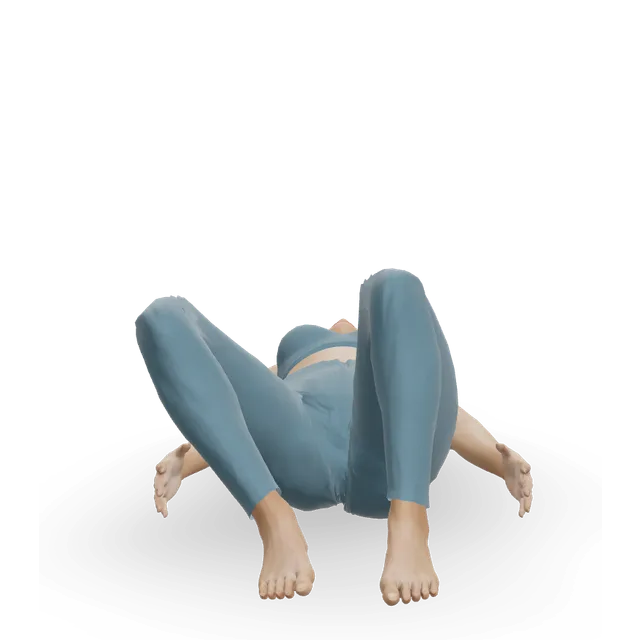
Pilates guide

Pilates for cervical spondylosis (neck arthritis): the nerve signs, head and neck positions in mat work, the moves to change, and what the evidence shows

Cervical spondylosis means age-related changes in the discs and joints of the neck: the neck's version of arthritis, mostly from your 40s on. It often causes no symptoms at all; when it hurts, neck and shoulder pain and stiffness come and go, sometimes with headaches that start at the back of the neck. Gentle neck exercise and keeping up your usual activities are the NHS's first advice, and strengthening the neck and shoulder-blade muscles has the best support for neck pain that lasts.

No controlled trial has tested Pilates for neck arthritis itself. Pilates eased long-lasting neck pain more than doing nothing in small trials, though not more than other exercise. What matters most with arthritis is how Pilates treats your neck: keep your head supported in tummy work, leave out the rolling and legs-overhead moves that put weight on your neck, and keep your head in line rather than looking up in back bends.

This guide covers what spondylosis is, the nerve and spinal cord signs, the moves to start with and to change, the reformer, what the evidence shows and the class to follow. Clumsy hands, numbness in both arms or new trouble walking need help first: the warning signs are below.

The short version

Part of normal ageing, often painless

The NHS says "Cervical spondylosis is a normal part of ageing and many people do not have any symptoms." On MRI (magnetic resonance imaging), 87.6% of 1,211 volunteers without neck symptoms had bulging discs, even people in their 20s.

Sources 1, 2

No controlled trial of Pilates

The only study is a one-group Egyptian study of 12 men doing Pilates with traction, with no comparison group; we could read only its summary. The Pilates neck pain trials left out people with arm nerve symptoms or diagnosed neck problems.

Sources 3, 4, 5

Pilates helps long-lasting neck pain a little

Across 8 small trials in neck pain without a specific cause, Pilates eased pain more than no exercise but slightly less than other exercise straight after treatment, at low to very low certainty, with follow-up mostly a month or less. That evidence is borrowed for neck arthritis.

Sources 6, 7

Strength has the best support

A Cochrane review found that strengthening the neck, shoulder-blade and arm muscles eases chronic neck pain, while stretching alone may not. In 24 people with neck arthritis, 4 weeks of home isometric neck exercises lowered disability more than care without exercise.

Sources 8, 9

Know the two nerve problems

A trapped nerve root (pain, tingling or numbness down one arm) usually improves over months. Pressure on the spinal cord (myelopathy) shows as clumsy hands, numbness, unsteadiness, falls or bladder changes, mostly over 50, and needs a doctor before any class.

Sources 11, 10

Head supported, nothing on your neck

Neck strain in Pilates tummy work comes from holding the head up too long or pulling on it: rest your head when it tires. Leave out the roll-over, jack knife and other moves that put weight toward your neck, and keep your head in line in back bends (our suggestion).

Sources 12, 13, 14

What cervical spondylosis is

Wear in the neck's discs and joints

The NHS says it "happens when ageing causes wear and tear to bones in the spine and the soft cushions of tissue (discs) in the neck", and that "Many people over 40 get cervical spondylosis as part of getting older." Symptoms include "neck and shoulder pain or stiffness that can come and go" and "headaches that often start at the back of the neck". The US surgeons' patient page says the pain "Is sometimes worsened by looking up or looking down for a long time".

Sources 1, 15

Common on scans without symptomsStrong evidence

In 1,211 volunteers aged 20 to 70 without neck symptoms, 87.6% had bulging discs, rising with age, and 5.3% had some spinal cord compression, more often after 50. Across studies of healthy people, about a quarter (24.2%) had spinal cord compression on MRI without symptoms. The changes on your scan aren't, on their own, the cause of your pain.

Sources 2, 16

How it usually goes

The NHS says "It usually takes a few weeks for treatment to work, although the pain and stiffness can come back."

Source 1

Spondylosis or spondylitis?

Spondylosis is age-related wear in the discs and joints. Spondylitis means inflammation, as in ankylosing spondylitis, which has its own Pilates guide. The two words are easily mixed up: if you've been told you have "cervical spondylitis", ask which was meant (our suggestion).

The nerve signs: a trapped nerve and the spinal cord

With arm symptoms or any of the spinal cord signs, see a doctor or physiotherapist before a class. The full warning signs are at the end of the page.

A trapped nerve in the neck (cervical radiculopathy)Emerging evidence

Pain, pins and needles, numbness or weakness down one arm, often in a narrow band. It usually gets better: "substantial improvements tend to occur within the first 4 to 6 months post-onset", and in a group referred for care about 55% felt recovered at 6 and 12 months. In 205 people with recent arm pain, a collar or physiotherapy eased arm pain a little more than waiting over 6 weeks.

Sources 11, 17, 18

Pressure on the spinal cord (degenerative cervical myelopathy)Strong evidence

Pressure on the spinal cord from neck arthritis (degenerative cervical myelopathy) shows as neck or limb pain and stiffness, clumsy hands (buttons, handwriting, dropping things), numbness, imbalance, frequent falls or incontinence, mostly in people over 50. Early signs are subtle: in one study the average delay to diagnosis was 2.2 years, and 43% were first diagnosed with carpal tunnel syndrome.

Evidence summarised in the US guideline found only 18% of people with myelopathy reported improvement and 67% got worse over time, and those treated with surgery did better. Arm pain with tingling in one arm is more likely a pinched nerve; both hands, or your balance, is the urgent pattern.

A BMJ review says "Preoperative physiotherapy should only be advised by specialist services", and the AO Spine guideline offers a supervised trial of structured rehabilitation only in mild cases. With these signs, a Pilates class waits for a specialist's advice.

Sources 10, 19, 20

Looking up narrows the canalEmerging evidence

In cadaver studies, the spinal canal gets narrower when the neck bends back, and across 19 dynamic MRI studies in myelopathy, images with the neck bent back often showed extra compression. That's why we suggest keeping your head in line in back bends; no trial has tested it.

Sources 21, 22

What the evidence says

No controlled trial has tested Pilates in neck arthritis. The evidence this page leans on is for exercise and Pilates in neck pain generally.

No controlled trial of PilatesStrong evidence

Our searches of PubMed, Europe PMC and ClinicalTrials.gov (October 2026) found no randomised or controlled trial of Pilates in cervical spondylosis, a trapped nerve or myelopathy. One 2014 Egyptian study gave 12 men aged 30 to 50 with cervical spondylosis Pilates exercises with electric traction, as a single group with no comparison. Its summary reports improvement but gives no numbers, and it can't separate Pilates from traction or time. We could read only that summary.

Sources 4, 3

The Pilates neck trials left out people with nerve signs

The trials of Pilates for neck pain excluded neck pain spreading to the arms, nerve symptoms, cervical stenosis or diagnosed neck problems. So all the Pilates neck evidence is borrowed from neck pain without a specific cause.

Sources 5, 23, 24

Pilates for long-lasting neck pain: a little helpEmerging evidence

Across 8 trials (439 people), Pilates eased pain more than no exercise (very low certainty) but slightly less than other exercise straight after treatment (low certainty), and "Most studies reported follow-up data only up to one month post-intervention". Another review found Pilates no better than other treatments at 3 months, and an overview of 25 reviews found no single best exercise for chronic neck pain.

Sources 6, 7, 25

Strengthening has the best supportEmerging evidence

A Cochrane review of 27 trials found moderate-quality evidence that strengthening the neck, shoulder-blade and arm muscles eases chronic neck pain, while "when only stretching exercises were used no beneficial effects may be expected". The 2017 US neck pain guideline recommends exercise for the neck and shoulder-blade region. Neither mentions Pilates.

Sources 8, 26

Small trials in neck arthritis itselfMixed evidence

In 24 people with neck arthritis, 4 weeks of home isometric neck exercises, 6 days a week, lowered neck disability more than care without exercise. In 60 people, "There was more improvement in the two groups receiving exercise treatment than the group receiving medical treatment." Both small and short, with a high risk of bias.

Sources 9, 27

A trapped nerve: exercise helps a littleEmerging evidence

Across 10 trials (871 people), exercise eased the pain of a trapped nerve in the neck, at low certainty, and in one trial arm pain eased over 6 weeks even with wait and see. An Ontario guideline says that people whose nerve signs and disability last more than 3 months after an injury should be referred to a doctor.

Sources 28, 18, 29

Myelopathy: rehabilitation only for mild cases, with a specialistStrong evidence

For mild degenerative cervical myelopathy (DCM), the AO Spine guideline says "We suggest offering surgical intervention or a supervised trial of structured rehabilitation for patients with mild DCM." Between 23% and 54% of people managed without surgery went on to have it. A neurosurgical committee warns that someone with severe compression "may suddenly worsen after a trivial fall".

Sources 19, 30, 31

Your head and neck in Pilates

Head lifts in tummy workMixed evidence

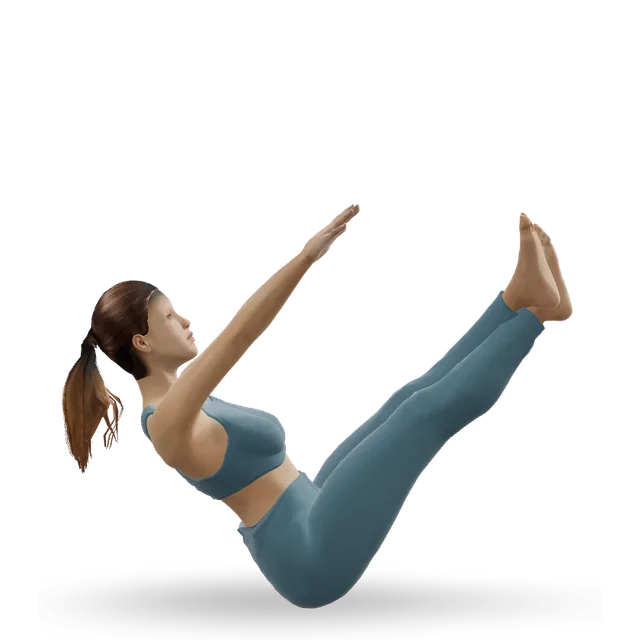
The hundred, chest lift, single-leg and double-leg stretch and criss-cross hold your head up against gravity. A teacher-training textbook says that when you don't curl up enough, "The result is often neck strain and tension", and that pulling on your head with your hands "also creates pressure on the neck". A classical teaching platform says strain happens mostly when you lift your head "for an extended period of time", and that one of the quickest fixes is "to put your head down when your neck starts getting tired." In two lab studies in healthy people, starting a curl-up with a small chin tuck and breathing out slowly both lowered the work of the big muscle at the front of the neck.

Sources 12, 13, 32, 33

Rolling and legs overheadEmerging evidence

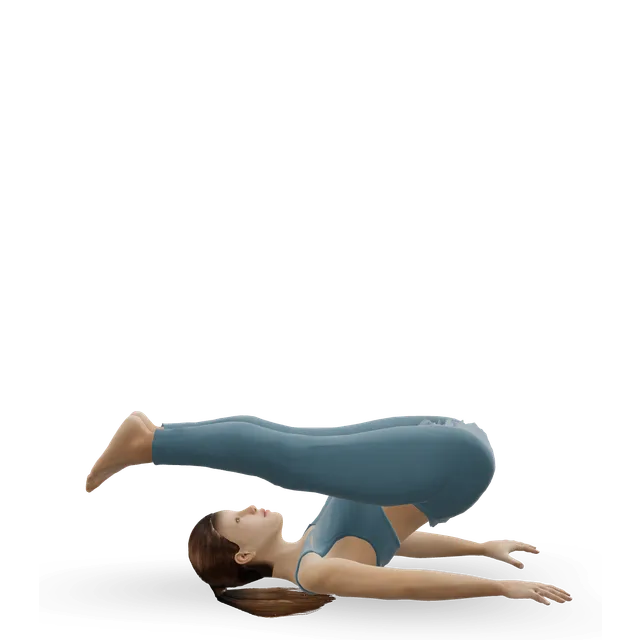
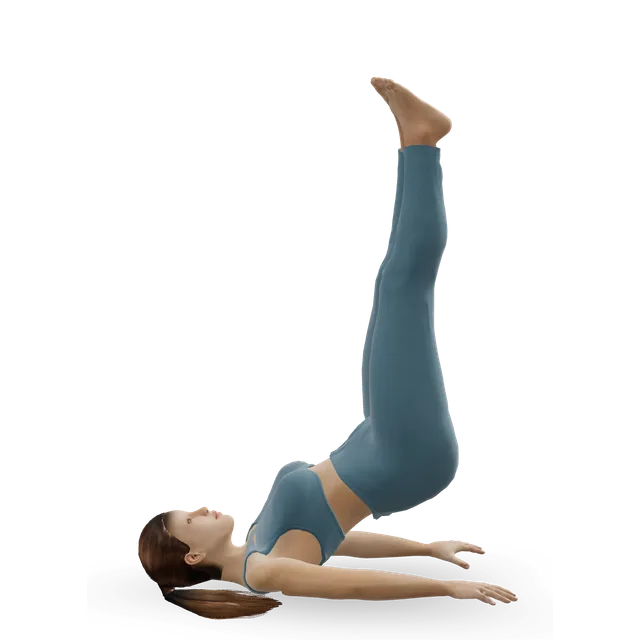
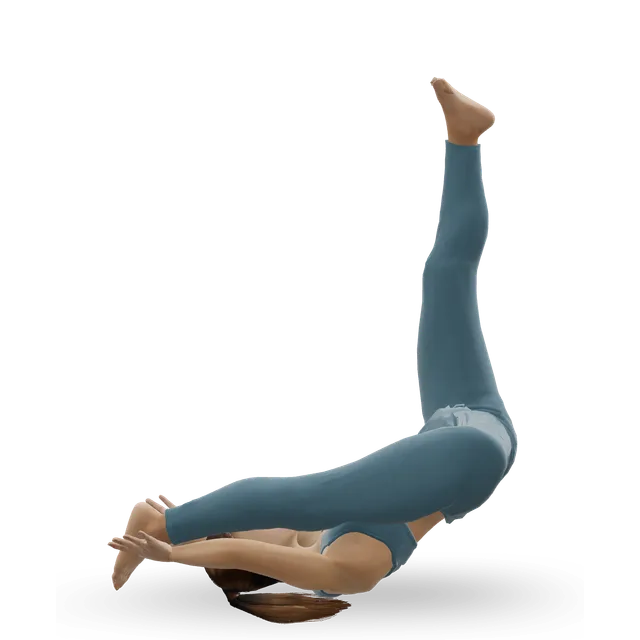
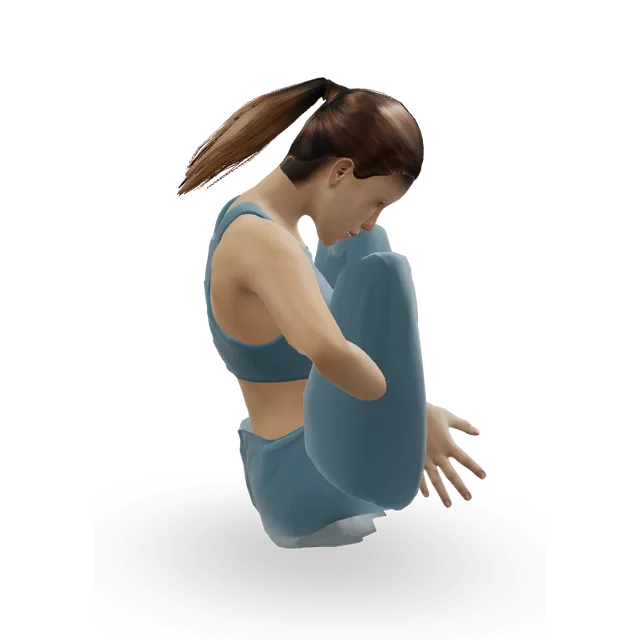
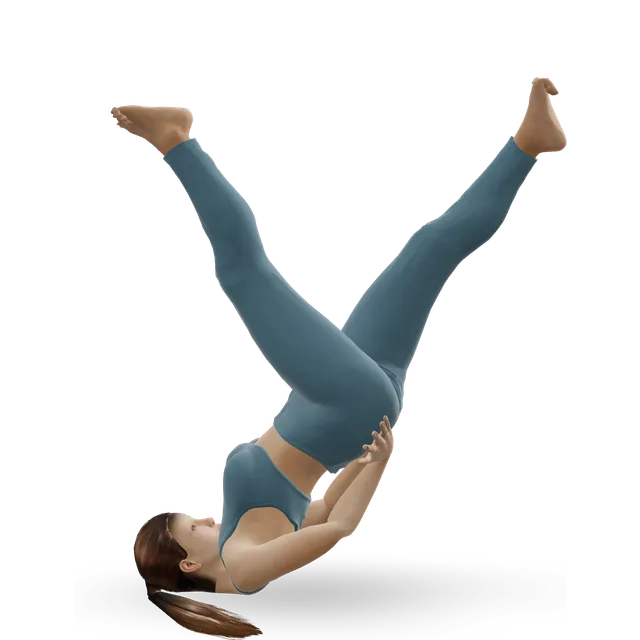
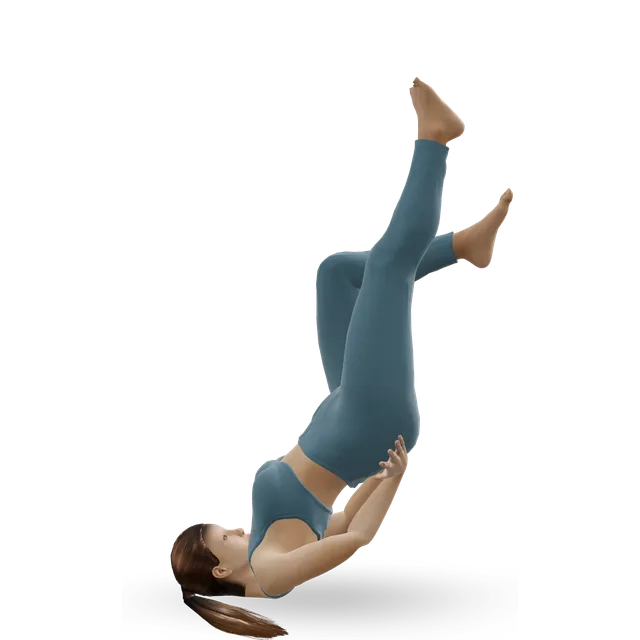
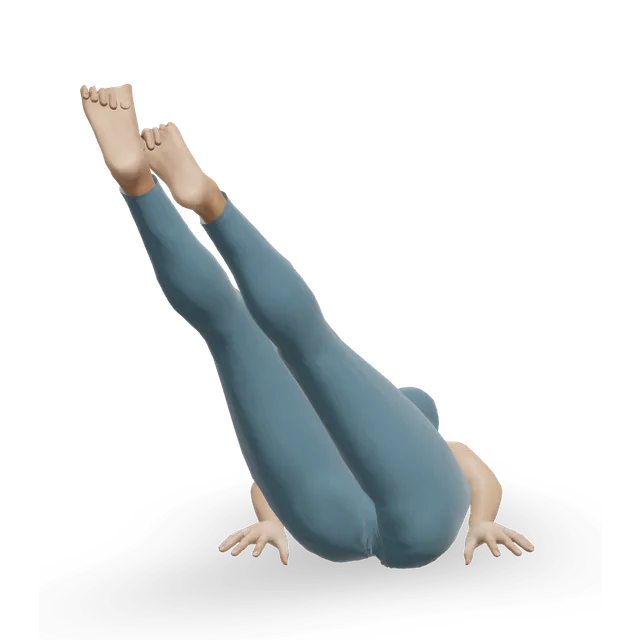
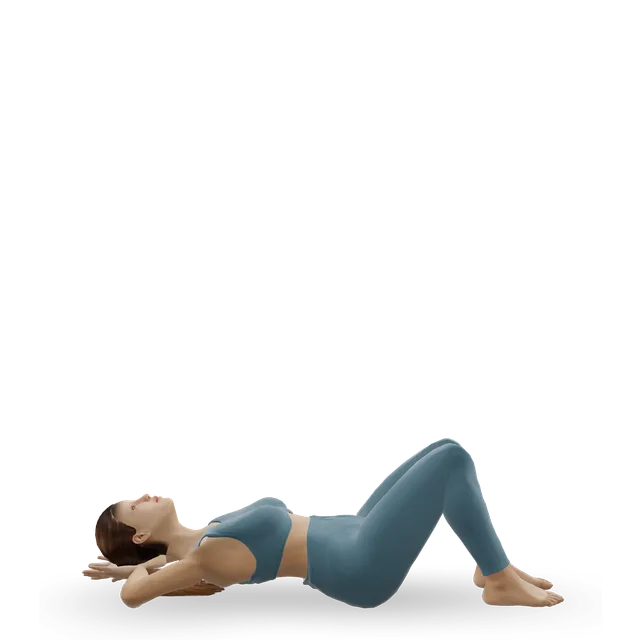
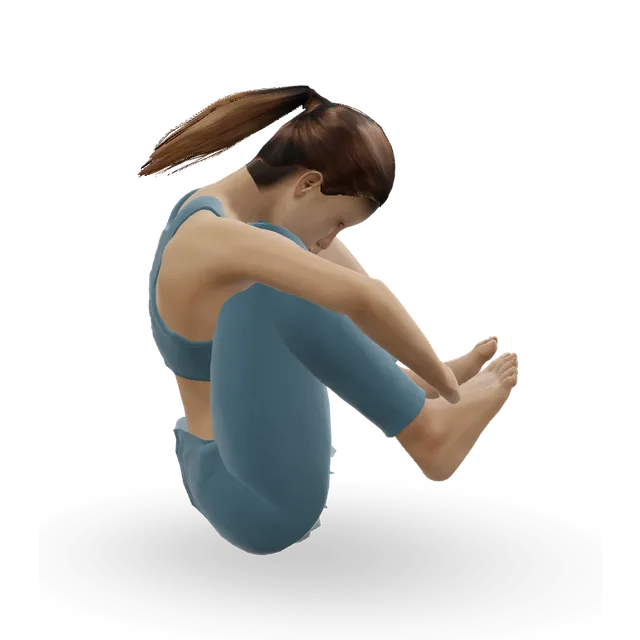
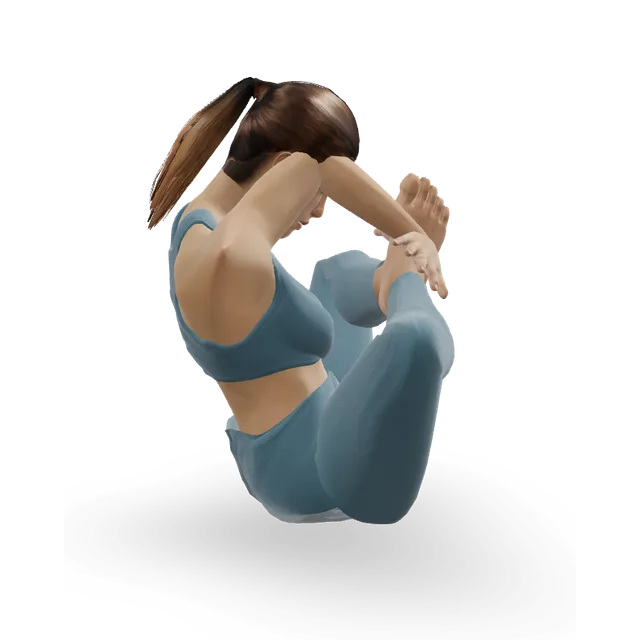
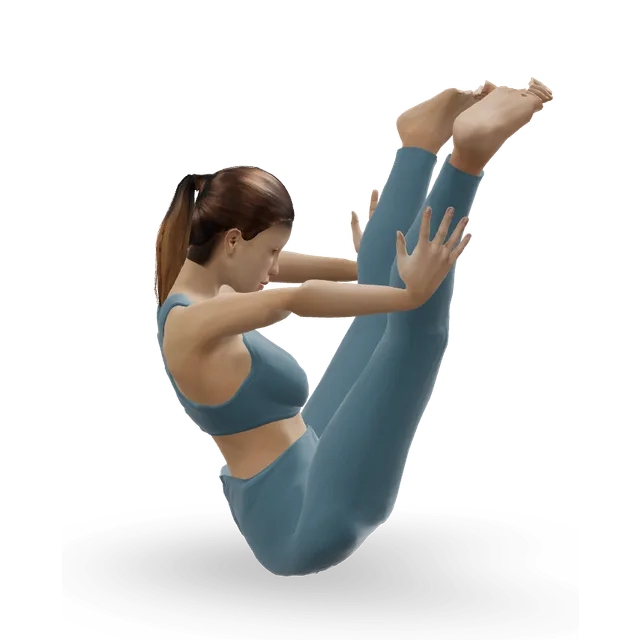
The roll-over, jack knife, boomerang, control balance and crab put weight toward your neck at the end of its bend. A teaching platform says of the jack knife "Avoid this exercise if you have neck and/or spine injuries." No study has measured neck load in a Pilates move; in headstands, the nearest measured position, the head took up to 40% to 48% of body weight at its peak.

Sources 34, 14

Looking up in back bends

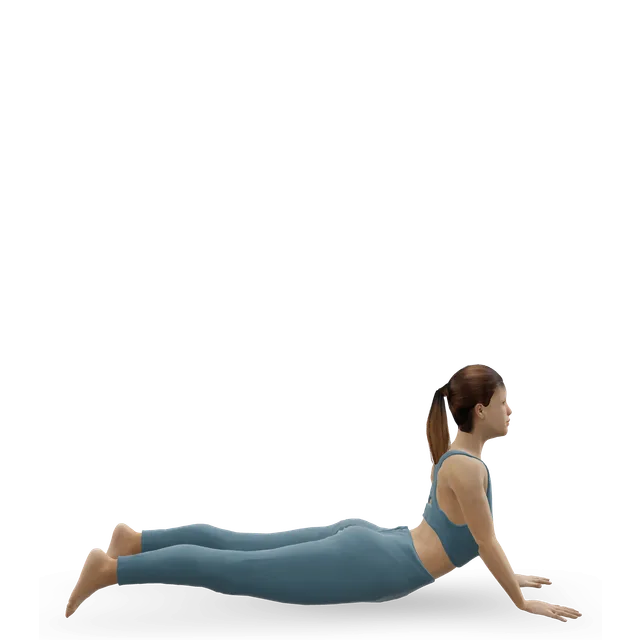
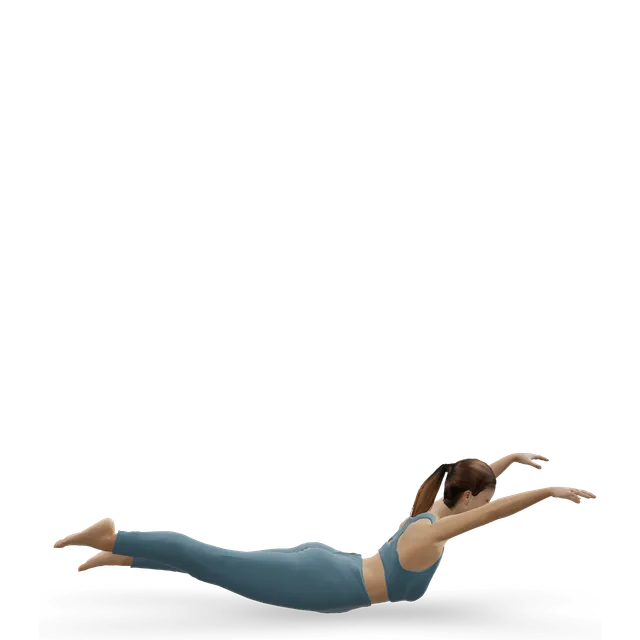
The swan, swimming, rocking and the double-leg kick lift your head and chest. With neck arthritis, keep your head in line with your spine and your eyes on the mat rather than looking up. This is our suggestion, from cadaver and dynamic MRI studies showing the canal narrows when the neck bends back, and from case reports; no trial has tested it.

Sources 21, 22, 37

On the reformer

One reformer maker's manual says a flat headrest "will keep the client from over flexing the cervical spine and injuring the neck" in rolling exercises, and lists "Neck issues" among the reformer hundred's precautions. Keep your head on the headrest in lying work, and skip overhead and upside-down work while your neck hurts, as our Pilates for neck pain guide suggests.

Source 35

Harm is rare but realMixed evidence

There are only case reports. A 42-year-old woman felt a pop in her neck during a reformer move, followed by a spinal fluid leak, and a 63-year-old man with arthritis at several levels of his neck had a spinal cord injury and torn neck arteries after a yoga session. No rate can be given from single cases.

Sources 36, 37

The hundred with your neck supported

From our Pilates for neck pain guide's steps, a classical teaching platform and a teacher-training textbook. The 50 beats are adapted from the move page's dose, "50 beats to start, building to 100 (the classical count)."; the pain limit is NHS inform's.

  1. Lie on your back with your knees bent and a folded towel or firm pillow behind your head, not under your neck.
  2. Lift your knees one at a time to a tabletop, knees over your hips.
  3. Breathe out and curl your head and shoulders up to the base of your shoulder blades, chin off your chest and eyes on your knees. If your neck works hard, keep your head on the towel and lift only your arms.
  4. Pump your straight arms in small beats from your shoulders: 5 beats as you breathe in, 5 as you breathe out.
  5. Rest your head down whenever your neck tires, and lift it again only if it settles.
  6. Start with 50 beats, and stop if pain goes above 5 out of 10.

See the movement on the 3D figure: Hundred (Pilates)

Moves to start with: head supported

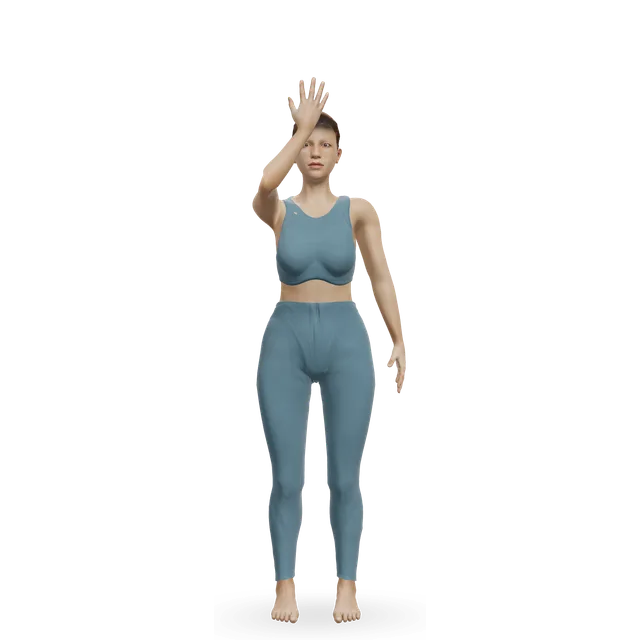
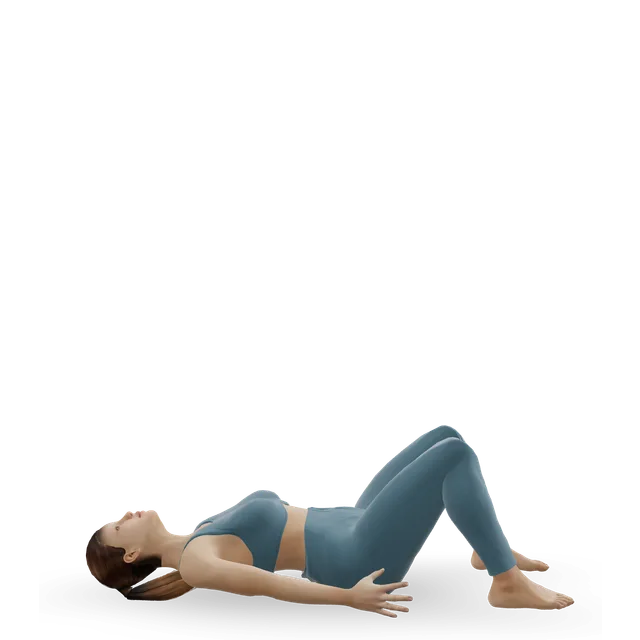
Lateral breathing: 5 breaths (our Pilates for neck pain class; adapted from the move page's dose). Lying chin tuck: 5 gentle holds of up to 10 seconds, head resting (the class). Neck movements: separate turns, tilts and nods rather than circles, 2 to 3 each way, several times a day, building to about 10 (our neck arthritis guide, stage 1, from NHS inform; adapted from the move page's dose, which says "With a sore neck, use separate nods, tilts and turns instead"). Chin tuck: 10 holds of 5 seconds, twice a day (the guide's stage 1). Thoracic rotation: "6 rotations per side, moving with the breath" (the move page's dose), turning from your ribs, not your neck. Open book: 6 each side, head on a pillow, letting your head turn with your arm only as far as is comfortable (the class; adapted from the move page's dose). Knee folds: 5 each side, head down (the class; adapted from the move page's dose). Heel slides: 8 each side (the class; adapted from the move page's dose). Dead bug heel taps: 5 each side, head down (the class). Pelvic tilts into a bridge: 6 to 8 slow reps, weight on your shoulder blades, not your neck (the class). The hundred: head down on a folded towel, as in the steps above. Chest lift, once your neck is settled: "8 to 10 reps." (the move page's dose), hands supporting your head, resting it between reps if your neck aches, as its page says.

Upper back and shoulder blades

Y-T-W raises: 5 of each shape, forehead on a folded towel (our Pilates for neck pain class), building to 2 rounds (our neck arthritis guide, stage 2). Swan: 5 small lifts, forehead on the towel to start and looking at the mat (the class; adapted from the move page's dose). Swimming: 2 sets of 20 seconds, eyes on the mat and your neck long (adapted from the move page's dose). Band row: 2 to 3 sets of 10 to 15 (the guide's stage 2; adapted from the move page's dose). Wall angel: 6 to 8 slow slides, the back of your head toward the wall only if it reaches comfortably (the class). Cat-cow: 6 slow waves, keeping the neck part small (the class; adapted from the move page's dose). Bird dog, one limb at a time: 5 each arm and leg, looking at the floor just ahead of your hands (the class). Breath reach: "5 breaths, exhale longer than inhale" (the move page's dose).

Neck strength, once it has settled

Isometric neck holds: 3 to 5 holds of 5 to 10 seconds each way at a light effort (our neck arthritis guide, stage 2); start with a clinician after recent whiplash or with any nerve symptoms, as its page says. Chin tuck head lift: 3 to 5 holds of 5 seconds (stage 2). Upper trap release: "2 slow holds of 30 seconds per side" (the move page's dose), gently and short of any tingling. For comparison, the small trial in neck arthritis used isometric holds of 10 seconds, 5 of each of 6 movements, 3 times a day, 6 days a week for 4 weeks: that is the trial's dose, not ours.

Moves to change or leave out

With neck arthritis while it hurts, and always with nerve or spinal cord signs. These match our Pilates for neck pain guide's list.

Weight toward your neck

The roll-over, jack knife, boomerang, control balance, crab, high scissors, high bicycle and the corkscrew with the hips lifted put weight toward your neck. The roll-over's page says "Do not do it with a neck problem: a Pilates teacher advises against putting weight over the neck with a cervical spine condition." Leave them out.

Rolling

Rolling like a ball, the seal and the open-leg rocker roll onto your upper back and neck; rolling like a ball's page says "Skip it with a neck problem". Leave them out.

The neck pull

Its page says "Never pull on your head" and to avoid it with a neck problem. Use the chest lift with your head supported instead.

Back bends: head in line

In the swan (no swan dive), the double-leg kick, rocking and swimming, keep your head in line with your spine and your eyes down rather than looking up (our suggestion, as above).

Neck circles

Do full neck circles only once separate movements are comfortable. The neck circles page says "If your neck is sore, start with small separate turns, tilts and nods before full circles."

The moves to leave out

Each move's own page gives its cautions; the swaps are in the notes above.

Who should change what

Spinal cord signs

No class until you've been assessed; afterwards, your team's advice. With known spinal cord compression, leave out rolling, the legs-overhead moves and balances that risk a fall onto your head, and keep your neck out of looking right up (our suggestion, from a neurosurgical committee's warning that someone with severe compression "may suddenly worsen after a trivial fall").

Source 31

Rheumatoid arthritis in the neck

The legs-overhead moves' pages say "With rheumatoid arthritis that affects your neck, leave this out".

Osteoporosis

Modify or avoid exercises that round your back deeply or repeatedly, especially with a weight: sit-ups, toe touches, Pilates roll-downs and curl-ups, and extreme yoga forward folds. Bend from the hips instead. You do not need to avoid bending, twisting or lifting altogether: move smoothly and keep your upper back straight.

Glaucoma and hypermobility

The legs-overhead moves' pages say "Skip it with glaucoma unless your eye specialist agrees: like the plough, it takes your head below your heart." and "With hypermobility or EDS (Ehlers-Danlos syndromes), we suggest leaving it out unless a physiotherapist who knows your neck has cleared it, because it puts weight on your neck."

A stiff or fused spine, or whiplash

With ankylosing spondylitis, see our Pilates for ankylosing spondylitis guide. After whiplash, see our whiplash guide.

Pregnancy

In pregnancy, after the first trimester, keep time flat on your back to a few minutes: prop your upper body up, or use a side-lying or all-fours version.

Classes to follow

Start with the 20-minute Pilates for neck pain class, which keeps your head supported throughout, with head-down tummy work, upper-back and shoulder-blade strength and separate neck movements instead of circles. The neck and shoulder strength routine adds the strengthening with the best support. The chair classes suit a flare.

Pilates for neck pain: a 20-minute head-supported class

A 20-minute Pilates class for neck pain: head-supported core work, upper-back and shoulder-blade strength, gentle neck movement and slow breathing.

20 minBeginner15 movesA wall

Neck and shoulder strength routine

Deep neck holds and shoulder-blade strength in under 20 minutes: one of the best-supported kinds of exercise for a stiff, sore neck.

18 minBeginner11 movesA band, An anchor point

Pilates for posture: upper back, shoulders and neck

A 20-minute Pilates routine for posture: breathing, head and shoulder-blade control, back strength and upper-back mobility, with no loaded rounding.

20 minBeginner13 movesA wall, A band

Upper back mobility routine

A 12-minute routine for a stiff upper back and rounded shoulders: chin tucks, wall angels, Y-T-W raises and open books.

12 minBeginner8 movesA foam roller, A wall

Clinical Pilates exercises: an NHS-style physio class routine for home

A 15-minute routine of the exercises NHS physiotherapy Pilates classes send home: bridge, knee folds, leg slides, clam, side kick and side openings.

15 minBeginner10 movesNo equipment

Yoga for neck pain: a 20-minute gentle sequence

Twenty minutes of slow breathing, small neck movements, poses that keep your head supported or level, and upper-back strength, with nothing that loads the neck.

20 minBeginner14 movesA step

Chair Pilates workout

A 20-minute chair Pilates workout for beginners and older adults: breathing, sitting tall, gentle spine and leg moves, and a standing finish at the chair.

20 minBeginner14 movesA bench or box, Something with weight

Seated chair Pilates: 15 minutes, no standing

A 15-minute chair Pilates class done entirely sitting down, in a chair or wheelchair: breathing, spine moves, and leg and arm strength with water bottles.

15 minBeginner13 movesA bench or box, Something with weight

A plan to follow

The 4-week beginner plan, using the head-down versions in its tummy work.

Warning signs: when to get help

These are the warning signs from our neck pain guides, word for word. This is general information, not a diagnosis. A&E means accident and emergency; in the US, call 911 for 999, and use your doctor's urgent line or urgent care for NHS 111.

Call 999 or go to A&E

  • Call 999 or go to A&E: new problems walking, loss of bladder or bowel control, or a sudden loss of coordination, such as difficulty doing up buttons. These can be signs of pressure on the spinal cord.
  • Call 999 or go to A&E: a headache that came on suddenly and is extremely painful; numbness or weakness in the face or body; a drooping face, or being unable to lift both arms and keep them up; difficulty speaking, swallowing, balancing, walking or remembering; double vision or loss of vision; drowsiness or confusion. A torn neck artery often starts with headache and neck pain, sometimes with dizziness or tingling, so head or neck pain unlike any you have had before needs checking.
  • Call 999: chest pain that spreads to your arm, neck or jaw, especially with breathlessness, sweating or feeling sick. It could be a heart attack.

Sources 1, 38, 39

After a fall, or rolling hard onto your neck

A fall from equipment, or rolling hard onto your neck, counts as a neck injury.

Call 999 or go to A&E after a neck injury if the person is unresponsive, has severe neck pain or cannot move their head, has fallen from a height such as 5 or more stairs, or is drunk or has taken recreational drugs. Do not drive yourself. Being 65 or over, a dangerous fall or crash (from more than 1 metre or 5 stairs, diving, a high-speed or rollover crash, being thrown from a vehicle, a bicycle collision or an accident on a motorised recreational vehicle), or tingling in the arms or legs after an injury puts you at high risk of a broken neck: get checked.

Source 39

The same day

  • Same day (urgent GP appointment or NHS 111): severe neck pain that starts suddenly or gets worse quickly; heaviness or weakness in the arms or legs; pins and needles in an arm along with neck or arm pain; or pain between the shoulder blades.
  • Same day: clumsiness in your hands, or numbness, pins and needles or weakness in one or both arms, that is getting worse; problems with balance or walking since the neck pain started; or neck pain with a severe headache.

Sources 1, 39

A trapped nerve: get help urgently

Arm weakness or numbness that keeps getting worse, severe pain that painkillers and rest do not touch, or an unexplained fever.

Source 29

See a GP or physiotherapist

  • Neck pain or stiffness that has not eased after a few weeks, or after 8 weeks of looking after it yourself; painkillers are not helping; or you are worried. In many areas you can refer yourself to NHS physiotherapy.
  • No improvement after 6 weeks of exercise, or arm symptoms still there beyond 6 to 12 weeks.
  • Nerve symptoms and trouble with daily life more than 3 months after an injury: a guideline advises referral for medical investigation.
  • Severe pain that is constant or disturbs your sleep, a fever or unexplained weight loss, or a history of cancer, inflammatory arthritis, tuberculosis (TB), a weakened immune system, neck surgery or a violent injury. Serious causes are very rare, but these need checking.
  • Neck pain with feeling generally unwell, or that started while you were ill with another condition such as rheumatoid arthritis or cancer; or neck pain with blurred vision, ringing in the ears or dizziness.
  • See a GP if you have pain and stiffness for more than a week, especially if you're over 50, it's in both shoulders (often the neck and hips too) and the stiffness lasts longer than 45 minutes in the morning. It can be polymyalgia rheumatica.

Sources 38, 39, 29, 40

During Pilates

NHS inform's neck exercise advice: rate your pain from 0 to 10. During exercise, 0 to 3 is minimal and 4 to 5 is acceptable; 6 or more is too much. If it goes higher, do fewer repetitions, move more slowly or rest longer between movements.

Exercise should not make your neck worse overall. Soreness from a new exercise should ease quickly, and your neck should be no worse the next morning. Stop any exercise that makes your symptoms worse or causes new pain.

Arm symptoms are the exception, as in our neck pain guides. If a move sends pain, tingling or numbness further down your arm, or the extra symptoms last more than an hour afterwards, make the movement smaller or leave it out.

Stop and get checked for dizziness, double vision, slurred speech, trouble swallowing or any of the warning signs above.

If you feel a pop or a sudden sharp pain in your neck during a move, stop. If a new headache follows, especially one that eases when you lie down, get advice the same day, and call 999 for any of the urgent headache or brain signs above (our suggestion, from a case report). Don't go back to rolling or upside-down moves until it's been checked.

Sources 41, 36

Chest pain or fainting while exercising: call 999

Call 999 if:

  • You get sudden pain or discomfort in your chest that doesn't go away; it can feel like squeezing or pressure, burning or indigestion.
  • The pain spreads to your left or right arm, or your neck, jaw, stomach or back.
  • You have chest pain and feel sweaty, sick, light-headed or short of breath.
  • Someone faints while exercising, can't be woken within 1 minute, or has chest pain or a pounding, fluttering or irregular heartbeat.

Sources 42, 43, 44

Unusual breathlessness

Call 999 or go to A&E (accident and emergency) straight away for severe difficulty breathing (gasping, choking or not able to get words out), a chest that feels tight or heavy, pain that spreads to your arms, back, neck and jaw, lips or skin turning very pale, blue or grey, or sudden confusion. If you're more short of breath than usual, or your heart is racing, fluttering or skipping beats, contact NHS 111.

Source 45

Stop the session if

You feel any pain or become unwell, as the NHS advises for its Pilates videos, and especially for chest pain or pressure, unusual breathlessness, dizziness or fainting. If you have a health problem, an injury or any symptoms, get advice from a healthcare professional, such as a GP, before you start.

Source 46

Before you start

The NHS advises getting advice from a healthcare professional first if you have a health problem, an injury or symptoms, or have recently had a heart attack or an operation.

Source 46

Myths

"With neck arthritis, keep your neck still"Strong evidence

The NHS's first advice is gentle neck exercise and keeping up your usual activities, and strengthening the neck and shoulder-blade muscles has the best support for long-lasting neck pain. The US surgeons' page says a soft collar "should only be worn for a short period of time".

Sources 1, 8, 15

"The changes on my scan explain my pain"Strong evidence

On MRI, 87.6% of 1,211 people without neck symptoms had bulging discs, even people in their 20s, and the US surgeons' page says "nearly half of all people middle-aged and older have worn disks that do not cause painful symptoms".

Sources 2, 15

"Pilates can reverse cervical spondylosis"Strong evidence

No study shows any exercise reverses the changes on a scan, and no controlled Pilates trial exists. What improves is pain, movement and strength.

Sources 4, 2

"Neck circles and big stretches loosen arthritic joints"Mixed evidence

Forcing the neck to the end of its range, looking right up or turning hard to one side, is the most likely to pinch, and stretching alone may not help. Start with small, separate movements before full circles.

Source 8

"Upside-down moves strengthen a weak neck"Emerging evidence

No trial supports it. In headstands, the nearest measured position, the head took up to 40% to 48% of body weight at its peak, and the roll-over's own page says "Do not do it with a neck problem".

Sources 14, 36

"Pilates tummy work always strains your neck, so avoid it"Mixed evidence

Teachers explain that the strain comes from holding the head up with too little curl, or pulling on it, and fix it by curling from the chest, supporting the head or resting it down. A 2026 office-worker trial used head lifts at their easiest level, under a physiotherapist.

Sources 12, 13, 24

"Fix your posture and the neck pain will go"Emerging evidence

Our Pilates for neck pain guide sets out why posture is a weaker cause of neck pain than people think, and Pilates helps neck pain about as much as other exercise, not more.

Sources 6, 25

Questions people ask

Is Pilates good for cervical spondylosis?

It can be, as a way to do the neck and shoulder-blade exercise that helps long-lasting neck pain, with your head supported and the neck-loading moves left out. No controlled trial has tested Pilates in spondylosis itself; in small trials in long-lasting neck pain, Pilates helped more than doing nothing but not more than other exercise.

Can Pilates make neck arthritis worse?

It can if you hold your head up for too long, pull on it, roll onto it or take weight on it in the upside-down moves. Keep your head supported, rest it when it tires, and leave out the rolling and legs-overhead moves.

Which Pilates exercises should I avoid with cervical spondylosis?

The roll-over, jack knife, boomerang, control balance, crab, high scissors and high bicycle, the corkscrew with the hips lifted, the neck pull, and rolling like a ball, the seal and the open-leg rocker. With arthritis, also keep your head in line rather than looking up in the swan and similar back bends; that's our suggestion.

What are the best Pilates exercises for neck arthritis?

Chin tucks with your head resting, separate neck turns, tilts and nods, thoracic rotation, the open book, and shoulder-blade work face down (Y-T-W raises, a small swan) and with a band (rows). Strengthening the neck and shoulder-blade muscles has the best support for long-lasting neck pain.

Can I do the hundred with neck arthritis?

Yes, with your head down on a folded towel, or lifting it only while your neck stays comfortable; you still work your tummy muscles. Start with 50 beats.

Is reformer Pilates good for cervical spondylosis?

It can be, lying with your head on the headrest. Skip the rolling, overhead and upside-down work, and tell the teacher about your neck; one reformer maker's manual lists neck issues among the precautions for the reformer hundred.

Can Pilates help a pinched nerve in the neck?

No trial has tested Pilates for it. A pinched nerve usually improves over weeks to months; gentle movement that doesn't spread arm symptoms is fine, and any move that sends pain or tingling further down your arm should be made smaller or left out.

Is Pilates safe with cervical myelopathy or stenosis?

Not until you've been assessed: clumsy hands, numbness, unsteadiness or falls can be signs of pressure on the spinal cord, which needs a doctor first. Afterwards, follow your team's advice, and leave out rolling, upside-down and balance moves that risk a fall onto your head.

Can Pilates reverse cervical spondylosis?

No. The changes on scans are common in people without neck pain and don't go away; what exercise improves is pain, movement and strength.

Should I stretch my neck a lot with arthritis?

Gentle movement short of the stiff point helps, but forcing the neck to the end of its range, looking right up or turning hard, is the most likely to pinch. A Cochrane review found no benefit could be expected from stretching on its own for long-lasting neck pain.

What is the difference between cervical spondylosis and spondylitis?

Spondylosis is the age-related wear in the discs and joints; spondylitis means inflammation, as in ankylosing spondylitis, which has its own guide. If you've been told you have cervical spondylitis, ask whether it means spondylosis: the two words are easily mixed up.

When should I see a doctor about neck pain?

Call 999 or go to A&E for new problems walking, loss of bladder or bowel control, or a sudden loss of coordination such as difficulty doing up buttons. Get same-day help for clumsy hands, or arm numbness or weakness that's getting worse. See a GP or physiotherapist if it hasn't eased after a few weeks of looking after it yourself.


Sources

  1. NHS · Cervical spondylosis (past its review date: reviewed August 2023, review due August 2026)

  2. Nakashima 2015 · Neck MRI in 1,211 volunteers without neck symptoms (imaging study, Spine)
  3. Okasha 2014 · Pilates exercises with traction in 12 men with cervical spondylosis (one-group study with no comparison group, J Appl Sports Sci; abstract only)
  4. PubMed, Europe PMC and ClinicalTrials.gov · Our searches for Pilates trials in cervical spondylosis, radiculopathy and myelopathy, and for neck load in Pilates head lifts (October 2026)
  5. ClinicalTrials.gov · NCT02433821: the Cazotti Pilates neck pain trial's registration and exclusions
  6. Lazoura 2025 · Pilates for chronic neck pain: 8 trials, 439 people (systematic review and meta-analysis, BMC Musculoskelet Disord; read in full)
  7. Martini 2022 · Pilates for neck pain: 5 trials (systematic review and meta-analysis, J Bodyw Mov Ther)
  8. Gross 2015 · Exercises for mechanical neck disorders: 27 trials (Cochrane review)
  9. Sadeghi 2022 · Home isometric neck exercises for cervical spondylosis in 24 people (randomised trial, BMC Sports Sci Med Rehabil; read in full)
  10. Davies 2018 · Degenerative cervical myelopathy (clinical review, BMJ; read in full)
  11. Wong 2014 · How a neck disc with a trapped nerve usually goes (systematic review, Spine J)
  12. Isacowitz · Placement of the head in Pilates (excerpt from a teacher-training textbook, Human Kinetics)
  13. Pilatesology 2023 · What to do if you have neck pain in Pilates (classical teaching platform)
  14. Hector 2015 · Head and neck loading in headstand technique (lab study, J Bodyw Mov Ther)
  15. AAOS OrthoInfo · Cervical spondylosis (arthritis of the neck)
  16. Smith 2021 · Spinal cord compression on MRI with and without symptoms (systematic review and meta-analysis, Global Spine J)
  17. Sleijser-Koehorst 2018 · Recovery from a trapped nerve in the neck with non-surgical care (cohort study, Eur Spine J)
  18. Kuijper 2009 · A collar or physiotherapy against wait and see for a recent trapped nerve in the neck in 205 people (randomised trial, BMJ)
  19. Fehlings 2017 · Managing degenerative cervical myelopathy (AO Spine clinical practice guideline, Global Spine J; read in full)
  20. Wilson 2013 · How often spinal cord compression without symptoms leads to myelopathy (systematic review, Spine)
  21. Joaquim 2019 · Spinal cord compression that changes with neck position (review, Neurospine)
  22. Baram 2025 · Dynamic MRI in degenerative cervical myelopathy: 19 studies (systematic review, J Clin Med)
  23. ClinicalTrials.gov · NCT01999283: the Dunleavy Pilates and yoga neck pain study's registration and exclusions
  24. Göz 2026 · Pilates and kinesiotaping for neck pain in office workers (randomised trial, Pain Res Manag; read in full)
  25. Rasmussen-Barr 2023 · Exercise types for chronic neck pain: 25 reviews (review of systematic reviews, BMC Musculoskelet Disord; read in full)
  26. Blanpied 2017 · Neck pain: revision 2017 (US physiotherapy clinical practice guideline, J Orthop Sports Phys Ther; read in full)
  27. Aslan Telci 2012 · Three conservative treatments for cervical spondylosis in 60 people (randomised trial, Rheumatol Int)
  28. Liang 2019 · Exercise for cervical radiculopathy: 10 trials (systematic review and meta-analysis, Medicine)
  29. Côté 2016 · Managing neck pain and associated disorders (Ontario OPTIMa guideline, Eur Spine J)
  30. Tetreault 2017 · Non-surgical treatment for degenerative cervical myelopathy (systematic review, Global Spine J)
  31. Parthiban 2019 · Surgery and non-surgical care for cervical spondylotic myelopathy (WFNS Spine Committee recommendations, Neurospine; read in full)
  32. Lee 2016 · Neck and tummy muscle activity in curl-ups started with a chin tuck (lab study, J Phys Ther Sci; read in full)
  33. Yoon 2014 · Slow breathing out and neck muscle activity in curl-ups (lab study, J Electromyogr Kinesiol)
  34. Pilates Anytime · The 34 Pilates mat exercises: names, order and precautions (teaching platform)
  35. Balanced Body · Contrology classical reformer manual: set-up, headrest and gear block settings, and exercise precautions (maker's manual, 2021; read in full)
  36. Davis 2014 · A spinal fluid leak after a Pilates class (case report, J Med Case Rep; read in full)
  37. Nayar 2022 · Neck artery tears and spinal cord injury after yoga in a man with neck arthritis (case report, Spinal Cord Ser Cases)
  38. NHS · Neck pain and stiff neck (past its review date: reviewed April 2023, review due April 2026)
  39. NHS inform · Neck problems
  40. NHS · Polymyalgia rheumatica (past its review date: reviewed April 2023, review due April 2026)
  41. NHS inform · Exercises for neck problems
  42. NHS · Heart attack
  43. NHS · Chest pain (past its review date: reviewed August 2023, review due August 2026)
  44. NHS · Fainting
  45. NHS · Shortness of breath
  46. NHS · Pilates for beginners

Exercise education, not a personal prescription, and clinical review of these guides is pending. If you are pregnant, have a health condition or have had recent surgery, check with a doctor, midwife or physiotherapist before starting, and stop for sharp or increasing pain. Health disclaimer.