Pilates guide

Pilates for inner thighs: the adductor muscles, the moves that work them, why no move slims them, and a 20-minute class

Your inner thighs are five muscles, the adductors, and the biggest of them is one of the largest muscles in your leg. They pull your legs together, steady your pelvis when you walk and help you push up from a squat. Pilates works them with squeezes, side-lying lifts and leg circles, and a ring, ball or cushion between your knees gives the squeeze something to press against.

What no move can do is take fat off your inner thighs: when people train one area, fat comes off the whole body, not the spot they trained. Inner thigh work makes the muscles stronger and, if it's hard enough, a little bigger. No study has yet measured what Pilates does to the inner thighs, so this guide uses the closest evidence and says where it is borrowed.

It covers the muscles, fat and toning, what the trials show, the best Pilates moves, the ring, stretching, the groin and a free 20-minute class.

The short version

Five muscles, and one of them is big

The inner thigh muscles are the pectineus, adductor longus, adductor brevis, gracilis and adductor magnus, "the largest muscle in the group". In older donors' legs, the adductor magnus weighed about 325 g, more than the gluteus medius. They pull your legs together, steady your pelvis and help straighten your hip at the bottom of a squat.

Sources 1, 2, 3

No move slims your inner thighs

Across 13 studies, training one area didn't take more fat off it. In 10 women who trained one leg, the fat layer over the thigh got thinner only because the muscle underneath grew; the fat cells didn't shrink. Inner thigh fat goes when overall body fat goes, and where it goes from first is mostly inherited.

Sources 4, 5, 6

Toning means stronger, and a little bigger

Eight weeks of Copenhagen planks raised inner thigh strength by about 36% in young players and thickened the adductor longus by about 18% in recreational men, and deep squats grew the adductors 6.2% against 2.7% for half squats. Inner thigh training makes the muscles bigger, not smaller.

Sources 7, 8, 9

The squeeze works hard

Lying with your knees bent and squeezing a ball between them worked the adductor longus at 118% of a maximal effort in footballers, and 84% with the ball between the ankles. In 57 young players, 8 weeks of squeezes built as much strength as the Copenhagen plank.

Sources 10, 11

No Pilates study has measured the inner thighs

Pilates moves use the adductors in muscle-activity studies, but no study has measured what Pilates or a Pilates ring does to their strength or size, and the one ring study measured other muscles. The squeeze evidence comes from a ball, so using it for the ring is our reasoning by analogy.

Sources 12, 13, 14

Strong inner thighs help in sport, with limits

An adductor programme cut groin problems by 41% in 652 semi-professional male footballers, but not in an amateur trial where most of the adductor group were women. Strong inner thighs help; no programme guarantees fewer injuries.

Sources 15, 16

The inner thigh muscles

Five muscles

"The medial compartment muscles include the following: Pectineus. Adductor longus. Adductor brevis. Gracilis. Adductor magnus (the largest muscle in the group)." They "adduct the thigh and stabilize the pelvis, maintaining its balance during walking". The adductor magnus has two parts, one that pulls the leg in and one that works like a hamstring. One nerve, the obturator nerve, supplies them.

Sources 1, 17

How big they are

In 21 legs from older donors, the adductor magnus weighed about 325 g, behind only the gluteus maximus (547 g) and the outer quad (376 g), and ahead of the gluteus medius (274 g). The adductor longus (75 g), adductor brevis (55 g) and gracilis (53 g) are small. Most of the inner thigh's muscle is a big hip-straightening muscle, not a small toning muscle.

Source 2

What they do

They bring your legs together, steady your pelvis when you walk, and help you push up from a deep squat: "The adductors, particularly the adductor magnus, have the largest extension moment contribution at the bottom of a squat." In sport they control side-to-side moves and kicking, and weak adductors are one of the risk factors for groin pain in men.

Sources 1, 3, 18

The Pilates ring

The Pilates Method Alliance lists the Magic Circle among Joseph Pilates's own inventions and describes it as "A flexible ring, usually made of rubber or metal, with small handles on either side" that "provides gentle resistance" and is "used in various exercises to target the inner thighs, upper arms, and chest". A cushion or soft ball does the same job for a squeeze. Our Pilates ring guide covers the ring in depth.

Sources 19, 20

Fat, toning and the thigh gap

No exercise slims one areaStrong evidence

Across 13 studies of 1,158 people, the trained limb didn't lose more fat than the untrained one. When 11 adults trained one leg for 12 weeks, fat came off their arms and trunk, not the trained leg. In 10 women who trained one leg for 5 weeks, the fat layer over the thigh thinned, but the fat cells didn't shrink: the authors put it down to the muscle underneath growing.

Sources 4, 21, 5

One small trial disagreesMixed evidence

In 16 inactive women over 8 weeks, those who did lower-body weights lost more fat from their legs than their arms (about 11.5% against 2.3%). Their aerobic exercise also differed by limb, it hasn't been repeated, and it doesn't outweigh 13 studies.

Source 22

Where inner thigh fat comes from

Women keep relatively more fat on the hips and thighs, and where you store it is mostly inherited. Larger thighs went with lower odds of type 2 diabetes in women over 6 years. These are associations, and no reason to want slimmer thighs.

Sources 23, 6, 24

Pilates and thigh sizeMixed evidence

In 20 women who already did Pilates, thigh and waist size fell over 8 weeks of mat Pilates along with body fat, with no comparison group; thigh size mixes fat and muscle, and nothing here was local. Across Pilates trials in women, body fat percentage didn't change significantly.

Sources 25, 26

Toning, in plain words

Toning means the muscle gets stronger and, with enough hard work, a little bigger, while the fat over it changes only with your overall body fat. Inner thigh training thickened the adductor longus; it didn't take fat off the thigh.

Sources 8, 5

The thigh gap isn't a sign of fitnessEmerging evidence

No study has measured how common a thigh gap is or what sets it. In images used to study body size, a gap was a cue for small bodies and "as body size increases, this gap diminishes", so build and body size both play a part. Surgeons writing about it say "there is no scientific evidence to validate the thigh gap as a realistic or universally attainable beauty standard", and eating disorder experts link thigh gap content with harm.

Sources 27, 28, 29

Signs of an eating disorder: see a GP

The NHS lists signs such as spending a lot of time worrying about your weight and body shape, exercising too much, and having very strict habits or routines around food. If that sounds like you, see a GP as soon as you can. You can also talk in confidence to the eating disorder charity Beat: 0808 801 0677 (England), 0808 801 0432 (Scotland), 0808 801 0433 (Wales) or 0808 801 0434 (Northern Ireland), 3pm to 8pm, Monday to Friday.

Sources 30, 31

Worrying a lot about one area of your body

If you worry a lot about one area of your body, spend a lot of time comparing your looks with other people's, or check or avoid mirrors, it can be body dysmorphic disorder (BDD). The NHS says "You should see a GP if you think you might have BDD." You can also refer yourself to NHS talking therapies (our suggestion, from the NHS page).

Source 32

Yoga and Pilates don't protect against itEmerging evidence

In a survey of 2,287 young adults, women who did yoga or Pilates had disordered eating as often as those who didn't, and men who did them reported more extreme weight-control behaviours (18.6% against 6.8%). Set goals for strength, control and how you feel, not calories burned.

Source 33

What the evidence says

Most of these studies are in young men, many were read only as abstracts, and none is a Pilates training trial: the Pilates evidence for the inner thighs is muscle activity only.

The squeezeEmerging evidence

In 21 male footballers lying with knees bent, a hard squeeze on a ball between the knees worked the adductor longus at 118% of the effort they'd recorded as maximal, and 84% between the ankles; figures over 100% mean the reference effort wasn't truly maximal. Over 8 weeks, squeezes and Copenhagen planks built similar inner thigh strength in 57 players aged about 17. A ring's gentle resistance may be much less than a hard ball squeeze; no study has measured it.

Sources 10, 11

Strength and sizeEmerging evidence

Eight weeks of Copenhagen planks raised inner thigh strength by 35.7% in 24 young players, and raised it in all 4 studies that tested it. In 45 recreational men, the adductor longus thickened by about 18% in 8 weeks and went back to where it started 4 weeks after stopping. Full squats grew the adductors 6.2% against 2.7% for half squats, and squats grew them more than hip thrusts.

Sources 7, 34, 8, 9, 3

WomenEmerging evidence

In 52 women footballers, a low-volume adductor programme built as much strength as a high-volume one over 8 weeks, and one session a week kept it for 10 weeks.

Source 35

The groinMixed evidence

An adductor programme cut groin problems by 41% in 652 semi-professional men (13.5% against 21.3% over a season), but in a Swedish amateur trial whose adductor group was 103 women and 22 men it didn't reduce groin injuries, and in women's team sports the groin results are too few to be sure. For long-standing groin pain, active training, starting with a ball squeeze, returned 23 of 68 athletes to sport against 4 with passive treatment.

Sources 15, 16, 36, 37

Strength, not flexibility, went with strainsMixed evidence

In 47 professional ice hockey players, those who strained an adductor had weaker inner thighs before the season, while their flexibility was no different. Weak adductors are among the risk factors for groin pain in male athletes, from studies of men only.

Sources 38, 18

Pilates and the adductorsMixed evidence

Our search found no Pilates trial that measured inner thigh strength or size. In muscle-activity studies, the Teaser worked the adductor longus more on the mat and reformer than on the wall unit (15 women), and reformer side splits worked it more on light springs (28 women; only the direction is reliable). The one Pilates ring study measured the core and thigh muscles in the Hundred, not the inner thighs.

Sources 12, 13, 39, 14

The pelvic floorEmerging evidence

Squeezing the thighs switched the pelvic floor on a little in 6 women, but in 20 women adding a thigh squeeze didn't make the pelvic floor squeeze any stronger. A ring squeeze isn't pelvic floor training: squeeze the pelvic floor on purpose, as our Pilates and your pelvic floor guide shows.

Sources 40, 41

StretchingStrong evidence

Stretching raises range of motion (77 studies), more in women than men, and most of the gain stays for weeks after you stop. But 20 researchers agreed "Stretching does not reduce overall injury risk", and it doesn't build muscle; across 25 trials, stretching didn't prevent sports injuries while strength training did. Stretch your inner thighs for comfort and range.

Sources 42, 43, 44, 45

Squeeze, lying down

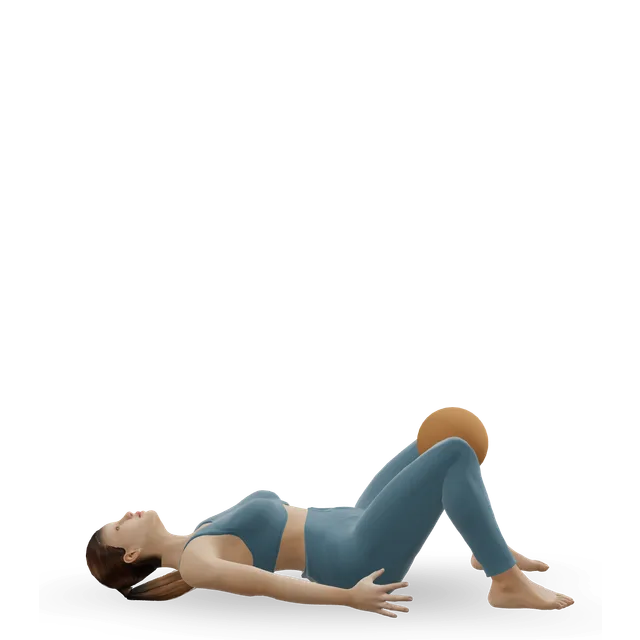
Ball squeeze: 6 holds of 5 to 10 s with a ball, cushion or ring between your knees (our Pilates leg and ring workouts), building towards 30-second holds, as its page says the groin pain trial did. Pelvic tilt into bridge: 8 slow reps with a gentle squeeze at the top (our Pilates ring workout).

Side-lying and leg circles

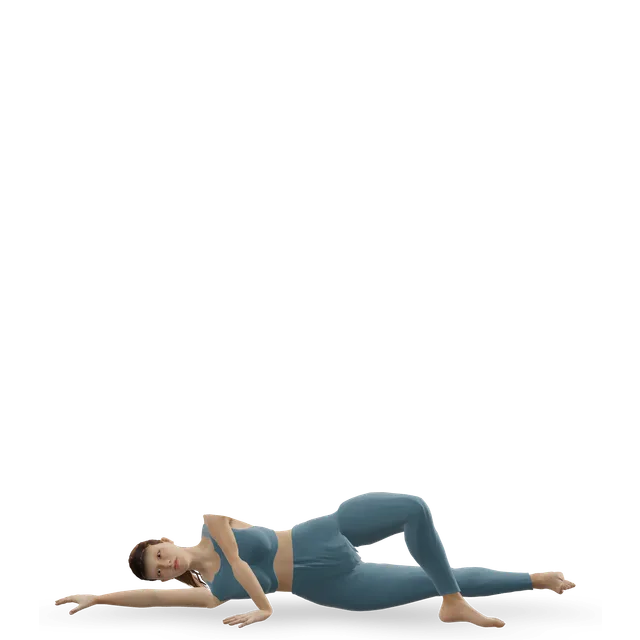
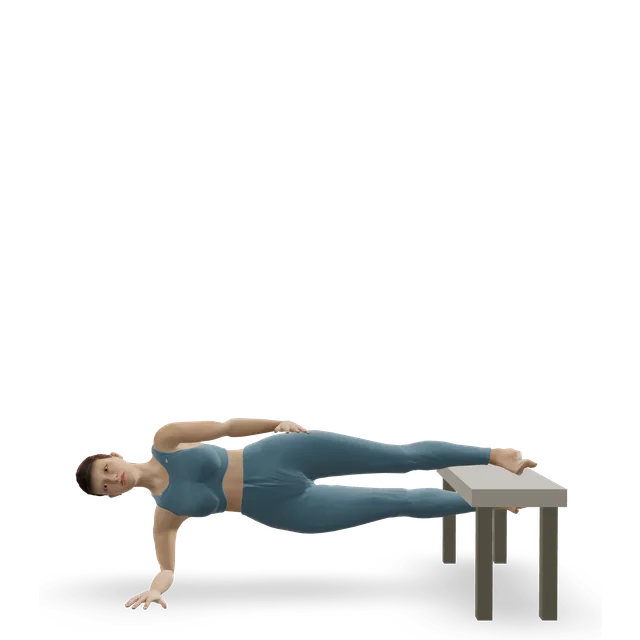
Inner thigh lift: 10 to 12 each side (from the move page's dose); leave it out with pain on the outside of the hip or after a hip replacement, as its caution says. Copenhagen plank, the hard version: 3 to 15 reps each side, knee on a bench or sofa first (our inner thigh workout), twice a week; avoid it during acute groin pain. Leg circle: 5 circles each direction, each leg, and side kick: 8 to 10 each side (both from the move pages' doses).

Standing

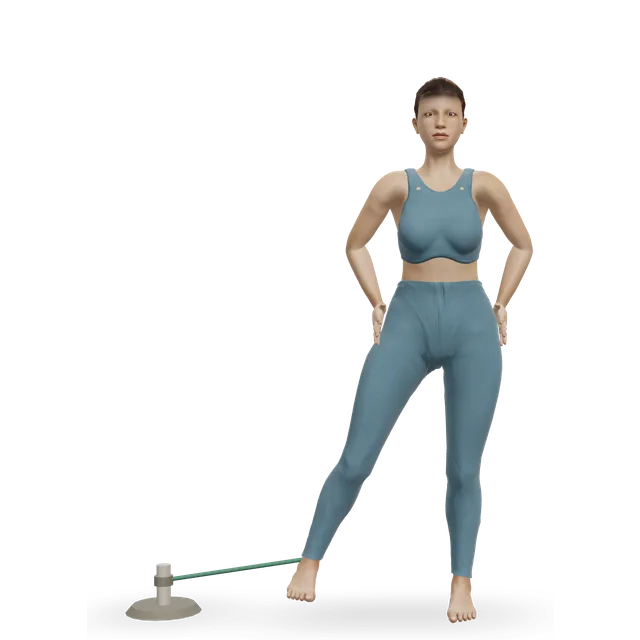
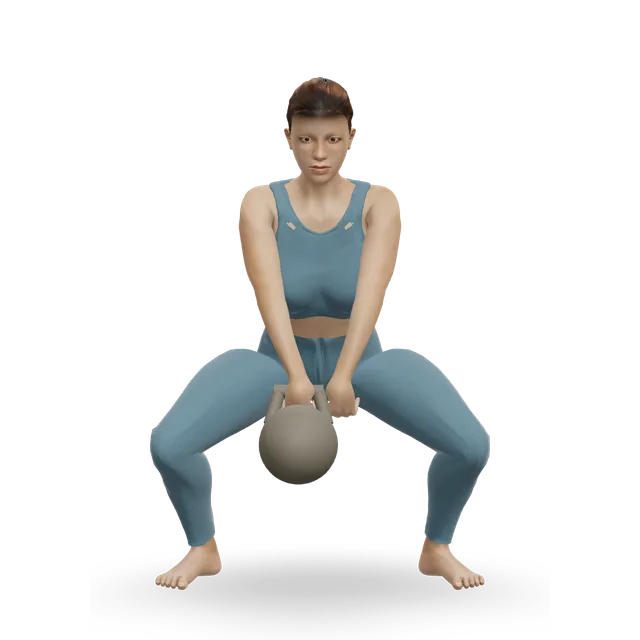
Standing band adduction: 2 sets of 10 each side with a light band and a small range, holding a counter (our Pilates for groin strain class). Wide (plié) squat: 8 slow pliés with no weight, then 8 to 12 with a dumbbell or kettlebell, stopping 2 or 3 short (our inner thigh workout). Cossack squat: "6 slow shifts per side, hold the last one" (the move page's dose).

Stretch

Frog rock: 10 slow rocks, stopping short of a pinch (our inner thigh workout). Side-lying groin stretch: hold 20 to 30 seconds, 2 to 4 times each side (from the move page's dose); skip it after a recent groin strain. Reclining bound angle: rest with a cushion under each thigh, 1 minute in our class, or 2 to 5 minutes (from the move page's dose).

Who should change what

A recent groin strain

Keep the inner thigh lift small and squeezes gentle, no harder than 3 out of 10 at first, leave out wide-legged stretching, and leave out the Copenhagen plank while it's acute, as the move cautions and our groin strain class do. Our Pilates for groin strain guide covers the return to training.

Pregnancy with pelvic girdle pain

Pregnant with pelvic girdle pain? Leave out the wide squats, Cossack squats and Copenhagen planks, which move your legs apart; the squeeze and bridges can stay.

Pain on the outside of the hip, or a hip replacement

Leave out the inner thigh lift, which means lying on one hip and crossing the top leg over, as its caution says; use the lying squeeze instead.

Hypermobility

Keep stretches mild and in the middle of your range, and favour the strengthening moves: the NHS says not to overextend your joints just because you can.

Skip end-range stretches such as the middle splits and deep frog positions, and favour the squeezes and lifts (our suggestion).

Source 46

Leaking or a prolapse

A thigh squeeze isn't pelvic floor training. Squeeze your pelvic floor on purpose and let it go, as our Pilates and your pelvic floor guide shows.

Source 41

Osteoporosis

The ring versions of the Hundred and the roll-up are curl-ups; use the lying, sitting and side-lying squeezes instead, as the curl-up moves' osteoporosis caution says.

Classes to follow

The squeeze-and-lift class is new and untested: squeezes first, side-lying lifts, standing work and a short stretch. The leg and ring classes have a little inner thigh work each, the groin strain class is for coming back from an injury, and the inner thigh workout and adductor workout are the stronger, heavier options.

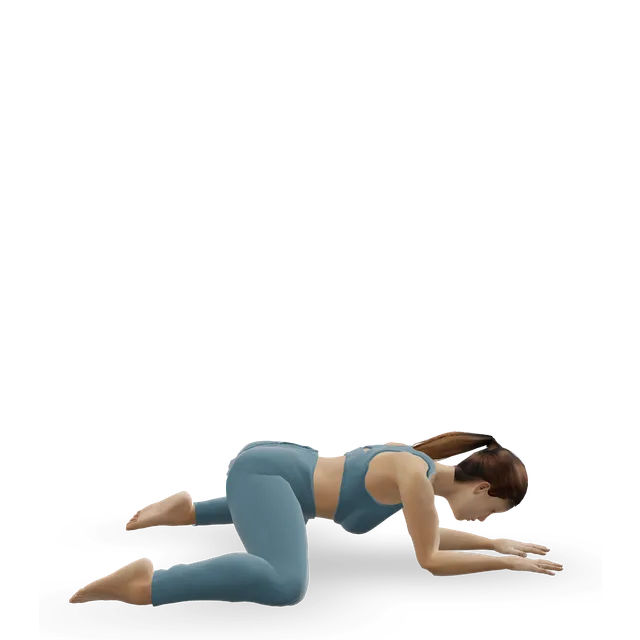
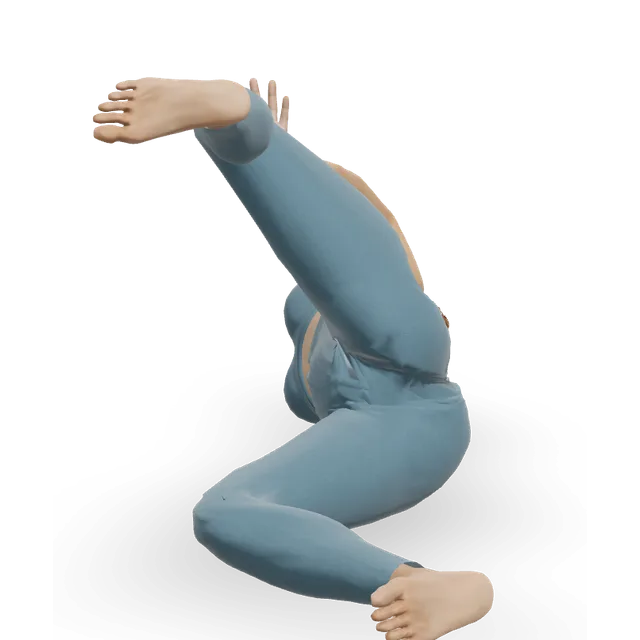
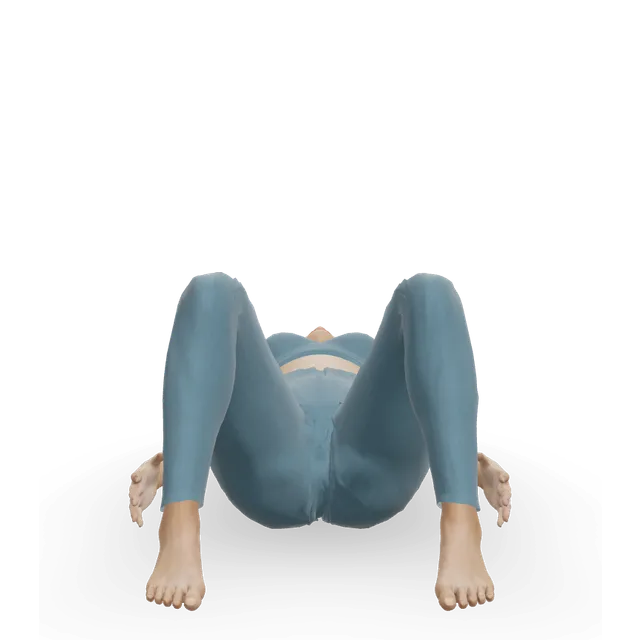
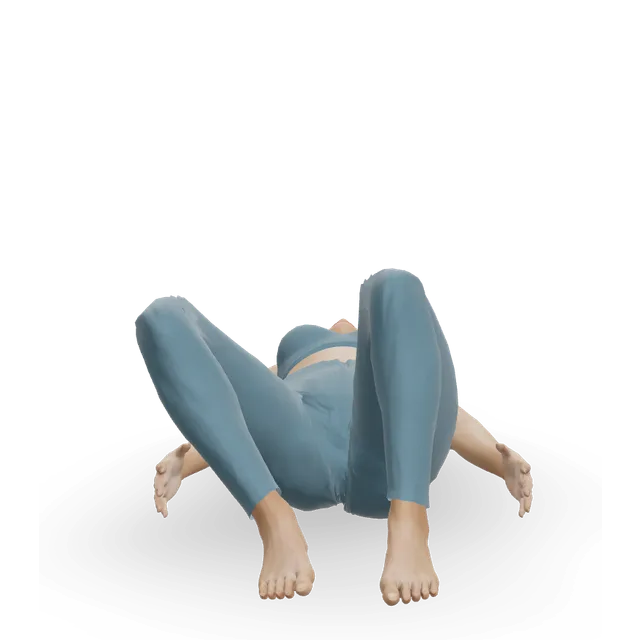
Squeeze-and-lift Pilates for the inner thighs: a 20-minute mat and standing class with a ring, ball or cushion

A 20-minute Pilates class for your inner thighs: squeezes with a ring, ball or cushion, side-lying lifts, standing work and a short stretch, with a harder option.

20 minBeginner13 movesOther / check instructions, bench or box

Pilates leg workout: a 25-minute mat and standing class for your thighs

A 25-minute Pilates class for your legs: reformer footwork without the machine, leg circles, the side kick series, inner-thigh squeezes and stretches.

25 minBeginner15 movesWall, other / check instructions

Pilates ring workout: a 20-minute magic circle class (a cushion works too)

A 20-minute Pilates ring workout for beginners: squeeze, press and balance with a magic circle, or a cushion and a belt if you don't have one.

20 minBeginner11 movesOther / check instructions, band

Pilates after a groin strain: a 25-minute class with squeezes, side-lying work and side planks, and no wide-legged stretching

A 25-minute Pilates class after a groin strain: ring or cushion squeezes, bridges, side-lying inner thigh lifts and side planks, then short standing work.

25 minBeginner15 movesOther / check instructions, wall

Inner thigh workout: sumo squats, Cossack squats, squeezes and Copenhagen planks

A 25-minute inner thigh workout at home: sumo squats with a dumbbell or kettlebell, Cossack squats, ball squeezes and Copenhagen planks, with bridges and hip mobility.

25 minIntermediate10 movesDumbbell, kettlebell

Adductor workout (gym): the inner thigh machine, sumo squats, cable adduction and Copenhagen planks

A 35-minute gym adductor workout: dumbbell sumo squats, the hip adduction machine, cable adduction and Copenhagen planks, with sets, reps and groin advice.

35 minBeginner10 movesCardio machine, wall

Hip Pilates: a 25-minute class for strength, range and control in every direction

A 25-minute Pilates class for healthy hips: the back and side of the hip, the inner thigh, turning at the end of your range and one-leg control.

25 minBeginner21 movesWall

Warning signs: when to get help

This is general information, not a diagnosis. A&E means accident and emergency; in the US, call 911 for 999, and use your doctor's urgent line or urgent care for NHS 111.

A lump in the groin

Call 999 or go to A&E now if you have a femoral hernia (a small lump at the top of your thigh, in your groin) and very bad tummy pain, you feel sick or you're being sick, you cannot fart or poo, you have a high temperature or you feel hot, cold or shivery, or you've suddenly become confused. Do not drive to A&E. With any other hernia and pain in or around it, a bloated tummy, feeling or being sick, vomiting blood or vomit that looks like coffee grounds, constipation, a high temperature or feeling hot, cold or shivery, or sudden confusion, get help from NHS 111.

A lump in the groin, upper thigh or tummy, especially one that appears when you cough or strain and goes when you lie down: see a GP, as it may be a true hernia. A femoral hernia (a small lump at the top of the thigh, mainly in women over 50, though it can happen to anyone) needs treating in hospital.

Sources 47, 48

A pop high on the inner thigh

A pop high on the inner thigh, then a large bruise, a dent or a gap you can feel, and weakness squeezing the legs together, can be a complete tear of the adductor longus tendon: get it checked within days, as our inner thigh pain guide says.

Sources 49, 50

A hip you can't put weight on

Call 999 or go to A&E: severe hip pain after a fall or injury, or you cannot stand, walk or put weight on the leg. In an older adult this can be a broken hip; the leg may be at an odd angle or look shorter. Don't drive yourself.

Call 999 or go to A&E: tingling or loss of feeling in the hip or leg after an injury.

Source 51

A hot, swollen hip or a fever

Ask for an urgent GP appointment or get help from NHS 111 if you have severe hip pain that started suddenly but you've not had a fall or injured your hip, your hip is swollen and feels hot, the skin around your hip has changed colour, or you have hip pain, feel generally unwell and have a high temperature (or feel hot, cold or shivery). A hot, swollen hip with a high temperature can be a joint infection.

Sources 51, 52

A swollen, painful leg

Same day (urgent GP appointment or NHS 111): throbbing pain in one leg (rarely both), usually the calf or thigh; swelling in one leg (rarely both); red, blue or darkened skin around the painful area, which may be harder to see on brown or black skin; or swollen veins. This can be a deep vein thrombosis (DVT). It is more likely after surgery, a hospital stay, 3 or more days in bed, a journey of over 4 hours, pregnancy or a recent birth, cancer, a previous clot, or contraception or hormone replacement therapy (HRT) that contains oestrogen.

Source 53

See a GP or physiotherapist

  • A lump in the groin, or groin pain with coughing or straining (a possible hernia).
  • Hip pain that stops normal activities or disturbs sleep, keeps getting worse or keeps coming back, or has not improved after 2 weeks of looking after it at home.
  • A second strain in the same place: ask a physiotherapist to review your rehab.

Sources 48, 51

Groin pain while you train

A pinch at the front of the hip or groin pain in a wide stance means narrowing it. Groin pain up to about 5 out of 10 that settles within an hour is acceptable; sharp pain mid-rep, or pain the next morning, is not, as our groin strain guide says.

Painful fat that bruises easily

If your bottom, thighs and lower legs (sometimes your arms) are out of proportion with the rest of your body, feel painful, tender or heavy, and bruise easily, ask your GP about lipoedema, as our weight-loss and thigh fat guides explain.

Source 54

Chest pain or fainting while exercising: call 999

Call 999 if:

  • You get sudden pain or discomfort in your chest that doesn't go away; it can feel like squeezing or pressure, burning or indigestion.
  • The pain spreads to your left or right arm, or your neck, jaw, stomach or back.
  • You have chest pain and feel sweaty, sick, light-headed or short of breath.
  • Someone faints while exercising, can't be woken within 1 minute, or has chest pain or a pounding, fluttering or irregular heartbeat.

Sources 55, 56, 57

Unusual breathlessness

Call 999 or go to A&E (accident and emergency) straight away for severe difficulty breathing (gasping, choking or not able to get words out), a chest that feels tight or heavy, pain that spreads to your arms, back, neck and jaw, lips or skin turning very pale, blue or grey, or sudden confusion. If you're more short of breath than usual, or your heart is racing, fluttering or skipping beats, contact NHS 111.

Source 58

Stop the session if

You feel any pain or become unwell, as the NHS advises for its Pilates videos, and especially for chest pain or pressure, unusual breathlessness, dizziness or fainting. If you have a health problem, an injury or any symptoms, get advice from a healthcare professional, such as a GP, before you start.

Source 59

Before you start

The NHS advises getting advice from a healthcare professional first if you have a health problem, an injury or symptoms, or have recently had a heart attack or an operation.

Source 59
Myths

"Inner thigh exercises burn inner thigh fat"Strong evidence

No. Across 13 studies, the trained area didn't lose more fat, and in women who trained one leg, the thigh's fat cells didn't shrink.

Sources 4, 5

"A thigh gap is a sign of fitness"Emerging evidence

No. No study has measured what sets a thigh gap; in images it disappears as body size increases, there's no evidence it's a realistic standard for most bodies, and chasing one has been linked with eating problems. Fitness is about what your body can do.

Sources 27, 28, 29

"Pilates gives you long, lean, slim inner thighs"Mixed evidence

Not shown. Pilates hasn't been shown to change muscle length or shape; inner thigh training makes the adductors bigger, not smaller, and body fat percentage didn't change significantly in Pilates trials in women.

Sources 8, 9, 26

"Inner thigh work will make your thighs bulky"Emerging evidence

Muscle grows slowly and only with hard, progressive work: about 6% in 10 weeks of full squats. A body-weight squeeze won't add bulk quickly.

Sources 9, 8

"Squeezing a ring trains your pelvic floor"Emerging evidence

The pelvic floor switches on a little during a thigh squeeze, but adding the squeeze didn't make it stronger. Squeeze your pelvic floor on purpose.

Sources 40, 41

"Stretching your inner thighs prevents groin strains"Strong evidence

Not on its own. Stretching didn't prevent sports injuries across 25 trials, and in hockey players it was inner thigh strength, not flexibility, that went with strains.

Sources 45, 44, 38

"You need a reformer for real inner thigh work"Emerging evidence

No. A ball squeeze lying on the floor is among the hardest-working inner thigh exercises measured, mat moves use the adductors too, and Joseph Pilates designed the mat work as well as the machines.

Sources 10, 13, 19

Questions people ask

Is Pilates good for inner thighs?

Yes, for strength and control: squeezes and side-lying lifts work the inner thigh muscles hard, and Pilates is a gentle way to start. No Pilates study has measured inner thigh strength or size, and no move takes fat off your inner thighs.

What are the best Pilates exercises for inner thighs?

A ball, ring or cushion squeeze lying on your back, the side-lying inner thigh lift, leg circles, standing band work and wide squats, with the Copenhagen plank as the hard version. Our 20-minute squeeze-and-lift class puts them together.

Does Pilates get rid of inner thigh fat?

No exercise burns fat from one spot: across 13 studies, the trained area didn't lose more fat, and in women who trained one leg, the thigh's fat cells didn't shrink. Inner thigh fat goes when overall body fat goes, and where it goes from first is mostly inherited.

How do I use a Pilates ring for my inner thighs?

Lie on your back with your knees bent, place the ring just above your knees, and squeeze as you breathe out, holding for 5 to 10 seconds. No study has measured the inner thighs with a ring, but a hard ball squeeze in the same position worked them at about their maximal effort. Our Pilates ring guide has more ring moves.

Will inner thigh exercises make my thighs bigger?

A little, if they're hard enough: 8 weeks of Copenhagen planks thickened an inner thigh muscle by about 18% in men, and deep squats grew the inner thighs about 6% in 10 weeks. Gentle Pilates on its own hasn't been shown to grow muscle.

Can Pilates give me a thigh gap?

Whether you have one depends on your build and your body size, not your fitness, and there's no evidence it's a realistic standard for most bodies. Chasing one has been linked with eating problems; if this worries you, see a GP or call Beat.

Does squeezing a Pilates ring work my pelvic floor?

Not on its own: the pelvic floor switches on a little, but adding a thigh squeeze didn't make it stronger. Squeeze your pelvic floor on purpose; our Pilates and your pelvic floor guide shows how.

Can inner thigh exercises prevent groin injuries?

In semi-professional men, an adductor programme cut groin problems by 41%, but it didn't in a trial where most players were women. Strong inner thighs help, but no programme guarantees it.

Should I stretch my inner thighs?

If you'd like more range or they feel tight, yes: stretching raises range of motion, and women gain more. It won't change their shape or prevent injuries on its own.

Why do my inner thighs hurt after Pilates?

Soreness for a day or two after new exercise is common, especially after Copenhagen planks. Sharp pain during a move, a pop, bruising, or pain that's worse the next morning isn't; our inner thigh pain and groin strain guides explain what to do and when to see someone.

How often should I train my inner thighs?

Twice a week is a good start (our editorial suggestion). In women footballers, a low-volume programme built as much strength as a high one, and one session a week kept it.

Can I do the inner thigh lift after a hip replacement?

Ask your team first: the top leg crosses over the other, much like crossing your legs, which the NHS lists among the movements to avoid while a new hip recovers. Use the lying squeeze instead.

Sources

  1. Jeno 2023 · Anatomy of the adductor magnus and the inner thigh muscles (StatPearls; chapter summary)
  2. Ward 2009 · Muscle size and structure in 21 cadaver legs (anatomy study, Clin Orthop Relat Res; read in full)
  3. Plotkin 2023 · Hip thrusts or squats for 9 weeks in 34 untrained adults: glute growth on MRI (RCT, Front Physiol; read in full; corrected 28 October 2026 for an undeclared equipment donation and late registration, no data changed)
  4. Ramírez-Campillo 2022 · Exercise and fat loss in the exercised area (spot reduction): 13 studies, 1,158 people (systematic review and meta-analysis, Hum Mov)
  5. Krotkiewski 1979 · Training one leg for 5 weeks in 10 women: thigh fat and muscle (trial, Eur J Appl Physiol)
  6. Malis 2005 · Where fat is stored: genes in young and older Danish twins (twin study, Obes Res)
  7. Ishøi 2016 · The Copenhagen adduction exercise and inner thigh strength in 24 young players (RCT, Scand J Med Sci Sports)
  8. Alonso-Fernández 2022 · The Copenhagen plank and adductor thickness in 45 men (RCT, Int J Environ Res Public Health; read in full)
  9. Kubo 2019 · Full or half squats for 10 weeks: muscle growth on MRI in 17 men (RCT, Eur J Appl Physiol)
  10. Krommes 2017 · Adductor muscle activity in groin-injury prevention exercises in 21 footballers (EMG study, Int J Sports Phys Ther; read in full)
  11. Pippas 2025 · The Copenhagen plank or an adductor squeeze for 8 weeks in 57 young players (RCT, Sci Med Footb)
  12. Europe PMC · Our search for Pilates or Pilates ring studies of the inner thigh muscles (3 November 2026): no training trial
  13. Werba 2017 · Muscle activity in the Pilates Teaser on the mat, reformer and wall unit in 15 women (EMG study, Percept Mot Skills)
  14. Kim 2021 · A ring, a soft ball or no prop in the Pilates Hundred in 28 young men (EMG study, J Bodyw Mov Ther)
  15. Harøy 2019 · The Adductor Strengthening Programme in 652 semi-professional male footballers (cluster RCT, Br J Sports Med)
  16. Lindblom 2023 · An adductor programme against Knee Control in 502 amateur footballers, most of the adductor arm women (cluster randomised trial, Br J Sports Med; read in full)
  17. Koh 2023 · Anatomy of the obturator nerve (StatPearls; chapter summary)
  18. Martins 2025 · Risk factors for groin pain in male athletes: 8 cohorts (systematic review, Life)
  19. Pilates Method Alliance · Pilates history
  20. Pilates Method Alliance · Beginner's guide to Pilates equipment, including the Magic Circle
  21. Ramírez-Campillo 2013 · Training one leg for 12 weeks in 11 adults: where the fat came off (trial, J Strength Cond Res)
  22. Scotto di Palumbo 2017 · Upper or lower body resistance training and regional fat loss in 16 women (trial, J Sports Med Phys Fitness)
  23. Karastergiou 2012 · Sex differences in fat tissue: the biology of the pear shape (review, Biol Sex Differ; read in full)
  24. Snijder 2003 · Hip and thigh size and type 2 diabetes over 6 years in 1,357 adults: the Hoorn Study (cohort, Am J Clin Nutr)
  25. Zaras 2023 · Eight weeks of mat Pilates, then 3 weeks off, in 20 Pilates-trained women (uncontrolled study, J Bodyw Mov Ther)
  26. Bajčetić 2026 · Pilates and body composition, strength and flexibility in women: 12 studies (systematic review and meta-analysis, Sports; read in full)
  27. Marinko 2025 · The thighs in judging body size: two perception experiments (BMC Biol; read in full)
  28. Henn 2025 · Thigh gap preferences in an online survey (crowdsourced study, Aesthet Surg J Open Forum; read in full)
  29. Shrestha 2026 · Thigh gaps, filtered photos and eating disorders: 30 experts and people with lived experience (qualitative study, J Eat Disord; read in full)
  30. NHS · Eating disorders: overview
  31. Beat · Support now: helplines for England, Scotland, Wales and Northern Ireland
  32. NHS · Body dysmorphic disorder (BDD) (past its review date: reviewed October 2023, review due October 2026)
  33. Neumark-Sztainer 2011 · Yoga and Pilates, body image and disordered eating in 2,287 young adults (population survey, Int J Eat Disord)
  34. Schaber 2021 · The Copenhagen adduction exercise: 5 studies (systematic review, Int J Sports Phys Ther)
  35. Thorarinsdottir 2025 · A low or high volume adductor programme in 52 women footballers (randomised trial, Scand J Med Sci Sports)
  36. Gu 2026 · Injury prevention programmes in women's team sports: 13 trials (meta-analysis, Front Public Health; read in full)
  37. Hölmich 1999 · Active training for long-standing adductor groin pain in 68 athletes (RCT, Lancet)
  38. Tyler 2001 · Hip strength, flexibility and adductor strains in 47 ice hockey players (cohort, Am J Sports Med)
  39. Lee 2023 · Heavy or light springs in reformer side splits in 28 women (lab study, Sports; read in full)
  40. Bø 1994 · Pelvic floor muscle activity during thigh, buttock and tummy contractions in 6 women (EMG study, Neurourol Urodyn)
  41. Amorim 2017 · Adding a thigh squeeze to pelvic floor contractions in 20 women (lab study, PLoS One; read in full)
  42. Konrad 2024 · Stretching and range of motion: 77 studies (systematic review and meta-analysis, J Sport Health Sci; read in full)
  43. Konrad 2025 · How much range is kept after stopping stretching: 13 studies (systematic review and meta-analysis, Sports Med Open)
  44. Warneke 2025 · Practical recommendations on stretching from 20 researchers (Delphi consensus, J Sport Health Sci; read in full)
  45. Lauersen 2014 · Exercise to prevent sports injuries: 25 trials, 26,610 people (meta-analysis, Br J Sports Med)
  46. NHS · Joint hypermobility syndrome (past its review date: reviewed August 2023, review due August 2026)
  47. NHS · Femoral hernia
  48. NHS · Hernia
  49. Serner 2020 · Return to sport after criteria-based rehab of acute adductor injuries in 81 male athletes (prospective cohort, Orthop J Sports Med)
  50. Farrell 2023 · Acute adductor muscle injury: imaging, treatment and prevention, 30 studies (systematic review, Am J Sports Med)
  51. NHS · Hip pain in adults
  52. NHS · Septic arthritis
  53. NHS · DVT (deep vein thrombosis)
  54. NHS · Lipoedema (past its review date: reviewed July 2023, review due July 2026)
  55. NHS · Chest pain (past its review date: reviewed August 2023, review due August 2026)
  56. NHS · Heart attack
  57. NHS · Fainting
  58. NHS · Shortness of breath
  59. NHS · Pilates video for beginners, with its safety advice

Exercise education, not a personal prescription, and clinical review of these guides is pending. If you are pregnant, have a health condition or have had recent surgery, check with a doctor, midwife or physiotherapist before starting, and stop for sharp or increasing pain. Health disclaimer.