Pilates guide

Pilates for the calves: tight calves, the ankles and the Achilles, strength, stretching, reformer footwork, the evidence, and a class

On the mat, Pilates asks little of your calves: your feet mostly point and flex. They work in standing heel raises and in reformer footwork, where you press the carriage away with your feet and raise and lower your heels against the springs. How hard footwork works them has never been measured, and no study has checked whether Pilates changes calf size.

What does work is well studied: calf raises with the knee straight and bent, made harder over the weeks, build strength, and calf stretches add a few degrees of ankle bend, mostly by changing how much stretch you tolerate. This guide covers both, tight calves, whether Pilates makes calves bigger or slimmer, the Achilles, cramps, sore calves after a class, the warning signs, and classes to follow.

The short version

Two muscles that do a lot of your walking and running

The soleus underneath makes up about half of the calf's muscle volume and drives your body forward as you walk; with the gastrocnemius, the bulge you can see, it does more than any other muscle to hold you up and push you forward when you run, in computer models.

Sources 1, 2, 3

Mat Pilates is light work for the calves

On the mat your feet mostly point and flex. Reformer footwork presses the carriage away 10 times in each foot position, and contemporary versions add heel raises against the springs and "Running in place". No study has measured how hard footwork or the tendon stretch works the calf or loads the Achilles, beyond one volunteer's footbar forces.

Sources 4, 5, 6, 7

Tight calves are mostly about how much stretch you tolerate

Calf stretching adds about 2 to 3 degrees of ankle bend in trials, mainly by raising how much stretch you tolerate and lowering stiffness a little, without lengthening the muscle fibres.

Sources 8, 9, 10

Stretch and strengthen

Calf raises build strength and size, especially with the knee straight and the heel lowering into the stretched bottom of the range; pairing them with stretching suits tight calves (our reading).

Sources 11, 12

Pilates is unlikely to make your calves bigger

No study has scanned calf muscle after Pilates. Calves grew with hard sets taken close to failure, about 12 a week in one trial, and they are slow to grow. No exercise slims one part of the leg.

Sources 13, 14, 11

The Achilles needs heavy loading; a snap or a hot calf needs help

The Achilles adapts to heavy loading over 12 weeks or more, not to light work. Sore calves after a new class fade in a day or two; a snap at the back of the heel, one hot, swollen calf or sudden severe pain is not soreness.

Sources 15, 16, 17

Your calves

Two muscles, one tendon

The gastrocnemius, with its two heads, is the bulge you can see; it crosses the knee and the ankle, so it works hardest with the knee straight. The soleus lies underneath and crosses only the ankle, so it works whatever your knee does. Both join the Achilles tendon. On MRI (magnetic resonance imaging) in 13 men, the soleus made up about 52% of the calf's muscle volume and the two heads of the gastrocnemius about 32% and 16%.

Source 1

What they do

In walking, "The energy produced from SOL accelerates the trunk forward, whereas GAS delivers almost all its energy to accelerate the leg to initiate swing", one computer model found (SOL is the soleus, GAS the gastrocnemius). In running, the two "were the greatest contributors to propulsion and support" in the second half of each step, in a model of one runner. They also steady you on one leg.

Sources 2, 3

How calves grow, and why they're slow

The gastrocnemius "is relatively unresponsive to resistance training (difficult to hypertrophy) but prone to atrophy with inactivity compared with other muscles", and calf strength can rise for 8 weeks without any change in size. Calf size is partly inherited, as our guide to strengthening your calves explains.

Sources 11, 18

Where people differ

In 566 adults, "Overall, males completed more repetitions than females (median 24 vs 21). However, older females (age >60years) outperformed older males." Fewer heel raises went with less activity, being female and a higher BMI (body mass index) in 500 active adults. Achilles ruptures are about three times more common in men. Calves of every size do the same jobs.

Sources 19, 20, 21

Footwork, the tendon stretch and the jumpboard

On the mat and standing

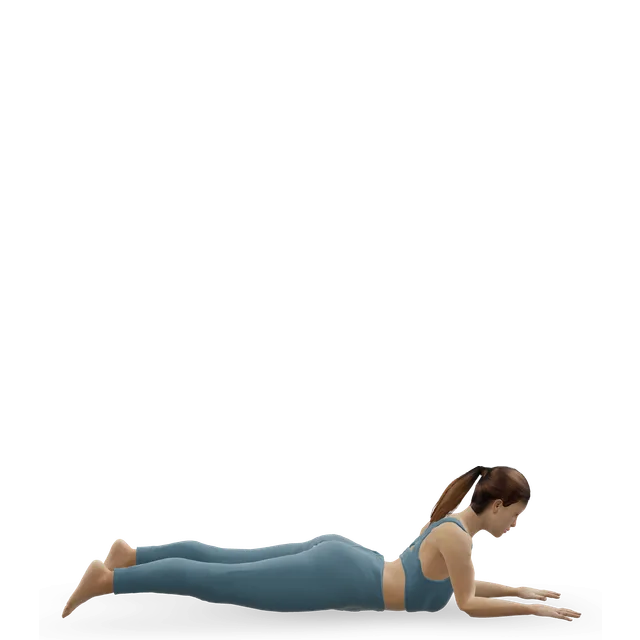
On the mat you're mostly lying, so your calves point and flex your feet (in leg circles, the side kick series and the hundred) without carrying your body weight. Standing work, such as heel raises, the wall sit and one-leg balance, puts your body weight through them (our reading, as our Pilates for feet guide says).

Reformer footwork

Classical footwork is "4 Springs" and "10x each position", with goals including "Promotes foot flexibility and strength". One maker's classical manual gives springs "4, 3, or 2" and lists ankle problems among its precautions, advising you to ask a doctor first. Its contemporary guide adds "Flex/Releve" (raising and lowering the heels with straight legs against the springs) and "Running in place", with "Sensitive to ankle, knee, hip flexion, spinal compression" among the precautions.

Sources 4, 22, 5

The tendon stretch and the jumpboard

The tendon stretch is an advanced reformer exercise on "2 outside springs" whose goals include "Deep stretch of hamstrings and Achilles tendon"; our Pilates for Achilles tendinopathy guide says to leave it out with pain where the tendon meets the heel. The jumpboard is hopping lying down against the springs, and no study has measured it.

Sources 23, 6

How much load: unknownMixed evidence

The only study of footbar force had one volunteer, and estimating the force from the springs was imprecise. For scale, standing heel raises load the Achilles far more than seated ones: "Peak Achilles tendon loads varied more than 12-fold, from 0.5 bodyweights during a seated heel raise to 7.3 bodyweights during a forward single-leg hop", and one-leg raises load it most.

On spring-loaded research sledges, not reformers, people who jumped lying down had lower forces and less calf activity than in hops on the ground. Our reading, by analogy only: footwork and the jumpboard are lighter for the calves than standing one-leg raises and hops.

Sources 7, 6, 24, 25, 26, 27

Calf footwork without a reformer

Our suggestion: a mapping of the reformer footwork series to wall and standing moves, as our Pilates for feet guide maps it, with about 10 of each as the reformer manuals give the series. No study has compared them.

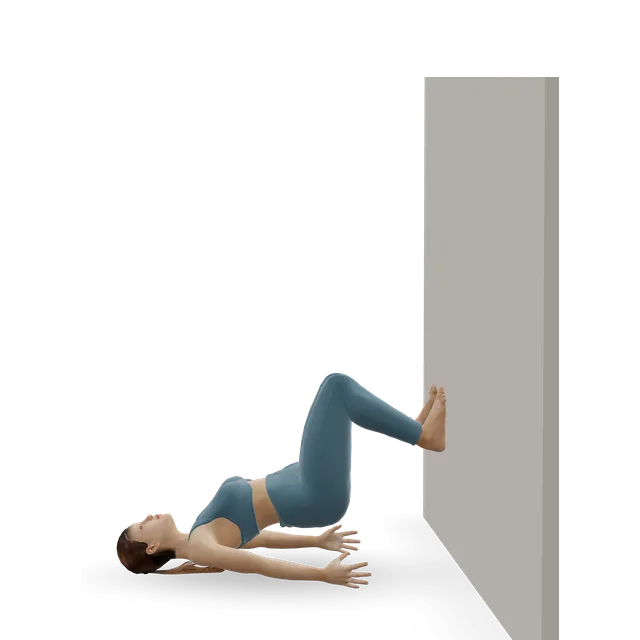
  1. Lie on your back with your feet on a wall, knees bent to about a right angle: the footbar turned on its side. With your heels on the wall, press into a small bridge and lower, about 10 times.
  2. Then with the balls of your feet on the wall and your heels lifted, about 10 times.
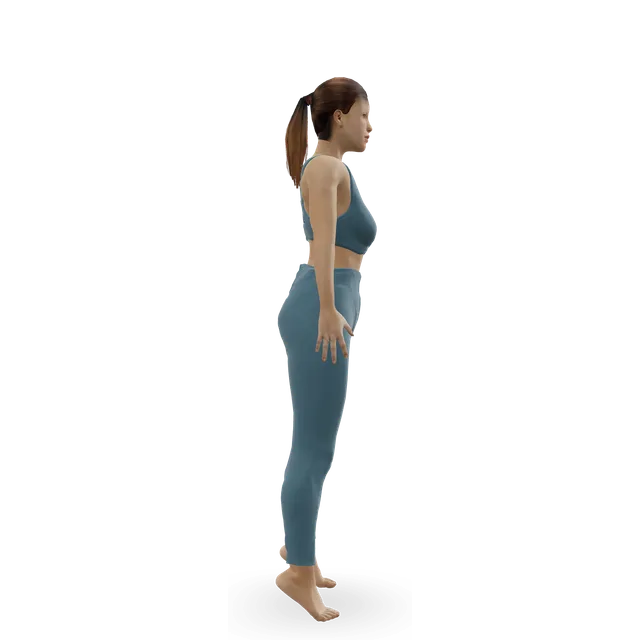
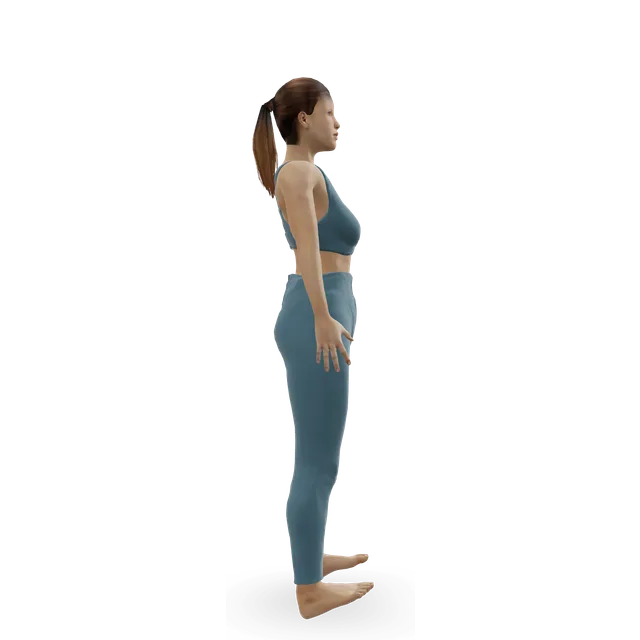
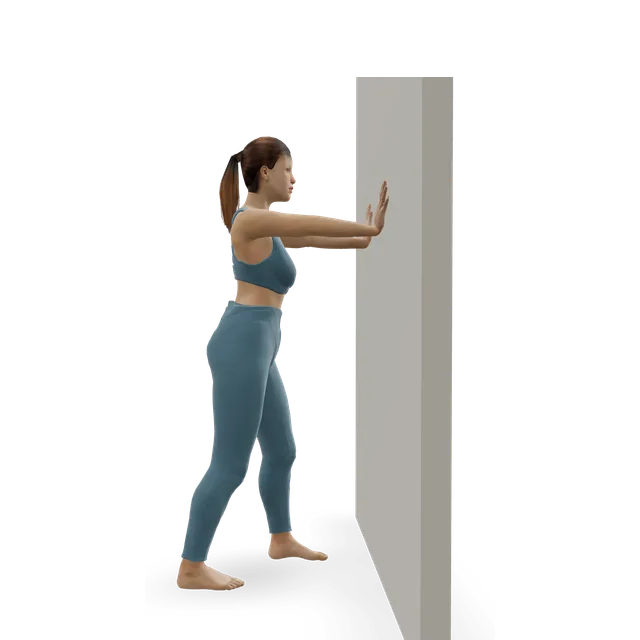
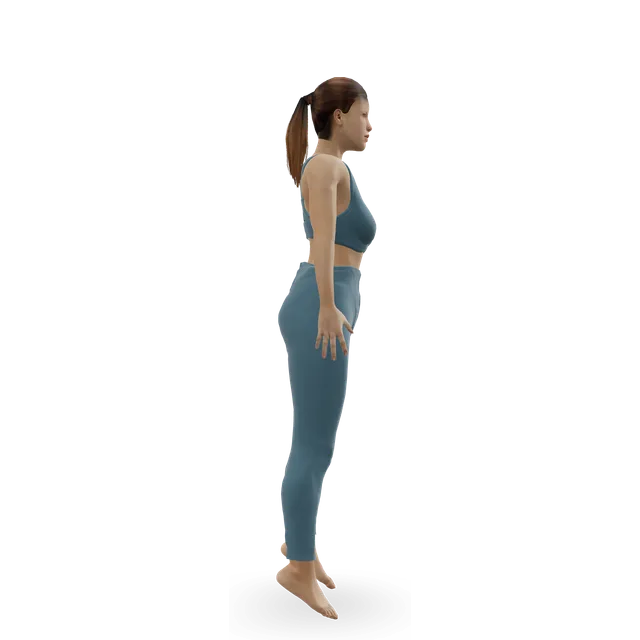
  3. Stand at a wall and rise onto your toes slowly, about 3 seconds up and 3 down, 10 to 15 times; then the same with your heels together and toes a little apart, the Pilates "V".
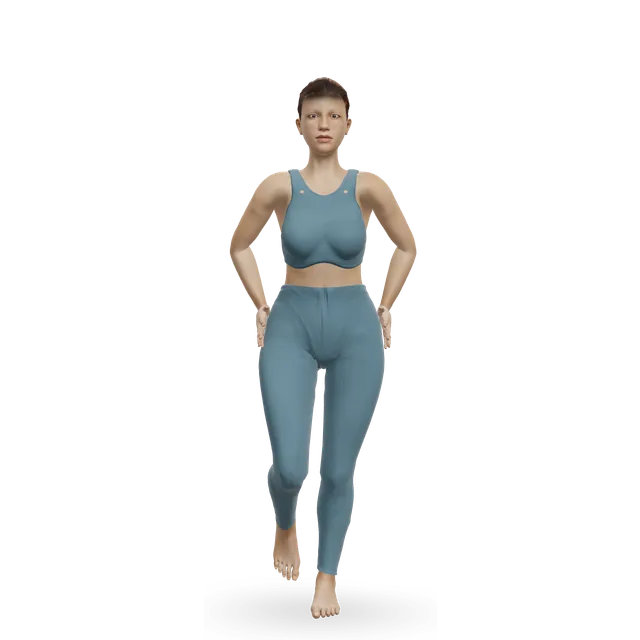
  4. "Running": lift one heel as the other lowers, 20 times, holding the wall.
  5. Sit and do the same raises with your knees bent, for the soleus; a heavy book or bag on your knees makes them harder.
  6. Finish with a calf stretch at the wall, back knee straight and then bent, 30 seconds each.

See the movement on the 3D figure: Slow calf raise

What the evidence says: Pilates and the calves

Almost no study has looked at Pilates and the calves directly; most of this page rests on calf training and stretching research outside Pilates.

Pilates trials with calf or ankle results: few, small and mixedMixed evidence

Reformer Pilates once a week for 10 weeks improved balance, mobility and "right ankle dorsiflexion" (upward ankle bend) against no exercise in 55 people aged 65 to 95. In 51 male footballers with unstable ankles who chose Pilates or balance training, "The strength of inversion and plantar flexion did not change significantly" with either. In 32 older women, Pilates improved ankle bend within the group but not more than static stretching; that paper may share its 32 women with two others from the same group, so count it once.

The rest had no control group: ankle-focused Pilates in 22 women aged about 76, the other leg of 10 people after a below-knee amputation, and a feasibility study that only 16 of 47 finished.

Sources 28, 29, 30, 31, 32, 33

No study of calf size or calf work in Pilates

Our searches found no Pilates study that measured calf size on a scan or counted heel raises, and none that measured calf work in footwork, the tendon stretch, prances or the jumpboard.

Sources 34, 13, 6

Reformer footwork in footballersEmerging evidence

In 30 amateur footballers, a reformer programme that opened with footwork and the tendon stretch improved one-leg hopping more than mat Pilates did, with no difference in jumps.

Source 35

Tight calves

Stretching adds a few degreesStrong evidence

"Calf muscle stretching provides a small and statistically significant increase in ankle dorsiflexion. However, it is unclear whether the change is clinically important." That was about 2 to 3 degrees, across 5 trials. Across 77 studies, stretching raised range moderately, and "neither volume, intensity, nor frequency of stretching were found to play a significant role in ROM yields" (ROM is range of motion).

Sources 8, 36

Why: tolerance, and a little less stiffnessEmerging evidence

Most people who say their calves are tight have less ankle bend than they'd like, or feel the stretch early. "Most of these studies suggest that increases in muscle extensibility observed after a single stretching session and after short-term (3- to 8-week) stretching programs are due to modified sensation." A newer review of 65 studies adds that longer programmes lower stiffness a little too, but "Neither acute nor chronic SS altered fascicle length" (SS is static stretching; fascicles are bundles of muscle fibres).

In 21 adults, 3 weeks of twice-daily calf stretching raised ankle range 19.9%, and "Muscle length at end ROM increased (13%) without a change in fascicle length, fascicle rotation, tendon elongation, or tendon stiffness". Changes in muscle structure were trivial except at very high stretching doses.

Sources 37, 9, 10, 38

Does it last?Emerging evidence

"Chronic gains in ROM are maintained above baseline levels after stretching training cessation", for a few weeks at least, but "Confidence in cumulative evidence was high for ROM gains and low for ROM maintenance".

Source 39

Strength through the range helps tooEmerging evidence

Calf raises that lower your heel into the stretched bottom of the range strengthen and grow the calf there, and pairing them with stretching suits tight calves (our reading).

Sources 12, 11

How to stretch

Hold each calf stretch for 30 seconds, with the back knee straight and then bent, on most days if range is your goal; 2 or 3 days a week keeps what you gain (our reading of the reviews). Our calf stretches page has more.

Sources 36, 39

Calf strength

Straight knee and bent kneeEmerging evidence

In 14 adults over 12 weeks, the outer gastrocnemius grew 12.4% with standing raises against 1.7% with seated ones, while the soleus grew about the same either way (2.1% against 2.9%). So: standing raises for the gastrocnemius, either kind for the soleus.

Source 11

The stretched bottom of the rangeEmerging evidence

Raises through the bottom part of the range, heel below a step, grew the inner gastrocnemius 15.2%, against 6.7% for the full range and 3.4% for the top part. Footwork that lowers the heels under the bar works the same stretched range (our reading; never measured).

Source 12

Sets and loadEmerging evidence

12 sets a week grew the whole calf 12.0%, against 6.9% for 6 sets. Heavy and light loads grew the calf about the same when sets went to failure, and the 2026 ACSM (American College of Sports Medicine) position stand says loads from 30% to 100% of your maximum build muscle, with no need to go to failure.

Sources 14, 40, 41

Older adults' calves respondEmerging evidence

Men aged 65 to 81 raised calf strength 21.6% and calf size 5.0% in 16 weeks of heavy raises and leg presses, with no control group. Across 16 papers in older people, ankle and foot exercises raised calf strength a little and improved standing balance, "whereas no effect on falls was found".

Sources 42, 43

Test yourselfEmerging evidence

In 203 adults aged 20 to 59, "The average number of heel-rises was 27.9" on one leg, and 25 was suggested as normal; larger studies found middle figures of 21 to 25. But "No definitive normative values could be established", so compare one leg with the other.

Sources 44, 19, 20, 45

How to progress

The NHS strength exercises start with 5 slow calf raises holding a chair, and the NHS asks for strengthening on at least 2 days a week. Our editorial starting point: make the raises harder over the weeks (two legs, then most of your weight on one, then one leg on a step, then a weight in your hand), finishing each set when the last few reps are hard. Our guide to strengthening your calves has the full plan.

Sources 46, 47

Bigger or slimmer calves?

Pilates is unlikely to make your calves biggerEmerging evidence

No study has scanned calf muscle after Pilates. The one Pilates study with a calf size measure found "corrected calf girth" rose in 28 experienced women returning to reformer classes after a 4-week break, with no control group: a tape-measure estimate that may reflect getting back to where they were. Calves grew with about 12 hard sets a week, with straight-knee raises for the visible gastrocnemius; a class with a set or two of heel raises is far below that (our reading).

Sources 13, 48, 14, 11

Stretching thickens calves only at extreme dosesEmerging evidence

An hour a day of calf stretching in a brace for 6 weeks thickened the outer calf 15.2%, but its authors point out that up to 7 hours of stretching a week stands against three 15-minute strength sessions for a similar result. Across 42 studies, stretching's effect on muscle size was small.

Sources 49, 50, 51

Slimmer calves

No exercise takes fat off one place, and calf shape is partly bone and genes. Our guide to losing calf fat covers fat, swelling, lipoedema and lymphoedema, and our guide to bigger calves has the plan if you want more muscle. Calves of every size do the same jobs, and this page promises no particular shape.

The Achilles

Tendons adapt to heavy load, not light workEmerging evidence

Across 27 studies of 264 adults, training stiffened the tendon, and "the data strongly suggests that loading magnitude in particular plays a key role for tendon adaptation in contrast to muscle contraction type". In 21 adults, only the leg trained at high tendon strain adapted; low-strain exercise "is not a sufficient stimulus" beyond daily activity. Light Pilates footwork probably doesn't change the tendon (our reading).

Sources 15, 52

Achilles pain: calf loading is the treatmentStrong evidence

Across 29 trials, "clinicians could consider starting treatment with a calf-muscle exercise programme"; heavy slow raises matched heel drops at a year, and two well-known programmes did the same. Carrying on running and jumping while watching the pain did no harm. With pain where the tendon meets the heel, a programme that limited upward ankle bend, dropped calf stretching and added heel lifts did better.

"Pilates has not been evaluated in any study to date", a 2023 review says, and a 49-person reformer trial finished in May 2026 with no results posted. Our Pilates for Achilles tendinopathy guide has the plan.

Sources 53, 54, 55, 56, 57, 58, 59, 60

Rupture: uncommon, usually a sudden push-offEmerging evidence

About 15.7 people in 100,000 rupture an Achilles each year, three times more often men than women, and "Approximately 68% of Achilles tendon rupture were sport related", usually without contact, "most often during acceleration from a near-stationary position". Ruptured tendons had already degenerated in a study of 891 people.

Fluoroquinolone antibiotics raise the odds, most of all with steroid tablets, though the extra risk was about 2 ruptures per 10,000 people treated; other risk factors are at "Low to very low certainty". The warning signs below cover what to do.

Sources 21, 61, 62, 63, 64, 65

Cramps, and sore calves after a class

Night crampsMixed evidence

The NHS says: "Regular calf-stretching exercises may help to reduce cramps but may not completely stop them from happening." The 2021 Cochrane review (3 trials, 201 people) found "A combination of daily calf and hamstring stretching for six weeks may reduce the severity of night-time lower limb muscle cramps in people aged 55 years and older, but the effect on cramp frequency is uncertain", and calf stretching alone may make little or no difference against sham stretching.

One trial found fewer cramps with bedtime stretching, an older one found calf stretching "not effective", and in 2024 stretching did no better than meditation.

Sources 66, 67, 68, 69, 70

Cramp during footwork

No study has looked at it. Pointing the foot hard in leg work can bring on a cramp in the sole or calf: ease the point, flex the foot, and build up foot work gradually (our suggestion). Cramp-like pain with numbness, a cold or pale foot, or pain that carries on at rest isn't ordinary cramp: see the warning signs on this page.

Sore calves after a class

Soreness in both calves for a day or two after something new is common and fades as you repeat it. One swollen, hot or throbbing calf, a snap at the back of the heel or sudden severe pain is not soreness: see the warning signs below.

Sources 16, 17

Ankles first

Ankle circles: 5 slow circles each way with each ankle, morning and evening; seated ankle circles: 10 slow circles each way with each foot (from the move pages' doses); knee to wall: 10 slow rocks per side, daily (the move page's dose), the ankle-bend test and drill in one.

Footwork without a reformer

Wall bridge: 8 to 10 reps; one-leg version, 5 each side (from the move page's dose), feet flat on the wall, then on the balls of your feet. Slow calf raise: 3 sets of 15 (our Pilates for Achilles tendinopathy class), 3 seconds up and 3 down, in parallel and then in a small V. Leg circle: 5 circles each direction, each leg (from the move page's dose), pointing and then flexing the foot at the top of each circle (our suggestion).

Calf strength, knee straight and knee bent

Seated raise: 3 sets of 15 (our Pilates for Achilles tendinopathy class), for the soleus; tiptoe hold: 5 holds of 30 to 45 seconds, once or twice a day (from the move page's dose), for a sore Achilles; one-leg raise from a step: 12 to 20 each leg, 3 rounds (our calf workout), on flat ground with pain where the Achilles meets the heel; tibialis raise: 2 sets of 15, and heel walk: 2 sets of 20 m (our Pilates for shin splints class), for the front of the shin.

Pilates on the mat, feet working

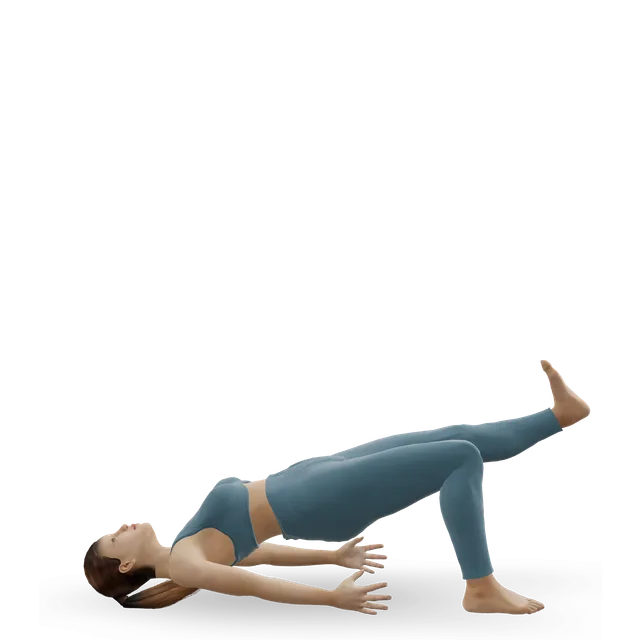
Shoulder bridge: 3 to 5 kicks each leg; side kick: 8 to 10 each side; single-leg kick: 6 to 8 each leg (from the move pages' doses). Flex the foot as you kick forward and point it as you sweep back (our suggestion). Light work for the calves, with the rest of the class still Pilates.

Balance on one foot

One-leg stand: 2 holds of 30 s each leg, beside a wall or worktop (our Pilates for Achilles tendinopathy class); reach matrix: 3 rounds of 5 reaches in each direction, each leg (from the move page's dose), once a one-leg stand is steady.

Stretch, knee straight and knee bent

Wall calf stretch, back knee straight: 30 s each leg; soleus stretch, back knee bent: 30 s each leg (our calf workout). Downward dog with the knees bent, the mat stand-in for the reformer's elephant: 3 holds of 30 s (our reformer-inspired mat Pilates class), left out with glaucoma or sore wrists. Standing soleus and Achilles stretch: hold 20 to 30 seconds, 2 to 4 times each side (from the move page's dose).

Spring, only for active people with healthy calves and tendons

Calf springs: 2 sets of 20 quiet bounces, a few times a week (the move page's dose); ankle bounces: 2 sets of 20 (our foot and ankle strengthening routine, in its optional spring block), only once one-leg raises are easy. Our guide to strengthening your calves covers the spring stage.

Who should change what

A sore Achilles

Achilles pain during or after calf raises should stay at about 5 out of 10 or less and settle by the next morning, as our Achilles tendinopathy guide says. See a GP or physiotherapist if it keeps getting worse.

With pain where the Achilles meets the heel, do every raise on flat ground and lower only to the floor, as our Achilles guide says. After an Achilles rupture, follow your team's stages.

Pain where the tendon meets the heel, on the reformer

Our reading, extending that one trial to Pilates: with insertional pain, keep your heels level with the footbar or the floor, or higher. No tendon stretch with the heels sinking under the bar, no heels-down deep squats, no standing calf stretches and no heel drops off a step until it settles. With pain higher up, these are fine within the pain rule.

Source 57

After an Achilles rupture

No strong calf stretches, no heel drops off a step, and no running, hopping, hills or brisk walking yet: one NHS trust says you're most vulnerable to a re-tear in the first 8 weeks out of the boot.

After a calf strain

Mild discomfort during exercise, up to about 3 to 4 out of 10 (this site's suggestion), is acceptable if it settles within the day. Sharp pain, or a limp afterwards, means drop back a step for a few days.

Older age and a previous calf strain are the strongest risk factors for a future calf strain, in a review of 10 mostly high-risk-of-bias studies. If you have strained a calf before, keep the stage 3 strength work going once you are back.

Ball-of-foot pain or big toe arthritis

The slow calf raise's page says: "With pain in the ball of the foot or big toe arthritis, stop short of full tiptoe."

Hopping, bouncing and the jumpboard

Our foot and ankle routine says: "Leave out the ankle bounces with a suspected stress fracture or with heel or Achilles pain, and build up slowly if you have low bone density or haven't done impact work in years." Treat the jumpboard the same way (our suggestion).

Numb feet or diabetes

If your feet are numb, the international foot guideline advises not walking barefoot or in socks without shoes, even indoors. Do standing moves in shoes, check your feet before and after, and with an open sore keep to lying and seated moves.

The exceptions: pain in one spot on a bone should be pain-free, because it could be a stress fracture; burning, tingling or numbness means stop that movement; and if your feet are numb, pain won't warn you, so check your skin after exercise.

Very flexible ankles

Keep foot and ankle work in the middle of the range rather than pushing to the end (our suggestion, from our Pilates for hypermobility guide).

Shaky balance

Stop if you feel dizzy or light-headed. Keep a counter or wall within reach, and have someone nearby for the hardest moves if you've fallen recently (our suggestion, as in our older adults guide).

Classes to follow

Our calf workout is the strength class, with knee-straight and knee-bent raises and a step, and our yoga for the calves class adds longer stretches for both calf muscles. The Pilates for Achilles tendinopathy class suits healthy calves too, with the calf stretches added; the shin splints class adds the shin, the foot and ankle routine adds ankle range and balance, the varicose veins class works the calf pump, and our lower body class works your calves with the rest of your legs.

Calf workout: straight-knee and bent-knee raises with a step

A 25-minute calf workout with a step and a dumbbell: single-leg raises for the big calf muscle, then seated raises for the soleus, with gym swaps for each move.

25 minIntermediate7 movesWall, step

Yoga for the calves: a 25-minute class to stretch and strengthen both calf muscles, with one-leg balance

A 25-minute yoga class for tight calves: ankle circles, calf raises, one-leg balance, then stretches for both calf muscles, knee straight and bent.

25 minBeginner15 movesWall, bench or box

Calf-loading Pilates for Achilles tendinopathy: a 25-minute class with holds, slow heel raises, heels kept level and no jumping

A 25-minute Pilates class for Achilles tendonitis: holds on tiptoe and slow heel raises first, then mat Pilates that's light on the tendon. Heels level, no jumps.

25 minBeginner13 movesWall, bench or box

Impact-free Pilates for shin splints: a 25-minute class for calf and shin endurance, the hips and one-leg balance

A 25-minute Pilates class with no impact for shin splints: calf and shin endurance, hip and trunk work on the mat, and one-leg balance while you rest from running.

25 minBeginner14 movesBench or box, wall

Foot and ankle strengthening routine: toes, arches, calves and balance

A 15-minute barefoot routine for stronger toes, arches, calves and ankles, finishing with balance. You need only a towel, a wall and a resistance band.

15 minBeginner11 movesWall, other / check instructions

Hips-to-calves Pilates: a 30-minute lower body class with a harder option for every move

A 30-minute Pilates class for your whole lower body: footwork, bridges, side and face-down work, one-leg moves and a stretch, each with a harder option.

30 minBeginner20 movesWall, other / check instructions

Reformer-inspired mat Pilates (no machine)

A 25-minute mat workout built on the order of a classical reformer class, with a mat or standing version of each reformer exercise. No machine needed.

25 minBeginner16 movesWall

Calf-pump Pilates for varicose veins: a 25-minute standing, legs-raised and side-lying class

A 25-minute Pilates class for varicose veins and heavy legs: calf raises to work the pump, mat work with your legs raised, side-lying hip work and legs up the wall.

25 minBeginner19 movesWall, bench or box

Pilates for plantar fasciitis: a 25-minute class that starts sitting, keeps you off your feet, and ends with heel raises

A 25-minute Pilates class for heel pain: sole and calf stretches before you stand, mat Pilates lying down, heel raises every second day, and short standing work.

25 minBeginner15 movesBench or box, other / check instructions

Springy starter: calf strength and gentle bounces

A beginner's springy session: calf strength first, then heel drops, calf springs and gentle bounces, building towards skipping and pogo hops.

20 minBeginner11 movesWall, step

Plans

Both build calf raises into the week: the runners' plan with a spring stage, the plan for seniors with balance.

Warning signs

These are the warning signs of our calves, Achilles and Pilates guides, word for word. This is general information, not a diagnosis. A&E means accident and emergency; in the US, call 911 for 999, and use your doctor's urgent line or urgent care for NHS 111.

Call 999 or go to A&E

  • Call 999 or go to A&E if breathing suddenly becomes difficult, if pain in your chest or upper back comes on suddenly with breathlessness or a very fast heartbeat, or if someone passes out. Do not drive yourself. It can be a blood clot that has reached the lungs.
  • Call 999 or go to A&E: sudden, severe pain in a muscle, which may be worse when you stretch it, with swelling, numbness, weakness or pins and needles, or tightness or difficulty moving the leg. This can be acute compartment syndrome, which needs surgery as soon as possible. It usually follows an injury or a bandage or cast that is too tight, but rarely it can follow very hard exercise. Do not drive yourself to A&E.
  • Call 999 or go to A&E: a leg that is suddenly cold, pale, numb, weak or very painful. A sudden loss of blood supply to a leg is a vascular emergency.

Source 16

The same day: a snap at the back of the heel or calf

  • Same day: a sudden snap or pop at the back of the heel or calf, or a feeling of being kicked there, then walking flat-footed and being unable to push off, stand on tiptoe or climb stairs. It could be an Achilles tendon rupture or a broken heel bone. Go to A&E or a minor injuries unit, or contact NHS 111.
  • A suspected rupture that was never examined, or a weak push-off weeks after what seemed to be a sprain or calf strain: ask for an assessment. A rupture found late may need different treatment.

Sources 17, 16

The same day: a clot in the leg, or a hot heel

  • Same day (urgent GP appointment or NHS 111): throbbing pain in one leg (rarely both), usually the calf or thigh; swelling in one leg (rarely both); red, blue or darkened skin around the painful area, which may be harder to see on brown or black skin; or swollen veins. This can be a deep vein thrombosis (DVT). It is more likely after surgery, a hospital stay, 3 or more days in bed, a journey of over 4 hours, pregnancy or a recent birth, cancer, a previous clot, or contraception or hormone replacement therapy (HRT) that contains oestrogen.
  • Ask for an urgent GP appointment or get help from NHS 111: sudden swelling, redness, heat and pain in the calf, which could be a blood clot. Go to A&E: severe pain after an injury, which can mean a broken bone; or you cannot put any weight on the leg.
  • Same day: the back of the heel is red, hot, swollen and very painful, especially with a high temperature or feeling hot, cold or shivery. It could be an infected bursa or a skin infection.

Sources 17, 16

Contact your doctor straight away

Contact your doctor straight away if your Achilles tendon becomes painful or swollen while you're taking a fluoroquinolone antibiotic (such as ciprofloxacin, levofloxacin, moxifloxacin or ofloxacin), or in the months after. The UK medicines regulator (MHRA) advises stopping the antibiotic at the first sign and resting the painful area until you've been seen; the risk is higher over 60, with kidney problems, after an organ transplant and with steroid medicines.

A calf strain

A sudden sharp pain in the calf as you push off can be a strain. Stop, and see our calf pain guide.

See a GP

  • Calf pain that comes on with walking and eases when you rest needs a GP check; our calf pain when walking guide explains why.
  • Pain that comes on when you walk a set distance and goes after a few minutes' rest, especially if you smoke or have diabetes. Exercise treats it well, but it needs a diagnosis first.
  • Cramps that disturb your sleep, last longer than 10 minutes, or come with numbness or swelling.
  • Pain in one spot on a bone that's worse with jumping or running, eases with rest and hurts when you press it: stop jumping, as it can be a stress fracture, and see a GP. See a GP too for heel pain that hasn't improved after 2 weeks of looking after it yourself, or shin pain that's getting worse or isn't improving.
  • Achilles pain that hasn't improved within 12 weeks of following this advice, or is getting worse: talk to a healthcare professional. In many areas you can refer yourself to physiotherapy.
  • New or worse pain at the back of the heel after a steroid injection near the Achilles tendon: get it checked, because injections there carry a risk of rupture.
  • Swelling in several joints, or morning stiffness that lasts more than 30 minutes: see a GP. It can be an inflammatory arthritis such as rheumatoid arthritis rather than osteoarthritis.

Sources 66, 71

After unusually hard training

Call NHS 111 (in the US, your doctor or urgent care) for severe muscle pain and weakness with dark (cola-coloured) or reduced urine after unusually hard training. This can be rhabdomyolysis, which can harm the kidneys and needs prompt care.

During a session: the pain rules

This site's suggested rule: pain during exercise up to 5 out of 10, back to its usual level by the next morning, and not creeping up week on week. If it is worse the next morning, lighten the load for a few sessions rather than stopping.

Sharp pain at the back of the heel during footwork or a calf raise, rather than a dull ache, means stop that move (our suggestion).

Sources 56, 55, 57

Chest pain or fainting while exercising: call 999

Call 999 if:

  • You get sudden pain or discomfort in your chest that doesn't go away; it can feel like squeezing or pressure, burning or indigestion.
  • The pain spreads to your left or right arm, or your neck, jaw, stomach or back.
  • You have chest pain and feel sweaty, sick, light-headed or short of breath.
  • Someone faints while exercising, can't be woken within 1 minute, or has chest pain or a pounding, fluttering or irregular heartbeat.

Sources 72, 73, 74

Unusual breathlessness

Call 999 or go to A&E (accident and emergency) straight away for severe difficulty breathing (gasping, choking or not able to get words out), a chest that feels tight or heavy, pain that spreads to your arms, back, neck and jaw, lips or skin turning very pale, blue or grey, or sudden confusion. If you're more short of breath than usual, or your heart is racing, fluttering or skipping beats, contact NHS 111.

Source 75

A heart condition

If you have a heart condition, follow your cardiac team's advice on how hard to work, and stop for the warning signs above. People with long-term conditions may wish to ask their specialist before starting. With uncontrolled high blood pressure, avoid straining against a held breath; the high blood pressure guide has more.

Stop the session if

You feel any pain or become unwell, as the NHS advises for its Pilates videos, and especially for chest pain or pressure, unusual breathlessness, dizziness or fainting. If you have a health problem, an injury or any symptoms, get advice from a healthcare professional, such as a GP, before you start.

Source 76

Before you start

The NHS advises getting advice from a healthcare professional first if you have a health problem, an injury or symptoms, or have recently had a heart attack or an operation.

If you have a heart, lung or joint condition, are pregnant or have recently been unwell, start gently and read our guide for your condition. Muscle soreness for a day or two after a new exercise is common and fades as you repeat it.

Source 76

Myths

"Pilates gives you long, slim calves"Strong evidence

Stretching programmes didn't lengthen muscle fibres across 65 studies, and changes in muscle structure were trivial except at very high stretching doses. Calf shape depends on bone, genes, muscle and fat, and no exercise slims one spot; our guide to losing calf fat covers the rest.

Sources 9, 38

"Pilates makes your calves bulky"Emerging evidence

Calves grow with hard sets near failure, about 12 a week in one trial, and they are slow to grow. No study has scanned calf size after Pilates, and the one girth estimate came from women returning after a break. Most Pilates calf work is light (our reading).

Sources 14, 11, 13, 48

"Stretching makes tight calves longer"Emerging evidence

Range rises because tolerance rises and stiffness falls a little, not because the fibres get longer: 3 weeks of calf stretching raised range 19.9% with no change in fascicle length. Stretching still helps the range you can use.

Sources 9, 10, 8

"Reformer running and the tendon stretch are the best way to loosen tight calves"Mixed evidence

No study has measured either, and the tendon stretch is an advanced move that our Pilates for Achilles tendinopathy guide says to leave out with pain where the tendon meets the heel. Any calf stretch you hold for 30 seconds does the job, and how you stretch matters little.

Sources 6, 23, 36

"Light, high-repetition Pilates strengthens tendons better than weights"Emerging evidence

Tendons adapt to the size of the load, and low-strain exercise "is not a sufficient stimulus" beyond daily life.

Sources 15, 52

"You need a reformer to work your calves"Emerging evidence

Standing calf raises load the calf and Achilles more than seated or lying work, and grow the calf. A step and a wall are enough.

Sources 24, 25, 11

"Stretching before bed stops night cramps"Mixed evidence

Calf and hamstring stretching eased cramp severity in one trial, calf stretching alone did no better than sham, and stretching did no better than meditation. The NHS says stretching may help.

Sources 67, 70, 66

"A sore calf after Pilates is always just soreness"Strong evidence

Soreness in both calves that fades in a day or two is common, but one swollen, hot or throbbing calf can be a clot, and a snap at the heel can be a rupture: see the warning signs above.

Sources 16, 17

Questions people ask

Does Pilates work your calves?

A little on the mat, where your feet mostly point and flex, and more in standing work and reformer footwork, which presses the carriage away with your feet and adds heel raises against the springs. To strengthen them properly, add standing calf raises and make them harder over the weeks.

Is Pilates good for tight calves?

It can help: stretching adds a few degrees of ankle bend, and calf raises through the full range strengthen the muscle where it feels tight. What usually changes is how much stretch you tolerate, not the length of the muscle.

Does Pilates make your calves bigger?

Unlikely: no study has measured calf size after Pilates, and calves grow with hard sets taken close to failure, about 12 a week in one trial. If you want bigger calves, our guide to bigger calves has the plan.

Can Pilates slim my calves?

No exercise takes fat off one place, and calf shape is partly bone and genes. Our guide to losing calf fat covers fat, swelling and lipoedema; calves of every size do the same jobs.

What are the best Pilates exercises for calves?

Slow calf raises standing, in parallel and in a small V, seated raises for the deeper soleus, one-leg raises on a step when those are easy, and footwork on a wall. Finish with a calf stretch with the knee straight and one with it bent.

Why do my calves hurt after Pilates?

Soreness for a day or two after something new is common and fades as you repeat it. Pointing hard can bring on a cramp, so ease the point. One swollen, hot or throbbing calf, sudden severe pain or a snap at the back of the heel needs help the same day.

Is reformer Pilates good for calves?

Footwork works the calves against springs, but how hard has never been measured beyond one volunteer; in older adults, reformer classes improved ankle bend against no exercise. Lighter springs and slow heel lowers suit a beginner.

What is the tendon stretch in Pilates?

An advanced reformer move on light springs, with a deep stretch of the hamstrings and Achilles among its goals. Leave it out with pain where the Achilles meets the heel, as our Achilles guide says.

Can Pilates help night cramps?

Maybe a little: the NHS says regular calf stretching may help to reduce cramps, but trials are few and low certainty. See a GP if cramps disturb your sleep, last longer than 10 minutes, or come with numbness or swelling.

Is Pilates good for the Achilles?

It hasn't been tested. Calf loading is the treatment for Achilles pain, so our Pilates for Achilles tendinopathy guide builds heel raises into a class.

How many calf raises should I be able to do?

Adults under 60 averaged about 28 one-leg raises in a row in one study, and larger studies found middle figures of 21 to 25. There are no firm norms, so compare one leg with the other rather than with a number.

How often should I do Pilates for my calves?

Twice a week for strength, making the raises harder over the weeks. If range is your goal, add calf stretches on most days; 2 or 3 days a week keeps what you gain.

Sources

  1. Albracht 2008 · Calf muscle volumes on MRI, 13 men (lab study, J Biomech)
  2. Neptune 2001 · What each calf muscle does in walking (computer model, J Biomech)
  3. Hamner 2010 · Muscle contributions to support and push-off in running (computer model, J Biomech)
  4. Pilatesology · Encyclopedia, reformer: the footwork series (classical teaching site)
  5. Balanced Body · Allegro reformer user guide, sample exercises: footwork (maker's guide)
  6. PubMed · Our search for studies of reformer footwork, the footbar, the tendon stretch and the jumpboard (3 November 2026): 2 records, neither measuring calf work
  7. Brodt 2014 · An instrumented reformer footbar, tested in one volunteer (lab study, J Appl Biomech)
  8. Radford 2006 · Does stretching increase ankle dorsiflexion? 5 trials (systematic review, Br J Sports Med)
  9. Ingram 2025 · How static stretching increases range of motion, 65 studies (systematic review, meta-analysis and meta-regression, Sports Med)
  10. Blazevich 2014 · Range of motion and muscle changes after 3 weeks of calf stretching, 21 adults (trial, J Appl Physiol)
  11. Kinoshita 2023 · Standing or seated calf raises and calf muscle growth (trial, Front Physiol)
  12. Kassiano 2023 · Partial-range calf raises at long muscle lengths and calf growth (randomised trial, J Strength Cond Res)
  13. Europe PMC · Our search for Pilates and calf size, girth or heel raises (3 November 2026): 2 records, no scan of the calf
  14. Kassiano 2024 · Bigger calves from more weekly sets? (randomised trial, Int J Sports Med)
  15. Bohm 2015 · How tendons adapt to loading, 27 studies (systematic review and meta-analysis, Sports Med Open)
  16. NHS · DVT (deep vein thrombosis)
  17. NHS · Heel pain
  18. Weiss 1988 · Heavy calf training, strength and calf size in men and women (trial, Phys Ther)
  19. Hébert-Losier 2017 · Normal values for the standing heel-rise test, 566 adults (study, Physiotherapy)
  20. Visser 2025 · Normal values for calf strength-endurance measured with an app, 500 adults (study, Braz J Phys Ther)
  21. Kotsifaki 2026 · How common Achilles rupture is, and trends (systematic review and meta-analysis, Sports Med)
  22. Balanced Body · Contrology classical reformer: complete manual, footwork (maker's manual, 2021)
  23. Pilatesology · Encyclopedia, reformer: the tendon stretch (classical teaching site)
  24. Baxter 2021 · Achilles tendon load across calf exercises (lab study, Med Sci Sports Exerc)
  25. Revak 2017 · Achilles tendon load in heel raising and lowering exercises (lab study, J Athl Train)
  26. Kramer 2010 · A sledge jump system for jumps lying down (lab study, J Biomech)
  27. Jones 2021 · Spring-loaded horizontal jumps compared with vertical jumps (lab study, J Biomech)
  28. Roller 2018 · Reformer Pilates for falls risk in older adults, 55 people (randomised trial, J Bodyw Mov Ther)
  29. Jiang 2022 · Pilates or balance training in footballers with unstable ankles, 51 players (non-randomised trial, Int J Environ Res Public Health; read in full)
  30. Oliveira 2016 · Static stretching or Pilates for flexibility in older women, 32 women (randomised trial, J Bodyw Mov Ther; may share its sample with Oliveira 2015 and 2017)
  31. Choi 2021 · Ankle-focused Pilates and walking in older women (single-group study, J Women Aging)
  32. Tavares 2025 · Pilates and leg strength after a below-knee amputation, 10 people (single-group study, Complement Ther Clin Pract)
  33. Maciel 2026 · Pilates in older professional drivers (feasibility study, Physiother Res Int)
  34. PubMed · Our search for Pilates studies with ankle or calf outcomes (3 November 2026): 24 records
  35. Yılmaz 2025 · Mat or reformer Pilates in amateur footballers, 30 players (randomised trial, PLoS One; read in full)
  36. Konrad 2024 · Long-term stretching and range of motion, 77 studies (systematic review and meta-analysis, J Sport Health Sci)
  37. Weppler 2010 · Increasing muscle extensibility: length or sensation? (review, Phys Ther)
  38. Panidi 2023 · Static stretching and muscle structure (systematic review and meta-analysis, Sports Med Open)
  39. Konrad 2025 · What happens to range of motion after stretching stops (systematic review and meta-analysis, Sports Med Open)
  40. Schoenfeld 2020 · Heavy or light loads in muscles with different properties, the calf included (trial, Physiol Rep)
  41. Currier 2026 · ACSM position stand: resistance training for strength, muscle growth and performance, 137 reviews (Med Sci Sports Exerc; read in full)
  42. Ferri 2003 · Calf and thigh strength and power after resistance training in men aged 65 to 81 (single-group study, Acta Physiol Scand)
  43. Liang 2025 · Ankle and foot exercises for strength, balance and falls in older people, 16 papers (systematic review and meta-analysis, Phys Ther)
  44. Lunsford 1995 · The standing heel-rise test: what's normal, 203 adults (study, Phys Ther)
  45. Hébert-Losier 2009 · Raising the standards of the calf-raise test (systematic review, J Sci Med Sport)
  46. NHS · Strength exercises
  47. NHS · Physical activity guidelines for adults aged 19 to 64
  48. Vaquero-Cristóbal 2016 · Reformer Pilates and body measurements in active women after a break (single-group study, Women Health)
  49. Warneke 2022 · An hour a day of calf stretching: strength, muscle thickness and flexibility (trial, Front Physiol)
  50. Warneke 2023 · Long daily stretching compared with strength training for the calves (trial, Eur J Appl Physiol)
  51. Warneke 2024 · Long-term stretching, strength and muscle size, 42 studies (systematic review and meta-analysis, Sports Med Open)
  52. Arampatzis 2007 · Achilles tendon adaptation to high and low strain (trial, J Exp Biol)
  53. van der Vlist 2021 · Treatments for Achilles tendinopathy, 29 trials (living network meta-analysis, Br J Sports Med)
  54. Beyer 2015 · Heavy slow resistance or eccentric training for Achilles tendinopathy (randomised trial, Am J Sports Med)
  55. Habets 2021 · Two calf loading programmes for Achilles tendinopathy (randomised trial, Orthop J Sports Med)
  56. Silbernagel 2007 · Carrying on with sport, with pain monitoring, in Achilles tendinopathy (randomised trial, Am J Sports Med)
  57. Pringels 2025 · Reducing tendon compression in insertional Achilles tendinopathy (randomised trial, Br J Sports Med)
  58. Sivrika 2023 · Exercise types for Achilles tendinopathy (systematic review, Healthcare; read in full)
  59. ClinicalTrials.gov NCT07039643 · The Pilates method in Achilles tendinopathy rehabilitation (trial registration, finished May 2026, no results posted)
  60. PubMed · Our search for Pilates and the Achilles tendon (3 November 2026): 5 records, no Pilates trial in Achilles tendinopathy
  61. Olivar 2026 · How Achilles ruptures happen (systematic review, J Funct Morphol Kinesiol)
  62. Kannus 1991 · Tendon changes before spontaneous rupture, 891 people (controlled study, J Bone Joint Surg Am)
  63. Alves 2019 · Fluoroquinolone antibiotics and tendon injury (systematic review and meta-analysis, Eur J Clin Pharmacol)
  64. Morales 2019 · Tendon rupture with fluoroquinolones, with and without steroids (nested case-control study, Clin Drug Investig; a licence correction was read, and an addendum couldn't be opened)
  65. Xergia 2023 · Risk factors for Achilles rupture (systematic review, Phys Sportsmed)
  66. NHS · Leg cramps
  67. Hawke 2021 · Non-drug treatments to prevent leg cramps (Cochrane review)
  68. Hallegraeff 2012 · Stretching before sleep and night leg cramps in older adults (randomised trial, J Physiother)
  69. Coppin 2005 · Calf stretching and stopping quinine for night leg cramps (factorial randomised trial, Br J Gen Pract)
  70. Tapper 2024 · Stretching or meditation for night muscle cramps: the RELAX trial (randomised trial, Liver Int)
  71. NHS inform · Achilles tendinopathy
  72. NHS · Chest pain (past its review date: reviewed August 2023, review due August 2026)
  73. NHS · Heart attack
  74. NHS · Fainting
  75. NHS · Shortness of breath
  76. NHS · Pilates video for beginners, with its safety advice

Exercise education, not a personal prescription, and clinical review of these guides is pending. If you are pregnant, have a health condition or have had recent surgery, check with a doctor, midwife or physiotherapist before starting, and stop for sharp or increasing pain. Health disclaimer.