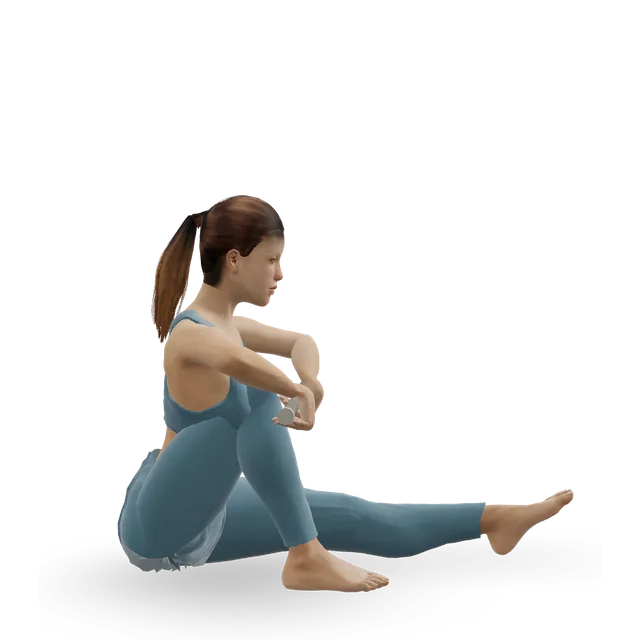
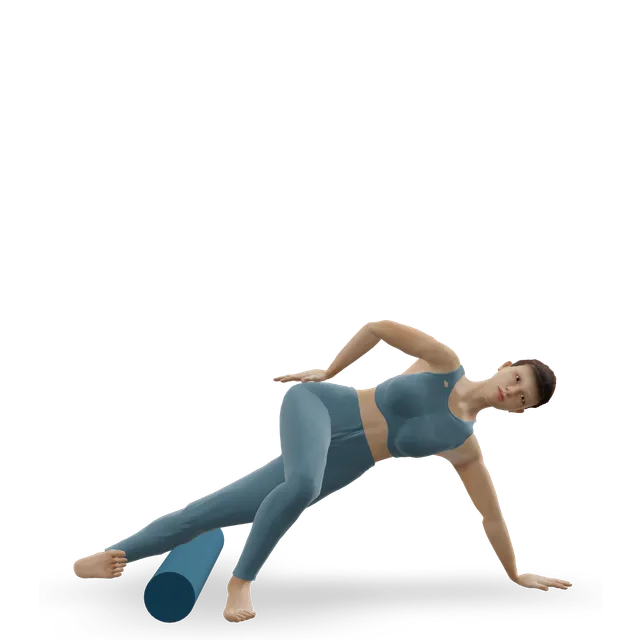
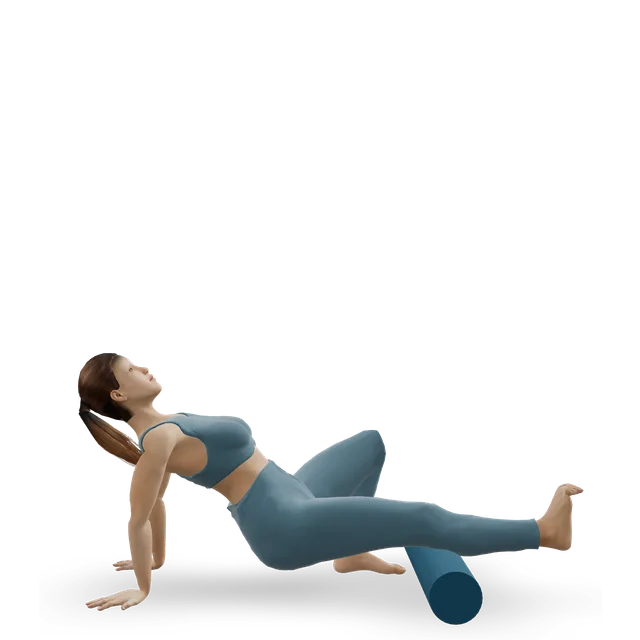
Pilates fits, but no trial has tested it
The NHS suggests switching to gentle exercise such as yoga or swimming while shin splints heal, and most Pilates is lying, sitting or side-lying, with no impact. No trial has tested Pilates for shin splints.
Pilates guide
The NHS suggests switching to gentle exercise such as yoga or swimming while shin splints heal, and Pilates fits: most of it is lying, sitting or side-lying, and reformer footwork works the calves without impact. No trial has tested Pilates for shin splints, and no treatment has been proven to work; what got athletes back in the best trial was a gradual return to running. So Pilates is for staying strong while you rest from running: calf and shin endurance, hip strength and one-leg balance.
First, rule out a stress fracture: pain in one spot you can point to, pain at rest or at night, or pain with every step needs checking. This guide covers how to tell them apart, the calves, the feet and the hips, reformer footwork, which moves to change, the checks before running again, what the evidence shows, and a free 25-minute class with no impact.
The NHS suggests switching to gentle exercise such as yoga or swimming while shin splints heal, and most Pilates is lying, sitting or side-lying, with no impact. No trial has tested Pilates for shin splints.
Shin splints hurt along a strip of the inner shin, mostly during exercise. Pain in one spot you can point to, pain at rest or at night, or pain with every step needs checking. The trials that defined shin splints required tenderness along at least 5 cm of the bone.
Reviews found every treatment trial at high risk of bias and nothing that could be recommended. In the best trial, 74 athletes on a graded running programme alone did as well as those who added calf exercises or a compression stocking: about 102 to 118 days to run 18 minutes non-stop.
Athletes with shin splints managed 23 heel raises against 33 in matched controls, and runners 33 single-leg raises against 75. Whether that causes shin splints or comes from them is unknown, but building calf endurance is a sensible part of the plan.
Balance and strength (neuromuscular) training cut shin splints across 4 trials (3,887 people, high certainty), and static stretching didn't. But a 15-minute strength, flexibility and coordination routine didn't prevent them in 1,020 army recruits, so a short Pilates routine isn't a shield.
In novice runners, shin splints were the commonest injury, with a median recovery of 72 days. The way back is walk-run intervals on alternate days, adding distance before speed.
Pain in one spot on the shin or a foot bone that you can point to with a fingertip, worse with impact and later present at rest or at night: a possible stress fracture. Stop running and jumping until it has been checked.
That is our stress fracture guide's line. Get it checked before more Pilates on your feet.
Two clinicians agreed on the diagnosis of shin splints 96% of the time from the history and an examination, in 46 athletes. Experts place shin splints near the start of a bone stress continuum: a stress reaction, then a stress fracture, then a complete break.
Tight, burning pain in the muscle that builds with exercise and fades quickly when you stop, sometimes with numbness, points to chronic exertional compartment syndrome; shin splints pain can last hours or days. Our exertional compartment syndrome guide covers it, and its warning lines are below.
Pain and tenderness along the inner edge of the shin bone, brought on by running, jumping or marching. The medical name is medial tibial stress syndrome, and newer research calls it load-induced medial leg pain. The NHS says it usually gets better within a few weeks; in novice runners, the median recovery was nearer 10 weeks.
Imaging studies point to a stress reaction of the bone as the likeliest cause, which is why experts place shin splints near the start of the bone stress continuum. The calf muscles help take load off the shin bone, experts say.
From observational studies, mostly with small effects: being female, a previous episode or running injury, a higher body mass index or weight, an arch that drops more, and more outward rotation at the hip. How far the ankle bends and the knee's Q angle aren't risk factors, and nor is weak hip abduction.
In 30 athletes with shin splints and 30 without, heel raises to fatigue averaged 23 against 33. In 20 runners each, single-leg raises were 33 against 75, with weaker calf, shin and foot muscles. A review of 17 mostly case-control studies found the same calf endurance gap but "large knowledge gaps", because few studies followed people forward. Big-toe strength ran the other way in one small study: higher in runners with past shin splints.
Our searches of PubMed, Europe PMC and ClinicalTrials.gov in October 2026 found no Pilates trial in shin splints, shin bone stress injuries, shin pain, military recruits or preventing running injuries. The nearest: 12 weeks of home mat Pilates didn't significantly change knee movement in 34 novice runners, and small studies of Pilates in flat feet found small changes in walking and balance, or none.
A 2013 review found 11 trials, all at high risk of bias, and said stretching and strengthening, compression stockings, braces and laser "have not been proven". A 2022 review of 6 load-changing trials could recommend none. A 2026 review of 3 trials in 130 runners found arch supports with other care eased pain in the short term against sham, and "Exercise additions were not superior to comparators". There's no Cochrane review of treatment.
In 74 athletes, a graded running programme alone, or with calf stretching and strengthening at home 5 times a week, or with a compression stocking, took 105, 118 and 102 days to finish, with no real difference between them. Runs were 3 times a week with a day off between, from 2 minutes running and 2 walking up to 18 minutes non-stop. The trial had no rest-only group, so it can't show that running beats rest.
Source 3
In 40 runners all given ice, insoles, shockwave and a walk-to-run return, adding lower-leg exercises improved foot posture and quality of life but not pain. In another 40, hip abductor training reduced the pelvis dropping and the knee moving inward on a step-down, but the trial reported no pain result, so it isn't evidence that hip work treats shin pain.
Across 12 trials (8,197 people), neuromuscular training prevented shin splints (4 trials, 3,887 people, high certainty) and static stretching didn't. Gait retraining with exercises cut them in army recruits at higher risk. But a 15-minute routine 3 times a week didn't prevent them in 1,020 recruits, and a supervised hip and core programme cut overuse injuries overall in 325 novice runners, with no shin splints result available to us and without measurably changing hip strength or running mechanics.
A lower step rate went with more shin injury in 68 high school runners and more bone stress injury in 54 college runners. But in lab studies a 10% quicker step didn't clearly lower load on the shin bone, while shorter strides and slower running did, at very low certainty. Our running form guide covers step rate.
Footwork presses the carriage with your feet while you lie down, with no impact, and one Pilates teacher-training body suggests low-load footwork for clients with shin splints. Within the shin splints strength rule (mild discomfort that has settled by the next day), it suits the weeks off running. No study has measured load on the shin in footwork.
Jumping on the jumpboard is still impact. Leave it until you meet the checks for running again (our suggestion).
Seated bent-knee raise, 3 sets of 15, if pain-free; shin raises with your back against a wall, 2 sets of 15; slow calf raise, 3 sets of 15; single-leg raise, building toward 3 sets of 15 to 20 slow reps each leg; heel walks, 3 sets of 20 m; band eversion, 3 sets of 15 (our shin splints guide's stages, for each). Ankle circles, "10 slow circles each way with each foot (our editorial starting point)" (the move page's dose); towel scrunches, 2 sets of 12 each foot (our foot and ankle strengthening routine).
 3D demoSeated bent-knee calf raise (soleus raise)Beginner · A bench or box
 3D demoTibialis raiseBeginner · No equipment
 3D demoSlow calf raiseBeginner · A wall
 3D demoSingle-leg calf raise from a stepIntermediate · A step + A wall
 3D demoHeel walkBeginner · No equipment
 3D demoBand ankle eversionBeginner · A band + A bench or box
 3D demoAnkle circlesBeginner · No equipment
 3D demoTowel toe curlBeginner · Other / check instructions + A bench or box
General strength for runners, not a proven shin fix: the one hip trial in shin splints reported no pain result. Side kick, "8 to 10 each side"; shoulder bridge, "3 to 5 kicks each leg"; hip hitch, "3 sets of 15 slow reps each side, 3 times a week: the dose in a runners' trial that included this move" (the move page's dose for each). Side-lying leg raise and clamshell, 3 sets of 12 each side, and glute bridge, 3 sets of 12 (our shin splints guide); single-leg bridge, 3 sets of 10 each leg (our IT band syndrome guide).
 3D demoSide kick (Pilates side kick series)Beginner · No equipment
 3D demoSide-lying leg raiseBeginner · No equipment
 3D demoClamshellBeginner · No equipment
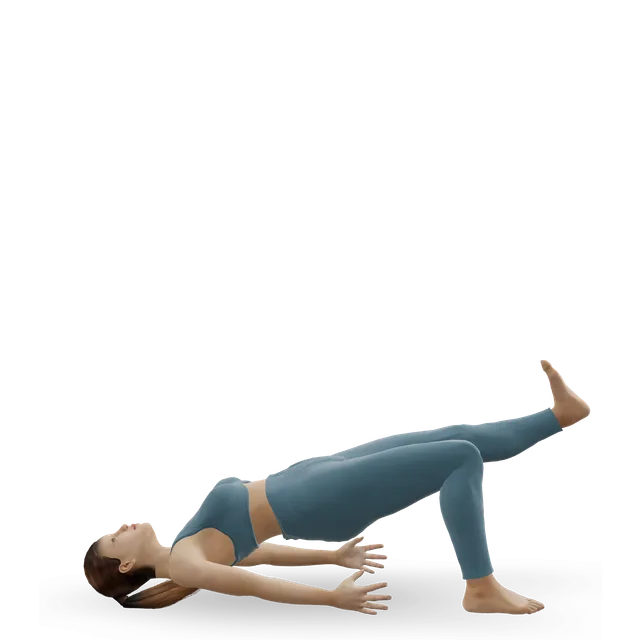 3D demoShoulder bridge (Pilates)Intermediate · No equipment
 3D demoGlute bridgeBeginner · No equipment
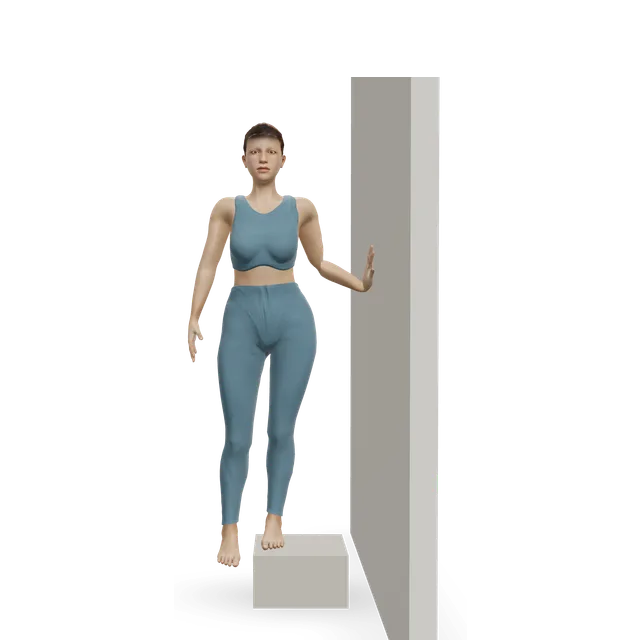 3D demoHip hitch (pelvic drop)Beginner · A step
 3D demoSingle-leg glute bridgeIntermediate · No equipment
The hundred, "50 beats to start, building to 100 (the classical count)"; single-leg stretch, "6 to 10 each side"; swimming, "2 to 3 sets of 20 to 30 seconds" (the move page's dose for each). One-leg stand, 3 holds of 30 seconds each leg (our shin splints guide). Balance and strength programmes prevented shin splints in trials; these Pilates moves themselves are untested for it.
The jumpboard, skipping, ankle bounces, pogo hops and the jumping jacks in a cardio Pilates class wait until you meet the checks below. The hop moves' own caution: "Leave it out with a suspected stress fracture: bone pain should be gone before you hop."
If walking still hurts, do the calf and hip work sitting or lying (our suggestion, from the Dutch trial's rule of no running until walking had been pain-free for 2 days).
Source 3
Rolling the muscles beside the shin bone is optional comfort. The move's caution: "Keep off the shin bone itself. Pain on the bone that worsens with running needs checking rather than rolling." Our shins fascia guide covers rolling.
Fine for comfort (calf and soleus stretches against a wall, 2 to 3 holds of 30 seconds each side, our shin splints guide), but stretching hasn't been shown to treat or prevent shin splints.
The first four checks and the running rule are our shin splints guide's; the walk-run pattern is from a review of return-to-running guidance after shin bone stress injuries and the Dutch trial. Our shin splints guide has the full plan.
See the movement on the 3D figure: Single-leg calf raise from a step
Our 25-minute class follows the shin splints guide's first two stages with no impact; its structure is editorial. The yoga class, the shin release routine and the foot and ankle routine work the same areas; the runners' strength workout has hops, so it's for after the checks.
A 25-minute Pilates class with no impact for shin splints: calf and shin endurance, hip and trunk work on the mat, and one-leg balance while you rest from running.
25 minBeginner14 movesA bench or box, A wallA 25-minute yoga class for shin splints: seated and standing calf work, the tibialis raise, hip strength, short standing poses and rest, with no jumping.
25 minBeginner15 movesA bench or box, A wallRoll the front and outer shin and the calf, stretch the calf, then strengthen the shin and calf muscles. About 20 minutes, for comfort and strength.
20 minBeginner9 movesOther / check instructions, A foam rollerA 15-minute barefoot routine for stronger toes, arches, calves and ankles, finishing with balance. You need only a towel, a wall and a resistance band.
15 minBeginner11 movesA wall, Other / check instructionsA 40-minute strength workout for runners at home: hops, Bulgarian split squats, single-leg deadlifts, step-ups, calf raises and side planks.
40 minIntermediate15 movesA wall, A bench or boxThese are the same warning signs as our shin splints, stress fracture and exertional compartment syndrome guides, word for word. This is general information, not a diagnosis. A&E means accident and emergency; in the US, call 911 for 999, and use your doctor's urgent line or urgent care for NHS 111.
Source 17
Source 1
For shin splints, this site suggests mild discomfort during strength exercises is acceptable if it has settled by the next day. Running should be pain-free, or close to it.
If you suspect a stress fracture, the rule is stricter: do not push through pain. Health New Zealand advises stopping as soon as you feel pain during a return to activity.
Leave it out with a suspected stress fracture: bone pain should be gone before you hop.
Call 999 if:
Call 999 or go to A&E (accident and emergency) straight away for severe difficulty breathing (gasping, choking or not able to get words out), a chest that feels tight or heavy, pain that spreads to your arms, back, neck and jaw, lips or skin turning very pale, blue or grey, or sudden confusion. If you're more short of breath than usual, or your heart is racing, fluttering or skipping beats, contact NHS 111.
You feel any pain or become unwell, as the NHS advises for its Pilates videos, and especially for chest pain or pressure, unusual breathlessness, dizziness or fainting. If you have a health problem, an injury or any symptoms, get advice from a healthcare professional, such as a GP, before you start.
Source 42
The NHS advises getting advice from a healthcare professional first if you have a health problem, an injury or symptoms, or have recently had a heart attack or an operation.
Source 42
Most people recover in weeks to months: a median of 72 days in novice runners, and about 102 to 118 days to run 18 minutes non-stop in the trial programme. What helps is a graded return, not giving up running.
Stretching hasn't been shown to treat shin splints, and static stretching programmes didn't prevent them.
No trial has tested core or Pilates training for shin splints. A 15-minute strength, flexibility and coordination routine didn't prevent them in 1,020 recruits, and a supervised hip and core programme cut overuse injuries overall in novice runners without changing strength or running mechanics.
Mat Pilates and reformer footwork are low impact; the jumpboard and cardio Pilates add impact. Shin pain after starting a jumping class more likely reflects the jump in impact than Pilates itself (our reading, from the risk factor reviews; no study has looked).
Imaging points to a stress reaction of the bone, and experts place shin splints near the start of the bone stress continuum. Pain in one spot on the bone is a different problem: see the warning signs.
A lower step rate went with shin and bone stress injuries in two small studies of runners, but a 10% quicker step didn't clearly lower the load on the shin bone in lab studies.
It's a good way to stay strong without impact while you can't run, but it hasn't been tested as a treatment. The NHS suggests gentle exercise such as yoga or swimming while shin splints heal, and Pilates fits that.
Usually, yes: mat and reformer Pilates have little impact. Leave out the jumpboard and any jumping, and stop for pain in one spot on the bone, which needs checking.
Footwork, lying on the carriage, presses with your feet without impact, and one Pilates teacher-training body suggests low-load footwork for clients with shin splints. Avoid the jumpboard until you meet the checks for running again.
Calf and shin endurance without impact (seated and standing heel raises, shin raises, heel walks), hip work (bridges, side-lying leg lifts, the hip hitch) and one-leg balance. Our 25-minute class puts them in order. None has been tested as a treatment for shin splints.
Mat Pilates is low impact, so it's an unlikely cause. Jumping classes add impact, and shin splints follow a rise in impact load (our reading). Shin pain that starts after a new jumping class is a reason to drop the jumps for now.
Shin splints hurt along a strip of the inner shin, mostly during exercise. A stress fracture is one spot you can point to, often aching at rest or at night. Pain in one spot needs checking before more exercise.
People with shin splints manage fewer heel raises, so building calf endurance is sensible. But in the one trial that added calf work to a graded running programme, it gave no extra benefit. Think of it as part of the plan, not the cure.
For comfort, if it helps. Stretching hasn't been shown to treat shin splints, and static stretching programmes didn't prevent them.
When pressing along the bone no longer hurts, walking is pain-free, and 20 slow single-leg calf raises and 30 seconds of easy hopping are pain-free. Then walk-run intervals on alternate days, adding distance before speed.
In novice runners, the median was 72 days. In the trial programme, it took about 102 to 118 days to run 18 minutes non-stop. Pain in one spot on the bone is a different problem, with its own timeline: our stress fracture guide covers it.
It hasn't been shown: a short strength, flexibility and coordination routine didn't prevent shin splints in 1,020 army recruits. Balance and strength training programmes did prevent them across 4 trials.
Get help from NHS 111 if the pain is severe or you've injured your shin, and call 999 for sudden, severe pain in a muscle with swelling, numbness or weakness. See a GP if the pain is in one spot on the bone, comes on at rest or at night, or isn't settling after a few weeks of changing your training.
Exercise education, not a personal prescription, and clinical review of these guides is pending. If you are pregnant, have a health condition or have had recent surgery, check with a doctor, midwife or physiotherapist before starting, and stop for sharp or increasing pain. Health disclaimer.