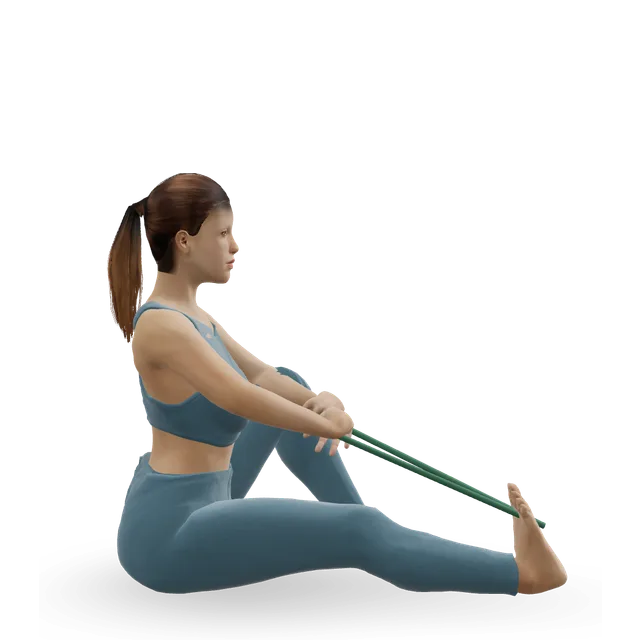
No trial of Pilates for the feet
No trial has tested Pilates for foot strength, foot pain or the toes. The few Pilates foot studies are small: flat feet, one ankle study that let players choose their group, and balance in older adults.
Source 1
Pilates guide
No trial has tested Pilates for the feet in general. Mat Pilates is mostly lying and side-lying, so your feet do little except point and flex; standing work, wall work and reformer footwork are where they work. What does have evidence is training the small muscles inside the foot, which improved arch measures, balance and strength a little in small trials, though not pain; and in older adults, weak toes and sore feet go with more falls. Pilates fits as the leg, hip and balance work around those foot exercises.
A specific foot problem has its own guide: flat feet, heel pain and bunions are covered in our other Pilates guides, and a new, painful or hot foot needs the warning signs below first.
This guide covers what reformer footwork is and how to do it without a reformer, the toes and the arch, balance and falls, weak ankles, bare feet, grip socks and shoes, diabetes and numb feet, the warning signs, and a class to follow.
No trial has tested Pilates for foot strength, foot pain or the toes. The few Pilates foot studies are small: flat feet, one ankle study that let players choose their group, and balance in older adults.
Source 1
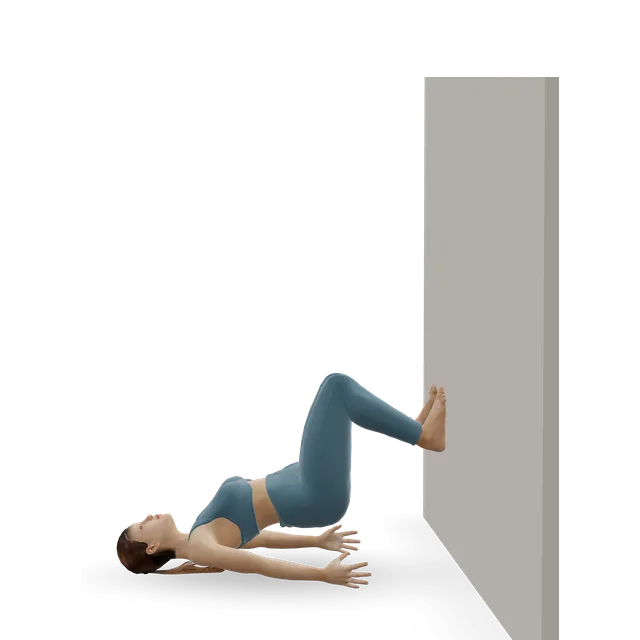
Reformer footwork starts a classical class: lying on the carriage, you press it out and back with your feet on the footbar in several positions, about 10 times each, as the makers' manuals give it. On a mat, wall bridges and standing heel raises do a similar job (our suggestion).
Across 13 small trials, training the small foot muscles improved arch measures, balance and strength more than doing nothing, but not pain. A 2026 review found no trial that measured injuries.
In older adults, weaker toes and foot pain went with more falls, in studies that rarely allowed for other causes. A podiatry package with home foot and ankle exercises cut falls in one trial of 305 people, but not significantly in a larger one of 1,010.
Across 39 studies of older adults, Pilates improved balance about as much as other exercise, with no fewer falls shown. Falls guidelines ask for balance and strength exercise 3 or more times a week for at least 12 weeks.
With diabetes, a new foot problem needs the same day. A snap at the back of the heel, one sore spot on a bone, or a hot, swollen joint needs checking. The full list is below, in the words our foot guides use.
Mat Pilates is mostly lying, seated and side-lying, so the soles take little weight; your feet still point and flex in leg circles, the side kick series and many other moves. Standing work, wall work and reformer footwork are where the feet and calves take load.
Lying on your back on the carriage, you press it out and back with your feet on the footbar. The classical manual starts with the balls of the feet on the bar, heels together and toes apart (the Pilates "V"), 10 times, on 4, 3 or 2 springs, then the arches and the heels in parallel. A contemporary guide lists heels, toes, toes wrapped round the bar, the "V", rising and lowering the heels, a wider stance and "running" (one heel lowering as the other knee bends), 10 of each on 2 to 4 springs. Classical teachers cue you to avoid locking the knees back and to "separate feet hip distance for knees that overlap".
The classical manual's footwork precautions are ankle problems (check with a doctor first) and sensitive feet, for which it suggests a pad over the footbar; the contemporary guide lists the ankle, knee, hip bending and spinal compression. The knee stretch series kneels with the toes bent under against the shoulder blocks, and its precaution includes "inability to flex the foot or toes".
Very little. The force on the footbar has been measured in one volunteer, and estimating it from the springs was imprecise. In 15 people, footwork-style leg pushes were done with two different hip strategies depending on which way they pushed the bar. No study has measured the foot muscles in footwork, or what it does to the arch.
The Pilates Method Alliance lists the Foot Corrector and the "Toe and Finger Correctors" among Joseph Pilates' inventions. Modern versions are sold with claims that they strengthen the arch, which no study has tested.
The small muscles inside the foot support and steady the arch. A 2015 concept paper called them the "foot core" and said "the intrinsic muscles are largely ignored by clinicians and researchers". Training them is usually done with the short foot exercise, toe curls and toe spreading, sitting first, then standing, then on one leg.
Source 19
In 176 people with an average age of 80, weaker toes and disabling foot pain each went with falls over a year. In 312 people aged 60 to 90, fallers had weaker big toes (11.6% against 14.8% of body weight) and lesser toes. Across 14 cohorts, foot pain roughly doubled the odds of falling, and weak toe muscles raised them by about two-thirds to double, though few studies allowed for other causes. Stronger toes went with better balance in a review of 9 mostly snapshot studies.
Our suggestion: a mapping of the reformer footwork series to mat and standing moves, with about 10 of each as the reformer makers' manuals give the series. No study has compared them. The moves are the wall bridge, slow calf raise, tibialis raise and towel toe curl, below.
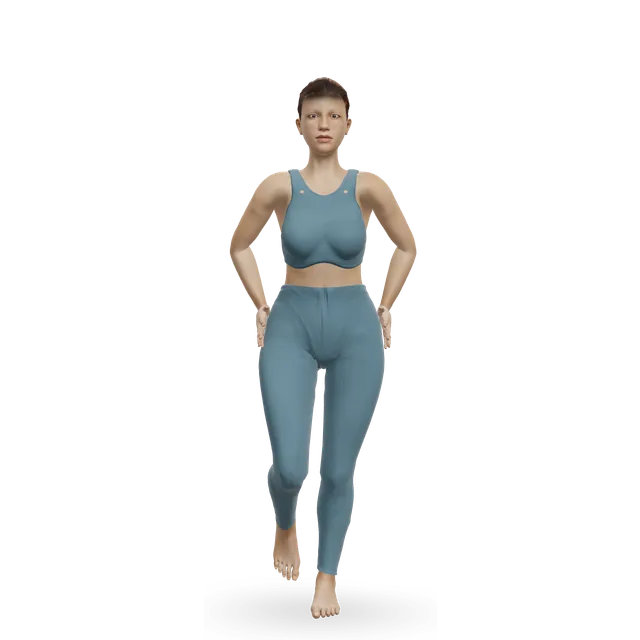
See the movement on the 3D figure: Slow calf raise
Our searches of PubMed, Europe PMC and ClinicalTrials.gov in October 2026 found no trial of Pilates for foot strength, foot pain or the toes. One Pilates trial in footballers with unstable ankles is registered and not yet recruiting.
Source 1
In 22 women with flat feet, 8 weeks of mat Pilates improved walking rhythm and side-to-side sway against no exercise; in 91 women, Pilates "did not improve postural control and proprioception in individuals with flatfeet"; in 40 children, mat Pilates changed neither balance nor the arch. In 51 college footballers with unstable ankles, players chose Pilates or balance training ("The allocation of training was based on the players' preferences"), with no group doing neither; both improved. Our Pilates for flat feet guide covers the flat feet studies.
In 22 women with an average age of 75.7, 10 weeks of ankle-focused Pilates improved ankle movement and walking, in a study with no comparison group. In 55 people aged 65 to 95, reformer Pilates once a week for 10 weeks improved balance, mobility and ankle bend against no exercise, though falls weren't counted. Across 11 small studies of muscle and joint problems in the arms and legs, Pilates eased pain, at very low certainty.
Across 13 randomised trials, training the small foot muscles beat control on arch measures, balance, strength and disability, with wide confidence intervals, but "The IFM exercises were not superior" for pain (IFM means the intrinsic foot muscles, the small muscles inside the foot). A 2026 review of 13 trial reports in mostly young, active people found no trial that measured injuries and only very low certainty for balance, concluding the evidence doesn't support foot training alone "as an injury-prevention strategy". An earlier review found no evidence on how the arch moves when you walk.
In 9 studies of fair quality, foot strengthening in older adults improved strength, balance and mobility, "possibly reduced fall risk" and had "little effect on gait". In 123 older adults, adding the short foot exercise to leg strength training improved a standing balance test more than leg training alone. In 33 active older adults, 12 weeks of supervised foot training eased concern about falling but didn't change walking speed.
In 305 older people with disabling foot pain, a podiatry package (insoles, footwear advice, home foot and ankle exercises and a booklet) cut falls by 36% over a year, though the number of people who fell didn't drop significantly. In a larger UK trial of 1,010 people, a similar package cut falls by a non-significant 12%, though fewer people fell twice or more. The world falls guidelines ask for exercise with balance and functional work "three times or more weekly" for at least 12 weeks, and checks of the feet and footwear; the NHS advises activities that improve strength and balance at least twice a week.
Across 39 studies of 1,770 older adults, Pilates improved balance at very low to moderate certainty, "comparable to other forms of exercise", "but not to reduce the number of falls or the fear of falling". A 2026 network meta-analysis of 12 trials found a similar gain at very low certainty and didn't rank Pilates above other exercise. The world falls guidelines say supervised group exercise "such as Pilates or yoga" eased concern about falling most. Our Pilates for balance guide covers it.
After an ankle sprain, exercise programmes cut repeat sprains over a year (14 trials, 2,182 people), and balance (proprioceptive) training cut sprains by about 41%; an umbrella review of 37 reviews found "Strong evidence supported exercise" for ankles that keep giving way. Pilates hasn't been properly tested here, so add one-leg balance and band work for the ankles.
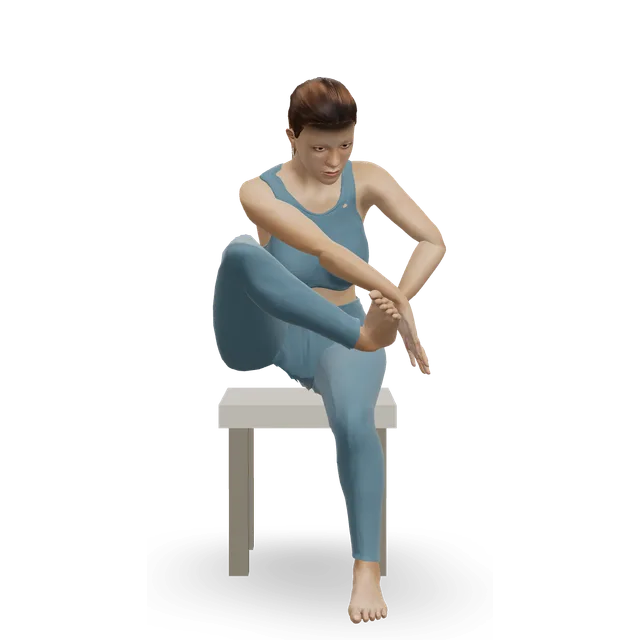
Barefoot or in thin socks. Towel toe curl, 2 sets of 12 each foot; seated calf raise, 15 (our foot and ankle routine). Ankle circles, "10 slow circles each way with each foot (our editorial starting point)"; ankle circles standing (ankle CARs), "5 slow circles each way with each ankle, morning and evening (our editorial starting point)" (the move page's dose for each). The short foot exercise has no 3D demo yet: our Pilates for flat feet guide has its steps, 10 holds of 5 seconds.
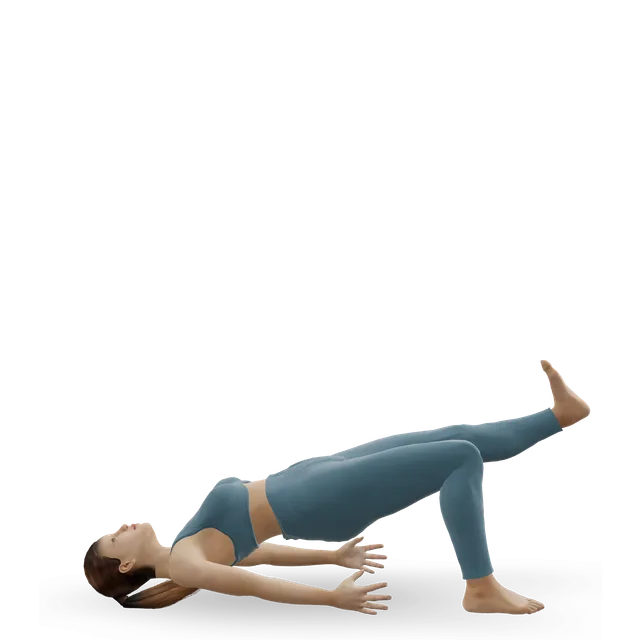
Point the foot, then flex it, at the top of each leg circle and with each side kick (our suggestion). From the moves' pages: wall bridge, "8 to 10 reps; one-leg version, 5 each side", feet flat on the wall, later on the balls of the feet; single-leg circle, "5 circles each direction, each leg"; side kick, "8 to 10 each side"; shoulder bridge, "3 to 5 kicks each leg", standing foot flat and big toe down.
Hands on a wall. Slow calf raise, 2 sets of 10, rising through the big toe, first with your feet parallel and then in the "V" (our suggestion); tibialis raise, 15; band ankle eversion and inversion, 8 each side, slowly (our foot and ankle routine). Heel walk, 10 steps along a counter (our strength and balance exercises for seniors workout). Single-leg calf raise from a step, 3 sets of 8 to 12 each leg (our bunions guide), starting on flat ground.
 3D demoSlow calf raiseBeginner · A wall
 3D demoTibialis raiseBeginner · No equipment
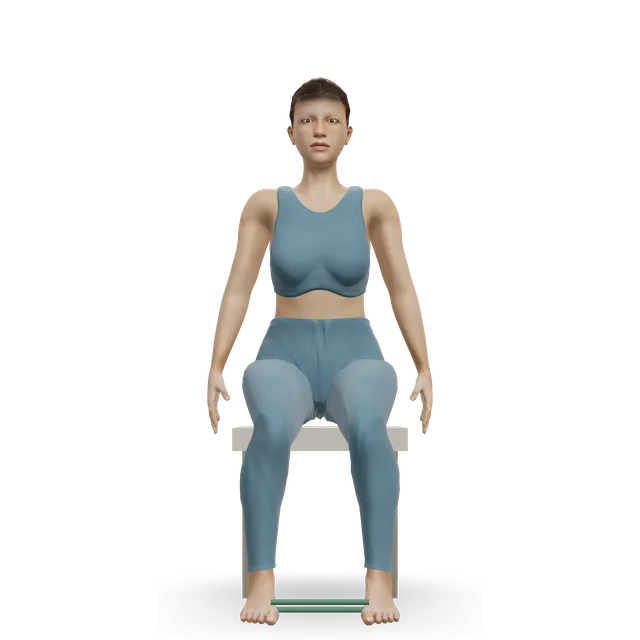 3D demoBand ankle eversionBeginner · A band + A bench or box
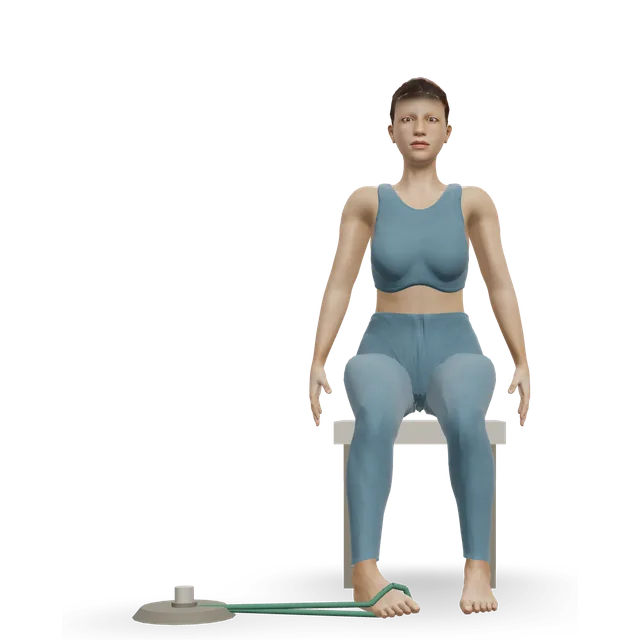 3D demoBand ankle inversionBeginner · A band + A bench or box
 3D demoHeel walkBeginner · No equipment
 3D demoSingle-leg calf raise from a stepIntermediate · A step + A wall
Next to a counter. Single-leg stand, 2 holds of 30 seconds each leg; tandem stance then heel-to-toe walk, 30 seconds, then 10 steps (our foot and ankle routine). Semi-tandem stance, 2 holds of 10 seconds with each foot in front (our Pilates for balance class). Single-leg reach, "3 rounds of 5 reaches in each direction, each leg (our editorial starting point)" (the move page's dose), once a one-leg stand is steady.
Knee straight, then knee bent: 3 holds of 30 seconds each side (our Pilates for plantar fasciitis guide).
Kneel with your toes tucked under only if it's comfortable, and skip it with bunions, big toe arthritis or pain under the ball of your foot.
The slow calf raise's own caution: "With pain in the ball of the foot or big toe arthritis, stop short of full tiptoe."
Keep footwork springs light, the balls of your feet on the bar and the range small, and leave out the jumpboard while it hurts (our suggestion, as our Pilates for plantar fasciitis and flat feet guides say).
Keep foot and ankle work in the middle of the range rather than pushing to the end (our suggestion, from our Pilates for hypermobility guide).
No study has compared bare feet, socks, grip socks or shoes in Pilates; barefoot or grip socks are fine on a mat for most people. Non-slip socks were studied for hospital falls: "There was no strong or conclusive evidence that they prevent hospital falls", and in 42 older women at home they didn't cut falls. Grip socks stop you slipping; they don't support your feet (our suggestion).
The international diabetic foot guideline asks people with diabetes at risk of foot ulcers to protect their feet by "not walking barefoot, not walking in socks without shoes, or not walking in thin-soled slippers, whether indoors or outdoors", and says limited barefoot work belongs only in a supervised programme. The NHS: "If you have numb feet, it's easy to cut your foot by stepping on something sharp."
With numb feet or diabetes, do standing work and footwork in shoes and check your feet before and after (our suggestion; our Pilates for diabetes guide covers foot care).
For older adults, the NHS advises shoes or slippers "that fit well, do not slip off and have a good grip", and the world falls guidelines ask clinicians to check footwear, including going barefoot, and the feet, and to consider a podiatrist.
Pilates for the feet is for stronger feet and ankles. A specific problem has its own guide.
Our feet-first Pilates class does seated foot work, standing heel raises and balance, then Pilates for the hips; it was written for flat feet but suits any feet. Do it 2 to 3 times a week, with the foot and ankle routine on other days. For balance and falls, the Pilates for balance class; with a sore heel or diabetes, those classes instead.
A 25-minute Pilates class for flat feet: seated foot and ankle work, standing heel raises and balance, then Pilates for the hips and a gentle calf stretch.
25 minBeginner14 movesOther / check instructions, A bench or boxA 15-minute barefoot routine for stronger toes, arches, calves and ankles, finishing with balance. You need only a towel, a wall and a resistance band.
15 minBeginner11 movesA wall, Other / check instructionsA 25-minute Pilates class for steadier balance: standing balance and leg strength at a kitchen counter, then mat work for your trunk and hips.
25 minBeginner17 movesA wall, A bench or boxA 25-minute Pilates class for heel pain: sole and calf stretches before you stand, mat Pilates lying down, heel raises every second day, and short standing work.
25 minBeginner15 movesA bench or box, Other / check instructionsA 30-minute Pilates class for type 2 diabetes: standing strength in your shoes, then mat work for hips, back and trunk, head up throughout and finishing seated.
30 minBeginner16 movesA bench or box, A wallA 25-minute Pilates class for dancers: feet and calves, turnout control from the hip, trunk endurance and back extension, all in the middle of your range.
25 minBeginner17 movesOther / check instructions, A bench or boxThese are the warning signs our foot pain, stress fracture and Pilates for flat feet guides use, word for word. This is general information, not a diagnosis. A&E means accident and emergency; in the US, call 911 for 999, and use your doctor's urgent line or urgent care for NHS 111.
Source 14
Contact a GP immediately (or NHS 111 if you can't): severe burning foot pain that carries on even when you're resting, skin turning pale, shiny, smooth and dry, wounds or ulcers on your feet that don't heal, or toes that become cold and numb, then turn red and then black. The blood supply to the foot may be failing.
The exceptions: pain in one spot on a bone should be pain-free, because it could be a stress fracture, and Health New Zealand says don't push through it; burning, tingling or numbness means stop that movement; and if your feet are numb, check your skin after exercise, as Diabetes UK advises.
With numb feet, keep a hand on a counter or wall.
Call 999 if:
Call 999 or go to A&E (accident and emergency) straight away for severe difficulty breathing (gasping, choking or not able to get words out), a chest that feels tight or heavy, pain that spreads to your arms, back, neck and jaw, lips or skin turning very pale, blue or grey, or sudden confusion. If you're more short of breath than usual, or your heart is racing, fluttering or skipping beats, contact NHS 111.
You feel any pain or become unwell, as the NHS advises for its Pilates videos, and especially for chest pain or pressure, unusual breathlessness, dizziness or fainting. If you have a health problem, an injury or any symptoms, get advice from a healthcare professional, such as a GP, before you start.
Source 47
The NHS advises getting advice from a healthcare professional first if you have a health problem, an injury or symptoms, or have recently had a heart attack or an operation.
Source 47
No study has measured what footwork does to the arch or the foot muscles. Foot muscle exercises change arch measures a little, and the short foot and toe exercises do that job directly.
No trial of foot muscle training has measured injuries, and the balance effect is very low certainty. Balance training does cut repeat ankle sprains.
Pilates improves balance tests in older adults, but trials haven't shown fewer falls. Weak toes and foot pain go with falls, so foot work is worth adding, as part of balance and strength exercise 3 or more times a week.
Bare feet, socks and shoes haven't been compared in Pilates. With diabetes or numb feet, the international guideline advises against walking barefoot or in socks without shoes.
Heel raises, toe curls, the short foot and balance work on a mat or standing do the same jobs, and the Foot Corrector's arch claims have never been tested.
Foot muscle training didn't beat control for pain across 13 trials. Foot pain needs its cause found first: our foot pain guide maps the usual ones.
Source 5
It can be part of it: standing work, wall work and reformer footwork train your calves and feet, and Pilates improves balance tests in older adults. No trial has tested Pilates for foot strength or foot pain, so add the foot exercises with evidence: toe curls, the short foot, heel raises and one-leg balance.
The opening exercise of a classical reformer class. Lying on the carriage, you press it out and back with your feet on the footbar in several positions (heels, the balls of the feet, the arches, heels together in a "V"), about 10 times each, then heel raises and "running".
Roughly, yes: a bridge with your feet on a wall, slow heel raises with your feet parallel and then in a "V", shin raises and towel curls cover the same jobs. That mapping is our suggestion, and no study has compared them.
Towel curls and ankle circles sitting, heel raises through the big toe and shin raises standing, one-leg balance, band work for the ankles, and Pilates leg and hip work such as leg circles, side kicks and bridges. Our feet-first class puts most of them in order.
Either is fine on a mat for most people; no study has compared them, and grip socks weren't shown to prevent falls in hospitals. With diabetes or numb feet, wear shoes for standing work and footwork, and check your feet before and after.
It improves balance tests in older adults about as much as other exercise, but trials haven't shown fewer falls. Falls guidelines recommend balance and strength exercise 3 or more times a week for at least 12 weeks; our Pilates for balance guide covers it.
One-leg balance and band work help ankles that keep giving way: exercise programmes cut repeat sprains. The one Pilates study in unstable ankles let players choose their group, so it can't tell us much. See a GP for an ankle that keeps giving way months after a sprain.
A small sprung apparatus Joseph Pilates designed for the feet, which the Pilates Method Alliance lists among his inventions. No study has tested it; towel curls, the short foot and heel raises do similar jobs.
No study has looked at it. Pointing the foot hard in leg work can bring on a cramp in the sole or calf: ease the point, flex the foot, and build up foot work gradually (our suggestion). Cramp-like pain with numbness, a cold or pale foot, or pain that carries on at rest isn't ordinary cramp: see the warning signs on this page.
No study links Pilates to foot injuries. Long standing blocks, bare feet on hard floors, the jumpboard and heavy springs can aggravate a sore heel or arch, so build up new standing work and footwork gradually (our suggestion).
Usually, with care: check your feet before and after, wear shoes for standing work, and ask your diabetes foot team before barefoot exercise. A new foot problem, such as a wound, signs of infection or a hot, swollen foot, needs your diabetes foot team or GP the same day, even if it doesn't hurt.
Foot programmes in older adults ran for 8 to 12 weeks in trials, and a diabetes foot guideline suggests an 8 to 12 week programme. Do foot work most days and Pilates 2 to 3 times a week (our suggestion), and expect strength and steadiness rather than a new foot shape.
Exercise education, not a personal prescription, and clinical review of these guides is pending. If you are pregnant, have a health condition or have had recent surgery, check with a doctor, midwife or physiotherapist before starting, and stop for sharp or increasing pain. Health disclaimer.