Pilates won't straighten a bunion
No trial has tested Pilates, or yoga, for bunions. The NHS: "You cannot get rid of bunions or stop them getting worse yourself", and surgery is the only way to get rid of one.
Pilates guide
No trial has tested Pilates for bunions, and Pilates won't straighten one. The NHS says you can't get rid of a bunion or stop it getting worse yourself; only surgery removes one. What exercise can do is ease pain a little and keep your big toe moving and strong: in the best trial, 3 months of toe mobilisation and strengthening with a toe separator eased pain and improved function. Pilates fits around that, as strength and balance work that is mostly done off your feet.
This guide covers what a bunion is and who gets one, what exercise, shoes, splints and surgery can and can't do, the toe moves to add to Pilates, the moves that bend the big toe back under your weight and how to change them on the mat and the reformer, bunion correctors and toe socks, Pilates after bunion surgery, the warning signs, and which of our classes to use.
No trial has tested Pilates, or yoga, for bunions. The NHS: "You cannot get rid of bunions or stop them getting worse yourself", and surgery is the only way to get rid of one.
Across 18 studies, less pain was more likely than a straighter toe, at low certainty. The best exercise trial, in 56 women, used toe mobilisation, big toe strengthening, toe grip, an ankle stretch and a toe separator.
The NHS's self-care is wide shoes with a low heel and a soft sole, bunion pads, ice and painkillers, and not wearing high heels or tight, pointy shoes.
Source 2
A year after surgery, 83% of people in one trial felt better, against 46% with insoles and 24% waiting. About 1 in 10 aren't happy with the result, and bunions can come back.
Skip toes tucked under your weight, stop heel raises and footwork short of full tiptoe if the joint hurts, and stand with your feet parallel if the Pilates "V" rolls you onto the big toe (our suggestions). The reformer's knee stretches kneel on bent-back toes.
Source 8
A sudden hot, red, swollen big toe joint needs help the same day: it may be gout, but it could be a joint infection. With diabetes, any new foot problem needs checking. The full list is below.
A bunion (hallux valgus) is a big toe that angles towards the second toe, with a bony lump on the side of the foot at the base of the big toe. The Royal College of Podiatry says it is mostly an inherited foot shape made worse by tight shoes, and that "only surgery can correct the defect".
About 23% of adults aged 18 to 65 and 36% of those over 65 have one: 30% of women and 13% of men. In 3,077 older adults, 44% of women and 22% of men had one, but only 11% and 3% a painful one. Bunions run in families. In 2,627 women recalling their shoes, a narrow toe box in their twenties went with bunions later, an association rather than proof of cause. A 2026 review of 36 studies found that almost all the evidence on causes is from snapshot studies.
In 1,482 people aged 50 and over followed for 7 years, 1 in 5 developed a bunion and a third of existing ones got worse, and nothing measured at the start predicted which. US surgeons' patient information says non-surgical treatment can "keep the bunion from getting worse"; the NHS says you can't stop one getting worse yourself, which fits the cohort better.
Across 15 studies, older people who fell were more likely to have a bunion, foot pain or bent toes. In 312 people aged 60 to 90, a bunion went with more than twice the risk of falling, though the estimate was imprecise. In 1,253 adults, only foot pain, not the bunion itself, went with repeated falls. Toe strength, foot comfort and balance are what exercise can work on.
In big toe arthritis (hallux rigidus) the toe is stiff and "the bone bump is normally over the toe joint, not on the side as in bunion/hallux valgus deformity"; the Royal College of Podiatry says it "can also interfere with exercise such as yoga or pilates or even push ups". Our big toe arthritis guide covers it. A bump on the little-toe side is a tailor's bunion.
Source 22
The big toe joint bends back in heel raises, balances on the toes, the toes position of reformer footwork, and kneeling with the toes tucked under. The classical reformer knee stretches kneel with the toes against the shoulder blocks, and the manual's precaution includes "inability to flex the foot or toes". Joseph Pilates designed "Toe and Finger Correctors"; the "Pilates bunion correctors" sold today are toe separators or stretchers, and no study has tested them under that name.
Our searches of PubMed, Europe PMC and ClinicalTrials.gov in October 2026 found no trial of Pilates, yoga or barefoot training for bunions, and none registered. Most mat Pilates is done off your feet, so it is unlikely to harm a bunion either.
Source 1
A 2022 review of 18 studies rated the evidence low certainty: pooled analyses found no clear effects, and "a reduction in pain appears more likely than improvement in HV angle" (HV is hallux valgus). The best single trial: 56 women with moderate bunions had 36 sessions over 3 months of foot mobilisation, big toe strengthening, toe grip, an ankle stretch and a toe separator, and did better than a waiting list on pain, function, strength and the X-ray angle at 3 months and a year; it is one small, unblinded trial, and its summary gives no effect sizes. In smaller trials, a toe-spreading exercise added to a foot orthosis changed the angle more than the orthosis alone, in 24 people; supervised exercise beat a home programme; and adding electrical stimulation added nothing.
One 2026 review of 11 small trials (401 people) reported that exercise reduced the angle by about 3 degrees, and more with taping or insoles added. A letter about it and the authors' reply have been published, and we couldn't read either, so treat the number with caution. An earlier review of 11 studies ranked exercise with a toe separator, night splints and dry needling highest, without giving sizes in its summary. A few degrees is a small change, of uncertain importance.
In a 2023 pilot of shoes, insoles and a 14-exercise foot programme (3 times a week for 12 weeks, about 30 minutes a session) in 28 women, few finished it: 7% did 24 of the 36 sessions by the app's count, 43% by their diaries. The authors called for "making the exercise program less burdensome". A short daily routine of a few toe moves is easier to keep.
Source 29
A dynamic splint eased walking and running pain but "showed no effect on hallux valgus position" in 70 people. A silicone toe separator worn 6 hours a night for a year reduced the angle by 3.3 degrees while it worsened by 1.9 degrees without, and eased pain, in 90 people. A review of toe separators found 10 small studies, often poorly reported. The NHS says a GP or podiatrist can advise on insoles, toe spacers and splints, after shoes and pads.
In 209 people with painful bunions, 83% felt better a year after surgery, against 46% with insoles and 24% on a waiting list; insoles gave short-term relief. A Cochrane review found surgery may reduce pain against no treatment, at low certainty. About 1 in 10 people are dissatisfied, and how often bunions come back (from about 1 in 20 to about a quarter) depends on how it is measured and for how long. The National Institute for Health and Care Excellence (NICE) allows minimally invasive surgery, noting that pain and recovery time appear the same as with open surgery; small reviews agree, though their comparisons are fragile. Our bunions and bunion surgery guides cover this in full.
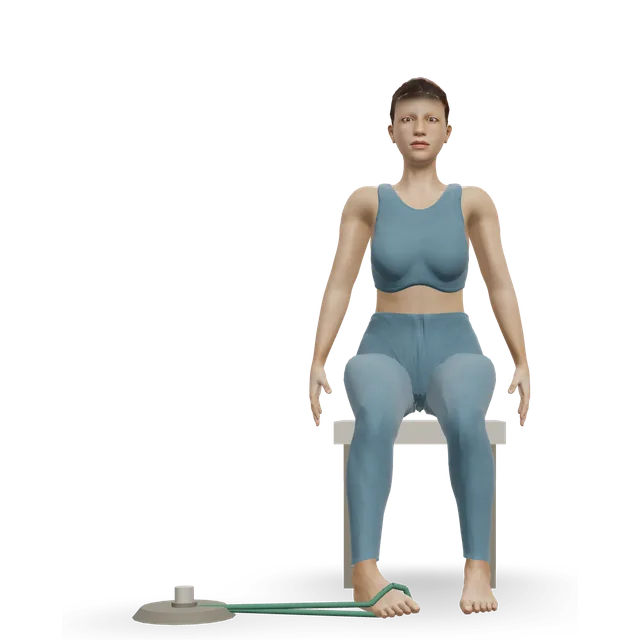
From the first stage of our bunions guide, which follows the components of the best exercise trial; the doses are that guide's (editorial, or from Arthritis UK's exercise sheet for toe spreading and toe grip), except the big toe press, which quotes its move page. These moves have no 3D demo yet, so they aren't in the moves grids or a class.
Towel toe curl, 10 to 20 reps (our bunions guide, from Arthritis UK's sheet); ankle circles, "10 slow circles each way with each foot (our editorial starting point)" (the move page's dose); seated calf raise, 15, pressing through the big-toe side of your foot (our foot and ankle routine).
From our bunions guide's plan: slow calf raise, 3 sets of 10 to 15, pushing up through the big toe and stopping short of full tiptoe if the joint hurts; single-leg stand, 3 holds of 30 seconds each leg, next to a counter; tibialis raise, 2 sets of 10 to 15; wall calf stretch, 3 holds of 30 seconds each side.
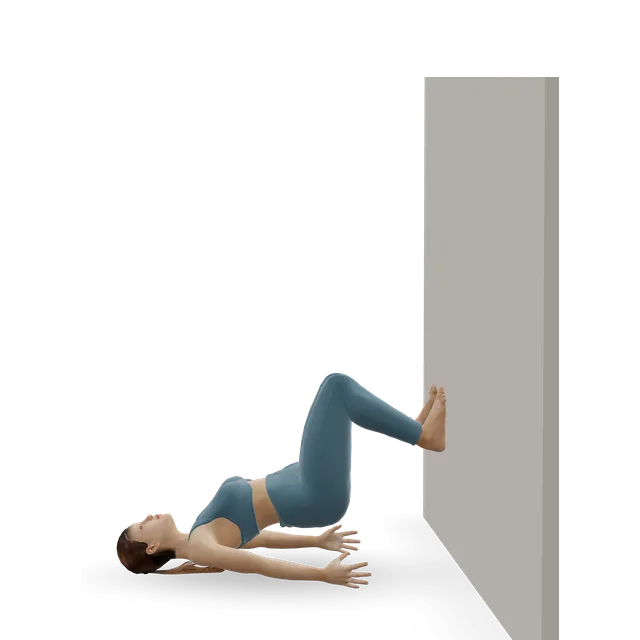
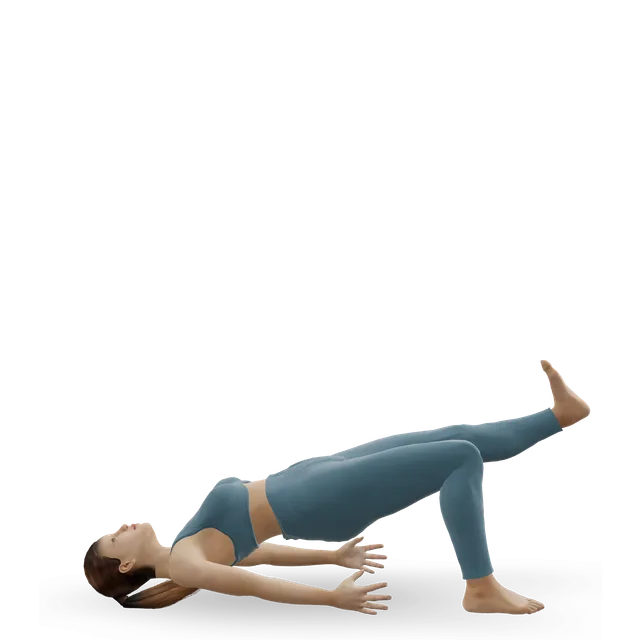
General strength, mostly off your feet, with no bunion evidence either way. The move pages' doses: wall bridge, "8 to 10 reps; one-leg version, 5 each side"; single-leg circle, "5 circles each direction, each leg"; side kick, "8 to 10 each side"; shoulder bridge, "3 to 5 kicks each leg". Clamshell, 12 each side (our feet-first Pilates class).
Our bunions guide: "Pressing the toes back under your body weight loads the bunion joint (editorial): ease in, or skip it." That includes kneeling with the toes tucked under and the reformer's knee stretches.
The slow calf raise's own caution: "With pain in the ball of the foot or big toe arthritis, stop short of full tiptoe." Doing the same with a painful bunion, in heel raises, footwork and balances on the toes, is our suggestion.
If standing with your heels together and toes turned out rolls you onto the inside of the big toe, stand with your feet parallel instead (our suggestion).
Our bunions guide on toe spacers and correctors: "Splints may ease pain, but any change in the angle is uncertain." Swap hard toe stretches for gentle big toe mobilisation.
If standing work hurts barefoot, wear roomy, soft shoes for it (our suggestion, following the NHS's advice to wear wide shoes with a low heel and soft sole).
With numb feet or diabetes, do standing work and footwork in shoes and check your feet before and after (our suggestion; our Pilates for diabetes guide covers foot care).
Source 2
The toes position (the balls of your feet on the bar) bends the big toe back under spring load. If it hurts, use the arches or heels position and lighter springs (our suggestion; no study). The classical manual suggests a pad over the footbar for "Sensitive feet".
Source 8
The knee stretch series kneels with the toes bent under against the shoulder blocks, and its manual lists "inability to flex the foot or toes" as a precaution. Skip it if your big toe won't bend comfortably (our suggestion).
Source 8
Both push off the big toe. Keep them if they're comfortable, and leave them out while the joint hurts (our suggestion).
No study has tested "Pilates" bunion correctors under that name. Splints and toe separators eased pain in small trials, with no change or about 3 degrees of change in the angle. The Royal College of Podiatry says "there is no evidence they can correct the underlying deformity". Use one for comfort if it helps.
No study has tested toe socks for bunions. Grip socks are fine on a mat if they don't squeeze your toes (our suggestion).
Source 1
The NHS: wear wide shoes with a low heel and soft sole, try bunion pads, hold an ice pack wrapped in a tea towel to the bunion for up to 5 minutes at a time, take paracetamol or ibuprofen, and lose weight if you're overweight; don't wear high heels or tight, pointy shoes.
Source 2
The NHS says you'll usually need to keep your feet raised as much as possible for at least 2 weeks and avoid sports for 3 to 6 months. The British Orthopaedic Foot and Ankle Society says "It may take up to one year to recover fully".
Once your team agrees, lying and seated work that keeps weight off the foot usually comes first; standing work, footwork and heel raises come later (our suggestion). Our bunion surgery guide has the stages.
No class has the toe moves yet, because they have no 3D demo: do them daily on their own. Then our feet-first Pilates class 2 to 3 times a week, stopping heel raises short of full tiptoe if your bunion hurts (it has no toes-tucked kneeling), and the foot and ankle routine on other days, with the same change. Our bunions guide has a 3-stage plan.
A 25-minute Pilates class for flat feet: seated foot and ankle work, standing heel raises and balance, then Pilates for the hips and a gentle calf stretch.
25 minBeginner14 movesOther / check instructions, A bench or boxA 15-minute barefoot routine for stronger toes, arches, calves and ankles, finishing with balance. You need only a towel, a wall and a resistance band.
15 minBeginner11 movesA wall, Other / check instructionsThese are the same warning signs as our bunions, toe pain and foot pain guides, word for word. This is general information, not a diagnosis. A&E means accident and emergency; in the US, call 911 for 999, and use your doctor's urgent line or urgent care for NHS 111.
Source 39
The toe drifting back, metalwork you can feel that rubs, or pain under the ball of the foot that isn't settling: see your team.
Our bunion surgery guide has the full list.
Call 999 if:
Call 999 or go to A&E (accident and emergency) straight away for severe difficulty breathing (gasping, choking or not able to get words out), a chest that feels tight or heavy, pain that spreads to your arms, back, neck and jaw, lips or skin turning very pale, blue or grey, or sudden confusion. If you're more short of breath than usual, or your heart is racing, fluttering or skipping beats, contact NHS 111.
You feel any pain or become unwell, as the NHS advises for its Pilates videos, and especially for chest pain or pressure, unusual breathlessness, dizziness or fainting. If you have a health problem, an injury or any symptoms, get advice from a healthcare professional, such as a GP, before you start.
Source 44
The NHS advises getting advice from a healthcare professional first if you have a health problem, an injury or symptoms, or have recently had a heart attack or an operation.
Source 44
Non-surgical care eases pain more often than it straightens the toe, and single small trials report changes of a few degrees. The NHS says you can't get rid of a bunion yourself, and no trial has tested Pilates.
A dynamic splint eased pain without changing the toe's position; a night separator changed the angle by about 3 degrees in one trial. Podiatrists say there's no evidence they correct the deformity.
Bunions are mostly an inherited foot shape. Narrow toe boxes and past high heels go with them, but that is an association, not proof of cause, and men get them too.
No trial has shown that. Over 7 years, nothing measured at the start predicted which bunions got worse. The NHS says you can't stop one getting worse yourself, though a US patient page says treatment can.
It's for pain that affects daily life. In one trial, 83% felt better a year after surgery, but about 1 in 10 people are dissatisfied, and the NHS says your toes may be weaker or stiffer afterwards.
There's no evidence either way, and most mat work is off your feet. Change the moves that bend the big toe back under your weight.
Source 1
It's fine to do, and most of it is off your feet, but no trial has tested Pilates for bunions. Add the toe moves with some evidence for pain (big toe mobilisation, pressing the big toe down, toe spreading and toe grip) and keep the rest of Pilates for strength and balance.
No. The NHS says you can't get rid of bunions or stop them getting worse yourself, and only surgery removes one. Exercise eases pain more often than it straightens the toe.
Seated toe work first (towel curls, toe spreading, pressing the big toe down), then heel raises through the big toe that stop short of full tiptoe if it hurts, one-leg balance, and Pilates hip and leg work. Our moves sections give the doses, which match our bunions guide.
Not in itself. The moves to change are those that bend your big toe back under your weight: toes tucked under, high heel raises, the toes position in reformer footwork and the reformer's knee stretches, whose manual lists "inability to flex the foot or toes" as a precaution.
Yes. Use the heels or arches position for footwork if the balls of your feet on the bar hurt, and a pad on the footbar if it presses on the bunion, as the classical manual suggests for sensitive feet. Skip the knee stretches if your toes won't bend comfortably (our suggestion).
On a mat, usually yes. If standing work hurts, wear roomy, soft shoes for it; the NHS advises wide shoes with a low heel and soft sole for bunions. With diabetes or numb feet, do standing work in shoes.
No study has tested toe socks for bunions. Toe separators and splints eased pain in small trials, with no change or about 3 degrees of change in the angle, so use one if it's comfortable, not to straighten the toe.
No trial shows that. Over 7 years about a third of bunions got worse, and nothing measured at the start predicted which. Comfortable shoes and keeping the toe moving are reasonable; a straighter toe isn't a promise anyone can make.
When your surgical team agrees, starting with lying and seated work; standing work, footwork and heel raises come back later. The NHS says to keep your feet raised as much as possible for at least 2 weeks and to avoid sports for 3 to 6 months, and recovering fully may take up to a year. Our bunion surgery guide has the stages.
A bunion is a lump on the side of the big toe joint, with the toe angled in. In big toe arthritis the bump is normally on top of the joint and the toe is stiff, and it can get in the way of Pilates and push-ups. Our big toe arthritis guide covers it.
No: get help the same day. It may be gout, but it could be a joint infection (septic arthritis), which is urgent, especially with a high temperature or feeling shivery.
In older adults, people who fell were more likely to have a bunion, foot pain or bent toes, though in one large study only foot pain went with falls. Toe strength and balance work, holding a counter, are worth adding (our suggestion).
Exercise education, not a personal prescription, and clinical review of these guides is pending. If you are pregnant, have a health condition or have had recent surgery, check with a doctor, midwife or physiotherapist before starting, and stop for sharp or increasing pain. Health disclaimer.