Pain guide · Foot pain

Hammer, claw and mallet toes: shoes, pads, toe exercises and when surgery helps

Hammer, claw and mallet toes are smaller toes that bend at one or more joints and don't lie straight: at the middle joint (hammer toe), at the end joint (mallet toe), or lifted at the base and bent at both other joints (claw toe). They're very common with age, the second toe is affected most often, and many never hurt. When they do, it's usually corns where shoes rub, or pain under the ball of the foot.

Roomy shoes, pads and a podiatrist do most of the work, and a bent toe that doesn't hurt needs no treatment. Toe exercises are widely advised, but no trial has tested them as a treatment, so this guide says what they can and can't do, when surgery helps, and why diabetes changes the advice. It ends with a gentle plan for toe, calf and balance strength, with 3D demos.

When to get help first

Exercise is for pain that has been checked or is clearly mild and settling.

Get urgent medical help if

  • Call 999 or go to A&E: you have diabetes and a foot ulcer with a fever or signs of sepsis, an ulcer with poor circulation, or gangrene. NICE asks for these to go straight to hospital.
  • Call 999 or go to A&E: a red, hot, swollen foot with a very high temperature, feeling hot, cold or shivery, a fast heartbeat or fast breathing, purple patches on the skin, dizziness or confusion.
  • Same day: you have diabetes and a new foot problem, such as an ulcer or wound, signs of infection, or a hot, swollen foot with a change in colour, even if it doesn't hurt. Contact your diabetes foot team or GP: NICE asks for these to reach a specialist foot service within 1 working day, and a suspected Charcot foot is kept off weight until it has been checked.
  • Same day: skin on the foot that is painful, hot and swollen. It could be a skin infection (cellulitis).
  • Same day: burning foot pain that carries on at rest, toes that go pale, then numb, then red or black, or foot wounds that won't heal. The blood supply to the foot may be failing, which needs prompt checks.

See a doctor or physiotherapist if

  • You have diabetes, circulation problems or a weakened immune system, or you're an older person, and have a corn or callus: don't treat it yourself; see a GP or foot specialist. With diabetes, see a GP or diabetes nurse about blisters or cracked skin on your feet.
  • A corn or callus that bleeds or has pus or discharge, hasn't improved after 3 weeks of looking after it at home, or is very painful or stopping your normal activities: see a GP.
  • Several toes clawing, especially with a high arch, numbness, tingling, weakness, tripping or difficulty lifting the front of the foot: see a GP. It can be a sign of nerve damage, for example from diabetes or Charcot-Marie-Tooth disease.
  • Tingling or loss of feeling in the foot, or a foot that feels weak.
  • A second toe that is drifting across its neighbour or lifting off the ground, or pain and swelling under its base: see a GP or podiatrist. The joint at the base of the toe may be unstable, as with a plantar plate tear, which has its own guide.
  • A very high temperature or feeling hot and shivery, or a tender, painful groin (swollen glands), with painful toes: see a GP, as these can be signs of infection.
  • Pain that carries on despite wider shoes and pads: ask a podiatrist, and then about a surgical opinion if needed.

Understand it

Hammer, claw or mallet?

Each smaller toe has three bones that should form a straight line. These deformities come from the toe's tendons tightening, then its joints. Papers don't use the names consistently: of 35 articles that clearly defined hammer toe, all included the bent middle joint but only about half (49%) added the lifted base, and claw toe was defined in several ways. So leaflets and surgeons may use the names a little differently. In general:

  • Hammer toe: bent down at the middle joint. The base of the toe may tilt up a little and the tip lies almost flat.
  • Claw toe: bent up at the base and down at the middle and end joints, so the tip digs into the sole of the shoe.
  • Mallet toe: bent down at the end joint only.

Sources 1, 2, 3, 4, 5

Who gets themEmerging evidence

In 784 adults aged 65 and over in the USA, 60% had a deformity of the smaller toes. An NHS leaflet estimates that 2% to 20% of the population have hammer toes. The second toe is affected most often, and the deformities often come with a bunion. In a population study, flat feet went with higher odds of hammer toes.

Sources 6, 7, 8, 1, 4, 9

Why they happen

The muscles that bend and straighten the toes become unbalanced, and over time the tendons and joint capsules tighten. NHS and orthopaedic leaflets list shoes that are tight, short, narrow or high-heeled; a bunion; an injury; arthritis; weak foot muscles; high-arched or flat feet or stiff ankles; and weight gain and age.

Claw toes in particular can come from nerve damage, for example from diabetes, a stroke or alcohol, which weakens the small muscles of the foot. Curled toes are also a symptom of Charcot-Marie-Tooth disease, an inherited nerve condition.

Sources 2, 8, 7, 10, 4, 3, 11

Flexible or stiff, and when an X-ray helps

Early on, the toe can be straightened by hand; over time it stiffens into place. That matters, because a stiff toe won't straighten without surgery, while a flexible one can be managed with shoes and pads and, if needed, a smaller operation.

Bent toes are diagnosed by examining the foot. An NHS leaflet says an X-ray might be requested if surgery is being considered.

Sources 2, 3, 7, 8

Symptoms, and why diabetes matters

Many bent toes never hurt. When they do: pain over the bent joint from a corn, at the tip of the toe, or under the ball of the foot; redness and thick skin where shoes rub; difficulty finding shoes; and occasionally an ulcer at a pressure point.

With diabetes and numb feet, a corn or blister over a bent toe can turn into an ulcer without you noticing. NICE (the National Institute for Health and Care Excellence) counts a foot deformity as a risk factor for diabetic foot problems, and in a trial in people with diabetes, releasing the tendon that bends the toe lowered the pressure on its tip.

Sources 7, 1, 10, 12, 13

What helps, and how strong the evidence is

If it doesn't hurt, it needs no treatmentEmerging evidence

NHS orthopaedic leaflets say treatment is not recommended if the foot isn't painful, and that surgery is only for pain that other measures can't control. This is clinical consensus rather than trial evidence.

Sources 8, 7

Shoes and padding come firstStrong evidence

A 2018 review calls care without surgery, meaning proper shoes, orthoses and inserts with targeted physiotherapy, the first-line treatment, which can often avoid surgery. The advice is consistent: shoes about half an inch (just over 1 cm) longer than your longest toe, with a soft, deep, roomy toe box and a low heel; in-depth shoes with extra room in the toe box for a claw toe; and a stiff or rocker sole if the ball of the foot hurts.

Pads, silicone toe sleeves and props take pressure off corns and the toe tip. In pressure studies, a pad placed just behind the ball of the second toe cut peak pressure by 33%, and a custom silicone prop under a bent second toe lowered the pressure on its tip in 20 older adults. A review notes that none of these is a permanent solution to the deformity, and none has been tested against no treatment for pain in a large trial.

Sources 14, 2, 3, 10, 1, 15, 16, 17

Splints and straighteners: comfort, not a cureEmerging evidence

For an early, flexible claw toe, the American Academy of Orthopaedic Surgeons (AAOS) suggests a splint or tape to hold the toes straight. In a small trial of 36 people with claw or hammer toes and pain under the ball of the foot, an adjustable toe splint worn for 2 weeks, with shoe advice, eased pain more than shoe advice alone. No study shows that splints or straighteners straighten a toe for good.

Sources 3, 18, 16

Toe exercises: widely advised, untested as a treatmentMixed evidence

Orthopaedic and NHS leaflets advise stretching the toes straight by hand, picking up marbles with the toes, towel curls, toe spreading and toe lifting, while the toe is still flexible. No trial has tested toe exercises as a treatment for hammer, claw or mallet toes.

There is indirect support. A 12-week toe strength programme raised toe strength by up to 36% in older people, and in 312 older people followed for a year, those with weaker toes and toe deformities were more likely to fall. So toe exercises may help strength and balance, but they won't straighten a stiff toe.

Sources 2, 3, 10, 19, 20

Surgery: for pain, not looksEmerging evidence

Surgery is for pain that shoes, pads and podiatry can't control, and an NHS leaflet says you should not consider it for cosmetic reasons. For a flexible toe, surgeons may release or lengthen a tendon, or move the tendon that bends the toe to the top of it. For a stiff toe, they usually remove part of the middle joint and fuse it, held with a wire for 4 to 8 weeks. A bunion is often corrected at the same time.

In two small trials (55 and 37 people), removing the middle joint gave the same pain and function as fusing it, though fusion kept the toe straighter. In a trial of 100 people, minimally invasive surgery matched open surgery for correction and function at 18 months, with fewer wound problems; 7 of the 95 people followed up were dissatisfied. In one series of 118 toes, pain improved in 92% and 84% of people were satisfied.

Recovery takes months. You walk in a special shoe straight away, swelling lasts 2 to 4 months, and a straight, stiff toe is expected. Desk work is often possible after 2 to 3 weeks and physical work after about 6 weeks or more, sport usually resumes at 3 to 6 months, and full recovery can take more than 6 months, occasionally a year. Risks include infection (deep infection in under 1%), numbness, stiffness, swelling, the bones not joining (painful in about 1 in 100), the toe bending again and blood clots, and smokers are about 4 times more likely to have bones that don't join.

Sources 8, 1, 7, 2, 4, 21, 22, 23

Diabetes and bent toes: NICE risk levelsStrong evidence

NICE asks for everyone with diabetes to have their feet checked when diabetes is diagnosed and at least once a year. A foot deformity on its own counts as moderate risk, and a deformity with nerve damage (neuropathy) or narrowed leg arteries counts as high risk, as does any previous ulcer or amputation. Moderate and high risk mean referral to a foot protection service, which NICE asks to see you within 6 to 8 weeks (moderate) or 2 to 4 weeks (high) and to check your feet every 3 to 6 months or every 1 to 2 months.

The NHS says not to treat corns or calluses yourself if you have diabetes, and to see a GP or diabetes nurse about blisters or cracked skin on your feet.

Sources 12, 15, 24

A tendon release for toe ulcers in diabetesEmerging evidence

The International Working Group on the Diabetic Foot's 2023 guideline suggests considering a release of the tendon that bends the toe (a flexor tenotomy) for a flexible hammer toe with a sore that is about to break down. In a Danish trial of 95 people with diabetes, a needle tenotomy healed all 8 toe ulcers against 3 of 8 with usual care, and of 79 people with an ulcer about to form, 1 went on to an ulcer against 7 with usual care, with no serious side effects. It also lowered the pressure under the toe.

Sources 25, 26, 13

How much pain is OK while you exercise?

Tire the toes, don't hurt themEmerging evidence

Toe exercises should tire the toes, not hurt them: an NHS podiatry leaflet doses them until your toes become tired, or for 1 minute. Stop any exercise that presses on a corn or brings on burning or tingling (our suggestion).

For the calf and balance work, this guide borrows the foot pain guide's rule: pain you would call mild to moderate, no more than about 5 out of 10, that settles within an hour, with no more soreness the next morning. The figure is an editorial starting point, not a tested rule.

With numb feet or diabetes, pain won't warn you. Check your skin after exercise and every day, and get any wound or colour change seen the same day.

Sources 10, 12

The exercise plan: 3 stages

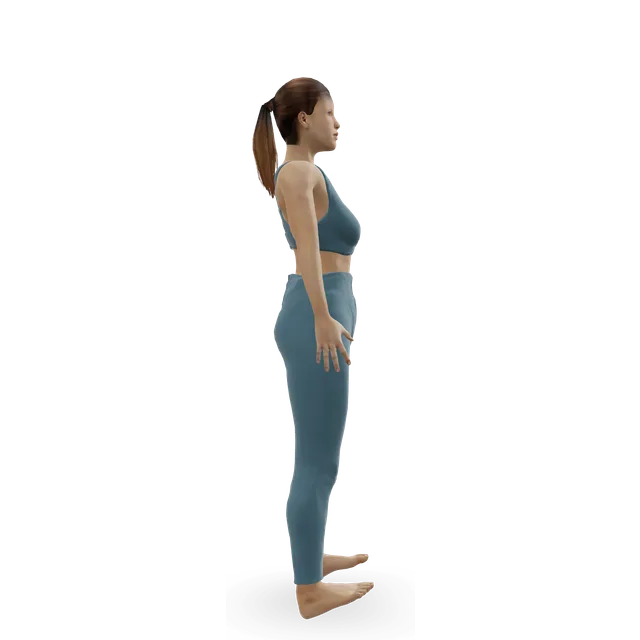
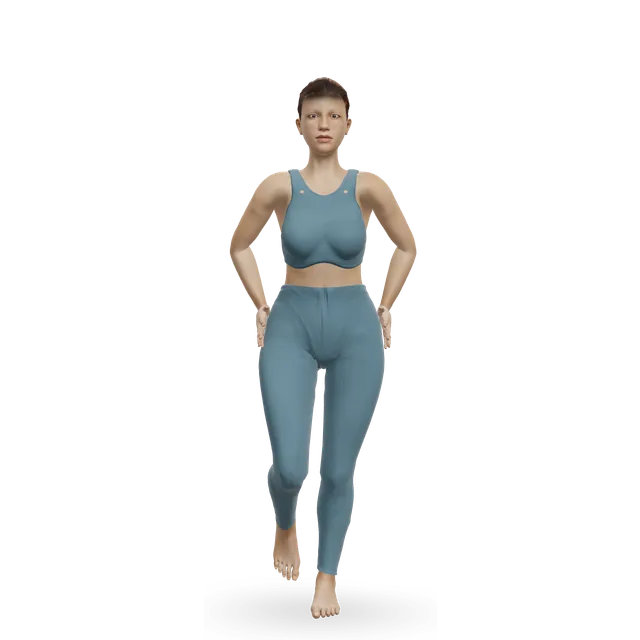
Start at the first stage. Each move opens a full guide with a 3D demo.

Stage 1

Make room and start moving the toes (about weeks 0 to 4)

Wider, deeper, low-heeled shoes about half an inch longer than your longest toe; pads, sleeves or a toe prop over corns; and a podiatrist for hard skin. Start the toe and calf work from an NHS podiatry leaflet, and the written toe exercises below the plan. With diabetes or numb feet, have your feet checked first and check your skin after each session.

Towel toe curl demonstrated on the 3D figure3D demoTowel toe curlBeginner · Other / check instructions + A bench or box

Until the toes tire, or for 1 minute, 5 times, 3 days a week · An NHS podiatry leaflet's dose for its toe exercises

Harder: Short foot + toe splay

Wall calf stretch (gastrocnemius) demonstrated on the 3D figure3D demoWall calf stretch (gastrocnemius)Beginner · A wall

Hold 30 to 60 s each leg, 5 times a day · The same leaflet's dose, to ease pressure under the ball of the foot; it runs this stretch over 3 months

Easier: Seated calf stretch with a towel · Harder: Toes-tucked kneeling (toe squat)

Soleus wall stretch demonstrated on the 3D figure3D demoSoleus wall stretchBeginner · A wall

3 holds of 30 s each leg · The bent-knee version of the calf stretch; editorial dose

Easier: Seated calf stretch with a towel · Harder: Toes-tucked kneeling (toe squat)

Ankle CARs (controlled articular rotations) demonstrated on the 3D figure3D demoAnkle CARs (controlled articular rotations)Beginner · No equipment

5 circles each way, morning and evening · The move's own dose

Easier: Ankle circles · Harder: Toes-tucked kneeling (toe squat)

Move on when: Your shoes and pads keep walking comfortable, and the toe exercises feel easy.

Follow along: a timer, a cue and the next move, one step at a time.
Stage 2

Strength and balance (about weeks 4 to 12)

Keep the toe work going and add calf, shin and balance strength: in older people, weak toes and toe deformities went with falls, and a 12-week programme built toe strength. Doses are editorial unless marked.

Towel toe curl demonstrated on the 3D figure3D demoTowel toe curlBeginner · Other / check instructions + A bench or box

As stage 1, with a light weight on the far end of the towel · The move's harder option

Harder: Short foot + toe splay

Slow calf raise demonstrated on the 3D figure3D demoSlow calf raiseBeginner · A wall

2 to 3 sets of 10 · Stop short of full tiptoe if the ball of the foot hurts, as the move's caution says

Easier: Seated bent-knee calf raise (soleus raise) · Harder: Standing dumbbell calf raise

Single-leg stand demonstrated on the 3D figure3D demoSingle-leg standBeginner · A wall

Build from 10 s with support to 30 s without, each leg · The move's progression. With numb feet, keep a hand on a counter

Easier: Tandem stance and heel-to-toe walk · Harder: Single-leg reach matrix

Tandem stance and heel-to-toe walk demonstrated on the 3D figure3D demoTandem stance and heel-to-toe walkBeginner · A wall

3 to 5 lengths · With a hand on a counter or wall if your feet are numb

Easier: Semi-tandem stance · Harder: Single-leg stand

Move on when: You can stand on one leg for 30 seconds steadily and walk comfortably in your shoes.

Follow along: a timer, a cue and the next move, one step at a time.
Stage 3

Keep it going (from about 3 months)

Keep the toe work going 3 days a week and build your walking. If pain carries on despite shoes, pads and exercises, ask a podiatrist about orthoses or about a surgical opinion, as NHS leaflets suggest.

Towel toe curl demonstrated on the 3D figure3D demoTowel toe curlBeginner · Other / check instructions + A bench or box

3 days a week, as stage 1 · The NHS podiatry leaflet's dose

Harder: Short foot + toe splay

Single-leg reach matrix demonstrated on the 3D figure3D demoSingle-leg reach matrixIntermediate · No equipment

3 rounds of 5 reaches each direction · The move's dose. Stay near a support

Easier: Standing crossed-leg side reach · Harder: Single-leg Romanian deadlift

Step-up demonstrated on the 3D figure3D demoStep-upBeginner · A step

3 sets of 8 each leg · The move's dose. Add height before weight

Easier: Low step-up · Harder: Dumbbell step-up

Treadmill walking demonstrated on the 3D figure3D demoTreadmill walkingBeginner · Cardio machine

Build your walking time in roomy shoes · Editorial

Harder: Treadmill jogging

Move on when: This is maintenance. Go back to stage 1 for a while if the pain flares.

Follow along: a timer, a cue and the next move, one step at a time.

What to change for now

Shoes that make room

Choose shoes about half an inch (just over 1 cm) longer than your longest toe, which for many people is the second toe, with a soft, deep, roomy toe box and a low heel. For a stiff claw toe, in-depth shoes with extra room in the toe box help, and a shoe repairer may be able to stretch a pocket in the toe box over the bent toe. A stiff or rocker sole can ease pain under the ball of the foot.

Sources 2, 3, 10, 1

Pads, sleeves and podiatry

Non-medicated corn pads, cushions, silicone toe sleeves and toe separators from a pharmacy take pressure off, and insoles with support under the ball of the foot help if it aches. Don't cut corns yourself: a podiatrist can trim them and supply pads and insoles, and in many areas you can refer yourself. If you have diabetes, poor circulation or numb feet, talk to your GP or podiatrist before treating your feet yourself.

Sources 15, 10, 2, 7

Toe exercises the figure can't show

Toe movements this small can't be shown on the 3D figure, so here are written steps. They're worth trying while a toe is still flexible; they won't straighten a stiff one. The toe spreading dose comes from an NHS podiatry leaflet, which also shows toe lifting; the counts for stretching by hand are editorial.

  • Straighten the toe by hand: sit with the foot resting across the other knee, hold the bent toe at its base, and gently ease the bent joint straight. Hold for 20 to 30 seconds, 3 to 5 times a day, and stop if it hurts.
  • Spread the toes: loop a light band round the toes and spread them apart against it. Keep going until the toes tire, or for 1 minute, 5 times, 3 days a week.
  • Pick up small objects, such as marbles, with your toes and drop them into a bowl.

Sources 2, 3, 10

With diabetes or numb feet

Check your feet every day, including between the toes and over the bent joints, and get any wound, blister or colour change seen the same day. Ask your diabetes team which risk level you're in and how often your feet should be checked. Wear shoes that fit the bent toes rather than squashing them. The international diabetic foot guideline also advises treating any sign of a sore promptly, and not walking without suitable footwear.

Sources 12, 15, 25

Positions to swap, and why

Habit or positionWhy it mattersInstead
Tight, narrow, pointed or high-heeled shoesThey push the toes into a bent position and rub on corns.Shoes about half an inch longer than your longest toe, with a deep, roomy toe box and a low heel.
Cutting corns yourselfThe NHS advises against it, especially with diabetes.A podiatrist, and pads, sleeves or a toe prop meanwhile.
Forcing a stiff toe straight, or a straightener that hurtsA stiff toe won't straighten without surgery; splints and straighteners are for comfort.Pads and roomy shoes, and stretching by hand only if the toe is flexible.
Pulling the toes back hard with claw toesClaw toes are already bent up at the base, so this stretch pushes them further that way (our suggestion).Towel toe curls, which bend the toes the other way.Try: Towel toe curl
Running and jumping during a flare of ball-of-foot painAn NHS podiatry leaflet suggests swapping high-impact activity for low-impact exercise.Cycling or swimming.Try: Stationary cycling
Ignoring a blister, sore or colour change with diabetesNICE asks for new diabetic foot problems to reach a specialist foot service within 1 working day.Check your feet daily, and contact your foot team the same day.

Routines to follow

More moves for this area

Questions people ask

What's the difference between hammer, claw and mallet toes?

A hammer toe bends down at the middle joint, a mallet toe at the end joint, and a claw toe is lifted at the base and bent at both other joints, so the tip digs into the shoe. The second toe is affected most often.

What causes hammer toes?

Shoes that squash the toes, a bunion, an injury, arthritis and an imbalance in the small foot muscles. Claw toes can also come from nerve damage, for example from diabetes.

Can you fix a hammer toe without surgery?

You can usually make it comfortable, but the shape rarely changes, especially once the toe is stiff. Roomy shoes, pads, toe sleeves and a podiatrist are the first steps, and a bent toe that doesn't hurt needs no treatment.

Do toe exercises help?

They're widely advised and low-risk, but no trial has tested them as a treatment for hammer toes. Toe exercises can build toe strength, which matters for balance in older people, but they won't straighten a stiff toe.

Do toe straighteners or splints work?

They may ease pain: in one small trial, an adjustable toe splint worn for 2 weeks reduced pain under the ball of the foot. There's no evidence they straighten a toe for good.

What shoes are best for hammer toes?

Shoes about half an inch longer than your longest toe, with a soft, deep, roomy toe box and a low heel. A stiff or rocker sole helps if the ball of your foot hurts.

When is hammer toe surgery worth it?

When pain stops you doing things despite shoes, pads and podiatry, not to change how the toe looks. A flexible toe may only need a tendon release; a stiff toe usually needs part of the joint removed or fused.

How long does it take to recover from hammer toe surgery?

You walk in a special shoe straight away, and any wire usually comes out at about 4 to 8 weeks. Swelling lasts 2 to 4 months, sport usually resumes at 3 to 6 months, and full recovery can take 6 months or more. Your surgical team will give you its own plan.

What are the risks of surgery?

Infection, numbness, stiffness (expected at a fused joint), swelling, the bones not joining, the toe bending again and, rarely, blood clots. Smoking makes the bones about 4 times more likely not to join.

I have diabetes. Does a hammer toe matter?

Yes. NICE counts a foot deformity as moderate risk for foot problems, and high risk with nerve damage or poor circulation, which means regular checks from a foot protection service. Don't cut corns yourself, check your feet daily, and get any wound or colour change seen the same day.

Can bent toes be a sign of something else?

Usually not, but clawing of several toes with high arches, numbness, weakness or tripping can be a sign of a nerve condition, such as Charcot-Marie-Tooth disease or nerve damage from diabetes. See a GP.

Related exercise guides

Other pain guides

Sources

  1. University Hospitals Coventry and Warwickshire NHS Trust · Lesser toe deformities (patient leaflet, 2023)
  2. AAOS OrthoInfo · Hammer toe
  3. AAOS OrthoInfo · Claw toe
  4. Malhotra 2016 · The pathology and management of lesser toe deformities (review, EFORT Open Rev)
  5. Schrier 2009 · How papers define hammer toe and claw toe (literature review, J Am Podiatr Med Assoc)
  6. Dunn 2004 · Foot and ankle conditions in 784 older adults (community survey, Am J Epidemiol)
  7. NHS Lothian · Hammer toe (patient information, 2020)
  8. Norfolk and Norwich University Hospitals NHS Foundation Trust · Claw, hammer and mallet toe deformities (patient leaflet, 2023)
  9. Hagedorn 2013 · Foot disorders, foot posture and foot function (Framingham foot study, PLoS One)
  10. East Sussex Healthcare NHS Trust · Lesser toe deformities: problems with the small toes (podiatry leaflet, 2025)
  11. NHS · Charcot-Marie-Tooth disease: symptoms
  12. NICE · Diabetic foot problems: prevention and management (guideline NG19)
  13. Askø Andersen 2024 · Tendon release and pressure under hammer toes in diabetes (randomised trial, BMJ Open Diabetes Res Care)
  14. Federer 2018 · Conservative management of ball-of-foot pain and lesser toe deformities (review, Foot Ankle Clin)
  15. NHS · Corns and calluses
  16. Colò 2025 · Shoe changes and orthoses for lesser toe deformities (literature review, Musculoskelet Surg)
  17. Formosa 2022 · A silicone toe prop for hammer and claw toes in older adults (pressure study of 20, J Am Podiatr Med Assoc)
  18. Chadchavalpanichaya 2012 · An adjustable toe splint for ball-of-foot pain with bent toes (randomised trial of 36, J Med Assoc Thai)
  19. Mickle 2016 · A 12-week toe strength programme for older people (randomised trial, Clin Biomech)
  20. Mickle 2009 · Toe weakness, toe deformity and falls in older people (cohort of 312, Clin Biomech)
  21. Schrier 2016 · Removing or fusing the middle toe joint for hammer toes (randomised trial of 55, Foot Ankle Int)
  22. Scheidt 2022 · Fusing or removing the middle toe joint for lesser toe deformities (randomised trial of 37, Orthopedics)
  23. Weigang 2025 · Minimally invasive or open surgery for lesser toe deformities (randomised trial of 100, Arch Orthop Trauma Surg)
  24. NHS · Complications of type 2 diabetes
  25. Bus 2024 · Preventing foot ulcers in people with diabetes (International Working Group on the Diabetic Foot guideline, 2023 update, Diabetes Metab Res Rev)
  26. Askø Andersen 2022 · Needle tendon release for hammer toes in diabetes (randomised trial of 95, Diabetes Care)

Exercise education, not a diagnosis or treatment plan. It is written from the guidelines and studies listed above; review by a clinician is pending. If your pain follows an injury, is severe, is getting worse, or comes with any warning sign listed on this page, get it assessed. Health disclaimer.