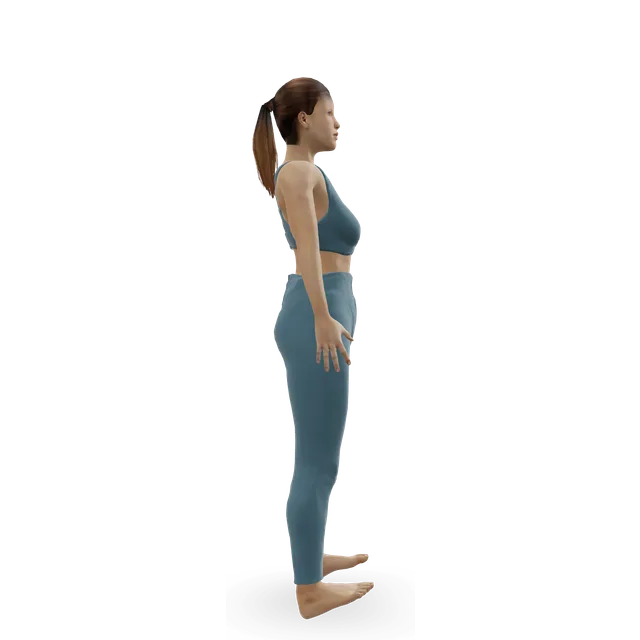
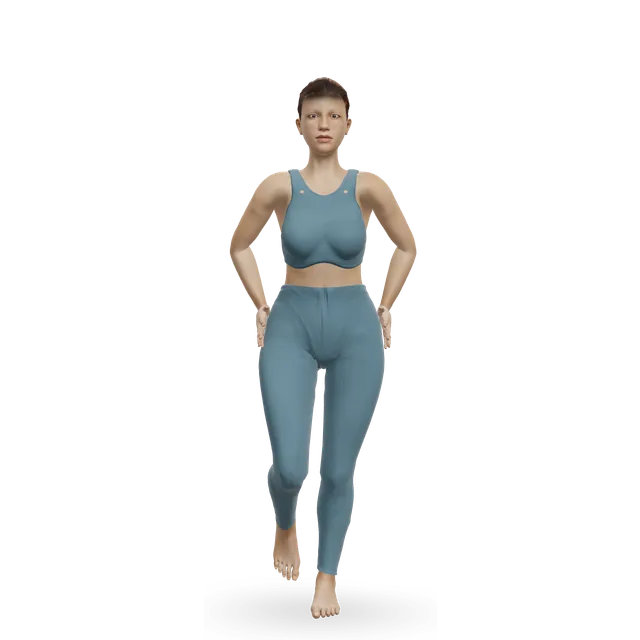
Pain guide · Foot pain

Tailor's bunion (bunionette): shoes, padding, what exercise can't change, and when surgery helps

A tailor's bunion, or bunionette, is a bony bump on the outside of the foot at the base of the little toe, often with the little toe angled towards the others. Tight shoes rub it, so the skin can redden, thicken into a corn or blister, and a small fluid-filled sac over the bump can become inflamed. The shape of your foot's bones and your family history play the biggest part; narrow shoes make it hurt.

The honest answer first: no exercise, splint or corrector can shrink or straighten a tailor's bunion. Wide, deep shoes, padding and insoles are what ease the pain, and one NHS board's leaflet expects it to start improving within about 3 months, though no study has tested these measures. This guide covers the warning signs, when a podiatrist or a foot surgeon is the next step, what surgery and recovery involve, and a staged plan with 3D demos to keep your feet and calves strong.

When to get help first

Exercise is for pain that has been checked or is clearly mild and settling.

Get urgent medical help if

  • Same day: a sudden, very painful, hot, swollen, red joint, often the big toe, especially with a high temperature, feeling shivery or being unable to eat. It may be gout, but it could be a joint infection (septic arthritis), which is urgent.
  • Same day: skin on the foot that is painful, hot and swollen. It could be a skin infection (cellulitis).
  • Same day: you have diabetes and a new foot problem, such as an ulcer or wound, signs of infection, or a hot, swollen foot with a change in colour, even if it doesn't hurt. Contact your diabetes foot team or GP: NICE asks for these to reach a specialist foot service within 1 working day, and a suspected Charcot foot is kept off weight until it has been checked.
  • Call 999 or go to A&E: after an injury, you heard a crack, the foot or ankle has changed shape or points at an odd angle, a bone is sticking out, there is a bad cut over it, you're in severe pain, or the toes look blue or white, feel numb or are cold to touch. These can mean a broken bone. Don't drive yourself.
  • After surgery: redness, swelling, oozing or a smell from the wound, or a fever. Contact your surgical team the same day, or NHS 111 out of hours.
  • Same day, after toe surgery: pain that is getting worse, toes that are numb, burning, swollen, blue or white, or a dressing or strapping that feels too tight. Contact your surgical team, or NHS 111 out of hours.
  • After tailor's bunion surgery: pain that your painkillers still aren't easing after 3 to 4 days. Contact the department that did the operation; out of hours, contact your GP or go to A&E.
  • Same day (GP or NHS 111): throbbing pain and swelling in one calf, with red or darker skin. It could be a blood clot (DVT). Watch for it after an ankle injury or time in a cast or boot.
  • Call 999: calf or leg pain or swelling with breathlessness or chest pain. It could be a clot that has reached the lungs.

See a doctor or physiotherapist if

  • See a GP or podiatrist if the pain hasn't improved after trying home treatments for a few weeks, it's stopping you doing your normal activities, or the bump is getting worse. In many areas you can refer yourself to a podiatrist.
  • Hard skin or a corn over the bump: don't treat it yourself if you have diabetes, problems with your circulation or a weakened immune system, or are an older person; see a GP or foot specialist. See a GP too if it bleeds, has pus or discharge, or isn't better after 3 weeks of treating it at home.
  • A large increase in pain after the exercises, or no noticeable change in your day-to-day symptoms after 6 to 12 weeks: contact your GP or refer yourself to musculoskeletal (MSK) podiatry.
  • Skin over the bump that keeps blistering or breaking down, or pain that still limits your walking or your shoes after about 3 months of the right shoes and padding: ask your GP or podiatrist about seeing a foot surgeon.
  • Aching, swollen, stiff joints in several toes or both feet, usually worse in the morning: see a GP. It could be arthritis.
  • Tingling or loss of feeling in the foot, or a foot that feels weak.
  • Any foot pain if you have diabetes: foot problems can be more serious.
  • After surgery: the toe drifting back, metalwork you can feel that rubs, or pain under the ball of the foot that isn't settling: see your team.

Understand it

What a tailor's bunion is

A tailor's bunion, or bunionette, is a bony lump at the joint at the base of the little toe, on the outside of the foot, sometimes with swollen soft tissue around it. The little toe often angles in towards the fourth toe, and the foot becomes wider and harder to fit. US orthopaedic surgeons (the American Academy of Orthopaedic Surgeons) describe it as very much like a bunion, in a different spot.

Tight shoes rub the lump, so the skin can go red, swollen and sore, thicken into hard skin or a corn, or blister. A bursa, a small fluid-filled sac that reduces friction, can form over the lump and become inflamed. Surgeons' reviews add that the lump can sit on the side, the top or the underside of the end of the fifth metatarsal, the long bone that leads to the little toe.

Sources 1, 2, 3, 4

Three shapes of boneEmerging evidence

The lump can come from a wider end of the fifth metatarsal, a bone that bows outwards, or, most often, a bone that angles away from the fourth metatarsal, with the little toe angled in. In 91 painful feet compared with feet without the problem, the angle between the fourth and fifth metatarsals and the little toe's angle were larger, while a bowed bone and a wider end were not common. In 112 painful feet, the whole front of the foot was more splayed. The shape matters mainly to a surgeon choosing an operation.

Sources 5, 6, 7

Who gets itEmerging evidence

NHS Lanarkshire says tailor's bunions are not as common as bunions. The only population figure we found comes from one Turkish survey in which 2,662 adults rated their own feet from pictures: 13.8% reported a bunionette, more often women, and 61.2% of them had a family history. Tight shoes were linked with it in both sexes. Rating your own feet from pictures isn't a diagnosis, so treat that figure as a rough guide.

NHS podiatry puts inherited factors and the shape of the foot's bones first, with footwear a contributing factor. It also lists old toe injuries, very flexible joints, getting older, inflammatory arthritis such as rheumatoid or psoriatic arthritis, tight calf muscles, and neurological conditions such as stroke, cerebral palsy, multiple sclerosis and Charcot-Marie-Tooth disease. It often comes with a bunion on the big-toe side, and teenagers can have it too. The name comes from tailors, who sat cross-legged with the outer edge of the foot rubbing on the floor; that story doesn't explain why people get one today.

Sources 1, 2, 8, 9, 10, 11

What an X-ray does and doesn't meanEmerging evidence

The lump is easy to see and feel, so an X-ray is usually taken only when surgery is being considered, to judge its cause and size. A lump on an X-ray isn't the same as a painful one: a review notes that the prominence is found in many people but seldom causes symptoms, and in 91 painful feet the painless other foot looked much the same, apart from a smaller angle between the metatarsals. Among 81 feet having big-toe bunion surgery, people whose bunionette showed on the X-ray but caused no symptoms did as well without an operation on it. So the X-ray shows the shape; the shoe, the skin and an inflamed sac usually explain the pain.

Sources 11, 5, 12, 6, 9

How it usually goesEmerging evidence

The bump doesn't go away. NHS podiatry says non-surgical care "will not correct or reduce the size or shape" of it, but that most people's pain decreases with it. One NHS board's leaflet expects symptoms to start improving within about 3 months, and its web page says flare-ups usually settle within 6 weeks.

Expert reviews say painful bunionettes usually respond to wider shoes and padding, but no study has tested non-surgical care, and a 2026 review found no long-term studies of it. In 100 people, the most severe type went with worse foot pain, foot function and footwear scores.

Sources 1, 2, 4, 13, 14

What helps, and how strong the evidence is

Shoes, padding and insoles: the standard first treatment, untestedEmerging evidence

NHS podiatry services advise shoes wide and deep enough for the bump, with softer uppers that mould around it rather than hard patent leather; padding such as fleecy web or semi-compressed felt over a sore or inflamed bump, or a plaster if the skin is broken; cushioned heels, good arch support and insoles; and resting and raising the foot in a flare. They advise against high heels, tight pointy shoes, flip-flops, backless slippers, walking barefoot on hard floors, and long spells walking or standing.

An NHS podiatric surgery service adds joint padding and protective shields, gel or silicone wedges between the toes, surgical footwear and insoles, and US orthopaedic surgeons suggest having shoes stretched where they press. Expert reviews say most painful bunionettes settle with wider shoes and padding. No trial has tested any of these measures, so the advice rests on clinical experience.

Sources 1, 2, 15, 16, 17, 3, 5, 4, 13

What exercise can and can't doEmerging evidence

No exercise has been shown to shrink or straighten a tailor's bunion, and an NHS leaflet on bunions that also covers tailor's bunions says there is no evidence that exercises can prevent further deformity. What exercise can do is keep the calf and the small muscles of the foot strong and supple, and keep you active while shoes and padding take the pressure off.

NHS Lanarkshire's leaflet gives the calf stretches and small foot-muscle exercises used in this plan, with doses. Its text says the exercises can help heel pain, which shows they are general foot exercises shared with the board's other leaflets, not a treatment for the bump, and they haven't been tested in a trial. A Bradford NHS service says to contact your GP or musculoskeletal (MSK) podiatry if the exercises cause a large increase in pain, or nothing has changed after 6 to 12 weeks.

Sources 1, 2, 18, 15

Toe spacers, splints, correctors and injectionsMixed evidence

No study has tested toe spacers, splints or correctors for a tailor's bunion, and nothing shows they change its shape. One NHS service lists gel or silicone wedges between the toes as a comfort measure, and for big-toe bunions, an NHS leaflet says night splints have poor evidence. Use them for comfort if they help; they won't straighten the little toe or shrink the bump.

US foot and ankle surgeons (the American College of Foot and Ankle Surgeons) list steroid injections for inflamed tissue around the joint. We found no trial of them for tailor's bunions, and an injection doesn't change the bump.

Sources 17, 18, 11

When a podiatrist or a foot surgeon is the next stepStrong evidence

A podiatrist is the usual next step if a few weeks of the right shoes and padding haven't helped: they can advise on padding, insoles and footwear, and in many areas you can refer yourself. US orthopaedic surgeons say surgery may be recommended if, after a period of time, you still have pain and trouble walking despite changing footwear and other non-surgical treatments. An NHS podiatric surgery service says foot surgery should be avoided if it's only for looks.

So a foot surgeon (orthopaedic or podiatric) is for pain that carries on despite good non-surgical care, or skin over the bump that keeps breaking down. No trial has compared surgery with shoes and padding.

Sources 19, 3, 17, 13

Surgery: what the case series showEmerging evidence

The usual operation cuts and moves the fifth metatarsal (an osteotomy) so the bump sits in. Across 28 studies, every type reduced the angles, the average success rate was 93%, and cuts near the toe had the fewest major complications; 92% to 100% of people were satisfied. In open surgery, complications were reported after 22% of cuts near the base of the bone, 21% along its shaft and 11% near the toe.

Keyhole (minimally invasive) versions did well in 18 studies of 714 feet, with complications in 0% to 21.4% and the bone failing to heal in 0% to 5.6%, but none compared them with open surgery. In 49 feet treated this way without screws, pain fell from 8 to 0.3 out of 10. They may suit severe bunionettes less well: in 31 feet, results were poorer for severe ones, and 9 people wouldn't have the operation again.

Shaving off the bump alone suits few people, because it can come back or too much can be removed: in 21 feet followed for about 6 years, 15 had good, 3 fair and 3 poor results. Removing the end of the bone isn't recommended as a first operation: 64% of 11 feet had complications over 9 years. In 13 teenagers' feet, a sliding osteotomy gave excellent or good results in all. All of this comes from case series, not trials.

Sources 20, 13, 21, 22, 23, 5, 24, 25, 10

Recovery after surgery: one NHS service's timelineEmerging evidence

In one NHS podiatric surgery service, the operation is a day case under local anaesthetic. You rest with the foot raised and walk only to the bathroom for the first 2 to 3 days; the stitches come out at 2 weeks, then you wear a roomy trainer and start exercises to regain strength and movement in the toe joint. Sixty per cent of its patients are back in roomy shoes at 6 weeks and 90% at 8; work and driving (once you can make an emergency stop) follow from about 6 weeks, and sport and the gym at 12 weeks. Slight swelling can last 6 months, and healing is complete at a year. Your team's plan comes first.

The risks it quotes: infection 2 in 100, slow skin healing 8 in 100, the bone not healing 15 in 1,000, a fracture from not following advice 2 in 100, prolonged swelling and a thick or sensitive scar 4 in 100 each, a loose screw or wire 2 in 100, a stiff toe 1 in 100, a toe that doesn't touch the ground, pain moving to the neighbouring joints, and blood clots.

Source 17

Diabetes and a sore over the bumpStrong evidence

With diabetes, a wound, blister, ulcer or infection over the bump needs your diabetes foot team: NICE (the National Institute for Health and Care Excellence) asks for these to reach a specialist foot service within 1 working day. In 10 feet with stubborn ulcers over the end of the fifth metatarsal, a keyhole operation to reshape the bone healed the ulcers in an average of 9.8 weeks, but that is a decision for the diabetes foot team.

Sources 26, 27
How much pain is OK while you exercise?

The site's foot rule, with NHS podiatry's pain ladder

Some discomfort during the exercises is fine. Aim for pain you'd call mild to moderate, no more than about 5 out of 10, that settles within an hour, with no more swelling or stiffness the next morning. If it's worse the next day, do a little less, not nothing. The 5 out of 10 figure is this site's editorial foot rule, not a tested one.

NHS podiatry services in Lanarkshire and Bradford use a 0 to 10 pain ladder with green, amber and red zones: stay in the green, and sometimes the amber, zone during the exercises and for 48 hours afterwards. In the red zone you're probably pushing too hard and may flare the pain.

Rubbing is different: pain from a shoe pressing on the bump means changing the shoe or the padding, not pushing through. Red, hot or broken skin over the bump, or any foot wound if you have diabetes, isn't covered by the rule: see the warning signs. After surgery, your team's instructions come first; one NHS service expects the pain to be worst for the first 2 days.

Sources 1, 15, 17

The exercise plan: 3 stages

Start at the first stage. Each move opens a full guide with a 3D demo.

Stage 1

Take the pressure off and keep moving (about weeks 0 to 4)

Change your shoes and add padding first (see the written steps below). Use a wrapped ice pack for up to 20 minutes a few times a day when it's sore, and swap running for walking, cycling or swimming. If a stretch makes your pain worse, focus on the strengthening exercises instead, as NHS Lanarkshire advises.

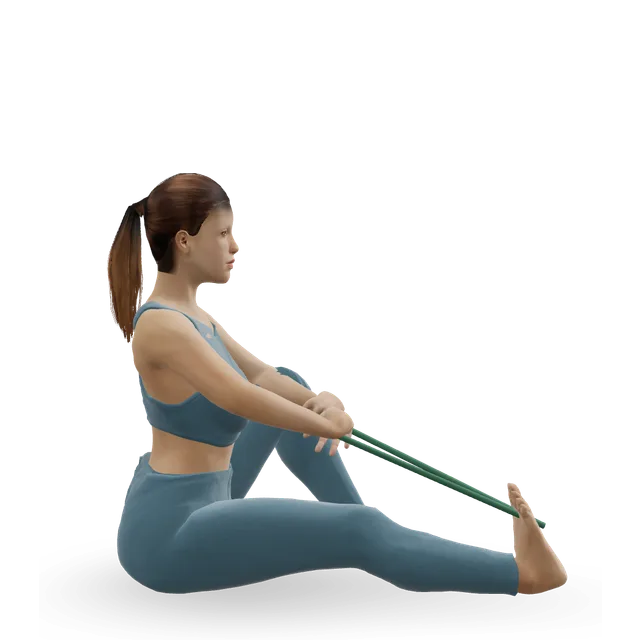
Seated calf stretch with a towel demonstrated on the 3D figure3D demoSeated calf stretch with a towelBeginner · Other / check instructions

Towel round the ball of the foot, knee straight: hold 30 s, 3 times, first thing in the morning and after resting · NHS Lanarkshire's leaflet dose

Harder: Wall calf stretch (gastrocnemius)

Soleus wall stretch demonstrated on the 3D figure3D demoSoleus wall stretchBeginner · A wall

Back knee bent, heel down: hold 20 s, 3 times on each side · NHS Lanarkshire's leaflet dose

Easier: Seated calf stretch with a towel · Harder: Toes-tucked kneeling (toe squat)

Towel toe curl demonstrated on the 3D figure3D demoTowel toe curlBeginner · Other / check instructions + A bench or box

Gather a small towel in with your toes, then flatten it: 3 to 5 times · NHS Lanarkshire's leaflet dose. Keep the heel down

Easier: Big toe press (seated toe-flexor hold) · Harder: Short foot + toe splay

Stationary cycling demonstrated on the 3D figure3D demoStationary cyclingBeginner · Cardio machine

15 to 30 min, easy · NHS Lanarkshire suggests cycling, walking or swimming instead of running; the time is editorial

Easier: Recumbent exercise bike · Harder: Air bike intervals

Move on when: Your shoes and padding keep the bump comfortable through a normal day, and 20 to 30 minutes of walking doesn't make it sorer the next day (editorial).

Follow along: a timer, a cue and the next move, one step at a time.
Stage 2

Build foot and calf strength (about weeks 4 to 12)

Add NHS Lanarkshire's toe exercises once a day (see the written steps below), with calf and balance work. Keep the stretches if they help.

Towel toe curl demonstrated on the 3D figure3D demoTowel toe curlBeginner · Other / check instructions + A bench or box

3 to 5 gathers, once a day; later, a light weight on the far end of the towel · NHS Lanarkshire's leaflet dose; the weight is the move page's way to make it harder

Easier: Big toe press (seated toe-flexor hold) · Harder: Short foot + toe splay

Slow calf raise demonstrated on the 3D figure3D demoSlow calf raiseBeginner · A wall

2 sets of 10, building to 3 sets of 12, a hand on a support · Editorial dose

Easier: Seated bent-knee calf raise (soleus raise) · Harder: Standing dumbbell calf raise

Single-leg stand demonstrated on the 3D figure3D demoSingle-leg standBeginner · A wall

3 holds of 30 s on each leg, in shoes if the bump is sore barefoot · Editorial dose

Easier: Tandem stance and heel-to-toe walk · Harder: Single-leg reach matrix

Move on when: Daily walking in your shoes is comfortable and the foot is no worse the next morning. If nothing has changed after 6 to 12 weeks, or the exercises cause a large increase in pain, see your GP or MSK podiatry, as a Bradford NHS service advises; NHS Lanarkshire says the same if there's no improvement after 3 months.

Follow along: a timer, a cue and the next move, one step at a time.
Stage 3

Longer walks, running and sport (from about 3 months)

Build impact gradually, in shoes that fit. Check sports shoes, football boots and ski boots for width over the bump.

Treadmill walking demonstrated on the 3D figure3D demoTreadmill walkingBeginner · Cardio machine

Add a few minutes to your walks every few days · Editorial dose

Harder: Treadmill jogging

Step-up demonstrated on the 3D figure3D demoStep-upBeginner · A step

3 sets of 8 to 10 on each leg · Editorial dose

Easier: Low step-up · Harder: Dumbbell step-up

Single-leg calf raise from a step demonstrated on the 3D figure3D demoSingle-leg calf raise from a stepIntermediate · A step + A wall

3 sets of 8 to 12 on each leg, on the floor before a step · Editorial dose. Controlled single-leg raises on the floor come first

Easier: Slow calf raise · Harder: Single-leg pogo hops

Single-leg reach matrix demonstrated on the 3D figure3D demoSingle-leg reach matrixIntermediate · No equipment

3 rounds of 5 reaches in each direction on each leg · The move page's dose

Easier: Standing crossed-leg side reach · Harder: Single-leg Romanian deadlift

Treadmill jogging demonstrated on the 3D figure3D demoTreadmill joggingIntermediate · Cardio machine

Walk-jog intervals, once the pain is at a manageable level · NHS Lanarkshire's advice before running; the intervals are editorial

Easier: Treadmill walking · Harder: Sprint intervals

Move on when: Keep going, in shoes that fit. If the skin over the bump keeps breaking down, or pain still limits your walking or your shoes, ask about seeing a podiatrist or a foot surgeon.

Follow along: a timer, a cue and the next move, one step at a time.

What to change for now

Shoes, padding and hard skin (written steps)

From NHS podiatry advice in Lanarkshire and Bradford, an NHS podiatric surgery service, US orthopaedic surgeons and the NHS corns page.

  • 1. Choose shoes wide and deep enough for the bump, with soft uppers that mould around it, a fastening, a cushioned heel and arch support.
  • 2. Leave out high heels, tight pointy shoes, flip-flops and backless slippers, and don't walk barefoot on hard floors.
  • 3. Have shoes stretched where they press on the bump.
  • 4. If the skin or the fluid-filled sac over the bump is sore, cover it with fleecy web or semi-compressed felt padding from a pharmacy, or a plaster if the skin is broken.
  • 5. Gel or silicone wedges between the toes may make shoes more comfortable.
  • 6. Hard skin or a corn over the bump: soak it in warm water, use a pumice stone or foot file, and moisturise; don't cut it. If you have diabetes, poor circulation or a weakened immune system, see a GP or foot specialist instead.

Sources 1, 2, 15, 17, 3, 28

NHS Lanarkshire's toe exercises (written steps)

From NHS Lanarkshire's tailor's bunion leaflet, which is past its review date. They have no 3D demo. Do them once a day in stage 2, and leave out any that make the bump sorer.

  • 1. Toe lift and grip: sit with your heel and the ball of your foot on the floor. Lift your toes up towards you and hold for 5 seconds, then grip the floor with the tips of your toes, lifting your heel very slightly, and hold for 5 seconds. Move between the two 10 times; if your foot cramps, do fewer.
  • 2. Band toe press: sit with your knee bent to about a right angle and the foot on a strip of exercise band. Pull the ends of the band up over your knee so it lifts your toes, and hold it against your thigh. Keeping your heel down, slowly push your toes down to the floor against the band, then let them rise slowly. Aim for 3 sets of about 10 to 15, and change the band's tension to make it easier or harder.
  • 3. Ball arch roll: sit with your heel and the ball of your foot on the floor and your toes curled over a small ball. Slowly lift your heel and roll the ball under your toes, keeping your toes on it, and hold for 3 seconds. Roll back slowly, putting your heel down before the ball of your foot. The leaflet gives no number; 10 is a sensible start (editorial).

Source 2

Ice and painkillers

Use an ice pack or a bag of frozen peas wrapped in a towel for up to 20 minutes, a few times a day, never straight on the skin, and not if you have chilblains or Raynaud's. NHS advice differs on how long: up to 20 minutes every 2 to 3 hours on the NHS toe pain page and NHS Lanarkshire's web page, 20 minutes every hour when it's swollen in its leaflet, and up to 5 minutes at a time on the NHS bunions page.

The NHS toe pain page suggests painkillers such as paracetamol or ibuprofen gel, or ibuprofen tablets if needed. Follow the dose on the packet.

Sources 29, 1, 2, 19

After tailor's bunion surgery (as your team allows)

One NHS podiatric surgery service's typical timeline. Your team's plan comes first, and the weeks are typical, not deadlines.

  • 1. Days 0 to 3: keep the foot raised to hip level, and walk only to the bathroom, on crutches if you were given them. Keep the rest of the leg moving: ankle circles, 10 slow circles each way, inside the dressing (the move page's dose), and thigh tightening and straight leg raises, 10 of each, a few times a day (editorial, as in our bunion surgery guide).
  • 2. From about 2 weeks, once the stitches are out: a roomy trainer, and the toe exercises your team gives you. Add the seated calf stretch with the towel round the middle of the foot, not the toes, and towel toe curls once the wound has healed and your team agrees (editorial).
  • 3. From about 6 weeks: roomy shoes (60% of the service's patients by 6 weeks, and 90% by 8); work, and driving once you can make an emergency stop; the stage 2 moves and an exercise bike.
  • 4. From about 12 weeks: sport and the gym, which is stage 3. Slight swelling can last up to 6 months, and healing is complete at about a year.

Source 17

Positions to swap, and why

Habit or positionWhy it mattersInstead
Narrow, pointy or high-heeled shoesThey press and rub on the bump, and every NHS list says to avoid them.Wide, deep shoes with soft uppers and a fastening.
Flip-flops, backless slippers and bare feet on hard floorsThey're on NHS Lanarkshire's list of things to avoid.Supportive shoes, or slippers with a back, and insoles.
Expecting correctors, splints or toe spacers to straighten itNothing has been shown to shrink or straighten a tailor's bunion.Pads or toe wedges for comfort, if they help.
Jogging and running while it's soreNHS Lanarkshire says high-impact activity significantly increases the load through the bump.Cycling, swimming or walking until the pain is manageable.Try: Stationary cycling
Cutting or picking at a corn or hard skin over the bumpThe NHS says don't cut corns yourself, and not to treat them yourself at all if you have diabetes or poor circulation.A pumice stone or foot file and moisturiser, or a podiatrist.
Pushing through pain from a shoe rubbing the bumpRubbing pain means pressure on the bump, not a muscle that needs training (our reasoning).Change the shoe, or pad around the bump.
Long spells walking or standing in a flareThey're on NHS Lanarkshire's list of things to avoid.Break up standing, and rest with the foot raised.
After surgery: driving before you can make an emergency stop, or sport before about 12 weeksIn one NHS service's plan, driving follows from about 6 weeks, and sport and the gym at 12.Cycling and swimming when your team allows.Try: Stationary cycling

Routines to follow

More moves for this area

Questions people ask

What is a tailor's bunion?

A bony bump at the joint at the base of the little toe, on the outside of the foot, often with the little toe angled in towards the others. Tight shoes rub it, so the skin can redden, thicken or blister, and a fluid-filled sac can form over it. It's also called a bunionette.

What causes a tailor's bunion?

The shape of your foot's bones and inherited factors play the biggest part, and tight or narrow shoes make it worse. Old toe injuries, very flexible joints, inflammatory arthritis, tight calves and some neurological conditions are also listed. The name comes from tailors, who sat cross-legged.

Do tailor's bunions go away?

The bump doesn't, and nothing you can do at home changes its size or shape. The pain usually settles with the right shoes and padding, and one NHS board's leaflet expects it to start improving within about 3 months.

Can a tailor's bunion be corrected without surgery?

No. Shoes, padding and insoles ease the pain but don't change the bump, and only surgery changes its shape. Surgery is for pain that carries on, not for looks.

Do tailor's bunion exercises work?

They can't shrink or straighten the bump. NHS podiatry's calf stretches and small foot-muscle exercises keep your foot strong and supple while shoes and pads do the main work, though no trial has tested them.

Do correctors, splints or toe spacers work?

Not for straightening: no study shows any of them changes a tailor's bunion. Gel wedges or pads may make your shoes more comfortable.

What are the best shoes for a tailor's bunion?

Shoes wide and deep enough for the bump, with soft uppers that mould around it, a fastening and some cushioning. Avoid high heels, tight pointy shoes, flip-flops and backless slippers, and have shoes stretched where they press.

Should I see a podiatrist or a surgeon?

A podiatrist first, for padding, insoles and shoe advice, if a few weeks of looking after it yourself haven't helped; in many areas you can refer yourself. A foot surgeon if pain and trouble walking carry on despite this, or the skin over the bump keeps breaking down.

What does surgery involve, and does it work?

Usually the surgeon cuts and moves the fifth metatarsal so the bump sits in, often as a day case under local anaesthetic. Across 28 studies, about 93% of operations were rated successful, with the fewest major complications after cuts near the toe. The evidence comes from case series, with no trials against non-surgical care.

How long is recovery after tailor's bunion surgery?

In one NHS service, the foot is raised for 2 to 3 days, the stitches come out at 2 weeks, and then you wear a roomy trainer. Six in 10 people are in roomy shoes by 6 weeks and 9 in 10 by 8, with work and driving from about 6 weeks and sport at 12. Healing is complete at about a year, and your team's plan comes first.

Can I run with a tailor's bunion?

While it's sore, NHS podiatry suggests walking, swimming or cycling instead, because running loads the bump. Then build back with walk-jog intervals, in running shoes wide enough for the bump.

Is a tailor's bunion the same as a bunion?

It's the little-toe version: a bunion is on the big-toe side, and a tailor's bunion on the little-toe side. Many people have both, and our bunions guide covers the big toe.

Related exercise guides

Other pain guides

Sources

  1. NHS Lanarkshire · Tailor's bunion (bunionette) (MSK podiatry page)
  2. NHS Lanarkshire · Tailor's bunion (bunionette): information for patients (podiatry leaflet, 2020, now past its review date)
  3. AAOS OrthoInfo · Bunions (including bunionettes)
  4. Shi 2018 · Management of bunionette deformity (review, J Am Acad Orthop Surg)
  5. Cohen 2007 · Bunionette deformity (review, J Am Acad Orthop Surg)
  6. Nestor 1990 · The X-ray shape of the painful bunionette in 91 feet (case-control study, Foot Ankle)
  7. Shimobayashi 2016 · X-ray features of bunionettes in 112 feet (imaging study, Foot Ankle Int)
  8. Şaylı 2018 · How common forefoot problems are in 2,662 Turkish adults (self-report survey, Acta Orthop Traumatol Turc)
  9. Ishibashi 2026 · Painless and painful bunionettes during big-toe bunion surgery in 81 feet (comparative study, J Foot Ankle Surg)
  10. Masquijo 2010 · Bunionette surgery in 13 teenagers' feet (case series, J Pediatr Orthop)
  11. American College of Foot and Ankle Surgeons · Tailor's bunion (bunionette) (FootHealthFacts)
  12. Koti 2001 · Bunionette (review, J Bone Joint Surg Am)
  13. Colò 2026 · Tailor's bunion: open against minimally invasive surgery (review, Musculoskelet Surg)
  14. Mazoteras-Pardo 2021 · Tailor's bunion and foot health in 100 people (case-control study, Int J Environ Res Public Health)
  15. Bradford District Care NHS Foundation Trust · Pain in your toe or the ball of your foot: bunionette
  16. North Cumbria Integrated Care NHS · Tailor's bunion (bunionette) (podiatry page)
  17. Kent Community Health NHS · Tailor's bunion surgery (podiatric surgery leaflet, 2025)
  18. Gateshead Health NHS · Patient information on bunions (podiatry leaflet, 2020, now past its review date)
  19. NHS · Bunions
  20. Martijn 2018 · Fifth metatarsal osteotomies for bunionettes in 28 studies (meta-analysis of case series, J Foot Ankle Surg)
  21. Lewis 2024 · Minimally invasive bunionette surgery in 18 studies of 714 feet (systematic review, Foot Ankle Orthop)
  22. Laffenêtre 2015 · Percutaneous bunionette correction in 49 feet (case series, Orthop Traumatol Surg Res)
  23. Waizy 2012 · Minimally invasive surgery for bunionettes, and why severe ones did worse, in 31 feet (case series, Foot Ankle Spec)
  24. Kitaoka 1992 · Shaving off the bump for a bunionette in 21 feet (case series, Clin Orthop Relat Res)
  25. Kitaoka 1991 · Removing the end of the fifth metatarsal for a bunionette, 9 years on (case series, Foot Ankle)
  26. NICE NG19 · Diabetic foot problems: prevention and management (2015, updated 2019)
  27. Haloui 2025 · Bunionette surgery for stubborn diabetic foot ulcers in 10 feet (case series, Foot Ankle Orthop)
  28. NHS · Corns and calluses
  29. NHS · Toe pain
  30. NHS · Gout
  31. NHS · Septic arthritis
  32. NHS · Cellulitis
  33. NHS · DVT (deep vein thrombosis)

Exercise education, not a diagnosis or treatment plan. It is written from the guidelines and studies listed above; review by a clinician is pending. If your pain follows an injury, is severe, is getting worse, or comes with any warning sign listed on this page, get it assessed. Health disclaimer.