Pilates
Calf-pump Pilates for varicose veins: a 25-minute standing, legs-raised and side-lying class
Your calf muscles pump blood back up your legs, and most mat Pilates barely works them, so this class starts on your feet with heel raises and marching, moves to the mat with your legs raised, and finishes with your legs up the wall. You go down to the floor once and come up once. Wear your compression stockings if you've been given them. It won't make varicose veins disappear, and it doesn't replace compression or vein treatment. No trial has tested Pilates for varicose veins: the calf work is built from small trials of calf training and the NHS advice to keep moving and put your legs up, and the order and doses are our editorial choice. Skip legs up the wall if lying flat makes you dizzy or you're in later pregnancy.
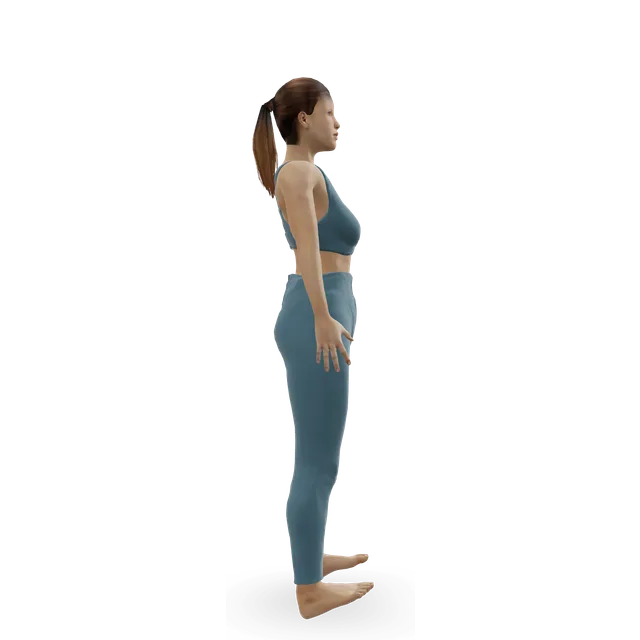
Standing: wake up the pump (about 7 minutes)
- Standing march1 minBeginner · Hip flexors, Abs, Glutes · 3D demoLift your knees and swing your arms; keep breathingEasier: Seated marchHarder: Standing band hip flexion
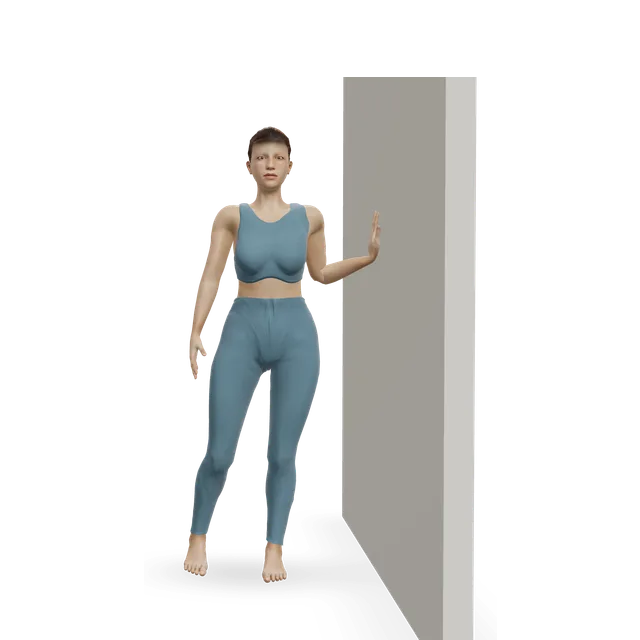
- Slow calf raise2 sets of 10 to 15Beginner · Calves · 3D demoA hand on the wall; up for 2, down for 3Easier: Seated bent-knee calf raise (soleus raise)Harder: Standing dumbbell calf raise
- Tibialis raise10 to 15Beginner · Shins · 3D demoBack against a wall; lift your toes towards your shinsHarder: Single-leg tibialis raise
- Beginner · Quads, Glutes, Hamstrings · 3D demoStand up and sit down slowly, pushing through your heelsEasier: Sit to stand, pushing on the thighsHarder: Bodyweight squat
- Beginner · Hip abductors, Glutes, Abs · 3D demoA hand on the wall; lift only as high as your hips stay levelHarder: Lateral band walk, band at the feet
- Slow calf raise1 set of 10 to 15Beginner · Calves · 3D demoOne more set before you go down to the matEasier: Seated bent-knee calf raise (soleus raise)Harder: Standing dumbbell calf raise
- Wall calf stretch (gastrocnemius)30 s each legBeginner · Calves · 3D demoBack knee straight, heel downEasier: Seated calf stretch with a towelHarder: Heel-on-step calf and hamstring stretch
- Soleus wall stretch30 s each legBeginner · Calves · 3D demoBack knee bent, heel downEasier: Seated calf stretch with a towelHarder: Toes-tucked kneeling (toe squat)





On your back, legs raised (about 9 minutes)
- Beginner · Abs · 3D demoLegs resting up the wall or on a cushion; breathe into the sides of your ribsHarder: Roll-up (Pilates)
- Ankle circles10 pumps, then 5 circles each wayBeginner · Calves, Shins · 3D demoPoint and pull your toes, then circle each ankleHarder: Ankle CARs (controlled articular rotations)
- Supine heel slide10 each sideBeginner · Hip flexors, Hamstrings, Quads · 3D demoSlide the heel away and back, slowlyHarder: Hip windshield wipers
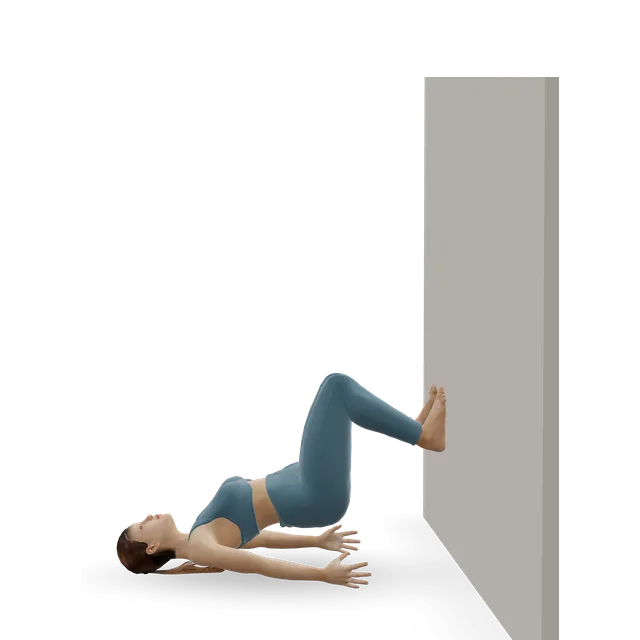
- Beginner · Glutes, Hamstrings, Abs · 3D demoFeet on the wall; roll up and down one bone at a timeEasier: Glute bridgeHarder: Shoulder bridge (Pilates)
- Single-leg circle (Pilates one leg circle)5 circles each direction, each legBeginner · Abs, Hip flexors, Adductors · 3D demoSmall circles; the other knee bent, foot downHarder: Corkscrew (Pilates)
- Knee fold5 to 8 each sideBeginner · Abs, Hip flexors · 3D demoLift one knee to above your hip and lower it with controlEasier: Supine heel slideHarder: Dead bug heel taps
- Glute bridge2 sets of 8Beginner · Glutes, Hamstrings, Abs · 3D demoFeet on the floor, hip-width apart; squeeze your buttocks to liftEasier: Pelvic tilt into bridgeHarder: Single-leg glute bridge






On your side (about 5 minutes)
- Clamshell8 each sideBeginner · Hip abductors, Glutes · 3D demoA pillow under your head and between your kneesEasier: Supine isometric hip abduction (belt press)Harder: Lateral band walk
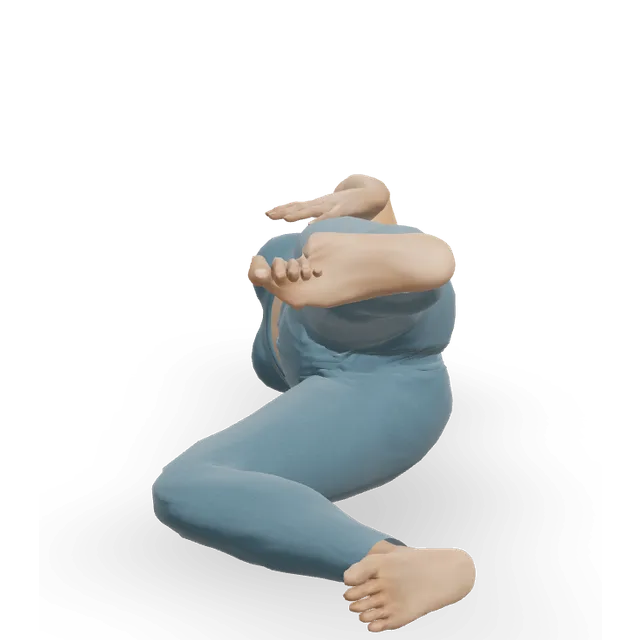
- Side kick (Pilates side kick series)8 each sideBeginner · Hip flexors, Glutes, Hip abductors · 3D demoMoving, not held; swap for the wall side leg lift if lying on your side hurtsHarder: Side-lying leg circles (Pilates side kick series)
- Side-lying leg circles (Pilates side kick series)8 each direction, each sideBeginner · Hip abductors, Glutes, Abs · 3D demoSmall circles from the hipEasier: Side kick (Pilates side kick series)Harder: Kneeling side kick (Pilates side kick kneeling)


Legs up, then up slowly (about 4 minutes)
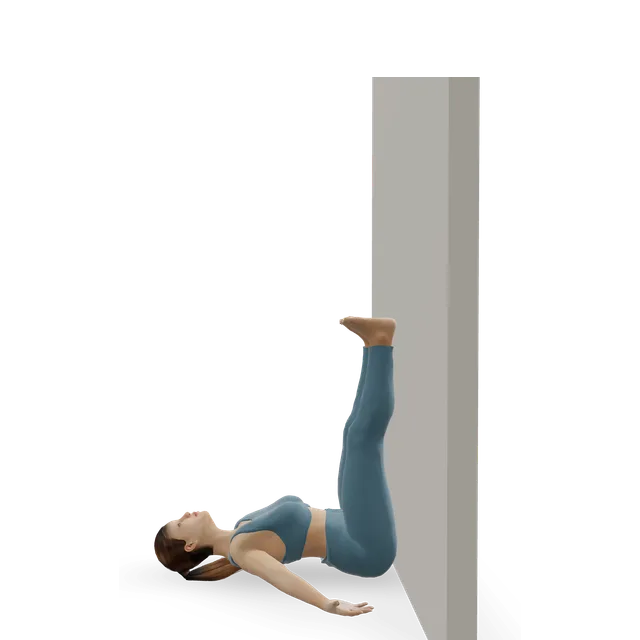
- Legs up the wall (Viparita Karani)3 to 5 minBeginner · Hamstrings, Calves · 3D demoOr lie with your legs on cushions; prop up your upper body if lying flat makes you dizzy. Ask your eye doctor first with glaucoma, and don't raise your hips with high blood pressure that isn't under controlHarder: Plow pose (Halasana)
- Slow breathing (6 breaths a minute)5 breathsBeginner · 3D demoBreathe in for 4, out for 6, with your legs still raisedEasier: Breath reachHarder: Crocodile breathing (prone diaphragmatic breathing)

Tips
- Do this class 2 or 3 times a week and walk on most days (our suggestion, from the NHS advice to exercise regularly).
- When the calf raises feel easy, do them on one leg at a time, holding a rail, or with your heels over a step (our suggestion).
- On days you stand or sit a lot, take a break every 30 to 60 minutes for heel raises or ankle pumps (our suggestion).
- Keep Pilates rings, balls, bands and rollers off bulging veins, and skip hot classes when your legs ache (our suggestions, from the NHS advice to avoid injuring your legs and the European guideline's advice to avoid heat).
- To get up, roll onto your side, sit for a minute or so, then stand slowly with a chair or counter within reach.
- A leg that becomes swollen, red, warm and painful, or swelling in one leg only, needs checking the same day: see the warning signs on our Pilates for varicose veins guide.
The doses are suggested starting points, not a prescription. Choose a range you can control and stop for sharp or increasing pain, numbness or tingling. Get individual advice after an injury or surgery, or if you are pregnant or managing a health condition.
Guides that recommend it
Find more moves like these
More pilates




Beginner Pilates workout
A 20-minute mat Pilates workout for complete beginners. It covers breathing, spine position and the foundation moves, each with an easier option.
20 minBeginner13 movesNo equipment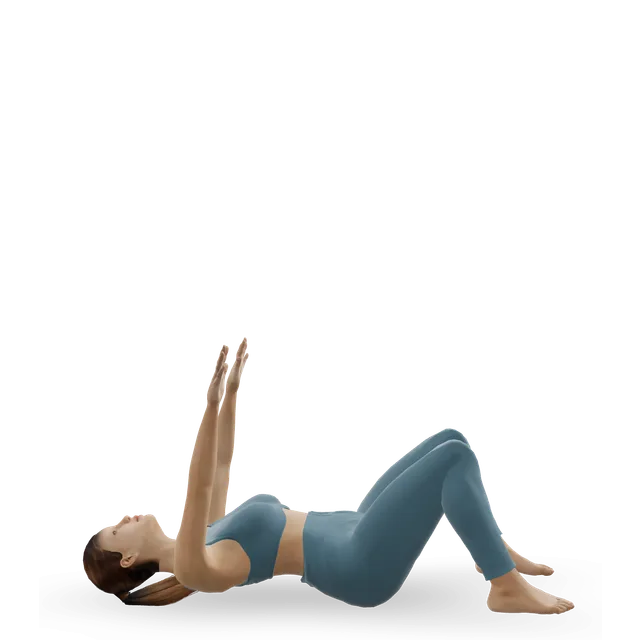

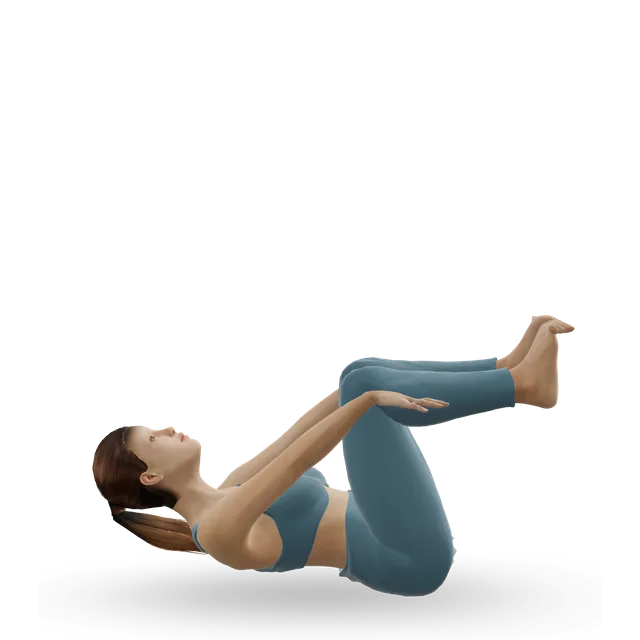
10-minute Pilates abs
Ten minutes of the classic Pilates abdominal series: the hundred, the roll-up and the series of five, with a plank to finish.
10 minIntermediate11 movesNo equipmentFull-body mat Pilates workout
A 30-minute intermediate mat Pilates class that follows the classical order, from the hundred to the push-up, with prep versions of the hardest moves.
30 minIntermediate22 movesNo equipmentQuestions people ask
How long does the calf-pump pilates for varicose veins: a 25-minute standing, legs-raised and side-lying class take?
About 25 minutes, including any warm-up and cool-down listed. Shorten it by doing fewer rounds; lengthen it by adding one.
What equipment do I need?
You need: A wall, A bench or box. Each move links to its guide, where you can find an alternative if you are missing something.
Is it suitable for beginners?
It is written for beginners. 11 of its 19 moves have an easier option listed beside them if you need one.
How do I make it easier or harder?
Use the easier or harder option listed under each move, change the number of rounds, or adjust the rest. Progress one change at a time.