Pilates for varicose veins: the calf pump, legs-up moves and what the evidence shows
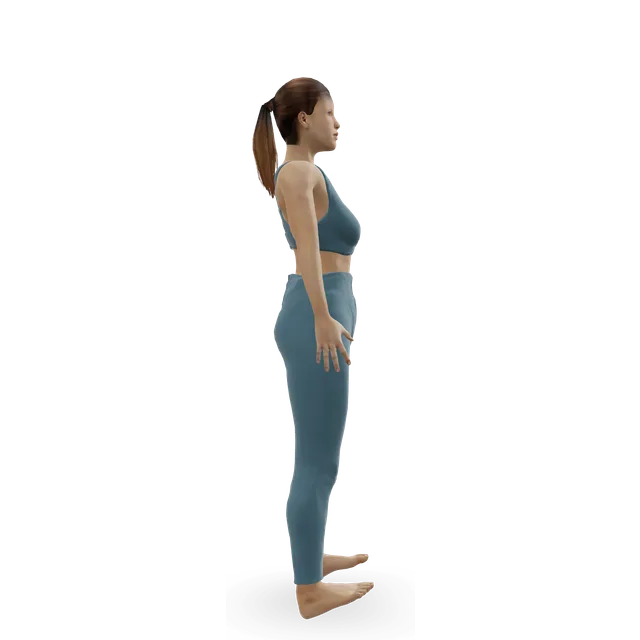
Pilates is a good way to stay active with varicose veins, and the NHS recommends regular exercise to improve blood flow. No study has tested Pilates for varicose veins, though, and mat Pilates barely works the calf muscles, which act as the pump that pushes blood back up your legs. So the Pilates that helps most adds heel raises and ankle work, uses lying moves that raise your legs, and goes with walking on most days.
Pilates won't make varicose veins disappear, and it doesn't replace compression stockings or vein treatment: if your veins bother you, see a GP. This guide covers how the calf pump works, which Pilates moves to use and change, hot classes, rings and rollers, compression stockings, pregnancy and Pilates after vein treatment, and the signs of a clot or a bleeding vein. It ends with a free 25-minute calf-pump class.
The NHS advises exercising regularly "to improve blood flow", the National Institute for Health and Care Excellence (NICE) asks for advice on light to moderate physical activity, and European vascular surgeons say exercise should be considered to ease vein symptoms. Pilates can be part of that, beside walking.
Standing still, the pressure in a vein on top of your foot is 80 to 90 mmHg; walking or rising onto your toes brings it down to 20 to 30. Mat Pilates barely works the calves, so add heel raises, ankle work and walking (our suggestion, from the calf training in small trials).
The NHS says put your legs up when you can, and in one small study, raising the leg sped up blood flow in the skin while it was raised. Lying leg work and legs up the wall do this. It eases aching; it isn't a treatment.
Treatment closes them: usually heat treatment from inside the vein (endothermal ablation) first, then foam injections or surgery. In the NHS, compression stockings are mainly for when those aren't suitable or needed. If your veins bother you, see a GP.
Keep cool, protect your legs and know the clot signs
Skip hot Pilates when your legs ache, and keep rings, balls and rollers off bulging veins (our suggestions, from the European guideline's advice to avoid heat and the NHS's to avoid injuring your legs). The NHS lists varicose veins among the things that make a deep vein thrombosis (DVT) more likely: the warning signs are below.
The NHS describes them as swollen, twisted veins, usually in the legs, that happen when the valves that keep blood flowing the right way don't work properly. Spider (thread) veins are smaller and usually harmless. Aching, heaviness, itching and swollen ankles are common, and the Circulation Foundation says aching and heaviness are "usually worse at the end of the day". Many people have no symptoms.
In the Edinburgh Vein Study, 40% of men and 32% of women aged 18 to 64 had varicose veins in the main leg veins. The NHS says they're more likely if you're a woman, older, pregnant or have a higher body weight, spend a lot of time standing or sitting, have family members with them, or have had a DVT. They usually change slowly: over about 13 years, 57.8% got worse, and about 1 in 50 adults with varicose veins develops chronic venous insufficiency (blood pooling in the legs, which can change the skin) each year.
"The leg muscles squeeze the deep veins during walking, carrying most of the blood back up the legs to the heart", the Circulation Foundation explains. Standing still, the pressure in a vein on top of the foot is 80 to 90 mmHg; with "tip toe exercise or walking" it falls to 20 to 30. When it doesn't fall, the high pressure drives swelling and skin changes. The pump works through the ankle, so ankle movement matters too.
The NHS describes Pilates as "a form of exercise that focuses on balance, posture, strength and flexibility". Mat Pilates is mostly lying, sitting, side-lying and kneeling work for your trunk and hips, so it rarely loads your calves. Lying work does take your legs to heart level or above, which helps the veins drain, and a Cochrane review notes that even very small leg movements may help the pump (our reading).
As our Pilates for dancers guide puts it, mat work barely loads the feet, while reformer footwork works the calves against springs. Standing and wall Pilates can add heel raises too (our reading).
What the evidence says
No one has tested Pilates for varicose veins. The evidence below is about exercise in general, calf training and raising the legs, and most of it is small.
Guidelines advise exerciseStrong evidence
The NHS advises regular exercise, such as walking, and putting your legs up when you can. NICE asks for advice on light to moderate physical activity. The 2022 European guideline says exercise "should be considered to reduce venous symptoms", and a 2025 US guideline asks doctors to address exercise with all patients. None of them mentions Pilates.
Our searches of PubMed, Europe PMC and ClinicalTrials.gov in November 2026 found no study of Pilates in varicose veins, venous insufficiency or blood flow in the leg veins. Everything this page says about Pilates is our reading of the wider exercise evidence.
Exercise and symptoms: very low certaintyMixed evidence
A 2023 Cochrane review found 5 small trials (146 people with chronic venous insufficiency, without leg ulcers) and rated every result very low certainty, finding "insufficient evidence" to judge the benefits and harms of exercise. In the longest calf training trial, symptoms, quality of life and the leaky valves didn't change.
In small trials, calf strengthening made the calf pump empty the veins better and made the calves stronger: 31 people over 6 months, 32 people over 8 weeks, and 50 people doing home calf exercises with stockings for 12 weeks (that trial was registered only after it started). In the 8-week and 12-week trials, quality of life also improved more than with stockings alone. A review of 11 studies agrees on pump function, strength and ankle movement.
Raising your legs: one small studyEmerging evidence
In a 1994 study of 15 people with skin changes from vein disease, raising the foot 30 cm above the heart increased blood flow in that skin by a median of 45% while it was raised. The European guideline says raising the legs "may be beneficial but most studies are small", and the NHS advises putting your legs up when you can. No trial has tested legs-up Pilates or yoga positions for symptoms.
In a Danish study of 5,647 workers followed for 12 years, jobs spent standing or walking at least 75% of the time went with 1.78 times the risk of hospital treatment for varicose veins. It is one study, and it can't show cause.
In 100 male factory workers with chronic venous insufficiency, 12 weeks of yoga improved symptom scores against lifestyle advice, but not ankle or calf swelling. In 50 people with varicose veins, yoga with naturopathy lowered symptom scores. Neither was blinded, and these were yoga programmes, not Pilates.
A 6-month supervised exercise programme improved leg-related quality of life in 43 people with lasting leg symptoms after a DVT. Treadmill walking twice a week from 4 to 5 weeks after vein surgery improved blood vessel function in the skin in 16 people.
Walking works the calf pump and counts as aerobic activity: build towards the NHS guideline of 150 minutes a week. The NHS counts Pilates as muscle-strengthening, "not always an aerobic activity", so do both (our suggestion).
Our editorial starting point: the 25-minute calf-pump class below, or another low-impact leg class. In vein trials, aerobic exercise usually ran 2 or 3 times a week, and strength work from twice a week to daily.
2 or 3 sets of 10 to 15 (our editorial starting point, within the trials' ranges of 10 to 25 repetitions and 2 to 5 sets; our calf pump routine uses 2 sets of 10 to 15).
Ankle pumps whenever you've sat or stood for a while
Point and pull your toes 10 times, then circle your ankles (our suggestion). The NHS advises not standing or sitting for long unless your feet are raised, and putting your legs up when you can.
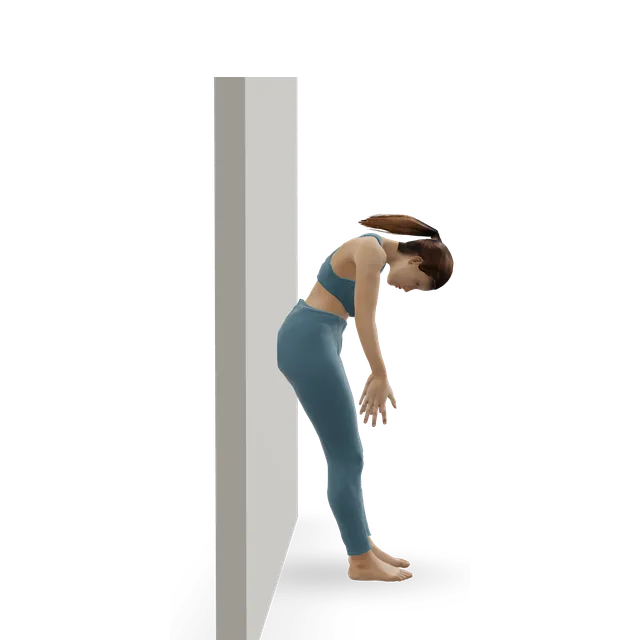
Slow calf raise: 2 sets of 10 to 15, a hand on a wall; tibialis raise: 10 to 15, back against a wall; sit to stand: 10 slow, pushing through your heels; seated calf raise: 15 at a time after sitting a while (all our calf pump routine's doses). When two-leg raises feel easy, the single-leg raise from a step: 1 or 2 sets of 8 to 12 each leg, a hand on a rail (our editorial starting point). Standing march: 1 minute between standing moves, so you don't stand still (our editorial starting point). Wall side leg lift: "10 to 12 each side" (from the move page's dose). Ankle circles: 10 pumps, then "10 slow circles each way with each foot" (from the move page's dose); ankle CARs: "5 slow circles each way with each ankle, morning and evening" (from the move page's dose).
On your back with your legs raised, then on your side
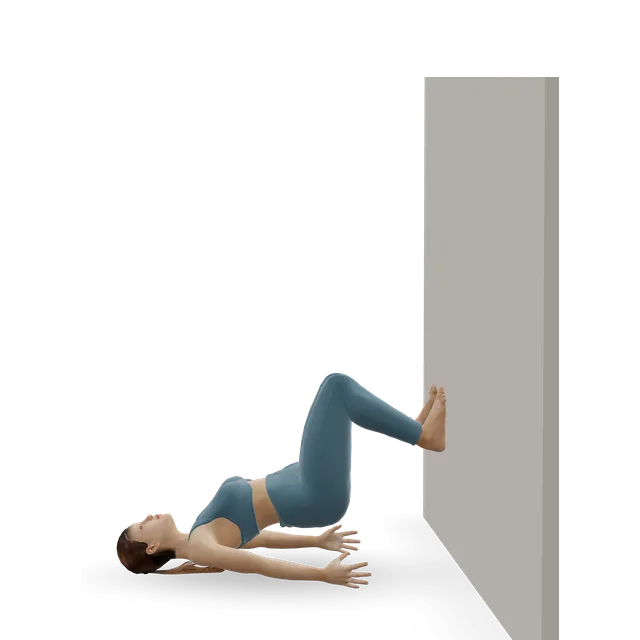
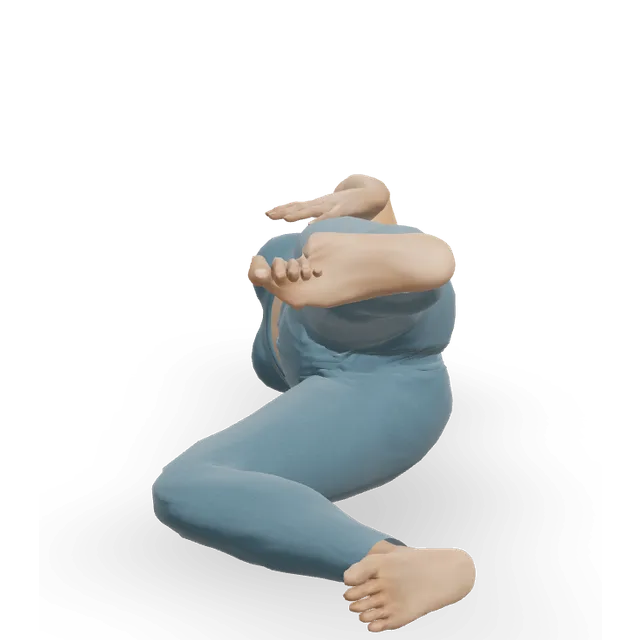
Rest your legs up a wall or on cushions where the move allows. Lateral breathing: "5 to 8 breaths at the start of every session" (from the move page's dose). Heel slide: "10 slow repetitions each side" (from the move page's dose). Wall bridge: "8 to 10 reps" (from the move page's dose), feet on the wall. Single-leg circle: "5 circles each direction, each leg" (from the move page's dose), keeping the circle small. Knee fold: "2 sets of 5 to 10 each side" (from the move page's dose). Glute bridge: 2 sets of 8 (our lipoedema Pilates class's dose). Side kick: "8 to 10 each side" (from the move page's dose). Side-lying leg circles: "8 each direction, each side" (from the move page's dose). Clamshell: 2 sets of 8 each side, a pillow between your knees (our lipoedema Pilates class's dose).
Calf and soleus stretches: about 30 seconds each leg (our editorial starting point, as our exercise for varicose veins guide uses them). Legs up the wall: 3 to 5 minutes, or lie with your legs on cushions (our editorial starting point, the hold our yoga for thyroid guide uses), with the move page's cautions. Slow breathing: 5 breaths with your legs still raised (our editorial starting point, adapted from the move page's dose). Then come up slowly.
Keep them off bulging veins, and never roll a swollen, red or throbbing calf. Squeeze a Pilates ring between your knees or thighs rather than your calves or ankles (our suggestion).
The move page's cautions: from the end of the first trimester of pregnancy, or if lying flat makes you dizzy, prop your upper body on cushions or skip it; with glaucoma, ask your eye doctor first; with high blood pressure that isn't under control, don't raise your hips; with heart failure, or kidney or liver disease that causes fluid build-up, ask your doctor first. Roll to your side to come out.
Legs-overhead moves
The roll-over, jack knife, control balance and boomerang add nothing for your veins, and their own cautions (neck problems, glaucoma, blood pressure that isn't under control, a hip replacement, pregnancy, osteoporosis) still apply. Legs up the wall raises your legs without weight on your neck (our reading).
After vein treatment
Don't roll, kneel or press on treated areas until the wounds have healed (our suggestion). Our exercise for varicose veins guide has the timeline for harder exercise.
Hot classes, compression, rollers and standing still
Compression stockings in class
If a professional has given you stockings and checked your circulation, wear them for Pilates if they're comfortable (our suggestion, as our exercise for varicose veins guide says). The NHS says stockings aren't suitable for everyone, such as people with problems in the arteries, and "it's important to talk to a doctor or pharmacist to make sure you get the right type". In the NHS, they're mainly offered when vein treatment isn't suitable or needed.
The European guideline advises avoiding heat, so skip hot Pilates if your legs ache or swell in the heat (our suggestion). Drink enough too: the NHS says a DVT is more likely if you're dehydrated.
Keep foam rollers, massage guns, cups and deep massage off varicose veins: the NHS advises trying not to injure your legs, to help prevent bleeding. Never roll or massage a calf that's swollen, red or throbbing, because it could be a clot. The European guideline advises avoiding heat, so hot tubs and saunas may make heavy legs feel worse.
Keep Pilates rings, balls and straps off bulging veins too, and don't kneel or press on a sore vein (our suggestion).
After heat treatment or foam injections, you usually go home the same day and can get back to most usual activities straight away, wearing stockings for about a week; after surgery, you may need 1 to 2 weeks off work. Clinics differ on harder exercise, so follow your discharge sheet. Our suggestion for Pilates: gentle mat work once you're walking normally and any wounds have closed, and harder classes once your clinic's wait for strenuous exercise has passed.
Varicose veins are common in pregnancy and often get better after the birth. Compression stockings may help with swelling, and vein procedures usually wait until after the baby is born.
In pregnancy, after the first trimester, keep time flat on your back to a few minutes: prop your upper body up, or use a side-lying or all-fours version.
Side kicks, clams and side-lying leg circles work well, and our Pilates in pregnancy guide covers the rest.
Classes to follow
Our calf-pump Pilates class starts on your feet with heel raises, moves to the mat with your legs raised, and finishes with legs up the wall. No trial has tested it: its order and doses are our editorial choice, from the calf training in small vein trials and our calf pump and lipoedema classes. The calf pump routine is the daily, non-Pilates version. The lipoedema class was written for another condition but suits heavy, aching legs. Wall Pilates adds calf raises and a wall bridge, and the desk movement break suits long days sitting or standing.
The clot, bleeding and GP lines are from our exercise for varicose veins guide and our other Pilates guides, word for word; the line on the NHS's newer DVT risk list is our suggestion. This is general information, not a diagnosis. A&E means accident and emergency; in the US, call 911 for 999, and use your doctor's urgent line or urgent care for NHS 111.
Call 999: a clot in the lungs
Call 999 or go to A&E if breathing suddenly becomes difficult, if pain in your chest or upper back comes on suddenly with breathlessness or a very fast heartbeat, or if someone passes out. Do not drive yourself. It can be a blood clot that has reached the lungs.
Same day (urgent GP appointment or NHS 111): throbbing pain in one leg (rarely both), usually the calf or thigh; swelling in one leg (rarely both); red, blue or darkened skin around the painful area, which may be harder to see on brown or black skin; or swollen veins. This can be a deep vein thrombosis (DVT). It is more likely after surgery, a hospital stay, 3 or more days in bed, a journey of over 4 hours, pregnancy or a recent birth, cancer, a previous clot, or contraception or hormone replacement therapy (HRT) that contains oestrogen.
The NHS's DVT page now also lists having varicose veins, being over 60, smoking and being dehydrated among the things that make a DVT more likely (our suggestion, from that page).
Lie down, raise your leg above the level of your heart, and press firmly on the bleeding point with a bandage or a clean, folded cloth; if blood comes through, put another pad on top. Call 999 or go to A&E if you can't stop the bleeding, or you feel faint or dizzy; one NHS emergency department advises coming back if it hasn't stopped within 10 minutes. Even if it stops, get an urgent GP appointment or call NHS 111: NICE refers bleeding varicose veins to a specialist straight away.
Pain, itching or swelling from your veins, or veins that are getting worse.
Itchy, flaky, darker or hardening skin on your lower leg.
A sore on your leg that hasn't healed after 2 weeks.
Before buying strong compression stockings, especially with leg pain on walking that eases with rest (a sign of narrowed arteries), diabetes with numb feet, or heart failure.
Call 999 or go to A&E (accident and emergency) straight away for severe difficulty breathing (gasping, choking or not able to get words out), a chest that feels tight or heavy, pain that spreads to your arms, back, neck and jaw, lips or skin turning very pale, blue or grey, or sudden confusion. If you're more short of breath than usual, or your heart is racing, fluttering or skipping beats, contact NHS 111.
You feel any pain or become unwell, as the NHS advises for its Pilates videos, and especially for chest pain or pressure, unusual breathlessness, dizziness or fainting. If you have a health problem, an injury or any symptoms, get advice from a healthcare professional, such as a GP, before you start.
The NHS advises getting advice from a healthcare professional first if you have a health problem, an injury or symptoms, or have recently had a heart attack or an operation.
No trial has tested Pilates for them, the evidence that exercise eases symptoms is very low certainty, and in the 6-month calf training trial the leaky valves didn't change. Treatment closes problem veins.
"Pilates causes varicose veins or makes them worse"Mixed evidence
We found no study linking Pilates, or exercise in general, with new or worse varicose veins. Age, family history, a past DVT, a higher body weight and long hours standing at work are what's linked with them, and the NHS recommends regular exercise.
Raising your legs eases aching and speeds blood flow in the skin while they're up, but the veins fill again when you stand. It's comfort, not treatment.
"You need compression stockings before you can do Pilates"Mixed evidence
In the NHS, stockings are offered mainly when vein treatment isn't suitable or needed, and they aren't suitable for everyone, such as people with narrowed leg arteries. If you've been given them, wear them in class if they're comfortable (our suggestion).
It's a good way to stay active with them, and the NHS recommends regular exercise to improve blood flow. No study has tested Pilates for varicose veins, so add what the evidence backs: walking and calf raises, which work the calf muscle pump. Pilates won't make the veins disappear.
Is Pilates bad for varicose veins, or can it cause them?
We found no study showing that Pilates or exercise causes varicose veins or makes them worse. Age, family history, a past blood clot, a higher body weight and long hours standing at work are what's linked with them.
Is reformer Pilates good for varicose veins?
It can be: reformer footwork works the calves against springs, and lying leg work raises your legs (our reading). No study has compared the reformer with mat Pilates for veins.
Which Pilates exercises help varicose veins?
Moves that work your calves and ankles, such as heel raises and ankle circles, and lying leg work with your legs raised, such as heel slides, small leg circles and a bridge with your feet on the wall. Finish with your legs up the wall for a few minutes. Our 25-minute calf-pump class puts them together.
Is Pilates good for circulation in the legs?
Mat Pilates mostly works your trunk and hips, so on its own it does little for the calf muscle pump that moves blood up your legs. Add standing heel raises and walking, and use lying moves that raise your legs. Our yoga for circulation guide covers the wider picture.
Does Pilates help spider veins?
Spider veins are usually harmless, and exercise won't remove them. Pilates is fine to do with them.
Should I do legs up the wall with varicose veins?
It can ease aching: the NHS advises putting your legs up when you can, and raising the legs speeds blood flow in the skin while they're up. Prop up or skip it if lying flat makes you dizzy or you're in later pregnancy, ask your eye doctor first with glaucoma, and don't raise your hips with high blood pressure that isn't under control.
Can I do hot Pilates with varicose veins?
European vascular surgeons advise avoiding heat, so skip hot classes if your legs ache or swell in the heat (our suggestion). Drink enough too: the NHS says a blood clot in the leg is more likely if you're dehydrated.
Should I wear compression stockings to Pilates?
If a professional has given you stockings and checked your circulation, wear them if they're comfortable (our suggestion). They aren't safe for everyone, such as people with narrowed leg arteries, so get advice before buying strong ones.
How often should I do Pilates for varicose veins?
Our suggestion is 2 or 3 times a week, with walking on most days, heel raises on 3 or 4 days and ankle pumps whenever you've sat or stood for a while. No trial has tested a Pilates dose for veins, so build up from what feels comfortable.
When can I do Pilates after vein treatment?
Walk the same day; after heat treatment or foam injections, most people go back to their usual activities straight away. Clinics differ on harder exercise, so follow your discharge sheet, and don't roll, kneel or press on treated areas until they've healed.
When is a painful leg an emergency?
Throbbing pain and swelling in one leg, or a vein that turns hard, red, warm and sore, needs a same-day check. Leg pain or swelling with sudden breathlessness or chest pain means call 999. A bleeding vein needs firm pressure, your leg raised and urgent help.
Exercise education, not a personal prescription, and clinical review of these guides is pending. If you are pregnant, have a health condition or have had recent surgery, check with a doctor, midwife or physiotherapist before starting, and stop for sharp or increasing pain. Health disclaimer.