Yoga for varicose veins: the calf pump, legs up, what to change, and what the evidence shows
Yoga can't get rid of varicose veins, and no study shows headstands or shoulder stands help them. In two small trials, yoga eased aching and heaviness a little without changing swelling or the veins themselves.
What matters is your calf muscle pump. Standing still, the pressure in the veins of your foot is 80 to 90 mmHg (millimetres of mercury); walking or rising onto your toes brings it down to 20 to 30. So the poses that help are the ones that make your calves work, with walking on most days and a rest with your legs raised.
This guide covers the calf-pump poses and a free legs-first class, legs up the wall and how much it does, standing still and long holds, compression and treatment, hot yoga, pregnancy, and the warning signs: a vein that bleeds, a hot, red, painful leg, and leg pain with breathlessness or chest pain.
In the Edinburgh Vein Study, about a third of adults aged 18 to 64 had varicose veins in the main leg veins (40% of men, 32% of women). The NHS (National Health Service): "The symptoms may be worse after standing for a long time, and may get better when you rest with your legs up."
The European vascular surgeons' guideline: standing still, the pressure in a foot vein is 80 to 90 mmHg; "with activation of the calf muscle pump as during tip toe exercise or walking" it falls to 20 to 30 mmHg. The poses that matter make your calves work.
Yoga may ease aching a little; it doesn't remove the veins
In 100 male factory workers in India, 12 weeks of yoga improved symptom scores against lifestyle advice, but not ankle or calf swelling. In 46 people with varicose veins, a month of yoga combined with naturopathy eased symptoms, and so did passive stretching in the comparison group. Both trials were small, and neither shows yoga changes the veins.
The NHS: "exercise regularly, such as running or walking, to improve blood flow". NICE (the National Institute for Health and Care Excellence) advises "light to moderate physical activity", and the European guideline says exercise "should be considered". A Cochrane review found 5 small trials and rated the evidence very low certainty.
Fifteen minutes with the legs raised shrank the calves by only a few millimetres, least with the legs up a wall. No study has tested headstands or shoulder stands for varicose veins, and they bring their own risks with glaucoma and high blood pressure.
If your veins bother you, a specialist can offer treatment (usually heat treatment inside the vein, foam or surgery). In the NHS, compression stockings are offered only if procedures aren't suitable or not needed. A bleeding vein, a hot, red, painful leg, or leg pain with breathlessness needs help: see the warning signs below.
"Varicose veins happen when the valves that control the flow of blood in your vein do not work properly." Blood flows back and pools, raising the pressure in the vein. Spider (thread) veins are small and usually harmless.
Aching, heaviness, itching, swollen ankles and colour changes, usually worse after standing. NHS inform, Scotland's NHS information service, says symptoms are "usually worse during warm weather or if you've been standing up for long periods of time".
"Varicose veins may get worse without treatment, but this usually happens very slowly over several years." In Edinburgh, over 13 years, 57.8% of people with varicose veins or venous insufficiency got worse, and about a third of those with varicose veins alone developed skin changes.
The NHS lists spending a lot of time standing or sitting, and being pregnant, among the things that make them more likely; the Circulation Foundation adds "aging, standing for long periods of time, obesity, and leg injury". In 5,647 Danish workers followed for 12 years, jobs with standing or walking for at least three-quarters of the day went with 1.78 times the risk of hospital treatment for varicose veins.
NICE recommends treating veins that cause symptoms with heat treatment inside the vein (endothermal ablation) first, then foam injections, then surgery, and says: "Do not offer compression hosiery to treat varicose veins unless interventional treatment is unsuitable." "Treatment to improve how varicose veins look is not usually available on the NHS if they're not causing any other problems."
Standing poses work your thighs and calves, but long still holds keep you in the high-pressure standing position. Heel raises, stepping and lunges with the back heel lifted work the calf pump; legs-up poses raise the legs; hot rooms add heat, which the European guideline's lifestyle advice says to avoid; and inversions add head-down risks without any vein evidence. Our yoga for circulation class is built around this.
Leg veins have one-way valves. When your calf muscles squeeze, as you walk or rise onto your toes, they push blood back up towards your heart, and the pressure in the foot veins falls from 80 to 90 mmHg standing still to 20 to 30. When the valves leak or the pump is weak, the pressure stays high, which drives swelling and skin changes.
Moving your ankles moves the bloodEmerging evidence
In 20 healthy young men, the peak speed of blood in the main thigh vein was 10.1 cm (centimetres) a second at rest, 15.5 with deep breathing, 20.7 with ankle exercise and 26.5 with both. Breathe slowly while you pump your ankles.
Calf training improves the pump, not the valvesEmerging evidence
In 31 people with skin changes or ulcers from vein disease, 6 months of calf strengthening brought calf pump measurements back to a normal range, but leaking in the veins was unchanged, and symptom and quality of life scores didn't change.
Both yoga trials are small, single-centre and from India, and neither shows yoga changes the veins. Treatment is what closes varicose veins.
Yoga in 100 industrial workersMixed evidence
Men from machinery factories in Bangalore with chronic venous insufficiency did a yoga module 6 days a week for 12 weeks, or got lifestyle suggestions; 88 finished. The main outcome was a blood marker (homocysteine); symptom and fatigue scores improved more with yoga, but ankle and calf size didn't. The abstract, which is all we could read, doesn't report blinding, and gives no figures for the difference in symptoms, only that effect sizes were moderate to high.
A month of yoga (including legs up the wall and shoulder stand) combined with massage, mud packs and enemas was compared with passive stretching. Symptom scores fell in both groups over 4 months, and on our reading of its tables there was no clear difference between them: the paper only tested blood markers between the groups. Yoga can't be separated from the naturopathy.
Our PubMed search found 9 records. Besides the two trials, there is a study of 30 people practising a Siddha yoga routine with no comparison group, and a machine-learning paper that isn't a trial. No study has tested headstands, shoulder stands or legs up the wall as a treatment for varicose veins.
Whether exercise eases symptoms is uncertainMixed evidence
A Cochrane review found 5 trials with 146 people, too different to combine, and rated the evidence on every outcome very low certainty. "No included studies reported the incidence of venous leg ulcers."
The European vascular surgeons: "For patients with symptomatic chronic venous disease, exercise should be considered to reduce venous symptoms." They add that "the indirect evidence for the benefit of exercise on venous function is considerable". The NHS and NICE include exercise too.
Compression: for some people, from a specialistStrong evidence
A Cochrane review of 13 trials (1,021 people) found the evidence for stockings as the only first treatment "low to very low" certainty. In the NHS, "You'll only be offered compression stockings for varicose veins if procedures or surgery are not suitable for you, or if you do not need other treatments." They aren't suitable if the arteries in your legs are narrowed.
Sitting: ankle pumps, 10 pumps then 5 circles each way, each foot, breathing slowly (adapted from the move page's dose of 10 slow circles each way); seated calf raises: 15; seated march: 1 minute. Standing: slow calf raises, 2 sets of 10 to 15, holding a worktop or chair; toe raises: 10 to 15, back against a wall; standing march: 1 minute (all from our yoga for circulation class).
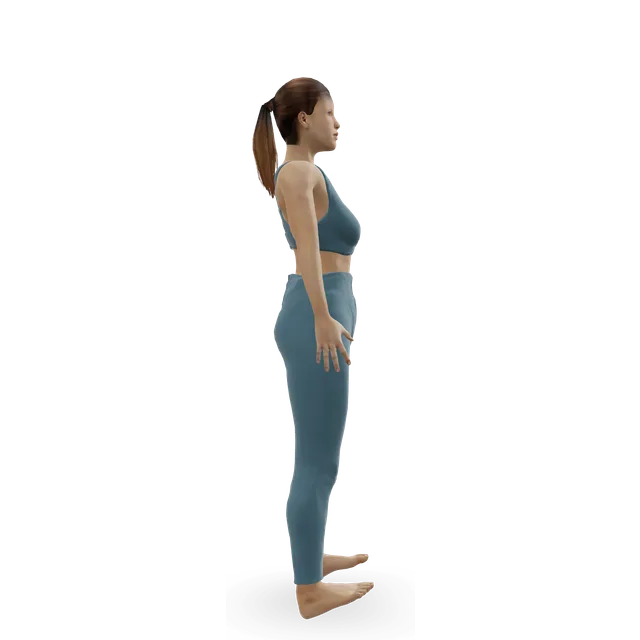
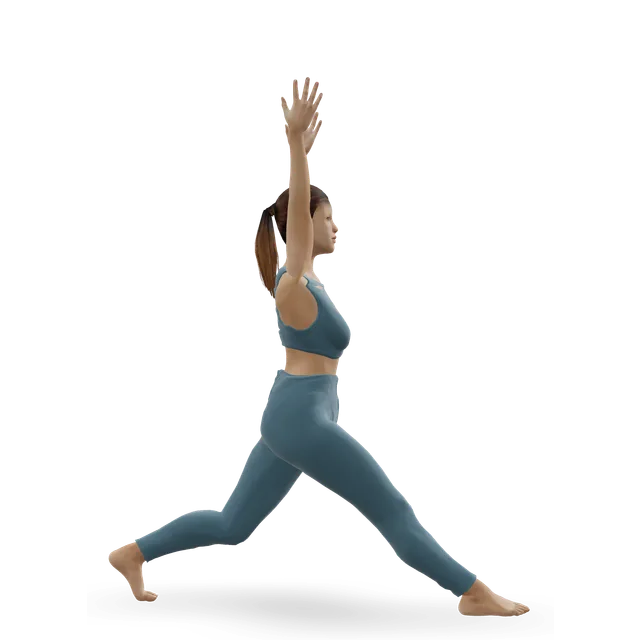
Mountain pose: 5 slow breaths, a hand on the wall if you feel light-headed; chair pose: 3 holds of 20 to 30 seconds; warrior II: 5 breaths each side; high lunge: 5 breaths each side with the back heel lifted, so your back calf works; tree pose: 30 seconds each side, fingertips on a wall (all from our yoga for circulation class). Rise onto your toes or step between poses rather than standing still for long (our suggestion). Walk on most days too, building towards 150 minutes a week.
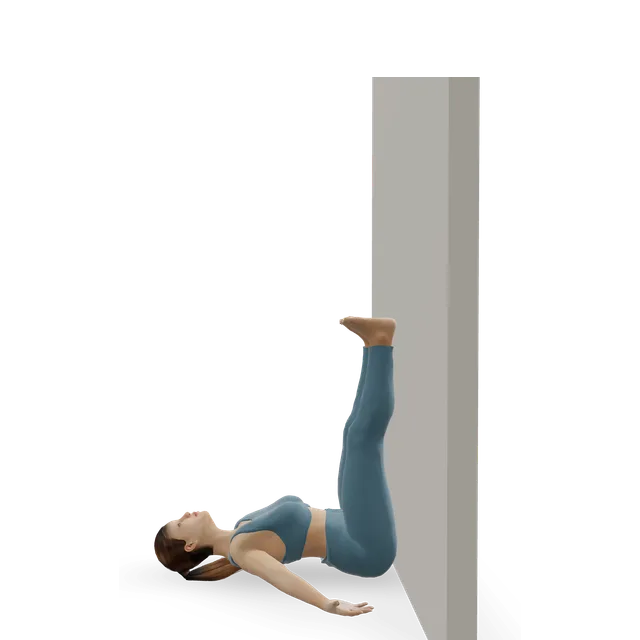
In 9 young women, 15 minutes with the legs raised shrank the calves by 5.4 mm with the calves on a ball, 4.6 mm lying flat and 3.1 mm with the legs up a wall, which was also the least comfortable. The European guideline: "Leg elevation and the use of insoles to improve the foot muscle pump may be beneficial but most studies are small."
"put your legs up when possible, for example, lie down with your legs on cushions". Resting your calves on a chair seat or cushions does the job without going upside down.
With glaucoma, skip it or ask your eye team first: eye pressure rises a little in the pose. With high blood pressure that isn't under control, keep your hips on the floor. With heart failure, or kidney or liver disease that causes fluid build-up, ask your doctor first. In later pregnancy, prop your upper body up or skip it.
Stretch and rest with your legs up
Wall calf stretch: 30 seconds each leg. Legs up the wall: 3 minutes, or rest your calves on a chair seat or cushions, breathing slowly (both from our yoga for circulation class); come out slowly, rolling to your side. Slow breathing: at least 5 minutes, done regularly (from the move page's dose); pair a few slow breaths with ankle pumps.
No study has tested them for varicose veins, though pages recommend them. They aren't needed: legs up the wall or calves on a chair raise your legs without the head-down load.
With glaucoma, or high blood pressure that isn't under control, skip headstands, shoulder stands and long head-down holds. With osteoporosis, swap deep forward folds for a flat-back hinge from the hips, and twist smoothly. In pregnancy, our yoga in pregnancy guide covers the changes. NCCIH advises beginners to avoid headstands, shoulder stands, the lotus position and forceful breathing.
Standing still keeps the pressure in your foot veins high, and the NHS says "do not stand for long periods". Keep standing holds short, or keep your calves working by lifting your heels or stepping between poses (our suggestion).
No study has tested it, but the European guideline's lifestyle advice includes "avoiding heat exposure", and NHS inform says symptoms are usually worse in warm weather. We'd choose a room at normal temperature (our suggestion).
Keep foam rollers, massage guns, cups and deep massage off varicose veins: the NHS advises trying not to injure your legs, to help prevent bleeding. Never roll or massage a calf that's swollen, red or throbbing, because it could be a clot. The European guideline advises avoiding heat, so hot tubs and saunas may make heavy legs feel worse.
You can say no to any hands-on adjustment, and a teacher registered with Yoga Alliance must get your explicit consent each time.
Modify or avoid exercises that round your back deeply or repeatedly, especially with a weight: sit-ups, toe touches, Pilates roll-downs and curl-ups, and extreme yoga forward folds. Bend from the hips instead. You do not need to avoid bending, twisting or lifting altogether: move smoothly and keep your upper back straight.
Twisting should be safe if you do it smoothly and comfortably. Slow down and shorten fast or forceful twists, and leave out the added weight.
Standing all day, compression and treatment
At work
Long hours standing are linked with varicose veins. Shift your weight, rise onto your toes every so often, and take a short walk or a calf pump break every 30 to 60 minutes (our suggestion, as in our varicose veins exercise guide). The NHS: "do not sit for long periods, unless your feet are raised".
"Compression stockings work by putting pressure on your lower legs. This improves your blood flow and can help with swelling and pain." "They're not suitable if you have problems with blood flow in your arteries. A specialist can check for this." Wear stockings for yoga only if a professional has fitted them (our suggestion).
Walk the same day and often, and follow your clinic's sheet on when to go back to harder exercise and yoga; NICE says compression after treatment should be worn for no more than 7 days. Our varicose veins exercise guide covers each treatment.
Varicose veins are common in pregnancy. Compression stockings can help with leg swelling, procedures usually wait until after the birth, and veins often get better or go away after your baby is born. The usual advice to stay active applies: our pregnancy guide has the details. Pain and swelling in one leg needs a same-day check: call your maternity unit, an urgent GP appointment or NHS 111.
From the end of the first trimester, keep time flat on your back short, as our yoga in pregnancy guide explains.
Our yoga for circulation class is the best single fit: a 20-minute legs-first class with no head-down poses, starting with calf pump work. Do it 2 or 3 times a week and walk on most other days (our editorial starting point). The calf pump routine is the shorter version with a walk; the desk break suits long days sitting or standing.
These are the warning signs from our yoga for circulation and varicose veins exercise guides and our yoga guides, word for word, apart from the lines given as the health service's words or marked as our suggestion. This is general information, not a diagnosis. A&E means accident and emergency; in the US, call 911 for 999.
Call 999: a clot that may have reached the lungs
Leg pain or swelling with breathlessness or chest pain, or swollen legs with a tight, heavy or painful chest or coughing up blood: it can be a blood clot that has reached the lungs.
"Call 999 or go to A&E if:" "You have symptoms of DVT (deep vein thrombosis), such as pain and swelling, and:" "feel short of breath" or "have chest pain".
Same day (urgent GP appointment or NHS 111): throbbing pain in one leg (rarely both), usually the calf or thigh; swelling in one leg (rarely both); red, blue or darkened skin around the painful area, which may be harder to see on brown or black skin; or swollen veins. This can be a deep vein thrombosis (DVT). It is more likely after surgery, a hospital stay, 3 or more days in bed, a journey of over 4 hours, pregnancy or a recent birth, cancer, a previous clot, or oestrogen-containing contraception or HRT.
A varicose vein that bleeds: ask for an urgent GP appointment or call NHS 111. Our varicose veins guide has what to do while you wait.
Lie down, raise your leg above the level of your heart, and press firmly on the bleeding point with a bandage or a clean, folded cloth; if blood comes through, put another pad on top. Call 999 or go to A&E if you can't stop the bleeding, or you feel faint or dizzy; one NHS emergency department advises coming back if it hasn't stopped within 10 minutes. Even if it stops, get an urgent GP appointment or call NHS 111: NICE refers bleeding varicose veins to a specialist straight away.
In the NHS's words: "Ask for an urgent GP appointment or get help from NHS 111 if:" "you have varicose veins that are bleeding". NICE: "Refer people with bleeding varicose veins to a vascular service immediately."
Pain, itching or swelling from your veins, or veins that are getting worse.
Itchy, flaky, darker or hardening skin on your lower leg.
A sore on your leg that hasn't healed after 2 weeks.
Before buying strong compression stockings, especially with leg pain on walking that eases with rest (a sign of narrowed arteries), diabetes with numb feet, or heart failure.
If calf pain on walking or standing comes on during a class, rest until it goes, as in walk-rest-walk. Come out of kneeling poses at once if your feet go numb or tingle. Come up slowly from lying and from legs up the wall: roll to your side and sit for a moment. Stop for chest pain, unusual breathlessness or dizziness.
Breathlessness
Call 999 or go to A&E (accident and emergency) straight away for severe difficulty breathing (gasping, choking or not able to get words out), a chest that feels tight or heavy, pain that spreads to your arms, back, neck and jaw, lips or skin turning very pale, blue or grey, or sudden confusion. If you're more short of breath than usual, or your heart is racing, fluttering or skipping beats, contact NHS 111.
A joint pain that is sharp, gets worse during a session, lingers into the next day or changes how you move is a reason to use an easier version, and to see a GP or physiotherapist if it keeps happening (the rule in our plans). Muscle soreness for a day or two after something new is normal. In a hot class, stop if you feel dizzy, sick or unwell; our hot yoga guide lists the signs of heat illness.
Before you start
The NHS advises getting advice from a healthcare professional first if you have a health problem, an injury or symptoms, or have recently had a heart attack or an operation.
"Inversions flush stagnant blood from your legs"Mixed evidence
Blood flow follows what your muscles need, and it's the calf pump, working as you walk or rise onto your toes, that lowers the pressure in your leg veins. Our yoga for circulation guide grades this myth the same way.
They're usually harmless, but over 13 years more than half got worse, and about a third with varicose veins alone developed skin changes. Aching, swelling or skin changes are worth showing a GP.
No. In two small trials, yoga eased aching but didn't change swelling or the veins, and treatment is what closes them. Yoga is a way to keep your calves working and rest your legs.
What are the best yoga poses for varicose veins?
The ones that work your calves: heel raises, chair pose, warrior II, and a high lunge with the back heel lifted, plus ankle pumps and a rest with your legs raised. Walking matters more than any pose.
Is legs up the wall good for varicose veins?
It's a restful way to ease heavy legs a little: calves shrank by about 3 mm in 15 minutes, and resting them on a ball did more. Skip it with glaucoma, keep your hips down with high blood pressure that isn't controlled, and come out slowly.
Are inversions like headstand good for varicose veins?
No study shows it, and they bring risks with glaucoma, high blood pressure and neck problems. Legs up the wall or your calves on a chair raise your legs without going upside down.
Is hot yoga bad for varicose veins?
No study has tested it, but the European vascular surgeons' advice includes avoiding heat, and symptoms are often worse in warm weather. A room at normal temperature is our suggestion.
Is yoga good or bad for varicose veins?
Good, if it works your calves and keeps you moving: we found no study showing yoga or exercise makes varicose veins worse. Keep long standing holds short, skip inversions and very hot rooms, and keep props and hands off the veins.
Can yoga prevent varicose veins?
No study shows it. Age, a family history, pregnancy, being overweight and long hours standing still are the known links, so breaking up long standing and keeping your calves moving is sensible.
Should I wear compression stockings for yoga?
Only if a professional has fitted them and checked your circulation. In the NHS they're offered when procedures aren't suitable or needed, and they're not suitable if the arteries in your legs are narrowed.
Can I do yoga with varicose veins in pregnancy?
Yes: staying active is the usual advice, and veins often get better after the birth. Keep time flat on your back short later in pregnancy, and get same-day help for pain and swelling in one leg.
What should I do if a varicose vein bleeds?
Lie down, raise your leg above your heart and press firmly on it; call 999 if it won't stop or you feel faint. Even if it stops, get an urgent GP appointment or call NHS 111.
Can yoga help spider veins?
No study has tested it. Spider veins are usually harmless; the same calf work and leg raising may ease any aching.
Exercise education, not a personal prescription, and clinical review of these guides is pending. If you are pregnant, have a health condition such as glaucoma, high blood pressure or osteoporosis, or have had recent surgery, check with a doctor, midwife or physiotherapist before starting, and stop for sharp or increasing pain. Health disclaimer.