Pilates guide

Pilates for lymphoedema (lymphedema): is it safe, what the evidence shows, compression, arms and legs, and a 25-minute class

Pilates is safe with lymphoedema (lymphedema in the US), or if you're at risk of it after cancer treatment: the National Institute for Health and Care Excellence (NICE) says physical activity doesn't cause or worsen it, and slowly built-up weight lifting didn't increase arm swelling in trials. The small Pilates trials, mostly in women after breast cancer, disagree on whether Pilates changes swelling, and they were short and at high risk of bias, so expect better strength, movement and comfort rather than a smaller limb.

Pilates sits beside compression, skin care and your lymphoedema team, never in place of them.

This guide covers what lymphoedema is and how lymph moves, what the trials show, compression during exercise, how to build up your arm or leg the way the Physical Activity and Lymphedema (PAL) trial did, which Pilates moves to change, leg lymphoedema, the "lymphatic drainage" claims, cellulitis and clots, and a 25-minute moving class with arm and leg options.

The short version

Pilates is safe

NICE says "there is no indication that physical activity causes, or worsens, lymphoedema". In the PAL trials, slowly built-up weight lifting didn't increase arm swelling in women who had lymphoedema, and didn't bring it on in women at risk.

Sources 1, 2, 3

The UK lymphoedema bodies name Pilates

The British Lymphology Society recommends "Yoga and pilates" wherever your swelling is, and Cancer Research UK lists Pilates among good activities. Tell your teacher about your lymphoedema.

Sources 4, 5

Expect strength and comfort more than a smaller limb

The small Pilates trials disagree on whether it changes swelling, and a 2026 overview calls the evidence "very uncertain". Compression is the first treatment for the swelling itself.

Sources 6, 7, 8, 1

Keep it moving, and build up slowly

Macmillan advises swapping planks and other long holds for moving exercises. Build up the affected arm or leg the PAL way: start very light, and add a little each week only if the limb doesn't change.

Sources 9, 10

Wear your garment if you have one

The British Lymphology Society says it's "generally best" to wear a prescribed garment for activity, though trials found exercising without one didn't worsen swelling, so it's partly your choice.

Sources 4, 11, 12

Know cellulitis and clot signs

Skin that is painful, hot and swollen can be cellulitis: ask for an urgent GP appointment or get help from NHS 111. The full list, including clots and new swelling after cancer treatment, is below.

Sources 13, 14

What lymphoedema is

Long-term swelling

"A long-term (chronic) condition that causes swelling in the body's tissues", usually in an arm or leg, the NHS says. At first the swelling may be soft, leave a dent when pressed, and come and go, worse at the end of the day; other signs are an aching, heavy feeling, difficulty moving, repeated skin infections, and hard or thickened skin. Breast Cancer Now says early swelling can be worse "after strenuous activities or in hot weather".

Sources 15, 16

Primary and secondary

Primary lymphoedema comes from faulty genes. Secondary lymphoedema follows cancer treatment, infection, injury, inflammation or a lack of limb movement. After cancer, there's a particular risk wherever lymph glands are removed, such as for breast, head and neck, skin (melanoma), gynaecological, prostate and penile cancers, and lymphoma. More than 200,000 people in the UK are thought to have it.

Source 15

How common it is after cancerStrong evidence

About 1 in 5 women develop arm lymphoedema after breast cancer, about four times more often after removal of the armpit lymph nodes than after a sentinel node biopsy. After gynaecological cancer, 37% to 45% of women had new leg lymphoedema within 2 years.

Sources 17, 18

How lymph moves

"The lymphatic system has no central pump, such as the heart", the NHS says: it relies on the massaging effect of the muscles around its vessels, which is why exercise matters. Deep breathing changes the pressure in your tummy and chest, which "encourages lymph to flow back into the blood system", Cancer Research UK says, and the British Lymphology Society says breathing exercises "may be as important as limb exercises".

Sources 15, 5, 4

Treatment

The recommended treatment is decongestive lymphatic therapy: compression, skin care, exercise and specialist massage, first intensively, then as a daily routine. After breast cancer, NICE recommends compression as the first stage. Losing weight, if you're overweight, can help the swelling.

Sources 15, 1, 11

Where Pilates fits

As muscle-pump exercise, breathing and strength built up slowly, as part of the whole-body activity the lymphoedema bodies recommend. It doesn't replace compression, skin care or your lymphoedema team.

Sources 4, 5

What the evidence says

Activity doesn't cause or worsen lymphoedemaStrong evidence

NICE (2025) tells people at risk after breast cancer that "there is no indication that physical activity causes, or worsens, lymphoedema", and asks staff to reassure people who have it that there's no evidence that activity, including arm exercise, will make it worse. Across 36 studies, exercise didn't worsen swelling and improved pain, function, strength, tiredness and quality of life. A 2026 review of 17 studies found exercise lowered the chance of developing lymphoedema by about 30%, at low certainty.

Sources 1, 19, 20

What the weight-training trials found about safetyStrong evidence

In the PAL trial, 141 women with arm lymphoedema lifted weights, built up slowly, twice a week for a year in a fitted garment: 11% had a rise in swelling of 5% or more, against 12% of the comparison group, and flare-ups were less common (14% against 29%). In 154 women at risk, new lymphoedema developed in 11% of the lifters and 17% of the others. In another trial of 62 women, heavier weights caused no flare-ups.

Sources 2, 3, 21

Pilates and swelling: the small trials disagreeMixed evidence

In 60 women with arm lymphoedema, 8 weeks of supervised clinical Pilates reduced limb size more than a home exercise programme done alone; a preprint of 28 women and a Korean trial of 20 women using reformer and other equipment also reported less swelling. But in 69 women after breast surgery, 16 weeks of mat Pilates didn't change arm volume; in 68 women, water exercise reduced forearm and hand swelling slightly more than Pilates; and in a 15-woman study with no comparison group, arm volume went up. The trials were small and short, most compared supervised Pilates with unsupervised home exercise, and a 2026 overview rates the Pilates evidence "very uncertain".

Sources 6, 22, 23, 7, 24, 25, 8

Pilates for movement, strength and comfortEmerging evidence

In the trials, Pilates improved shoulder movement, strength, arm function and quality of life after breast cancer, about as much as other exercise. Added to decongestive therapy in 30 women, it improved fitness but not the feeling of heaviness. The gains faded within 6 to 12 months after classes stopped.

Sources 6, 7, 26, 27

No serious harm reported, but poorly recordedMixed evidence

A 2026 preprint review of 4 Pilates trials (353 women) found no serious adverse events, and a 14-woman home Pilates pilot reported none. The 2026 overview warns that "the absence of reported harm should not be interpreted as definitive evidence of safety".

Sources 28, 8, 29

Exercise barely shrinks established swellingStrong evidence

Across the reviews, swelling hardly changed with exercise while strength improved, by about 9 kg in the upper body and 23 kg in the lower body in pooled strength-training studies. Compression carries the evidence for the swelling itself.

Sources 19, 30, 1

Leg lymphoedema: little evidenceMixed evidence

We found no Pilates trial in leg lymphoedema. In 12 studies of exercise for leg lymphoedema (367 people), the benefits were small and the studies at high risk of bias. After gynaecological cancer, exercise didn't clearly change leg volume, and "the only complication" was cellulitis. Adding 4 weeks of exercise to decongestive therapy improved strength without increasing swelling in 40 women, but in a 10-person weight-lifting pilot, 2 people had cellulitis in the first 2 months.

Sources 31, 32, 33, 34, 35

After breast cancer surgeryStrong evidence

In UK PROSPER (392 women at high risk), physiotherapy-led exercise from 7 to 10 days after surgery, with bands from a month, improved arm function at a year with "No increase in complications, lymphoedema, or adverse events". Teams pace overhead arm work in the first week, and NICE asks breast units to teach arm exercises before treatment.

Sources 36, 37, 1

Compression and exercise

What the trials foundEmerging evidence

In 25 women, an upper-body strength session without compression didn't worsen swelling compared with the same session in a garment, and in a 12-week trial of 41 women, wearing one made no difference. In 31 women, the arm swelled a little straight after light exercise with or without a sleeve, and was back to normal within 24 hours.

Sources 12, 38, 39

What the guidance says

The British Lymphology Society says it's "generally best" to wear a prescribed garment for activity, though some people manage with less; the Lymphoedema Support Network says always wear it. The International Society of Lymphology and an international exercise roundtable say no benefit or harm has been shown, so it's an individual decision.

Sources 4, 40, 11, 41

Our suggestion

Wear your garment for Pilates if you've been given one, unless your lymphoedema team says otherwise. You don't need it in the pool.

Sources 4, 40

Building up the PAL way

How the PAL trial did it

Arm exercises "started with no weight or one pound weights", and if there were no changes in symptoms by the next week, the weight went up by half a pound to a pound. If symptoms appeared or worsened, that exercise was skipped or done lighter until they settled, and after 2 or more missed sessions people dropped back. The first 13 weeks were supervised. Each session also included 5 to 15 minutes of deep tummy and back muscle work.

Sources 10, 3

For Pilates

Use the same rule for bands, springs, hand weights and weight on your hands: start with 1 set of 8 to 10 at the lightest setting, and add a set, or a slightly stronger band or spring, only after a week or two with no change in your limb (our suggestion, from the PAL protocol). Build up the affected arm or leg slowly, as Macmillan advises.

Sources 10, 9

Watch your limb

If it "swells, aches, feels hotter or takes longer to recover than the other limbs afterwards", the Lymphoedema Support Network says, adapt or reduce what you're doing. The British Lymphology Society says swelling may look worse for a short while after activity, but should settle; if it doesn't, do less and ask your therapist.

Sources 40, 4

Aim for the whole week

The International Society of Lymphology suggests working towards at least 150 minutes a week of moderate, mixed aerobic and strength activity. Pilates is one part of that; add walking, cycling or swimming.

Source 11

Building up an arm exercise, step by step

Our suggestion, from the PAL trial's protocol (Schmitz 2009), which started with no weight or one-pound weights and added a little each week only if symptoms didn't change.

  1. Choose one move, such as the band row, and start with the lightest band or none: 1 set of 8 to 10, slowly.
  2. Wear your compression garment if you've been given one.
  3. Check your arm that evening and the next day: is it more swollen, aching, hotter or slower to settle than usual?
  4. If nothing has changed after a week, add a second set, then later a slightly stronger band.
  5. If it has changed, skip that move or go lighter until your arm settles, then build up again more slowly.
  6. After a break of a week or more, drop back a step.

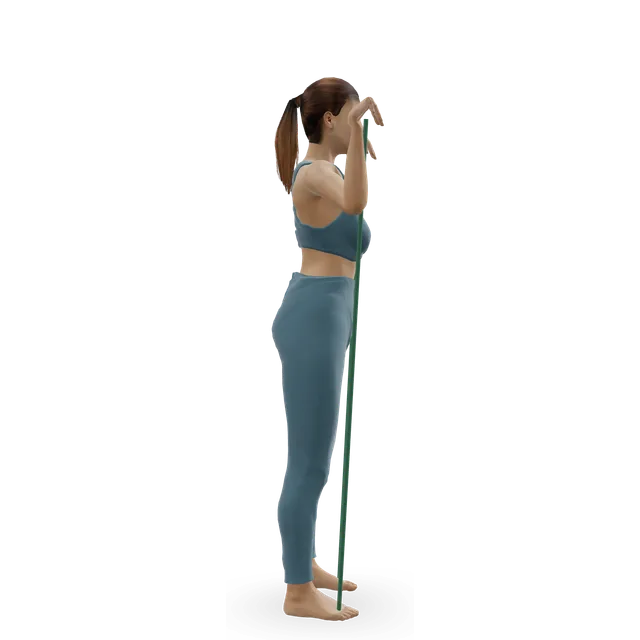
See the movement on the 3D figure: Band row

Leg lymphoedema

Who gets it

Leg swelling can follow treatment for gynaecological, prostate and penile cancer, melanoma and lymphoma. Too little activity was one of the risk factors after gynaecological cancer.

Sources 15, 18

What to do

Use the leg moves below, especially ankle pumps and knee folds, and rest with your legs raised. Cancer Research UK suggests leg exercises "at least twice a day" and not sitting with your legs down. There's no Pilates trial in leg lymphoedema, so build up slowly.

Sources 15, 4, 5, 32

Look after your skin and feet

Cellulitis was the main problem in leg exercise studies, so check your skin, avoid straps or bands that dig in, and keep the skin moisturised and protected, as your team advises.

Sources 33, 35, 15

"Lymphatic drainage" Pilates, water retention and lipoedema

Any movement helps lymph move

Muscles squeeze the lymph vessels, and breathing changes the pressure in your chest, so walking, Pilates and other movement all help lymph flow. No study shows a Pilates routine sold for "lymphatic drainage" drains lymph better than walking, and none has measured "toxins".

Sources 15, 5

Puffiness and water retention

Swelling has other causes besides lymphoedema. See a GP about "Swollen legs, ankles or feet that haven't improved after a few days, or symptoms of lipoedema." Our yoga for lymphatic drainage and lymphatic drainage massage guides cover the claims in more detail.

Source 15

Lipoedema is different

Lipoedema is a build-up of fat, usually equal on both sides, that spares the feet. Pilates can be part of the exercise that helps; our exercise for lipoedema guide covers it.

After breast cancer surgery

Your team's arm exercises first

Arm exercises usually start soon after surgery, "ideally the day after your surgery", Breast Cancer Now says, and NICE asks breast units to teach them. Start Pilates once that early programme is done and your wounds have healed, as our Pilates for cancer guide says, which also covers the shoulder and arm after breast cancer.

Sources 42, 1

Carrying on with activity

"It's usually possible to carry on doing any exercise or sporting activities you did before your surgery", Breast Cancer Now says; take up anything new gradually, and stop if you notice swelling.

Source 16

Breathe first

Slow breathing, 5 breaths at the start and end (our lymphoedema exercises routine); lateral breathing, 5 to 8 breaths at the start of every session; breath reach, 5 breaths, exhale longer than inhale (the moves' pages).

Arm work, built up slowly

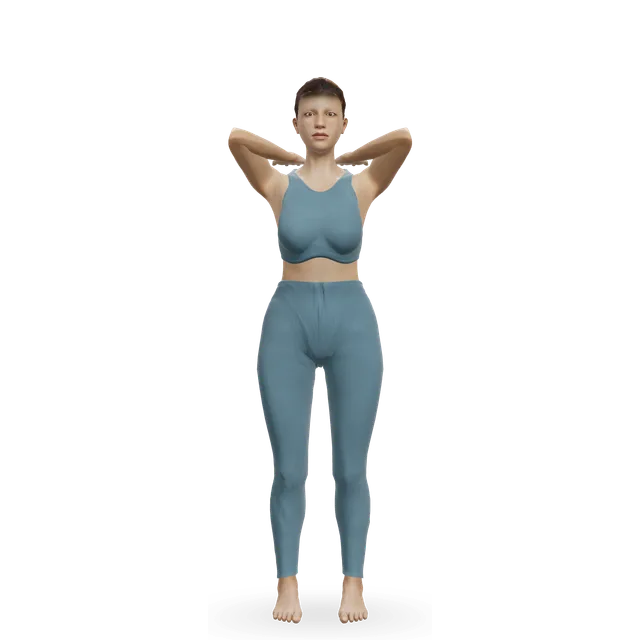
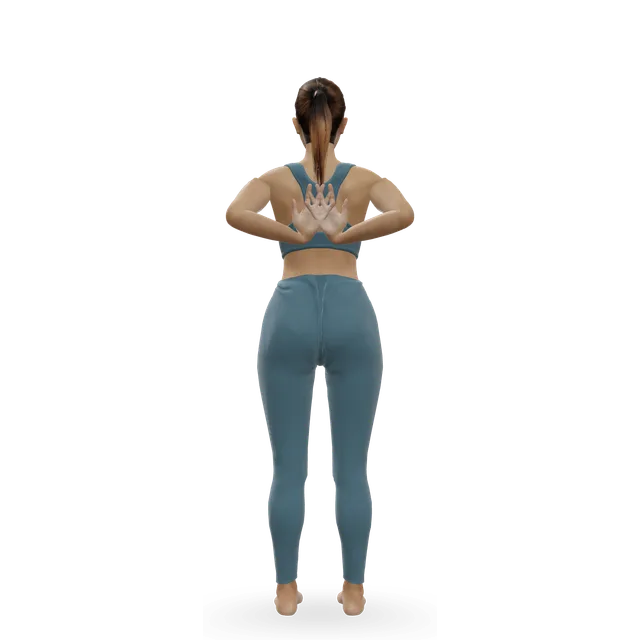
Shoulder rolls, 5 to 10 each way (our lymphoedema exercises routine). Band row, wall push-up and band shoulder press: 1 set of 8 to 10 at the lightest band to start, adding a little only after a week or two with no change (our suggestion, from the PAL protocol). Mermaid, 3 each direction, each side; swimming with your arms by your sides at first, 2 to 3 sets of 20 to 30 seconds (the moves' pages).

Leg work: the calf and foot pump

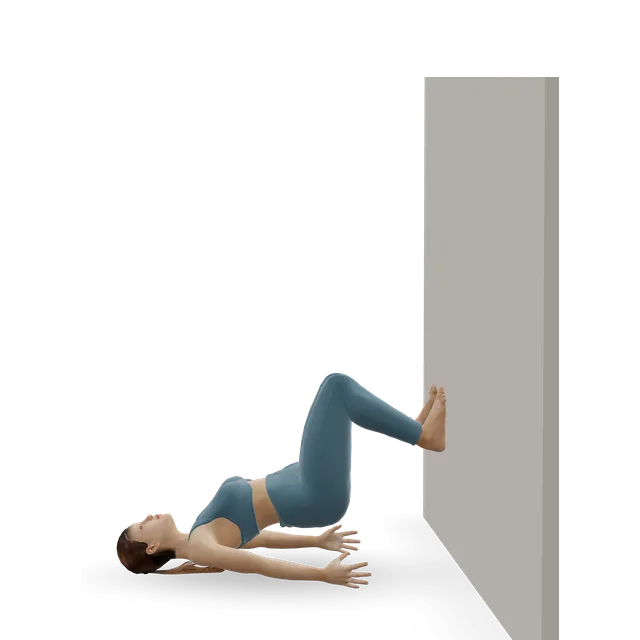
Ankle circles, 10 pumps then 5 circles each way (our lymphoedema exercises routine). Knee fold, 2 sets of 5 to 10 each side, every other day; heel slide, 10 slow repetitions each side, once or twice a day; single-leg circle, 5 circles each direction, each leg; wall bridge, 8 to 10 reps (the moves' pages). Calf raises, 10 to 15, and sit-to-stands, 2 sets of 8 (our editorial starting point).

Trunk and hips, moving rather than held

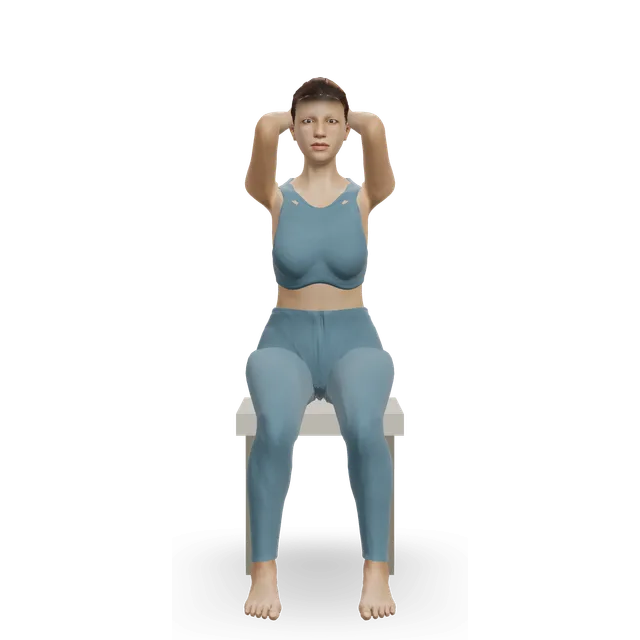
Side kick, 8 to 10 each side (the move's page). Bridges, 2 sets of 8; clamshells, 10 each side; bird dog, 6 each side, without long holds (our editorial starting point).

Moves to change or leave out

Static holds

Swap the knee hover, planks, the side plank and long wall sits for moving exercises. Macmillan says to "Avoid exercises where you use your muscles without moving your body", such as the plank, and our Pilates for cancer guide says: "With lymphoedema, swap planks and the knee hover for moving exercises."

Source 9

Weight on your hands, with arm lymphoedema

Bring back the leg pull front and Pilates push-ups last, built up like any other arm load (our suggestion, from the PAL protocol).

Source 10

Tight straps, bands or cuffs

Reformer foot straps, a band looped round the wrist or ankle, or a tight ring squeeze: avoid anything that digs into the swollen limb or leaves a mark (our suggestion; skin care is one of the four parts of treatment).

Source 15

Heat

The NHS says the heat from saunas, steam rooms and sun beds may increase the swelling, and Breast Cancer Now says swelling can be worse in hot weather. Skip hot Pilates (our suggestion).

Sources 15, 16

Cellulitis

Macmillan says you should not exercise if you have a skin infection (cellulitis), and the NHS says not to wear compression stockings until you're better. Our exercise for lymphoedema guide covers what to do.

Sources 43, 13

Classes to follow

Do the daily lymphoedema routine every day, our 25-minute Pilates class 2 or 3 times a week, and walking, cycling or swimming on most days. In the first months after breast surgery, use your team's arm exercises first.

Follow a plan

A weekly structure for strength and walking. Start the upper body lighter than the plan says, and keep the daily routine going alongside it.

Cellulitis, clots and other warning signs

These are the same warning signs as our exercise for lymphoedema and Pilates for cancer guides, word for word. This is general information, not a diagnosis. A&E means accident and emergency; in the US, call 911 for 999, and use your doctor's urgent line or urgent care for NHS 111.

Call 999 (911 in the US) or go to A&E

If you have cellulitis with any of these, which can be signs of sepsis:

  • A very high temperature, or feeling hot, cold or shivery.
  • A fast heartbeat or fast breathing.
  • Purple patches on the skin (these may be harder to see on brown or black skin).
  • Feeling dizzy or faint, or confused.
  • Cold, clammy or pale skin, or not responding.
  • Also call 999 for pain and swelling in a limb with breathlessness or chest pain, which can mean a blood clot has reached the lungs.

Sources 13, 44, 14

A clot in the lungs

Call 999 or go to A&E if breathing suddenly becomes difficult, if pain in your chest or upper back comes on suddenly with breathlessness or a very fast heartbeat, or if someone passes out.

Source 14

Urgent GP appointment or NHS 111, the same day

  • The skin of the swollen or at-risk area is painful, hot and swollen, perhaps red (harder to see on brown or black skin), or you feel unwell with flu-like symptoms: this can be cellulitis, and early antibiotics help.
  • Throbbing pain and swelling in one limb with red, blue or darkened skin or swollen veins, which can be a DVT (it can happen in an arm too).
  • Antibiotics for cellulitis aren't helping after 48 hours.

Sources 13, 14, 44

A swollen, painful leg

Same day (urgent GP appointment or NHS 111): throbbing pain in one leg (rarely both), usually the calf or thigh; swelling in one leg (rarely both); red, blue or darkened skin around the painful area, which may be harder to see on brown or black skin; or swollen veins. This can be a deep vein thrombosis (DVT). It is more likely after surgery, a hospital stay, 3 or more days in bed, a journey of over 4 hours, pregnancy or a recent birth, cancer, a previous clot, or contraception or hormone replacement therapy (HRT) that contains oestrogen.

Source 14

If you have cellulitis

Rest and raise the limb. If your compression garment hurts, take it off, and put it back on as soon as you can tolerate it. Go back to your normal activity once you feel better, and have your garment's fit checked, as the limb may be more swollen afterwards. If you've been given a "rescue pack" of antibiotics after a previous attack, start it at the first familiar symptoms and get medical advice as soon as you can.

Sources 44, 13

See a GP, or your cancer team

New swelling with no signs of a clot or infection: see your GP or cancer team, who may refer you to a lymphoedema service.

  • New swelling in an arm or leg, especially after cancer treatment: early swelling can come and go, and after breast cancer treatment Breast Cancer Now says to get advice as soon as you notice it. A GP can refer you to a specialist lymphoedema service. New swelling after cancer treatment needs checking for other causes first.
  • Signs of a skin infection, such as redness or heat, as soon as possible.
  • Swollen legs, ankles or feet that haven't improved after a few days, or symptoms of lipoedema.

Sources 15, 1, 16

During and after exercise

Signs of infection (cellulitis) or a blood clot in a swollen limb need urgent medical attention. If the swollen or at-risk area changes during or after exercise, stop and contact your lymphoedema specialist.

Sources 5, 43

Chest pain or fainting while exercising: call 999

Call 999 if:

  • You get sudden pain or discomfort in your chest that doesn't go away; it can feel like squeezing or pressure, burning or indigestion.
  • The pain spreads to your left or right arm, or your neck, jaw, stomach or back.
  • You have chest pain and feel sweaty, sick, light-headed or short of breath.
  • Someone faints while exercising, can't be woken within 1 minute, or has chest pain or a pounding, fluttering or irregular heartbeat.

Source 45

Unusual breathlessness

Call 999 or go to A&E (accident and emergency) straight away for severe difficulty breathing (gasping, choking or not able to get words out), a chest that feels tight or heavy, pain that spreads to your arms, back, neck and jaw, lips or skin turning very pale, blue or grey, or sudden confusion. If you're more short of breath than usual, or your heart is racing, fluttering or skipping beats, contact NHS 111.

Stop the session if

You feel any pain or become unwell, as the NHS advises for its Pilates videos, and especially for chest pain or pressure, unusual breathlessness, dizziness or fainting. If you have a health problem, an injury or any symptoms, get advice from a healthcare professional, such as a GP, before you start.

Before you start

The NHS advises getting advice from a healthcare professional first if you have a health problem, an injury or symptoms, or have recently had a heart attack or an operation.

Myths

"Lifting weights causes lymphoedema"Strong evidence

In the PAL trials, slowly built-up weight lifting didn't raise the risk in women at risk (11% against 17%) or increase swelling in women with lymphoedema (11% against 12%), and flare-ups were less common. NICE says there's no indication that activity causes or worsens lymphoedema.

Sources 2, 3, 1

"You can't exercise the arm after breast cancer surgery"Strong evidence

Arm exercises usually start the day after surgery, and in UK PROSPER, structured exercise from 7 to 10 days, with bands from a month, improved arm function with no increase in lymphoedema. Follow your team's timing.

Sources 42, 36

"Rest a swollen limb as much as you can"Strong evidence

Muscle movement is what pumps lymph, and a lack of limb movement can cause lymphoedema. The exception is cellulitis: don't exercise until you're better.

Sources 15, 43

"Pilates will drain the swelling, so you won't need compression"Strong evidence

Exercise barely shrinks established swelling, the Pilates evidence for swelling is very uncertain, and compression is the first treatment.

Sources 19, 8, 1

"Lymphatic drainage Pilates flushes out toxins and water"Strong evidence

No study has measured toxins or drainage during a Pilates routine. Movement does help lymph move, as walking does.

Sources 31, 15

"You must never exercise without your compression sleeve"Mixed evidence

Sessions without a garment didn't worsen swelling in small trials, and international guidance calls it an individual decision, while UK charities prefer you wear one. Follow your team's advice.

Sources 12, 38, 11, 4

Questions people ask

Is Pilates safe with lymphoedema?

Yes. NICE says there's no evidence that physical activity, including arm exercise, will make lymphoedema worse, and the British Lymphology Society lists Pilates among suitable activities wherever the swelling is. Start slowly, wear your garment if you've been given one, and tell your teacher.

Does Pilates reduce lymphoedema swelling?

The small trials disagree. Some found less swelling with Pilates, but they compared supervised classes with home exercise alone, and others found no change in arm volume; a 2026 overview calls the evidence very uncertain. Expect better strength, movement and comfort, and rely on compression for the swelling.

I'm at risk after breast cancer surgery. Can I do Pilates?

Yes, once your team's early arm exercises are done and your wounds have healed. Being active doesn't raise the risk, and in the PAL trial slowly built-up weight lifting didn't bring on lymphoedema in women at risk. Our Pilates for cancer guide covers the shoulder and arm after surgery.

Should I wear my compression garment for Pilates?

If you've been given one, yes, unless your team says otherwise: the British Lymphology Society says it's generally best. Small trials found exercising without one didn't worsen swelling, so it's partly personal preference. You don't need it in the pool.

Is reformer Pilates good for lymphoedema?

One small trial of 20 women found 10 weeks of equipment Pilates, including the reformer, improved movement, swelling, pain and quality of life more than home exercise. Build up the springs slowly like any arm load, and avoid straps that dig into the swollen limb.

Which Pilates exercises are best for lymphoedema?

Moving exercises that pump the muscles: breathing first, then shoulder and arm movements, knee folds, leg circles, bridges, side kicks and band work, built up slowly. Our 25-minute class has arm and leg options, and the daily lymphoedema routine adds the hand and foot pumps.

Which Pilates moves should I avoid with lymphoedema?

Swap long holds such as the plank and side plank for moving exercises, as Macmillan advises. Bring back weight on your hands last, and avoid anything tight around the swollen limb. Don't exercise at all while you have cellulitis.

My arm looks more swollen after Pilates. Should I stop?

A little extra swelling straight after exercise is common and should settle; in a small trial it was back to normal within 24 hours. If it doesn't settle, or the limb aches, feels hotter or takes longer to recover than usual, do less next time and ask your lymphoedema team. "Skin that is painful, hot and swollen can be cellulitis: ask for an urgent GP appointment or get help from NHS 111."

Can Pilates help leg lymphoedema?

Probably, as exercise, but it hasn't been tested: there's no Pilates trial in leg lymphoedema. Exercise studies in legs are few and small, and cellulitis was the main complication, so build up slowly and look after your skin and feet.

Is Pilates good for lymphatic drainage or water retention?

Any movement helps lymph move, because muscles squeeze the lymph vessels and breathing changes the pressure in your chest. But no study shows a Pilates routine drains lymph better than walking, and none has measured toxins. See a GP about "Swollen legs, ankles or feet that haven't improved after a few days".

Is Pilates good for lipoedema?

It can be part of the exercise that helps, but lipoedema is a different condition from lymphoedema: a build-up of fat, usually equal on both sides, that spares the feet. Our exercise for lipoedema guide covers it.

Is hot Pilates OK with lymphoedema?

We'd skip it: the NHS says heat from saunas, steam rooms and sun beds may increase the swelling, and Breast Cancer Now says swelling can be worse in hot weather. No study has tested hot Pilates.


Sources

  1. NICE NG101 · Early and locally advanced breast cancer: diagnosis and management (2018, updated 2025)
  2. Schmitz 2009 · Weight lifting in 141 women with arm lymphoedema: the PAL trial (randomised trial, N Engl J Med)
  3. Schmitz 2010 · Weight lifting in 154 women at risk of arm lymphoedema (randomised trial, JAMA)
  4. British Lymphology Society · Lymph facts: movement and physical activity (reviewed 2023)
  5. Cancer Research UK · Exercise, positioning and lymphoedema
  6. Şener 2017 · Clinical Pilates for arm lymphoedema in 60 women (randomised trial, J Breast Health; read in full)
  7. Boing 2026 · Mat Pilates and belly dance after breast cancer surgery in 69 women (randomised trial, Support Care Cancer; read in full)
  8. Aguilera-Eguia 2026 · Exercise for arm lymphoedema after breast cancer: 9 reviews (overview of systematic reviews, J Clin Med; read in full)
  9. Macmillan Cancer Support · Exercising safely
  10. Schmitz 2009 · The PAL trial's methods (trial protocol, Contemp Clin Trials; read in full)
  11. International Society of Lymphology 2023 · The diagnosis and treatment of peripheral lymphoedema (consensus, Lymphology; read in full)
  12. Singh 2015 · Exercise with and without compression in 25 women with arm lymphoedema (randomised crossover trial, Lymphology)
  13. NHS · Cellulitis
  14. NHS · DVT (deep vein thrombosis)
  15. NHS · Lymphoedema (past its review date: reviewed March 2023, review due March 2026)
  16. Breast Cancer Now · Lymphoedema
  17. DiSipio 2013 · How often arm lymphoedema follows breast cancer: 72 studies (systematic review and meta-analysis, Lancet Oncol)
  18. Hayes 2017 · Leg lymphoedema after gynaecological cancer in 408 women (cohort, Gynecol Oncol)
  19. Hayes 2022 · Exercise and cancer-related lymphoedema: 36 treatment and 12 prevention studies (systematic review and meta-analysis, Med Sci Sports Exerc)
  20. Plinsinga 2026 · Exercise and the risk of developing lymphoedema: 17 studies, 2,739 people (systematic review and meta-analysis, JNCI Cancer Spectr)
  21. Cormie 2013 · Heavy and light weights in 62 women with arm lymphoedema (randomised trial, J Cancer Surviv)
  22. Zabit 2024 · Yoga against clinical Pilates in 28 women with arm lymphoedema (randomised trial, preprint, not peer reviewed)
  23. Nam 2025 · Equipment Pilates against home exercise in 20 women with arm lymphoedema (randomised trial, J Korean Soc Sports Sci, English abstract)
  24. Odynets 2019 · Water exercise against Pilates in 68 women after mastectomy (randomised trial, Physiother Q)
  25. Stan 2012 · Pilates in 15 breast cancer survivors, without a comparison group (study, Clin J Oncol Nurs)
  26. Mokhtari Hesari 2021 · Pilates plus decongestive therapy in 30 women with arm lymphoedema (randomised trial, Payesh, English abstract)
  27. Pinto-Carral 2018 · Pilates for women with breast cancer: 7 studies (systematic review and meta-analysis, Complement Ther Med)
  28. Berdun-Barba 2026 · Pilates for arm lymphoedema after breast cancer: 4 trials, 353 women (systematic review, preprint)
  29. Lian 2026 · Home Pilates against a complex exercise programme in 14 women with lymphoedema (non-randomised pilot, preprint)
  30. Hasenoehrl 2020 · Resistance exercise and arm lymphoedema: 29 studies (systematic review and meta-analysis, Support Care Cancer)
  31. Europe PMC · Our search for trials of Pilates in lymphoedema (October 2026)
  32. Wittenkamp 2025 · Exercise for leg lymphoedema: 12 studies, 367 people (systematic review, Acta Oncol)
  33. Hsu 2024 · Exercise for leg lymphoedema after gynaecological cancer: 7 studies, 261 people (systematic review and meta-analysis, Eur J Oncol Nurs)
  34. Do 2017 · Adding exercise to decongestive therapy in 40 women with leg lymphoedema (pilot randomised trial, Gynecol Oncol)
  35. Katz 2010 · Weight lifting in 10 people with leg lymphoedema (pilot study, Arch Phys Med Rehabil)
  36. Bruce 2021 · Structured exercise after breast cancer surgery in 392 women: UK PROSPER (randomised trial, BMJ; read in full)
  37. Stuiver 2015 · Preventing arm lymphoedema after breast cancer treatment: 10 trials (Cochrane review)
  38. Singh 2016 · Compression use during a 12-week exercise trial in 41 women (study, Asia Pac J Clin Oncol)
  39. Johansson 2005 · Light resistance exercise with and without a sleeve in 31 women (crossover trial, Lymphology)
  40. Lymphoedema Support Network · Your questions answered (reviewed 2025)
  41. Campbell 2019 · Exercise guidelines for cancer survivors (international roundtable consensus, Med Sci Sports Exerc; read in full)
  42. Breast Cancer Now · After breast cancer surgery
  43. Macmillan Cancer Support · Managing lymphoedema with physical activity (reviewed March 2023, being updated)
  44. British Lymphology Society and Lymphoedema Support Network 2025 · Guidelines on the management of cellulitis in lymphoedema
  45. NHS · Heart attack

Exercise education, not a personal prescription, and clinical review of these guides is pending. If you are pregnant, have a health condition or have had recent surgery, check with a doctor, midwife or physiotherapist before starting, and stop for sharp or increasing pain. Health disclaimer.