Pilates
Counter-to-mat Pilates for women over 60: a 30-minute class for the pelvic floor, bone, leg and back strength, and balance
A 30-minute class to do twice a week, with walking on most days. It starts standing, finds your pelvic floor squeeze, adds gentle heel drops for bone, builds leg and arm strength at a chair, practises balance beside a kitchen counter, then gets down to the floor for back strength and head-down Pilates, and up again. You need a sturdy chair, a counter or worktop, a low step or the bottom stair with a rail, a light to medium band and a mat. It has no curl-ups, roll-ups or rolling moves, so it suits osteoporosis. No trial has tested this class, so its structure is our editorial choice. If getting down to the floor isn't safe for you yet, stop after the counter block and do the seated upper-back lift instead.
Warm up and find your pelvic floor (about 5 minutes)
- Standing march2 minBeginner · Hip flexors, Abs, Glutes · 3D demoEasy pace, arms swinging; a hand on the counter if you likeEasier: Seated marchHarder: Standing band hip flexion
- Beginner · Abs · 3D demoStand tall with your hands on your lower ribs; breathe into the sides of your ribsHarder: Roll-up (Pilates)
- Pelvic floor exercise (Kegel)8 slow squeezes held up to 10 s, then 8 quick squeezesBeginner · Pelvic floor · 3D demoSqueeze as if stopping wind and urine, lifting up and forward; don't hold your breath
- Pelvic floor relaxation (reverse Kegel)5 slow breathsBeginner · Pelvic floor · 3D demoLet your pelvic floor drop and soften as you breathe in




Gentle impact for bone (about 2 minutes, optional)
- Heel drop (impact for bone)2 to 3 sets of 10Beginner · Calves · 3D demoHold the counter, rise onto your toes and drop onto your heels. Squeeze your pelvic floor first. With spinal fractures or several low-trauma fractures, or if you leak, march on the spot insteadHarder: Jump rope (basic bounce)
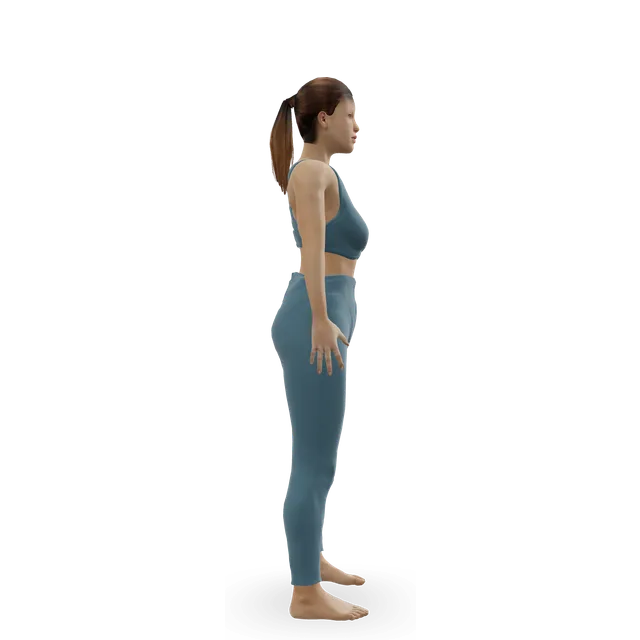
Strong at the chair (about 8 minutes)
- Sit to stand from a chair2 sets of 5 slowBeginner · Quads, Glutes, Hamstrings · 3D demoSqueeze your pelvic floor, then stand up with your legs, not your arms, and lower slowlyEasier: Sit to stand, pushing on the thighsHarder: Bodyweight squat
- Step-up2 sets of 8 reps each sideBeginner · Glutes, Quads, Hamstrings · 3D demoThe bottom stair or a low, sturdy step; a hand on a rail is fineEasier: Low step-upHarder: Dumbbell step-up
- Wall push-up5 to 10Beginner · Chest, Triceps, Shoulders · 3D demoHands on the wall at chest height; step your feet further back to make it harderHarder: Push-up
- Band row2 sets of 10 to 15Beginner · Back, Biceps, Shoulders · 3D demoSqueeze your shoulder blades back, stopping 2 to 3 reps short of failure; check the band and the anchor firstHarder: Supported single-arm dumbbell row
- Slow calf raise5 to 8 slowBeginner · Calves · 3D demoBoth hands on the counter; rise, pause, lower slowlyEasier: Seated bent-knee calf raise (soleus raise)Harder: Standing dumbbell calf raise





Steady at the counter (about 6 minutes)
- Tandem stance and heel-to-toe walkHold 10 s each way, then 5 steps heel to toe, twiceBeginner · Calves, Hip abductors · 3D demoAlong the counter; look ahead, not downEasier: Semi-tandem stanceHarder: Single-leg stand
- Single-leg stand3 holds of 5 to 10 s each sideBeginner · Hip abductors, Calves, Glutes · 3D demoFingertips on the counter; hips level, standing knee softEasier: Tandem stance and heel-to-toe walkHarder: Single-leg reach matrix
- Side-stepping (sideways walking)10 steps each wayBeginner · Hip abductors, Glutes, Adductors · 3D demoAlong the counter; keep your hips level and toes pointing forwardHarder: Lateral band walk
- Backward walking1 minBeginner · 3D demoAlong the counter or a clear hallway; short steps, and glance backHarder: Backward sled drag



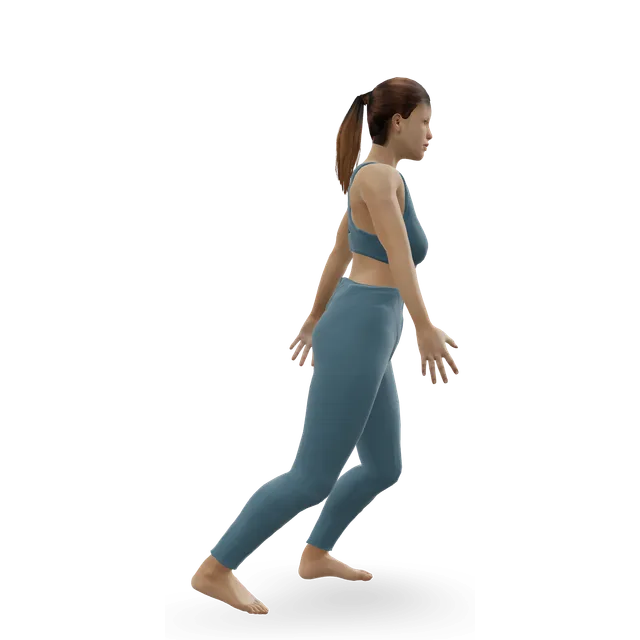
Down to the mat (about 1 minute, optional)
- Get up and down from the floor1 slow cycle, ending on the floorBeginner · Quads, Glutes, Abs · 3D demoUse a chair: lower to one knee, then both, then sit to the side. If you can't or shouldn't get down yet, do the seated upper-back lift instead and finish thereEasier: Sit to stand from a chairHarder: Bodyweight get-up
- Seated upper-back lift (sit tall, shoulders back)5 holds of 3 to 5 sBeginner · Back, Shoulders, Neck · 3D demoOnly if you're staying on the chair: sit tall, draw your shoulders back and keep breathingEasier: Elbows backHarder: Prone Y-T-W raises
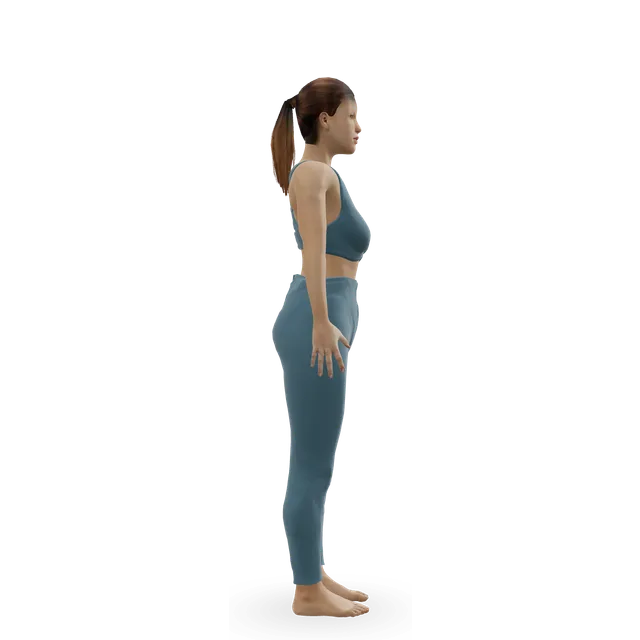

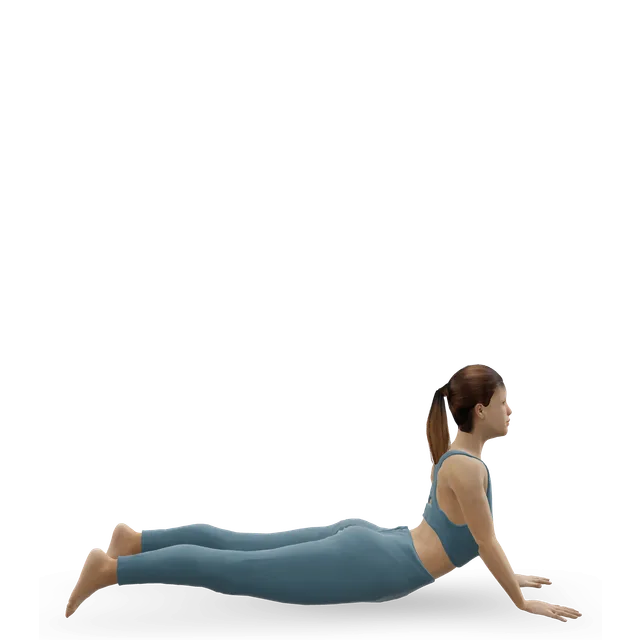
Straight: back strength and head-down Pilates (about 6 minutes)
- Swan (Pilates swan dive)3 to 5 small lifts, each held 3 to 5 sIntermediate · Back, Glutes, Triceps · 3D demoForehead on your hands; lift only your chest a littleEasier: Mermaid (Pilates seated side bend)Harder: Double-leg kick (Pilates double kick)
- Bird dog5 each side, 3 s holdBeginner · Back, Abs, Glutes · 3D demoReach one arm and the opposite leg only as far as your back stays still; fists if your wrists hurtEasier: Bird dog, one limb at a timeHarder: Bear crawl
- Glute bridge2 sets of 12Beginner · Glutes, Hamstrings, Abs · 3D demoLift as one piece with your back in neutral, rather than peeling the spine upEasier: Pelvic tilt into bridgeHarder: Single-leg glute bridge
- Side kick (Pilates side kick series)8 each sideBeginner · Hip flexors, Glutes, Hip abductors · 3D demoHead on your arm; swing the top leg forward and back without rockingHarder: Side-lying leg circles (Pilates side kick series)
- Dead bug heel taps6 each sideBeginner · Abs, Hip flexors · 3D demoHead down; the pelvis stays stillEasier: Bent-knee fall-outHarder: Forearm plank




Up again and finish (about 3 minutes)
- Get up and down from the floor2 slow cyclesBeginner · Quads, Glutes, Abs · 3D demoRoll to your side, come onto all fours, then one knee, and push up with the chairEasier: Sit to stand from a chairHarder: Bodyweight get-up
- Spine twist (Pilates)3 each sideBeginner · Abs, Back, Shoulders · 3D demoSit tall on the mat or a chair and twist smoothly, within a comfortable rangeHarder: Saw (Pilates)
- Pelvic floor relaxation (reverse Kegel)5 slow breathsBeginner · Pelvic floor · 3D demoFinish with your pelvic floor fully relaxed
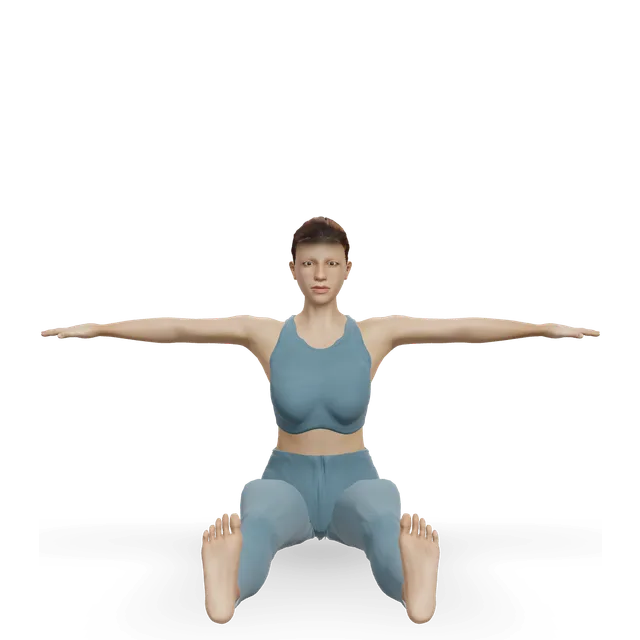
Tips
- Twice a week, with a day's rest between strength sessions, and walking on most days towards 150 minutes a week.
- Build up to some balance practice every day, and do the heel drops on most days if they suit you.
- Squeeze your pelvic floor before each sit to stand, step-up and heel drop, and do your separate pelvic floor exercises every day as well.
- Progress: add reps until you reach the top of the range, then hold a light dumbbell, use a firmer band or take less hand support.
- No curl-ups, roll-ups or rolling moves in this class. If you have osteoporosis and want to add other Pilates moves, use the head-down and flat-back versions.
- If you've had a fall, or you're worried about your balance, see a GP; you may be able to refer yourself to a falls service.
- Stop and sit down if you feel dizzy, faint or unwell, or get chest pain or new pain, and get help for the warning signs in our Pilates for older women guide.
The doses are suggested starting points, not a prescription. Choose a range you can control and stop for sharp or increasing pain, numbness or tingling. Get individual advice after an injury or surgery, or if you are pregnant or managing a health condition.
Guides that recommend it
Find more moves like these
More pilates



Beginner Pilates workout
A 20-minute mat Pilates workout for complete beginners. It covers breathing, spine position and the foundation moves, each with an easier option.
20 minBeginner13 movesNo equipment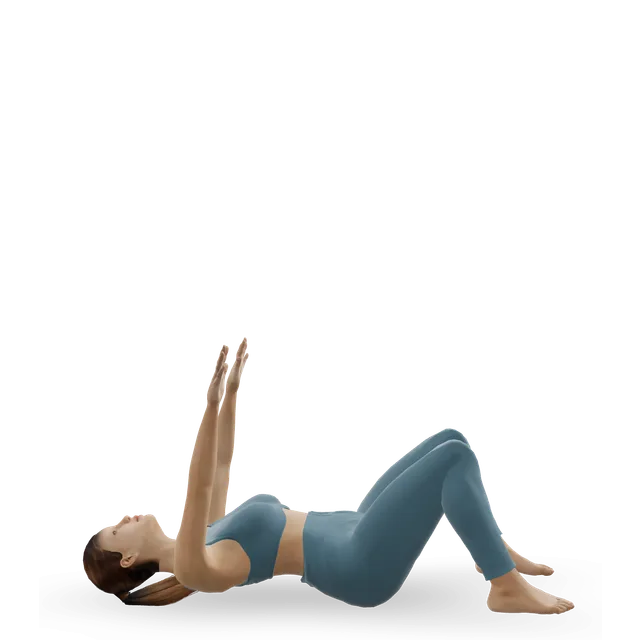

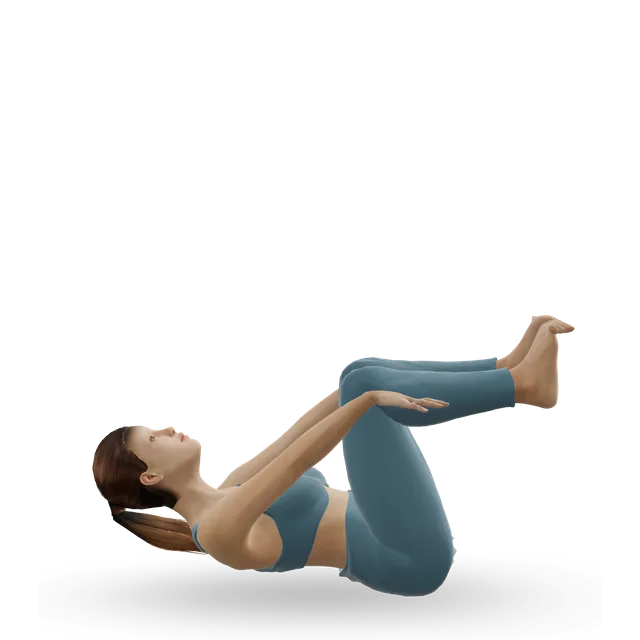
10-minute Pilates abs
Ten minutes of the classic Pilates abdominal series: the hundred, the roll-up and the series of five, with a plank to finish.
10 minIntermediate11 movesNo equipment
Full-body mat Pilates workout
A 30-minute intermediate mat Pilates class that follows the classical order, from the hundred to the push-up, with prep versions of the hardest moves.
30 minIntermediate22 movesNo equipmentQuestions people ask
How long does the counter-to-mat pilates for women over 60: a 30-minute class for the pelvic floor, bone, leg and back strength, and balance take?
About 30 minutes, including any warm-up and cool-down listed. Shorten it by doing fewer rounds; lengthen it by adding one.
What equipment do I need?
You need: A bench or box, A step, A wall, A band, An anchor point. Each move links to its guide, where you can find an alternative if you are missing something.
Is it suitable for beginners?
It is written for beginners. 12 of its 22 moves have an easier option listed beside them if you need one.
How do I make it easier or harder?
Use the easier or harder option listed under each move, change the number of rounds, or adjust the rest. Progress one change at a time.