Pilates guide

Pilates for older women: strength, balance and bones after 60, falls, the pelvic floor, how to start, what the evidence shows, and a class

Pilates suits women in their 60s, 70s and beyond: most Pilates trials in older adults were done in women, and they show better balance and everyday function, with some help for sleep and mood. It is safe with osteoporosis once a few moves are changed. What it hasn't been shown to do is build bone or prevent falls on its own, so it works best alongside walking, strength training with heavier loads, some gentle impact and, if you leak, pelvic floor training.

This guide covers what changes after 60 (bone, muscle, balance and the pelvic floor), what the trials show and how strong they are, the moves to swap with osteoporosis, how to train your pelvic floor in a class, how to start and how often, a 30-minute counter-to-mat class, and the warning signs to know. Our Pilates over 50 and Pilates for seniors guides cover starting later in life for everyone, and our exercise for older adults and exercise for osteoporosis guides cover the full exercise plans.

The short version

Pilates suits older women, as one part of the week

Most Pilates trials in older adults were in women: of 51 trials in people over 55, 31 recruited only women. The UK's consensus on exercise for osteoporosis names Pilates among the balance and strength activities to do at least twice a week, and trials have included women into their 90s.

Sources 1, 2, 3

Balance improves; fewer falls haven't been shown

Across 39 studies (1,770 people), Pilates improved balance tests about as much as other exercise, but the review says it can't be recommended to reduce the number of falls. No Pilates trial big enough to count falls properly has been done. Falls programmes with more balance challenge do cut falls, by about a quarter.

Sources 4, 5, 6, 7

Pilates hasn't been shown to build bone

In pooled trials after the menopause, Pilates made no significant difference to bone density. In the one head-to-head trial, in 115 women around 64 with low bone mass, supervised heavy lifting raised spine density by 1.9% against 0.1% with a Pilates-based programme. Canada's osteoporosis guideline puts Pilates in addition to, not instead of, strength and balance training.

Sources 8, 9, 10, 11

Safe with osteoporosis, with a few swaps

The Royal Osteoporosis Society says "Generally, Pilates is very safe and won't cause a spinal fracture." The UK consensus suggests alternatives to roll-downs and curl-ups as a precaution, smooth twists, and back-strengthening moves.

Sources 12, 2

Train the pelvic floor on purpose

About a third of older women leak urine. Pelvic floor training made a cure of stress leaking about 8 times more likely than no training, and women over 60 cut their leaks by about 70% in 12 weeks, in a group or one to one. Pilates moves without a deliberate squeeze train it less well, so build the squeeze in.

Sources 13, 14, 15, 16

Add strength, impact and walking

Pilates isn't a reliable way to build strength. The UK guidelines ask older adults for strength, balance and flexibility work on at least 2 days a week plus 150 minutes of moderate activity, and the osteoporosis consensus adds strength work you keep making harder and, if suitable, gentle impact on most days.

Sources 17, 2, 18

What changes after 60

These are ordinary parts of later life. Training can't stop them, but it slows them and keeps you doing what you enjoy.

BoneStrong evidence

Bone loss speeds up in the year before the last period and slows, but doesn't stop, about 2 years after it: in 862 women followed for 10 years, spine bone density fell 10.6%. The NHS says osteoporosis is "most common in older adults and women after the menopause, but anyone can have it", and the Royal Osteoporosis Society says about one in two women over 50 will break a bone because of it.

Sources 19, 20, 21

Muscle and strengthStrong evidence

Women lose some muscle through the menopause, and being active helps keep it. At 75, women lose about 2.5% to 3% of their strength a year, faster than they lose muscle, and loss of strength predicts disability more than loss of muscle does. Sarcopenia (low strength with low muscle) affects 10% to 27% of people over 60, depending on how it is measured.

Sources 22, 23, 24

Balance and fallsStrong evidence

More than 90% of hip fractures follow a fall, so stronger bones and steadier balance are two separate jobs. Balance tests in trials (standing on one leg, reaching, sway on a platform) are not the same as falls: a class can improve the test without changing how often people fall.

Sources 25, 7

The pelvic floorStrong evidence

About 37% of older women leak urine, and in a US survey 36.8% of women aged 60 to 79 and 49.7% of those 80 and over had a pelvic floor problem (leaking urine or poo, or a bulge). These are common and treatable; the NHS lists pelvic floor exercises and avoiding constipation among the ways to help a prolapse.

Sources 13, 26, 27

What a Pilates class asks of an older body

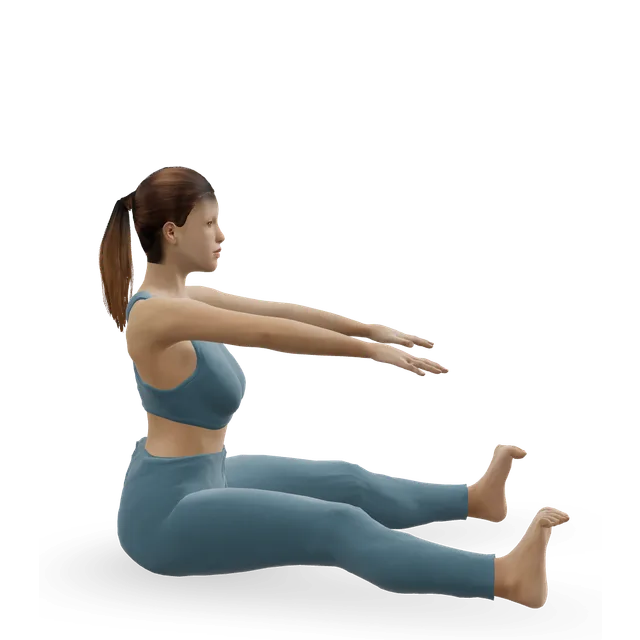
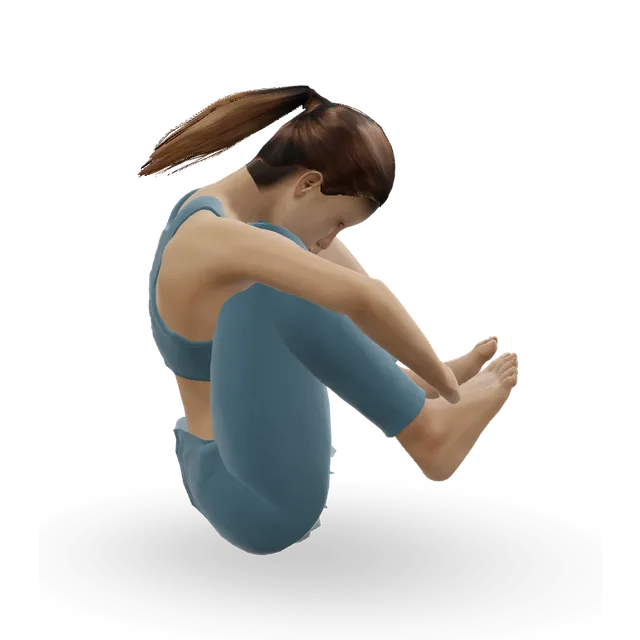
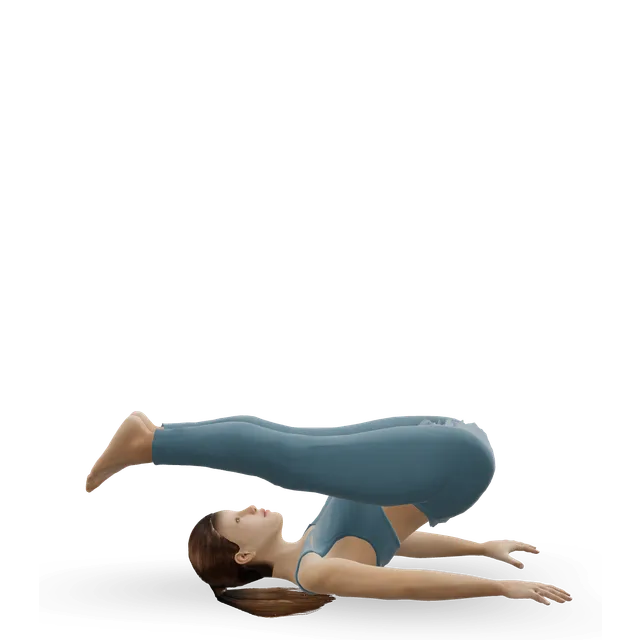
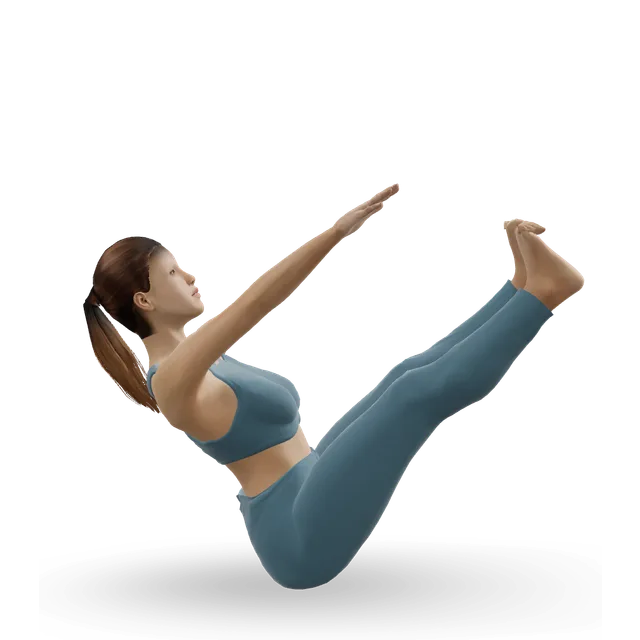
Most mat classes start on the floor, so getting down and up is a skill in itself; chair, standing and wall Pilates avoid it. The classical mat leans on rounding the spine (the Hundred, roll-ups, rolling like a ball, the roll-over), which are the moves to change with osteoporosis. All-fours and plank positions load the wrists and knees, and mat Pilates uses light loads, while bones and muscles need more over time.

Sources 2, 28

What the evidence says

Most Pilates trials in older women are small (20 to 110 people), short (4 to 24 weeks), unblinded and compared with doing nothing, so reviews rate the certainty from very low to moderate.

Balance improvesEmerging evidence

Against doing nothing, Pilates improved balance tests in 20 trials (930 people aged 63 to 79 on average), in 39 studies (1,770 people) at very low to moderate certainty, and in a 2026 network analysis, where online or app-led Pilates helped too (at very low certainty). The newest review says Pilates was "comparable to other forms of exercise".

Sources 29, 4, 30, 31

No better than other exerciseEmerging evidence

Pilates matched traditional strength and balance training (31 people at risk of falls) and another balance method (58 older women). Aerobic exercise for the same time improved walking speed and dynamic balance more, and Zumba improved balance in harder conditions where Pilates didn't. Across 423 trials, almost every kind of exercise improved balance, and the authors say the rankings don't show any type is better.

Sources 32, 33, 34, 35, 36

Fewer falls: not shownStrong evidence

The one early trial that counted falls was 60 women in a single residential home, with the falls analysed poorly. A pilot of 53 people found 42% fewer fall injuries, which could have been chance, and a proper trial would need 804 people. In the trials that described their classes, only 2% to 36% of exercises challenged balance much.

Sources 4, 5, 6, 37

Fear of falling: the reviews disagreeMixed evidence

An umbrella review found tai chi, yoga and Pilates the most effective exercise for fear of falling, a Pilates review found less fear, and the world falls guidelines cite reviews in which supervised classes such as Pilates or yoga had the largest effects on concern about falling. The newest Pilates review found no effect.

Sources 38, 39, 40, 4, 41

Strength and everyday functionEmerging evidence

Mat Pilates improved balance, leg strength, flexibility and fitness against no exercise in 9 trials. But a review of 24 trials (1,190 people) found no reliable strength gain and said Pilates can't yet be recommended "as a means to improve strength". In 60 women aged 60 to 80, Pilates and resistance training improved everyday function about equally. Mat and apparatus Pilates did equally well in another trial.

Sources 42, 17, 43, 44

Sleep, mood and quality of lifeMixed evidence

In 18 trials in women with low mood (827 women), Pilates eased depression. Sleep scores improved in 6 trials, but not in the groups of women after the menopause or healthy adults over 40. After the menopause, 11 trials found better scores in some areas of quality of life, with none at high certainty. The trials are small and the measures are self-reported.

Sources 45, 46, 47, 48

One trial, several papersStrong evidence

A Spanish trial of about 110 women around 69 (Pilates twice a week for 12 weeks against no exercise) was registered with 41 main outcomes and reported in several papers on falls risk, sleep, thinking and body composition. It is one trial, and one review counted two of its papers as separate studies. We count it once.

Sources 49, 50, 51, 1

SafetyEmerging evidence

No adverse events were reported in 51 Pilates trials in older adults, though harms were rarely measured, and our searches found no report of a fracture during Pilates. Fractures linked with exercise are rare and come with deep forward bending, such as sit-ups. No study has looked at fractures with Pilates in people with osteoporosis.

Sources 1, 52, 53, 54

Bones: what Pilates does and doesn't do

No change in bone densityStrong evidence

In 3 trials after the menopause, Pilates made no significant difference to spine or hip bone density, and in 11 studies of Pilates or yoga (591 women) the effect was close to zero. Two small trials reported gains (41 and 51 women), but their results haven't held up when pooled. At most, Pilates may help hold bone steady.

Sources 8, 9, 55, 56

What builds boneStrong evidence

Strength training you keep making harder, and impact, are what changed bone density in trials. In LIFTMOR, 101 women about 65 with low bone mass did supervised heavy lifting and jumping twice a week for 8 months: spine density rose 2.9% against a 1.2% loss, with one minor back spasm and no new spinal fractures.

Sources 57, 58, 59, 60

The head-to-head trialEmerging evidence

In MEDEX-OP, 115 women around 64 with low bone mass did 8 months of either heavy lifting or a mostly mat Pilates-based programme. Lifting raised spine density by 1.9% against 0.1% and improved the hip, where the Pilates-based programme was "largely ineffective"; both improved everyday function, and lifting didn't harm the pelvic floor. The same Australian group ran both trials, and its Pilates-based programme was the low-intensity comparison, not a Pilates programme made harder over time.

Sources 10, 61, 62

What the guidelines sayStrong evidence

The UK consensus asks for muscle-strengthening on 2 or 3 days a week, building up to the heaviest weight you can lift 8 to 12 times, and about 50 moderate impacts on most days if you have no spinal or multiple fractures. The 2024 UK clinical guideline strongly recommends weight-bearing and muscle-strengthening exercise. Canada's guideline puts yoga or Pilates "in addition to, but not instead of, balance, functional and resistance training".

Sources 2, 63, 11

Exercise and fracturesEmerging evidence

Across 20 trials, exercise cut low-trauma fractures by about a third, and supervised programmes did better than unsupervised ones. No trial has been big enough to show this on its own.

Sources 64, 25

Balance and falls

What prevents fallsStrong evidence

In 108 trials (average age 76, 77% women), balance and functional exercise cut the rate of falls by 24% (high certainty), and programmes of more than 3 hours a week with balance work by about 42%. The world falls guidelines ask for balance-challenging exercise 3 or more times a week, made harder over at least 12 weeks, and say "Benefits of exercise are lost on cessation". NICE (the National Institute for Health and Care Excellence) asks falls programmes to focus on "balance, coordination, strength and power".

Sources 7, 65, 41, 66

Stand up when you canEmerging evidence

The Royal Osteoporosis Society suggests Pilates among balance activities and says "it is best to stand up if you can". Standing work at a counter, a narrower stance, reaching and stepping make Pilates more like the programmes that cut falls.

Sources 67, 37, 35

If you've fallen or worry about fallingStrong evidence

For people already falling, the UK consensus recommends "Highly challenging balance and muscle strength training for 3 hours a week over at least 4 months". The NHS says you may be able to refer yourself to a falls service, which can include strength and balance training.

Sources 2, 68

With osteoporosis or a past spinal fracture

Keep Pilates, and change a few movesStrong evidence

The UK consensus suggests alternatives to the roll-down and curl-up as a precaution, and says twisting should be safe if done smoothly. The Royal Osteoporosis Society's Pilates fact sheet swaps rolling like a ball and the roll-over for safer moves, and keeps the Hundred and roll-up family only for people with strong muscles who do them regularly with ease.

Sources 2, 12, 28

Strengthen your backEmerging evidence

The consensus asks for back-strengthening moves repeated 3 to 5 times and held 3 to 5 seconds, at least twice a week. In 99 adults aged 60 to 88 with a rounded upper back, a back-strengthening programme 3 times a week for 6 months reduced the curve by 3 degrees; it wasn't Pilates, but the swan and swimming are the same kind of work.

Sources 2, 69

After a spinal fracture

Start new exercise supervised, and see a physiotherapist first if spinal fractures are causing pain and other symptoms (below). Our Pilates for osteoporosis and Pilates for kyphosis guides go further.

Sources 18, 70

Your pelvic floor

Train it directly firstStrong evidence

Pelvic floor training cured stress leaking in 56% of women against 6% without it (high certainty). NICE recommends supervised training for at least 3 months, with "at least 8 contractions performed 3 times per day". In 362 women over 60, 12 weeks in a group cut leaks by a median 74% and one-to-one training by 70%, with a meaningful change by week 4.

Sources 14, 71, 15, 72

Pilates needs the squeeze built inEmerging evidence

Training without a deliberate pelvic floor squeeze worked less well than direct training, and adding a squeeze to Pilates built more pelvic floor strength than Pilates alone. Drawing the tummy in isn't the same: in 20 women it lifted the pelvic floor less than a direct squeeze, and pushed it down in 6 of them.

Sources 16, 73, 74

Pilates against pelvic floor training: the trials conflictMixed evidence

In 40 women after the menopause, Pilates with the squeeze did as well as pelvic floor training; in another trial, direct training did better whether or not the squeeze was added; in 34 older women, direct training worked the pelvic floor more. A 2026 review found them similar, but we could read only its summary, and the trials are small. Squeezes first, Pilates alongside.

Sources 75, 76, 77, 78

Lifting and impact are allowed, built up graduallyEmerging evidence

Heavy, supervised lifting didn't worsen pelvic floor symptoms in women with low bone mass, and most Pilates moves raised tummy pressure no more than standing up from a chair; only roll-ups stayed high for longer. Squeeze before you lift, cough or land.

Sources 62, 79

Find your pelvic floor: squeeze, then let go

The squeeze is from the pelvic floor exercise move's page; the dose is our women over 40 and pelvic floor classes' (8 slow squeezes held up to 10 seconds, then 8 quick squeezes), building to NICE's at least 8 contractions 3 times a day for at least 3 months if you leak. If you're unsure you have the right muscles, a pelvic health physiotherapist can check.

  1. Sit, stand or lie comfortably and breathe normally.
  2. Squeeze and lift as if you were stopping yourself passing wind and stopping the flow of urine at the same time.
  3. Hold for up to 10 seconds, keeping your breath going and your bottom and thighs relaxed, then let go fully.
  4. Rest for a few seconds, and repeat up to 8 times.
  5. Then do 8 quick squeezes, letting go fully after each one.
  6. Finish with 5 slow breaths, letting your pelvic floor and tummy soften.

See the movement on the 3D figure: Pelvic floor exercise (Kegel)

Strong: legs, arms and gentle impact

Sit to stand (2 sets of 5 slow, building to 2 sets of 10, our longevity and balance classes; the build-up is editorial), the step-up (2 sets of 8 reps each side, our longevity class, on a low step with a hand on a rail), heel drops (2 to 3 sets of 10, adapted from the move page's dose; march instead with spinal fractures, as its caution says), the wall push-up (5 to 10, our longevity class), the band row (2 sets of 10 to 15, our longevity class) and the slow calf raise (5 to 8 slow, our balance class). Squeeze your pelvic floor before each lift or drop, and make the moves harder over the weeks.

Steady: balance at a counter

Tandem stance and heel-to-toe walk (hold 10 s each way, then 5 steps heel to toe, twice), the single-leg stand (3 holds of 5 to 10 s each side), side-stepping (10 steps each way) and backward walking (1 min), all from our standing Pilates for balance class, beside a counter; getting down to the floor and up again (1 slow cycle down and 2 up, our balance class), with a chair close by and someone present the first few times.

Straight: back strength and the trunk, head down

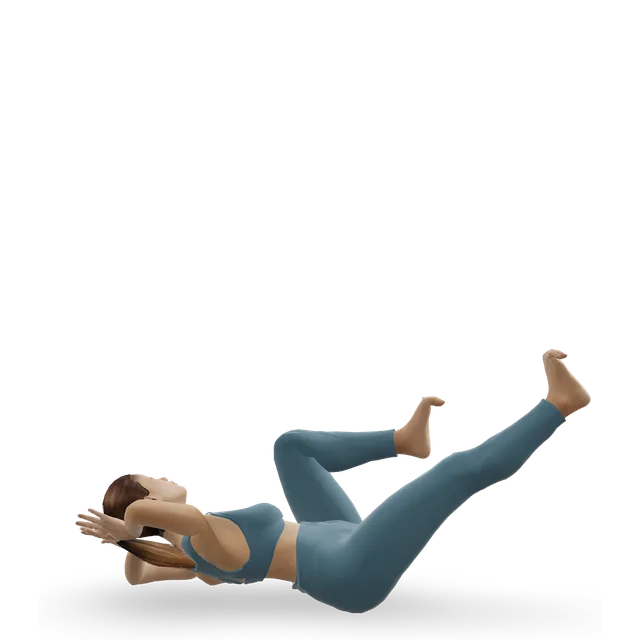
The swan (3 to 5 small lifts, each held 3 to 5 s, our osteoporosis class), swimming (2 sets of 20 s, our longevity class), the bird dog (5 each side, 3 s hold, our balance class), the seated upper-back lift (3 to 5 repetitions, each held 3 to 5 seconds, at least twice a week (UK osteoporosis consensus, 2022), from the move page's dose), the glute bridge (2 sets of 12, our longevity class), the side kick (8 each side, our balance class), dead bug heel taps (6 each side, our women over 40 class, the head-down swap for curl-ups) and the spine twist (3 each side, our longevity class; on a chair if you slump).

Moves to change with osteoporosis or a past spinal fracture

Swap the curl-ups (the chest lift, the Hundred, single-leg stretch and criss-cross) for head-down versions such as dead bug heel taps, as their cautions say; swap the roll-up and spine stretch forward for a hip hinge; and leave out rolling like a ball, the roll-over and the teaser, as their cautions say. Keep the wall roll-down small, with your hands on your thighs. People who already move comfortably and smoothly can keep some curl-ups, as the UK consensus says.

How to start, and how often

A week after 60

Pilates twice a week, as part of 2 or 3 strength days with a day's rest between, plus walking on most days towards 150 minutes a week. Build up to balance practice every day, as the Royal Osteoporosis Society suggests, and add gentle impact on most days if it suits you. If you've fallen, aim for about 3 hours a week of balance-led exercise. This is our editorial starting point, following those guidelines.

Sources 18, 2, 70, 67

A class or a video

In one small trial, in-person Pilates helped quality of life more than remote classes, and in older adults "Adherence to group exercise was good, but poor for home exercise." Supervised programmes also cut fractures more. Start in a class with a qualified teacher who teaches older adults and knows the osteoporosis swaps.

Sources 80, 81, 64

Mat, chair, wall or reformer

Mat and apparatus Pilates improved older women's fitness equally, and a reformer trial included women up to 95. Chair and standing Pilates avoid getting down to the floor. You don't need a reformer; choose the one you'll keep doing.

Sources 44, 3

Keep going

Benefits fade when exercise stops. In one small study, balance gains from a short Pilates course were kept a year later, and were bigger in people who carried on.

Sources 41, 82

Classes to follow

Our counter-to-mat class for women over 60 is new and untested as a whole: it puts the pelvic floor, gentle impact, leg and back strength and balance together, with no curl-ups or rolling. The longevity class is a close alternative without the pelvic floor or impact; the balance class suits a falls worry; the osteoporosis class has the safe swaps; the pelvic floor class teaches the squeeze; and the chair classes suit days when the floor is hard.

Counter-to-mat Pilates for women over 60: a 30-minute class for the pelvic floor, bone, leg and back strength, and balance

A 30-minute class for women over 60: pelvic floor squeezes, gentle heel drops, leg and arm strength at a chair, balance at a counter and head-down Pilates.

30 minBeginner22 movesBench or box, step

Strength, balance and stamina Pilates: a 35-minute class for ageing well

A 35-minute Pilates class for ageing well: a brisk start, leg and grip strength, balance at a counter, getting down to the floor and up, and mat work.

35 minBeginner19 movesBench or box, step

Standing Pilates for balance: a 25-minute counter and mat class

A 25-minute Pilates class for steadier balance: standing balance and leg strength at a kitchen counter, then mat work for your trunk and hips.

25 minBeginner17 movesWall, bench or box

Pilates for osteoporosis: a mat class with safe swaps

A 25-minute Pilates workout for osteoporosis and osteopenia: the Royal Osteoporosis Society's swaps for rounding moves, plus back strength and balance.

25 minBeginner16 movesWall, bench or box

Pilates for your pelvic floor: squeeze, move, release

A 20-minute Pilates workout for your pelvic floor, built on UK pelvic health physiotherapists' booklet: squeeze as you breathe out, move, then fully release.

20 minBeginner18 movesWall, bench or box

Pilates with weights and impact for women over 40: a 40-minute class for strength, bone and the pelvic floor

A 40-minute class for women over 40: pelvic floor squeezes, heel drops for bone, strength with dumbbells and a band, head-down Pilates and balance.

40 minBeginner19 movesDumbbell, band

Chair Pilates workout

A 20-minute chair Pilates workout for beginners and older adults: breathing, sitting tall, gentle spine and leg moves, and a standing finish at the chair.

20 minBeginner14 movesBench or box, something with weight

Seated chair Pilates: 15 minutes, no standing

A 15-minute chair Pilates class done entirely sitting down, in a chair or wheelchair: breathing, spine moves, and leg and arm strength with water bottles.

15 minBeginner13 movesBench or box, something with weight

Bone-strengthening workout

Impact, strength and balance for stronger bones, following UK osteoporosis consensus advice, with options for every level.

40 minBeginner14 movesKettlebell, other / check instructions

Balance exercises routine

Balance practice in 10 minutes: tandem stance, single-leg stands, marches, heel walks, tree pose and floor transfers.

10 minBeginner7 movesWall, bench or box

Plans

Each plan mixes strength, balance and walking across the week.

Who should change what

Osteoporosis or a past spinal fracture

Modify or avoid exercises that round your back deeply or repeatedly, especially with a weight: sit-ups, toe touches, Pilates roll-downs and curl-ups, and extreme yoga forward folds. Bend from the hips instead. You do not need to avoid bending, twisting or lifting altogether: move smoothly and keep your upper back straight.

Twisting should be safe if you do it smoothly and comfortably. Slow down and shorten fast or forceful twists, and leave out the added weight.

Sources 2, 70, 83

Leaking or a prolapse

If you leak when you lift or jump, keep exercising, lighten or change what sets it off, and see a GP or pelvic health physiotherapist; if you feel a bulge or heaviness, get checked before heavy lifting or running.

Sources 84, 14, 71, 85

Unsteady on your feet

Do every standing move beside a sturdy counter with a chair behind you, and only get down to the floor if you can get up again; the get-up move's page shows how. Rise slowly from the floor if you get dizzy when you stand (our suggestion).

Joint replacements, sore wrists or knees

Follow your surgeon's precautions after a hip or knee replacement, use fists or forearms if your wrists hurt, and kneel on padding or skip kneeling, as the move pages say. Our Pilates for arthritis, hip replacement and knee replacement guides go further.

Heart conditions or high blood pressure

Keep breathing, keep holds short and leave out legs-overhead moves, as our Pilates for heart health and high blood pressure guides explain.

When to check first, and when to stop

This is general information, not a diagnosis. A&E means accident and emergency; in the US, call 911 for 999, and use your doctor's urgent line or urgent care for NHS 111.

See your GP first if

See your GP first if you get chest pain, breathlessness or dizziness when you are active, if you have a heart condition and want to exercise harder, or if you have had a fall.

Source 86

Start with supervision if

You're frail, have moderate to severe dementia, have had a spinal fracture or fall regularly: the UK guidelines suggest any new exercise is supervised by a trained professional at first.

Source 18

See a physiotherapist before starting if you

The Royal Osteoporosis Society suggests a physiotherapist first if you:

  • have spinal fractures that are causing pain and other symptoms
  • have broken many bones
  • are having problems exercising because of other medical conditions
  • have had many falls

Source 70

Stop exercising if you feel

Stop if you feel any of these, and call 111, or 999 (911 in the US) in an emergency:

  • sick
  • dizzy or light-headed
  • severely short of breath
  • clammy or sweaty
  • tightness in your chest
  • any pain

Sources 70, 87

Chest pain or fainting while exercising: call 999

Call 999 if:

  • You get sudden pain or discomfort in your chest that doesn't go away; it can feel like squeezing or pressure, burning or indigestion.
  • The pain spreads to your left or right arm, or your neck, jaw, stomach or back.
  • You have chest pain and feel sweaty, sick, light-headed or short of breath.
  • Someone faints while exercising, can't be woken within 1 minute, or has chest pain or a pounding, fluttering or irregular heartbeat.

Sources 88, 89, 90

Unusual breathlessness

Call 999 or go to A&E (accident and emergency) straight away for severe difficulty breathing (gasping, choking or not able to get words out), a chest that feels tight or heavy, pain that spreads to your arms, back, neck and jaw, lips or skin turning very pale, blue or grey, or sudden confusion. If you're more short of breath than usual, or your heart is racing, fluttering or skipping beats, contact NHS 111.

Source 91

Stop the session if

You feel any pain or become unwell, as the NHS advises for its Pilates videos, and especially for chest pain or pressure, unusual breathlessness, dizziness or fainting. If you have a health problem, an injury or any symptoms, get advice from a healthcare professional, such as a GP, before you start.

Source 87

Falls

The NHS's advice:

  • Call 999 if you or someone else has fallen and may have injured the head, back, neck or hip, or cannot get up.
  • Get help from NHS 111 if you or someone else has fallen and may be in pain, injured or unwell.
  • See a GP if you're worried about your balance or mobility, or you've had a fall. You may be able to refer yourself to a falls service, which can include strength and balance training.

Source 68

A falls service

If you fall repeatedly, or have started avoiding activity because you're worried about falling, ask your GP about a local falls service.

NICE asks for a full falls assessment for people who have fallen in the past year and are frail, were injured, could not get up on their own, lost consciousness, or have fallen twice or more. A falls service can offer a supervised programme such as Otago.

Sources 2, 66, 67, 68

A possible spinal fracture

See your doctor about back pain, or a change in body shape such as losing height or a more curved back: these can be signs of a spinal fracture, though not all spinal fractures hurt.

The NHS's osteoporosis page lists back pain, "a curved spine or hunched posture" and "getting shorter" as symptoms that can come from small breaks in the bones of the spine.

Sources 70, 20

With osteoporosis

With osteoporosis or a past spinal fracture, avoid repeated or loaded deep rounding of the back, and bend from the hips. The osteoporosis guide covers impact and lifting.

Source 2

A bulge or heaviness

See a GP if you have a lump in or around your vagina or other signs of prolapse, such as heaviness or pressure. With prolapse, the NHS advises avoiding activities that strain the pelvic floor, like heavy lifting, running and trampolining.

Source 27

Leaking

If leaking isn't improving, see a GP or a pelvic health physiotherapist: NICE recommends supervised pelvic floor training for at least 3 months first.

Source 71

Bleeding after the menopause

See a GP about any bleeding from the vagina after your menopause, even if it's only a small amount or has only happened once. It's not usually serious, but it needs checking, and you shouldn't have to wait more than 2 weeks to see a specialist.

Source 92

Before you start

The NHS advises getting advice from a healthcare professional first if you have a health problem, an injury or symptoms, or have recently had a heart attack or an operation.

Source 87

Myths

"Older women should avoid lifting weights; Pilates is the safe choice"Strong evidence

Supervised heavy lifting raised spine bone density in women in their 60s with low bone mass, with no new spinal fractures, and resistance training had no serious adverse events in 12 trials after the menopause. The UK consensus recommends safe lifting technique rather than "don't lift". Start light, learn the technique and build up; after a recent spinal fracture, see a physiotherapist first.

Sources 59, 60, 93, 2

"Weights make older women bulky; Pilates makes long, lean muscles"Emerging evidence

No trial supports either idea. Strength falls with age faster than muscle does, and strength experts call resistance training "a powerful intervention to combat the loss of muscle strength and muscle mass". The aim is strength, not a look.

Sources 23, 94

"Pilates builds bone"Strong evidence

Pooled trials found no significant change in bone density with Pilates after the menopause, and heavy lifting beat a Pilates-based programme for bone in the one head-to-head trial. Some Pilates pages, including the Royal Osteoporosis Society's older Pilates page, say otherwise; the trials don't show it.

Sources 8, 9, 10

"Pilates is too gentle to do anything at this age"Emerging evidence

It improves balance tests, everyday function and, in small trials, mood. It just isn't the whole answer for bone, strength or falls.

Sources 4, 42, 45

"Pilates prevents falls"Strong evidence

Better balance scores haven't yet translated into fewer falls in a trial big enough to tell. Programmes with more balance challenge and more hours a week do cut falls.

Sources 4, 6, 7

"With osteoporosis, avoid Pilates"Strong evidence

The Royal Osteoporosis Society says Pilates is generally very safe; swap the curl-ups, roll-downs and rolling moves.

Sources 12, 2

"Pilates core work fixes leaking"Emerging evidence

Direct pelvic floor training has the strong evidence. Pilates without a deliberate squeeze trains the pelvic floor less, and drawing the tummy in pushed the pelvic floor down in some women.

Sources 14, 16, 74

"Leaking is just part of getting older"Strong evidence

It is common, about 37% of older women, and it is treatable: women over 60 cut their leaks by about 70% with 12 weeks of pelvic floor training.

Sources 13, 15

"It's too late to start at 70 or 80"Strong evidence

Pilates trials have included people up to 95, and the UK guidelines say "Some physical activity is better than none" for older adults. Start supervised if you're frail or have fallen.

Sources 3, 18

"You need a reformer"Emerging evidence

Mat and apparatus Pilates improved older women's function equally.

Source 44

Questions people ask

Is Pilates good for older women?

Yes, as one part of the week. In trials, mostly in women in their 60s and 70s, Pilates improved balance and everyday function and may help sleep and mood, though most trials were small. Pair it with walking, strength work you keep making harder and, if you can, some gentle impact.

Is it safe to start Pilates at 60, 70 or 80?

For most women, yes: trials have included women into their 90s. See your GP first if you get chest pain, breathlessness or dizziness when you're active, or have had a fall. If you're frail, have had a spinal fracture or fall regularly, start in a supervised class.

Does Pilates build bone?

It hasn't been shown to: trials after the menopause found no significant change in bone density. Strength training with heavier loads and impact are what raised bone density in trials. Pilates still helps your bones indirectly, through balance, back strength and confidence.

Can Pilates stop me falling?

It improves balance, but fewer falls haven't been shown in a trial big enough to tell. The falls programmes that cut falls by about a quarter use more balance challenge, 3 or more times a week, for at least 12 weeks. Do your Pilates standing at a counter where you can, and ask about a falls service if you've fallen.

I have osteoporosis. Can I do Pilates?

Yes. The Royal Osteoporosis Society says Pilates is generally very safe and won't cause a spinal fracture. Swap curl-ups, roll-downs and rolling moves for head-down and flat-back versions, twist smoothly, and add back-strengthening moves.

Will Pilates help my pelvic floor and leaking?

Only if you train the pelvic floor on purpose. Direct pelvic floor training makes a cure of stress leaking about 8 times more likely, and women over 60 cut their leaks by about 70% in 12 weeks. Build the squeeze into your Pilates, and see a GP or pelvic health physiotherapist if leaking isn't improving.

Is Pilates enough exercise on its own?

Not quite. The UK guidelines ask older adults for strength, balance and flexibility work on at least 2 days a week, plus 150 minutes of moderate activity such as brisk walking. Pilates covers the first part, so keep walking too.

Pilates or weights for women over 60?

Both, if you can. In older women, Pilates and resistance training improved everyday function about equally, but lifting built more strength and, in women with low bone mass, more bone. Many women do Pilates twice a week and add the strength moves on this page, made harder over time.

Do I need a reformer?

No. Mat and apparatus Pilates improved older women's fitness equally in a trial. Mat, chair, standing and wall Pilates all count.

How often should I do Pilates?

Twice a week is a good start, as in most trials and the UK consensus. If you've fallen, aim for about 3 hours a week of balance-led exercise in total, and keep going, because the benefits fade when you stop.

Is a class better than a video?

For beginners, often yes: in one small trial, in-person Pilates helped quality of life more than remote classes, and people keep going with group exercise better than at home. Look for a qualified teacher who teaches older adults and knows the osteoporosis swaps.

Is Pilates or yoga better for older women?

Neither has been shown to be better. Both can help balance, mood and flexibility, and the largest comparison of balance training found almost every kind of exercise helped. Choose the one you'll keep doing; our yoga for older women guide covers yoga.

Sources

  1. Meikis 2021 · Pilates in adults over 55: 51 trials (meta-analysis, Front Neurol; read in full)
  2. Brooke-Wavell 2022 · Strong, steady and straight: UK consensus on exercise for osteoporosis (consensus statement, BJSM; read in full)
  3. Roller 2018 · Reformer Pilates in 55 adults aged 65 to 95 at risk of falls (randomised trial, J Bodyw Mov Ther)
  4. de Campos Júnior 2024 · Pilates, balance and falls in older adults: 39 studies, 1,770 people (meta-analysis with GRADE, Complement Ther Clin Pract)
  5. Irez 2011 · Pilates and falls in 60 women over 65 in one residential home (randomised trial, J Sports Sci Med; read in full)
  6. Barker 2016 · Pilates to reduce falls risk: 53 people aged 61 to 84 (pilot randomised trial, Clin Rehabil)
  7. Sherrington 2019 · Exercise for preventing falls in older people: 108 trials, 23,407 people (Cochrane review; read in full)
  8. de Oliveira 2022 · Pilates and bone density after the menopause: 3 trials (meta-analysis, J Geriatr Phys Ther)
  9. Fernández-Rodríguez 2021 · Pilates and yoga for bone density in women: 11 studies, 591 women (meta-analysis, PLoS One; read in full)
  10. Kistler-Fischbacher 2021 · Heavy lifting or a Pilates-based programme in 115 women with low bone mass: MEDEX-OP (randomised trial, J Bone Miner Res)
  11. Morin 2023 · Canadian osteoporosis guideline: yoga or Pilates in addition to, not instead of, strength and balance training (guideline, CMAJ; read in full)
  12. Royal Osteoporosis Society · Pilates and osteoporosis (patient information, past its review date: reviewed February 2019, review due February 2022)
  13. Batmani 2021 · How common leaking is in older women: 29 studies (meta-analysis, BMC Geriatr; a correction that only fixes an author name)
  14. Dumoulin 2018 · Pelvic floor training for leaking in women: 31 trials (Cochrane review)
  15. Dumoulin 2020 · Group or one-to-one pelvic floor training in 362 women over 60 (randomised trial, JAMA Intern Med; read in full)
  16. Hay-Smith 2024 · Ways of doing pelvic floor training: 63 trials (Cochrane review)
  17. Oliveira 2024 · Pilates and strength in older adults: 24 trials, 1,190 people (meta-analysis with GRADE, J Bodyw Mov Ther)
  18. UK Chief Medical Officers 2019 · Physical activity guidelines (updated July 2026, GOV.UK)
  19. Greendale 2012 · Bone loss around the final period in 862 women: SWAN (cohort study, J Bone Miner Res)
  20. NHS · Osteoporosis
  21. Royal Osteoporosis Society 2025 · Are you the one in two?
  22. Juppi 2020 · Muscle loss through the menopause in 234 Finnish women (cohort study, J Clin Med; read in full)
  23. Mitchell 2012 · Loss of muscle and strength with age (quantitative review, Front Physiol)
  24. Petermann-Rocha 2022 · How common sarcopenia is: 151 studies, 692,056 people (meta-analysis, J Cachexia Sarcopenia Muscle)
  25. Kumar 2025 · Exercise for bone health after the menopause (narrative review, Curr Osteoporos Rep; read in full)
  26. Nygaard 2008 · Pelvic floor problems in 1,961 US women (survey, JAMA; read in full)
  27. NHS · Pelvic organ prolapse
  28. Royal Osteoporosis Society 2019 · Pilates exercises: modifications with osteoporosis (fact sheet)
  29. Sampaio 2023 · Pilates and balance in older adults: 20 trials, 930 people (meta-analysis, Healthcare; read in full)
  30. Fernández-Rodríguez 2021 · Pilates, physical performance and fall risk in older adults: 39 trials (meta-analysis, Physiotherapy)
  31. Zhao 2026 · Pilates and technology-delivered exercise for balance: 12 studies, 491 people (network meta-analysis, Front Public Health; read in full)
  32. Josephs 2016 · Pilates or traditional balance training in 31 older adults at risk of falls (randomised trial, J Bodyw Mov Ther)
  33. Mesquita 2015 · Pilates or another balance method in 63 older women (randomised trial, BMC Geriatr; read in full)
  34. Abdullah 2026 · Aerobic exercise or Pilates for the same time in 44 adults aged 60 to 69 (randomised trial, BMC Geriatr; read in full)
  35. Ben Waer 2024 · Pilates or Zumba for balance in 57 women aged 50 to 60 (randomised trial, Exp Gerontol)
  36. Wang 2026 · Types of exercise and balance in older adults: 423 trials, 33,901 people (network meta-analysis, Ageing Res Rev)
  37. Barker 2015 · Pilates for balance in older adults: 6 studies (meta-analysis, Arch Phys Med Rehabil)
  38. Oliveira 2026 · Easing fear of falling in older people: 25 reviews (umbrella review, Arch Gerontol Geriatr)
  39. Weber 2020 · Meditative movement in older adults: 37 trials (meta-analysis, Int J Environ Res Public Health; read in full)
  40. da Silva 2021 · Pilates and falls risk factors in healthy older adults: 12 trials (meta-analysis, Front Med; read in full)
  41. Montero-Odasso 2022 · World guidelines for falls prevention in older adults (guideline, Age Ageing; read in full; two errata we couldn't read)
  42. Bueno de Souza 2018 · Mat Pilates and physical function in older adults: 9 trials (meta-analysis, Am J Phys Med Rehabil)
  43. Carrasco-Poyatos 2019 · Pilates or resistance training in 60 women aged 60 to 80 (randomised trial, PeerJ; read in full)
  44. Mueller 2021 · Mat or apparatus Pilates in 48 women about 65 (controlled trial, J Bodyw Mov Ther)
  45. Ju 2023 · Pilates for depression and anxiety in women: 18 trials, 827 women (meta-analysis, Medicine)
  46. Chen 2020 · Pilates and sleep quality: 6 trials, 477 people (meta-analysis, Front Neurol)
  47. Curi 2018 · 16 weeks of Pilates, health and sleep in 61 women about 64 (randomised trial, Arch Gerontol Geriatr)
  48. de Almeida 2024 · Pilates and quality of life after the menopause: 11 trials (meta-analysis, Qual Life Res)
  49. ClinicalTrials.gov · NCT03201107: the Spanish Jaén Pilates trial in women after the menopause (registry record, 41 primary outcomes)
  50. Aibar-Almazán 2019 · Pilates and falls risk factors in 110 women around 69: the Jaén trial (randomised trial, Eur J Sport Sci)
  51. Aibar-Almazán 2019 · Pilates, sleep, anxiety and depression: the same Jaén trial (randomised trial, Maturitas)
  52. Kunutsor 2018 · Harms of exercise with osteoporosis (systematic review, J Frailty Sarcopenia Falls; read in full)
  53. Europe PMC · Our searches for fractures and other harms during Pilates: none reported (3 November 2026)
  54. McLaughlin 2022 · Pilates with a raised risk of fracture: 5 studies, 143 people (systematic review, Appl Physiol Nutr Metab)
  55. Angın 2015 · Clinical Pilates in 41 women with osteoporosis (controlled trial, J Back Musculoskelet Rehabil)
  56. de Oliveira 2019 · Vibration or Pilates for bone density in 51 women (randomised trial, J Geriatr Phys Ther)
  57. Howe 2011 · Exercise for bone after the menopause: 43 trials, 4,320 women (Cochrane review)
  58. Kistler-Fischbacher 2021 · Exercise intensity and bone after the menopause: 53 trials (meta-analysis, Bone)
  59. Watson 2018 · Heavy lifting and impact in 101 women with low bone mass: LIFTMOR (randomised trial, J Bone Miner Res; an erratum we couldn't read)
  60. Watson 2019 · No spinal fractures with heavy lifting in LIFTMOR (randomised trial, Osteoporos Int)
  61. Kistler-Fischbacher 2022 · Hip bone strength in MEDEX-OP (randomised trial, Calcif Tissue Int; read in full)
  62. Kistler-Fischbacher 2025 · Heavy lifting and the pelvic floor in MEDEX-OP (randomised trial, Int Urogynecol J; read in full)
  63. Gregson 2025 · The 2024 UK clinical guideline for preventing and treating osteoporosis (NOGG guideline, Arch Osteoporos; read in full)
  64. Hoffmann 2022 · Exercise and fractures: 20 trials (meta-analysis, J Bone Miner Res)
  65. Sherrington 2020 · Physical activity and falls in people over 65: 116 trials (systematic review for the WHO, Int J Behav Nutr Phys Act; read in full)
  66. NICE NG249 · Falls: assessment and prevention in older people (2025)
  67. Royal Osteoporosis Society · Exercise to help your balance (reviewed June 2026)
  68. NHS · Falls
  69. Katzman 2017 · Back strengthening for a rounded upper back in 99 adults aged 60 to 88: SHEAF (randomised trial, Osteoporos Int)
  70. Royal Osteoporosis Society · How to exercise safely for your bones (reviewed June 2026)
  71. NICE NG123 · Urinary incontinence and pelvic organ prolapse in women: management (2019)
  72. Cacciari 2026 · How soon pelvic floor training reduces leaking in older women (randomised trial analysis, Int Urogynecol J)
  73. Torelli 2016 · Adding a pelvic floor squeeze to Pilates in 57 women (randomised trial, Int Urogynecol J)
  74. Bø 2003 · A deep tummy draw-in or a pelvic floor squeeze, on ultrasound, in 20 women (lab study, Neurourol Urodyn)
  75. Gonzaga 2024 · Pilates or pelvic floor training for leaking in 40 women after the menopause (randomised trial, Int Urogynecol J)
  76. Borges 2026 · Pelvic floor training outperforms Pilates for stress leaking (randomised trial, Int Urogynecol J)
  77. Dimli 2024 · Pelvic floor training or modified Pilates in 34 older women who leak (randomised trial, Eur J Obstet Gynecol Reprod Biol)
  78. Hao 2026 · Physical therapy for leaking in women over 60: 20 trials (systematic review, Arch Gerontol Geriatr)
  79. Coleman 2015 · Pressure inside the tummy during 22 Pilates moves in 20 women (lab study, Int Urogynecol J)
  80. Fraga 2024 · Remote or in-person Pilates and quality of life in adults aged 60 to 70 (randomised trial, J Bodyw Mov Ther)
  81. Denham-Jones 2022 · Pilates in older adults with joint and back conditions: 7 studies (systematic review, Musculoskeletal Care)
  82. Bird 2014 · Pilates and balance in older adults, a year after a short course (follow-up study, J Aging Phys Act)
  83. Royal Osteoporosis Society · Bending forward (past its review date: reviewed February 2019, review due February 2022)
  84. Teixeira 2018 · Leaking urine in female athletes: 8 studies (meta-analysis, Int Urogynecol J)
  85. NHS · Urinary incontinence (past its review date: reviewed June 2023, review due June 2026)
  86. NHS · Physical activity guidelines for older adults
  87. NHS · Pilates video for beginners, with its safety advice
  88. NHS · Chest pain (past its review date: reviewed August 2023, review due August 2026)
  89. NHS · Heart attack
  90. NHS · Fainting
  91. NHS · Shortness of breath
  92. NHS · Postmenopausal bleeding
  93. Sá 2023 · Resistance training after the menopause: 12 trials, 452 women (meta-analysis, Menopause)
  94. Fragala 2019 · Resistance training for older adults (position statement, J Strength Cond Res)

Exercise education, not a personal prescription, and clinical review of these guides is pending. If you are pregnant, have a health condition or have had recent surgery, check with a doctor, midwife or physiotherapist before starting, and stop for sharp or increasing pain. Health disclaimer.