Pilates guide

Pilates for women over 40: strength, bones and the pelvic floor, perimenopause, how often, the evidence, and a class

Pilates is a good fit for your 40s: it builds control, posture and strength around your trunk and hips, and it counts towards the strength work the NHS asks for on 2 days a week. But on its own it adds little muscle and hasn't been shown to build bone, and those are the two things that start to change through the perimenopause. So the best Pilates for women over 40 is Pilates plus load you keep increasing, a little impact if it suits you, and your pelvic floor exercises.

This guide covers what changes from 40 (muscle, bone, body fat and the pelvic floor), what the Pilates trials in midlife women show and how small they are, Pilates and weights, leaking and lifting, hot flushes, how often to go, and a 40-minute class that puts Pilates, weights, impact and the pelvic floor squeeze together. Our Pilates for menopause guide covers the menopause itself, and our Pilates for women guide covers every age.

The short answer

Pilates suits your 40s, as one part of the week

The NHS lists Pilates among the activities that strengthen muscles, and it builds control, trunk and hip strength and flexibility. On its own it adds little muscle and hasn't been shown to build bone, so pair it with load you keep increasing, a little impact if it suits you, brisk walking and daily pelvic floor exercises. NICE (the National Institute for Health and Care Excellence) asks clinicians to explain "the importance of maintaining muscle mass and strength through physical activity" around the menopause.

Sources 1, 2, 3

What changes from 40 is real, and gradual

Through the menopause transition, the rate of fat gain doubled and lean mass dipped slightly in 1,246 US women, while weight rose a steady 0.25 kg a year. Finnish women lost some muscle through the transition, and the more active kept more. Bone loss sped up from about a year before the final period.

Sources 4, 5, 6

The Pilates trials in midlife women are few and small

No trial has recruited women in perimenopause only, and one registered trial hasn't reported. In women after the menopause, 6 to 8 weeks of Pilates lowered self-rated symptom scores against no exercise (30 to 74 women, unblinded), and did no better than aerobic exercise.

Sources 7, 8, 9, 10, 11, 12

Pilates hasn't been shown to build bone; heavier lifting and impact have

Pooled Pilates trials found no significant change in bone density. In the one head-to-head trial, 8 months of supervised heavy lifting and impact raised spine density 1.9% against 0.1% with a Pilates-based programme, in 115 women with low bone mass.

Sources 13, 14, 15

Your pelvic floor needs its own training

Pelvic floor muscle training made a cure of stress leaking about 8 times more likely than no treatment, and NICE recommends at least 3 months of supervised training first. Pilates on its own isn't that training: it helped as much only when women squeezed deliberately during it.

Sources 16, 17, 18, 19

Hot flushes: exercise hasn't been shown to stop them

A Cochrane review and two large trials found no reliable effect on hot flushes, though exercise does ease low mood and anxiety a little. NICE recommends HRT (hormone replacement therapy) for flushes, with menopause-specific CBT (cognitive behavioural therapy) as an option.

Sources 20, 21, 22, 23, 2

What changes from 40

These are averages from large groups. Bodies differ a lot, and none of this is a reason to feel bad about yours: the aim is strength, bone, a pelvic floor that works and feeling well.

Perimenopause and the menopauseStrong evidence

The NHS says: "Perimenopause happens when your periods become irregular and menopause is when your periods stop altogether." It "usually affects women between the ages of 45 and 55, but it can happen earlier", and symptoms "usually last for 7 to 9 years, sometimes longer". For most women, the 40s are the perimenopause years. It's still possible to get pregnant, so the NHS says you still need contraception. Our Pilates for menopause guide covers this stage in depth.

Sources 24, 25

Muscle changes slowlyStrong evidence

On MRI (magnetic resonance imaging) scans of 468 adults, muscle mass didn't fall noticeably until about 50, and the loss was mostly in the legs. Through the menopause transition, lean mass dipped by about 0.2 kg in 1,246 US women; in 234 Finnish women aged 47 to 55, muscle fell through the transition, and physical activity went with keeping more. The UK guidelines put the natural decline in muscle and bone "from around 50 years of age".

Sources 26, 4, 5, 3

Fat and weightStrong evidence

In the same US study, "At the start of the MT, rate of fat gain doubled, and lean mass declined" (MT is the menopause transition): fat gain went from about 1% to 1.7% a year. Weight rose a steady 0.25 kg a year, with no speed-up at the menopause.

Source 4

Bone loss speeds up around the final periodStrong evidence

In 862 women, the spine lost 10.6% of its density over 10 years, and 7.38% of that went in the years from about one year before the final period to two years after it. That's why the 40s are a good time to build the habits that load bone, rather than waiting for a scan (our reading).

Source 6

Leaking is common, and treatableStrong evidence

About 3 in 10 Norwegian women aged 40 to 64 reported some leaking, mostly slight, and stress leaking (when you cough, sneeze, lift or jump) was commonest in the 40s. Pelvic floor training treats it well (below).

Sources 27, 28, 16

Why Pilates alone isn't enough at this ageEmerging evidence

The NHS says Pilates focuses on balance, posture, strength and flexibility, and is suitable for all ages. On a mat the load is your body weight; on a reformer, springs. Neither gets harder by itself over the weeks, and muscle and bone respond to load that keeps rising and to impact: higher-intensity exercise did more for the spine after the menopause across 53 trials, and impact with resistance work did best before it. The Royal Osteoporosis Society describes gradually heavier strength exercise and moderate impact, if they suit you.

Sources 29, 30, 31, 32, 33

What the Pilates trials in midlife women show

Most of these trials are small (18 to 110 women), short (6 to 12 weeks) and unblinded, and most are in women after the menopause aged about 50 to 60. We say where the evidence is thin.

Very few are in women in their 40sStrong evidence

Of 12 studies in a 2026 review of Pilates in adult women (about 540 women), only about 5 were in women of roughly 37 to 59, and the authors say the "findings warrant cautious interpretation given heterogeneity in study design, intervention protocols, and methodological quality". We found no Pilates trial in women in perimenopause only; one registered trial in women over 40 hasn't reported.

Sources 34, 7, 8

Menopause symptom scores: lower, in small studiesMixed evidence

Against no exercise, 6 to 8 weeks of Pilates lowered self-rated menopause symptom scores in women after the menopause. The largest, a Korean study of 74 women aged 45 to 60, had unequal groups (45 and 29) that weren't matched at the start, and a review classes it as non-randomised. A Turkish trial of 30 women also improved quality of life and sexual function scores, and a Turkish trial of 40 women doing online Pilates lowered the total score but "had no significant effect on urogenital symptoms or sexual quality of life". Women rated their own symptoms and knew which group they were in.

Sources 9, 34, 10, 11

No better than aerobic exerciseEmerging evidence

In 30 women, 8 weeks of clinical Pilates did no better than aerobic exercise for symptoms, mood, sleep or quality of life: "No significant between-group differences were observed".

Source 12

Quality of life: some areasEmerging evidence

Across 11 trials in women after the menopause, Pilates improved 5 of 9 areas of quality of life (bodily pain, physical functioning, social functioning and two role scores), more with 48 or more sessions and with equipment, but "no analysis showed high certainty of evidence".

Source 35

Sleep and mood: unclear for Pilates itselfMixed evidence

Pooled, Pilates "showed no significant impact on sleep quality for healthy individuals over 40 years old and for postmenopausal women" (6 trials), and in 108 Iranian women aged 40 to 60, 6 weeks did no better than the control group. In 53 Greek women before the menopause (not randomised), insomnia scores improved with 16 weeks of Pilates. Mind-body exercise more widely (11 trials, 1,005 women, 3 of them Pilates trials) improved sleep, anxiety, low mood and tiredness.

Sources 36, 37, 38, 39

Leaking: one small trialEmerging evidence

In 53 Korean middle-aged women with urinary symptoms, 8 weeks of Pilates on a mat or with a foam prop eased symptom scores against a control group. Pelvic floor training has much stronger evidence (below).

Source 40

Weight and waistEmerging evidence

Pilates trials in women found small drops in weight (about 4 kg) and body mass index against no exercise, but no change in body fat percentage, waist or lean mass. In 18 Korean women with obesity, a Pilates circuit and a weight circuit lost similar weight over 8 weeks, which the authors say "should be interpreted cautiously due to the exploratory design and small sample size". Our Pilates for belly fat guide explains why no move takes fat off one place.

Sources 34, 41

Pilates and weights

What each buildsEmerging evidence

In 60 Spanish women aged 60 to 80, Pilates did better on held (isometric) hip and trunk strength, and resistance training on strength through movement; lean mass rose in both. In older adults overall, Pilates wasn't better than other exercise for strength (24 trials). Pilates builds control and trunk endurance; load builds strength.

Sources 42, 43, 44

The head-to-head trialStrong evidence

In MEDEX-OP, 115 women with low bone mass (average age 63.6) trained twice a week for 8 months. Supervised heavy lifting and impact raised spine bone density 1.9% against 0.1% with a low-intensity Pilates-based programme, and built more leg and back strength; both groups improved in everyday function. The LIFTMOR trial found the same pattern (2.9% up against 1.2% down, 101 women). Both trials come from one Australian group and were in women after the menopause with low bone mass.

Sources 15, 45

Free weights around 50Emerging evidence

In a small German study, 10 weeks of free-weight training twice a week raised squat and bench press strength in all groups of women around 52, with no injuries. "Hypertrophy effects were found exclusively in pre-menopausal women" (muscle grew only before the menopause), and the authors suggest more sets afterwards. It had no separate control group. Across 12 trials after the menopause (452 women), resistance training improved function with no serious adverse events, though the certainty was very low to low.

Sources 46, 47

How heavy, and how oftenStrong evidence

The Royal Osteoporosis Society says: "Try to do 8 to 12 repetitions of each activity." If you can't do 8 with good technique, use a lighter weight; if you can do 12 and keep going, a heavier one; build up to 3 sets. The NHS asks for strengthening activities that work all the major muscle groups on at least 2 days a week, and the UK guidelines say strength work "should be considered as important as achieving 150 minutes" of moderate activity.

Sources 32, 1, 3

Doing both

Pilates can count as a strength day if you make it hard enough; weights or bands on the other, or our class below, which puts both in one session. The UK guidelines say strength training in middle age is "particularly important for adults at the upper end of the 19 to 64 age range". Our Pilates for strength guide shows how to make Pilates harder, and our guide to building muscle over 40 covers weights.

Source 3

Bones: what builds them

Pilates on its own: no change in bone densityEmerging evidence

Across 3 trials of 6 months or more in women after the menopause, Pilates didn't significantly change bone density, and in 591 women aged 45 to 78, Pilates or yoga didn't either. The trials were few and mostly low in quality. A 2026 review of leisure activities, including Pilates, found no significant rise in bone density after the menopause, "yet may help maintain bone mass".

Sources 13, 14, 48

Heavier lifting and impact: the stronger recordStrong evidence

In two trials in women after the menopause with low bone mass, supervised heavy lifting and impact raised spine density (MEDEX-OP and LIFTMOR, above). Across 53 trials after the menopause, higher-intensity exercise did more for the spine than low or moderate intensity, though not for the hip.

Sources 15, 45, 30

Before the menopause: a littleMixed evidence

In trials before the menopause, exercise raised hip and spine bone density a little, and impact combined with resistance work did best. A 2026 analysis found no significant effect in its two trials before the menopause (112 women). So in your 40s, build the habit without expecting a big change on a scan.

Sources 49, 31, 50

Impact, if it suits youStrong evidence

The Royal Osteoporosis Society says to "Aim to build up to 50 moderate-impact exercises on most days of the week", such as jumps, skips or hops, and that "Most people with osteoporosis can exercise safely." Heel drops are an easy way to start (our suggestion). If you leak or have a prolapse, train your pelvic floor first and bring impact in gradually. Our Pilates for osteoporosis guide covers bone in depth.

Sources 33, 51

Your pelvic floor, lifting and jumping

Train it directlyStrong evidence

Women with stress leaking who did pelvic floor muscle training "were eight times more likely to report cure" than women who had no treatment (56% against 6%; high-quality evidence). NICE recommends a trial of supervised training of at least 3 months as the first treatment for stress or mixed leaking, with "at least 8 contractions performed 3 times per day".

Sources 16, 17

Pilates isn't the same thingEmerging evidence

In a 2026 Brazilian trial, "Pelvic floor muscle training was superior to Pilates in reducing the impact of urinary incontinence and improving pelvic floor muscle function, regardless of the inclusion of voluntary pelvic floor muscle contraction." In 40 women after the menopause with stress leaking, Pilates matched pelvic floor training (except for strength) only when women squeezed their pelvic floor during it. A Cochrane review found direct pelvic floor training did better than general exercise without squeezes (low certainty).

Sources 18, 19, 52, 53

Squeeze first, then moveEmerging evidence

In 20 women, a direct pelvic floor squeeze lifted the pelvic floor 11.2 mm against 4.3 mm with a deep tummy draw-in, and 30% pushed the pelvic floor down with the draw-in. In another 20, core and plank positions raised pelvic floor activity, and "No position inhibited a conscious contraction". Pilates mat and reformer moves raised pressure inside the abdomen no more than standing up from a chair; only roll-ups held it longer.

Sources 54, 55, 56

Lifting and impact are allowed, built up graduallyEmerging evidence

In MEDEX-OP, 8 months of heavy lifting and impact didn't worsen pelvic floor quality of life against Pilates-based exercise in women after the menopause with low bone mass, and in 47 young women who lift, an hour of heavy squats and deadlifts didn't change pelvic floor function. That reassurance rests on these two studies. Athletes do leak more ("female athletes are about three times more likely to have urinary incontinence compared to controls"), and the evidence on hard exercise and prolapse is inconsistent. So train the pelvic floor first, squeeze before each lift or landing, and build up.

Sources 57, 58, 59, 60

Hot flushes, sleep and mood

Hot flushes: not shownStrong evidence

A Cochrane review found "no evidence was found of a difference between groups in frequency or intensity of vasomotor symptoms" (hot flushes and night sweats), and a UK trial of 261 women concluded that "women should not be advised that exercise will relieve their vasomotor menopausal symptoms". Twelve weeks of aerobic exercise didn't ease flushes in 248 US women either.

Sources 20, 21, 22

One strength trial is the exceptionEmerging evidence

In 58 Swedish women after the menopause, 15 weeks of resistance training 3 times a week cut moderate to severe flushes by 43.6% against 2.0%. The difference was still there at 6 months but "not maintained after two years". Our Pilates for menopause guide covers the Pilates studies of symptoms.

Sources 61, 62

Low mood, anxiety and sleep: a littleEmerging evidence

Across 21 trials, physical activity eased low mood and anxiety in women around and after the menopause, and low to moderate intensity helped. Exercise eased how bad insomnia was, but not overall sleep quality.

Sources 23, 63

What treats hot flushesStrong evidence

NICE recommends HRT for hot flushes and night sweats, with menopause-specific CBT as an option. Talk to your GP about what suits you; our Pilates for menopause guide has more.

Sources 2, 64

Find your pelvic floor first

Pelvic floor exercise (8 slow holds of up to 10 seconds and 8 quick squeezes, three times a day, building towards 10 of each, adapted from the move page's dose), pelvic floor relaxation (5 to 10 slow breaths, 1 to 3 times a day, plus a full release after every squeeze in your pelvic floor routine, from the move page's dose) and lateral breathing (5 to 8 breaths at the start of every session, from the move page's dose). Letting go matters as much as squeezing.

Pilates for your trunk, head down

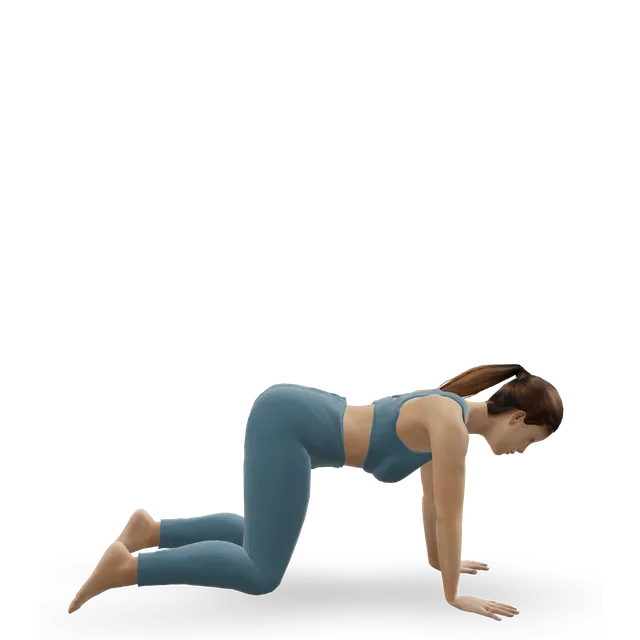
Dead bug heel taps (6 each side, our beginner Pilates for over-50s class), the hundred (50 beats to start, building to 100 (the classical count), from the move page's dose; head down with a sore neck or osteoporosis), the side kick (8 to 10 each side, from the move page's dose), swimming (2 to 3 sets of 20 to 30 seconds, from the move page's dose), the knee hover (3 holds of 15 to 30 seconds, from the move page's dose) and the single-leg glute bridge (2 sets of 8 to 10 each side, our Pilates strength workout).

Load you can keep adding

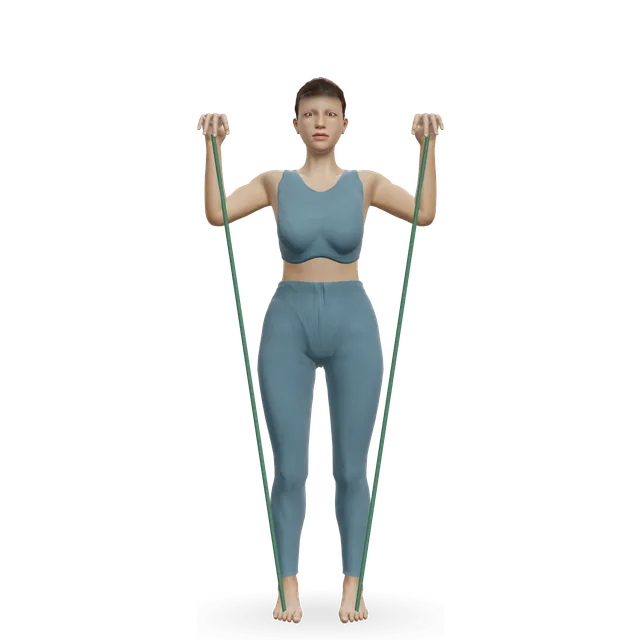
The goblet squat (3 sets of 8 to 12, our Pilates strength workout, stopping each set with 2 or 3 good reps left), the dumbbell Romanian deadlift (3 sets of 8 to 12, our strength and balance workout), the reverse lunge (2 sets of 8 to 10 each side, our Pilates strength workout), the band row (3 sets of 10 to 15, stopping 2 to 3 reps short of failure, with 60 to 90 seconds' rest, from the move page's dose), the incline push-up (3 sets of 6 to 12, our strength and balance workout), the push-up once inclines are easy (3 sets, stopping 2 to 3 reps short of failure, our Pilates strength workout) and the shoulder press with a band (2 sets of 8 to 12, our Pilates strength workout). Squeeze your pelvic floor and breathe out as you lift.

Impact and balance

Heel drops (20 to 30 drops at first, building toward about 50 impacts on most days, for example 5 sets of 10, from the move page's dose; if you leak, build up your pelvic floor exercises first and keep impact low for now) and the single-leg stand (2 holds of 20 s each leg, our beginner Pilates for over-50s class), beside a wall or worktop.

A week after 40

Our editorial starting point, following the NHS, the UK Chief Medical Officers' guidelines, NICE's pelvic floor advice and the Royal Osteoporosis Society. Doses are starting points, not prescriptions.

  1. Do Pilates twice a week. One session can be our class with weights and impact below.
  2. Lift on 2 days a week, at a weight you could lift about 8 to 12 times, building to 3 sets. The Pilates days can be the same days.
  3. Walk briskly, cycle or swim on most other days, building to 150 minutes a week.
  4. Do your pelvic floor squeezes every day: at least 8, 3 times a day.
  5. If it suits you, add impact such as heel drops on most days, building towards about 50.
  6. Add load as moves get easy: more reps, then a heavier weight or band, or a harder version.

Classes to follow

Our class with weights and impact puts the pelvic floor squeeze, heel drops, strength with dumbbells and a band, head-down Pilates and balance in one 40-minute session; no trial has tested the class itself, and its block timings are editorial. The others cover one part each: strength, bone, the pelvic floor, or a gentle start.

Pilates with weights and impact for women over 40: a 40-minute class for strength, bone and the pelvic floor

A 40-minute class for women over 40: pelvic floor squeezes, heel drops for bone, strength with dumbbells and a band, head-down Pilates and balance.

40 minBeginner19 movesDumbbell, band

Pilates strength workout: a 30-minute class with weights or a band

A 30-minute Pilates strength class with dumbbells or a band: Pilates trunk work plus squats, lunges, rows and push-ups, each set taken until it is hard.

30 minIntermediate15 movesDumbbell, band

Bone-strengthening workout

Impact, strength and balance for stronger bones, following UK osteoporosis consensus advice, with options for every level.

40 minBeginner14 movesKettlebell, other / check instructions

Pilates for your pelvic floor: squeeze, move, release

A 20-minute Pilates workout for your pelvic floor, built on UK pelvic health physiotherapists' booklet: squeeze as you breathe out, move, then fully release.

20 minBeginner18 movesWall, bench or box

Daily pelvic floor workout

A 5-minute daily pelvic floor workout for women and men: slow holds and quick squeezes, three times a day, with how to find the right muscles.

5 minBeginner2 movesNo equipment

Beginner Pilates workout

A 20-minute mat Pilates workout for complete beginners. It covers breathing, spine position and the foundation moves, each with an easier option.

20 minBeginner13 movesNo equipment

Beginner Pilates for over-50s

A 20-minute beginner mat Pilates session for over-50s with no deep or repeated rounding of the spine, plus back strengthening and standing balance.

20 minBeginner13 movesWall

Plans

The women over 40 plan builds a week of strength, impact, walking and the pelvic floor; the Pilates plans give a structured start.

Who should change what

Osteoporosis or a past spinal fracture

Swap the hundred, curl-ups, roll-ups and rolling moves for head-down versions, and bend from your hips rather than rounding your back; the move pages and our Pilates for osteoporosis guide explain which moves to keep. The Royal Osteoporosis Society says "Most people with osteoporosis can exercise safely." Most women in their 40s don't know their bone density, and without a diagnosis you don't need these swaps.

Source 51

A prolapse, or leaking

Train your pelvic floor first, bring impact in gradually and keep lifts lighter until you're confident, as the heel drop and Romanian deadlift pages say. If you feel heaviness, dragging or a bulge, ease off and get checked (below).

Pregnancy

The NHS says: "It's possible to get pregnant during perimenopause. You still need contraception". If you're pregnant, follow the move pages' pregnancy notes, and see our Pilates in pregnancy guide.

Source 25

High blood pressure

Breathe out on each effort and don't strain against a held breath, as the squat and deadlift pages say. Our Pilates for high blood pressure guide has more.

Hot flushes in class

Light layers, a fan and a cold drink help, and stopping to cool down is fine (our suggestion).

After a hysterectomy

Follow your surgical team's advice on when to start, and see our Pilates after a hysterectomy guide.

When to see a GP, and when to stop

This is general information, not a diagnosis. A&E means accident and emergency; in the US, call 911 for 999, and use your doctor's urgent line or urgent care for NHS 111.

Contact your GP if

The NHS suggests contacting your GP if:

  • you think you have symptoms of menopause or perimenopause and want to know your options
  • you have a fast or noticeable heartbeat (palpitations)
  • you still have periods but you're bleeding more than before, not less
  • you have any vaginal bleeding 12 months or more after your last period

Source 25

Palpitations

A faster or more noticeable heartbeat is a common symptom around the menopause. If palpitations come with chest pain, breathlessness or fainting, use the 999 lines below. An irregular pulse can be atrial fibrillation, which our Pilates for atrial fibrillation guide covers.

Sources 25, 65

Bleeding after the menopause

See a GP about any bleeding from the vagina after your menopause, even if it's only a small amount or has only happened once. It's not usually serious, but it needs checking, and you shouldn't have to wait more than 2 weeks to see a specialist.

Source 66

A bulge or heaviness

See a GP if you have a lump in or around your vagina or other signs of prolapse, such as heaviness or pressure. With prolapse, the NHS advises avoiding activities that strain the pelvic floor, like heavy lifting, running and trampolining.

Source 67

Leaking

If leaking isn't improving, see a GP or a pelvic health physiotherapist: NICE recommends supervised pelvic floor training for at least 3 months first.

Source 17

Leaking when you lift or jump

If you leak when you lift or jump, keep exercising, lighten or change what sets it off, and see a GP or pelvic health physiotherapist; if you feel a bulge or heaviness, get checked before heavy lifting or running.

Sources 59, 16, 17, 68

Chest pain or fainting while exercising: call 999

Call 999 if:

  • You get sudden pain or discomfort in your chest that doesn't go away; it can feel like squeezing or pressure, burning or indigestion.
  • The pain spreads to your left or right arm, or your neck, jaw, stomach or back.
  • You have chest pain and feel sweaty, sick, light-headed or short of breath.
  • Someone faints while exercising, can't be woken within 1 minute, or has chest pain or a pounding, fluttering or irregular heartbeat.

Sources 69, 70, 71

Unusual breathlessness

Call 999 or go to A&E (accident and emergency) straight away for severe difficulty breathing (gasping, choking or not able to get words out), a chest that feels tight or heavy, pain that spreads to your arms, back, neck and jaw, lips or skin turning very pale, blue or grey, or sudden confusion. If you're more short of breath than usual, or your heart is racing, fluttering or skipping beats, contact NHS 111.

Source 72

Stop the session if

You feel any pain or become unwell, as the NHS advises for its Pilates videos, and especially for chest pain or pressure, unusual breathlessness, dizziness or fainting. If you have a health problem, an injury or any symptoms, get advice from a healthcare professional, such as a GP, before you start.

Source 29

Before you start

The NHS advises getting advice from a healthcare professional first if you have a health problem, an injury or symptoms, or have recently had a heart attack or an operation.

Source 29

Myths

"After 40 you should stick to gentle exercise"Emerging evidence

Supervised heavy lifting and impact raised spine bone density in women after the menopause with low bone mass, with one minor back spasm in 101 women, and beat a Pilates-based programme for bone and strength. Harder programmes did more for the spine across 53 trials, and women around 52 lifted free weights with no injuries. Build up gradually.

Sources 45, 15, 30, 46, 3

"Pilates builds bone"Emerging evidence

Pooled trials found no significant change in bone density with Pilates; heavier lifting and impact did more.

Sources 13, 14, 15

"Heavy weights and jumping will ruin your pelvic floor"Emerging evidence

Eight months of heavy lifting and impact didn't worsen pelvic floor quality of life in one trial in women after the menopause, and an hour of heavy lifting didn't change pelvic floor function in young lifters. But athletes leak more, and with a prolapse the NHS advises avoiding heavy lifting, running and trampolining. Train the pelvic floor first and build up.

Sources 57, 58, 59, 67

"Pilates is pelvic floor training, so you don't need the squeezes"Emerging evidence

Pelvic floor training beat Pilates, with or without squeezes, in a 2026 trial, and it cures stress leaking far more often than doing nothing. Pilates matched it only when women squeezed deliberately.

Sources 18, 16, 19

"Pilates balances your hormones, so the menopause weight comes off"Emerging evidence

Pilates trials in women found small drops in weight and no change in waist or body fat, so there's no sign of a hormone effect on weight. Our workout plan for women over 40 explains why short rises in the stress hormone cortisol after hard exercise are normal.

Source 34

"Exercise will stop your hot flushes"Strong evidence

Exercise hasn't been shown to reduce them. One strength training trial is the exception, and its effect had gone by 2 years. HRT and CBT are the treatments NICE recommends.

Sources 20, 21, 61, 62, 2

"It's too late to change much after 40"Emerging evidence

Free-weight training raised strength in women around 52, resistance training improved function after the menopause, and people who became active in midlife had death rates like those active all along (an association).

Sources 46, 47, 73

"Lifting weights will make you bulky"Emerging evidence

In women around 52, 10 weeks of free weights raised strength, and muscle grew only in the women before the menopause. Our exercise for women guide answers this in full.

Source 46

"You need a reformer for real Pilates"Emerging evidence

Mat and apparatus Pilates gave similar gains in function in women about 65, and both helped in a small trial after the menopause. Equipment went with more quality-of-life gains in one review, at very low to moderate certainty.

Sources 74, 75, 35

Questions people ask

Is Pilates good for women over 40?

Yes, as one part of your week. It builds control, trunk and hip strength and flexibility, and the NHS counts it as strengthening activity. On its own it doesn't build bone or much muscle, so add load you keep increasing, brisk walking and daily pelvic floor exercises.

What are the benefits of Pilates for women in their 40s?

Better control, posture and trunk endurance, and, in small trials after the menopause, lower menopause symptom scores and better quality of life in some areas. Few trials have been done in women in their 40s and none in perimenopause alone, so the evidence comes mostly from slightly older women.

Is Pilates enough exercise for a woman over 40?

Not on its own. The NHS asks for strength work on at least 2 days a week plus 150 minutes of moderate activity, and the UK guidelines say strength work matters as much as the 150 minutes. Two Pilates sessions, load on 2 days and brisk walking cover it.

Pilates or weight training over 40?

Both, if you can. In a head-to-head trial, heavy lifting and impact raised spine bone density 1.9% against 0.1% with Pilates-based exercise and built more strength, while Pilates did better on held strength around the trunk in another trial. Our 40-minute class puts them together.

Can Pilates help with perimenopause?

It may help you feel stronger and calmer, and exercise eases low mood, anxiety and insomnia a little. It hasn't been shown to reduce hot flushes; NICE recommends HRT, or CBT as an option, for those. Our Pilates for menopause guide covers this stage.

Does Pilates help with menopause weight gain or belly fat?

A little at most: Pilates trials in women found small drops in weight but no change in waist or body fat. Fat gain speeds up through the menopause transition, so strength work, brisk activity and eating habits matter more, and our Pilates for belly fat guide explains why no move takes fat off one place.

Does Pilates strengthen your bones?

It hasn't been shown to: pooled trials found no change in bone density. Strength training with gradually heavier loads and some impact, such as heel drops, does more, if they suit you.

Is Pilates good for the pelvic floor?

It helps if you squeeze your pelvic floor during it, but it doesn't replace pelvic floor training, which cures stress leaking far more often than doing nothing. Do your squeezes daily, and see a GP or pelvic health physiotherapist if leaking isn't improving.

Can I lift weights or jump if I leak?

Usually yes, if you build up and squeeze first: heavy lifting and impact didn't worsen pelvic floor quality of life in one 8-month trial. If you leak or feel a bulge, lighten what sets it off and get help; with a prolapse, the NHS advises avoiding heavy lifting, running and trampolining.

How often should I do Pilates after 40?

Two or three times a week is a good base, with strength work on 2 days (they can be the same days) and walking on most others. Most Pilates trials in this age group used 2 or 3 sessions a week for 6 to 12 weeks.

Is reformer Pilates better than mat for women over 40?

Small trials found similar gains in function with mat and apparatus Pilates. The reformer's springs make it easier to add load, which helps; at home, add dumbbells or a band. Our reformer Pilates guide compares them.

When should I see a GP?

For bleeding after the menopause, periods that are heavier than before, a lump or bulge in or around your vagina, leaking that isn't improving, or palpitations. Chest pain, fainting or unusual breathlessness during exercise means stop and get help straight away.


Sources

  1. NHS · Physical activity guidelines for adults aged 19 to 64
  2. NICE NG23 · Menopause: identification and management (guideline, updated April 2026; read in full)
  3. UK Chief Medical Officers · Physical activity guidelines (updated July 2026)
  4. Greendale 2019 · Body composition and weight through the menopause transition in 1,246 women: SWAN (cohort, JCI Insight; read in full)
  5. Juppi 2020 · The menopause transition, physical activity and muscle in 234 Finnish women (cohort, J Clin Med; read in full)
  6. Greendale 2012 · Bone loss around the final period in 862 women: SWAN (cohort, J Bone Miner Res)
  7. PubMed · Our search for Pilates trials in perimenopause and midlife women (2 November 2026; Europe PMC and ClinicalTrials.gov also searched)
  8. ClinicalTrials.gov · NCT07897812: relaxation and Pilates for menopause symptoms in women over 40 (active, not recruiting; no results posted)
  9. Lee 2016 · 8 weeks of Pilates for menopause symptoms in 74 women aged 45 to 60 (small study with unequal groups, J Exerc Rehabil; read in full)
  10. Yiğit Kocamer 2025 · Pilates for menopause symptoms and sexual function in 30 women (randomised trial, Medicine; read in full)
  11. Arslan 2026 · Online Pilates for menopause and urinary symptoms in 40 women (randomised trial, Int Urogynecol J)
  12. Can 2026 · Clinical Pilates or aerobic exercise for menopause symptoms in 30 women (randomised trial, BJOG)
  13. de Oliveira 2021 · Pilates and bone density after the menopause: 3 trials (systematic review and meta-analysis, J Geriatr Phys Ther)
  14. Fernández-Rodríguez 2021 · Pilates or yoga and bone density in 591 women (systematic review and meta-analysis, PLoS One; read in full)
  15. Kistler-Fischbacher 2021 · Heavy lifting and impact or a Pilates-based programme in 115 women with low bone mass: MEDEX-OP (randomised trial, J Bone Miner Res)
  16. Dumoulin 2018 · Pelvic floor muscle training against no treatment for leaking in women: 31 trials (Cochrane review)
  17. NICE NG123 · Urinary incontinence and pelvic organ prolapse in women (guideline, 2019; read in full)
  18. Borges 2026 · Pelvic floor training or Pilates, with or without squeezes, for stress leaking (randomised trial, Int Urogynecol J)
  19. Gonzaga 2024 · Pelvic floor training or Pilates with squeezes in 40 women with stress leaking after the menopause (randomised trial, Int Urogynecol J)
  20. Daley 2014 · Exercise for hot flushes and night sweats (Cochrane review)
  21. Daley 2015 · Exercise for hot flushes in 261 women (randomised trial, BJOG)
  22. Sternfeld 2014 · Aerobic exercise for menopause symptoms in 248 women (randomised trial, Menopause; read in full)
  23. Yue 2025 · Physical activity, low mood and anxiety around and after the menopause: 21 trials (meta-analysis, Int J Behav Nutr Phys Act; read in full)
  24. NHS · What are menopause and perimenopause?
  25. NHS · Symptoms of menopause and perimenopause
  26. Janssen 2000 · Muscle mass and where it sits on MRI in 468 adults aged 18 to 88 (study, J Appl Physiol; a later correction couldn't be read)
  27. Ebbesen 2013 · Leaking urine in Norwegian women by age: the HUNT study (survey, BMC Urol; read in full)
  28. Hannestad 2000 · Leaking urine in 27,936 Norwegian women: EPINCONT (survey, J Clin Epidemiol)
  29. NHS · Pilates video for beginners, with its safety advice
  30. Kistler-Fischbacher 2021 · Exercise intensity and bone after the menopause: 53 trials (meta-analysis, Bone)
  31. Martyn-St James 2010 · Impact exercise and bone density in premenopausal women (meta-analysis, J Bone Miner Metab)
  32. Royal Osteoporosis Society · Strength exercise to help make your bones stronger
  33. Royal Osteoporosis Society · Impact exercise to help make your bones stronger
  34. Bajčetić 2026 · Pilates in adult women: 12 studies (systematic review and meta-analysis, Sports; read in full)
  35. de Almeida 2024 · Pilates and quality of life after the menopause: 11 trials (systematic review and meta-analysis, Qual Life Res)
  36. Chen 2020 · Pilates and sleep quality: 6 trials (systematic review and meta-analysis, Front Neurol; read in full)
  37. Ahmadinezhad 2017 · Pilates-based exercise or acupressure for sleep in 108 women aged 40 to 60 (randomised trial, Iran J Nurs Midwifery Res; read in full)
  38. Persaki 2024 · Pilates and sleep in 53 premenopausal women (observational study, Sleep Sci; read in full)
  39. Xu 2024 · Mind-body exercise around and after the menopause: 11 trials (systematic review and meta-analysis, Menopause; read in full)
  40. Lee 2021 · Pilates for urinary symptoms in 53 middle-aged women (trial, J Exerc Rehabil; read in full)
  41. Oh 2026 · A Pilates circuit or a weight circuit in 18 middle-aged women with obesity (exploratory trial, J Funct Morphol Kinesiol; read in full)
  42. Carrasco-Poyatos 2019 · Pilates or resistance training for trunk strength and balance in women aged 60 to 80 (randomised trial, PeerJ; read in full)
  43. Carrasco-Poyatos 2019 · Pilates or muscular training for function in older women (randomised trial, Physiol Behav)
  44. Oliveira 2024 · Pilates and strength in older adults: 24 trials (systematic review and meta-analysis, J Bodyw Mov Ther)
  45. Watson 2018 · Heavy lifting and impact in 101 women with low bone mass: LIFTMOR (randomised trial, J Bone Miner Res; a later correction couldn't be read)
  46. Isenmann 2023 · 10 weeks of free-weight training in women around 52, before and after the menopause (study with a no-training phase in the same women as its control, BMC Womens Health; read in full)
  47. Sá 2023 · Resistance training after the menopause: 12 trials (systematic review and meta-analysis, Menopause)
  48. Siyahtaş 2026 · Leisure activities and bone density after the menopause: 12 studies (systematic review and meta-analysis, Arch Gerontol Geriatr)
  49. Kelley 2013 · Exercise and bone density in premenopausal women (meta-analysis of randomised trials, Int J Endocrinol; read in full, with its correction, which changes no conclusion)
  50. Jones 2026 · High-intensity, impact and strength training and bone before and after the menopause: 8 trials (meta-analysis, Menopause)
  51. Royal Osteoporosis Society · How to exercise safely for bones
  52. Culligan 2010 · Pilates or pelvic floor training for pelvic floor strength in 62 women (randomised trial, Int Urogynecol J)
  53. Hay-Smith 2024 · Approaches to pelvic floor muscle training for leaking in women: 63 trials (Cochrane review)
  54. Bø 2003 · A pelvic floor squeeze or a deep tummy draw-in on ultrasound in 20 women (study, Neurourol Urodyn)
  55. Nightingale 2021 · Pelvic floor activity in Pilates-based positions in 20 women (pilot study, Int Urogynecol J)
  56. Coleman 2015 · Pressure inside the abdomen during mat and reformer Pilates in 20 women (study, Int Urogynecol J; read in full)
  57. Kistler-Fischbacher 2025 · Heavy lifting and impact and the pelvic floor in 115 women after the menopause: MEDEX-OP (randomised trial, Int Urogynecol J; read in full)
  58. Skaug 2024 · An hour of heavy lifting and the pelvic floor in 47 young women who lift (crossover study, Med Sci Sports Exerc; read in full)
  59. Teixeira 2018 · Leaking urine in female athletes: 8 studies (meta-analysis, Int Urogynecol J)
  60. Bø 2020 · Is physical activity good or bad for the female pelvic floor? (narrative review, Sports Med; read in full)
  61. Berin 2019 · Resistance training for hot flushes in 58 women after the menopause (randomised trial, Maturitas)
  62. Nilsson 2024 · Two years after a resistance training trial for hot flushes (randomised trial follow-up, BMC Womens Health; read in full)
  63. Qian 2023 · Exercise and sleep in menopausal women: 17 trials (meta-analysis, Front Med; read in full)
  64. NHS · Treatment for menopause and perimenopause
  65. NHS · Atrial fibrillation
  66. NHS · Postmenopausal bleeding
  67. NHS · Pelvic organ prolapse
  68. NHS · Urinary incontinence (past its review date: reviewed June 2023, review due June 2026)
  69. NHS · Chest pain (past its review date: reviewed August 2023, review due August 2026)
  70. NHS · Heart attack
  71. NHS · Fainting
  72. NHS · Shortness of breath
  73. Saint-Maurice 2019 · Activity across adult life and mortality in 315,059 adults (cohort, JAMA Netw Open; read in full)
  74. Mueller 2021 · Mat or apparatus Pilates in 48 women about 65 (randomised trial, J Bodyw Mov Ther)
  75. Lim 2026 · Mat Pilates with props or apparatus Pilates in 24 women after the menopause (randomised trial, Phys Act Nutr; read in full)

Exercise education, not a personal prescription, and clinical review of these guides is pending. If you are pregnant, have a health condition or have had recent surgery, check with a doctor, midwife or physiotherapist before starting, and stop for sharp or increasing pain. Health disclaimer.