Training guide

How to increase bone density: impact and strength training, how much and how often, food, vitamin D and calcium, at every age and after the menopause, and when to ask about a scan

Bone responds to load. Jolts through the skeleton, such as jumping, hopping and jogging, and muscles pulling hard on it, as in strength training, signal it to keep or add bone; walking on its own does little for bone density, and swimming and cycling don't load it. Most bone is built by your 20s, but trials show that strength and impact training can still add a little bone, or slow its loss, at any age, including after the menopause. The gains are a few per cent at most.

This guide covers how bone is built and lost, what the trials show for children, adults, women after the menopause and men, how much impact and strength work to do, calcium, vitamin D, protein, alcohol and smoking, a step-by-step impact routine with moves and workouts, and when to ask a GP about a scan. If you have osteoporosis or have broken a bone in a minor fall, start with our osteoporosis guide.

The short version

Bone responds to load

Impact (jogging, hops, small jumps, stamping) and strength training signal bone to keep or add mineral. Low-intensity exercise wasn't enough in women after the menopause, walking on its own did little for the spine, and swimming and cycling don't load bone, though they're good for your heart.

Sources 1, 2, 3, 4

Adults can still gain a little, at any age

Most bone is built by your 20s. After that, exercise in trials gave small but consistent gains at the spine and hip, or less loss than doing nothing, including in women after the menopause.

Sources 5, 6, 7

What to do

Strength training on 2 to 3 days a week, working towards a weight you can lift 8 to 12 times, up to 3 sets; about 50 moderate impacts on most days if impact suits you, starting with 20 to 30; and back and balance work. That's the UK consensus, as our osteoporosis guide gives it.

Sources 8, 9, 10

Food: enough, not extra

Adults need 700 mg of calcium a day, which most people get from food, and the NHS advises everyone to consider 10 micrograms of vitamin D a day in autumn and winter. Extra calcium adds little. Eat enough overall, and the 2024 UK osteoporosis guideline advises keeping alcohol to 2 units a day or less and not smoking.

Sources 11, 12, 13, 14

Osteoporosis or a broken bone changes the plan

If you have osteoporosis, or have broken a bone in a minor fall, our osteoporosis guide comes first: it covers impact and lifting with fractures. A broken bone after a minor fall, or sudden back pain with height loss, needs a GP: see the warning signs.

Sources 15, 16

How bone changes through life

What bone density is

Bone density is how much mineral, mostly calcium, is packed into your bones. A bone density (DXA) scan measures it at the spine and hip and compares it with healthy young adults. Osteopenia means lower than average but not low enough to count as osteoporosis. Density is one part of bone strength: bone size and structure, muscle strength and falls matter too.

Source 15

Most bone is built by your 20s

Bone is gained fastest in the teenage years, at about 12.5 in girls and 14 in boys, and by 4 years after that peak, 95% of adult bone mass is in place. Lifestyle shapes 20 to 40% of the most bone you'll have, with the best evidence for physical activity and calcium.

Source 7

Then it's slowly lost

Loss of the spongy inner bone starts in young adulthood: in 553 people, more than a third of a lifetime's loss of it came before 50. Around the menopause, spine density fell about 2.5% a year, and 10.6% over 10 years, in the SWAN study of 862 women.

Sources 17, 18

What loads bone

The Royal Osteoporosis Society calls impact low when one foot stays on the ground, as in walking, marching or stair climbing, and moderate when both feet leave the ground, as in jogging, skipping or dancing. Strength training loads bone by working the big muscles of the hips, legs, back and arms.

Sources 9, 10, 1

How people differ

Genes set much of your peak bone mass. Women lose bone faster around the menopause, but men get osteoporosis too. Low body weight, eating too little, smoking, heavy drinking, steroid tablets and some medical conditions raise the risk of weak bones.

Sources 7, 18, 19, 16

What the evidence says

Most trials are in women after the menopause; gains are a few per cent at most, and few trials counted fractures.

Exercise gives small, consistent gains after the menopauseStrong evidence

Across 80 studies of 5,581 women after the menopause, exercise gave small but consistent gains at the spine and hip, with or without low bone density and whether or not it was supervised. In a Cochrane review of 43 trials (4,320 women), combined programmes gave about 3 percentage points less spine loss than no exercise. Strength, weight-bearing and mixed exercise worked about equally.

Sources 5, 6, 20, 21

Intensity matters, up to a pointMixed evidence

Across 100 trials, low-intensity exercise wasn't an effective signal for bone in women after the menopause, and high-intensity training did more for the spine in a smaller set of studies. But in 11 studies that compared high and low intensity directly, high wasn't clearly better. Work towards weights that feel hard by 8 to 12 reps.

Sources 2, 22, 23

Heavy, supervised liftingEmerging evidence

In the LIFTMOR trial, 101 women after the menopause with low bone mass (average age 65) did 8 months of supervised 30-minute sessions twice a week, with heavy lifts and impact: spine density rose 2.9%, against a 1.2% fall in the home group, with one minor back spasm. In LIFTMOR-M, 93 men (average age 67) raised spine density 4.1% against 0.9%, but the groups weren't fully randomised. These are single, closely supervised trials, so heavier lifting comes only after learning the lifts with a coach or physiotherapist.

Sources 24, 25

Walking alone does littleMixed evidence

In 8 trials, regular walking didn't significantly protect spine density in women after the menopause, and in 10 trials any hip benefit appeared only with programmes longer than 6 months. Programmes that mixed jogging with walking and stair climbing did better.

Sources 3, 4, 26

Impact alone may not be enough after the menopauseEmerging evidence

In one trial, 50 jumps on 6 days a week raised hip density by 2.8% in 5 months in women before the menopause, but not in women after it. Across trials, impact-only programmes didn't raise density after the menopause, while mixed programmes did. In women before the menopause, jumping helped the hip more than the spine.

Sources 27, 26, 28, 29

MenEmerging evidence

In men, exercise had a small effect on hip density in one review of trials, and on both the spine and hip in another of 12 studies.

Sources 30, 31

Children and teenagersEmerging evidence

Across 27 trials, weight-bearing activity added a little bone in children and teenagers. 10 minutes of jumping twice a week for 8 months improved bone in 99 13-year-olds, and in 205 children, 7 months of jumping left them with 2.3 to 4.4% more bone mineral than other children 3 years later.

Sources 32, 33, 34

Fewer fractures, especially with supervisionEmerging evidence

Across 20 trials, exercise went with about a third fewer fractures from minor falls, and about twice that benefit with mostly supervised programmes. Few trials were designed to count fractures, which is why our osteoporosis guide grades this emerging too.

Sources 35, 36

Gains fade if you stopEmerging evidence

In 29 women before the menopause, hip density rose 2.7% with jumping and strength training and drifted back towards where it started within 6 months of stopping. Young ice hockey players who stopped playing lost more hip density over 3 years than those who kept going.

Sources 37, 38

How much: strong, steady, straight

These are the UK consensus doses as our osteoporosis guide gives them, word for word, and our plan for women over 50 builds them in. The consensus was written for people with or at risk of osteoporosis; we use the same doses here for building and keeping bone (our reading).

Strength training 2 to 3 days a week

On 2 to 3 days a week, with at least a day's rest between, for 20 to 30 minutes. Choose a weight you can lift 8 to 12 times with good technique: that is one set. Build up to 3 sets. Go lighter if you cannot do 8 well, heavier if 12 feels easy.

Sources 8, 10

About 50 impacts on most days

If you have no spinal fractures, build up to about 50 moderate impacts on most days, such as jogs, hops, low jumps or stamping: for example 5 sets of 10, with a walk or rest between. You can spread them across the day.

Moderate means no landing from height. High impact is not specifically recommended, but if you already do it you can usually carry on.

Sources 8, 9

The Royal Osteoporosis Society's impact levels

  • Level 1, low impact, with one foot always on the ground: heel drops, push-off knee bends, marching.
  • Level 2, moderate: heel drops with more force, small jumps, jogging on the spot.
  • Level 3, moderate for the more active: running on the spot, skater steps, hops or jumps, stride jumps.

Source 9

Back-muscle exercises

3 to 5 repetitions, each held for 3 to 5 seconds, at least twice a week (the 2022 consensus paper). The 2018 quick guide allows up to 10 repetitions on 2 to 3 days a week, so treat 3 to 5 as the start and 10 as the ceiling.

Source 8

Every day

Be active every day, spread across the day, and avoid long spells of sitting.

Source 8

Where to start

Start impact with 20 to 30 heel drops, as our plan for women over 50 does, and build up over a few weeks. For strength, a squat, a hinge (such as a deadlift), a push and a pull each session, stopping 2 to 3 reps short of failure and adding reps, then weight, as our plans' notes say.

Source 8

How long

Trials ran 6 to 12 months or more and measured changes of a few per cent, so judge the habit over months, not the next scan (our reading).

Sources 24, 4

Impact for your bones, step by step

From the UK consensus's impact advice as our osteoporosis guide gives it and the heel drop page; the 2 to 4 weeks is editorial. Leaking during impact? Start with pelvic floor exercises first.

  1. Check it suits you: no spinal fractures or several broken bones from minor falls, no leaking when you land, and steady on your feet. If any of these applies, start with marching and gentle heel drops and get advice.
  2. Stand tall near a worktop, in supportive shoes, feet hip-width apart.
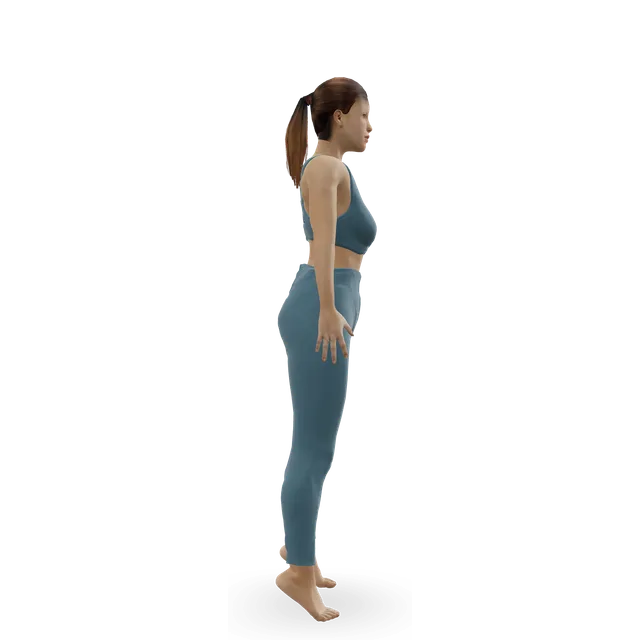
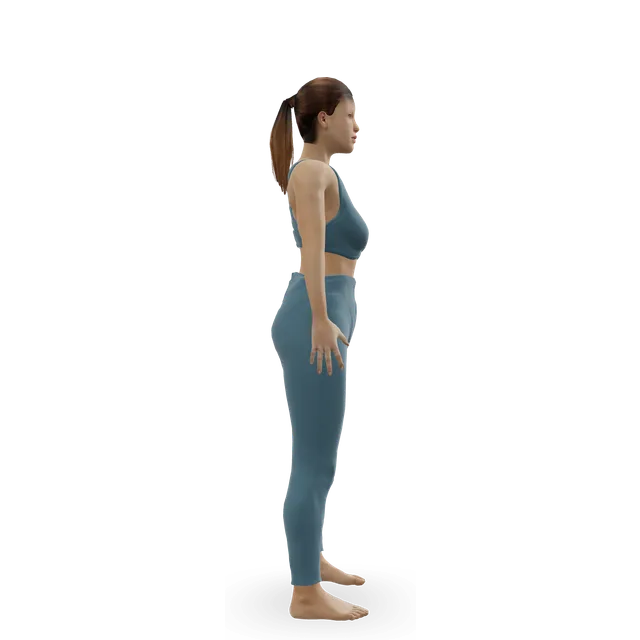
  3. Rise onto the balls of your feet, then drop your heels to the floor with a firm thump. That's one impact.
  4. Start with 20 to 30, in sets of 10, with a short walk or rest between sets.
  5. Over 2 to 4 weeks, build towards about 50 on most days. You can spread them through the day.
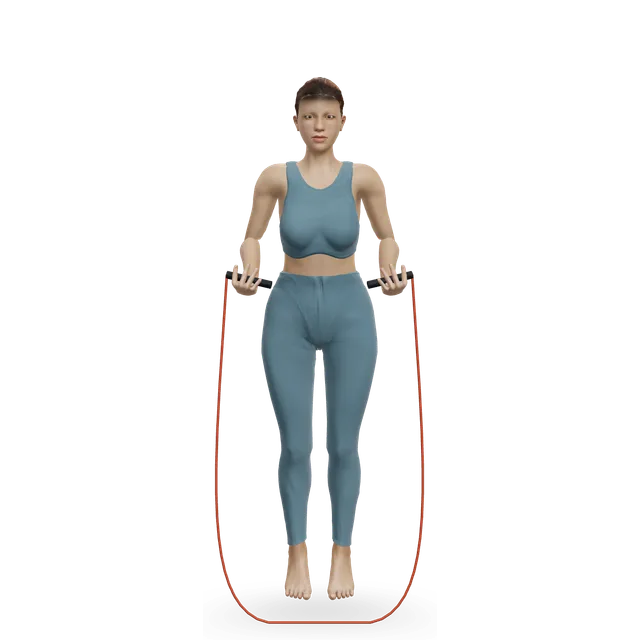
  6. When heel drops feel easy, make the jolt bigger: jogging on the spot, small jumps, skipping or hops (the Royal Osteoporosis Society's levels 2 and 3).
  7. Keep strength training on 2 to 3 days a week as well: impact alone may not be enough after the menopause.

Loading the 3D figure…

Gets into position, then repeats the movement. Technical checks passed; qualified exercise review is pending.

The movement on the figure: Heel drop (impact for bone)

Impact: jolts through the bones, most days

If impact suits you, build up to about 50 moderate impacts on most days, for example 5 sets of 10, starting with 20 to 30. With spinal fractures or several broken bones from minor falls, keep to low impact and follow our osteoporosis guide.

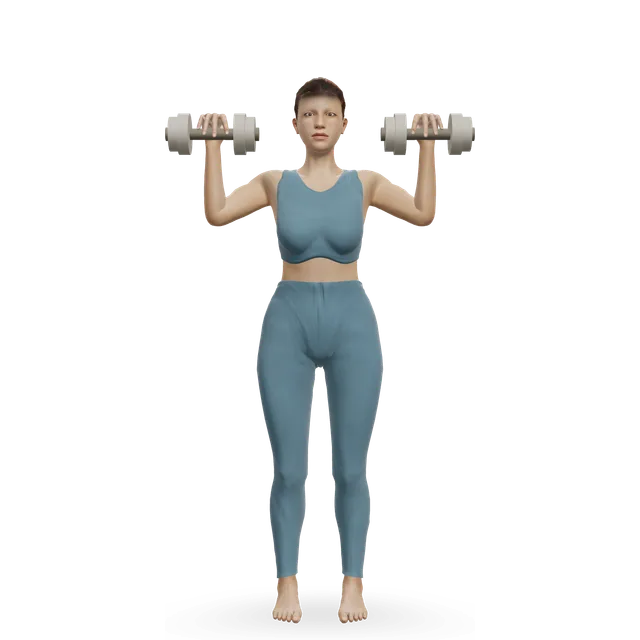
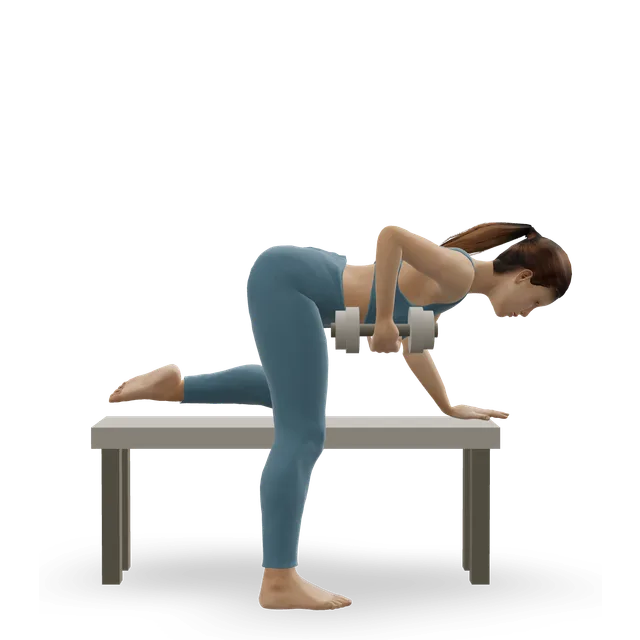
Strength: squat, hinge, push, pull

On 2 to 3 days a week, working towards a weight you can lift 8 to 12 times, up to 3 sets. Heavier sets of 5, as in the LIFTMOR trial, only after learning the lifts with a coach or physiotherapist.

Back muscles and balance

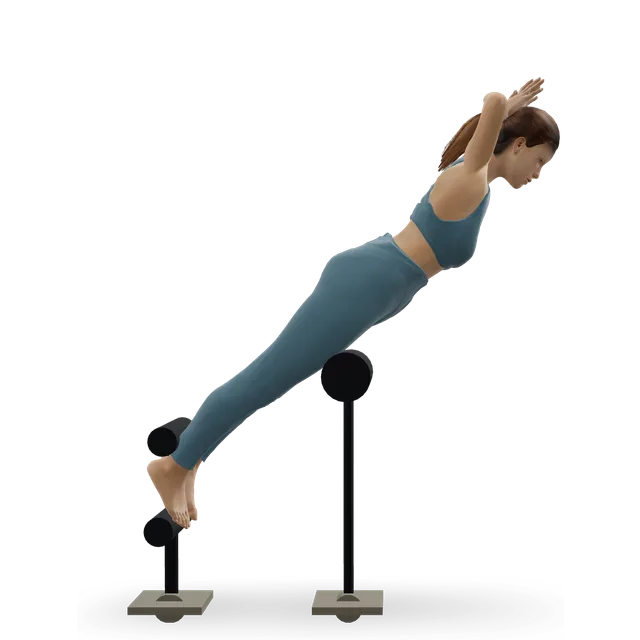
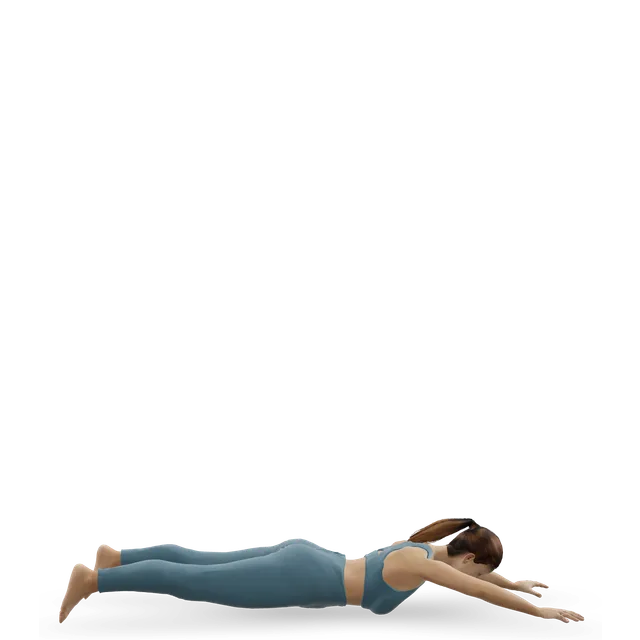
Back extension work for posture and balance work against falls, as the UK consensus recommends.

At every age

Children and teenagersEmerging evidence

Active play, sport and jumping build bone while it's growing fastest: short jumping programmes at school added bone that was still there years later. Our plan and strength workout for teenagers cover safe strength training.

Sources 33, 34, 7

AdultsEmerging evidence

Gains in women before the menopause and in men are small, but strength and impact training help keep the bone you have. Mix both.

Sources 29, 28, 31

Around the menopauseStrong evidence

Bone loss starts about a year before the final period and is fastest until two years after it. In the SWAN study of 862 women, 7.4% of spine bone density was lost in that three-year window, out of 10.6% over ten years. A UK consensus recommends progressive strength training on 2 to 3 days a week and about 50 moderate impacts on most days. Our osteoporosis guide has the detail.

Sources 18, 8

Older adultsStrong evidence

Trials added a little bone, or slowed its loss, in women in their 60s and beyond. Balance work matters more with age, because falls cause most broken bones. If you feel unsteady or have fallen, build strength and balance first:

Build strength and balance before you add other activity, including brisk walking: the UK consensus warns that brisk walking may raise the risk of falls and fractures in people already at risk.

Sources 5, 8

Calcium, vitamin D, protein, alcohol and smoking

Calcium: 700 mg a day, from food if you canStrong evidence

The NHS says adults need 700 mg of calcium a day, which you should be able to get from your diet: milk, cheese and yoghurt, tofu, green leafy vegetables, soya drinks with added calcium, and fish where you eat the bones, such as sardines. In 59 trials in people over 50, extra calcium from food or supplements raised density by only 0.6 to 1.0%, without further gains, and the evidence that supplements prevent fractures is weak.

Sources 11, 1, 13, 39

Vitamin D: 10 micrograms a day in autumn and winterStrong evidence

The NHS advises everyone to consider 10 micrograms of vitamin D a day in autumn and winter, and all year if you're rarely outdoors, usually cover most of your skin outdoors or have dark skin. Oily fish, red meat, egg yolks and fortified foods contain some. In 23 trials (4,082 people), supplements barely changed bone density in people without a deficiency.

Sources 12, 40

ProteinEmerging evidence

Across 16 trials and 20 studies that followed people over time, more protein gave a small benefit at the spine, with no harm to bone.

Source 41

Alcohol and smokingStrong evidence

The 2024 UK osteoporosis guideline advises keeping alcohol to 2 units a day or less and stopping smoking. In 16,971 people, drinking more than 2 units a day went with more fractures; in 59,232 people, current smoking went with 25% more fractures.

Sources 14, 42, 43

Eating enoughStrong evidence

Training hard on too little food harms health and performance in women and men (relative energy deficiency in sport, or REDs). If you are worried about your energy, your periods or repeated injuries, see a doctor.

Source 44

Medicine

Where medicine is needed, exercise should be seen as an addition to it rather than an alternative: medicine has much stronger evidence for preventing fractures.

Source 14

When to ask about a bone density scan

A fracture risk assessment comes firstStrong evidence

NICE asks doctors to assess fracture risk in everyone 50 and over, and women after the menopause, who have broken a bone in a minor fall or take steroid tablets, and to consider it in all women 65 and over, all men 75 and over, and people 50 to 74 with risk factors such as 2 or more falls in a year, a close relative's broken hip, low body weight, smoking or drinking more than 14 units a week. A scan follows if the assessment says it's needed.

Source 16

A scan result doesn't change the exercise

The UK consensus doesn't adapt exercise for bone density alone: what changes the advice is a spinal fracture or several fractures, not the scan number, as our osteoporosis guide explains.

Source 8

Workouts to follow

The bone-strengthening workout puts impact, strength, back work and balance into 40 minutes. Do it twice a week, with heel drops or other impact on most other days, as our plan for women over 50 does.

Bone-strengthening workout

Impact, strength and balance for stronger bones, following UK osteoporosis consensus advice, with options for every level.

40 minBeginner14 movesA kettlebell, Other / check instructions

Strength and balance workout

Strength and balance in one session: squats, Romanian deadlifts, push-ups, rows, step-ups, back extensions, carries and single-leg balance.

45 minBeginner14 movesA wall, A dumbbell

Springy starter: calf strength and gentle bounces

A beginner's springy session: calf strength first, then heel drops, calf springs and gentle bounces, building towards skipping and pogo hops.

20 minBeginner11 movesA wall, A step

Beginner jump rope workout

A first jump rope session in about 20 minutes: a springy warm-up, five short rope rounds with equal rest, calf and shin work, and calf stretches.

20 minBeginner7 movesA jump rope, A wall

Balance exercises routine

Balance practice in 10 minutes: tandem stance, single-leg stands, marches, heel walks, tree pose and floor transfers.

10 minBeginner7 movesA wall, A bench or box

Strength workout for teenagers: technique first, with jumps and landings

A 40-minute first strength workout for teenagers: a warm-up, landing and jump drills, then squats, hinges, push-ups, rows, step-ups and carries, kept light.

40 minBeginner19 movesA wall, A dumbbell

Yoga for osteoporosis: a 30-minute class with the safe swaps built in

A 30-minute yoga class for osteoporosis: standing strength, balance at a wall, back-strengthening holds and hip hinges in place of deep forward folds.

30 minBeginner19 movesA bench or box, A wall

Pilates for osteoporosis: a mat class with safe swaps

A 25-minute Pilates workout for osteoporosis and osteopenia: the Royal Osteoporosis Society's swaps for rounding moves, plus back strength and balance.

25 minBeginner16 movesA wall, A bench or box

Kyphosis exercises for seniors: a spine-strengthening routine

A 30-minute routine for a rounded upper back in later life, built from the SHEAF trial: floor back-strengthening, posture practice and gentle mobility.

30 minBeginner13 movesA bench or box, A wall

Plans

The plan for women over 50 is built on the UK consensus; the plans for women and men over 40 and 50 and for teenagers build strength and impact in, and the beginner strength programme suits heavier lifting once you've learned the lifts.

If you have osteoporosis or other conditions

Osteoporosis, osteopenia or a past broken bone

If you have osteoporosis or have broken a bone in a minor fall, start with our osteoporosis guide: it covers exercise with fractures, what to avoid and heavy lifting. Osteopenia gets the same doses as on this page.

With osteoporosis or a past spinal fracture, avoid repeated or loaded deep rounding of the back, and bend from the hips. The osteoporosis guide covers impact and lifting.

Sources 8, 15

Get advice before you start if

  • You have had a spinal fracture or several low-trauma fractures: see a physiotherapist, at least at the start.
  • You have a new fracture: wait until the bone has healed, which can take up to 3 months, before building up strength work, but keep moving.
  • You leak urine on impact: treat that first with pelvic floor training.
  • You want to lift heavy: learn the lifts with a physiotherapist or qualified instructor first.

After a spinal fracture

Keep impact low, up to brisk walking, and build to 20 minutes on most days (150 minutes a week). This is a precaution, because of theoretical, unproved risks of another spinal fracture.

Source 8

Bending and twisting with osteoporosis

Modify or avoid exercises that round your back deeply or repeatedly, especially with a weight: sit-ups, toe touches, Pilates roll-downs and curl-ups, and extreme yoga forward folds. Bend from the hips instead. You do not need to avoid bending, twisting or lifting altogether: move smoothly and keep your upper back straight.

Twisting should be safe if you do it smoothly and comfortably. Slow down and shorten fast or forceful twists, and leave out the added weight.

Steroid tablets

Bone loss starts soon after steroid tablets are started. The 2024 UK osteoporosis guideline recommends starting bone-protecting medicine at the same time as steroid tablets, without waiting for a bone scan, for anyone who has already broken a bone easily, women aged 70 or over, and women after the menopause and men aged 50 or over prescribed 7.5 mg or more of prednisolone a day over 3 months. It also recommends regular weight-bearing and muscle-strengthening exercise. Our guides to exercise with Crohn's and colitis, lupus, polymyalgia rheumatica, myasthenia gravis and muscular dystrophy cover bones and steroids in those conditions.

Source 14

Myeloma

Myeloma bone disease is different: Myeloma UK says high-impact exercise is usually not recommended and advises avoiding heavy lifting, so the impact work here isn't for it. Our blood cancer guide covers exercise with myeloma.

With a heart, lung or metabolic condition

WHO notes that people without contraindications generally do not need medical clearance before light or moderate activity. If you have a heart, lung or metabolic condition, are pregnant, or have osteoporosis with fractures, ask your clinician first.

Warning signs: when to get help

Stop and get medical help

If you get chest pain or pressure, feel faint or dizzy, are unusually breathless, or your heart races or beats irregularly during exercise, as our plans advise.

Call 999 (911 in the US)

For chest pain that comes on suddenly and doesn't go away, feels tight or like squeezing, spreads to your arms, neck, jaw, stomach or back, or comes with sweating, feeling sick, light-headedness or breathlessness; severe difficulty breathing; someone who faints while exercising; palpitations that don't go away, or come with chest pain, shortness of breath or feeling faint; or a headache that starts suddenly and is extremely painful, especially while lifting or straining, or comes with numbness or weakness, difficulty speaking or loss of vision. The NHS says a bleed on the brain may be more likely when lifting something heavy. Don't drive yourself to A&E.

Sources 45, 46, 47

Call 999 (911 in the US) after a fall

  • After a fall: a possible injury to your head, neck, back or hip, or you cannot get up.
  • Call 999 or go to A&E: severe hip pain after a fall or injury, or you cannot stand, walk or put weight on the leg. In an older adult this can be a broken hip; the leg may be at an odd angle or look shorter. Don't drive yourself.

See your GP soon (or NHS 111 if you're worried)

  • Sudden new back pain, often after a bend, lift, cough or minor fall, or new height loss or a change in the curve of your upper back. These can be signs of a spinal fracture, and not all spinal fractures hurt.
  • A fall, or a broken bone from a fall; or two or more falls in a year.
  • You're 50 or over, or past the menopause, and have broken a bone in a minor fall: ask your GP for a fracture risk assessment. NICE asks for one after any fragility fracture, and a broken pelvis counts: NICE says pelvic fractures are as strongly linked with weak bones as the common fragility fractures (our broken pelvis guide covers recovery). NICE offers a bone density (DXA) scan after a broken hip or spine bone at any time, a broken wrist or shoulder in the past 2 years, or 2 or more fragility fractures.
  • Pain in a bone that is there at rest or getting worse.
  • Leaking urine when you jump or land: a pelvic health physiotherapist can help.

Sources 15, 16

A possible spinal fracture

Unexplained back pain with muscle spasms, loss of height, or a curved spine or change in posture: a possible osteoporotic spinal fracture, more likely with older age or long-term steroid tablets.

A broken wrist over 50

You're over 50 and have broken your wrist: ask about a fracture liaison service to check your bone health.

Stop for today

  • Feeling sick, dizzy or light-headed, very breathless, clammy or sweaty, chest tightness, or any pain.
  • Strain in your back while lifting: put the weight down, then lighten the load or change your technique.

Bone pain in children and teenagers

Pain in one spot on a bone that builds with jumping or running and is there at rest or at night needs checking by a GP before more impact (our suggestion, in line with our osteoporosis guide's line on bone pain at rest).

Ask for an urgent GP appointment or call NHS 111

Ask for an urgent GP appointment or get help from NHS 111 for a headache that's triggered or made worse by coughing, sneezing, bending down or exercising. In the US, contact your doctor or urgent care.

During any session

Stop straight away if you feel any pain or become unwell, the NHS says, and contact 111 if your symptoms worry you or don't go away.

A dull ache in your muscles for a day or two after something new is normal. Joint pain that's sharp, gets worse during a set or lingers into the next day means switching to the easier option, and seeing a GP or physiotherapist if it carries on (our plans' rule). Our muscle soreness guide has more.

Check first

Speak to a GP first if you haven't exercised for some time, or if you have a medical condition or concerns. Get advice first, too, if you have a health problem, an injury or symptoms, have recently had a heart attack or an operation, or are pregnant or have recently given birth.

Source 48

A heart condition

If you have a heart condition, follow your cardiac team's advice on how hard to work, and stop for the warning signs above. People with long-term conditions may wish to ask their specialist before starting. With uncontrolled high blood pressure, avoid straining against a held breath; the high blood pressure guide has more.

Myths

"Walking is all you need for strong bones"Mixed evidence

Walking didn't significantly protect spine density in trials, and helped the hip only in programmes longer than 6 months. Keep walking for your heart, and add strength and impact.

Sources 3, 4

"You can't build bone after 30"Emerging evidence

Most bone is built by your 20s, but trials added a little bone at any age, including in women and men in their 60s.

Sources 7, 5, 24, 25

"Calcium and vitamin D supplements build bone"Strong evidence

If you already get enough, extra calcium raised density by only 0.6 to 1.0%, and vitamin D supplements barely changed it. Get what you need (700 mg of calcium, 10 micrograms of vitamin D), not more.

Sources 13, 40

"Swimming and cycling build bone"Strong evidence

Walking and non-weight-bearing exercise such as cycling and swimming do not improve bone density. They are still good for your heart and general health.

Sources 1, 9

"Jumping is dangerous for your bones"Emerging evidence

Moderate impact is recommended unless you have spinal fractures or several broken bones from minor falls, and people who exercised had fewer fractures than those who didn't in trials.

Sources 8, 35

"Light weights are safer and just as good for bone"Mixed evidence

Low-intensity exercise wasn't an effective signal for bone in a large review, though trials comparing high and low intensity directly were inconclusive. Work towards weights you can lift only 8 to 12 times.

Sources 2, 23

"Once you've built bone, it stays"Emerging evidence

Gains drifted back within months to a few years of stopping, in small studies. Keep training.

Sources 37, 38

Questions people ask

How can I increase my bone density?

Combine strength training on 2 to 3 days a week with about 50 moderate impacts on most days, such as heel drops, jogging or small jumps, if impact suits you. Eat enough, get 700 mg of calcium from food and consider 10 micrograms of vitamin D a day in autumn and winter, keep alcohol low and don't smoke. With osteoporosis or a past broken bone from a minor fall, start with our osteoporosis guide.

What exercise is best for bone density?

A mix of strength training and impact did best in trials. Work towards weights you can lift only 8 to 12 times, include squats, deadlifts, presses and rows, and add jolts such as heel drops, jogging or small jumps.

Does walking increase bone density?

Not much on its own: walking didn't significantly protect spine density in trials, and helped the hip only in programmes longer than 6 months. Keep walking for your heart, and add strength and impact.

Can you increase bone density after 50?

Yes, a little. In trials of women after the menopause, exercise gave small gains at the spine and hip, or less loss than doing nothing, and supervised heavy lifting raised spine density by a few per cent in women and men in their 60s.

How can I increase bone density after the menopause?

Strength training on 2 to 3 days a week, impact on most days and balance work, as the UK consensus recommends. Bone loss is fastest from about a year before the last period to two years after it, so starting in the perimenopause helps.

How long does it take to increase bone density?

Trials ran 6 months to a year or more, and the changes were a few per cent at most. Keep the habit going over months and years rather than chasing the next scan result.

What foods increase bone density?

Calcium-rich foods such as milk, cheese and yoghurt, tofu, green leafy vegetables, soya drinks with added calcium and fish where you eat the bones, plus oily fish and egg yolks for some vitamin D. Extra calcium beyond what you need adds little, and eating enough overall matters.

Should I take calcium or vitamin D supplements?

The NHS advises everyone to consider 10 micrograms of vitamin D a day in autumn and winter, and most people get enough calcium from food. With osteoporosis, follow your doctor's advice.

How can children and teenagers build strong bones?

Active play, sport and jumping: short jumping programmes at school added bone that was still there years later. Most adult bone is laid down by the early 20s.

Do men need to think about bone density?

Yes: men get osteoporosis too, and exercise raised bone density a little in trials of men. The same mix of strength and impact applies.

When should I ask for a bone density scan?

Ask your GP about a fracture risk assessment if you're 50 or over and have broken a bone in a minor fall, take steroid tablets, or have risk factors such as 2 or more falls in a year, low body weight, smoking or a close relative who broke a hip. NICE asks doctors to consider it in all women 65 and over and men 75 and over.

Is it safe to jump or lift heavy with low bone density?

For most people, yes, built up gradually: the UK consensus recommends strength and impact, and trials found fewer fractures in people who exercised. With osteoporosis, a spinal fracture or a past broken bone from a minor fall, our osteoporosis guide and a physiotherapist come first.

Sources

  1. NHS · Osteoporosis: prevention (past its review date: reviewed October 2022, review due October 2025)
  2. Kistler-Fischbacher 2021 · Exercise intensity and bone in women after the menopause, part 1 (systematic review, Bone)
  3. Martyn-St James 2008 · Walking and bone density in women after the menopause (meta-analysis, Bone)
  4. Ma 2013 · Walking and bone density around and after the menopause (meta-analysis, Menopause)
  5. Mohebbi 2023 · Exercise and bone density in women after the menopause (meta-analysis, Osteoporos Int)
  6. Howe 2011 · Exercise for preventing and treating osteoporosis in women after the menopause (Cochrane review)
  7. Weaver 2016 · Peak bone mass and lifestyle (National Osteoporosis Foundation position statement and systematic review, Osteoporos Int)
  8. Brooke-Wavell 2022 · Strong, steady and straight: UK consensus statement on exercise for osteoporosis (consensus statement, Br J Sports Med)
  9. Royal Osteoporosis Society · Impact exercise to help make your bones stronger
  10. Royal Osteoporosis Society · Strength exercise to help make your bones stronger
  11. NHS · Calcium (past its review date: reviewed August 2020, review due August 2023)
  12. NHS · Vitamin D (past its review date: reviewed August 2020, review due August 2023)
  13. Tai 2015 · Calcium intake and bone density: 59 trials (meta-analysis, BMJ)
  14. Gregson 2025 · The 2024 UK clinical guideline for the prevention and treatment of osteoporosis (guideline, Arch Osteoporos)
  15. NHS · Osteoporosis (past its review date: reviewed October 2022, review due October 2025)
  16. NICE · Osteoporosis: risk assessment (NG259), fragility fracture risk assessment (2026)
  17. Riggs 2008 · Rates of bone loss at different sites in women and men (population study, J Bone Miner Res)
  18. Greendale 2012 · Bone loss around the final period in the SWAN study (cohort, J Bone Miner Res)
  19. NHS · Osteoporosis: causes (past its review date: reviewed October 2022, review due October 2025)
  20. Kemmler 2020 · Types of exercise and bone density in women after the menopause (meta-analysis, Calcif Tissue Int)
  21. Shojaa 2020 · Exercise training and bone density in women after the menopause (meta-analysis, Front Physiol)
  22. Kistler-Fischbacher 2021 · Exercise intensity and bone in women after the menopause, part 2 (meta-analysis, Bone)
  23. Kast 2022 · Exercise intensity and bone density in adults (meta-analysis, Osteoporos Int)
  24. Watson 2018 · Heavy resistance and impact training in women with low bone mass: the LIFTMOR trial (RCT, J Bone Miner Res)
  25. Harding 2020 · Bone-targeted exercise in men with low bone mass: the LIFTMOR-M trial (semi-randomised trial, J Bone Miner Res)
  26. Martyn-St James 2009 · Impact exercise and bone loss after the menopause (meta-analysis, Br J Sports Med)
  27. Bassey 1998 · Different bone responses to the same jumping before and after the menopause (RCT, J Bone Miner Res)
  28. Zhao 2014 · Jumping and bone density in women before the menopause (meta-analysis, Sports Med)
  29. Martyn-St James 2010 · Types of impact exercise and bone density in women before the menopause (meta-analysis, J Bone Miner Metab)
  30. Hamilton 2022 · Exercise and bone density in men: randomised trials (meta-analysis, Calcif Tissue Int)
  31. Mages 2021 · Exercise and bone density in men (meta-analysis, Nutrients)
  32. Behringer 2014 · Weight-bearing activity and bone in children and teenagers (meta-analysis, J Bone Miner Res)
  33. Weeks 2008 · Eight months of in-school jumping and bone in teenagers: the POWER PE study (RCT, J Bone Miner Res)
  34. Gunter 2008 · Jumping and bone in children: 4 years of follow-up (trial follow-up, Bone)
  35. Hoffmann 2022 · Exercise and fractures in adults, and whether supervision matters (meta-analysis, J Bone Miner Res)
  36. Hoffmann 2023 · Exercise and major osteoporotic fractures in adults (meta-analysis, Osteoporos Int)
  37. Winters 2000 · Stopping training reverses its bone and muscle benefits in women before the menopause (trial, J Bone Miner Res)
  38. Nordström 2005 · Bone gained from activity and lost when it stops, in young men (cohort, Osteoporos Int)
  39. Bolland 2015 · Calcium intake and the risk of fracture (systematic review, BMJ)
  40. Reid 2014 · Vitamin D supplements and bone density (meta-analysis, Lancet)
  41. Shams-White 2017 · Dietary protein and bone health (meta-analysis, Am J Clin Nutr)
  42. Kanis 2005 · Alcohol intake as a risk factor for fracture (meta-analysis of cohorts, Osteoporos Int)
  43. Kanis 2005 · Smoking and fracture risk (meta-analysis of cohorts, Osteoporos Int)
  44. Mountjoy 2023 · Relative energy deficiency in sport (REDs) (IOC consensus statement, Br J Sports Med)
  45. NHS · Chest pain (past its review date: reviewed August 2023, review due August 2026)
  46. NHS · Heart palpitations
  47. NHS · Shortness of breath
  48. NHS · Physical activity guidelines for adults aged 19 to 64

Exercise education, not a personal prescription, and clinical review of these guides is pending. Check with a GP before starting hard training if you have a heart condition, chest pain, dizziness or breathlessness when active, and stop for sharp or increasing pain. Health disclaimer.