Pilates for prolapse: the pelvic floor, pressure and breathing, the moves to change, the reformer, after surgery, and a class
A pelvic organ prolapse is when the womb, bladder or bowel bulges into the vagina. Pilates is generally fine with a prolapse if you adapt it, and it can be the supervised exercise that goes alongside the treatment that comes first: pelvic floor muscle training for at least 16 weeks. In a trial of 414 women, one-to-one training plus Pilates-based classes slightly reduced prolapse symptoms over 2 years. No trial has tested Pilates on its own.
Pilates sits beside care from your GP and a pelvic health physiotherapist, and after surgery your surgical team's advice comes first. This guide covers what happens to the pressure inside your tummy in Pilates, the moves to use and the ones to swap, reformer and wall Pilates, lifting and impact, Pilates with a pessary and after surgery, our free pelvic floor class, and the signs that need a GP.
Looking for a prolapsed (slipped) disc in your back? That's a different problem: see our Pilates for back pain guide.
Common, not dangerous, and not always getting worse
The UK's pelvic health physiotherapists, the Pelvic, Obstetric and Gynaecological Physiotherapy group (POGP), say a prolapse is "not a life threatening condition, and not all prolapses get worse; some may improve". See a GP about a lump or bulge in or around your vagina.
The National Institute for Health and Care Excellence (NICE) suggests supervised pelvic floor muscle training for at least 16 weeks for a mild prolapse with symptoms. In a trial of 447 women it eased symptoms more than a leaflet, and 11 years later fewer of those women had needed further prolapse treatment.
NICE says supervised exercise, such as yoga, may help women doing supervised pelvic floor training. In a trial of 414 women, one-to-one training plus Pilates-based classes slightly reduced symptoms over 2 years; the classes can't be separated from the one-to-one training.
No evidence that Pilates causes or worsens a prolapse
In a lab study of 22 beginner Pilates moves, none raised the pressure inside the tummy more than standing up from a chair, though roll-ups kept it high for longest. In 115 older women, gentle Pilates-based exercise didn't worsen pelvic floor symptoms.
Squeeze your pelvic floor as you breathe out and move, then let it go fully. Keep your head down in tummy work, swap roll-ups and the teaser, leave out jumping, and stop any move that brings on heaviness, dragging or a bulge.
a feeling of heaviness, discomfort or pressure in your lower tummy or vagina
feeling or seeing a bulge or lump inside (or coming out of) your vagina
pain, discomfort or numbness during sex
problems pooing, such as constipation
problems peeing, such as feeling like your bladder is not emptying fully, needing to go to the toilet more often, or leaking a small amount of pee when you cough, sneeze or exercise
The NHS says "If you do not have any symptoms, or the prolapse is not bothering you, you may not need medical treatment." Symptoms are often worse at the end of the day, after standing for a long time or after lifting.
It depends on how it's counted: 3% to 6% of women by symptoms, and up to half on examination. The Royal College of Obstetricians and Gynaecologists (RCOG) says 1 in 10 women over 50; POGP says about 1 in 3 women who have had children.
Across 15 studies, having children, vaginal birth, age and body weight were the risk factors that held up; physical activity and heavy work weren't. POGP says heavy lifting, long standing and repeated bending may push pressure downwards and make a prolapse more likely.
POGP's Pilates booklet builds the pelvic floor into every move: "Breathe in, breathe out, and engage your deep abdominal muscles and pelvic floor", then "Let your pelvic floor muscles relax fully after every contraction", and "Your tummy should not bulge upwards or dome".
Pelvic floor training eases symptomsStrong evidence
NICE: "Consider a programme of supervised pelvic floor muscle training for at least 16 weeks as a first option" for a mild prolapse with symptoms. In the POPPY trial, 447 women had one-to-one training or a leaflet; at 12 months symptoms had eased more with training, by a modest amount. In 109 women, 19% improved by one prolapse stage with training against 8% without. Across 16 trials the benefit was clearest in the first 6 months.
Pilates-based classes in a large trialEmerging evidence
In the PREVPROL trial, 414 women with a prolapse they hadn't sought treatment for had one-to-one pelvic floor training (five physiotherapy appointments over 16 weeks) plus Pilates-based pelvic floor classes and a DVD, or a lifestyle leaflet. Two years later symptoms were slightly lower (a score of 3.2 against 4.2), which the researchers called "small, but probably important". We know the classes only from the trial registration: two 6-week blocks a year, led by a physiotherapist with Pilates training, with the pelvic floor training built in. Their effect can't be separated from the one-to-one training.
Our Europe PMC search found no trial of Pilates alone in women with prolapse. A 2023 review of 7 trials of other exercise for prolapse included none of Pilates and found no evidence that any works better than pelvic floor training. For leaking, reviewers concluded other exercise "should not yet be recommended" in place of it. In 62 women without pelvic floor problems, Pilates and pelvic floor training built pelvic floor strength equally, but that doesn't show Pilates treats a prolapse.
A 2026 Indian study of 100 women reported that Pilates beat conventional exercise for prolapse quality of life, but it gave no spread of results, no registration and few methods, and its pelvic floor training was below NICE's dose.
NICE on exercise alongside trainingStrong evidence
NICE says supervised exercise "(for example, yoga) may help" women doing supervised pelvic floor training, because some exercises done incorrectly can raise the pressure on the pelvic floor. It found no evidence that unsupervised activity such as walking or swimming makes symptoms better or worse.
Pilates moves and the pressure inside your tummyEmerging evidence
In 20 women without a prolapse, a sensor measured pressure during 22 beginner mat and reformer moves. No move's peak was higher on average than standing up from a chair; bridging and reformer footwork were among the lowest, and roll-ups the highest. Only the roll-ups kept pressure high for longer than standing up. The authors support these moves for women who want a low-pressure routine, but say the results can't be applied to other moves.
Everyday life raises pressure tooEmerging evidence
In 57 active women, coughing and jumping raised pressure most, and abdominal curl-ups far less than lifting a heavy box. In 147 women with prolapse or leaking, standing up and coughing raised pressure more than lifting 10 or 20 lb. No study has linked a given pressure to a prolapse starting or getting worse.
In 115 women after the menopause with low bone density, 8 months of supervised heavy lifting or a gentle, mostly mat Pilates-based programme didn't worsen pelvic floor symptoms. Only 15 of them had had a prolapse, so this is reassuring rather than proof.
Breathe in to prepare; as you breathe out, squeeze your pelvic floor and move; then let it go fully. Don't hold your breath or bear down. POGP's prolapse booklet adds "the knack": tighten your pelvic floor before each lift, cough or sneeze.
POGP's 2023 prolapse booklet's routine, in our words. NICE suggests at least 16 weeks of training supervised by a specialist; ask your GP or refer yourself to a pelvic health physiotherapist.
Lie down or sit comfortably. If your prolapse bulges outside your vagina, lie down: POGP says you may find the exercises easier that way.
Squeeze and lift your pelvic floor as if stopping yourself passing wind and peeing at the same time, without clenching your buttocks or holding your breath.
Long squeezes: hold for up to 10 seconds, then relax fully. Quick squeezes: squeeze firmly, then let go straight away.
Aim to build up to 10 long squeezes of 10 seconds, then 10 quick squeezes, at least 3 times a day.
Squeeze just before you lift, cough or sneeze (the knack).
If you see or feel a bulge in your vagina when you squeeze, stop and get help from a pelvic health physiotherapist.
Keep going: expect an improvement in 3 to 5 months, then keep practising once a day.
Pelvic floor exercises, 8 slow holds of up to 10 seconds and 8 quick squeezes, 3 times a day, building towards 10 of each; pelvic floor relaxation, 5 to 10 slow breaths, 1 to 3 times a day; lateral breathing, 5 to 8 breaths; side-lying tummy draw-in, up to 10 holds of up to 10 seconds (the moves' pages).
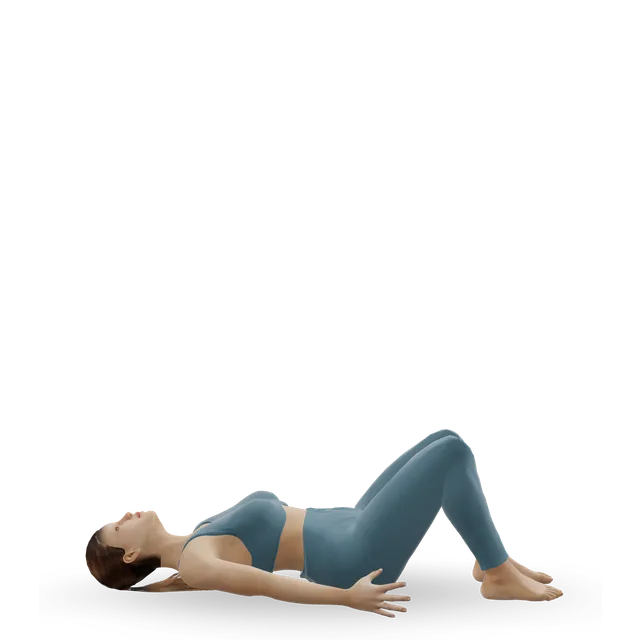
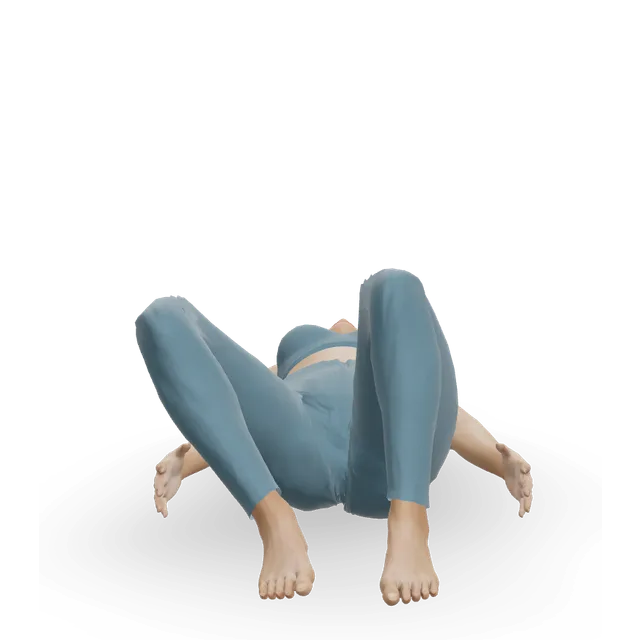
Squeeze as you breathe out and move, release as you return. Heel slides, 10 slow repetitions each side; knee folds and bent-knee fall-outs, 2 sets of 5 to 10 each side, every other day (the moves' pages, POGP's dose); pelvic tilt into bridge, 6 to 8 slow reps (our Pilates for your pelvic floor class); glute bridge, 2 sets of 8 to 10 (our editorial starting point).
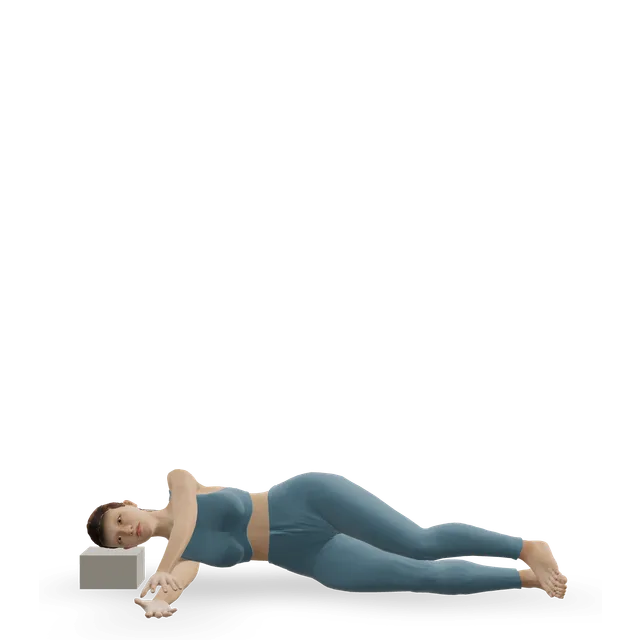
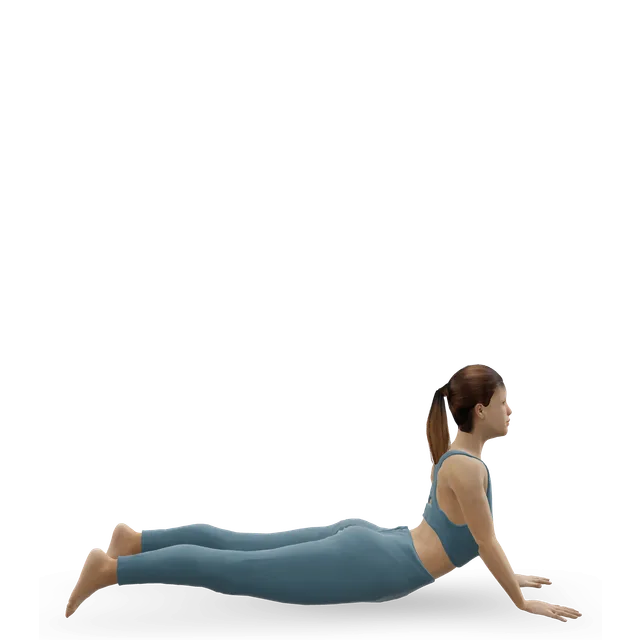
Side kick, 8 to 10 each side; cat-cow, 8 slow waves (the moves' pages); clamshell, 8 each side; side-lying open book, 5 each side; bird dog, one limb at a time and then the full move, 5 each side; swan, 5 small lifts if lying face down is comfortable (our Pilates for your pelvic floor class).
Sit to stand, 8 slow reps, squeezing just before you stand; mountain pose, 5 slow breaths (our Pilates for your pelvic floor class); wall push-up, 2 sets of 8 to 10 (our office workers' class); band row, 2 sets of 10 to 15 with a light band, breathing out as you pull (our editorial starting point).
Swap the roll-up, wall roll-up and teaser for a head-down move such as the knee fold. In the pressure study, roll-ups kept pressure up for longest of 22 Pilates moves. Add them back gradually if they don't bring on heaviness or leaking (our suggestion).
Keep the hundred, the double- and single-leg stretch, the criss-cross and the chest lift short, with your head down if you like, or leave them out if they bring on heaviness (our suggestion). An NHS pelvic health service advises avoiding abdominal crunches, and POGP says your tummy shouldn't bulge upwards or dome.
Leave out jumping, including on a reformer jumpboard: the NHS advises avoiding "physical activities that put a lot of strain on the pelvic floor, like heavy lifting, running and trampolining".
Heavy springs on leg work, heavy weights and deep squats can wait. An NHS pelvic health physiotherapy service advises avoiding deep squats, "as your pelvic floor is vulnerable in this position", and deadweight lifting.
Don't hold your breath or bear down in any move, and keep long spells of standing still short, especially at the end of the day when symptoms are often worse.
The NHS and RCOG advise avoiding heavy lifting, running and trampolining. POGP's November 2023 booklet says high-impact exercise and weights may make symptoms worse, especially if your pelvic floor isn't strong, and to "Try low impact exercise instead in the short-term, such as modified aerobics, cycling, a cross trainer, fast walking, Pilates or swimming". An NHS physiotherapy service lists "Yoga and Pilates, adapt any uncomfortable positions" among exercise generally safe with a prolapse.
It's expert advice, and the studies disagreeMixed evidence
NICE found no evidence on lifestyle changes for prolapse, so its advice to minimise heavy lifting is its committee's experience. Assistant nurses, who lift at work, had more prolapse surgery in one Danish study, but a review found heavy work and physical activity weren't clear risk factors. Women who lift heavy weights for exercise didn't report more symptoms, while a review of strenuous exercise found it increased symptoms for a while. In 47,674 UK women followed for 8 years, moderate and vigorous activity weren't linked with a new prolapse.
An NHS physiotherapy service says: "Once your pelvic floor is strong with good endurance, you may trial other exercises, but you must stop if symptoms worsen." POGP says to speak to your specialist physiotherapist "about the best ways to start or keep exercising". Our suggestion: try one harder thing at a time, and drop back if you feel heaviness, dragging or a bulge, or you leak.
Reformer moves behave like mat moves: in the pressure study, footwork and bridging were among the lowest and the reformer roll-up among the highest. Use light springs, keep the same swaps, and skip the jumpboard. Wall Pilates hasn't been studied in prolapse; keep the wall roll-down small and squeeze as you roll back up (our suggestion).
POGP says "You should be able to continue exercise with a pessary", and to keep doing your pelvic floor exercises. Change a position that makes it shift or hurt.
The RCOG suggests walking from the day you get home, only light loads such as a 1-litre bottle of water for the first month, and nothing heavy or strenuous until 4 to 6 weeks. POGP suggests "low level pilates" from 6 to 12 weeks, once bleeding or discharge has stopped, and at least 3 months before high-impact exercise; its Pilates booklet says to wait until your post-operative check after vaginal surgery.
In 108 women, advice with no limits on activity after prolapse surgery did no worse than 3 months of restrictions, and a 2025 Cochrane review found no clinically relevant difference from either activity advice or pelvic floor training around surgery (low certainty). The RCOG says there's no evidence that normal activity is harmful.
Both POGP and the RCOG say to keep up pelvic floor exercises for life after surgery, and POGP says some exercises that need heavy straining may need to be avoided for life after an operation for prolapse.
Start with our 20-minute Pilates for your pelvic floor class, which builds the squeeze and release into every move. With a prolapse, swap its chest lift for a second set of knee folds, and keep the wall roll-down small or skip it at the end of the day. Do the daily pelvic floor workout alongside it, and the relaxation routine if your pelvic floor is tight.
The beginner Pilates plan suits you once your squeezes are going well; keep the swaps on this page. After a birth, the postpartum plan builds up week by week.
Warning signs: when to see a GP, and when to get help fast
These are the warning signs from our pelvic floor and prolapse guides, word for word, with one line of our own, labelled. This is general information, not a diagnosis. A&E means accident and emergency; in the US, call 911 for 999.
Call 999 or go to A&E
New problems with your bladder or bowels together with back pain or numbness can be a spinal emergency rather than a pelvic floor problem. Call 999 (911 in the US) or go to A&E if you have back pain with:
pain, tingling, weakness or numbness in both legs
a loss of feeling around your genitals or anus
changes in your bladder or bowels, such as difficulty peeing, or peeing or pooing yourself
If you cannot pee at all, get urgent help from a GP or NHS 111, and if it comes on suddenly with severe tummy pain, call 999 or go to A&E.
See a GP
The NHS says see a GP if:
you have a lump in or around your vagina
you have any other symptoms of a pelvic organ prolapse, such as heaviness, discomfort or pressure, pain or numbness during sex, or changes in peeing or pooing
A bulge that has come outside the vagina and is sore, bleeding or won't go back in: see a GP soon, and get help the same day if you also can't pee (our suggestion, from the NHS's advice to see a GP about any lump and our "can't pee at all" line; the NHS prolapse page gives no urgent line for this).
"See a GP if you have any type of urinary incontinence", the NHS says, and don't feel embarrassed: it's common. See a GP too about a lump or bulge in or around your vagina, or other signs of a prolapse such as heaviness, dragging or problems emptying your bladder or bowel. NHS continence services, with specialist nurses and physiotherapists, can diagnose the problem and start treatment.
In many areas you can refer yourself. See one if the exercises are hard to do, if your symptoms haven't improved after about 3 months of regular practice, or before you go back to running, jumping or heavier lifting.
Stop, drop back to an easier level and rest if you feel heaviness, dragging, pressure or a bulge, or you leak, during or after an activity. If you see or feel a bulge when you squeeze, stop the pelvic floor exercises and get help.
See your clinic for bleeding, pain or a smelly discharge, or if your pessary keeps falling out. If it's stuck, contact the clinic where it was fitted, your GP or the nearest A&E.
The NHS advises getting advice from a healthcare professional first if you have a health problem, an injury or symptoms, or have recently had a heart attack or an operation.
Myths
"You can't do Pilates with a prolapse"Emerging evidence
An NHS physiotherapy service lists adapted Pilates as generally safe, POGP lists Pilates among low-impact options, and the PREVPROL trial used Pilates-based classes.
UK advice to avoid heavy lifting is expert opinion, and POGP now frames it as short-term. Standing up and coughing raised pressure more than lifting 20 lb in women with prolapse.
It can be, alongside pelvic floor training rather than instead of it. In a trial of 414 women, one-to-one training plus Pilates-based classes slightly reduced symptoms over 2 years, and NICE says supervised exercise may help alongside training.
Can Pilates make a prolapse worse?
There's no evidence that it does. In 22 beginner moves, none raised tummy pressure more than standing up from a chair, though roll-ups stayed high for longest. Change any move that brings on heaviness, dragging or a bulge.
Can Pilates cause a prolapse?
No study links Pilates with causing a prolapse. The main risk factors are childbirth, age and body weight; physical activity wasn't one in a review of 15 studies.
Which Pilates exercises should I avoid with a prolapse?
Swap roll-ups and the teaser for head-down moves such as the knee fold, keep curl-ups such as the hundred short, and leave out jumping, including the jumpboard. Don't hold your breath or bear down in any move. This is our suggestion, built on the pressure study and NHS advice.
What are the best Pilates exercises for a prolapse?
The ones in POGP's Pilates booklet: heel slides, knee folds, pelvic curls, clams, side-lying arm openings and all-fours work, each with a pelvic floor squeeze as you breathe out and a full release after. Our Pilates for your pelvic floor class follows it.
Is reformer Pilates OK with a prolapse?
Usually, with light springs and the same changes. In the pressure study, reformer footwork and bridging raised pressure least and the reformer roll-up most. Skip the jumpboard.
Can I do wall Pilates with a prolapse?
Yes, with the same rules: squeeze as you breathe out, keep the wall roll-down small, and avoid long spells standing still if symptoms build through the day. Wall Pilates hasn't been studied in prolapse.
Do I still need to do pelvic floor exercises if I do Pilates?
Yes. NICE suggests supervised pelvic floor training for at least 16 weeks first, and no other exercise has been shown to work better. POGP's aim is 10 long and 10 quick squeezes, at least 3 times a day.
Is Pilates OK with a prolapsed bladder or womb?
The advice is the same for a bladder, bowel or womb prolapse: pelvic floor training first, then adapted Pilates. Training helped a back-wall prolapse less clearly in pooled trials, so a pelvic health physiotherapist's plan matters.
When can I do Pilates after prolapse surgery?
Follow your surgical team first. UK leaflets suggest light loads only for a month, low-level Pilates from about 6 to 12 weeks once bleeding or discharge has stopped, and high-impact exercise after at least 3 months.
Can I do Pilates with a pessary?
Yes: POGP says you should be able to keep exercising with a pessary. Keep doing your pelvic floor exercises, and see your clinic for bleeding, pain or a pessary that keeps falling out.
Is Pilates good for a prolapsed disc?
That's a different problem: a slipped disc in your spine, not a pelvic organ prolapse. Our Pilates for back pain and Pilates for sciatica guides cover it.
Exercise education, not a personal prescription, and clinical review of these guides is pending. If you are pregnant, have a health condition or have had recent surgery, check with a doctor, midwife or physiotherapist before starting, and stop for sharp or increasing pain. Health disclaimer.