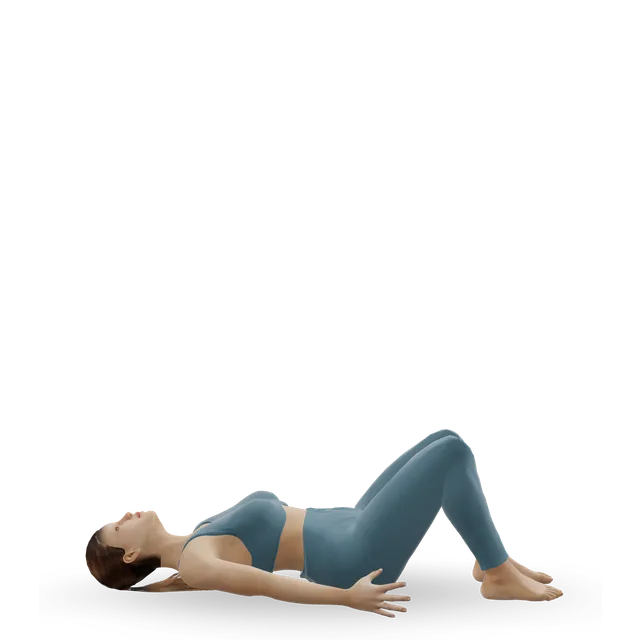
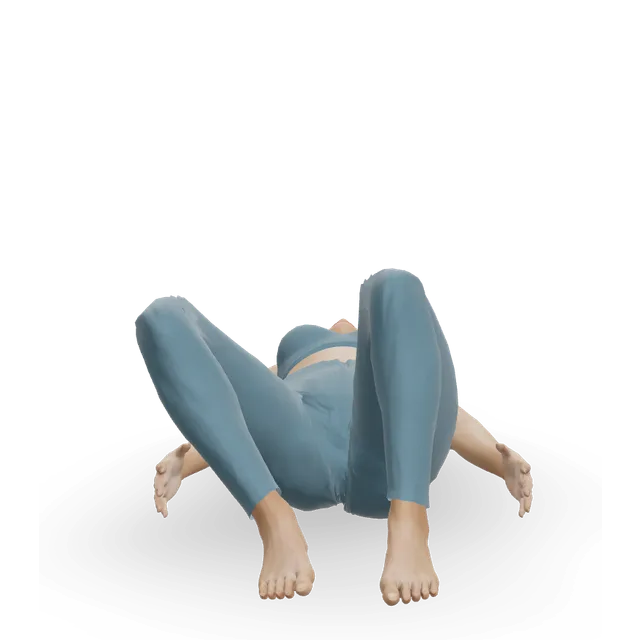
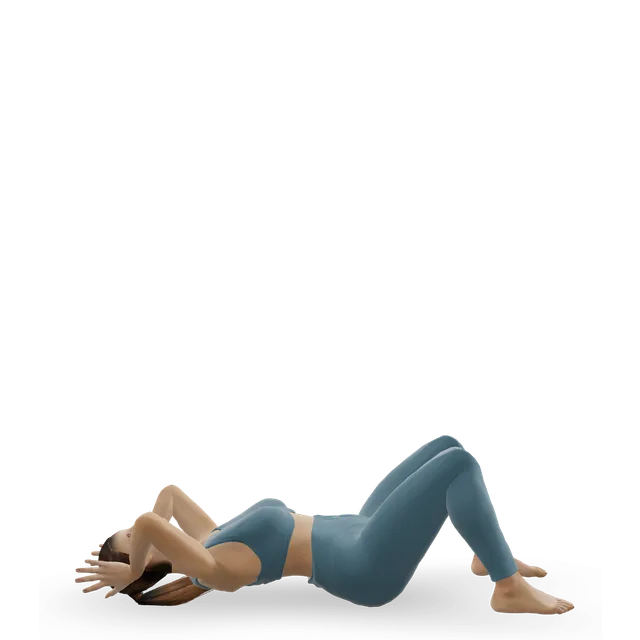
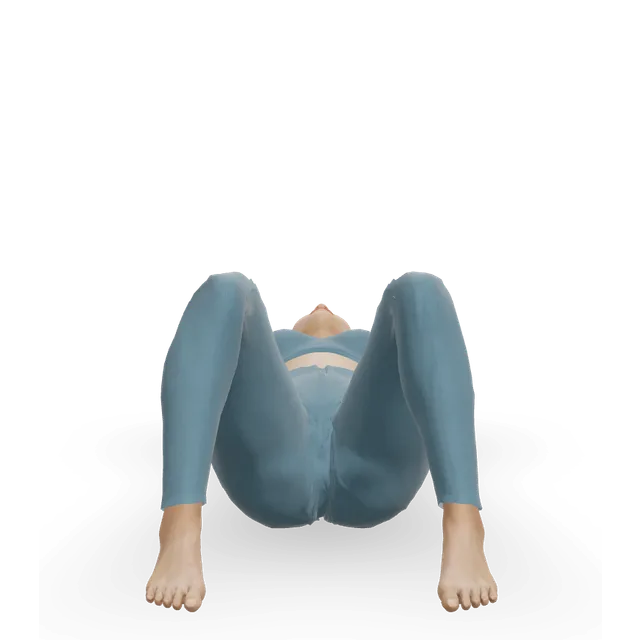
Pilates guide

Postnatal Pilates: when to start after birth or a C-section, your pelvic floor and tummy gap, and a gentle routine

Postnatal (postpartum) Pilates is a gentle way to rebuild strength after having a baby, and you don't have to wait for your 6-week check to start. Breathing, pelvic floor exercises and short walks can begin in the first days, and UK pelvic health physiotherapists say gentle Pilates is safe from about 4 weeks if you have no bleeding, wound or pelvic floor problems. After a caesarean, go by comfort: it may take 6 weeks or so. The Pilates trials after birth are few and small, so this guide says plainly what they can and can't show.

Pilates sits beside your midwife, health visitor, GP and, if you need one, a pelvic health physiotherapist, not in place of them. This guide sets out the stages from the first days to about 3 months, what to do about leaking and a tummy gap, what the trials show for sleep, tiredness, mood and back pain, mat or reformer, and the warning signs to stop. It ends with a 20-minute postnatal class with 3D demos.

The short version

Gentle movement can start in the first days

After a straightforward birth, the NHS says you can start gentle exercise, such as walking, gentle stretches and pelvic floor exercises, as soon as you feel up to it. UK pelvic health physiotherapists say breathing and pelvic floor exercises can start within the first few hours, or once your catheter is out after a caesarean.

Sources 1, 2

Gentle Pilates from about 4 weeks, a class from about 6 to 8

The UK pelvic health physiotherapists' Pilates booklet (past its review date) says gentle Pilates is safe from 4 weeks if you have no concerns about bleeding, wound healing or your pelvic floor. No trial has tested start times. A full beginner class suits from about 6 to 8 weeks, and harder exercise builds up over at least 3 months after your check.

Sources 3, 4, 5, 6

Your pelvic floor comes first, every day

The UK guidelines say to start pelvic floor exercises as soon as you can and keep them up daily. Started after birth, pelvic floor training cut the odds of leaking by 37% in a 2025 review. Pilates uses your pelvic floor, but it doesn't replace these exercises.

Sources 7, 8, 9

A tummy gap is common, and usually shrinks

In 300 first-time mothers, a gap was found in 60% at 6 weeks and a third at a year. Exercise narrows it a little, about 4 to 8 mm on average, and curl-ups didn't widen it in a trial.

Sources 10, 11, 12, 13

Small trials, mostly encouraging

In 80 women, home Pilates from 3 days after the birth improved sleep and tiredness, and in 60 women, online Pilates in pregnancy and after birth lowered depression and back pain scores. Across 29 trials, being active after birth eased low mood and anxiety. Pilates trials after birth are small, so treat the details as promising rather than proven.

Sources 14, 15, 16, 17

Know when to stop

Bleeding that gets heavier or comes back, a red or oozing wound, a swollen leg, chest pain or breathlessness, and thoughts of harming yourself or your baby all need help, some of them urgently. The warning signs below give the details.

Sources 18, 19, 20

What postnatal Pilates is

Pilates built around your pelvic floor and deep tummy muscles

Postnatal Pilates starts with Pilates breathing, then adds the pelvic floor and the deepest tummy muscle to simple moves on your back, side and hands and knees. UK pelvic health physiotherapists say Pilates-based exercises "encourage the pelvic floor muscles to work with the deep tummy muscles to build up the strength of your trunk".

The cue is the same in every move: breathe out, gently squeeze your pelvic floor and draw your lower tummy in and wide, move, then let everything go fully before the next one. Your tummy "should not bulge upwards or dome"; if it does, make the move easier.

Source 3

What changes after birth

The tummy wall stretches and the two long muscles down the middle can separate (a tummy gap). The pelvic floor is stretched by pregnancy and by a vaginal birth: about a third of women have some leaking after birth. Leaking is less common after a caesarean (up to 1 in 5) than after a vaginal birth (up to 1 in 2), but a caesarean is major surgery, with more pain and a slower recovery.

Sources 10, 21, 22, 2

Classes and home routines

The NHS suggests postnatal exercises at home or a postnatal class, where you can often bring your baby, and asks you to tell the teacher if a class isn't a postnatal one. Your health visitor may know of local classes.

Source 1

Who should check first

See a pelvic health physiotherapist before Pilates if you have a diagnosed tummy gap, leaking, heaviness or a bulge, or concerns about bleeding or wound healing. Canada's 2025 guideline lists severe tummy pain, bleeding that isn't a period, heart symptoms, unstable blood pressure and calf pain or swelling among the reasons to talk to a doctor before harder exercise.

Sources 3, 23

When to start: from the first days to 3 months

No trial has compared start times, so these stages come from health services and pelvic health physiotherapists: go by how you feel, not the calendar.

The first days to 2 weeksStrong evidence

Breathing, pelvic floor squeezes, a side-lying tummy draw-in and short walks. ACOG, the American obstetricians' college, says some women can be active again within days, and pelvic floor exercises can start straight after the birth.

Sources 1, 2, 24, 25

2 to 6 weeks: the basic tummy exercisesStrong evidence

UK pelvic health physiotherapists suggest a pelvic tilt held for 3 seconds, knee rolls, heel slides and a head lift, building up to 10 repetitions 3 times a day. Then knee lifts, knee fall-outs and bridges, 2 sets of 5 to 10, every other day. Their Pilates booklet says gentle Pilates is safe from 4 weeks if you have no bleeding, wound or pelvic floor concerns.

Sources 2, 3

6 to 12 weeks: a full beginner classEmerging evidence

A beginner class or our postnatal class suits once the early moves feel easy, with no doming, leaking or heaviness. The 6 to 8 week check is the time to ask about high-impact exercise such as running. Strength work for lifting (squats, bridges and a light hinge, no heavier than your baby in a car seat at first) fits here too.

Sources 4, 1, 26

From about 3 months: harder workStrong evidence

The UK guidelines say harder exercise can build "from moderate to vigorous over a minimum period of at least 3 months" after your check, and vigorous activity "is not recommended for previously inactive women". The return-to-running guideline advises against running before about 3 months. Aim for 150 minutes of moderate activity a week, with muscle-strengthening on 2 days.

Sources 5, 26, 7

Guidelines agree on the amountStrong evidence

Across 18 guidelines, the advice is at least 120 to 150 minutes of moderate activity a week after birth, plus pelvic floor and strengthening exercise. Canada's 2025 guideline suggests building up gradually once wounds or tears have healed and bleeding doesn't increase with activity.

Sources 27, 28, 23, 29

Pilates after a caesarean

Go by comfort: often 6 weeks or soStrong evidence

The NHS says to start exercising again when you feel able to and it isn't uncomfortable: "This may not be for 6 weeks or so." The Royal College of Obstetricians and Gynaecologists says recovery usually takes about 6 weeks, and 1 in 10 women have discomfort for the first few months.

Sources 18, 22

Walk daily, and start your pelvic floor earlyStrong evidence

Daily walks lower the risk of blood clots. Start breathing and pelvic floor exercises once your catheter is out: the pregnancy itself loads your pelvic floor, so they matter after a caesarean too.

Sources 18, 2

Lifting and strainingStrong evidence

UK pelvic health physiotherapists say to lift nothing heavier than your baby for at least 6 weeks, avoid activities that strain for the first few weeks, and support your wound with your hands or a pillow when you cough or laugh.

Source 2

Which moves when

Start the lying and side-lying moves when your wound is comfortable. Leave head lifts and curl-ups until lifting your head or a leg doesn't pull on the scar, and planks and loaded twists until later still (our reading of the guidance; no trial has tested timings after a caesarean). Gentle scar massage is suggested from about 6 to 8 weeks.

Sources 2, 26, 6

Your pelvic floor

Every day, from the startStrong evidence

The UK guidelines: "Start pelvic floor exercises as soon as you can and continue daily." NICE asks midwives, health visitors and GPs to talk about pelvic floor exercises at every postnatal contact.

Sources 7, 30, 9

Training after birth cuts leakingStrong evidence

In a 2025 review of 65 studies, pelvic floor training after birth cut the odds of leaking by 37% (7 trials, 1,930 women; moderate certainty) and of prolapse by 56% (1 trial). The Cochrane review is more cautious about offering it to everyone after birth: the benefit was clearest for training started in pregnancy. In a 2026 analysis of 19 studies, leaking eased during pelvic floor training, but not significantly more than in comparison groups.

Sources 8, 21, 31

Supervised training if you're at higher riskStrong evidence

NICE suggests a supervised 3-month programme after a forceps or ventouse birth, a birth with your baby facing up, or a tear involving the anal sphincter. With pelvic floor symptoms, it says supervised exercise such as yoga "may help" alongside supervised training.

Source 9

Why some moves feel wrongMixed evidence

In small laboratory studies, a crunch widened the pelvic floor opening, while bird dog, plank and leg lifts acted much like a pelvic floor squeeze, and tightening the pelvic floor first reduced how far the bladder dropped during exercises. These are single small studies: use them as a reason to make a move easier if it brings on leaking or heaviness, not to ban moves.

Sources 32, 33

How to do your pelvic floor exercises

From the NHS's post-pregnancy body page. If you can't feel a squeeze, or you leak or feel heaviness, see a GP or pelvic health physiotherapist.

  1. Sit, lie on your side or lie on your back with your knees bent. Breathe normally throughout.
  2. Squeeze and draw in your bottom as if you're holding in wind, and around your vagina and bladder as if you're stopping the flow of urine.
  3. Long squeezes: hold for as long as you can, up to 10 seconds, then relax fully.
  4. Short squeezes: squeeze and let go straight away, until the muscles tire.
  5. Build up to 10 of each, at least 3 times a day. Don't pull your tummy in hard or hold your breath.

See the movement on the 3D figure: Pelvic floor exercise (Kegel)

The tummy gap (diastasis recti)

Common, and usually shrinkingStrong evidence

In 300 first-time mothers, a gap was found in 33% at 21 weeks of pregnancy, 60% at 6 weeks after birth, 45% at 6 months and 33% at a year, and back and pelvic pain was no different with or without one. The NHS says to contact a GP if the gap is still obvious 8 weeks after the birth.

Sources 10, 24

Exercise narrows it a littleEmerging evidence

In 6 trials, tummy exercise narrowed the gap by about 4 mm (moderate certainty), judged too small to matter. In 9 trials of 450 women, it narrowed it by about 8 mm, more when started within 3 months, but disability scores were no different. Other reviews rate the evidence low to very low.

Sources 11, 12, 34, 8

The Pilates studyMixed evidence

In 35 first-time mothers 2 to 12 months after birth, 4 weeks of Pilates (50 minutes, 5 days a week) narrowed the gap by 3 to 7 mm against 1 to 2 mm without it, and trimmed waist size by about 3 cm. It wasn't randomised, and most gaps were under 2 cm at the start. A network meta-analysis ranked Pilates highly for the gap at the belly button, from indirect comparisons.

Sources 35, 36

Curl-ups are not bannedEmerging evidence

In a trial of 70 women 6 to 12 months after birth with a gap, head lifts and curl-ups 5 days a week for 12 weeks didn't widen it and built strength. ACOG says tummy strengthening, including crunches, can reduce the gap; the NHS advises avoiding sit-ups and planks to start with. Drawing your lower tummy in before a curl-up changed how the midline behaved in a small study, but nobody knows yet whether that matters.

Sources 13, 25, 24, 37

What the trials of Pilates after birth show

These are few, small trials, several from one country, at moderate to high risk of bias. They point the same way, but the size of the benefit is uncertain.

Sleep and tirednessMixed evidence

In 80 first-time mothers, home Pilates started 72 hours after the birth (30 minutes, 5 times a week for 8 weeks) improved sleep quality scores and all kinds of tiredness scores against no exercise; sleep duration didn't change. Same trial, two reports. Reviews of exercise around birth find benefits for sleep and tiredness too, with a lot of variation between trials.

Sources 14, 15, 38, 39

Mood and back painMixed evidence

In 60 women, live online Pilates twice a week (8 weeks in pregnancy, then 8 weeks after birth) lowered postnatal depression, stress and back pain scores against no exercise. An uncontrolled online study suggested about 150 minutes a week after birth went with the biggest improvements in back pain, sleep and mood.

Sources 16, 40

Being active helps mood after birthStrong evidence

Across 29 trials and 3,915 women, being active after birth eased depressive symptoms and anxiety by a moderate amount and improved quality of life, with mind-body and multicomponent activities doing best and benefits peaking at moderate weekly amounts. An umbrella review rated the effect on depression moderate certainty. Activity helps alongside support and treatment, not instead of it.

Sources 17, 41

Low back and pelvic painEmerging evidence

In 37 trials of 1,739 women, stabilisation exercise (the family Pilates belongs to) eased low back and pelvic pain after birth in the short term, though results varied a lot between trials.

Source 42

Neck and upper back while feedingMixed evidence

In one trial of 74 breastfeeding women with a forward head posture, 8 weeks of Pilates plus advice on feeding positions eased neck pain, neck disability and tiredness more than advice alone. It's a single trial with unusually large effects, so treat it as promising.

Source 43

Pregnancy Pilates carries overMixed evidence

In 42 women, keeping up a pregnancy Pilates programme until the birth went with looser joints settling faster, less pelvic girdle pain and more daily steps at 6 weeks after birth.

Source 44

No trials of the reformer after birthStrong evidence

We found no trial of reformer Pilates after birth, and none comparing when to start Pilates after a vaginal birth or a caesarean.

Source 6

How much, and mat or reformer

A starting point

First weeks: breathing, pelvic floor and the basic tummy exercises, up to 10 of each, up to 3 times a day. From about 4 to 6 weeks: our 20-minute postnatal class 2 or 3 times a week, with daily walks and pelvic floor exercises (our editorial starting point; the sleep trial used 30 minutes at home 5 times a week). The UK guidelines ask for muscle-strengthening on 2 days a week.

Sources 2, 24, 14, 7

Mat first, then the reformer

No trial has tested the reformer after birth. Classes can be gentle, but many include planks, kneeling work and jumping, which the NHS suggests avoiding to start with. Start with a mat or postnatal class, and tell any teacher how and when you gave birth (our suggestion).

Sources 6, 24

Breastfeeding

"You can be active while breastfeeding." Regular exercise doesn't change how much milk you make or your baby's growth, ACOG says, and the NHS says a brisk daily walk "will not affect the quality or quantity of your breast milk". Feed or express first if your breasts feel full.

Sources 7, 25, 1

Breathe and connect (from the first days)

Lateral breathing, 5 to 8 breaths (the move's page). Pelvic floor exercises, 8 slow holds of up to 10 seconds and 8 quick squeezes, 3 times a day, building to 10 (the move's page). Pelvic floor relaxation, 5 to 10 slow breaths (the move's page). Side-lying tummy draw-in, up to 10 holds of 10 seconds (the move's page, the NHS's dose).

Lying basics (from about 2 weeks)

The UK pelvic health physiotherapists' basic exercises: pelvic tilts held 3 seconds, heel slides and knee rolls, up to 10 each (their Fit for the future booklet's dose); knee folds and knee fall-outs, 2 sets of 5 to 10 every other day (the same booklet's dose, as on those moves' pages). Head lift only at first in the chest lift; the full chest lift from about 6 weeks, 8 reps (our beginner class).

On your side (from about 2 to 4 weeks)

Clamshells, 10 each side with a pillow between your knees (our postnatal exercises routine); side-lying leg raises, 8 each side (our beginner class).

On hands and knees (from about 4 to 6 weeks)

Cat-cow, 6 to 8 slow reps in a small range (our postnatal exercises routine); bird dog one limb at a time, 5 each arm and leg, with your knees padded (our neck pain class).

Upper back and neck, for feeding and carrying

Thoracic rotation, 6 each side with the breath, and the side-lying open book, 8 to 10 slow openings each side (the moves' pages); chin tucks, 8 slow reps held 3 to 5 seconds (our posture class).

Standing and lifting (from about 6 weeks)

Sit to stand, 8 to 10 reps, breathing out and squeezing as you stand (our postnatal exercises routine); hip-hinge practice, 8 slow reps, as when lifting the car seat (our editorial starting point); wall push-ups, 2 sets of 10 (our diabetes class).

Moves to leave until later, and how to adapt

Sit-ups, planks and jumping, to start with

The NHS suggests avoiding sit-ups, planks and high-impact exercise to start with. Leave the hundred with your head up, the roll-up, double-leg stretch, teaser, planks, jumping and running for the first 6 to 12 weeks, then build up if there's no doming, leaking or heaviness. Curl-ups themselves are fine later.

Sources 24, 26, 13

If your tummy domes

After having a baby, if your tummy bulges upwards or domes during this move, draw your lower tummy in and wide or use an easier version, such as keeping your head down, as the UK pelvic health physiotherapists' (POGP) Pilates booklet advises; if it keeps happening, see a pelvic health physiotherapist.

Source 3

After a caesarean

Start knee folds once lifting a leg doesn't pull on the wound, move knee fall-outs within comfort, and roll onto your side to get up from the floor.

Sources 18, 2

Leaking, heaviness or a bulge

Make the move smaller, skip jumping and running, keep up your pelvic floor exercises, and see a GP or pelvic health physiotherapist.

Sources 45, 26

Lying on your front, and full breasts

Lying face down can be uncomfortable when your breasts are full or tender; do back-strengthening moves on your hands and knees instead (our suggestion).

Our postnatal class and other workouts

Our 20-minute postnatal Pilates class takes you from the first-weeks basics to a full beginner class, with a stop point for the early weeks. The postnatal exercises routine is for the first days and weeks; the postnatal strength workout adds weights from about 6 weeks; the pelvic floor class and daily routine train the pelvic floor; and the beginner class suits from about 8 to 12 weeks.

Gentle postnatal Pilates: a 20-minute class from about 6 weeks after birth, with an early stop point and caesarean options

A 20-minute postnatal Pilates class: breathing and pelvic floor, lying, side-lying and hands-and-knees moves, upper back work for feeding and a standing lift.

20 minBeginner16 movesA bench or box

Postnatal exercises

A gentle 25-minute routine for the first weeks after birth: pelvic floor, breathing, tummy and hip exercises on the floor, sit-to-stands and a walk.

25 minBeginner12 movesA bench or box, Cardio machine

Daily pelvic floor workout

A 5-minute daily pelvic floor workout for women and men: slow holds and quick squeezes, three times a day, with how to find the right muscles.

5 minBeginner2 movesNo equipment

Pilates for your pelvic floor: squeeze, move, release

A 20-minute Pilates workout for your pelvic floor, built on UK pelvic health physiotherapists' booklet: squeeze as you breathe out, move, then fully release.

20 minBeginner18 movesA wall, A bench or box

Postnatal strength workout (from about 6 weeks)

A 25-minute strength workout from about 6 weeks after birth: sit-to-stands, deadlift practice, push-ups, rows, bridges and tummy work, with the knack.

25 minBeginner14 movesA bench or box, A kettlebell

Diastasis recti workout: a 12-week curl-up programme

A 12-minute tummy routine copied from a trial in women with diastasis recti: head lifts, curl-ups and twisted curl-ups, 5 days a week for 12 weeks.

12 minBeginner5 movesNo equipment

Beginner Pilates workout

A 20-minute mat Pilates workout for complete beginners. It covers breathing, spine position and the foundation moves, each with an easier option.

20 minBeginner13 movesNo equipment

Plans

The postpartum plan runs week by week from the first days, with a caesarean track; the 4-week beginner Pilates plan suits from about 8 weeks, once our class feels easy.

Warning signs: when to stop and get help

These match our guide to exercise after birth. In the US, call 911 where this page says 999.

Get help immediately

Call 999 or go to A&E if it feels like an emergency:

  • sudden or very heavy bleeding, especially if you feel faint or dizzy
  • chest pain, or sudden shortness of breath
  • thoughts of harming yourself or your baby: get urgent mental health help

Sources 30, 18, 20

Contact your midwife or GP the same day, or NHS 111 out of hours

Stop exercising and get advice for:

  • vaginal bleeding that gets heavier or comes back after it had settled, or passing clots or tissue
  • a fever or shivering, pain in your tummy, pelvis or the area between your vagina and anus, or a discharge or bleeding that smells unpleasant (possible infection)
  • a caesarean wound that gets more red, painful or swollen, or oozes
  • a swollen, tender leg, or shortness of breath (possible blood clot)
  • a headache that is severe or won't go away (possible high blood pressure or pre-eclampsia, which can happen after birth)
  • red, swollen breasts that don't settle within 24 hours
  • pain when you pee, or not being able to pee

Sources 30, 18

Blood clots

Pre-eclampsia can start after the birth, most often within 48 hours, and the risk lasts for up to 6 weeks. The risk of a blood clot is higher in the 6 weeks after having a baby: the NHS says to call 999 or go to A&E if you have pain and swelling in a leg and feel short of breath or have chest pain. In the US, call 911 or go to an emergency room for sudden breathlessness or chest pain, which can be signs of a blood clot in the lung.

Sources 19, 46

After a caesarean

Contact your midwife or GP straight away if you have:

  • severe pain
  • leaking urine, or pain when you pee
  • heavy vaginal bleeding
  • a wound that becomes more red, painful and swollen
  • pus or foul-smelling fluid from your wound
  • a cough or shortness of breath
  • swelling or pain in your lower leg

Source 18

If you need help with your mood

Thoughts of harming yourself or your baby: the NHS says to call 999 or go to A&E if your life is at risk or you can't keep yourself safe, and for urgent help to call 111 and choose the mental health option, or ask for an urgent GP appointment. You can also call Samaritans on 116 123. In the US, call or text 988.

If you are thinking about suicide or can't keep yourself safe, call 999 or go to A&E. For urgent help, call Samaritans free on 116 123, any time, or in England call 111 and select the mental health option. In the US, call or text 988.

If you think you might have postnatal depression, speak to your GP, midwife or health visitor; you can also refer yourself to NHS Talking Therapies.

Sources 20, 47, 48, 49

Ease off, and see someone soon

See your GP, health visitor or a pelvic health physiotherapist if you have:

  • leaking urine, wind or poo, or a sudden need to go that's hard to hold
  • heaviness, pressure, dragging or a bulge in the vagina (possible prolapse)
  • pain during sex
  • a tummy gap that's still obvious 8 weeks after the birth, or tummy pain
  • pelvic or low back pain still there at 6 weeks
  • bleeding that carries on or increases beyond 8 weeks and isn't a period
  • feeling low, anxious or unable to cope

Sources 26, 24, 4, 2, 45, 20

If exercise brings your bleeding back

If your bleeding turns red again, gets heavier or restarts after exercise, you've probably done too much. Drop back, and tell your midwife if it continues. This rule is ours, built from the Canadian and NICE guidance.

Sources 23, 30

Chest pain or fainting: call 999

Call 999 if:

  • You get sudden pain or discomfort in your chest that doesn't go away; it can feel like squeezing or pressure, burning or indigestion.
  • The pain spreads to your left or right arm, or your neck, jaw, stomach or back.
  • You have chest pain and feel sweaty, sick, light-headed or short of breath.
  • Someone faints while exercising, can't be woken within 1 minute, or has chest pain or a pounding, fluttering or irregular heartbeat.

Sources 50, 51

Unusual breathlessness

Call 999 or go to A&E (accident and emergency) straight away for severe difficulty breathing (gasping, choking or not able to get words out), a chest that feels tight or heavy, pain that spreads to your arms, back, neck and jaw, lips or skin turning very pale, blue or grey, or sudden confusion. If you're more short of breath than usual, or your heart is racing, fluttering or skipping beats, contact NHS 111.

Source 52

Before you start

The NHS advises getting advice from a healthcare professional first if you have a health problem, an injury or symptoms, or have recently had a heart attack or an operation.

Source 53

Myths

"No exercise at all until your 6-week check"Strong evidence

After a straightforward birth you can start gentle exercise as soon as you feel up to it; the check is about high-impact exercise such as running. Breathing and pelvic floor exercises can start within hours, and gentle Pilates from about 4 weeks.

Sources 1, 2, 3

"Crunches close the tummy gap", or "never do crunches with a gap"Emerging evidence

Neither. Exercise narrows the gap only a little, and curl-ups didn't widen it in a trial while building strength. The NHS's advice is to avoid sit-ups and planks to start with, then build up.

Sources 11, 12, 13, 24

"Leaking after a baby is normal; you just live with it"Strong evidence

It's common, but it's treatable: pelvic floor training cuts the odds, and NICE offers supervised training. See your GP or a pelvic health physiotherapist.

Sources 21, 8, 9

"Pilates will flatten your tummy and get your body back"Mixed evidence

One small, non-randomised study found a waist about 3 cm smaller after 4 weeks of Pilates. Bodies change over months after a birth, and the trials show benefits for strength, sleep and mood more reliably than for shape.

Sources 35, 17, 14

"After a caesarean you don't need pelvic floor exercises"Strong evidence

Pregnancy itself loads your pelvic floor, and up to 1 in 5 women leak after a caesarean. Do them after any birth.

Sources 2, 22

"Reformer Pilates is gentler, so it's fine from the first week"Mixed evidence

No trial has tested the reformer after birth, and classes often include planks and kneeling. Start with a mat or postnatal class.

Source 6

Questions people ask

When can I start Pilates after giving birth?

Breathing, pelvic floor exercises and short walks can start in the first days after a straightforward birth, and gentle Pilates from about 4 weeks if you have no bleeding, wound or pelvic floor problems. A full beginner class suits from about 6 to 8 weeks, and harder classes from about 3 months. Go by how you feel, not the calendar.

When can I do Pilates after a C-section?

Start breathing and pelvic floor exercises once your catheter is out, and walk every day. Exercise may not feel comfortable for 6 weeks or so, so begin the gentle lying and side-lying moves when your wound is comfortable, and lift nothing heavier than your baby for at least 6 weeks. Leave curl-ups until lifting your head doesn't pull on the scar.

Can I do Pilates before my 6-week check?

Yes, gentle Pilates: UK pelvic health physiotherapists say it's safe from 4 weeks without bleeding, wound or pelvic floor concerns. The check is the time to ask about high-impact exercise such as running.

Is Pilates good after having a baby?

It's a good fit: it trains the pelvic floor and deep tummy muscles together, it's low-impact, and you can do it at home. Small trials found better sleep, less tiredness and lower depression and back pain scores, and being active after birth helps mood in larger reviews. It works best alongside daily pelvic floor exercises and walking.

Will Pilates close my tummy gap?

It may narrow it a little: exercise narrows the gap by about 4 to 8 mm on average, and one small Pilates study found a few millimetres in 4 weeks. Most gaps shrink on their own over the first year. If it's still obvious at 8 weeks, see your GP or a pelvic health physiotherapist.

Can I do crunches or the hundred after having a baby?

Not straight away: the NHS advises avoiding sit-ups and planks to start with. Head lifts come first; later, curl-ups are fine, and in a trial they built strength without widening the gap. Keep your head down in the hundred until your tummy no longer domes.

What if my tummy domes or I leak during Pilates?

Doming is a sign to make the move easier: draw your lower tummy in and wide, or keep your head down. Leaking, heaviness or a bulge means stopping that move and seeing a GP or pelvic health physiotherapist, as these problems are common and treatable.

Can I do reformer Pilates after giving birth?

Yes, once a mat or postnatal class feels comfortable, usually from about 6 to 12 weeks; no trial has tested the reformer after birth. Tell the teacher how and when you gave birth, and skip planks and jumping until you're ready.

How often should I do postnatal Pilates?

Two or three short sessions a week, plus daily pelvic floor exercises and walks, is a sensible start. The trial that improved sleep and tiredness used 30 minutes at home, 5 times a week, for 8 weeks.

Is it safe to do Pilates while breastfeeding?

Yes: you can be active while breastfeeding, and exercise doesn't affect your milk. Feed or express first, wear a supportive bra, and use hands and knees instead of lying on your front if your breasts are tender.

Can Pilates help with postnatal depression?

Being active eases low mood and anxiety after birth in trials, and one small online Pilates trial lowered depression scores. It helps alongside support and treatment, not instead of it. Talk to your GP, midwife or health visitor, and get help straight away if you have thoughts of harming yourself or your baby.

Are there NHS postnatal Pilates or mum and baby classes?

Some NHS services and local groups run postnatal exercise or Pilates classes, and many let you bring your baby. Ask your midwife or health visitor what's near you. A class run by a pelvic health physiotherapist or a teacher trained in postnatal Pilates is ideal.


Sources

  1. NHS · Keeping fit and healthy with a baby
  2. POGP 2024 · Fit for the future: advice and exercises after having a baby (physiotherapy leaflet, review due 2027; read in full)
  3. POGP 2022 · Pilates in women's health physiotherapy, UK pelvic health physiotherapists' booklet (physiotherapy leaflet, past its review date: reviewed 2022, review due 2025)
  4. NHS · Your 6-week postnatal check
  5. UK Chief Medical Officers · Physical activity guidelines (report, with the pregnancy and after-birth sections; read in full)
  6. Europe PMC · Our searches for trials of Pilates, and of reformer Pilates, after birth (October 2026)
  7. UK Chief Medical Officers · Physical activity for women after childbirth: birth to 12 months (infographic text, updated July 2026)
  8. Beamish 2025 · Exercise after birth, pelvic floor disorders and the tummy gap: 65 studies (systematic review and meta-analysis, Br J Sports Med)
  9. NICE NG210 · Pelvic floor dysfunction: prevention and non-surgical management (guideline, 2021)
  10. Sperstad 2016 · The tummy gap in pregnancy and the year after birth in 300 first-time mothers (cohort study, Br J Sports Med)
  11. Benjamin 2023 · Treatments for the tummy gap after birth: 16 trials (systematic review and meta-analysis, Physiotherapy)
  12. Capoccia Giovannini 2026 · Exercise for the tummy gap after birth: 9 trials, 450 women (systematic review and meta-analysis, Hernia)
  13. Gluppe 2023 · Curl-ups and the tummy gap in 70 women after birth (randomised trial, J Physiother)
  14. Ashrafinia 2014 · Home Pilates and sleep in 80 women after birth (randomised trial, J Bodyw Mov Ther)
  15. Ashrafinia 2015 · Home Pilates and tiredness in 80 women after birth (randomised trial, Singapore Med J)
  16. Hwang 2024 · Online Pilates in pregnancy and after birth and postnatal depression: 60 women (randomised trial, Sci Rep; read in full)
  17. Wang 2026 · Types and amounts of activity for depression, anxiety and quality of life after birth: 29 trials, 3,915 women (network meta-analysis, BMC Public Health)
  18. NHS · Caesarean section: recovery (past its review date: reviewed January 2023, review due January 2026)
  19. NHS · DVT (deep vein thrombosis)
  20. NHS · Postnatal depression
  21. Woodley 2020 · Pelvic floor muscle training in pregnancy and after birth: 46 trials, 10,832 women (Cochrane review)
  22. Royal College of Obstetricians and Gynaecologists · Considering a caesarean birth (patient information, 2022, review in progress)
  23. Canadian Society for Exercise Physiology · 2025 Canadian guideline for activity, sitting and sleep in the first year after birth
  24. NHS · Your post-pregnancy body
  25. ACOG 2020 · Physical activity and exercise during pregnancy and the postpartum period (Committee Opinion 804, Obstet Gynecol; read in full)
  26. Goom 2019 · Returning to running after birth: guidelines for health and fitness professionals (expert guideline; read in full)
  27. Lan 2026 · Activity guidelines after birth: 18 guidelines compared (systematic review, Womens Health)
  28. Evenson 2024 · Activity guidelines after birth from around the world (scoping review, J Sport Health Sci)
  29. Bull 2020 · World Health Organization 2020 guidelines on physical activity and sedentary behaviour (guideline, Br J Sports Med; read in full)
  30. NICE NG194 · Postnatal care (guideline, 2021, updated June 2026)
  31. Gallego-Gómez 2026 · Training to treat leaking after birth: 19 studies (meta-analysis, BJOG)
  32. Siff 2020 · How common exercises affect the pelvic floor in 15 women after birth (study, Female Pelvic Med Reconstr Surg)
  33. Baeßler 2017 · Gymnastic exercises and the bladder neck: an ultrasound study in 15 women (study, Geburtshilfe Frauenheilkd)
  34. de Oliveira 2025 · Treatments for the tummy gap after birth: 34 trials (systematic review and meta-analysis, Medicine)
  35. Lee 2023 · Pilates and the tummy gap in 35 first-time mothers (non-randomised controlled study, BMC Womens Health; read in full)
  36. Zhu 2026 · Treatments for the tummy gap compared: 17 trials (network meta-analysis, Int J Gynaecol Obstet)
  37. Lee 2016 · What the midline does during a curl-up in women with a tummy gap: 43 women (study, J Orthop Sports Phys Ther)
  38. Guo 2026 · Exercise types for sleep in pregnancy and after birth: 23 trials (network meta-analysis, BMC Pregnancy Childbirth)
  39. Qian 2021 · Treatments without medicines for tiredness after birth (meta-analysis, BMC Pregnancy Childbirth)
  40. Manca 2024 · Online Pilates-based classes in pregnancy and after birth: how much helped back pain, sleep and mood (uncontrolled study, Res Q Exerc Sport)
  41. Mohr 2026 · Physical activity and depression and anxiety around birth: 20 meta-analyses (umbrella review, EClinicalMedicine)
  42. Özyurt 2025 · Physiotherapy for low back and pelvic pain after birth: 37 trials (systematic review and meta-analysis, BMC Womens Health)
  43. El Blasy 2026 · Pilates plus feeding-position advice for neck posture in 74 breastfeeding women (randomised trial, Sci Rep)
  44. Bulguroglu 2026 · Keeping up pregnancy Pilates to the birth and recovery at 6 weeks: 42 women (randomised trial follow-up, BMC Pregnancy Childbirth)
  45. NHS · Pelvic organ prolapse
  46. NHS · Pulmonary embolism
  47. NHS · Where to get urgent help for mental health (past its review date: reviewed April 2023, review due April 2026)
  48. Samaritans · Contact a Samaritan: 116 123, free, any time
  49. 988 Suicide and Crisis Lifeline (US): call or text 988
  50. NHS · Chest pain (past its review date: reviewed August 2023, review due August 2026)
  51. NHS · Fainting
  52. NHS · Shortness of breath
  53. NHS · Pilates for beginners (exercise video, with safety information)

Exercise education, not a personal prescription, and clinical review of these guides is pending. If you are pregnant, have a health condition or have had recent surgery, check with a doctor, midwife or physiotherapist before starting, and stop for sharp or increasing pain. Health disclaimer.