Yoga guide

Postnatal yoga: when to start after birth or a C-section, your pelvic floor and tummy gap, mood and sleep, and a gentle class

Postnatal (postpartum) yoga is a gentle way back to movement after having a baby, and you don't have to wait for your 6-week check to start. Breathing and pelvic floor exercises can begin in the first days, and the UK's guidance on activity after childbirth now names yoga, with the advice to start gently, depending on your delivery. After a caesarean, go by comfort: it may take 6 weeks or so.

Yoga sits beside your midwife, health visitor, GP and, if you need one, a pelvic health physiotherapist, not in place of them. The trials of yoga after birth are few and small: they suggest a modest, uncertain lift in mood, while pelvic floor exercises, not poses, do the work for leaking, and no yoga closes a tummy gap.

This guide sets out the stages from the first days, what to change after a caesarean, your pelvic floor and tummy gap, mood and sleep, the warning signs to stop for, and a 20-minute class with 3D demos.

The short version

You don't have to wait 6 weeks to move

After a straightforward birth, the NHS says you can start gentle exercise, such as walking, gentle stretches and pelvic floor exercises, as soon as you feel up to it. UK pelvic health physiotherapists say breathing and pelvic floor exercises can start within the first few hours. Ask at your 6 to 8 week check before high-impact exercise. No trial has tested start times.

Sources 1, 2, 3

UK guidance now names yoga

The UK's guidance on activity after childbirth lists yoga among moderate activities, says "There is no evidence of harm for post-partum women", and advises: "Depending on your delivery listen to your body and start gently." The NHS has a free prenatal and postnatal yoga video for after the birth, once you have the all-clear.

Sources 4, 5

After a caesarean, go by comfort

The NHS says to start exercising again when you feel able and it isn't uncomfortable: "This may not be for 6 weeks or so." Lift nothing heavier than your baby for at least 6 weeks. Start with breathing, pelvic floor exercises and short walks.

Sources 6, 7, 2

Your pelvic floor comes first, every day

Pelvic floor training after birth cut the odds of leaking by 37% in a 2025 review. NICE (the National Institute for Health and Care Excellence) says supervised exercise, "for example, yoga", may help alongside supervised pelvic floor training. Yoga doesn't replace the squeeze.

Sources 8, 9, 10

A tummy gap is common, and yoga won't close it

In 300 first-time mothers, 60% had a gap at 6 weeks and a third at a year. Exercise narrows it by a few millimetres. The only trial of yoga for the gap was retracted in 2023. See your GP if the gap is still obvious 8 weeks after the birth.

Sources 11, 8, 12, 13

Mood: a small, uncertain lift, alongside care

In 6 small trials, postnatal yoga lowered depression scores a little, with results that varied a great deal. Exercise after birth in general eased low mood by a moderate amount. Postnatal depression usually gets better with treatment, so talk to your GP, midwife or health visitor.

Sources 14, 15, 16

What changes after birth

Your tummy and pelvic floor

Pregnancy stretches the tummy wall, and the two long muscles down the middle often separate: the NHS says "usually about 2 finger widths", usually back to normal by about 8 weeks. About a third of women have some leaking of urine after childbirth, and up to a tenth leak poo.

Sources 8, 17

Looser joints for a few months

The NHS: "Your ligaments and joints are also more supple and flexible for a few months after birth, so there's an increased risk of injury if you stretch or twist too much." Your lower back and deep tummy muscles may be weaker too. In yoga, that means stretching to a comfortable pull, not to the end of your range.

Source 1

The 6 to 8 week check

Your GP surgery should offer a postnatal check 6 to 8 weeks after the birth, covering your mood, bleeding, stitches or scar, and any leaking or pain. NICE asks midwives, health visitors and GPs to talk about pelvic floor exercises and physical activity at every postnatal contact. The check isn't a fitness test.

Sources 3, 18

Mood after birth

The baby blues usually pass within 2 weeks. Postnatal depression can start in pregnancy or up to a year after the birth, and usually gets better with treatment, such as talking therapies or antidepressants, many of which are safe while breastfeeding. Postpartum psychosis is rare, about 1 in 1,000 mothers, and a medical emergency.

Sources 16, 19

Postnatal classes and videos

The NHS suggests postnatal classes, many of which let you bring your baby, and says to tell the teacher if a class isn't a postnatal one. Its 45-minute prenatal and postnatal yoga video is designed for beginners and needs 3 pillows or cushions, a mat and a blanket.

Sources 1, 5

When to start: the stages

No trial has compared start times, so these stages come from the NHS, NICE and UK pelvic health physiotherapists, and the exact weeks are our suggestion: go by how you feel, not the calendar. Move on only if there's no pain, heaviness, leaking or increase in bleeding.

The first days to about 2 weeksStrong evidence

Breathing, pelvic floor squeezes, a gentle tummy draw-in lying on your side, a few gentle lying and seated moves, and short walks. UK pelvic health physiotherapists (POGP, in their Fit for the future booklet): start breathing and pelvic floor exercises within the first few hours (after a caesarean, once the catheter is out), and build up your exercise tolerance gradually over the first 6 to 8 weeks.

Sources 1, 2, 18

About 2 to 6 weeks

Add hands-and-knees moves (cat-cow, bird dog one limb at a time, child's pose with knees wide), small seated twists, gentle side stretches and slow standing poses with a short stance, once they feel comfortable (our suggestion). The NHS advises avoiding sit-ups, planks and high-impact exercise to start with.

Sources 2, 8

From your 6 to 8 week check

A postnatal or beginners' class, downward dog with your hands on a wall or knees bent, low lunges and gentle bridges. The NHS: "After your 6- to 8-week postnatal check, you can start to do more intense activities if you feel you're able to. Vigorous activity is not recommended if you were inactive before pregnancy." After a caesarean, when it's comfortable.

Sources 3, 20, 1

From about 3 months

Stronger flows, planks and jumps, if walking, hopping and jogging on the spot cause no pain, heaviness, dragging or leaking: the checks UK pelvic health physiotherapists use before running. Their booklet says most healing happens in the first 6 to 12 weeks.

Source 2

How much, over the first yearStrong evidence

The UK guidance: build towards at least 150 minutes of moderate activity a week, muscle strengthening twice a week, and pelvic floor exercises daily. Across 18 guidelines the advice is 120 to 150 minutes a week; Canada's 2025 guideline asks for at least 120 minutes over 4 or more days, once wounds have healed and bleeding doesn't increase with activity.

Sources 4, 21, 22

After a C-section (caesarean)

Go by comfort: often 6 weeks or soStrong evidence

The NHS lists driving, exercising and carrying anything heavier than your baby among the things to start again "when you feel able to do so and do not find them uncomfortable. This may not be for 6 weeks or so." NICE says you can resume formal exercise when you feel you have fully recovered, including from any pain. The grade is for the guidance: the exact timings are expert advice.

Sources 6, 7

Walk daily, and start your pelvic floor earlyStrong evidence

Gentle activities such as a daily walk lower the risk of blood clots. Start breathing and pelvic floor exercises once your catheter is out: pregnancy itself loads your pelvic floor, and the NHS lists leaking urine among the signs to report after a caesarean.

Sources 6, 2

Lifting and straining

UK pelvic health physiotherapists: lift nothing heavier than your baby for at least 6 weeks, avoid activity that strains for the first few weeks, such as long standing, vacuuming or heavy bags, and support your wound with your hands, a pillow or a towel when you cough or laugh.

Source 2

Which poses when

Our suggestion, as in our yoga in pregnancy guide: breathing, pelvic floor and walks first; seated, side-lying and all-fours poses when they don't pull on the wound; deep backbends (camel, wheel, upward dog, bow), deep twists and strong core poses (boat, plank holds) once the scar is comfortable and you've had your check. Roll onto your side to get up from the floor. No trial has tested these timings.

Source 6

Your pelvic floor

Start soon, and keep going every dayStrong evidence

The UK guidance: "Start pelvic floor exercises as soon as you can and continue daily." NICE asks for pelvic floor exercises to be discussed at every postnatal contact, and suggests a supervised 3-month programme after a forceps or ventouse birth, a birth with your baby facing up, or a tear involving the anal sphincter.

Sources 4, 18, 10

Training cuts leakingStrong evidence

In a 2025 review of 65 studies, pelvic floor training after birth cut the odds of leaking by 37% (7 trials, 1,930 women, moderate certainty) and of prolapse by 56% (1 trial). The Cochrane review is more cautious about training every new mother: the benefit was clearest when training started in pregnancy, and a 2026 analysis found leaking eased during training but not significantly more than in comparison groups.

Sources 9, 17, 23

Where yoga fitsEmerging evidence

NICE: for women doing supervised pelvic floor training who want to be active, "supervised exercise (for example, yoga) may help with their symptoms". In 240 women aged 45 to 90 with daily leaking, 12 weeks of pelvic yoga cut leaks by 2.3 a day against 1.9 with general stretching and strengthening, a difference that could have been chance. A Cochrane review found only 2 small trials of yoga for leaking. No trial has tested yoga for leaking after birth.

Sources 10, 24, 25

A yoga study after birth we don't rely onMixed evidence

In 128 women after a vaginal birth, weekly yoga went with better pelvic floor measures on ultrasound at 3 months. But the two reports of this group of women describe how they were split differently (randomly in one, a prospective study in the other), and the same research group's two 2022 papers on yoga after birth were retracted in 2023. So we treat it as unreliable.

Sources 26, 27, 28, 13

Some moves load the pelvic floor moreMixed evidence

In small laboratory studies, a crunch widened the pelvic floor opening, while bird dog, plank and leg lifts acted much like a squeeze, and tightening the pelvic floor first reduced how far the bladder dropped during exercises. Use these as a reason to make a pose easier if it brings on leaking or heaviness, not to ban poses.

Sources 29, 30

In pregnancy, yoga may help tooMixed evidence

In one trial of 200 women, yoga from 13 to 20 weeks of pregnancy improved pelvic floor symptom scores in more women than usual care (24% against 8%).

Source 31

How to do your pelvic floor exercises

Steps 1 to 5 are from the NHS's post-pregnancy body page, as on our Pilates after birth guide; step 6 is our suggestion, as in our pelvic floor yoga guide. If you can't feel a squeeze, or you leak or feel heaviness, see a GP or pelvic health physiotherapist.

  1. Sit, lie on your side or lie on your back with your knees bent. Breathe normally throughout.
  2. Squeeze and draw in your bottom as if you're holding in wind, and around your vagina and bladder as if you're stopping the flow of urine.
  3. Long squeezes: hold for as long as you can, up to 10 seconds, then relax fully.
  4. Short squeezes: squeeze and let go straight away, until the muscles tire.
  5. Build up to 10 of each, at least 3 times a day. Don't pull your tummy in hard or hold your breath.
  6. In yoga, squeeze as you breathe out and let go fully as you breathe in.

See the movement on the 3D figure: Pelvic floor exercise (Kegel)

The tummy gap (diastasis recti)

Common, and usually smaller by a yearStrong evidence

In 300 first-time mothers, a gap of 2 finger widths or more was found in 60% at 6 weeks, 45% at 6 months and 33% at a year, and back and pelvic pain was no different with or without one. The NHS says to contact your GP if the gap is still obvious 8 weeks after the birth.

Sources 11, 8

Exercise narrows it a littleEmerging evidence

In 6 trials, tummy exercise narrowed the gap by about 4 mm (moderate certainty), which the authors judged too small to matter. In 9 trials of 450 women, it narrowed it by about 8 mm, more when started within 3 months, but disability scores were no different. Another review rated the evidence very low.

Sources 12, 32, 33

Curl-ups aren't bannedEmerging evidence

In 70 women 6 to 12 months after birth with a gap, head lifts and curl-ups 5 days a week for 12 weeks didn't widen it and built strength. The NHS still advises avoiding sit-ups, planks and high-impact exercise to start with, then building up.

Sources 34, 35, 8

No reliable yoga studyMixed evidence

The only randomised trial of yoga for the tummy gap, in 116 women, was retracted in 2023, and our search found no other. So no yoga pose can be said to close a gap.

Sources 13, 36

Doming: a signal to ease off

If the middle of your tummy bulges or domes in a pose, make it easier: keep your head down, draw your lower tummy in gently and widely, and come out of strong core poses. No study shows doming harms recovery, as our diastasis recti guide explains; if it keeps happening, see a pelvic health physiotherapist.

Mood, sleep and tiredness

Postnatal depression is common and treatableStrong evidence

Signs include low mood, finding it hard to enjoy anything, feeling hopeless or unable to cope, trouble sleeping even when you can, and difficult feelings about your baby. It usually gets better with treatment, and the NHS lists regular exercise, even a short daily walk, among the things that may help.

Source 16

Postnatal yoga and moodMixed evidence

Across 6 trials (443 women), postnatal yoga lowered depression scores by about 3 points, but the results varied a great deal between trials. In the best single trial, 57 women with postnatal depression who did 16 classes over 8 weeks improved more than women on a waiting list. A 2026 review found yoga's effect wasn't significant in women who already had symptoms, on low to very low certainty evidence.

Sources 14, 37, 38, 39

Exercise in general helps mood after birthEmerging evidence

Across 19 trials, exercise after birth eased depressive symptoms by a moderate amount (moderate certainty) and cut the odds of postnatal depression by 45% in 4 trials; about 80 minutes a week of moderate exercise went with a moderate effect. Mind-body activity such as yoga was among the better options in two large analyses.

Sources 15, 40, 41

Which kind is best isn't clearMixed evidence

Network analyses rank yoga or mind-body exercise highly, but on very low to moderate certainty, and a 2026 review found structured aerobic exercise better for treating postnatal depression. Pram walking did as well as yoga in one analysis. Choose what you'll do.

Sources 42, 43, 44, 45

Sleep and tirednessEmerging evidence

Exercise after birth eased tiredness in 10 studies, and relaxation exercises ranked highest for sleep quality across 23 trials of women in pregnancy and after birth, though the trials varied a lot. The NHS suggests resting when your baby sleeps, and says sleeplessness when your baby is asleep can be a sign of postnatal depression.

Sources 46, 47, 48

Yoga nidra and slow breathingMixed evidence

In 100 women in hospital after birth, eight 30-minute yoga nidra sessions went with lower depression scores than usual care, in a study that wasn't randomised. The NHS breathing exercise for stress is a simpler start: breathe in for a count of up to 5, out for up to 5, for at least 5 minutes.

Sources 49, 50

What the evidence says

Trials of yoga after birth are few and small, mostly unblinded, and one research group's papers were retracted. Treat the details as promising rather than proven.

Safe for most peopleStrong evidence

The UK guidance says there is no evidence of harm from being active after birth. Across 94 trials of yoga in general, adverse events were no more common than with usual care or other exercise.

Sources 4, 51

Back and pelvic painEmerging evidence

Exercise including trunk strengthening reduced back and pelvic pain after birth by about 2 points out of 10 (4 trials, moderate certainty), and stabilising exercise did best in 37 trials. No trial has tested yoga for back pain after birth: strength-first poses such as bridges, bird dog and chair pose fit this evidence best (our reading).

Sources 52, 53

Wellbeing and quality of lifeMixed evidence

In small trials, weekly Dru yoga lowered stress in 32 first-time mothers, home yoga every weekday for 10 weeks raised quality of life in 160 mothers, and, not randomised, 8 weeks of yoga went with more breastfeeding confidence in 124 mothers.

Sources 54, 55, 56

BreastfeedingStrong evidence

"You can be active while breastfeeding." The NHS says regular, moderate exercise such as a brisk daily walk "will not affect the quality or quantity of your breast milk", and guidelines around the world agree.

Sources 4, 1, 57

Weight and shapeMixed evidence

No trial shows that yoga flattens the tummy or speeds weight loss after birth. One yoga and Pilates programme without a comparison group reported less weight and body fat in 23 women. Bodies change over months after a birth.

Sources 58, 13

How much, and how to fit it in

A starting point

First weeks: breathing and pelvic floor exercises daily, and a few gentle moves once to three times a day when you feel like it. From about 4 to 6 weeks: our 20-minute class 2 or 3 times a week, with daily walks (our editorial starting point). From about 6 weeks, add strength work twice a week, as the UK guidance asks.

Source 4

Little and often

Five minutes while your baby naps counts. Missed days and bad nights are normal; pick up where you left off rather than doing more to catch up (our suggestion).

Feeding and comfort

Feed or express first, wear a supportive bra (the NHS suggests getting measured, as your size is likely to have changed), and use hands-and-knees versions instead of lying face down if your breasts are tender.

Sources 4, 1

Breathe and connect (from the first days)

Lying on your side, seated, or on your back with your knees bent. Slow breathing: 2 minutes, in about 4 and out about 6, no holds (our editorial starting point; the move's page says at least 5 minutes on its own). Pelvic floor exercises: 8 slow holds of up to 10 seconds and 8 quick squeezes, three times a day, building towards 10 of each (the move's page). Pelvic floor relaxation: 5 to 10 slow breaths (the move's page). Side-lying tummy draw-in: up to 10 holds of up to 10 seconds (the move's page, the NHS's dose).

Gentle lying moves (first weeks)

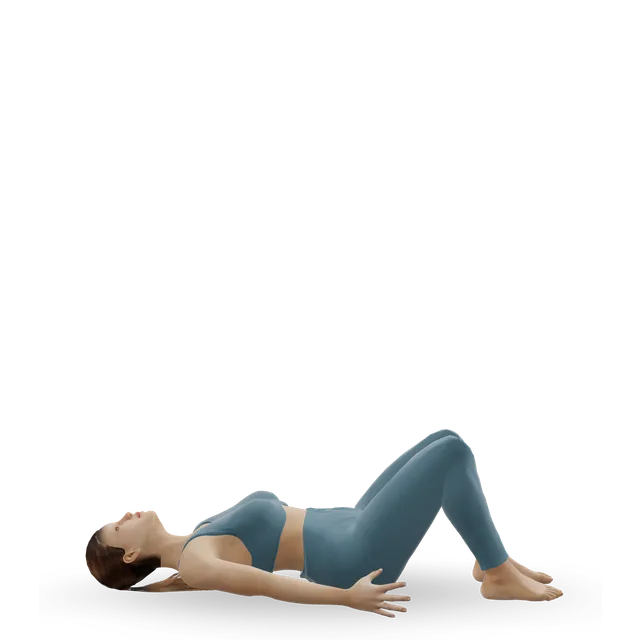
Pelvic tilts held for 3 seconds and heel slides, up to 10 each (the POGP booklet's doses, as in our postnatal exercises routine). Full bridges, 6 to 8 slow lifts, from about 6 weeks (our gentle yoga for beginners class). After a caesarean, start when they don't pull on the wound.

Hands and knees (when comfortable, about 2 to 6 weeks)

Cat-cow: 6 to 8 slow waves in a small range (our postnatal exercises routine). Bird dog one limb at a time: 5 each arm and leg, knees padded (our postnatal Pilates class). Child's pose: 30 to 60 seconds, knees wide, a cushion under your hips (our gentle yoga for beginners class); skip it if it presses on a caesarean scar. Gate pose: 2 holds of 20 seconds each side, kneeling on padding (our prenatal yoga workout).

Upper back and neck, seated

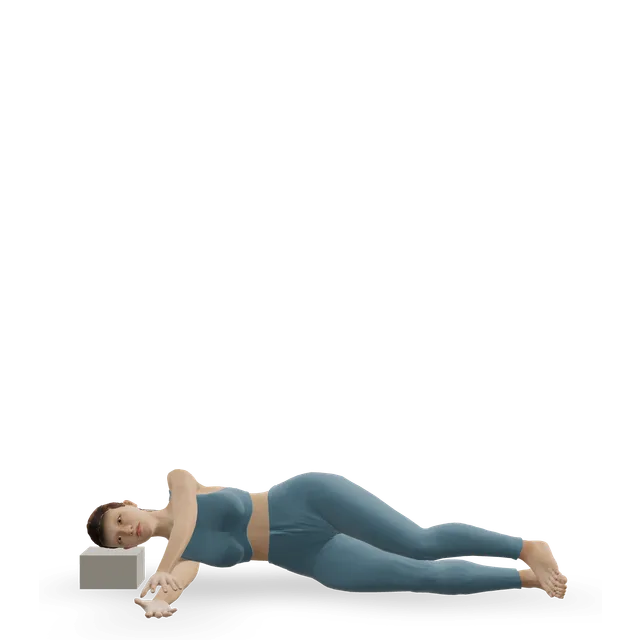
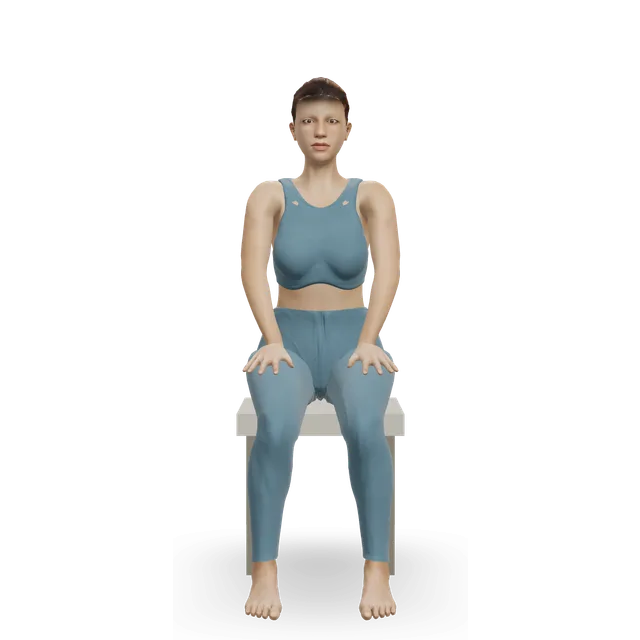
For shoulders and necks tired from feeding and carrying. Thoracic rotation: 6 each side with the breath (the move's page). Side-lying open book: 6 each side (our postnatal Pilates class). Chin tuck: 5 slow reps, holding 3 seconds (our postnatal Pilates class). Breath reach: 5 breaths (the move's page).

Standing (as it feels easy, with a short stance)

Mountain pose: 5 to 10 slow breaths, 2 or 3 times (the move's page). Sit to stand: 8 to 10, breathing out and squeezing your pelvic floor as you stand (our postnatal exercises routine). Chair pose: 2 holds of 3 to 5 breaths, shallow (our gentle yoga for beginners class). Warrior II with a short stance, and tree pose with your heel at your ankle and a hand on a wall: 3 breaths each side (our prenatal yoga workout).

Rest

Reclining bound angle: 2 to 5 minutes with a cushion under each thigh and under your head and back (the move's page). Corpse pose: at least 5 minutes, up to 10 (the move's page), or lie on your side with a pillow between your knees.

Poses to change, or leave until later

Sit-ups, planks and jumping, to start with

The NHS advises avoiding sit-ups, planks and high-impact exercise to start with. Leave boat pose, full planks, chaturanga and jumping in sun salutations (step back instead) until there's no doming, leaking or heaviness, and jumps until about 3 months.

Sources 8, 2

Deep backbends and deep twists

Camel, wheel, bow, upward dog and deep twists such as half lord of the fishes: to a comfortable range after any birth, and after a caesarean only once the scar is comfortable and you've had your check (our suggestion).

Source 1

Lying face down

Locust, sphinx and cobra can be uncomfortable when your breasts are full or tender: do back-strengthening moves on your hands and knees instead (our suggestion, as in our Pilates after birth guide).

End-of-range stretches and long holds

Pigeon, wide-angle folds, a deep goddess pose and long yin holds: stay at a comfortable pull while your joints are more supple. With pelvic girdle pain, keep stances narrow and skip one-leg poses while they hurt (our pelvic girdle pain guide).

Source 1

Headstands, shoulder stands and forceful breathing

Not needed: US health advice is for beginners to avoid headstands, shoulder stands and forceful breathing, and fast breathing such as kapalbhati raised blood pressure during practice in a lab study. Leave it out while you leak with effort, too.

Sources 59, 60

Hot yoga

We found no study of hot yoga after birth. Hot yoga carries risks of overheating and dehydration; our suggestion is to wait until your bleeding has stopped and you're back to regular classes.

Source 59

Our postnatal yoga class and other workouts

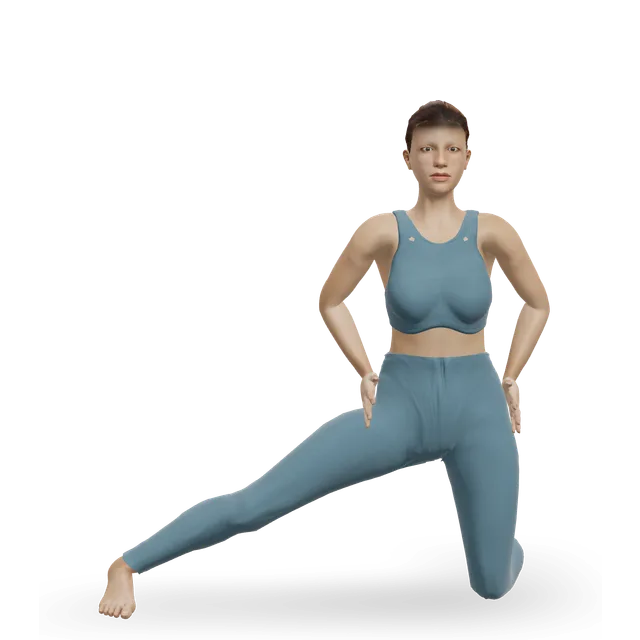
Our 20-minute postnatal yoga class goes from breathing and the pelvic floor to standing poses, with a stop point for the first weeks. The postnatal exercises routine is for the first days, the postnatal Pilates class is its Pilates twin, and the postnatal strength workout adds weights from about 6 weeks. From about 6 to 8 weeks, the pelvic floor yoga class suits too: narrow its wide stances, and swap locust for bird dog while your breasts are tender.

Gentle postnatal yoga: a 20-minute class from the first weeks after birth, with an early stop point and caesarean options

A gentle 20-minute yoga class for after a vaginal birth or a caesarean: breathing and your pelvic floor first, then lying, all-fours, seated and standing poses.

20 minBeginner18 movesA bench or box, Firm cushion

Postnatal exercises

A gentle 25-minute routine for the first weeks after birth: pelvic floor, breathing, tummy and hip exercises on the floor, sit-to-stands and a walk.

25 minBeginner12 movesA bench or box, Cardio machine

Gentle postnatal Pilates: a 20-minute class from about 6 weeks after birth, with an early stop point and caesarean options

A 20-minute postnatal Pilates class: breathing and pelvic floor, lying, side-lying and hands-and-knees moves, upper back work for feeding and a standing lift.

20 minBeginner16 movesA bench or box

Daily pelvic floor workout

A 5-minute daily pelvic floor workout for women and men: slow holds and quick squeezes, three times a day, with how to find the right muscles.

5 minBeginner2 movesNo equipment

Pelvic floor relaxation exercises

An 8-minute routine for a tight pelvic floor: slow breathing and comfortable positions to help the muscles let go, with no strengthening squeezes.

8 minBeginner5 movesFirm cushion

Postnatal strength workout (from about 6 weeks)

A 25-minute strength workout from about 6 weeks after birth: sit-to-stands, deadlift practice, push-ups, rows, bridges and tummy work, with the knack.

25 minBeginner14 movesA bench or box, A kettlebell

Yoga for the pelvic floor: a 30-minute class with the squeeze built in

A 30-minute yoga class for your pelvic floor: poses from a trial programme, a gentle lift as you breathe out, a full release, and supported rest poses.

30 minBeginner17 movesA step, Firm cushion

Restorative yoga sequence: 45 minutes of supported rest

A 45-minute restorative yoga sequence: five fully supported poses held for 4 to 10 minutes each, with slow breathing and a long final rest.

45 minBeginner6 movesFirm cushion, A wall

Plan

The postpartum plan runs week by week from the first days, with a caesarean track.

Warning signs: when to stop and get help

These match our guides to exercise after birth and Pilates after birth. This is general information, not a diagnosis. A&E means accident and emergency; in the US, call 911 where this page says 999.

Get help immediately

Call 999 or go to A&E if it feels like an emergency:

  • sudden or very heavy bleeding, especially if you feel faint or dizzy
  • chest pain, or sudden shortness of breath
  • thoughts of harming yourself or your baby: get urgent mental health help

Sources 18, 6, 16

Contact your midwife or GP the same day, or NHS 111 out of hours

Stop exercising and get advice for:

  • vaginal bleeding that gets heavier or comes back after it had settled, or passing clots or tissue
  • a fever or shivering, pain in your tummy, pelvis or the area between your vagina and anus, or a discharge or bleeding that smells unpleasant (possible infection)
  • a caesarean wound that gets more red, painful or swollen, or oozes
  • a swollen, tender leg, or shortness of breath (possible blood clot)
  • a headache that is severe or won't go away (possible high blood pressure or pre-eclampsia, which can happen after birth)
  • red, swollen breasts that don't settle within 24 hours
  • pain when you pee, or not being able to pee

Sources 18, 6

Blood clots

Pre-eclampsia can start after the birth, most often within 48 hours, and the risk lasts for up to 6 weeks. The risk of a blood clot is higher in the 6 weeks after having a baby: the NHS says to call 999 or go to A&E if you have pain and swelling in a leg and feel short of breath or have chest pain. In the US, call 911 or go to an emergency room for sudden breathlessness or chest pain, which can be signs of a blood clot in the lung.

Sources 61, 62

After a caesarean

Contact your midwife or GP straight away if you have:

  • severe pain
  • leaking urine, or pain when you pee
  • heavy vaginal bleeding
  • a wound that becomes more red, painful and swollen
  • pus or foul-smelling fluid from your wound
  • a cough or shortness of breath
  • swelling or pain in your lower leg

Source 6

If you need help with your mood

Thoughts of harming yourself or your baby: the NHS says to call 999 or go to A&E if your life is at risk or you can't keep yourself safe, and for urgent help to call 111 and choose the mental health option, or ask for an urgent GP appointment. You can also call Samaritans on 116 123. In the US, call or text 988.

If you are thinking about suicide or can't keep yourself safe, call 999 or go to A&E. For urgent help, call Samaritans free on 116 123, any time, or in England call 111 and select the mental health option. In the US, call or text 988.

If you think you might have postnatal depression, speak to your GP, midwife or health visitor; you can also refer yourself to NHS Talking Therapies.

Sources 16, 63

Sudden confusion, or seeing or believing strange things, in the first weeks

In the NHS's words: "Postpartum psychosis is a serious mental illness that should be treated as a medical emergency." "See a GP immediately if you think you, or someone you know, may have developed symptoms of postpartum psychosis. You should request an urgent assessment on the same day." "Go to A&E or call 999 if you think you, or someone you know, may be in danger of imminent harm." Signs include hallucinations, strange beliefs, feeling very high or very low, and confusion, usually within 2 weeks of the birth.

Source 19

Ease off, and see someone soon

See your GP, health visitor or a pelvic health physiotherapist if you have:

  • leaking urine, wind or poo, or a sudden need to go that's hard to hold
  • heaviness, pressure, dragging or a bulge in the vagina (possible prolapse)
  • pain during sex
  • a tummy gap that's still obvious 8 weeks after the birth, or tummy pain
  • pelvic or low back pain still there at 6 weeks
  • bleeding that carries on or increases beyond 8 weeks and isn't a period
  • feeling low, anxious or unable to cope

Sources 8, 3, 2, 64, 16

If exercise brings your bleeding back

If your bleeding turns red again, gets heavier or restarts after exercise, you've probably done too much. Drop back, and tell your midwife if it continues. This rule is ours, built from the Canadian and NICE guidance.

Sources 22, 18

Chest pain or fainting: call 999

Call 999 if:

  • You get sudden pain or discomfort in your chest that doesn't go away; it can feel like squeezing or pressure, burning or indigestion.
  • The pain spreads to your left or right arm, or your neck, jaw, stomach or back.
  • You have chest pain and feel sweaty, sick, light-headed or short of breath.
  • Someone faints while exercising, can't be woken within 1 minute, or has chest pain or a pounding, fluttering or irregular heartbeat.

Sources 65, 66

Unusual breathlessness

Call 999 or go to A&E (accident and emergency) straight away for severe difficulty breathing (gasping, choking or not able to get words out), a chest that feels tight or heavy, pain that spreads to your arms, back, neck and jaw, lips or skin turning very pale, blue or grey, or sudden confusion. If you're more short of breath than usual, or your heart is racing, fluttering or skipping beats, contact NHS 111.

Source 67

Before you start

The NHS advises getting advice from a healthcare professional first if you have a health problem, an injury or symptoms, or have recently had a heart attack or an operation.

Source 5

During yoga

Stop a pose that brings on leaking, heaviness, dragging, a bulge or pain, and make it smaller or leave it out (our pelvic floor yoga guide).

Myths

"You must wait 6 weeks before any yoga after birth"Strong evidence

After a straightforward birth, gentle exercise can start as soon as you feel up to it, and breathing and pelvic floor exercises within hours. The 6 to 8 week check is the time to ask about high-impact exercise, not a gate for gentle yoga.

Sources 1, 2, 4

"Signed off at 6 weeks means you're ready for anything"Strong evidence

The check is about your recovery, not your fitness. Jumps and running wait for about 3 months and the readiness checks.

Sources 3, 2

"Yoga will flatten your tummy"Mixed evidence

No trial shows it, and the only yoga trial on the tummy gap was retracted. Exercise narrows a gap by a few millimetres and builds strength; bodies change over months after a birth.

Sources 13, 12, 32

"Never do core work with a tummy gap", or "crunches close it"Emerging evidence

Neither. Curl-ups didn't widen the gap in a trial of 70 women and built strength. The NHS advises avoiding sit-ups and planks to start with, then building up.

Sources 34, 8

"Postnatal yoga is enough for your pelvic floor"Strong evidence

Daily pelvic floor exercises do the work. NICE says supervised exercise such as yoga may help alongside supervised training, not instead, and pelvic yoga did no better than general conditioning for leaking.

Sources 10, 9, 24

"After a caesarean you don't need pelvic floor exercises"Strong evidence

Pregnancy itself loads your pelvic floor. Leaking urine is one of the signs the NHS lists after a caesarean, so do your pelvic floor exercises after any birth.

Sources 6, 17

"Your joints are loose for a year, so don't stretch at all"Mixed evidence

The NHS says joints are more supple for a few months after birth, so stretching or twisting too much raises the risk of injury. No study sets a time. Gentle stretching to a comfortable pull is fine.

Source 1

"Yoga can treat postnatal depression on its own"Strong evidence

Yoga and other exercise lower symptoms by a small to moderate, uncertain amount. Postnatal depression usually gets better with treatment, so talk to your GP, midwife or health visitor.

Sources 16, 14, 15

"Exercise spoils your breast milk"Strong evidence

"You can be active while breastfeeding", and moderate exercise doesn't affect the quality or quantity of your milk.

Sources 4, 1

Questions people ask

When can I start yoga after giving birth?

After a straightforward birth, gentle exercise such as walking, stretches and pelvic floor exercises can start as soon as you feel up to it, and breathing and pelvic floor exercises within hours. Build up gently, and ask at your 6 to 8 week check before high-impact exercise.

When can I do yoga after a C-section?

Start with breathing, pelvic floor exercises once your catheter is out, and short walks. Add seated, side-lying and all-fours poses when they don't pull on the wound, and return to classes when you feel able and it's comfortable, which may not be for 6 weeks or so. Lift nothing heavier than your baby for at least 6 weeks.

Do I need to wait for my 6-week check?

Not for gentle yoga, breathing and pelvic floor exercises. The check is a good time to ask about leaking, a tummy gap or harder exercise, but it isn't a fitness test.

Is postnatal yoga safe?

For most people, yes: UK guidance says there's no evidence of harm from being active after birth, and names yoga as an option. Start gently depending on your delivery, and stop for the warning signs on this page.

Will yoga help my pelvic floor after birth?

Your pelvic floor exercises do the main work: training cut the odds of leaking by about a third. NICE says supervised exercise such as yoga may help alongside supervised training, so build the squeeze into your yoga, and see a GP or pelvic health physiotherapist for leaking, heaviness or a bulge.

Can yoga fix diastasis recti?

No trial shows that, and the only yoga study was retracted. Exercise narrows a gap by a few millimetres on average and builds strength, and most gaps shrink over the first year. See your GP if it's still obvious 8 weeks after the birth.

Which yoga poses should I avoid after birth?

At first, sit-ups, planks and jumping, deep twists and backbends after a caesarean, face-down poses if your breasts are tender, and pushing any stretch to its end while your joints are more supple. Bring them back gradually if there's no doming, leaking or heaviness.

Can postnatal yoga help postnatal depression?

It may lower symptoms a little, but the trials are small and their results vary a lot. Exercise in general helps alongside support and treatment, not instead of it. If you have thoughts of harming yourself or your baby, get help straight away: call 999, 111 or Samaritans on 116 123.

Will yoga help me sleep after having a baby?

Exercise after birth eased tiredness and improved sleep quality in pooled trials, and relaxation practices ranked highest. Rest when your baby sleeps, and a short slow-breathing practice or a supported rest pose can help you wind down.

Is it OK to do yoga while breastfeeding?

Yes: you can be active while breastfeeding, and exercise doesn't affect your milk. Feed or express first, wear a supportive bra, and use hands-and-knees versions instead of lying face down if your breasts are tender.

Can I do hot yoga after having a baby?

We found no study of hot yoga after birth. Our suggestion is to wait until your bleeding has stopped and you're back to regular classes, drink well, and leave at the first sign of dizziness, a headache or feeling sick.

Is yoga or Pilates better after birth?

Neither has been tested against the other after birth. Pilates focuses more on the trunk, and yoga more on breathing, balance and relaxation; both suit the early months, and both have a class on this site.

Sources

  1. NHS · Keeping fit and healthy with a baby
  2. Pelvic, Obstetric and Gynaecological Physiotherapy (POGP) · Fit for the future: advice and exercises after childbirth (booklet, 2024, for review 2027; full text read)
  3. NHS · Your 6-week postnatal check
  4. Department of Health and Social Care · Physical activity for women after childbirth: birth to 12 months (infographic text, updated July 2026)
  5. NHS · Prenatal and postnatal yoga video
  6. NHS · Caesarean section: recovery (past its review date: reviewed January 2023, review due January 2026)
  7. NICE · Caesarean birth (NG192, guideline, 2021, updated June 2025): recovery, recommendation 1.7.8
  8. NHS · Your post-pregnancy body
  9. Beamish 2025 · Exercise after birth, pelvic floor problems and the tummy gap: 65 studies (systematic review and meta-analysis, Br J Sports Med)
  10. NICE · Pelvic floor dysfunction: prevention and non-surgical management (NG210, guideline, 2021)
  11. Sperstad 2016 · The tummy gap in pregnancy and the year after birth: 300 first-time mothers (cohort study, Br J Sports Med)
  12. Benjamin 2023 · Treatments for the tummy gap after birth: 16 trials, 698 women (systematic review and meta-analysis, Physiotherapy)
  13. Biomed Res Int 2023 · Retraction notice: Li 2022, the only trial of yoga for the tummy gap after birth (116 women), is retracted
  14. Ruan 2025 · Yoga for postnatal depression: 6 trials, 443 women (meta-analysis, Int J Yoga)
  15. Deprato 2025 · Exercise after birth, depression and anxiety: 35 studies (systematic review and meta-analysis, Br J Sports Med)
  16. NHS · Postnatal depression
  17. Woodley 2020 · Pelvic floor muscle training in pregnancy and after birth: 46 trials, 10,832 women (Cochrane review)
  18. NICE · Postnatal care (NG194, guideline, 2021, updated June 2026)
  19. NHS · Postpartum psychosis (past its review date: reviewed October 2023, review due October 2026)
  20. NHS · Physical activity guidelines for adults aged 19 to 64
  21. Lan 2026 · Guidelines on physical activity after birth: 18 guidelines (systematic review, Womens Health)
  22. Canadian Society for Exercise Physiology · 2025 Canadian guideline for physical activity, sedentary behaviour and sleep in the first year postpartum (guideline)
  23. Gallego-Gómez 2026 · Training to treat leaking after birth: 19 studies (meta-analysis, BJOG)
  24. Huang 2024 · Pelvic yoga or general conditioning for leaking: 240 women aged 45 to 90 (randomised trial, Ann Intern Med)
  25. Wieland 2019 · Yoga for urinary incontinence in women: 2 trials, 49 women (Cochrane review)
  26. Li 2021 · Weekly yoga and the pelvic floor on ultrasound after a vaginal birth: 128 women, described as randomised (study, J Phys Ther Sci)
  27. Li 2025 · Weekly yoga and pelvic organ position after a vaginal birth: the same 128 women, described as a prospective study (study, Int Urogynecol J)
  28. J Healthc Eng 2023 · Retraction notice: Li 2022, yoga and the pelvic floor after birth, is retracted
  29. Siff 2020 · Common exercises and the pelvic floor after birth: 15 women (ultrasound study, Female Pelvic Med Reconstr Surg)
  30. Baeßler 2017 · Gym exercises and the bladder neck: 15 women (ultrasound study, Geburtshilfe Frauenheilkd)
  31. Sharma 2024 · Yoga in pregnancy and pelvic floor symptoms: 200 women (randomised trial, Int Urogynecol J)
  32. Capoccia Giovannini 2026 · Exercise for the tummy gap after birth: 9 trials, 450 women (systematic review and meta-analysis, Hernia)
  33. de Oliveira 2025 · Treatments for the tummy gap after birth: 34 trials (systematic review and meta-analysis, Medicine)
  34. Gluppe 2023 · Curl-ups for the tummy gap after birth: 70 women (randomised trial, J Physiother)
  35. Lee 2016 · The midline of the tummy during a curl-up with a gap: 43 women (observational study, J Orthop Sports Phys Ther)
  36. PubMed · Search for yoga after birth: 109 records screened, and for yoga and the tummy gap: 3 records, the only trial retracted (29 October 2026)
  37. Buttner 2015 · Yoga for postnatal depression: 57 women (randomised trial, Complement Ther Clin Pract)
  38. Munns 2024 · Postnatal yoga and mental health: 6 studies, 377 women (systematic review, Heliyon)
  39. Ranjbar 2026 · Yoga for depression, anxiety and stress in pregnancy and after birth: 35 studies (systematic review and meta-analysis, Best Pract Res Clin Obstet Gynaecol)
  40. Mohr 2026 · Physical activity and depression and anxiety in pregnancy and after birth: 20 meta-analyses (umbrella review, EClinicalMedicine)
  41. Wang 2026 · Physical activity for depression, anxiety and quality of life after birth: 29 trials, 3,915 women (network meta-analysis, BMC Public Health)
  42. Wang 2024 · Types of exercise for postnatal depression: 12 trials, 1,260 women (network meta-analysis, Int J Gynaecol Obstet)
  43. Liu 2026 · Exercise for postnatal depressive symptoms: 24 trials, 1,792 women (network meta-analysis, Front Psychiatry)
  44. Dong 2026 · Types of exercise for depression and anxiety in pregnancy and after birth: 32 trials (systematic review and meta-analysis, BMC Pregnancy Childbirth)
  45. Jiang 2026 · Exercise for depression and anxiety in pregnancy and after birth: 43 trials (network meta-analysis, Int J Gynaecol Obstet)
  46. Qian 2021 · Non-drug treatments for tiredness after birth: 10 studies, 1,194 women (meta-analysis, BMC Pregnancy Childbirth)
  47. Guo 2026 · Types and doses of exercise for sleep in pregnancy and after birth: 23 trials, 1,862 women (network meta-analysis, BMC Pregnancy Childbirth)
  48. NHS · Sleep and tiredness after having a baby
  49. Parikh 2025 · Yoga nidra in the days after birth: 100 women (non-randomised study, J Family Med Prim Care)
  50. NHS · Breathing exercises for stress
  51. Cramer 2015 · The safety of yoga: 94 trials, 8,430 people (systematic review and meta-analysis, Am J Epidemiol)
  52. Ruchat 2025 · Exercise and back and pelvic pain after birth: 37 studies, 3,769 people (systematic review and meta-analysis, Br J Sports Med)
  53. Özyurt 2025 · Physiotherapy for back and pelvic pain after birth: 37 trials, 1,739 women (systematic review and meta-analysis, BMC Womens Health)
  54. Timlin 2017 · Dru yoga and wellbeing in first-time mothers: 32 women (randomised pilot trial, Midwifery)
  55. Unver 2021 · Home yoga and quality of life in first-time mothers: 160 women (randomised trial, J Obstet Gynaecol Res)
  56. Boybay Koyuncu 2022 · Postnatal yoga and breastfeeding confidence: 124 mothers (non-randomised study, Breastfeed Med)
  57. Evenson 2024 · Public health guidelines for activity after birth around the world: 22 countries (scoping review, J Sport Health Sci)
  58. Ko 2013 · A yoga and Pilates programme after birth: 28 women (study without a comparison group, J Clin Nurs)
  59. NCCIH (US National Center for Complementary and Integrative Health) · Yoga: effectiveness and safety (updated August 2023)
  60. Nivethitha 2021 · Heart rate and blood pressure during different yoga breathing techniques: 20 adults (lab study, Int J Yoga)
  61. NHS · DVT (deep vein thrombosis)
  62. NHS · Pulmonary embolism
  63. NHS · Where to get urgent help for mental health (past its review date: reviewed April 2023, review due April 2026)
  64. NHS · Pelvic organ prolapse
  65. NHS · Chest pain (past its review date: reviewed August 2023, review due August 2026)
  66. NHS · Fainting
  67. NHS · Shortness of breath

Exercise education, not a personal prescription, and clinical review of these guides is pending. If you are pregnant, have a health condition such as glaucoma, high blood pressure or osteoporosis, or have had recent surgery, check with a doctor, midwife or physiotherapist before starting, and stop for sharp or increasing pain. Health disclaimer.