Is yoga good for SI joint pain?
It can help as a way to keep moving and build strength around your pelvis, but no trial has tested yoga for SI joint pain itself. In pregnancy, one trial of 60 women found 10 weeks of yoga eased low back and pelvic pain more than posture advice, and exercise in general makes pregnancy back and pelvic pain less severe. Choose even poses, keep them within comfort, and see a physiotherapist alongside.
What yoga poses help SI joint pain?
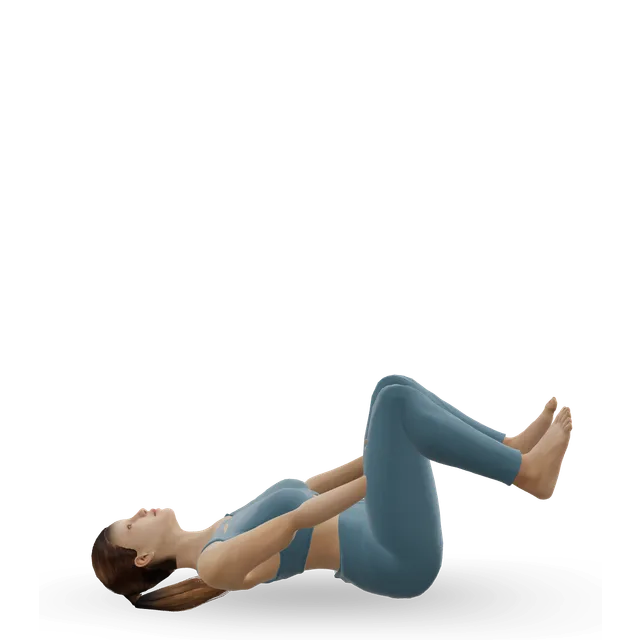
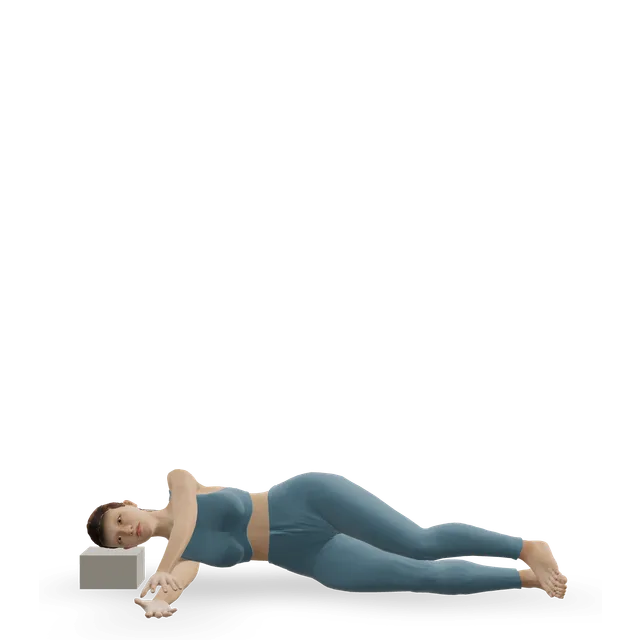
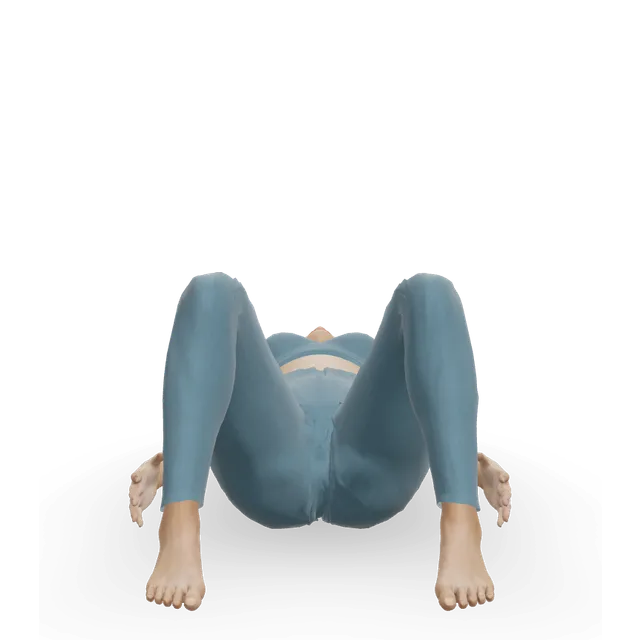
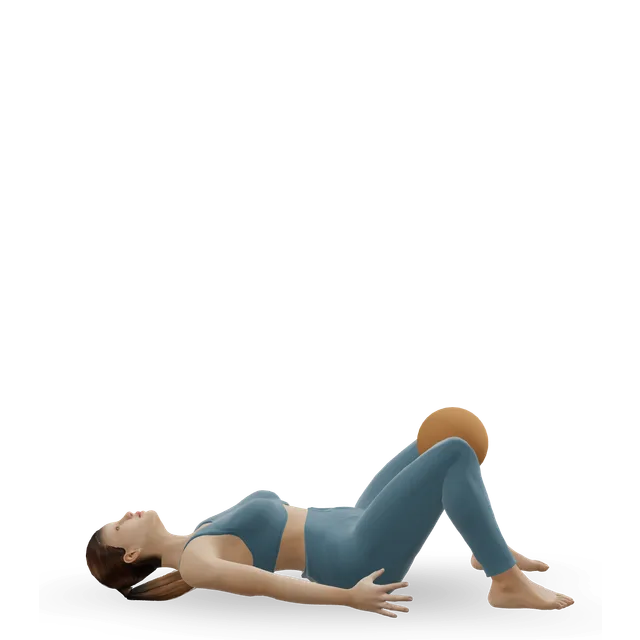
Poses that load both sides evenly and strengthen your hips, trunk and pelvic floor: cat-cow, small bridges, bird dog, side plank on your knees, mountain pose and a shallow chair pose. Keep your weight on both feet and your knees no wider than your hips while it hurts.
What yoga poses should I avoid with SI joint pain?
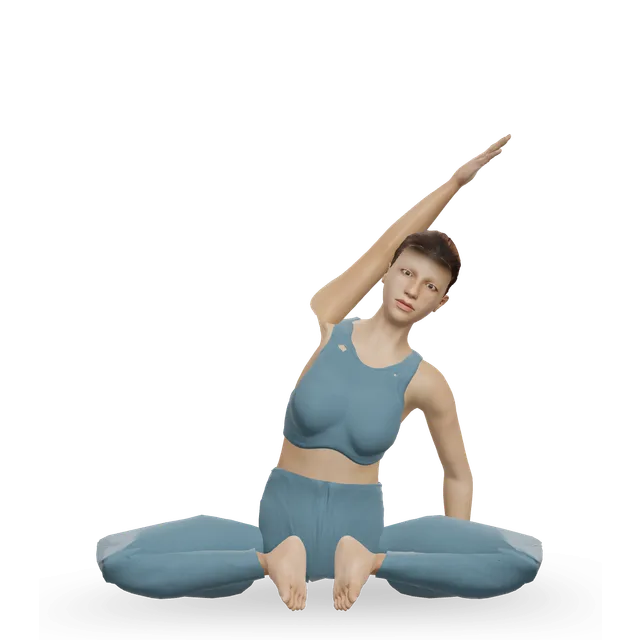
While it hurts, skip or narrow one-legged balances, wide stances, deep twists, cross-legged sitting and deep hip openers such as pigeon and bound angle. These overlap with what the NHS and physiotherapists say brings on pelvic girdle pain. Bring them back one at a time, with short holds, once they don't provoke pain.
Can my SI joint go out of place, and can yoga put it back?
There's no evidence that it goes out of place: the joints move only about 2.5 degrees and less than a millimetre, and manipulation changed hand tests without changing the joint's position on precise X-rays. Yoga can't reset it, but even, strengthening practice can help you move with less pain.
Can yoga cause SI joint pain?
It can aggravate it, usually through deep twists, one-sided poses at the end of your range or wide stances held for a long time. In back pain trials, yoga caused more side effects than not exercising, mostly a temporary rise in pain, and about the same as other exercise. Stop a pose that sharpens your pain and tell your teacher.
Is yoga safe for SI joint pain in pregnancy?
Yes, with changes: keep your knees together as you change position, avoid standing on one leg and crossing your legs, skip wide stances and leave out anything that hurts. In later pregnancy keep time flat on your back to a few minutes, and skip hot yoga.
What is pelvic girdle pain, and is it the same as SI joint pain?
Pelvic girdle pain is pain at the back or front of the pelvis in pregnancy or after birth, and it can involve the SI joints at the back and the pubic joint at the front. It affects about 1 in 5 pregnant women and isn't harmful to the baby. Our pelvic girdle pain guide has more.
Will SI joint pain go after the baby is born?
Usually it improves, but around 1 in 10 women have ongoing pain. Exercise after the birth eased back and pelvic pain by about 2 points out of 10 across trials, and specific stabilising exercises helped in one trial. If you still have pain 6 weeks after the birth, see your GP, health visitor or a pelvic health physiotherapist.
Is yoga or Pilates better for SI joint pain?
Neither has been tested for SI joint pain, and for back pain in general yoga does about as well as other exercise. Choose the one you'll do regularly and can keep even and within comfort; strength around the pelvis is the common thread.
Should I wear an SI belt for yoga?
In pregnancy, NICE says a physiotherapist may offer a non-rigid pelvic support belt, and it can ease pain for some women for short periods. Outside pregnancy, NICE advises against belts for low back pain. A belt isn't a treatment on its own, so ask your physiotherapist whether it helps you move.
How often should I do yoga for SI joint pain?
Two or three times a week is a sensible start, alongside your physiotherapy exercises and daily pelvic floor exercises. A pose is fine if your pain doesn't rise during it and isn't worse later that day or the next morning.
When should I see a doctor about SI joint or pelvic pain?
Call 999 for numbness around your genitals or bottom, new trouble peeing or pooing, or pain, tingling, weakness or numbness in both legs. In pregnancy, contact your GP or midwife urgently for back pain in the second or third trimester, or with a fever, bleeding or pain when you pee. Call your midwife or GP if moving around, getting out of a car or turning in bed is painful.