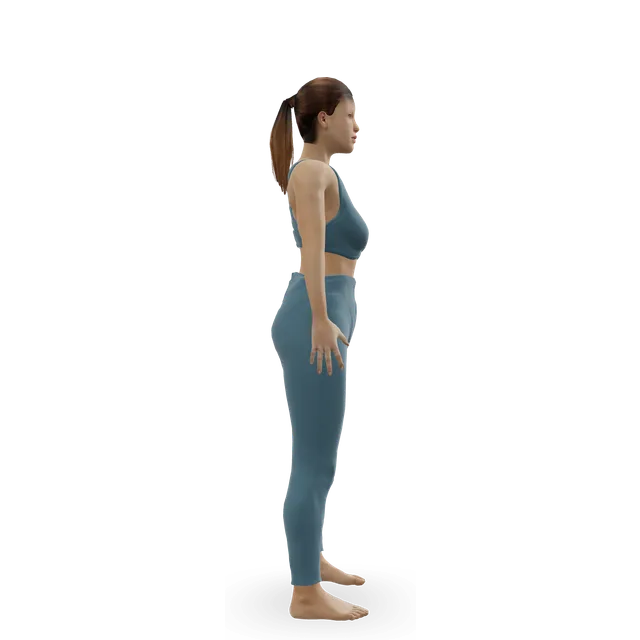
Yoga guide

Yoga for older women: strength, balance and bones after the menopause, falls, the pelvic floor, how to start, and a class

Yoga suits older women well: it trains balance, leg strength and flexibility, can ease mood and sleep a little, and works on a mat, at a wall or in a chair. Most yoga trials in older adults are mostly women, and they found small gains, about as much as other exercise. Yoga hasn't been shown to build bone or prevent falls, so it works best beside strength training with a band or weights, some impact if it's safe for you, and walking.

This guide covers what changes for bone, muscle and the pelvic floor after the menopause, what the trials show, yoga and weights, balance and falls, leaking and prolapse, the few poses to change for your bones, how to start at 60, 70 or later, and the classes to follow. Our yoga for women, yoga over 50 and yoga for seniors guides cover the wider questions, and our yoga for osteoporosis guide goes deeper on bones.

The short version

Yoga helps a little, at any age

In trials of people aged 60 and over, most of them women, yoga improved balance, lower-body flexibility and leg strength against doing nothing, and about as much as other exercise. The gains shrink once missing small studies are allowed for, and the few trials in older women alone are small, with mixed results.

Sources 1, 2, 3

Bone and muscle change after the menopause

Bone is lost fastest from about a year before the last period to 2 years after it, and muscle starts to fall at the start of the menopause transition. About one in two women will break a bone from a minor fall at some point.

Sources 4, 5, 6

Yoga doesn't build bone, so add load

In 11 studies of 591 women, yoga or Pilates didn't change bone density. The UK osteoporosis consensus puts strength training and impact first for bone, with yoga among the strength and balance activities. A band, weights or a strength class adds what yoga lacks.

Sources 7, 8, 9

Balance improves, but practise it to prevent falls

Yoga improves balance a little, but it hasn't been shown to prevent falls. What does is balance and everyday movement practice 3 or more times a week, made harder over at least 12 weeks, as the world falls guidelines say.

Sources 10, 11, 12

A few poses change, for your bones

Until you know your bones are healthy, fold from your hips with a long back, keep twists smooth, and leave out plough, shoulder stand and headstand. Spinal fractures have been reported after yoga poses that bend the spine far forward.

Sources 8, 13, 14

Train the pelvic floor with the squeeze itself

In 240 women aged 45 to 90, a pelvic yoga programme eased leaking about as much as general stretching and strengthening. The first treatment for leaking from NICE (the National Institute for Health and Care Excellence) is supervised pelvic floor muscle training for at least 3 months, and you can practise the squeeze in your poses.

Sources 15, 16

Who does yoga, and who has been studied

More women than men, fewer older peopleStrong evidence

In the US in 2022, 23.3% of women did yoga against 10.3% of men, and 8.0% of people aged 65 and over. In a UK survey of 2,434 practitioners, 87% were women.

Sources 17, 18

Older women with long-term conditionsEmerging evidence

Among 1,925 Australian women aged 53 to 95 with long-term conditions, 6.8% did yoga. Women with obesity or diabetes were less likely to, which says more about who classes welcome than about who could benefit.

Source 19

For once, the trials fit the readerStrong evidence

In 15 of 22 yoga trials in older adults, more than 70% of the volunteers were women. The evidence still comes mostly from small trials that couldn't hide from people whether they were doing yoga.

Source 1

What changes after the menopause

These are normal changes, not a reason to slow down. Muscle and bone respond to training at any age.

BoneStrong evidence

In 862 women followed for 10 years, the spine lost 10.6% of its bone density and the hip 9.1%, most of it from a year before the final period to 2 years after. The NHS lists the menopause among the things that raise the chance of osteoporosis, and says there are usually no symptoms until a bone breaks. About one in two women will have a fracture from a fall from standing height or less.

Sources 4, 20, 6

Muscle and strengthStrong evidence

At the start of the menopause transition, fat gain sped up and lean mass began to fall, with no faster rise in weight. In 1,880 adults in their 70s, women lost leg strength at 2.6 to 3.0% a year, about three times faster than they lost muscle.

Sources 5, 21

The pelvic floorStrong evidence

The NHS says pelvic organ prolapse "is common in women over 50" and more common after the menopause. Leaking is common too, and the NHS says you should not feel embarrassed talking to a GP about it.

Sources 22, 23

FallsStrong evidence

At least one in three people over 65 living at home fall each year. In the largest review of exercise to prevent falls, the volunteers averaged 76 and 77% were women.

Source 24

What the evidence says

Most yoga trials in older adults are small, and people knew whether they were doing yoga. We say where the evidence is thin.

Balance, flexibility and leg strength improve a littleEmerging evidence

Across 22 trials in people aged 60 and over, yoga improved balance, lower-body flexibility and leg strength against doing nothing (effect sizes 0.45 to 0.7), and leg strength and flexibility against other activities (0.49 and 0.28). In 6 good-quality trials of 307 people, balance improved by a small amount and getting about by a medium amount.

Sources 1, 10

The gains shrink once missing studies are allowed forEmerging evidence

A 2026 review of 21 studies and 1,471 older adults found that, after adjusting for small studies that may be missing, the gain in moving balance was no longer significant and the leg strength gain was borderline. Quality of life still improved.

Source 2

Walking speed and leg strengthStrong evidence

In 33 studies of 2,384 people aged 65 and over, yoga improved walking speed and leg strength and endurance against education or no exercise, with moderate certainty, but it "may not offer benefit over active interventions" such as other exercise.

Source 25

Trials in older women alone: few, small and mixedEmerging evidence

A 2025 review found only 6 trials in older women, with 18 to 38 women each and 170 in all. Their effects on balance, walking and leg strength were inconsistent, and the review found no definite effect on falls.

Source 3

Chair yoga: safe and liked, quality of life unchangedStrong evidence

In a UK trial of 454 adults aged 65 and over with two or more long-term conditions, 12 weeks of chair yoga, mostly online, didn't improve quality of life or the other main outcomes, including falls. It was safe, most people found it acceptable, and it was probably good value.

Source 26

Mood and sleepEmerging evidence

Against doing nothing, yoga eased depression and improved sleep quality in older adults. In women with sleep problems, sleep improved a little across 19 trials, but not clearly around and after the menopause, and in 240 women with leaking, yoga did no better for sleep than general exercise.

Sources 1, 27, 28

Memory: one small trialMixed evidence

In 79 older women with memory complaints, Kundalini yoga improved how well they felt their memory worked more than memory training did. But 35% of the yoga group didn't finish, and it was a single small trial.

Source 29

A rounded upper backEmerging evidence

In 118 people over 60 with a rounded upper back, yoga 3 times a week for 6 months improved one measure of the curve by 4.4%, but not another measure, physical performance or quality of life. Our yoga for kyphosis guide has more.

Source 30

SafetyEmerging evidence

Across 94 trials, yoga was about as safe as usual care or other exercise. In US emergency departments, yoga injuries were more common at 65 and over (57.9 per 100,000 people doing yoga, against 11.9 at 18 to 44), most often to the trunk and mostly sprains and strains, and US health advice is to learn with a qualified teacher.

Sources 31, 32, 33

Bones and strength: yoga and weights

Yoga didn't change bone densityEmerging evidence

In 11 studies of 591 women aged 45 to 78, Pilates or yoga didn't change bone density (and some of the studies weren't randomised). Two yoga trials pooled in a 2025 review showed no effect, and a review for Osteoporosis Canada found only very low certainty evidence for yoga in people at risk of fracture.

Sources 7, 11, 34

The 12-minute study had no comparison groupMixed evidence

The widely shared study of 12 minutes of daily yoga compared volunteers' own scans before and after starting, with no control group, and analysed 227 of 741 people. It can't show that yoga changed their bones.

Source 35

Mind-body exercise with strength training did bestMixed evidence

Reviews of mind-body exercise, mostly tai chi and similar practices rather than yoga, found a small rise in bone density in 11 trials of women around and after the menopause. Across 74 trials, mind-body exercise combined with strength training did best at the spine and hip, and programmes of a year or more were more consistent. These don't show that yoga alone builds bone.

Sources 36, 37

Fewer hip fractures in women who did yoga: an associationEmerging evidence

In the Million Women Study, 371,279 healthy postmenopausal UK women followed for 12 years, those who took part in yoga had 16% fewer hip fractures. This is an association in healthy, active women, not proof that yoga prevents fractures: women who choose yoga differ in many ways.

Source 38

What builds bone: strength and impactStrong evidence

The UK consensus recommends "resistance and impact exercise to maximise bone strength". In 101 women aged about 65 with low bone mass, 8 months of twice-weekly supervised heavy lifting and jumping raised spine density by 2.9%, against a 1.2% fall with home exercise, with one minor back spasm (figures as published; a later correction to the trial couldn't be read). The Royal Osteoporosis Society says exercise is "not a replacement for an osteoporosis medicine".

Sources 8, 9, 39, 40

Strength training works at any ageStrong evidence

Across 73 trials, progressive strength training had a large effect on older adults' strength and helped getting up from a chair. On the same programmes, women over 50 gained as much strength as men relative to where they started, and more in the legs.

Sources 41, 42

Yoga counts as strength workStrong evidence

The NHS lists yoga among muscle-strengthening activities for older adults. Its own strength gain is small, so a band, weights or a strength class on 2 days a week takes it further.

Sources 43, 2

Deep forward bends with fragile bonesMixed evidence

Case reports describe spinal fractures after yoga poses that bend the spine far forward: 3 people with low bone density in one series and 9 (8 of them women) in another. A review found such events rare. The UK consensus advises avoiding a high degree of spinal flexion, so fold from your hips and keep twists smooth.

Sources 14, 44, 45, 8

Balance and falls

What prevents fallsStrong evidence

Exercise cut the rate of falls by 23% across 59 trials, with high certainty. The world falls guidelines recommend balance-challenging and everyday movements, such as standing up from a chair and stepping, 3 or more times a week, made harder for at least 12 weeks, and tai chi or strength training where possible.

Sources 24, 12

Yoga improves balance, but hasn't been shown to cut fallsMixed evidence

Reviews call yoga's effect on falls mixed. The authors of the 60-plus review asked whether its balance gains would "translate to prevention of falls", and no trial has shown that they do.

Sources 11, 3, 10

Less fear of fallingEmerging evidence

The world falls guidelines note that supervised classes such as Pilates or yoga had the largest effects on fear of falling in two reviews. Feeling steadier makes it easier to stay active.

Source 12

Tree pose at the wallEmerging evidence

In 32 women with osteoporosis, adding 2 minutes a day of tree pose to an exercise programme improved one-leg standing at 6 weeks. It's one small trial, but a simple way to add balance practice.

Source 46

The pelvic floor, leaking and prolapse

Pelvic yoga did about as well as general exerciseStrong evidence

In 240 women aged 45 to 90 (average 62) who leaked every day, 12 weeks of pelvic yoga cut leaking by 2.3 episodes a day and general stretching and strengthening by 1.9, not a meaningful difference. The trial was well run, with no untreated group. In its overactive bladder group, yoga eased bother a little more but not leaks.

Sources 15, 47

Too few other yoga trials to judgeMixed evidence

Before that trial, a Cochrane review found 2 small trials (49 women) and couldn't say whether yoga helps leaking.

Source 48

Pelvic floor training comes firstStrong evidence

NICE recommends at least 3 months of supervised pelvic floor muscle training as the first treatment for stress or mixed leaking, and a Cochrane review found it cures or improves leaking. In women aged 60 and over, it reduced leaking and was about as effective as yoga or Pilates in head-to-head studies. Our pelvic floor guides show how to do the squeeze.

Sources 16, 49, 50

ProlapseStrong evidence

The NHS says treatment can include pelvic floor muscle training, usually with a specialist women's health physiotherapist, and suggests avoiding activities that strain the pelvic floor, like heavy lifting, running and trampolining. Our yoga for prolapse guide covers the poses to change.

Source 22

Starting at 60, 70 or later

It's never too lateEmerging evidence

People who became active in midlife, after years of doing little, had lower death rates than those who stayed inactive, similarly for women and men. Yoga trials have included women up to 90.

Sources 51, 15

How muchStrong evidence

The NHS asks older adults to do activities that improve strength, balance and flexibility on at least 2 days a week, plus 150 minutes of moderate activity such as brisk walking. The World Health Organization (WHO) suggests balance and strength on 3 or more days.

Sources 43, 52

Choosing a class

The British Wheel of Yoga suggests a gentle beginners' class if you're new, and chair yoga if getting up and down from the mat is hard. Look for standing strength, balance near a wall or chair, and a teacher who offers swaps for bones, eyes and blood pressure. Hot yoga isn't needed.

Sources 53, 33

Chair yoga

Chair yoga suits anyone who can't stand safely for long, and the UK trial found it safe. As you get steadier, use the chair for support in standing poses, so you practise balance as well. Our chair yoga guide has more.

Source 26

Arrive and breathe

Slow breathing: 2 minutes, in for about 4 and out for about 6, with no holds (our yoga for osteoporosis and yoga over 50s classes). Breath reach: "5 breaths, exhale longer than inhale" (the move page's dose). Breathe out through every effort in the poses that follow.

Standing strength

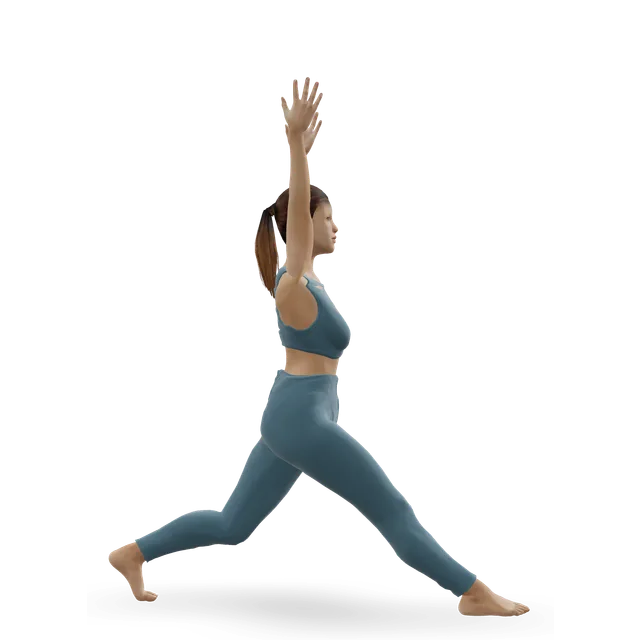
Chair pose: 3 holds of 5 breaths. Sit to stand: 8 to 10 slow stands, the chair against a wall. Warrior II and high lunge: 5 breaths each side (all from our yoga for osteoporosis class). Wall push-up: 5 to 10. Band row: 2 sets of 10 to 15, stopping 2 to 3 reps short of failure (both from our yoga for longevity class).

Balance at a wall or counter

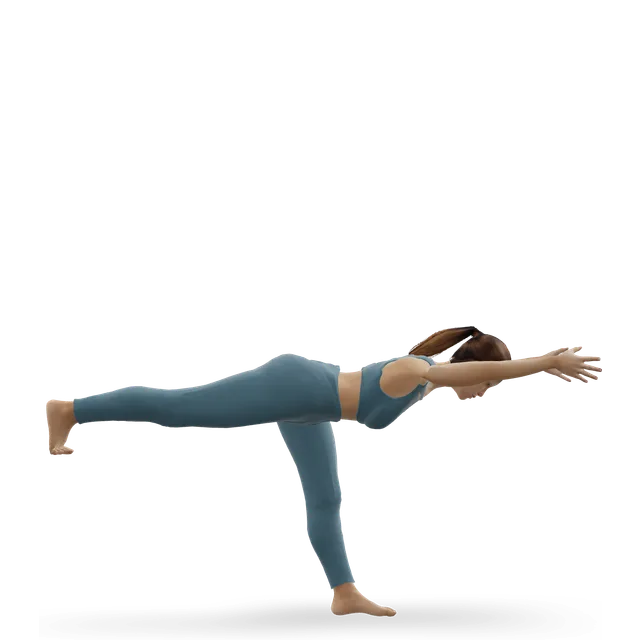
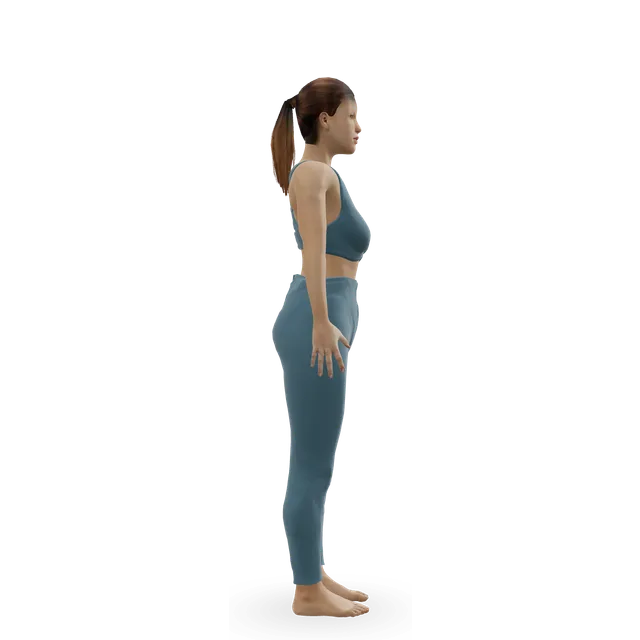
Mountain pose: "Stand for 5 to 10 slow breaths, 2 or 3 times. Once you feel steady, add a round with your eyes closed, within reach of a wall (our editorial starting point)." (the move page's dose). Tree pose: 3 to 5 breaths each side, twice, fingertips on the wall. Heel-to-toe: 30 seconds each way round, then 10 steps (both from our yoga for osteoporosis class). Warrior III: 3 breaths each side, twice, hands on a chair back (our yoga over 50s class). If falls are a worry, practise balance 3 or more times a week.

Back strength, for posture and bones

Seated upper back lift: "3 to 5 repetitions, each held 3 to 5 seconds, at least twice a week (UK osteoporosis consensus, 2022)." (from the move page's dose). Locust: 3 to 5 lifts, held 3 to 5 seconds. Low cobra: 5 lifts, held 3 to 5 seconds. Bird dog, one limb: 5 each arm and leg, holding 3 to 5 seconds (all from our yoga for osteoporosis class).

Bend and twist the safe way

Hip hinge fold: "5 slow folds, 3 breaths at the bottom" (the move page's dose), in place of deep forward folds. Thoracic rotation: 5 each side, turning smoothly. Cat-cow: 5 or 6 slow rounds, keeping the rounding small (both from our yoga for osteoporosis class).

The pelvic floor

Pelvic floor squeezes: "Start with 8 slow holds of up to 10 seconds and 8 quick squeezes, three times a day, and build towards 10 of each" (from the move page's dose). Pelvic floor relaxation: "5 to 10 slow breaths, 1 to 3 times a day" (from the move page's dose). In class, lift gently as you breathe out in mountain and chair pose, as our yoga for the pelvic floor class does.

Floor skills and rest

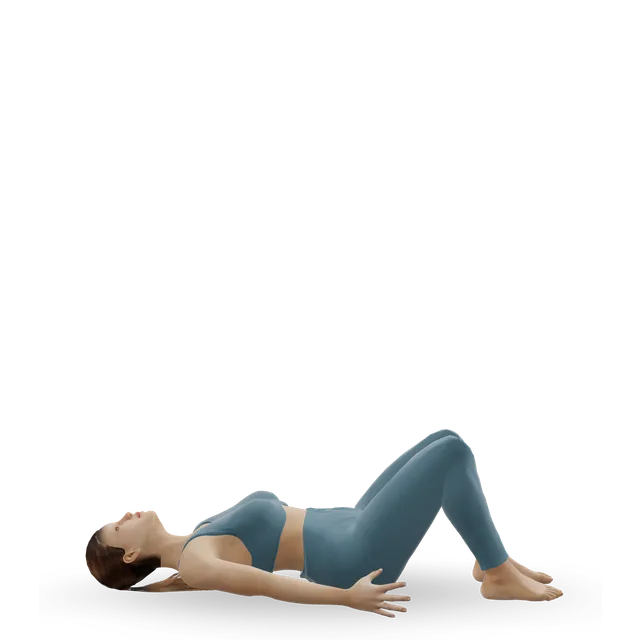
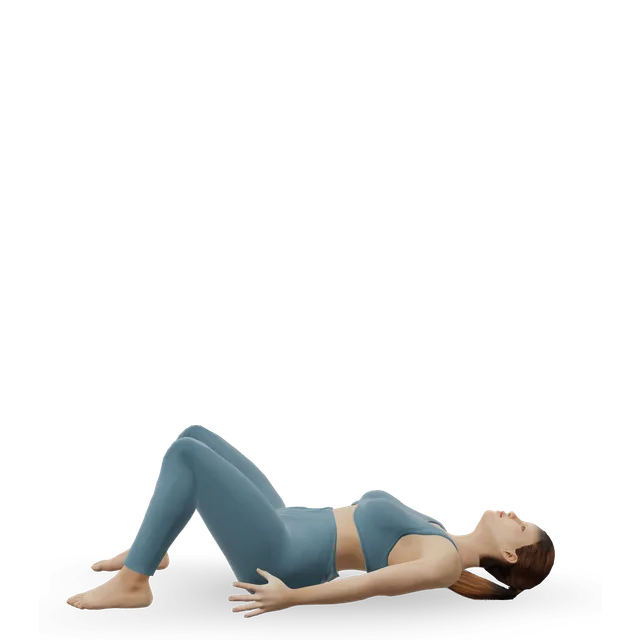
Getting up and down from the floor: 2 slow cycles, using a chair (our yoga over 50s class); practise with someone there at first. Glute bridge: 6 to 8 slow lifts, not up onto your shoulders (our yoga over 50s class). Corpse pose: "Lie still for at least 5 minutes, up to 10, usually at the end of a session: Yoga Journal's guide suggests at least 5." (the move page's dose), with a cushion under your knees.

For your bones, outside the class

Heel drops: "20 to 30 drops at first, building toward about 50 impacts on most days, for example 5 sets of 10." (from the move page's dose), if impact is safe for you, as the UK osteoporosis consensus advises. Our bone-strengthening workout puts them with strength moves.

Poses to change or leave out

Plough, shoulder stand and headstand

Leave them out until you know your bones are healthy, as our yoga over 50 and yoga for osteoporosis guides advise, and with glaucoma or high blood pressure that isn't controlled. US health advice is that beginners avoid headstands and shoulder stands.

Sources 33, 8

Deep forward folds

The Royal Osteoporosis Society names touching your toes among exercises that can put pressure on the spine, and suggests the hip hinge, "bending forward from your hip and keeping your back straight". Swap seated and wide-legged forward folds for the hip hinge fold.

Sources 13, 8

Deep backbends and sit-ups

Experts writing on adapting yoga for osteoporosis suggest avoiding the end of the range in any direction. Our suggestion: leave out camel, wheel and bow, keep low cobra and locust small, and leave out boat pose and sit-ups if your bones are fragile.

Sources 54, 13

Legs up the wall

With glaucoma or high blood pressure that isn't controlled, keep your hips on the floor, as the move's caution says. Roll to your side and sit for a moment before you stand.

A week for older women

Our editorial plan, following the NHS older adults guidelines, the UK osteoporosis consensus, NICE's pelvic floor advice and the world falls guidelines.

  1. Do our 35-minute yoga for longevity class twice a week, or our yoga for osteoporosis class if your bones are fragile or you don't know, or our yoga over 50s class to start.
  2. Add strength with a band or weights on 2 days. The longevity class covers part of this; build towards a weight you can lift only about 8 to 12 times.
  3. If you leak, do the pelvic floor squeezes 3 times a day for at least 3 months, and try our yoga for the pelvic floor class once a week.
  4. If falls are a worry, practise balance 3 or more times a week and make it harder every week or two, for example with our yoga for balance class.
  5. Walk briskly or do similar activity on most days, building to 150 minutes a week, and add about 50 heel drops on most days if impact is safe for you.

See the movement on the 3D figure: Chair pose (Utkatasana)

Classes to follow

The longevity class puts strength with a band, balance at a counter and getting up from the floor into 35 minutes. The osteoporosis class has the bone-safe swaps built in, the pelvic floor class puts the squeeze into the poses, and the chair classes suit anyone who can't stand for long. The Pilates class for women over 40 adds weights and impact.

Yoga for longevity: a 35-minute class for strength, balance, stamina and getting up from the floor

A 35-minute yoga class for ageing well: a brisk start, leg and upper-body strength with grip, balance at a counter, and getting down to the floor and up.

35 minBeginner20 movesBench or box, wall

Yoga for osteoporosis: a 30-minute class with the safe swaps built in

A 30-minute yoga class for osteoporosis: standing strength, balance at a wall, back-strengthening holds and hip hinges in place of deep forward folds.

30 minBeginner19 movesBench or box, wall

Yoga for over 50s: a 30-minute class for strength, balance and a strong back

A 30-minute yoga class for people over 50: standing strength, balance at the wall, back strengthening and gentle hips, with no deep forward folds.

30 minBeginner19 movesBench or box, wall

Yoga for the pelvic floor: a 30-minute class with the squeeze built in

A 30-minute yoga class for your pelvic floor: poses from a trial programme, a gentle lift as you breathe out, a full release, and supported rest poses.

30 minBeginner17 movesStep, firm cushion

Yoga for balance: a 30-minute standing class, from steady to moving

Thirty minutes of standing yoga for balance: strong standing poses, one-leg poses at the wall, and side steps, backward steps, reaches and sit-to-stands.

30 minBeginner16 movesWall, bench or box

Chair yoga for seniors

A free 20-minute chair yoga class for older adults: slow breathing, gentle seated stretches and twists, standing poses holding the chair, and a calm finish.

20 minBeginner18 movesBench or box, something with weight

Seated chair yoga: 15 minutes, no standing

A 15-minute chair yoga routine done entirely sitting: slow breathing, neck, shoulder and wrist stretches, seated twists and side bends, and a calm finish.

15 minBeginner16 movesBench or box

Gentle yoga for beginners

A 25-minute gentle yoga class for complete beginners and over-50s: slow breathing, a warm-up, supported standing poses, floor poses and a closing rest.

25 minBeginner14 movesNo equipment
Show all 13 workoutsShow fewer workouts

Plans

For strength, bone and walking alongside yoga.

Who should change what

Osteoporosis, or bones you haven't had checked

Fold from your hips, twist smoothly, and leave out plough, shoulder stand and headstand. With a high fracture risk, keep side bends small too, as our yoga for osteoporosis guide explains.

Sources 8, 13

After a spinal fracture, or if you fall often

Start supervised, and see a physiotherapist before you start yoga, as the lines below say.

Leaking or a prolapse

Stop poses that bring on heaviness, dragging, a bulge or leaking, and breathe out on effort. Our yoga for prolapse and yoga for the pelvic floor guides have the swaps.

A hip or knee replacement

Follow your surgeon's limits; our yoga after a hip replacement and yoga after a knee replacement guides cover the poses.

Getting down to the floor is hard

Use chair yoga, or the chair version of the floor practice. A falls service can teach you how to get up after a fall.

Warning signs

Most older women can start yoga without a check-up. These are the site's lines for when to check first and when to get help, word for word from our older adults, falls, bone, pelvic floor and yoga guides. This is general information, not a diagnosis. A&E means accident and emergency; in the US, call 911 for 999, and use your doctor's urgent line or urgent care for NHS 111.

See your GP first

  • See your GP first if you get chest pain, breathlessness or dizziness when you are active, if you have a heart condition and want to exercise harder, or if you have had a fall.
  • If you have a heart, lung or joint condition, are pregnant or have recently been unwell, start gently and read our guide for your condition. Muscle soreness for a day or two after a new exercise is common and fades as you repeat it.

Source 43

Start supervised

You're frail, have moderate to severe dementia, have had a spinal fracture or fall regularly: the UK guidelines suggest any new exercise is supervised by a trained professional at first.

Source 55

Chest pain or fainting while exercising: call 999

Call 999 if:

  • You get sudden pain or discomfort in your chest that doesn't go away; it can feel like squeezing or pressure, burning or indigestion.
  • The pain spreads to your left or right arm, or your neck, jaw, stomach or back.
  • You have chest pain and feel sweaty, sick, light-headed or short of breath.
  • Someone faints while exercising, can't be woken within 1 minute, or has chest pain or a pounding, fluttering or irregular heartbeat.

Sources 56, 57, 58

Unusual breathlessness

Call 999 or go to A&E (accident and emergency) straight away for severe difficulty breathing (gasping, choking or not able to get words out), a chest that feels tight or heavy, pain that spreads to your arms, back, neck and jaw, lips or skin turning very pale, blue or grey, or sudden confusion. If you're more short of breath than usual, or your heart is racing, fluttering or skipping beats, contact NHS 111.

Source 59

Falls

  • Call 999 if you or someone else has fallen and may have injured the head, back, neck or hip, or cannot get up.
  • Get help from NHS 111 if you or someone else has fallen and may be in pain, injured or unwell.
  • See a GP if you're worried about your balance or mobility, or you've had a fall. You may be able to refer yourself to a falls service, which can include strength and balance training.

Source 60

A falls assessment

If you have fallen, or are worried about falling, ask your GP about a falls assessment. The NHS says strength, balance and flexibility exercise will help make you stronger and feel more confident on your feet.

Sources 12, 43

Osteoporosis and broken bones

The NHS says to see a GP if you have "back pain that is not getting better after a few weeks" or your spine becomes curved or your posture hunched, to ask for an urgent GP appointment or get help from NHS 111 if you've had a fall or injury and the pain isn't getting better, and to call 999 or go to A&E for "severe pain after a fall or injury".

Source 20

The spine and bones

  • Sudden back pain, losing height or a newly rounded upper back can be signs of a spinal fracture: see a GP. If you've had painful spinal fractures, see a physiotherapist before starting yoga.
  • Modify or avoid exercises that round your back deeply or repeatedly, especially with a weight: sit-ups, toe touches, Pilates roll-downs and curl-ups, and extreme yoga forward folds. Bend from the hips instead. You do not need to avoid bending, twisting or lifting altogether: move smoothly and keep your upper back straight.
  • Twisting should be safe if you do it smoothly and comfortably. Slow down and shorten fast or forceful twists, and leave out the added weight.

Leaking, a lump or heaviness

"See a GP if you have any type of urinary incontinence", the NHS says, and don't feel embarrassed: it's common. See a GP too about a lump or bulge in or around your vagina, or other signs of a prolapse such as heaviness, dragging or problems emptying your bladder or bowel. NHS continence services, with specialist nurses and physiotherapists, can diagnose the problem and start treatment.

Source 22

If exercise brings on symptoms

Stop, drop back to an easier level and rest if you feel heaviness, dragging, pressure or a bulge, or you leak, during or after an activity. If you see or feel a bulge when you squeeze, stop the pelvic floor exercises and get help.

Sources 61, 62

See a pelvic health physiotherapist

In many areas you can refer yourself. See one if the exercises are hard to do, if your symptoms haven't improved after about 3 months of regular practice, or before you go back to running, jumping or heavier lifting.

Sources 61, 62

Not being able to pee

If you cannot pee at all, get urgent help from a GP or NHS 111, and if it comes on suddenly with severe tummy pain, call 999 or go to A&E.

Source 22

Back pain with new bladder or bowel problems

New problems with your bladder or bowels together with back pain or numbness can be a spinal emergency rather than a pelvic floor problem. Call 999 (911 in the US) or go to A&E if you have back pain with:

  • pain, tingling, weakness or numbness in both legs
  • a loss of feeling around your genitals or anus
  • changes in your bladder or bowels, such as difficulty peeing, or peeing or pooing yourself

Source 63

Bleeding after the menopause

See a GP if you notice bleeding from your vagina after the menopause, "even if it's only a small amount or it's only happened once", the NHS says.

Source 64

Stop and rest

Dizzy, faint, unusually breathless, or sharp or increasing pain. Sit down until it passes, and see a GP if you keep getting dizzy or faint when you stand up.

Source 65

During yoga

A joint pain that is sharp, gets worse during a session, lingers into the next day or changes how you move is a reason to use an easier version, and to see a GP or physiotherapist if it keeps happening (the rule in our plans). Muscle soreness for a day or two after something new is normal. In a hot class, stop if you feel dizzy, sick or unwell; our hot yoga guide lists the signs of heat illness.

You can say no to any hands-on adjustment, and a teacher registered with Yoga Alliance must get your explicit consent each time.

Breathe out through every effort, especially with high blood pressure, heart disease, glaucoma or diabetic eye disease, a hernia, or in pregnancy (our guide to getting stronger). With glaucoma or uncontrolled high blood pressure, skip headstands, shoulder stands and other full inversions, and keep other head-down poses brief or supported.

Sources 33, 66

Head-down poses, bones and pregnancy

With glaucoma, or high blood pressure that isn't under control, skip headstands, shoulder stands and long head-down holds. With osteoporosis, swap deep forward folds for a flat-back hinge from the hips, and twist smoothly. In pregnancy, our yoga in pregnancy guide covers the changes. NCCIH advises beginners to avoid headstands, shoulder stands, the lotus position and forceful breathing.

Sources 67, 33

Before you start

The NHS advises getting advice from a healthcare professional first if you have a health problem, an injury or symptoms, or have recently had a heart attack or an operation.


Myths

"Yoga builds bone and prevents osteoporosis"Mixed evidence

Yoga or Pilates didn't change bone density in 11 studies, and the popular 12-minute study had no comparison group. Women who do yoga had fewer hip fractures in one large study, but that's an association. For bone, add strength training, impact and medicine where it's needed.

Sources 7, 11, 35, 38

"Older women should avoid strength work"Strong evidence

The UK consensus recommends strength training for bone, and in women with low bone mass, supervised heavy lifting raised spine density with one minor problem. The Royal Osteoporosis Society says "It is how you lift rather than how much you lift that matters", and older women gain strength as well as men do.

Sources 8, 9, 13, 42

"Yoga is too gentle to help"Emerging evidence

It doesn't build bone on its own, but it trains balance and leg strength, and the UK consensus counts yoga among the strength and balance activities that help prevent falls and support posture. Pair it with load.

Sources 1, 8

"Yoga prevents falls"Mixed evidence

It improves balance, but no trial has shown fewer falls. Balance practice 3 or more times a week, made harder over at least 12 weeks, does cut falls.

Sources 10, 11, 12

"You're too old or too stiff to start"Emerging evidence

Trials have included women up to 90, and becoming active later in life still went with lower death rates. Chairs, blocks and a wall make every pose reachable.

Sources 15, 51, 53

"Pelvic floor yoga fixes leaking on its own"Emerging evidence

It helped about as much as general exercise, not more. Supervised pelvic floor training is the first treatment, and yoga is a good place to practise the squeeze.

Sources 15, 16

"Yoga will make you look younger"Mixed evidence

No trial has measured that, and nothing here promises a look or a shape. What trials measured were balance, strength, flexibility, mood and sleep.

Source 1

Questions people ask

Is yoga good for older women?

Yes. In trials of people over 60, most of them women, yoga improved balance, flexibility, leg strength, mood and sleep a little, about as much as other exercise. It hasn't been shown to build bone or prevent falls, so pair it with strength training, walking and balance practice.

What type of yoga is best for women over 60?

A gentle beginners' class, hatha or chair yoga, with a teacher who offers swaps. Look for standing strength, balance near a wall and back-strengthening poses, and skip hot rooms and classes that push deep folds or headstands.

Can I start yoga at 65 or 70?

Yes. Trials have included women up to 90, and it's never too late to become more active. Start with a chair or beginners' class, and see your GP first if you get chest pain, breathlessness or dizziness when you're active, or have had a fall.

Does yoga help bone density after the menopause?

Not on its own: in 11 studies of 591 women, bone density didn't change. Strength training and impact build bone, and exercise doesn't replace osteoporosis medicine. Yoga still helps balance and posture.

Is yoga safe with osteoporosis?

Yes, with a few changes. Fold from your hips with a long back, keep twists smooth, and leave out plough, shoulder stand and headstand. A few case reports link extreme forward bending in yoga to spinal fractures, and our yoga for osteoporosis guide has a class with the swaps built in.

Will yoga help my balance and stop me falling?

It improves balance a little, but it hasn't been shown to prevent falls. If falls worry you, practise balance 3 or more times a week and make it harder over at least 12 weeks. Ask your GP about a falls assessment if you've fallen.

Do I need weights as well as yoga?

For muscle and bone, yes. Progressive strength training has a large effect on older adults' strength, and older women gain as much as men relative to where they start. A band in your yoga practice, or two strength sessions a week, does it.

Can yoga help with leaking?

A 12-week pelvic yoga programme eased leaking about as much as general stretching and strengthening. Pelvic floor muscle training is the first treatment, ideally supervised for at least 3 months. You can practise the squeeze in your yoga poses.

Is chair yoga worth it?

Yes, if standing or getting down to the floor is hard. In a UK trial of 454 people over 65, chair yoga was safe and most people liked it, though it didn't change quality of life. As you get steadier, use the chair for support in standing poses.

How often should I do yoga after 60?

Two or three sessions a week fits the NHS advice of strength, balance and flexibility activities on at least 2 days, alongside 150 minutes of moderate activity. The WHO suggests balance and strength on 3 or more days.

Is yoga or Pilates better for older women?

Neither has been shown to be better. Both improve balance and strength a little, and neither builds bone on its own. Choose the one you'll keep doing; our Pilates for older women and Pilates for women over 40 guides cover Pilates.

Can yoga help my mood and sleep?

A little. Against doing nothing, yoga eased depression and improved sleep quality in older adults, though in one trial it did no better for sleep than general exercise. If low mood or poor sleep lasts, see your GP.

Sources

  1. Sivaramakrishnan 2019 · Yoga against active and inactive controls in older adults: 22 trials (systematic review and meta-analysis, Int J Behav Nutr Phys Act; read in full)
  2. Guo 2026 · Yoga, leg strength, balance and quality of life in older adults: 21 studies, 1,471 people (systematic review and meta-analysis, Exp Gerontol)
  3. Huang 2025 · Yoga and fall-related physical function in older women: 6 small trials (systematic review, Healthcare (Basel); read in full)
  4. Greendale 2012 · Bone loss around the final menstrual period in 862 women (SWAN cohort study, J Bone Miner Res)
  5. Greendale 2019 · Body composition and weight across the menopause transition (SWAN cohort study, JCI Insight)
  6. Gregson 2022 · UK clinical guideline for the prevention and treatment of osteoporosis (NOGG guideline, Arch Osteoporos; read in full)
  7. Fernández-Rodríguez 2021 · Pilates and yoga and bone density in women: 11 studies, 591 women (systematic review and meta-analysis, PLoS One; read in full)
  8. Brooke-Wavell 2022 · Strong, steady and straight: UK consensus statement on exercise for osteoporosis (consensus statement, Br J Sports Med; read in full)
  9. Watson 2018 · Heavy lifting and impact training in 101 postmenopausal women with low bone mass: LIFTMOR (randomised trial, J Bone Miner Res; an erratum we couldn't read)
  10. Youkhana 2016 · Yoga, balance and mobility in people aged 60 and over: 6 trials, 307 people (systematic review and meta-analysis, Age Ageing)
  11. Bajaj 2025 · Yoga, balance, falls and bone in healthy people: 18 trials, 1,408 people (systematic review, Osteoporos Int)
  12. Montero-Odasso 2022 · World guidelines for falls prevention and management for older adults (guideline, Age Ageing; read in full)
  13. Royal Osteoporosis Society · How to exercise safely for bones (last reviewed June 2026)
  14. Sinaki 2013 · Yoga poses bending the spine forward and spinal fractures in 3 people with low bone density (case series, Pain Pract)
  15. Huang 2024 · Pelvic yoga against stretching and strengthening for leaking in 240 women aged 45 to 90 (multi-site randomised trial, Ann Intern Med; read in full)
  16. NICE NG123 · Urinary incontinence and pelvic organ prolapse in women: management (recommendations, 2019)
  17. Elgaddal 2024 · Yoga among adults in the United States, 2022 (national survey, NCHS Data Brief 501; read in full via the Internet Archive)
  18. Cartwright 2020 · Yoga practice in the UK: 2,434 practitioners (cross-sectional survey, BMJ Open)
  19. Lauche 2019 · Yoga and meditation use among 1,925 older Australian women with long-term conditions (cohort sub-study, Complement Ther Clin Pract)
  20. NHS · Osteoporosis
  21. Goodpaster 2006 · Loss of muscle strength and mass in 1,880 adults in their 70s (cohort study, J Gerontol A Biol Sci Med Sci)
  22. NHS · Pelvic organ prolapse (last reviewed July 2025)
  23. NHS · Urinary incontinence (past its review date: reviewed June 2023, review due June 2026)
  24. Sherrington 2019 · Exercise for preventing falls in older people: 108 trials, 23,407 people (Cochrane review)
  25. Loewenthal 2023 · Yoga and frailty in older adults: 33 trials, 2,384 people (systematic review, Ann Intern Med)
  26. Tew 2023 · Chair-based yoga for 454 adults aged 65 and over with long-term conditions in England and Wales (multi-site randomised trial, NIHR Open Res)
  27. Wang 2020 · Yoga and sleep in women with sleep problems: 19 trials, 1,832 people (systematic review and meta-analysis, BMC Psychiatry)
  28. Hough 2025 · Yoga against physical conditioning for sleep in 240 women with leaking (secondary analysis of a randomised trial, JAMA Netw Open)
  29. Grzenda 2024 · Kundalini yoga against memory training in 79 older women with memory complaints (randomised trial, Transl Psychiatry)
  30. Greendale 2009 · Yoga and a rounded upper back in 118 women and men aged 60 and over (randomised trial, J Am Geriatr Soc)
  31. Cramer 2015 · The safety of yoga: 94 trials, 8,430 people (systematic review and meta-analysis, Am J Epidemiol)
  32. Swain 2016 · Yoga injuries seen in US emergency departments, 2001 to 2014 (descriptive study, Orthop J Sports Med)
  33. NCCIH 2023 · Yoga: effectiveness and safety (US National Center for Complementary and Integrative Health)
  34. Kim 2022 · Yoga in people at risk of fracture: 9 studies (systematic review for Osteoporosis Canada, Appl Physiol Nutr Metab)
  35. Lu 2016 · Twelve-minute daily yoga and bone density in 741 volunteers (uncontrolled before-and-after study, Top Geriatr Rehabil)
  36. Xu 2024 · Mind-body exercise in women around and after the menopause: 11 trials, 1,005 women (systematic review and meta-analysis, Menopause)
  37. Zhou 2026 · Types of exercise and bone density after the menopause: 74 trials, 5,331 women (network meta-analysis, J Sport Health Sci; read in full)
  38. Armstrong 2020 · Seven types of physical activity and fractures in 371,279 postmenopausal UK women (Million Women Study cohort, J Bone Miner Res; read in full)
  39. Howe 2011 · Exercise for preventing and treating osteoporosis after the menopause: 43 trials, 4,320 women (Cochrane review, searches to 2010)
  40. Royal Osteoporosis Society · Exercise for bones (last reviewed June 2026)
  41. Liu 2009 · Progressive resistance strength training in older adults: 121 trials, 6,700 people (Cochrane review)
  42. Jones 2021 · Strength and muscle gains from resistance training in older women and men: 30 studies, 1,410 people (systematic review and meta-analysis, Sports Med)
  43. NHS · Physical activity guidelines for older adults (last reviewed August 2024)
  44. Sfeir 2018 · Spinal fractures after yoga forward bending in 9 people (case series, Eur J Phys Rehabil Med)
  45. Kunutsor 2018 · Adverse events with exercise in osteoporosis and osteopenia (systematic review, J Frailty Sarcopenia Falls)
  46. Solakoglu 2022 · Adding tree pose to exercise in 32 women with postmenopausal osteoporosis (randomised trial, Am J Phys Med Rehabil)
  47. Enemchukwu 2026 · Pelvic yoga for overactive bladder with leaking: 140 women (subgroup analysis of a randomised trial, Int Urogynecol J)
  48. Wieland 2019 · Yoga for urinary incontinence in women: 2 trials, 49 women (Cochrane review)
  49. Dumoulin 2018 · Pelvic floor muscle training for urinary incontinence in women: 31 trials, 1,817 women (Cochrane review)
  50. Hao 2026 · Physical therapy for urinary incontinence in women aged 60 and over: 20 studies, 2,002 women (systematic review, Arch Gerontol Geriatr)
  51. Saint-Maurice 2019 · Physical activity across adult life and death rates in 315,059 adults (cohort study, JAMA Netw Open)
  52. Bull 2020 · World Health Organization 2020 guidelines on physical activity and sedentary behaviour (guideline, Br J Sports Med; read in full)
  53. British Wheel of Yoga · Finding your yoga (no review date on the page)
  54. McArthur 2016 · Suggestions for adapting yoga for older adults with osteoporosis (expert guidance, J Altern Complement Med)
  55. UK Chief Medical Officers · Physical activity guidelines (GOV.UK)
  56. NHS · Chest pain (past its review date: reviewed August 2023, review due August 2026)
  57. NHS · Heart attack (last reviewed March 2026)
  58. NHS · Fainting (last reviewed August 2026)
  59. NHS · Shortness of breath (last reviewed January 2024)
  60. NHS · Falls (last reviewed March 2025)
  61. POGP 2023 · Pelvic organ prolapse: a physiotherapy guide for women (physiotherapy leaflet, November 2023, for review 2026)
  62. Royal Berkshire NHS Foundation Trust 2024 · Exercising with a pelvic organ prolapse (pelvic health physiotherapy leaflet)
  63. NHS · Back pain (last reviewed March 2026)
  64. NHS · Postmenopausal bleeding (last reviewed September 2026)
  65. NHS · Low blood pressure (hypotension) (past its review date: reviewed July 2023, review due July 2026)
  66. Yoga Alliance · Code of conduct: consent before hands-on adjustments
  67. Jasien 2015 · Eye pressure in four common yoga positions: 10 people with glaucoma and 10 without (lab study, PLoS One)

Exercise education, not a personal prescription, and clinical review of these guides is pending. If you are pregnant, have a health condition such as glaucoma, high blood pressure or osteoporosis, or have had recent surgery, check with a doctor, midwife or physiotherapist before starting, and stop for sharp or increasing pain. Health disclaimer.