Training guide

How to do more push-ups: from your first full push-up to sets of 20, 50 and more

Once you can do a full push-up, more reps come from two things: getting stronger, so each push-up is a smaller share of what you can do, and practising, so you can string them together. In trials, push-up counts rose when the training got harder over time, and didn't when people repeated the same easy sets for weeks.

This guide covers how often and how hard to practise, the steps from 10 to 20, 50 and beyond, harder versions and the strength work behind them, grease the groove and push-ups every day (what's tested and what isn't), testing yourself, how long it takes, and looking after your wrists, elbows and shoulders. Can't do one yet? Start with our push-up guide.

The short version

Your count is strength for your size, practised

At its peak, a floor push-up put about 64% of body weight on the hands in a lab study of 23 adults, a knee push-up about 49% and a push-up with the feet on a 61 cm box about 74%. So getting stronger raises your count. Nobody needs to change their weight to do more.

Sources 1, 2

Practise 2 or 3 times a week, hard but not all-out

The push-up trials that raised strength trained 2 or 3 times a week, and 3 or 6 days a week gave the same results when the weekly work matched. You don't need to go to failure: stop most sets 1 to 3 reps short.

Sources 5, 7, 16, 23

The same easy sets won't move the number

Three sets of 10 twice a week for 8 weeks, kept at a moderate effort, didn't raise push-ups or bench-press strength in 30 trained men. Add reps, add a set or move to a harder version over time.

Source 8

Little and often works when you're starting out

Five minutes a day of slow bodyweight moves took 22 inactive adults from about 12 to about 17 push-ups in 4 weeks, with smaller gains in the second month. Weeks of military training raised push-up counts by a median of about half.

Sources 11, 12, 14

Grease the groove is untested for push-ups

No peer-reviewed trial has tested it. Splitting the same squat sets into three short bouts a day matched one session in 45 men, so it may work. If you try it, keep each set to about half your best and take days off (our editorial starting point).

Sources 20, 21

A rough marker of fitness, not a heart test

Counts vary hugely between people, and there's no health standard to reach. The well-known firefighter study found a link with heart health that wasn't clear once age and body size were allowed for, and push-up scores weren't linked with death in 8,116 Canadians.

Sources 28, 29, 30

What decides how many push-ups you can do

Strength for your size

Your hands carry about two-thirds of your body weight at the peak of a floor push-up, more at the bottom than at the top. The stronger your chest, shoulders and triceps are for that load, the smaller a share of your maximum each rep is, and the more you can do. A review of 26 force studies gives the same order of difficulty across 46 push-up versions.

Sources 1, 3, 4

Endurance and skill

Holding one straight line and a steady pace for many reps is a skill, and your trunk and shoulder blades tire too. That's why practice raises a count faster than strength alone would (our reading of the early gains in the trials below).

The test's rules

Depth, pace, toes or knees, a time limit and how strictly reps are judged all change the count. Military tests count push-ups in a set time, the Canadian test on our push-up test page runs to fatigue at your own pace, and the firefighter study kept time to a metronome and stopped at 80. Compare only like with like.

Source 28

How people differ

Men did more than women on average, and counts fell with age, but the spread within any group was huge: in 152 working adults, men in their 20s averaged about 27 one-minute push-ups, give or take 13. In military training, women's counts rose more than men's in relative terms. The same plan works from any starting point.

Sources 30, 32, 14

Where to start

This guide starts at one clean push-up from your toes. If you can't do one yet, our push-up guide's ladder takes you there: the wall, then a bench, then your knees, then the floor.

What the evidence says

How much each version loads your handsEmerging evidence

In 23 young adults, peak force under the hands was 64% of body weight in a floor push-up, 49% from the knees, 55% and 41% with the hands on 30 cm and 61 cm boxes, and 70% and 74% with the feet on them, with no difference between women and men. These figures come from the conference paper of the study (the journal version's figures weren't checked). In 28 trained men, the knee version shifted more weight between the top and bottom of the rep.

Sources 1, 2, 3

Push-ups build strength like the bench pressEmerging evidence

In 23 moderately trained men, 4 weeks of progressively harder push-ups, 3 days a week, raised bench-press strength as bench pressing did. In 30 experienced lifters, band-resisted push-ups and a bench press at matched effort gave similar strength gains over 5 weeks. In 18 young men, push-ups to near failure grew the chest muscle by about 18% and the triceps by about 10% in 8 weeks, as a light bench press did. All three trials were small and short.

Sources 5, 6, 7

Doing the same thing doesn't raise your countEmerging evidence

In 30 trained men, 3 sets of 10 push-ups twice a week for 8 weeks, at about 7 out of 10 effort, didn't significantly change their push-up count or bench press, on stable or unstable surfaces. One small trial, but it fits the rule that training has to get harder over time.

Source 8

Daily practice in beginnersEmerging evidence

In 22 inactive adults, mostly women with an average age of 50, a daily 5-minute home routine of slow bodyweight moves (including wall-to-knee push-up steps) raised a 2-minute push-up test from 11.8 to 16.6 in 4 weeks, against almost no change in a 2-week period before it. In 10 who carried on, the gain was about 6 reps in the first month and about 3 in the second. There was no separate control group.

Sources 11, 12

Programmes raise countsEmerging evidence

In military training studies, push-up counts rose by a median of about 52% (about 50% in men and 71% in women), mostly over 7 to 12 weeks, and programmes ranged from no change to about 90%. Twice-weekly progressive push-up training raised push-up endurance in 19 adults over 8 weeks, and online home training raised a 30-second knee push-up test from 16 to 20 in 39 middle-aged adults.

Sources 14, 15, 10, 13

Going to failure raises the count, not maximal strengthEmerging evidence

In 8 men, suspended push-ups to failure 3 times a week for 8 weeks raised the number they could do by 92% and grew the triceps, but didn't raise bench-press strength. A tiny study with no control group.

Source 9

How often: flexibleStrong evidence

With the weekly work matched, 3 or 6 days a week gave similar strength and muscle in 27 trained men. Across many studies, how often you train mattered little for muscle once the weekly sets matched, and helped strength mainly by adding practice, with diminishing returns. The American College of Sports Medicine found strength rose more with 2 or more sessions a week.

Sources 16, 17, 18, 19

You don't need to go to failureStrong evidence

Taking sets all the way to failure made only a trivial difference to muscle growth across 15 studies, and made no consistent difference to strength. People misjudge how many reps they have left by about one on average, more so in sets above 12, so an occasional test set keeps you honest.

Sources 23, 19, 24, 25

Rest between setsEmerging evidence

Resting more than about a minute between hard sets gave a small advantage for muscle across 9 studies, with no clear extra past 90 seconds; in 21 trained men, 3 minutes beat 1 minute for strength.

Sources 26, 27

What nobody has testedMixed evidence

We found no trial timing how long it takes to reach 20, 50 or 100 push-ups, comparing plans for it, or testing grease the groove for push-ups. The stages below are our editorial starting points, built on the trials above.

Sources 8, 11

How often, how hard and how much

How often

Two or three push-up sessions a week, with a day between hard ones, push-ups first while you're fresh.

Sources 19, 5

How hard

Stop most sets 1 to 3 reps short of failure, as our push-up guide says. In your first 2 weeks, keep 3 or 4 reps to spare, as our plans advise for anything new. Test your best set every 2 to 4 weeks, fresh and the same way, so you know where you are (our suggestion).

Sources 23, 25

Rest

About 60 to 90 seconds between most sets, and up to 2 minutes for hard sets of 5 to 8, such as archer push-ups, as our push-up guide suggests.

Source 26

How much

Three hard push-up sets a session to start, building towards about 6 to 12 hard pressing sets a week across push-ups and other presses (our editorial starting point, within our plans' note of 10 or more sets per muscle a week). Easy practice sets well short of failure don't count as hard sets.

Balance it with a pull

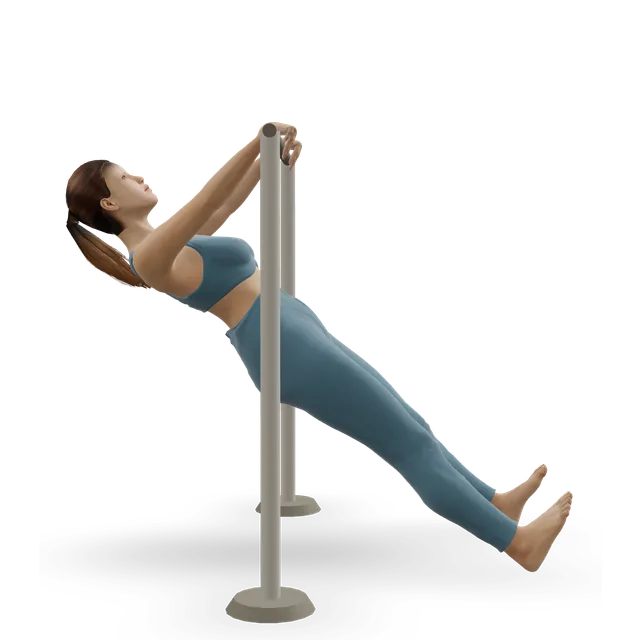
Add 2 or 3 sets of band rows or inverted rows on push-up days, as our 30-day push-up challenge suggests. That's a sensible programming habit, not a posture cure.

The stages: from 1 to 50 and beyond

Our editorial starting points, built on our push-up guide's ladder rule, our push-up challenge workout's doses and the trials above. No trial has tested a stage plan.

From 1 to 10

Each session: 3 to 5 sets of 1 to 3 full push-ups, ending each set while every rep is still smooth, then 2 or 3 sets of 8 to 15 at the hardest incline or knee step you can do 8 times, lowering for 3 seconds once 15 is easy. Move on at about 10 clean floor push-ups.

From 10 to 20

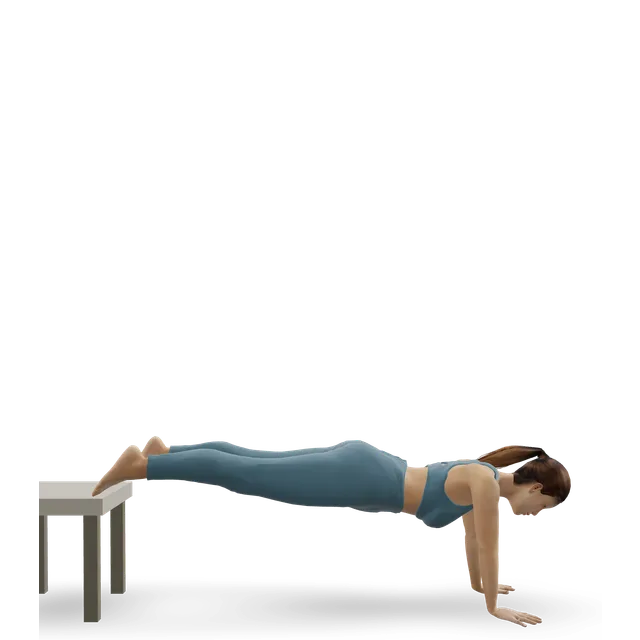
Each session: 3 sets of 8 to 15 floor push-ups, stopping 1 to 3 reps short and adding a rep or two a session. Once every set reaches 15, add feet-raised push-ups, 3 sets of 6 to 12, as your strength work.

From 20 to 50

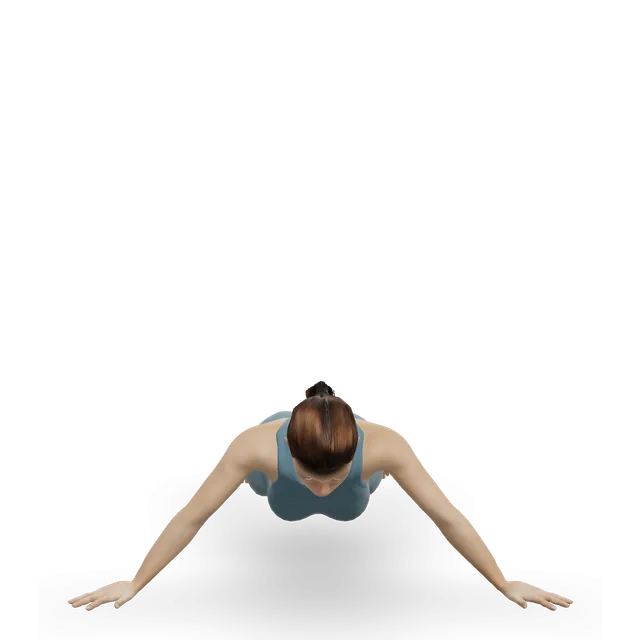
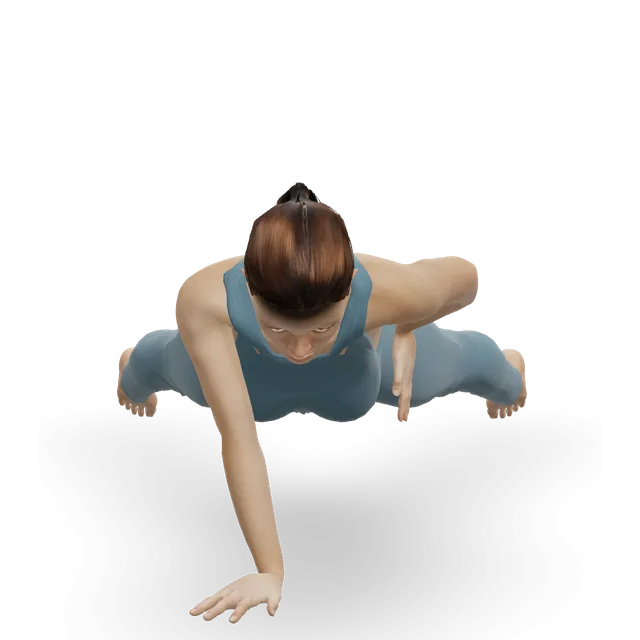
Two kinds of set, as in our more push-ups workout: strength sets of a harder version (feet raised, then archer push-ups once 15 strict push-ups are steady), then 4 practice sets of about half your best set, quick and smooth. Retest every 2 to 4 weeks and work out "half" again.

From 50 up, or for a test

Keep the same structure, practise the exact standard of your test (depth, pace and any time limit) once a week, and keep the strength work. Ladders and short clusters are other ways to collect good reps; use them for variety. In recruit training, push-up counts typically rose by about half over 7 to 12 weeks.

Source 14

How to raise your push-up count, step by step

Our editorial starting point, built on our push-up guide's ladder rule, our push-up challenge workout and our plans' progression and effort notes. No trial has tested this plan as a whole.

  1. Test your best set of full push-ups when you're fresh, to one standard: chest to about a fist's height or nearly touching, one straight line, a steady pace. Write it down.
  2. Train 2 or 3 times a week with a day between, push-ups first while you're fresh.
  3. Warm up: a minute of slow wrist bends and turns, 10 scapular push-ups and one easy set of a few push-ups.
  4. Strength sets: once floor push-ups pass about 15, do 3 sets of a harder version (feet raised, then archer), stopping 1 to 3 reps short and resting up to 2 minutes. Below 15, do 3 sets of floor push-ups instead.
  5. Practice sets: 4 sets of about half your best set, quick and smooth, resting 60 to 90 seconds; end each set before a rep slows.
  6. Add a pull: 3 sets of band rows or inverted rows.
  7. Each week, add a rep or two; when every strength set reaches the top of its range, move up a version.
  8. Retest every 2 to 4 weeks the same way and at the same time of day. A change of 2 or 3 may just be day-to-day difference.

Loading the 3D figure…

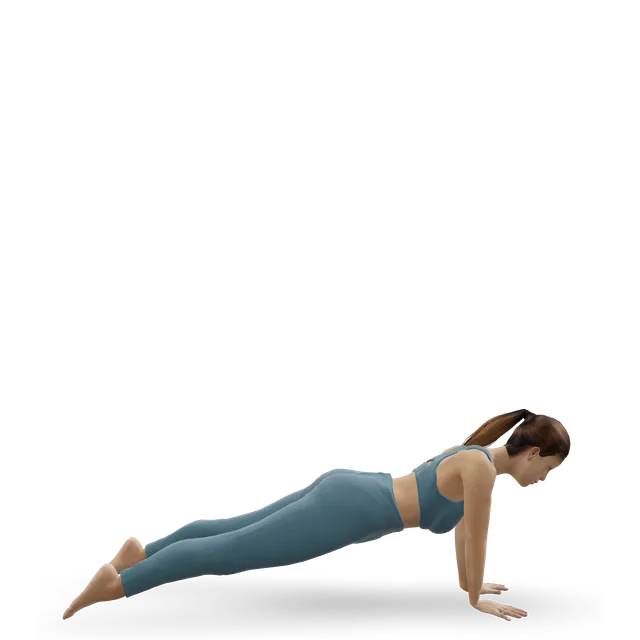
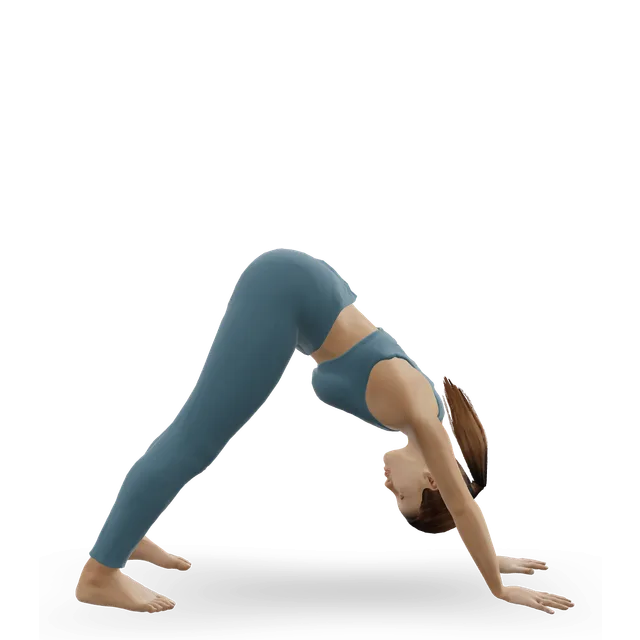
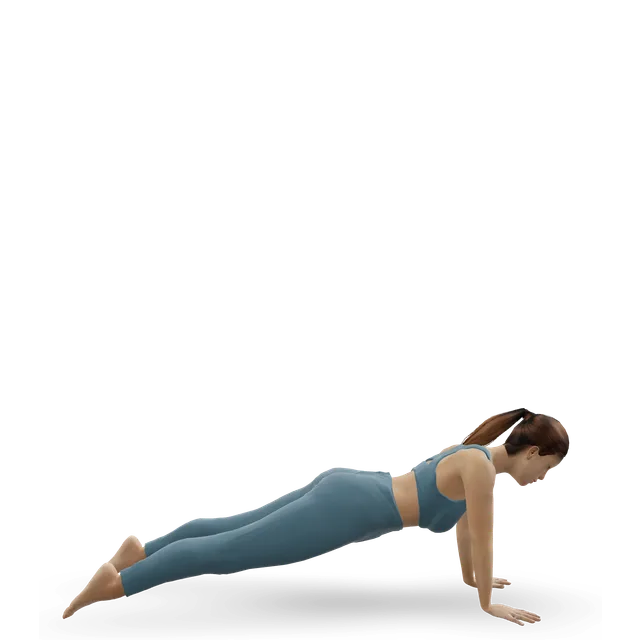
Gets into position, then repeats the movement. Technical checks passed; qualified exercise review is pending.

The movement on the figure: Push-up

The push-up and the harder versions

Train at the hardest step you can do for 8 clean reps and move up when every set reaches 15, as our push-up guide's ladder rule says; feet-raised and archer push-ups are your strength work once floor push-ups pass about 15.

Moves that build your push-ups

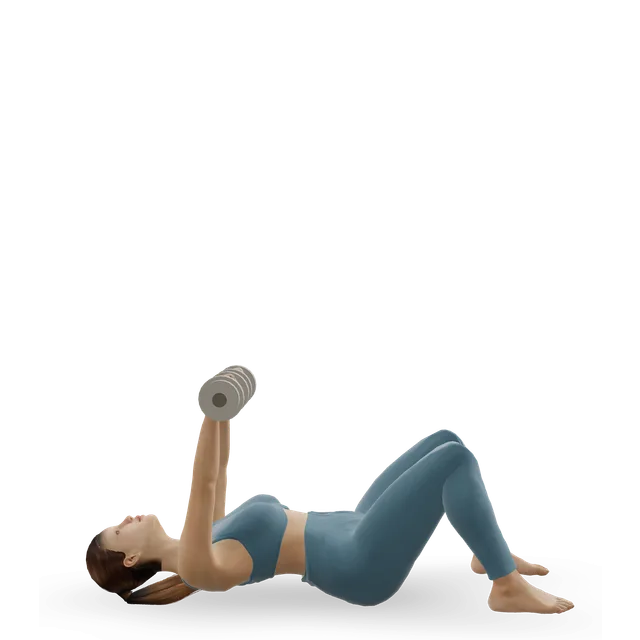
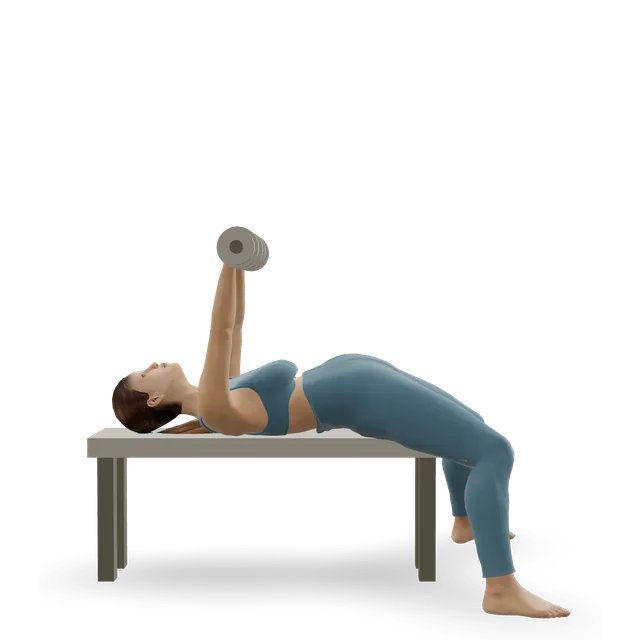
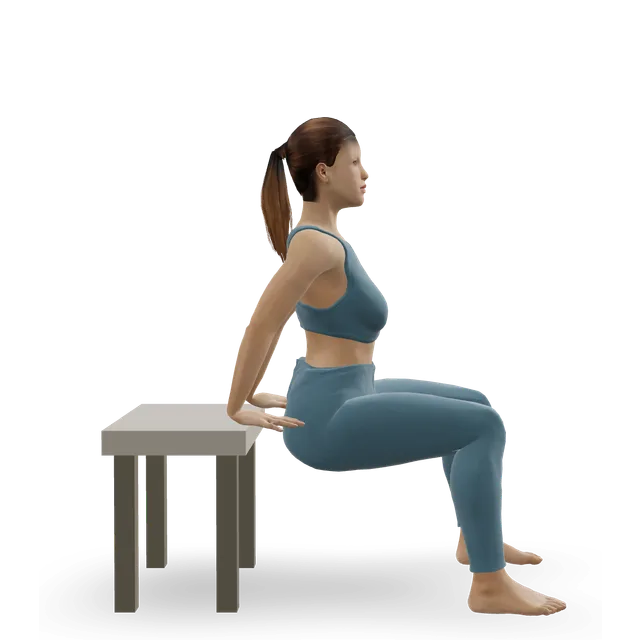
Presses build the strength behind your push-ups, rows balance the pushing, and the plank and push-up plus keep each rep clean. The dumbbell floor press's move page gives 2 to 3 sets of 8 to 12, stopping with 2 or 3 reps in reserve (our editorial starting point).

Grease the groove: what we know

What it is

Several easy sets of push-ups spread through the day on most days, never near failure, so you get lots of practice without fatigue. It's a popular method from the strength-training world.

No peer-reviewed trialMixed evidence

No peer-reviewed trial has tested grease the groove for push-ups. The closest evidence: in 45 trained men, three daily bouts of 1 set of 20 squats matched one session of 3 sets of 20 for strength over 8 weeks, and felt more enjoyable; one maximal 3-second effort a day raised arm strength by about 10 to 13% in 4 weeks in inactive young adults; and a short daily routine raised push-up counts in inactive adults. So it may work for push-ups, but that's our inference.

Sources 20, 21, 11

The one informal test

A training company compared grease the groove with its own programme over 3 and a half weeks and reported bigger gains for grease the groove. It wasn't published in a journal, the results were self-reported, and 17 of the 25 people in the grease-the-groove group dropped out, so it can't tell you whether the method works.

Source 22

Who it may not suit

People with sore wrists, elbows or shoulders, and anyone already doing 2 or 3 hard push-up sessions a week: daily sets on top are a sudden jump in load (our suggestion, as our pull-up guide says of pull-ups).

How to try grease the groove

Our editorial method and dose: no peer-reviewed trial has tested grease the groove for push-ups. The one trial of spreading training through the day used 3 short bouts a day on 3 days a week, for squats (Zhai 2026).

  1. Test your best set of strict push-ups when you're fresh.
  2. Practise sets of about half that number, every rep strict and smooth.
  3. Do 3 to 5 practice sets a day, an hour or more apart, on 3 to 5 days a week.
  4. Stop each set while the reps are still smooth; never go to failure.
  5. Take at least 2 days a week off pushing, and don't add it on top of 2 or 3 hard push-up sessions.
  6. Retest after 2 to 4 weeks. If your best set hasn't moved, go back to 2 or 3 full sessions a week, and stop at once if your wrists, elbows or shoulders ache.

Loading the 3D figure…

Gets into position, then repeats the movement. Technical checks passed; qualified exercise review is pending.

The movement on the figure: Push-up

Push-ups every day, and 100 a day

Every day?

Easy daily sets, well short of failure, are fine if your wrists, elbows and shoulders feel normal; hard sets work best 2 or 3 times a week, as our push-up guide says. Training 3 or 6 days a week gave the same results when the weekly work matched.

Source 16

100 a day?

Not needed. A harder version raises the challenge without the huge numbers, and big, unaccustomed push-up sessions have been followed by rare but serious muscle injuries, as our 30-day push-up challenge explains (warning signs below).

Technique that costs or saves reps

The set-up

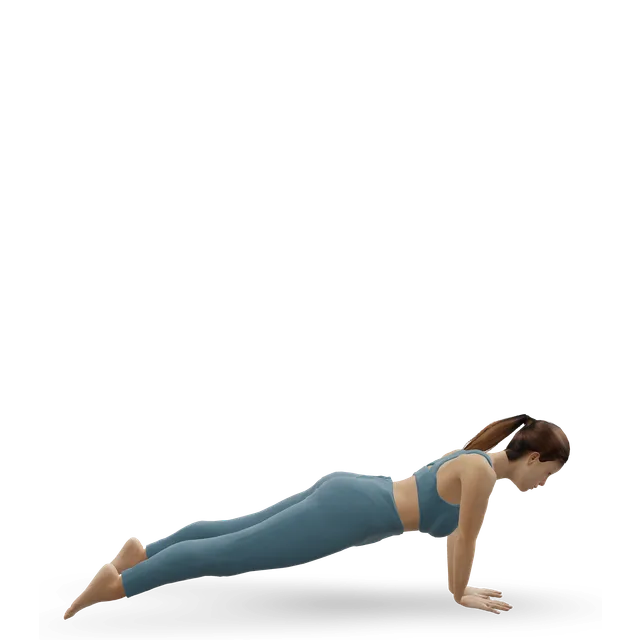
Hands just outside shoulder width, one straight line from head to heels, elbows angled back about 45 degrees, your chest lowered until it nearly touches the floor, then press the floor away. Breathe in on the way down and out on the way up. Our push-up guide teaches it step by step.

Faults that cost reps

Hips sagging or piking, short reps, elbows flaring straight out, the chin poking towards the floor, holding your breath, and changing your depth or pace between tests. For a count, a steady rhythm you can hold beats fast reps that stall early (our suggestion).

Workouts to follow

Our more push-ups workout is for anyone who can do about 10 or more floor push-ups: harder sets, quick practice sets and a pull, 2 or 3 times a week. Below that, the push-up challenge workout and push-up progression take you up the ladder.

More push-ups workout: harder sets, quick practice sets and a pull

For anyone who can do about 10 or more push-ups: feet-raised or archer push-ups for strength, quick practice sets of half your best, rows and a plank.

30 minIntermediate12 movesA bench or box, A band

Push-up challenge workout

A 15-minute push-up ladder for the 30-day push-up challenge: wrist prep, wall to knee push-ups or floor to archer push-ups, and band rows to balance it.

15 minBeginner11 movesA wall, A bench or box

Push-up progression workout

Work up to full push-ups: wall, incline and knee push-ups, then the floor push-up and harder variations.

15 minBeginner8 movesA wall, A bench or box

Upper body workout at home

An upper body workout at home with no gym: push-ups, band rows, pike push-ups, face pulls, close-grip push-ups and Y-T-W raises, with dumbbell options.

30 minIntermediate13 movesA band, An anchor point

Chest workout at home: push-ups, floor presses and flys

A 30-minute chest workout at home with a pair of dumbbells or a band: push-ups, dumbbell floor presses, flys and a squeeze press, with no bench needed.

30 minBeginner8 movesA band, A dumbbell

Arm supersets: push-up steps with rows, curls with triceps

A 20-minute arm session for the 30-day arm challenge: a push-up step with a row, then a curl with a triceps move, with or without dumbbells.

20 minBeginner20 movesA wall, A bench or box

Full-body bodyweight workout

An intermediate no-equipment workout: push-ups, split squats, single-leg bridges, pike push-ups and core work.

30 minIntermediate11 movesNo equipment

One-arm push-up progression: archer push-ups to one arm

A 30-minute ladder from side-to-side wipers and archer push-ups to the one-arm push-up, with hands-raised and slow-lowering steps and side planks for the twist.

30 minAdvanced10 movesA band, An anchor point

Clap push-up progression: from wall bounces to clap push-ups

A 25-minute power ladder to the clap push-up: a wrist and shoulder warm-up, wall bounces, fast incline push-ups, plyometric and clap push-ups, then strength work.

25 minIntermediate12 movesA wall, A bench or box

Fitness test workout: chair stands, push-ups, a plank and a timed walk or run

A fitness test session to repeat every 6 to 12 weeks: the 30-second chair stand, the push-up test, an optional plank and a timed 1.6 km walk or 12-minute run.

45 minBeginner12 movesA bench or box, Cardio machine

Plans

The 30-day push-up challenge is the best first month; the calisthenics plan builds pushing, pulling and legs together over 12 weeks.

Testing yourself, and how many is normal

How to test

Every 2 to 4 weeks, fresh, at the start of a session: one set to the standard on our push-up test page, at the same time of day. With fixed rules the test repeats well, but a change of 2 or 3 may just be day-to-day difference.

Source 11

How many is normal?

Counts vary hugely. In 152 working adults, men averaged about 27 one-minute push-ups in their 20s and 21 in their 50s, give or take 12 to 14, and women about 21 to 19, mostly from the knees. In 72 college women, the average was 9 full push-ups and 17 or 18 from the knees. Our push-up test page compares your count with Canadian bands for your age and sex.

Sources 30, 31

The firefighter studyEmerging evidence

In 1,104 male firefighters followed for about 10 years, the 155 men who managed 41 or more push-ups had far fewer heart events than the 75 who managed 10 or fewer. There were only 37 events, and once age and body size were allowed for, the difference wasn't statistically clear. The authors say push-ups weren't shown to predict heart disease on their own.

Source 28

A rough marker of fitnessMixed evidence

In 8,116 Canadians followed for 13 years, push-up scores showed no pattern with the risk of death. A push-up count says something about your fitness, not about your heart, and there's no number everyone should reach.

Sources 28, 29

How long it takes

What trials found

In inactive adults, 4 weeks of short daily practice added about 5 push-ups, and the second month added about half as much again. Recruit training raised counts by about half over 7 to 12 weeks. Trained men who never made it harder didn't improve in 8 weeks.

Sources 11, 12, 14, 8

No promises

The better you get, the slower it goes, and people differ a lot. Pages that promise a number of push-ups by a date go beyond the evidence; compare yourself with your own last test.

Wrists, elbows, shoulders and neck

Wrists

Make fists, or use push-up handles or dumbbells, to keep your wrists straight, or raise your hands on a bench. Our wrist pain from push-ups guide has a staged plan.

Elbows

Use a slightly wider base with your fingers pointing forward. Our elbow pain from push-ups guide maps the causes and a plan back.

Shoulders

Wall and incline push-ups and the push-up plus fit our shoulder plans. Keep pain during exercise to about 5 out of 10 or less, settling by your next session: the rule our shoulder guides use.

Our shoulder pain from push-ups guide has the rest.

Neck

Keep your head in line and let your chest lead. Our neck pain in push-ups and planks guide covers it.

Build up

A challenge, a new class or a first week of daily practice can double your pushing overnight. Build up over weeks instead, and stop at once if a wrist, elbow or shoulder starts to ache (our suggestion).

Warning signs: when to get help

Big sessions and muscle injury

Big, unaccustomed push-up sessions have been followed by serious muscle injury. A fit 36-year-old developed rhabdomyolysis, a breakdown of muscle that can harm the kidneys, in both triceps after a boot-camp session with a lot of push-ups, and a 34-year-old needed surgery for compartment syndrome in both arms after a push-up contest. Both are rare, and case reports can't say how often they happen.

Dark, red or cola-coloured urine, much less urine than usual, or very painful, swollen, weak arms in the days after a session: get medical help the same day. Call 999 (911 in the US) for sudden, severe pain in any part of your body, or for chest pain that doesn't go away, spreads to your arms, neck, jaw, stomach or back, or comes with sweating, feeling sick, light-headedness or breathlessness.

Get help the same day

Call NHS 111 (in the US, your doctor or urgent care) for severe muscle pain and weakness with dark (cola-coloured) or reduced urine after unusually hard training. This can be rhabdomyolysis, which can harm the kidneys and needs prompt care.

Stop and get medical help

If you get chest pain or pressure, feel faint or dizzy, are unusually breathless, or your heart races or beats irregularly during exercise, as our plans advise.

Call 999 (911 in the US)

For chest pain that comes on suddenly and doesn't go away, feels tight or like squeezing, spreads to your arms, neck, jaw, stomach or back, or comes with sweating, feeling sick, light-headedness or breathlessness; severe difficulty breathing; someone who faints while exercising; palpitations that don't go away, or come with chest pain, shortness of breath or feeling faint; or a headache that starts suddenly and is extremely painful, especially while lifting or straining, or comes with numbness or weakness, difficulty speaking or loss of vision. The NHS says a bleed on the brain may be more likely when lifting something heavy. Don't drive yourself to A&E.

Sources 38, 39, 40, 41, 42

Ask for an urgent GP appointment or call NHS 111

Ask for an urgent GP appointment or get help from NHS 111 for a headache that's triggered or made worse by coughing, sneezing, bending down or exercising. In the US, contact your doctor or urgent care.

Source 43

During any session

Stop straight away if you feel any pain or become unwell, the NHS says, and contact 111 if your symptoms worry you or don't go away.

A dull ache in your muscles for a day or two after something new is normal. Joint pain that's sharp, gets worse during a set or lingers into the next day means switching to the easier option, and seeing a GP or physiotherapist if it carries on (our plans' rule). Our muscle soreness guide has more.

Source 34

A pop in the chest or armpit while pressing

A pop or tearing at the front of the armpit or chest during a lift, followed by bruising into the chest or upper arm, a change in the shape of the chest or armpit, or weakness pushing, can be a torn chest tendon. Don't wait for it to settle: get help the same day from NHS 111 or an urgent treatment centre, as our pec strain guide explains.

Contact NHS 111 for a wrist injury

For severe wrist pain; feeling faint, dizzy or sick from the pain; a snap, grinding or popping noise at the time of the injury; being unable to move your wrist or hold things; a wrist that has changed shape or colour; a very painful, hot or red lump; or lost feeling in your hand. In the US, use urgent care.

Source 35

See a GP about your wrist

If wrist pain is no better after 2 weeks of home treatment, or comes with tingling, diabetes, or a hot, swollen, stiff wrist.

Source 35

Shoulder pain

Ask for an urgent GP appointment or get help from NHS 111 for sudden or very bad shoulder pain, an arm you can't move, a shoulder that has changed shape or is badly swollen, pins and needles that don't go away, no feeling in your arm or shoulder, an arm or shoulder that's hot or cold to touch, pain after an injury or a fall, or severe pain in both shoulders. Go to A&E if, after an injury, you can't move your arm or your shoulder looks out of place or has changed shape. See a GP if shoulder pain is getting worse or hasn't improved after 2 weeks.

Source 36

Elbow pain

Our suggestion, from the NHS elbow and arm pain page: see a GP if elbow or arm pain doesn't go away after a few weeks; go to an urgent treatment centre or A&E if your arm tingles or feels numb, or after an injury with a snapping noise or a change in shape; and get help from NHS 111 if your arm hurts when you exercise but the pain goes away when you rest. Our elbow pain from push-ups guide has the detail.

Source 37

Heart failure

The British Heart Foundation advises avoiding exercises that use your whole body as the weight, such as press-ups and planks. Wall push-ups with steady breathing are gentler; ask your heart team.

Feet-raised push-ups and blood pressure

Raising your feet puts your head below your hips, as in a decline bench press: keep sets short, breathe out on each push and come up slowly, and while your blood pressure isn't under control, use a floor or incline push-up instead.

Check first

Speak to your GP first if you haven't exercised for some time or have medical conditions or concerns, as the NHS advises. Get advice before heavy lifting or hard straining work if your blood pressure is uncontrolled, or you have heart disease or chest pain when you're active, a pacemaker or defibrillator, diabetic eye disease, glaucoma, a hernia, recent eye or tummy surgery, or you're pregnant, as our breathing guide lists. After a recent shoulder dislocation or shoulder surgery, follow our shoulder dislocation guide or your surgical team first.

After heart surgery through the breastbone, or a heart or lung transplant, follow your surgeon's advice before pushing, pulling or lifting with your arms.

Source 33

Myths

"Do as many push-ups as you can every day to get more"Mixed evidence

Nobody has tested it, and the evidence points elsewhere: hard sets work 2 or 3 times a week, 3 or 6 days a week gave the same results when the weekly work matched, and you don't need to go to failure. Big, unaccustomed sessions have been followed by rare but serious muscle injury. Easy daily practice is a different thing.

Sources 16, 23

"Keep doing your usual sets and the number will go up"Emerging evidence

Three sets of 10 twice a week at a moderate effort didn't change trained men's push-ups in 8 weeks. Make it harder over time.

Source 8

"Grease the groove is proven"Mixed evidence

No peer-reviewed trial has tested it for push-ups. Spreading the same training through the day matched one session for squats, so it may work, but that's an inference.

Source 20

"You have to lose weight to do more push-ups"Emerging evidence

You lift part of your body weight, so strength for your size matters, but every training trial here raised push-up strength or counts without anyone changing their weight. Getting stronger is what you train.

Sources 5, 11, 14

"Push-ups can't build strength like the bench press"Emerging evidence

In small trials they matched the bench press for strength and, at a light load, for chest and triceps growth.

Sources 5, 6, 7

"40 push-ups means a healthy heart"Emerging evidence

The firefighter link wasn't statistically clear once age and body size were allowed for, and push-up scores weren't linked with death in 8,116 Canadians. A count is a rough marker of fitness, not a heart test.

Sources 28, 29

"Women can't do many push-ups"Emerging evidence

Women's counts start lower on average, but they rose more than men's in relative terms in military training. The same plan works.

Sources 30, 31, 14

Questions people ask

How can I do more push-ups?

Practise 2 or 3 times a week, mix harder sets (feet raised, then archer push-ups) with quick sets of about half your best, and add a little each week. Repeating the same easy sets didn't raise trained men's push-ups in 8 weeks, so keep making it harder.

How do I go from 10 to 20 push-ups?

Do 3 sets of 8 to 15 floor push-ups 2 or 3 times a week, stopping 1 to 3 reps short, and add a rep or two each session. Once every set reaches 15, add feet-raised push-ups as strength work, and retest every 2 to 4 weeks the same way.

How do I get to 50 or 100 push-ups?

Build strength with harder versions, collect practice with quick sets of about half your best, and practise your test's exact standard once a week. Nobody has tested a plan for a number, and progress slows as you get better, so think in months rather than weeks.

Should I do push-ups every day?

Easy sets well short of failure are fine on most days if your wrists, elbows and shoulders feel normal. Hard sets work best 2 or 3 times a week, and training 3 or 6 days a week gave the same results when the weekly work matched.

Does grease the groove work for push-ups?

No peer-reviewed trial has tested it. Splitting the same training into short bouts across the day matched one session for squats in one trial, so it may work if you keep every set easy and take days off. Stop if your joints ache.

How many push-ups a day should I do?

There's no magic daily number. Count your weekly hard sets instead, about 6 to 12 across push-ups and other presses, plus any easy practice sets. A hundred a day isn't needed, and big, unaccustomed sessions can cause rare but serious muscle injury.

Should I go to failure on push-ups?

Not on every set: stopping 1 to 3 reps short works as well for most people. A single test set to your limit every 2 to 4 weeks shows your progress, because most people misjudge how many reps they have left.

How long does it take to increase push-ups?

Inactive adults added about 5 push-ups in 4 weeks of short daily practice, with smaller gains in the next month, and recruits gained about half again in 7 to 12 weeks. Your pace will differ, so compare yourself with your own last test.

Why am I stuck on the same number?

Usually because the sessions stopped getting harder, or you test a different way each time. Add a harder version, a set or a few reps, keep your test's depth and pace the same, and check your sleep and recovery.

Do I need to lose weight to do more push-ups?

No. You lift part of your body weight, but strength training raised push-up counts in trials that didn't ask anyone to change their weight. Getting stronger is what you train.

Will bench pressing help my push-ups?

Probably: push-ups and the bench press built strength and muscle alike in small trials, so presses, dips and triceps work all support a push-up count. Keep practising push-ups too.

How many push-ups should I be able to do for my age?

There's no health standard, and counts vary hugely: in one study, men in their 20s averaged about 27 in a minute, give or take 13. Our push-up test page compares your count with Canadian bands for your age and sex.

Sources

  1. Wurm 2010 · Forces in six push-up variations in 23 adults (lab study, ISBS conference paper of Ebben 2011)
  2. Ebben 2011 · Kinetic analysis of several variations of push-ups (lab study, J Strength Cond Res)
  3. Suprak 2011 · Share of body weight on the hands in push-up positions in 28 trained men (lab study, J Strength Cond Res)
  4. Dhahbi 2022 · Forces in push-up exercises: 26 studies (systematic review, Sports Biomech)
  5. Kotarsky 2018 · Progressive push-up training against the bench press over 4 weeks in 23 men (randomised trial, J Strength Cond Res)
  6. Calatayud 2015 · Band push-ups against the bench press at matched muscle activity in 30 lifters (randomised trial, J Strength Cond Res)
  7. Kikuchi 2017 · Push-ups against a light bench press over 8 weeks in 18 men (randomised trial, J Exerc Sci Fit)
  8. Chulvi-Medrano 2012 · Three sets of 10 push-ups twice a week for 8 weeks on stable or unstable surfaces in 30 trained men (randomised trial, Int J Sports Phys Ther)
  9. Kohiruimaki 2019 · Suspended push-ups to failure for 8 weeks in 8 men (training study, Int J Sports Med)
  10. Lima 2018 · Eight weeks of progressive push-up training on a suspension device or the floor in 19 adults (trial, J Strength Cond Res)
  11. Kirk 2025 · A daily 5-minute home bodyweight programme for 4 weeks in 22 inactive adults (single-group study with a control period, Eur J Appl Physiol)
  12. Kirk 2026 · The same daily home programme continued to 8 weeks in 10 adults (single-group study, Eur J Appl Physiol)
  13. Kikuchi 2023 · Online home bodyweight and band training for 8 weeks in 39 middle-aged adults (single-group pilot study, Int J Environ Res Public Health)
  14. Varley-Campbell 2018 · Changes in physical performance after military training in women and men (systematic review, Sports Med)
  15. McCleary 2026 · The effects of initial military training on performance (narrative review, Sports Med)
  16. Saric 2019 · Training 3 or 6 times a week with the same weekly work in 27 trained men (randomised trial, J Strength Cond Res)
  17. Schoenfeld 2019 · How many times a week to train a muscle for growth: 25 studies (meta-analysis, J Sports Sci)
  18. Pelland 2026 · The resistance training dose response: weekly volume and frequency, growth and strength (meta-regressions, Sports Med)
  19. Currier 2026 · ACSM position stand: resistance training prescription for muscle function, hypertrophy and physical performance (overview of 137 reviews, Med Sci Sports Exerc)
  20. Zhai 2026 · Three short squat bouts a day against one session in 45 trained men (randomised trial, J Exerc Sci Fit)
  21. Sato 2022 · One 3-second maximal contraction a day for 4 weeks in inactive young adults (randomised trial, Scand J Med Sci Sports)
  22. Mountain Tactical Institute 2020 · A company's informal comparison of grease the groove for push-ups and pull-ups (web article, not peer reviewed)
  23. Refalo 2023 · Proximity to failure and muscle growth: 15 studies (meta-analysis, Sports Med)
  24. Robinson 2024 · How close to failure, strength and muscle growth (meta-regressions, Sports Med)
  25. Halperin 2022 · How accurately people predict the reps they have left: 12 studies (scoping review and meta-analysis, Sports Med)
  26. Singer 2024 · Rest between sets and muscle growth: 9 studies (Bayesian meta-analysis, Front Sports Act Living)
  27. Schoenfeld 2016 · One or three minutes' rest between sets for 8 weeks in 21 trained men (randomised trial, J Strength Cond Res)
  28. Yang 2019 · Push-up capacity and heart events over 10 years in 1,104 male firefighters (cohort study, JAMA Netw Open)
  29. Katzmarzyk 2002 · Muscular fitness and death over 13 years in 8,116 Canadians (cohort study, Med Sci Sports Exerc)
  30. Winslow 2025 · Fitness tests, including 1-minute push-ups, in 152 working adults (cross-sectional study, Front Sports Act Living)
  31. Adams 2022 · Full and knee push-ups in 72 college women (cross-sectional study, Int J Exerc Sci)
  32. Marins 2023 · Age and sex differences in fitness in 7,044 Brazilian highway police officers (cross-sectional study, J Strength Cond Res)
  33. NHS · Physical activity guidelines for adults aged 19 to 64
  34. NHS · How to warm up before exercising
  35. NHS · Wrist pain
  36. NHS · Shoulder pain (past its review date: reviewed May 2023, review due May 2026)
  37. NHS · Elbow and arm pain
  38. NHS · Chest pain (past its review date: reviewed August 2023, review due August 2026)
  39. NHS · Heart attack
  40. NHS · Heart palpitations
  41. NHS · Fainting
  42. NHS · Subarachnoid haemorrhage
  43. NHS · Headaches

Exercise education, not a personal prescription, and clinical review of these guides is pending. Check with a GP before starting hard training if you have a heart condition, chest pain, dizziness or breathlessness when active, and stop for sharp or increasing pain. Health disclaimer.