Skill progressions
Clap push-up progression: from wall bounces to clap push-ups
For people who can already do about 15 good push-ups, a coaching rule of thumb rather than a tested number. Do the power steps first, while you're fresh: 3 to 5 crisp reps, a full rest, and end the set when your hands stop leaving the floor cleanly or your landings get heavy. Twice a week, two days apart. The step order is our starting point, and nobody has collected injury data for plyometric push-ups, so build up and keep the reps low.
Warm-up
- Standing march60 sBeginner · Hip flexors, Abs, Glutes · 3D demoBrisk, arms swingingEasier: Seated marchHarder: Standing band hip flexion
- Beginner · Forearms · 3D demoCircles, then palm turnsEasier: Wrist circlesHarder: Wrist flexor stretch
- Quadruped wrist rocks10 rocks in each hand positionBeginner · Forearms, Shoulders · 3D demoFingers forwards, sideways, then backEasier: Wrist flexor stretch
- Scapular push-up (push-up plus)2 sets of 10Beginner · Shoulders, Chest, Abs · 3D demoPush the floor awayEasier: Dumbbell shoulder-blade punchHarder: Push-up
- Push-up1 set of 5 easy repsIntermediate · Chest, Triceps, Shoulders · 3D demoA rehearsal, not a work setEasier: Wall push-upHarder: Close-grip push-up (close triceps position)





Power ladder: pick your step
Rest 60 to 90 s between sets
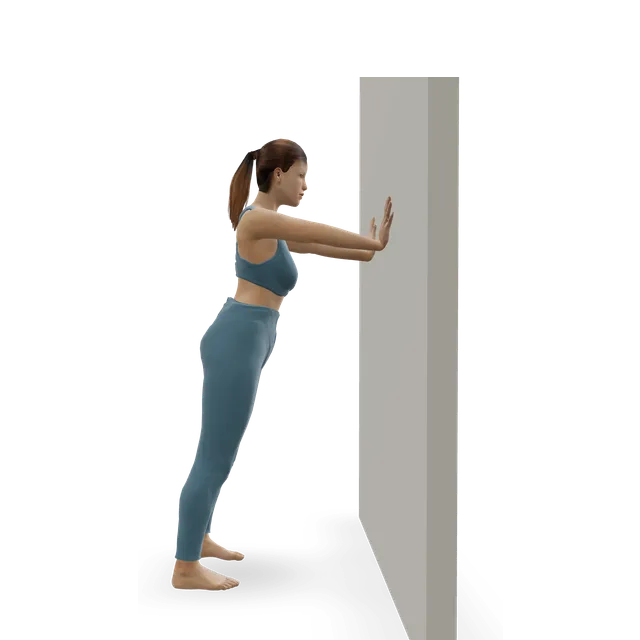
- Elastic wall bounce2 sets of 8 to 12 bouncesBeginner · Chest, Triceps, Shoulders · 3D demoStep 1. Catch the wall softly; step back a little as landings stay quietEasier: Wall push-upHarder: Incline push-up
- Incline push-up3 sets of 5Beginner · Chest, Triceps, Shoulders · 3D demoStep 2. Hands on a worktop or bench; push away so fast your hands leave it, and land on soft elbowsEasier: Wall push-upHarder: Push-up
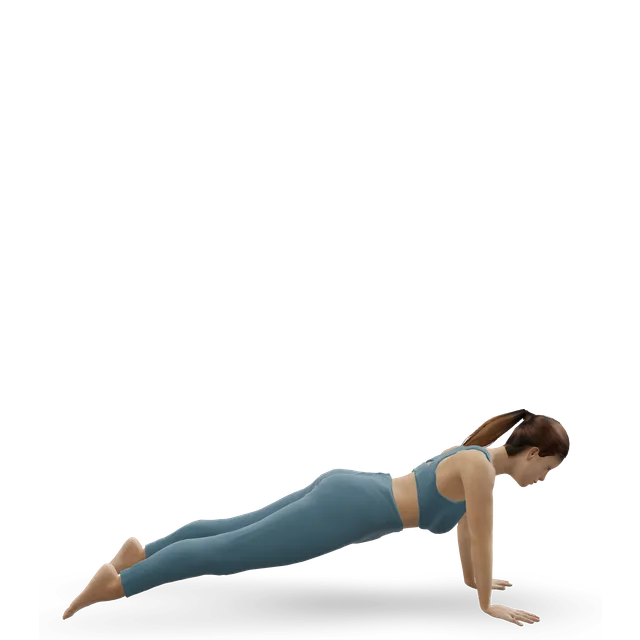
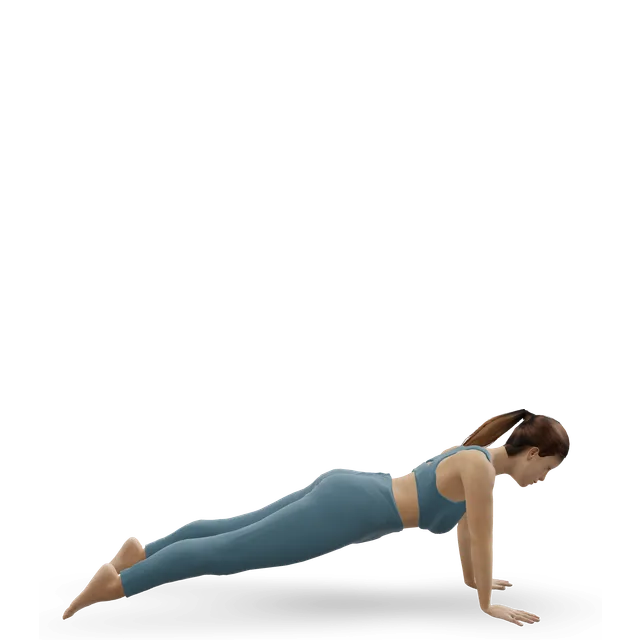
- Plyometric push-up3 to 5 sets of 3 to 5Advanced · Chest, Triceps, Shoulders · 3D demoStep 3. From your knees first, then your toes; hands just leave the floor, no clapEasier: Push-upHarder: Clock push-up
- Clap push-up3 to 5 sets of 3 to 5Advanced · Chest, Triceps, Shoulders · 3D demoStep 4. One quick clap; hands back under your shoulders; reset between repsEasier: Push-upHarder: One-arm push-up

Strength
2 rounds · Rest 90 s between rounds
- Push-up6 to 15, stopping 2 or 3 shortIntermediate · Chest, Triceps, Shoulders · 3D demoRaise your feet when 15 are easyEasier: Wall push-upHarder: Close-grip push-up (close triceps position)
- Band row10 to 15, stopping 2 or 3 shortBeginner · Back, Biceps, Shoulders · 3D demoAnchor the band at chest height in a closed door, on the hinge sideHarder: Supported single-arm dumbbell row
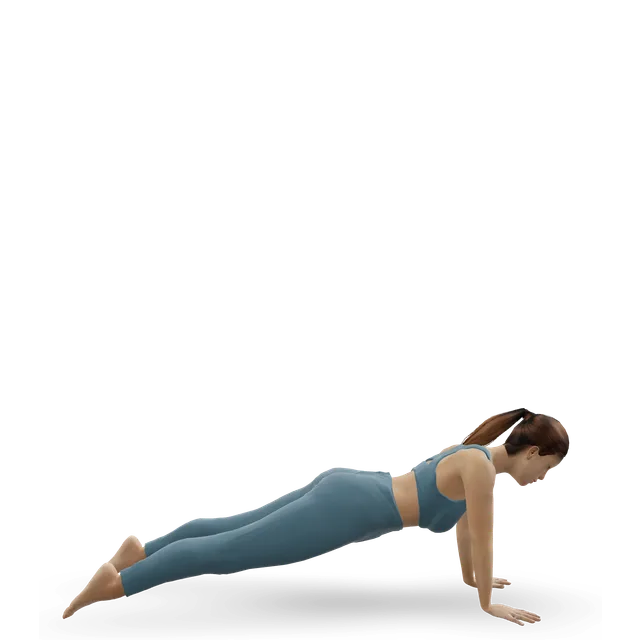
- Straight-arm plank (high plank)15 to 30 sIntermediate · Abs, Shoulders, Chest · 3D demoRibs down, body straightEasier: Knee hover (Pilates tabletop hover)Harder: Leg pull front (Pilates leg pull down)

Cool-down
- Doorway chest opener2 holds of 30 sBeginner · Chest, Shoulders · 3D demoA gentle stretch onlyEasier: Elbows backHarder: Fish pose (Matsyasana)

Tips
- Train at the hardest step you can do with soft, quiet landings; move up when 4 or 5 sets of 5 feel crisp in 2 sessions running.
- Twice a week, 48 hours apart, power first and never to failure. About 15 to 25 explosive reps a session is plenty while you learn.
- Use a mat. Practise on the incline until your catch is reliable, so a miss doesn't drop your face to the floor.
- Wrists sore? Do the power steps on a bench or worktop until your wrist is back to normal by the next morning. With elbow or shoulder pain, leave the power ladder out.
- Double, triple and behind-the-back claps are tricks, not steps: they need more flight and land harder.
- With heart failure, skip this: the British Heart Foundation advises avoiding press-ups, as our push-up guide reports. With high blood pressure, breathe out on every push.
- Stop and get medical help for chest pain or pressure, unusual breathlessness, dizziness or fainting.
The doses are suggested starting points, not a prescription. Choose a range you can control and stop for sharp or increasing pain, numbness or tingling. Get individual advice after an injury or surgery, or if you are pregnant or managing a health condition.
Guides that recommend it
Find more moves like these
More skill progressions


Push-up progression workout
Work up to full push-ups: wall, incline and knee push-ups, then the floor push-up and harder variations.
15 minBeginner8 movesA wall, A bench or box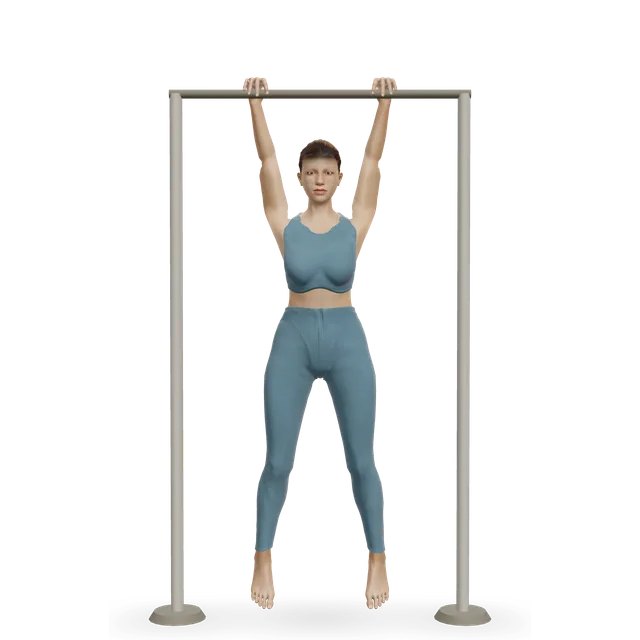

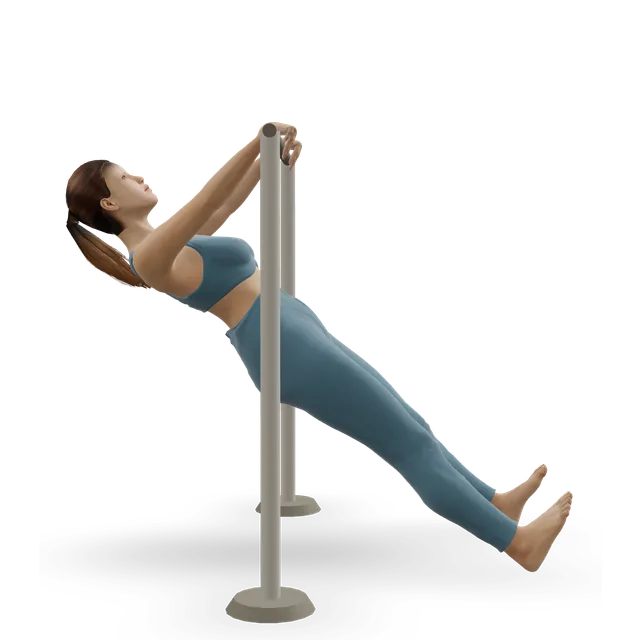
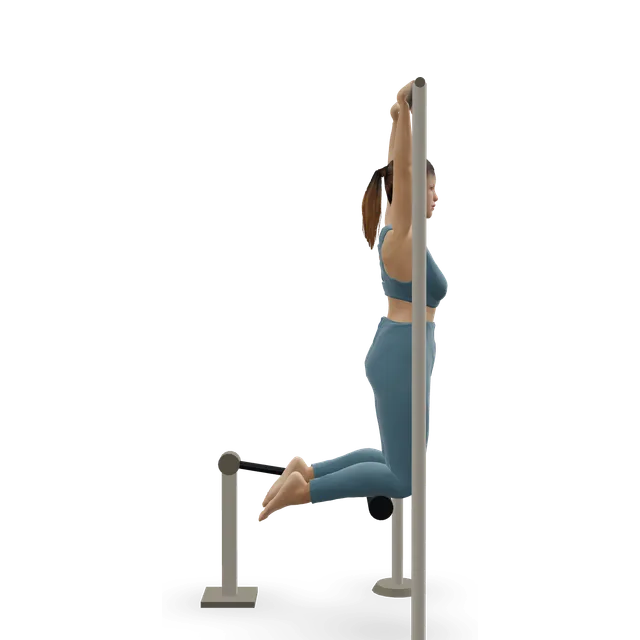
Pull-up progression workout
Work up to your first pull-up: dead hangs, scapular pulls, rows, negatives and assisted pull-ups.
25 minBeginner7 movesPull-up bar, A step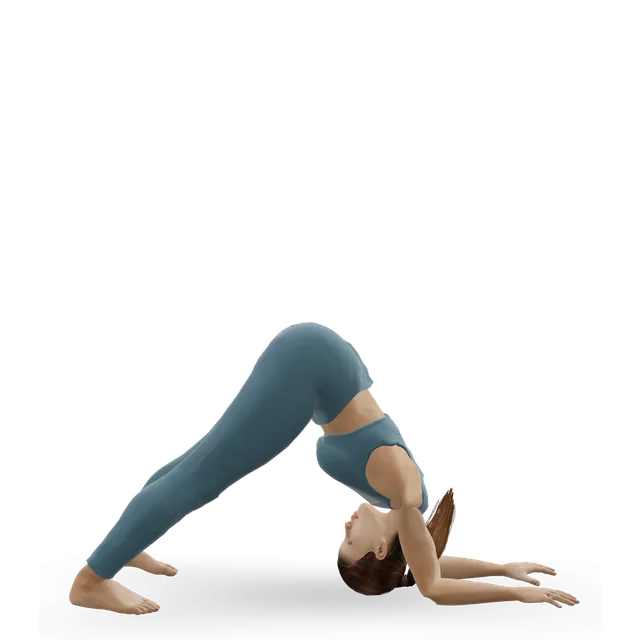
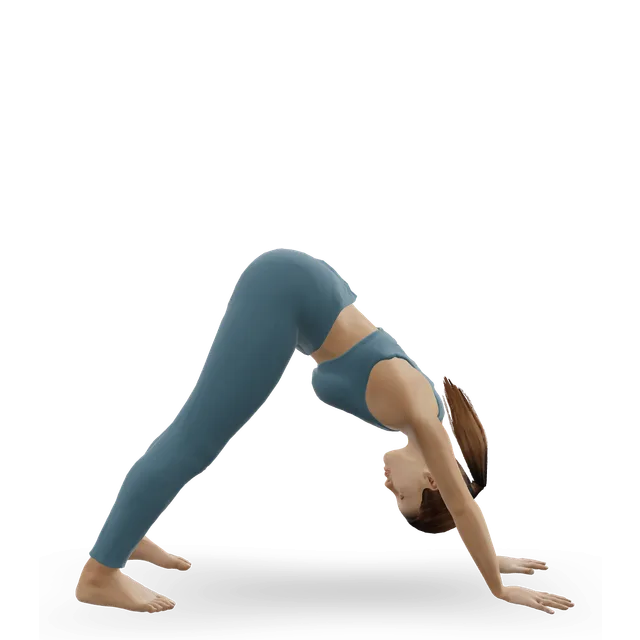
Handstand progression
Build toward a handstand: wrist prep, dolphin pose, pike push-ups, crow, the wall handstand and freestanding holds.
25 minAdvanced9 movesA wallQuestions people ask
How long does the clap push-up progression: from wall bounces to clap push-ups take?
About 25 minutes, including any warm-up and cool-down listed. Shorten it by doing fewer rounds; lengthen it by adding one.
What equipment do I need?
You need: A wall, A bench or box, A band, An anchor point. Each move links to its guide, where you can find an alternative if you are missing something.
Is it suitable for me?
It is written at intermediate level. 11 of its 12 moves have an easier option listed beside them; use them freely.
How do I make it easier or harder?
Use the easier or harder option listed under each move, change the number of rounds, or adjust the rest. Progress one change at a time.