Training guide

How to do clap push-ups: explosive push-ups, the steps from a push-up, landing safely on your hands, and how many

A clap push-up is a push-up done so explosively that your hands leave the floor long enough to clap once before you catch yourself on soft, bent elbows. It's a power exercise for people who already have solid push-ups: it trains your chest, triceps and shoulders to produce force fast. It isn't a better way to build a bigger chest.

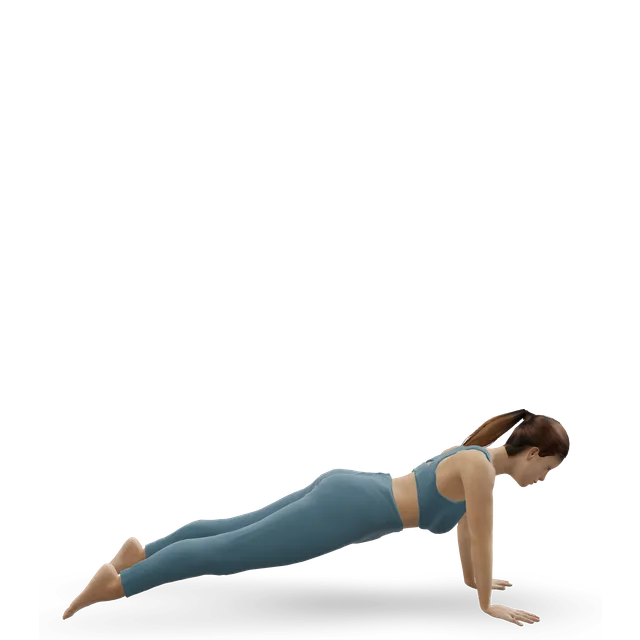
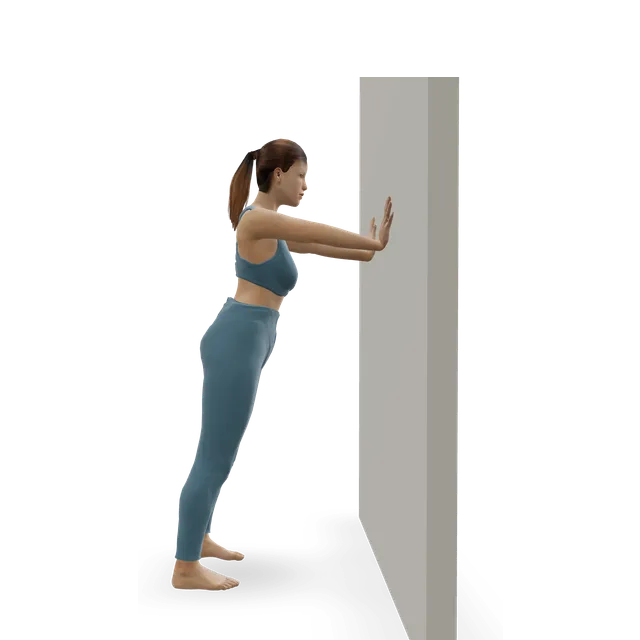
In lab studies, the clap loads your hands faster than other plyometric push-ups, and nobody has collected injury data for plyometric push-ups, so it's best built in steps: wall bounces, fast incline push-ups, plyometric push-ups from your knees and toes, then the clap.

This guide covers each step on the 3D figure, what explosive push-ups build, how many to do and how often, your wrists, elbows and shoulders, and the warning signs.

The short version

Press hard, clap once, land on soft elbows

From a strong push-up position on a mat, lower under control, then press so hard that your hands leave the floor. Clap once, bring your hands back under your shoulders and land with soft, bent elbows. Reset before the next rep while you learn.

Source 1

Earn it first

The National Academy of Sports Medicine (NASM) rates the plyometric push-up advanced and asks for strength and push-up form first. Our move pages ask for solid push-ups for several sets, or about 15 steady ones: coaching practice, not a tested number.

Source 1

Build it in steps

Wall bounces, fast incline push-ups on a worktop, plyometric push-ups from your knees, then from your toes with your hands just leaving the floor, then the clap. A plyometrics review lists clap push-ups at a wall, from the knees and in the full position as beginner, intermediate and advanced steps; the order on this page is our editorial ladder.

Source 2

What it builds: speed more than size

Upper-body plyometric training improved medicine ball throws reliably and strength a little, with only a small, low-certainty gain in arm muscle. For a bigger chest, hard sets of ordinary or harder push-ups, about 10 or more a week, do more.

Sources 3, 4, 5

How many

3 to 5 sets of 3 to 5, with full rest, early in your session while you're fresh (NASM), twice a week with 48 hours between. End the set when your hands stop leaving the floor cleanly or your landings get heavy.

Sources 1, 2

Your wrists, and no injury data

You land on bent-back wrists at speed, a position that raised pressure in the wrist joint in a lab study. Nobody has collected injury data for clap or plyometric push-ups, so we can't tell you how often they hurt people; earn them, keep the reps low and land softly.

Sources 6, 7

What a clap push-up is, and what it works

The move

A plyometric push-up: from a strong plank, lower under control, press explosively so your hands leave the floor, clap once in the air, and land with your hands back under your shoulders on soft, bent elbows.

Source 1

Names

Clap push-up, clapping push-up, plyometric or plyo push-up and explosive push-up overlap. On our site the plyometric push-up is the version where your hands leave the floor with no clap, and the clap push-up adds the clap. Drop push-ups from low boxes and feet-raised plyometric push-ups come later; double, triple and behind-the-back claps, and the superman push-up, where hands and feet leave the floor, are tricks. The superman exercise is something else (our supermans guide).

What it works

Your chest and triceps drive it, with your front shoulders, the muscle that holds your shoulder blades to your ribs (serratus anterior) and your trunk. The trunk works harder than in a standard push-up: in 10 adults, ballistic (explosive) push-ups needed more muscle activity and loaded the lower spine more.

Sources 1, 8

How hard

NASM rates the plyometric push-up advanced, and a plyometrics review puts clap push-ups in the full position at the advanced level. The clap version loaded the hands faster than other plyometric push-ups in one study, and had the highest peak force under the dominant hand in another.

Sources 1, 2, 7, 9

How people differ

Your hands carry most of your weight in a push-up, about two-thirds at the bottom, as our push-up guide reports, so heavier people land with more force; kneeling versions put less force through the hands. In one trial, men gained more power than women from the same programme, though both gained strength. Stiff or sore wrists need a higher incline first.

Sources 10, 11, 12

Who was studied

The force studies are small groups of active young people, mostly men, doing a few reps in a lab. No trial has tested clap push-ups on their own, and nobody has recorded injuries from them. We say so where a point rests on them.

How to do a clap push-up, step by step

From our clap push-up move page and NASM's plyometric push-up page; the pause between reps and the point to end a set are editorial.

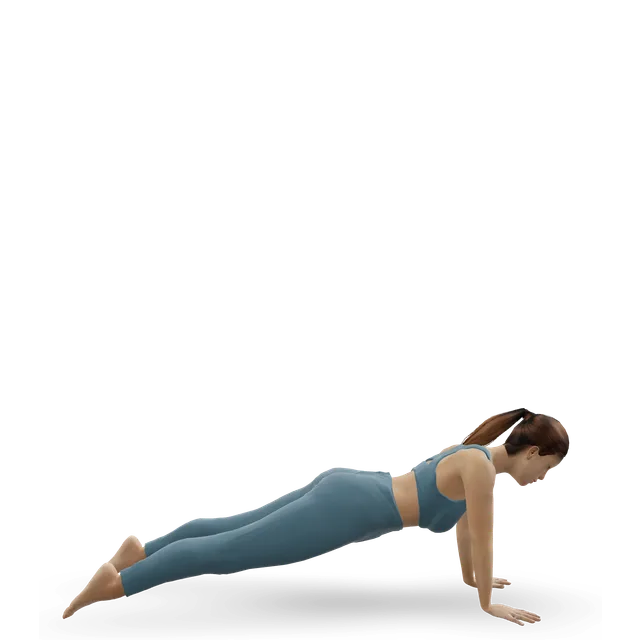
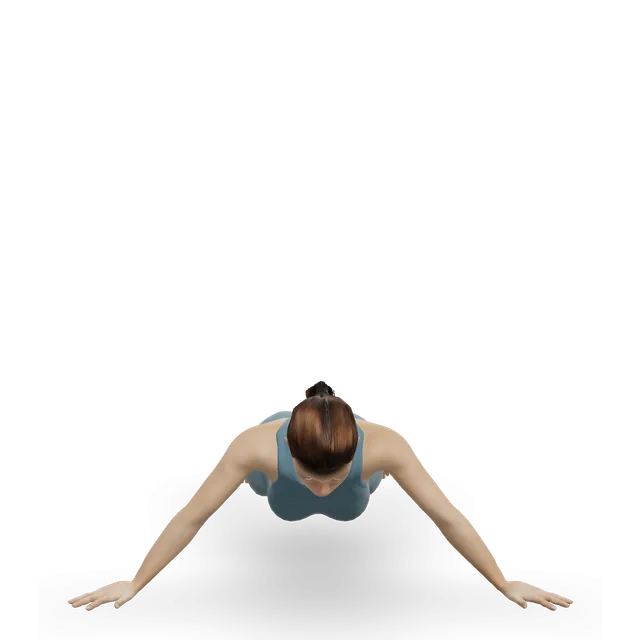
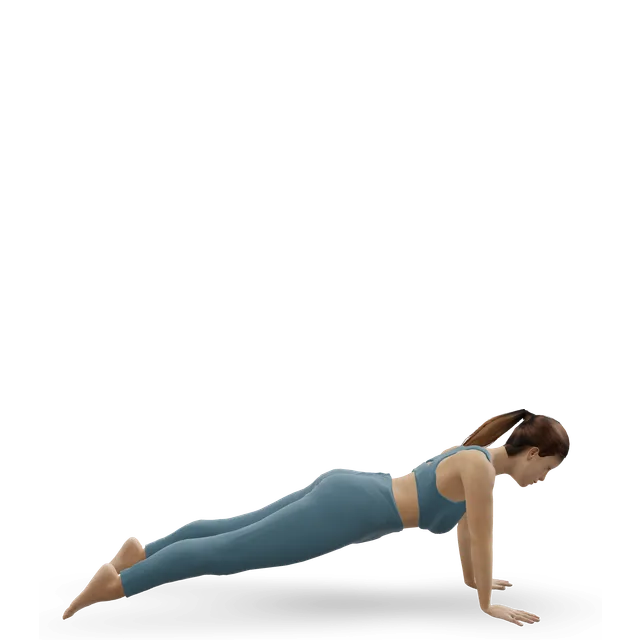
  1. Kneel on a mat, then set up in a strong push-up position: hands under or just outside your shoulders, fingers forward, body straight from head to heels, feet hip-width apart.
  2. Brace your trunk and squeeze your glutes so your hips stay in line.
  3. Lower under control until your chest is a few centimetres from the floor.
  4. Press the floor away as hard and fast as you can so your hands leave the floor.
  5. Clap once, quickly, then bring your hands back under your shoulders.
  6. Land on your palms with soft, bent elbows, letting your chest lower towards the floor to absorb the landing, body still straight.
  7. Pause in the plank before the next rep while you learn; link reps only when every landing is soft. End the set when your hands stop leaving the floor cleanly or your hips sag.

Loading the 3D figure…

Gets into position, then repeats the movement. Technical checks passed; qualified exercise review is pending.

The movement on the figure: Clap push-up

Before the clap: the plyometric push-up

From our plyometric push-up move page, which asks for 15 or more steady push-ups first and suggests learning it from the knees. NASM's dose is 3 to 5 sets of 3 to 5 with complete rest.

  1. From a push-up position, lower your chest towards the floor.
  2. Push up as hard and fast as you can so your hands leave the floor, with no clap.
  3. Land with soft elbows and sink straight into the next push-up, or pause and reset.

Loading the 3D figure…

Gets into position, then repeats the movement. Technical checks passed; qualified exercise review is pending.

The movement on the figure: Plyometric push-up

The steps from a push-up to the clap

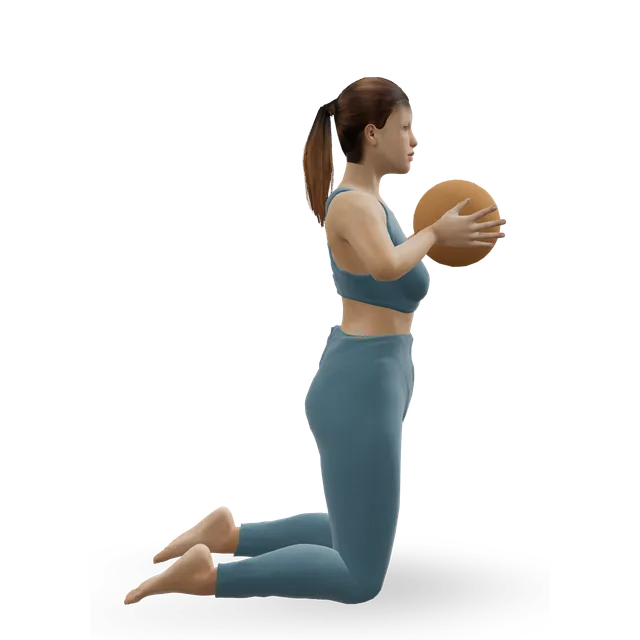
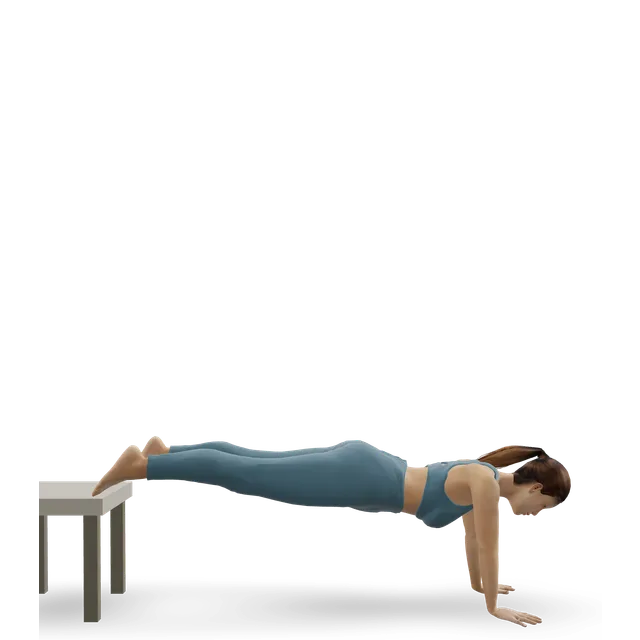
This order is our editorial ladder, in line with the plyometrics review's wall, kneeling and full clap push-ups. Move on when every landing is soft and quiet. Push-ups, 3 sets of 8 to 15, moving on at 3 sets of 15 (our push-up progression); wall bounces, 2 sets of 8 to 12 (the move page's editorial starting point); fast incline push-ups with your hands on a worktop or bench, 3 sets of 5, pushing so fast your hands leave it (editorial); plyometric push-ups from your knees, then a clap from your knees, 3 sets of 3 to 5 (editorial; the knee push-up demo shows the position); plyometric push-ups from your toes, then clap push-ups, 3 to 5 sets of 3 to 5 with full rest (NASM). The medicine-ball chest push, 3 sets of 5 (our power and balance workout), trains the same quick push without a landing. Harder: drop push-ups from low boxes, then feet-raised plyometric push-ups onto steps, 1 set of 5 to 10, or 3 sets once you train for a sport, with a minute's rest, twice a week (their move pages' dose, from the plyometrics review); neither has a 3D demo.

What it puts through your hands

The clap loads fastestEmerging evidence

In 22 active men, the clap push-up loaded the hands faster than push-ups dropped from boxes 3.8, 7.6 and 11.4 cm high, with a shorter contact and similar peak force; the dominant arm loaded faster. In 21 men, it had the highest peak force under the dominant hand of four versions, the most elbow bend on landing and a flight as high as the 11.4 cm drop: the authors call it the most intense of the versions tested.

Sources 7, 9

Fast push-ups and kneeling versionsEmerging evidence

In 27 active men, fast push-ups that didn't leave the floor produced the highest force and rate of force development with no impact, and push-ups dropped from kneeling the highest impact. Kneeling plyometric push-ups put less force through the hands than full ones in 37 commandos, and produced the least force and power in 35 young adults, in whom a weight vest didn't raise peak power. Hand widths of 120 to 170% of shoulder width gave similar power in 10 men.

Sources 13, 10, 11, 14

More force than a standard push-upEmerging evidence

In 15 male rugby players, the plyometric push-up produced more force than a standard push-up through most of the push.

Source 15

Your lower backEmerging evidence

In 10 adults, ballistic (explosive) push-ups needed more muscle activity and loaded the lower spine more than standard push-ups.

Source 8

Your pelvic floorEmerging evidence

In 57 women, knee push-ups raised the pressure inside the tummy to a median of 15.3 cmH2O (centimetres of water, a pressure unit), below walking (24.6) and far below jumping (91.2), and push-ups provoked leaking in 1.3% of 452 women CrossFit competitors. Clap push-ups weren't measured, but our reading is that they suit people who can't jump yet.

Sources 16, 17

What clap push-ups build: the evidence

Power and throwingEmerging evidence

Across 35 studies of upper-body plyometric training with 1,412 young people (30 of them pooled), mostly lasting 8 weeks at a median of 2 sessions a week, it improved medicine ball throws (an effect size of 0.64), sport throwing (0.55) and maximal strength a little (0.39, very low certainty). One injury, an ankle sprain, was reported.

Source 3

Muscle size: a little, low certaintyEmerging evidence

Arm muscle size grew a little (an effect size of 0.64), but in only 3 studies of 78 people, with low certainty.

Source 3

Reviews disagreeMixed evidence

An earlier review of 11 randomised trials called the results inconclusive, so treat the gains as likely but modest.

Sources 3, 18

One trial with knee plyometric push-upsEmerging evidence

In 40 students, 6 weeks of upper-body plyometrics, three times a week, including plyometric push-ups from the knees, raised the bench press by about 10% in both men and women, with larger power gains in the men and no injuries.

Source 12

Ordinary push-ups build sizeEmerging evidence

In 18 men, push-ups set to a load matched to 40% of the bench press built as much chest and triceps muscle and strength as bench pressing over 8 weeks, but didn't improve medicine ball throws. In 23 men, progressive push-ups raised bench strength like bench pressing over 4 weeks.

Sources 4, 19

What builds muscleStrong evidence

Muscle grows with light or heavy loads when sets are hard, with about 10 or more sets a week; training to failure adds no clear extra growth. Power improves with moderate loads, low to moderate volume and a fast lifting phase, which is where clap push-ups fit.

Sources 5, 20, 21

What nobody has tested

We found no trial of clap push-ups on their own, no injury data for clap or plyometric push-ups, no study of how many push-ups you need first, and no norms for how many clap push-ups people can do.

Common mistakes

Landing on locked elbows

NASM lists straight-elbow landings as a mistake: catch on soft, bent elbows.

Source 1

Hips sagging or piking

Keep your trunk rigid from head to heels at take-off and landing, as NASM and our move page say.

Source 1

Hands landing wide or forwards

Bring your hands back under your shoulders after the clap (our cue).

Clapping too soon

Clapping before you've pushed high enough brings your hands back late. Skip the clap and just let your hands leave the floor until the landing is quiet, as our move page says.

Doing them tired

NASM says to stop before fatigue spoils the landing; our move page says do them fresh, never at the end of a hard set.

Source 1

Turning your hands in

Keep your fingers forwards: our push-up guide notes that turning the hands inward raised shearing forces at the elbow.

How many, and how often

Learning at the wall

Wall bounces, 2 sets of 8 to 12: the move page's editorial starting point.

Plyometric and clap push-ups

3 to 5 sets of 3 to 5, with complete rest between sets: NASM's plyometric push-up dose.

Source 1

A review's dose

5 to 10 reps a set, 1 set of each exercise for active people and 3 for athletes, 60 seconds between exercises, twice a week with 48 hours between, for 6 to 8 weeks.

Source 2

A session's total

A review suggests 50 to 100 upper-body plyometric reps a session; while you learn, about 20 to 30 is plenty (our editorial starting point).

Source 3

Where in the session

First, after your warm-up and before strength work, while you're fresh.

Source 1

How hard

Every rep fast, with a soft landing. End the set when your hands stop leaving the floor cleanly or your hips sag, rather than counting reps in reserve (editorial).

Progressing

More sets of crisp single claps, then drop push-ups from low boxes, as the plyometrics review progresses them. Move up when 4 or 5 sets of 5 feel crisp in two sessions running (our editorial rule).

Source 2

Wrists, elbows, shoulders and your back

Your wristsEmerging evidence

In 8 donated wrists, a push-up with the wrist bent back raised peak pressure in part of the wrist joint against a straight-wrist knuckle position. Clap push-ups land on that position at speed (our reading).

Source 6

Looking after them

Warm your wrists up first, land on soft elbows, and practise on an incline until your catch is reliable. While your wrists are sore, do the power steps on a bench or worktop, or swap them for the medicine-ball chest push. Our wrist pain from push-ups guide's rule: about 5 out of 10 or less, settling within about half an hour, no worse the next morning.

A missed catch

Practise on a mat, and from an incline, until your landings are reliable, so a miss doesn't drop your face to the floor (our suggestion).

Elbows and shoulders

Leave clap push-ups out with wrist, elbow or shoulder pain, as our plyometric push-up move page says, and with a shoulder that slips or gives way, as our archer push-up guide says.

Your lower back

Ballistic (explosive) push-ups loaded the lower spine more than standard ones in a lab study. With back pain, keep to standard push-ups.

Source 8

No injury data

Nobody has recorded injuries from clap or plyometric push-ups, so this advice is caution, not evidence of harm.

Moves that support it

The wrist and forearm flow, 60 seconds (our gymnastics conditioning and push-up challenge workouts); quadruped wrist rocks, 10 rocks in each hand position (our wrist and forearm routine); scapular push-ups, 2 × 10 (our push-up progression); the straight-arm plank, 3 holds of 15 to 30 seconds (its move page's dose); feet-elevated push-ups, 3 sets of 8 to 12, and archer push-ups, 3 sets of 5 each side, for pressing strength (our push-up progression); and band rows to balance the pushing, 3 sets of 10 to 15, stopping 2 to 3 reps short, with 60 to 90 seconds' rest (its move page's dose).

Workouts to follow

The clap push-up progression takes you from wall bounces to the clap; the push-up progression builds the push-ups you need first; the power and balance workout uses the medicine-ball chest push and fast incline push-ups; the upper body workout at home builds pressing strength; and the surf strength workout uses plyometric push-ups.

Plans that build the push-ups first

The 30-day push-up challenge builds your push-ups; the calisthenics plan builds bodyweight strength across the week.

Who should change it

Heart failure

The British Heart Foundation advises avoiding exercises that use your whole body as the weight, such as press-ups, as our push-up guide reports. Explosive push-ups aren't for you without your heart team's advice.

High blood pressure

With controlled high blood pressure, low- to moderate-intensity strength training with proper breathing is safe: breathe out on every push. With blood pressure that isn't controlled, ask your GP first.

Source 22

Pregnancy

The NHS advises against starting a new vigorous activity in pregnancy, and against activities with a risk of falling. Keep to the push-ups you already do, on an incline as your bump grows (our suggestion).

Source 23

Wrist, elbow or shoulder problems

Leave them out, and use the medicine-ball chest push or fast incline push-ups while you see a GP or physiotherapist.

The pelvic floor

Push-ups put little pressure on the pelvic floor in lab and survey data, so clap push-ups can be a power option if you're avoiding jumps (our reading).

Sources 16, 17

Warning signs

Stop and get medical help

If you get chest pain or pressure, feel faint or dizzy, are unusually breathless, or your heart races or beats irregularly during exercise, as our plans advise. The American Heart Association says these need immediate medical evaluation.

Source 22

Call 999 (911 in the US)

For chest pain that doesn't go away, feels tight, heavy or like squeezing, or spreads to your arms, neck, jaw, stomach or back, or comes with sweating, feeling sick, light-headedness or breathlessness; severe difficulty breathing; someone who faints while exercising; palpitations that don't go away, or come with chest pain, shortness of breath or feeling faint; or a headache that starts suddenly and is extremely painful. Don't drive yourself to A&E.

Sources 24, 25, 26, 27, 28, 29, 30

Check before you start

If you haven't exercised for some time or have a medical condition, speak to your GP first, as the NHS advises. Get advice before explosive work if your blood pressure is uncontrolled, or you have heart disease or chest pain when you're active, a pacemaker or defibrillator, diabetic eye disease, glaucoma, a hernia, recent eye or tummy surgery, or you're pregnant, as our breathing guide lists.

Source 31

After a faint, or dizziness that keeps coming back

See a GP after any faint, and for dizziness that won't go away or keeps coming back.

Sources 27, 32

Your wrist

Contact NHS 111 for severe wrist pain, a snap, grinding or popping noise at the time of an injury, a wrist you can't move or hold things with, or one that has changed shape or colour. After a fall onto your hand, pain at the base of the thumb on the back of the wrist needs checking the same day, even if it moves well, as our wrist pain from push-ups guide says. See a GP if wrist pain hasn't improved after 2 weeks, keeps coming back, or comes with tingling or loss of feeling.

Source 33

Your elbow and arm

Go to an urgent treatment centre or A&E for severe arm pain that makes it hard to move your arm, a snapping noise or a change of shape after an injury, or an arm that tingles or feels numb. A pop at the back of the elbow during a push, then pain, swelling or weakness straightening your arm, needs the same, as our archer push-up guide says. Call 999 if arm pain comes on suddenly with pressure, heaviness or squeezing across your chest.

Source 34

Your shoulder

Ask for an urgent GP appointment or get help from NHS 111 for sudden or very bad shoulder pain, an arm you can't move, a shoulder that has changed shape or is badly swollen, pins and needles that don't go away, or pain that started after a fall or injury. See a GP if it's getting worse or hasn't improved after 2 weeks.

Source 35

A missed catch

If you land on your face or head and feel unwell, drowsy or confused afterwards, get help: call 999 if someone has fallen and may have injured their head.

Source 36

Muscle pain far worse than the session explains

After a big or unusual session, such as a push-up challenge, severe muscle pain, swelling or weakness with dark urine needs same-day help: NHS 111, or A&E if you feel very unwell. Severe exertion, including calisthenics, is among the causes of muscle breakdown (rhabdomyolysis).

Source 37
Myths

"Clap push-ups build a bigger chest"Emerging evidence

Across 35 studies, upper-body plyometrics improved throwing power reliably but arm muscle size only a little, in 3 studies of 78 people with low certainty. Push-ups set to a moderate load built as much chest muscle as a light bench press, and growth rose with about 10 or more hard sets a week. Use clap push-ups for speed and ordinary or harder push-ups for size.

Sources 3, 4, 5

"Clap push-ups just add risk"Emerging evidence

They train something useful: upper-body plyometrics improved medicine ball throws and strength a little, and a 6-week programme with knee plyometric push-ups raised the bench press about 10%. But nobody has collected injury data for clap push-ups, and the clap loads the hands fastest, so earn it and keep the reps low.

Sources 3, 12, 7

"Double and triple claps are the next step"

They need more flight time, so you land from higher and faster (our reading of the force studies); no study has tested them. More sets of crisp single claps, or drop push-ups from low boxes, are the progression.

Sources 7, 9, 2

"Do 100 a day and you'll see results"Emerging evidence

Power work needs low reps with full rest, twice a week, and muscle grows from hard sets, about 10 or more a week, not from daily totals.

Sources 1, 2, 5

"The muscle that burns most is the one that grows most"Emerging evidence

Muscle activity in one session isn't a validated predictor of growth.

Source 38

Questions people ask

How do you do a clap push-up?

From a strong push-up position on a mat, lower under control, then press so hard that your hands leave the floor. Clap once, bring your hands back under your shoulders and land on soft, bent elbows. Reset before the next one while you learn.

How many push-ups should I be able to do before clap push-ups?

No study has set a number. Our move pages ask for solid push-ups for several sets, or about 15 steady ones, and NASM asks for a strength base and good push-up form first. Treat that as coaching practice, not a test.

How do I learn clap push-ups?

Work up in steps: wall bounces, fast incline push-ups on a worktop, plyometric push-ups from your knees, then from your toes with your hands just leaving the floor, then the clap. Move on when every landing is soft.

What muscles do clap push-ups work?

Your chest and triceps drive them, with your front shoulders, the muscle that holds your shoulder blades to your ribs, and your trunk holding you straight. They train how fast those muscles produce force.

Do clap push-ups build muscle?

A little, but they're not the best way: across upper-body plyometric trials, arm muscle size grew slightly in 3 small studies, with low certainty. Hard sets of push-ups or presses build muscle reliably.

Are clap push-ups better than regular push-ups?

Different, not better. Clap push-ups train power, such as throwing and pushing fast; regular and harder push-ups build strength and size. A sensible week can have both.

How many clap push-ups should I do?

3 to 5 sets of 3 to 5, with full rest, at the start of your session, twice a week with 48 hours between. End the set when your hands stop leaving the floor cleanly.

Are clap push-ups bad for your wrists?

They land on bent-back wrists at speed, a position that raised pressure in the wrist joint in a lab study, and nobody has collected injury data for them. Warm your wrists up, land on soft elbows, and use a bench or worktop, or a medicine-ball chest push, while your wrists are sore.

What are plyometric or explosive push-ups?

Push-ups done so fast that your hands leave the floor. The no-clap version is the step before the clap push-up; drop push-ups and feet-raised versions come after.

Do clap push-ups help punching or throwing power?

Upper-body plyometric training improved medicine ball and sport throws in trials. We found no trial on punching.

Can I do clap push-ups on my knees?

Yes. Kneeling plyometric push-ups put less force through your hands, and a plyometrics review lists the kneeling clap push-up as the middle step. Move to your toes when every kneeling landing is soft.

What about double, triple or behind-the-back clap push-ups?

They're tricks: you need more flight time, so you land harder, and no study has tested them. More crisp single claps, or drop push-ups from low boxes, are better progressions.

Sources

  1. NASM · Plyometric push-up (exercise library, rated advanced)
  2. Davies 2015 · Current concepts of plyometric exercise: foot contacts, rest and progressions (clinical commentary, IJSPT)
  3. Garcia-Carrillo 2023 · Upper-body plyometric training and fitness in young people: 35 studies, 1,412 participants (systematic review and meta-analysis, Sports Med Open)
  4. Kikuchi 2017 · Light bench press against load-matched push-ups for muscle and strength in 18 men (RCT, J Exerc Sci Fit)
  5. Currier 2026 · Resistance training for muscle function, size and performance in healthy adults: 137 reviews (ACSM position stand, MSSE)
  6. Daly 2018 · Wrist joint pressures in two push-up positions, in 8 donated wrists (lab study, J Hand Surg Am)
  7. Koch 2012 · Ground forces in plyometric push-ups, including the clap push-up, in 22 active men (lab study, J Strength Cond Res)
  8. Freeman 2006 · Muscle activity and spine load in 12 push-up variations in 10 adults (lab study, MSSE)
  9. Moore 2012 · Four plyometric push-up variations, including the clap push-up, in 21 men (lab study, Int J Exerc Sci)
  10. Dhahbi 2017 · Forces in plyometric push-up variations, including kneeling ones, in 37 commandos (lab study, Int J Sports Physiol Perform)
  11. Hinshaw 2018 · Added load and force and power in plyometric push-ups, in 35 young adults (lab study, J Strength Cond Res)
  12. Lu 2024 · Six weeks of upper-body plyometrics: strength and power in 40 men and women (trial, Sci Rep)
  13. García-Massó 2011 · Muscle activity and forces in plyometric push-ups, in 27 active men (lab study, J Strength Cond Res)
  14. Nichols 2021 · Hand width and plyometric push-up power, in 10 men (lab study, J Strength Cond Res)
  15. Fan 2026 · Force and muscle coordination in pushing tasks, including the plyometric push-up, in 15 rugby players (lab study, J Sports Sci Med)
  16. Shaw 2014 · Pressure inside the abdomen during everyday and exercise activities, in 57 women (lab study, J Sports Sci)
  17. Wikander 2020 · Leaking urine in 452 women CrossFit competitors (survey, Int J Womens Health)
  18. Singla 2018 · Upper-body plyometric training and performance: 11 randomised trials (systematic review, Phys Ther Sport)
  19. Kotarsky 2018 · Progressive push-up training against bench pressing in 23 men (trial, J Strength Cond Res)
  20. Schoenfeld 2017 · Light against heavy loads for strength and muscle growth: 21 studies (meta-analysis, J Strength Cond Res)
  21. Refalo 2023 · How close to failure you train and muscle growth (systematic review and meta-analysis, Sports Med)
  22. Paluch 2024 · Resistance exercise training with and without cardiovascular disease: 2023 update (American Heart Association scientific statement, Circulation)
  23. NHS · Exercise in pregnancy
  24. NHS · Chest pain (past its review date: reviewed August 2023, review due August 2026)
  25. NHS · Heart attack
  26. NHS · Shortness of breath
  27. NHS · Fainting
  28. NHS · Heart palpitations
  29. NHS · Headaches
  30. NHS · Subarachnoid haemorrhage
  31. NHS · Physical activity guidelines for adults aged 19 to 64
  32. NHS · Dizziness (past its review date: reviewed April 2023, review due April 2026)
  33. NHS · Wrist pain
  34. NHS · Elbow and arm pain
  35. NHS · Shoulder pain (past its review date: reviewed May 2023, review due May 2026)
  36. NHS · Falls
  37. MedlinePlus (US National Library of Medicine) · Rhabdomyolysis
  38. Vigotsky 2022 · Muscle activity measured in one session isn't a validated predictor of muscle growth (review, Sports Med)

Exercise education, not a personal prescription, and clinical review of these guides is pending. Check with a GP before starting hard training if you have a heart condition, chest pain, dizziness or breathlessness when active, and stop for sharp or increasing pain. Health disclaimer.