Training guide

How to do diamond push-ups: the hand position, the triceps and chest, your wrists and elbows, easier versions, and how many

A diamond push-up is a push-up with your hands together under your chest, thumbs and index fingers touching in a diamond shape, and your elbows brushing back past your ribs as you lower. It's harder than a standard push-up, so most people start with their hands on a bench or with close-grip push-ups.

The research is small lab studies. Narrow hands work your triceps and chest harder than wide ones, but in the largest study diamonds weren't clearly harder-working than a standard push-up, and no trial has tested them for muscle growth. They do load your elbows more than a standard push-up.

This guide takes you through it step by step on the 3D figure, then covers close-grip against diamond, wrist and elbow swaps, easier and harder versions, how many to do, and how diamonds compare with dips and tricep extensions.

The short version

Hands together, elbows back

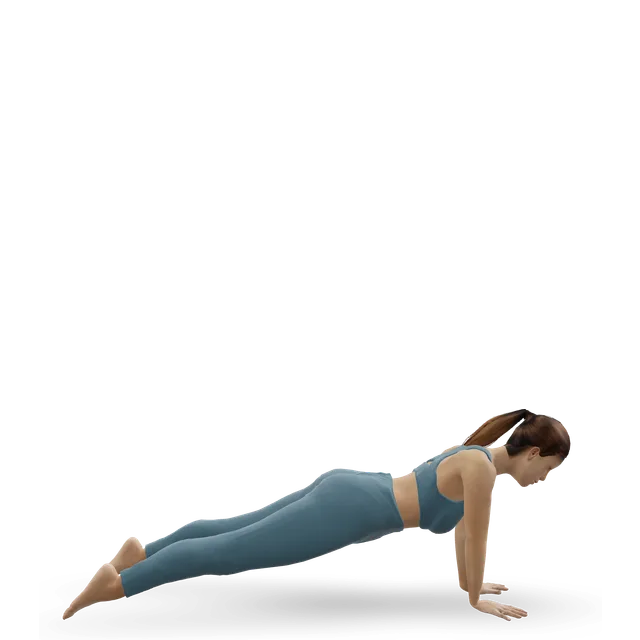
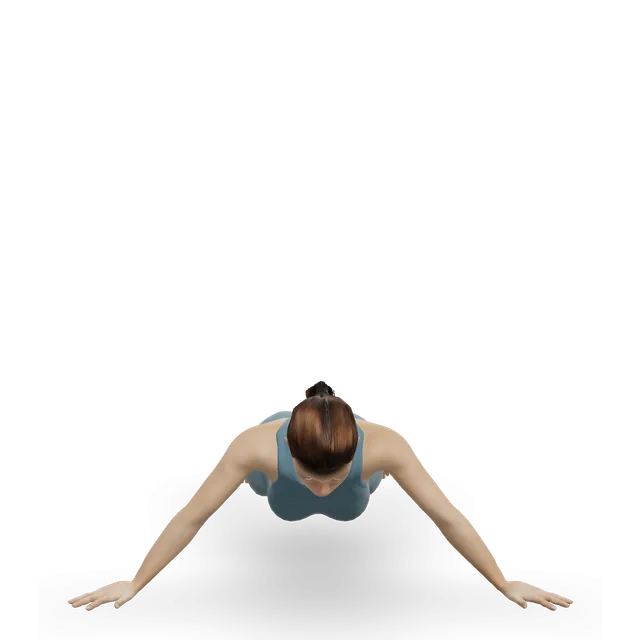
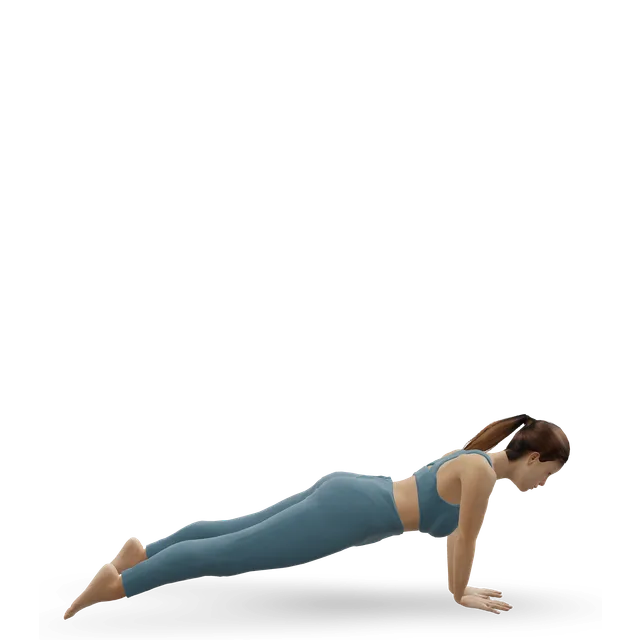
From a push-up position, bring your hands together under your breastbone so your thumbs and index fingers make a diamond, keep one straight line from head to heels, and lower until your chest nearly touches your hands, elbows brushing back past your ribs. Then press back up. That's our move page's set-up, and the one two muscle activity studies used.

Sources 1, 2

Triceps and chest, about as hard as a standard push-up

In 20 men, diamonds drew the most triceps and chest activity of three hand positions, but not significantly more than a standard push-up; both beat wide hands. Most studies agree that narrow hands beat wide ones. Muscle activity over a few reps shows effort, not what a muscle will grow.

Sources 2, 3, 4, 5

A good triceps move, not the only one

In a study of 15 women funded by the American Council on Exercise (ACE), the triangle (diamond) push-up drew the most triceps activity of eight exercises. In the one 12-week growth trial, an overhead extension grew the triceps more than arm-at-your-side work, so pair diamonds with an overhead extension, as our tricep extension guide suggests.

Sources 6, 7

More load on your elbows

In 9 men, the elbow worked at 71% of its maximal straightening strength with the hands together, against 56% in a normal push-up. If your elbows ache, move your hands apart into a close-grip push-up, and keep discomfort to about 3 to 4 out of 10, settling within an hour, as our elbow guides say.

Source 8

Wrists: take the bend out or the weight off

A bent-back wrist under your body weight raised pressure inside the wrist in a lab study. If your wrists complain, widen your hands a little, put them on a bench, or do close-grip push-ups on fists, push-up handles or dumbbells.

Source 9

How many

2 or 3 sets of 6 to 12, stopping 2 or 3 reps short, 2 or 3 times a week (our editorial starting point, within the 6 to 12 our workouts use). Count each set as about half a triceps set towards the 10 or so hard sets a week that build more muscle.

Sources 10, 11

What a diamond push-up is, and what it works

The set-up

Hands together under your breastbone, thumbs and index fingers touching so the space between them makes a diamond or triangle, which is why ACE calls it the triangle push-up. Your body stays straight from head to heels, you lower until your chest nearly touches your hands, and you press back up. The two muscle activity studies that tested it set the hands just this way, below the middle of the breastbone, with the elbows kept close to the body.

Sources 6, 1, 2

Close-grip, narrow, tricep or diamond

Narrow push-ups run from the close-grip push-up, with your hands under your shoulders or a little closer and your elbows brushing your ribs, to the diamond, with your hands touching. "Tricep push-ups" and "narrow push-ups" can mean either. Both have 3D demos below, and our push-up guide covers hand width in general.

What it works

Mainly your triceps (the back of your upper arm, which straightens the elbow) and your chest, with the front of your shoulders and the serratus anterior (the muscle that holds your shoulder blade to your ribs) helping, and your trunk holding the plank. In 20 men, the triceps worked harder than the chest in every hand position tested. In 8 trained students, the narrow position worked both triceps heads that were measured, and the upper part of the chest, harder than a standard push-up.

Sources 2, 1

There's no separate inner chest

The chest muscle runs from your breastbone and collarbone to your upper arm, and the whole muscle works in a push-up. No study has measured an "inner" part (our reading, as our decline bench press guide says of the "lower chest").

Your joints

Your elbows bend fully under your body weight and work harder with your hands together than apart. Your wrists bend back to about a right angle under load, as in any flat-handed push-up. With the hands together, many people also angle their wrists inwards (our observation; no study has measured the diamond's wrist position).

Sources 8, 9

What you need first

Controlled floor push-ups, as our move page says. Our arm challenge starts close-grip push-ups once you can do 10 standard push-ups, and we'd add about 10 clean close-grip push-ups before diamonds (our editorial starting point).

How people differ

In 20 trained adults, the women did 15.5 push-ups to failure and the men 25.6. One study of 37 adults found men's hands carried a bigger share of body weight than women's (a peak of 98% against 80% in a floor push-up), while another of 23 adults found no difference. Whoever you are, expect fewer diamonds than standard push-ups, and start at the step where you get 6 to 12 clean reps.

Broad shoulders or big upper arms can make touching hands uncomfortable. A slightly wider close grip works the same muscles, and our move page suggests widening the hands slightly if they pinch.

Sources 12, 13, 14

How to do a diamond push-up, step by step

From our diamond push-up move page: the hands under the breastbone in a diamond, the elbows brushing back past the ribs and the press without sagging. The fingers, depth and breathing follow our push-up guide; ending the set with 2 or 3 good reps left follows our plans.

  1. Kneel on the floor and place your hands together under your breastbone, thumbs and index fingers touching so they make a diamond. Point your fingers forward or slightly out.
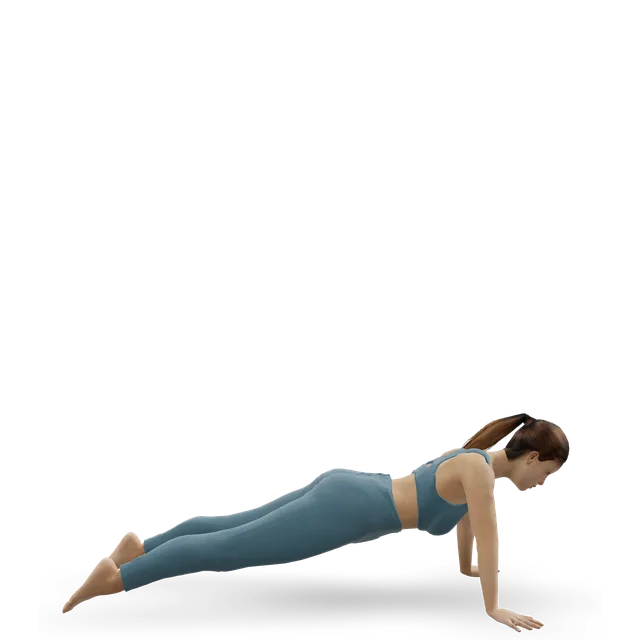
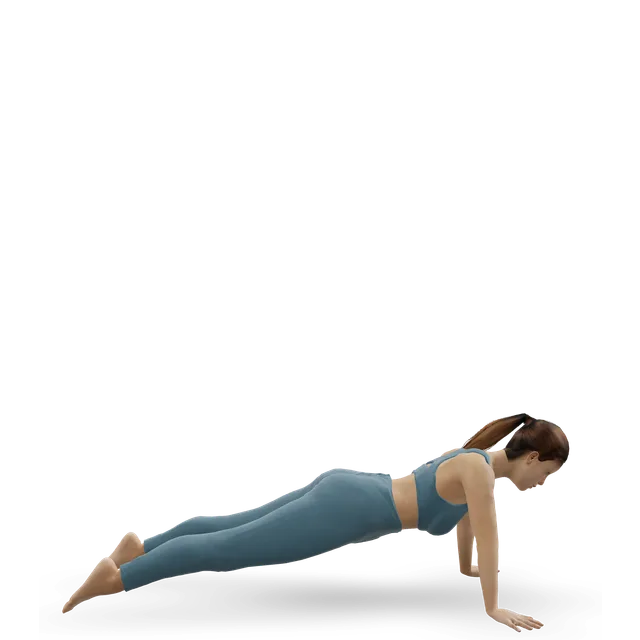
  2. Step back onto your toes, feet together or hip-width apart, so you make one straight line from head to heels. Brace your trunk and squeeze your glutes lightly.
  3. Breathe in and bend your elbows to lower your chest towards your hands, elbows brushing back past your ribs rather than flaring out.
  4. Go down until your chest nearly touches your hands, or as low as you can control, without letting your hips sag or your chin poke forward.
  5. Breathe out and press the floor away to straight arms, without snapping your elbows straight.
  6. End the set when you have 2 or 3 good reps left, or as soon as your hips drop or your elbows flare.

Loading the 3D figure…

Gets into position, then repeats the movement. Technical checks passed; qualified exercise review is pending.

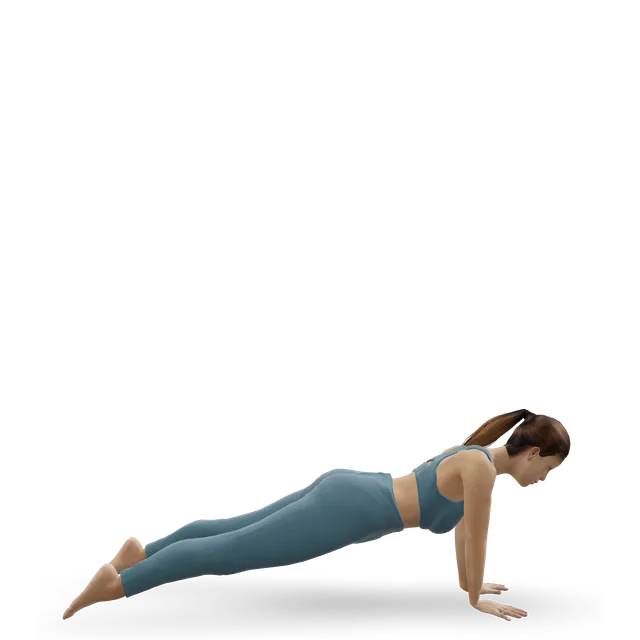
The movement on the figure: Diamond push-up

Close-grip, diamond, standard or wide?

Narrow hands beat wide handsEmerging evidence

Narrow hands worked the triceps harder than wide hands in every study that compared them: 40 adults; 12 men, whose triceps worked at 116.5% of the shoulder-width value with the hands at half shoulder width, against 86.0% with them wide; 8 trained students; 20 adults; and 20 men. The chest worked harder with narrow hands in four of those five (115.0% against 92.3% in the 12 men). In the fifth, 20 adults, hand position didn't change chest activity.

These are one-session muscle activity studies in young adults, consistent for the triceps but not proof of growth.

Sources 3, 4, 1, 15, 2

Diamond against a standard push-upMixed evidence

The studies disagree. In the largest, 20 men, diamonds drew a little more triceps and chest activity than standard push-ups, but not significantly more (a small effect). In two smaller studies, narrow hands beat standard ones: in 12 men with the hands at half shoulder width, and in 8 students for both triceps heads and the upper chest.

Sources 2, 3, 1

The upper chestEmerging evidence

In 8 trained students, hands together under the breastbone drew more activity from the upper (collarbone) part of the chest than a standard push-up. For the main part of the chest, the paper's result is unclear. The authors call their study a pilot that needs confirming.

Source 1

The elbow trade-offEmerging evidence

In 9 men, the elbow worked at 71% of its maximal straightening strength with the hands together, 56% in a normal push-up and 29% with the hands far apart. In another lab study, turning the hands inward raised the shearing forces at the elbow.

A close-grip push-up, with your hands under your shoulders, sits between the normal and hands-together positions, so it probably loads your elbows less than a diamond does. That's our reading: no study has measured the close grip itself.

Sources 8, 16

How to choose

Pick the one your elbows and wrists like. Both work the triceps and chest hard, and no study shows either builds more. The close-grip push-up is the usual step before the diamond, and the better choice on days your elbows ache (our suggestion).

What the evidence says

A top triceps activity scoreEmerging evidence

In the ACE-funded study, 15 women aged 20 to 24 with weight-training experience did one set of 7 reps of eight triceps exercises. Taking the triangle push-up as 100%, triceps activity was 87% in kickbacks and in dips on a bench, 76% in an overhead extension, 74% in a rope pushdown, 67% in a bar pushdown and 62% in a lying barbell extension and a close-grip bench press. It wasn't peer reviewed. Our dips, tricep extension and skull crusher guides quote the same figures.

Source 6

Activity isn't growthStrong evidence

Muscle activity measured over a few reps in one session hasn't been shown to predict how much a muscle grows. It shows which muscles are working, not which exercise builds most.

Source 5

Overhead extensions grew the triceps moreEmerging evidence

In the one 12-week growth trial of triceps positions, 21 adults trained one arm overhead and the other with the arm at the side. The whole triceps grew 19.9% overhead against 13.9%, and its long head 28.5% against 19.6%. A diamond push-up keeps your arms by your sides, so add an overhead extension if bigger triceps are the goal.

Source 7

Push-ups build strength and muscleEmerging evidence

In three small trials of 18 to 30 people over 4 to 8 weeks, push-up training built bench press strength comparable to bench pressing. In 18 men, push-ups matched to a light bench press load grew the triceps from 27.7 to 30.4 mm and the chest from 17.0 to 20.8 mm thick over 8 weeks, as much as the bench press did.

Sources 17, 18, 19

No trial of diamonds themselves

We found no training trial comparing diamond with standard push-ups for strength or muscle growth. What diamonds build is our reading of the push-up trials and the muscle activity studies.

Handles don't take the work outMixed evidence

Push-up handles didn't change triceps, chest, serratus or rear shoulder activity in 20 adults; in 18 men doing wide push-ups, handles raised chest activity. Either way, they don't make a push-up easier on the muscles, so use them for your wrists' comfort.

Sources 15, 20

Easier and harder: from the bench to archer push-ups

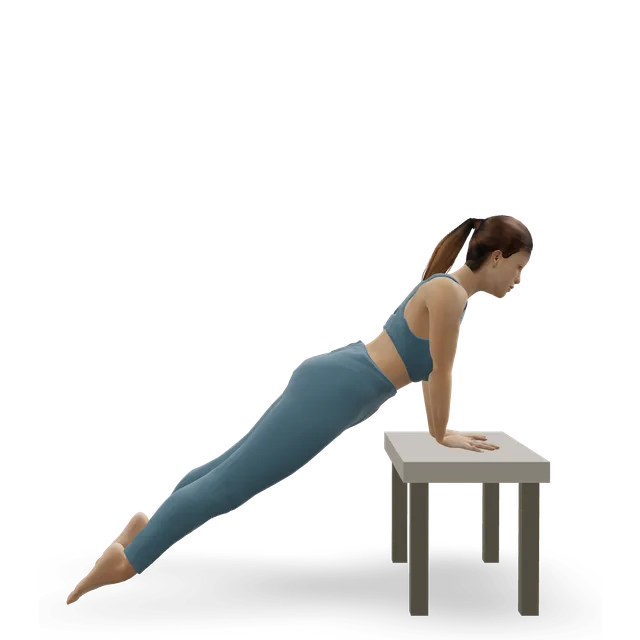
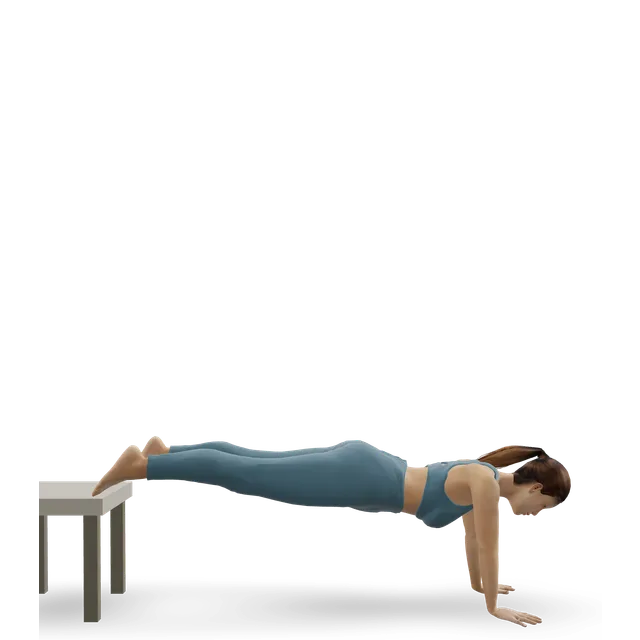
In order: hands close together on a bench or worktop, 2 to 3 sets of 6 to 12 (our arm challenge workout), lowering the surface when every set reaches 12 (our editorial starting point), or with both hands on an upright hexagonal dumbbell, 2 to 3 sets of 6 to 12 with 2 or 3 reps in reserve (the move page's dose); close-grip push-ups on the floor, 2 sets of 6 to 12 (our upper body workout at home) or 2 to 3 sets (our arm challenge); diamonds, 2 sets of 6 to 12 (our dip progression), slowing the lowering to 3 seconds once 3 sets of 12 are easy; then diamonds with your feet raised, 2 to 3 sets of 6 to 10 (our editorial starting point: combine the diamond and feet-elevated push-up demos), and archer push-ups, 3 sets of 3 to 5 each side (our push-up challenge workout). Knee and wall diamonds have no demo of their own: use the knee or wall push-up with your hands together (editorial).

Hand positions compared

Narrow hands work the triceps and chest harder and load the elbows more; wide hands work the serratus anterior more and load the elbows less. The close and wide push-up switches between the two: 2 to 3 sets of 6 to 12 in each hand position, stopping 2 or 3 reps short (the move page's dose). Our push-up guide covers the standard and wide positions.

Your wrists and elbows

Why diamonds can hurt your wristsEmerging evidence

A push-up bends your wrist back under your body weight. In 8 donated wrists tested in a lab, the bent-back position raised pressure in part of the wrist joint compared with a straight-wrist knuckle push-up. No study has measured the diamond's hand position, which often adds an inward angle as well.

Source 9

Wrist swaps, in order

Widen your hands a little, as our move page suggests; put them on a bench to take some weight off; or switch to close-grip push-ups on fists, push-up handles or hexagonal dumbbells, which keep your wrists straight, as our push-up guide says. Our wrist pain from push-ups guide has a staged plan.

The wrist rule

Discomfort up to about 5 out of 10 that settles within about half an hour and is no worse the next morning is acceptable, as our wrist pain from push-ups guide says. Tingling or numbness in your hand is different: stop and see the warning signs below.

Hands together load the elbows moreEmerging evidence

In 9 men, the elbow worked at 71% of its maximal straightening strength with the hands together, against 56% in a normal push-up and 29% with the hands far apart. That's load, not proof of harm: no study has linked diamonds to elbow injuries.

Source 8

Fingers forward, not turned inEmerging evidence

In a lab study, turning the hands inward raised the shearing forces at the elbow. Point your fingers forward or slightly out, and keep the diamond with your thumbs and index fingers rather than by turning your hands in.

Source 16

The elbow rule

Discomfort of about 3 to 4 out of 10 that settles within an hour and is no worse the next morning is acceptable, as our tricep extension guide and triceps tendinopathy guide say. Pain at the point of the elbow that's worse straightening against resistance can be the triceps tendon: move to close-grip push-ups or pushdowns and follow that guide. Tingling in your ring and little fingers comes from the ulnar nerve and is different.

A snapping inner elbowEmerging evidence

One case report describes a soldier whose inner triceps and ulnar nerve began snapping over the elbow after push-ups. It's rare; if you feel a snap at the inner elbow with each rep, stop diamonds and see a GP.

Source 21

A pinch at the front of the shoulder

Widen your hands, keep your elbows brushing your ribs, or skip the diamond, as our move page's caution says. Our shoulder pain on the bench press guide's rule applies: up to about 5 out of 10, back to its usual level by your next session.

How many, and how often

Sets and reps

2 or 3 sets of 6 to 12, stopping 2 or 3 reps short, or 3 or 4 short in your first two weeks, as our plans advise. Our workouts use 2 sets of 6 to 12 (our dip progression and upper body workout at home), 2 to 3 sets of 6 to 12 (our arm challenge) and 5 to 10 as a finisher (our arm workout without weights).

Why stop short of failureStrong evidence

Across 15 studies, stopping a couple of reps short built about as much muscle as going to failure, and in 10 trained men, sets to failure slowed recovery by about a day or two. There's no need to grind out the last rep.

Sources 22, 23

RestEmerging evidence

60 to 90 seconds between sets, as our push-up guide suggests. Across 9 studies, resting more than about a minute gave a small growth advantage, with no clear gain past about 90 seconds.

Source 24

How often

2 or 3 times a week, with a day between hard sessions, as our push-up guide suggests. The NHS asks adults to do strengthening activities on at least 2 days a week. Beyond that, how often you train matters mainly through your weekly sets: once volume was equal, frequency made little difference to strength gains in a review of studies, and 3 or 6 sessions a week gave similar results in 27 trained men.

Sources 25, 26, 27

Counting your weekly setsStrong evidence

More weekly sets build more muscle, with diminishing returns; about 10 or more hard sets a week per muscle gave extra growth. Across 67 studies, counting each set of presses or push-ups as about half a set for the triceps predicted growth best. So count each set of diamonds as a chest set and about half a triceps set.

Sources 11, 10

Moving up

Add reps until every set reaches 12, then slow the lowering to 3 seconds, then move to the harder step, as our plans' progression note says. Keep the full range: across 16 studies, full range built more strength than partial range.

Source 28

Every day?

Easy sets well short of failure are fine if your wrists, elbows and shoulders feel normal the next morning, but hard sets still need recovery between them, as our push-up guide says.

Common mistakes and how to fix them

Elbows flaring out to the sides

It turns the move into a narrow-handed wide push-up and strains the front of your shoulder, as our move page's caution warns. Keep your elbows brushing your ribs; if they can't, move your hands apart into a close grip.

Hands too far forward

Hands under your face shift the load onto your shoulders and trunk: moving the hands changed the muscle activity and forces in lab studies. Keep them under your breastbone.

Sources 1, 29

Hips sagging or piking

The plank goes and your lower back may arch. Go back a step, to a bench or your knees, and squeeze your glutes.

Chin poking towards the floor

It reaches depth with your neck, not your arms. Keep your head in line and let your chest lead.

Short reps

Full range builds more strength than partial range. Raise your hands on a bench rather than cutting the depth.

Source 28

Pushing through wrist or elbow pain

A bent-back wrist raises pressure inside the joint, and hands together load the elbow more. Use the swaps above rather than training through it.

Sources 9, 8

Holding your breath

It raises blood pressure, and in a lab study it raised eye pressure more than breathing out during a bench press. Breathe out as you push up.

Source 30

Diamond push-ups against dips, skull crushers and tricep extensions

Against dips

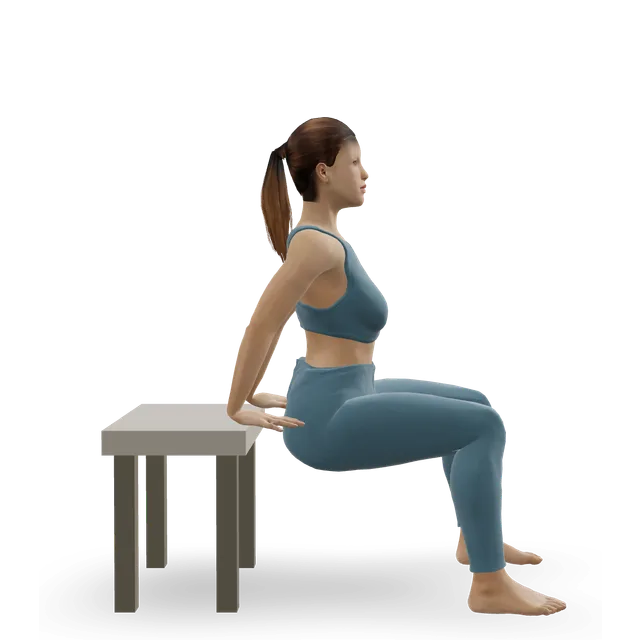
In the ACE study, dips on a bench drew 87% of the diamond's triceps activity. Dips lift more of your weight and take your shoulders further back, which some shoulders dislike; diamonds are the swap our dip progression uses for that. Our dips guide teaches them.

Source 6

Against tricep extensions and skull crushers

The overhead extension drew 76% of the diamond's triceps activity and the lying barbell extension 62%, but in the one growth trial, overhead work grew the triceps more. Use diamonds and an overhead extension together, as our tricep extension and skull crusher guides suggest.

Sources 6, 7

Against the close-grip bench press

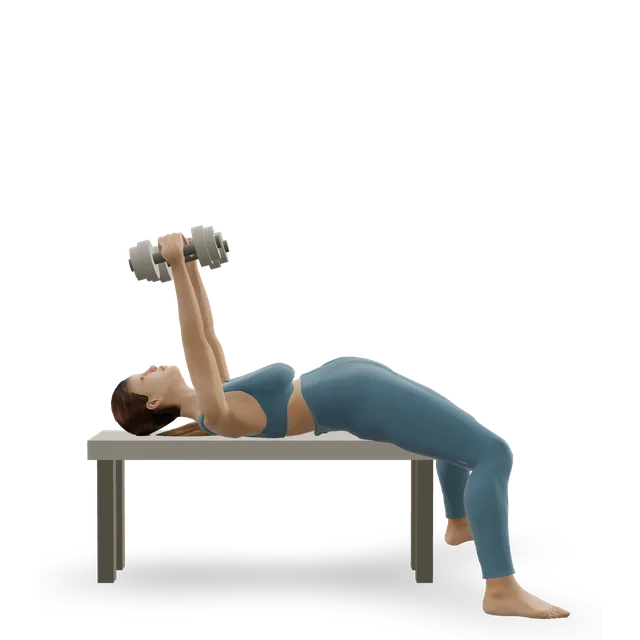
The close-grip bench press drew 62% of the diamond's triceps activity in the ACE study, but it's far easier to load heavily. Push-ups matched to a light bench press built as much muscle as the bench in one trial. Our close-grip bench press guide covers the barbell version.

Sources 6, 19

Against regular and wide push-ups

Diamonds and regular push-ups worked the triceps and chest about equally in the largest study, and both beat wide push-ups. Diamonds feel harder because your elbows bend through a longer lever (our reading), so expect fewer reps.

Source 2

Triceps partners

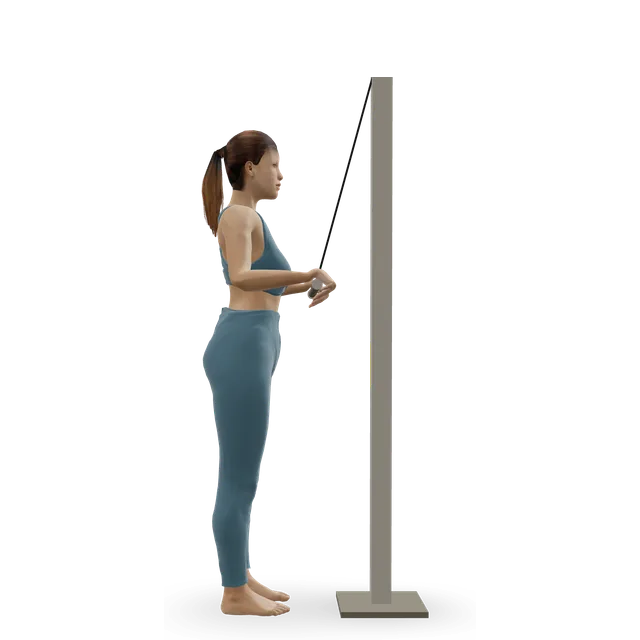
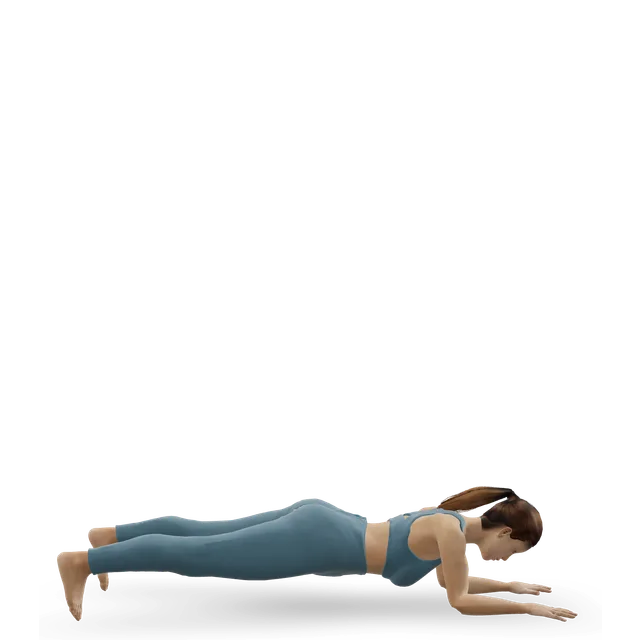
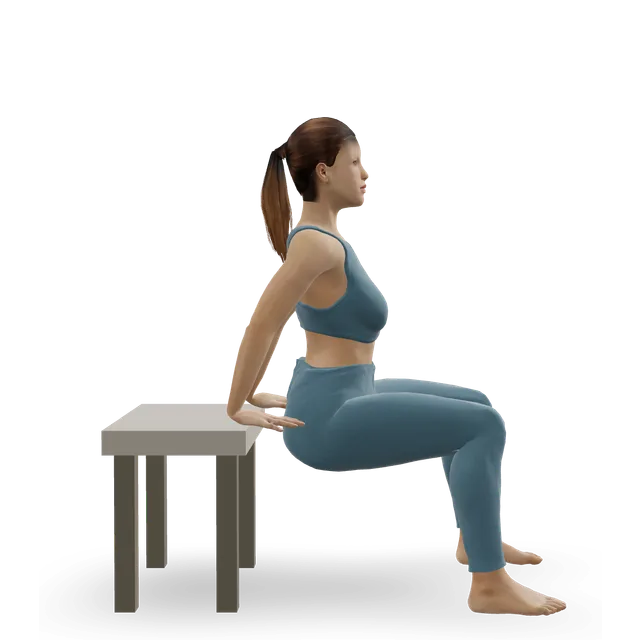
One overhead extension and one other move, as our tricep extension guide suggests: the standing overhead dumbbell extension, 2 rounds of 10 to 12 (our dumbbell upper body workout); the triceps pushdown, 3 sets of 10 to 15 (our push day workout); the dumbbell skull crusher, 2 sets of 10 to 15 (our push day workout B); the body-up, a no-equipment triceps extension from a forearm plank, 2 to 3 sets of 6 to 12 with 2 or 3 reps in reserve (the move page's dose); and bench dips, 3 sets of 8 to 12, keeping the range short at first (our dip progression), skipping them if the front of your shoulder hurts. Each set of push-ups counts as about half a triceps set.

Wrist and shoulder care

Before you start: the wrist and forearm flow, 60 seconds, and wrist rocks, 10 rocks (our push-up challenge and handstand progression), then scapular push-ups, 1 set of 10 at the wall, on your knees or on your toes to match your step (our push-up challenge). To balance your pushing: band rows, 3 sets of 10 to 15, stopping 2 or 3 reps short, 60 to 90 seconds' rest (the move page's dose). Afterwards: the overhead triceps stretch, held 15 to 30 seconds, 2 to 4 times each side (the move page's dose), skipping it with shoulder pain.

Workouts to follow

Our arm workout without weights pairs close-grip push-ups with chin-ups and ends with diamonds; the upper body workout at home uses close-grip push-ups, 2 sets of 6 to 12; the arm challenge workout has a close-grip ladder from the bench to the floor; the dip progression uses diamonds as its triceps move without the dip; the arm workout at home pairs close-grip push-ups with curls; and the tricep workout is the gym session for your triceps.

Plans that use them

The 30-day arm challenge uses the arm challenge workout, and these plans use the upper body workout at home, both with close-grip push-ups.

Who should change it

Sore wrists, elbows or shoulders

Use the swaps and rules above, and move to close-grip push-ups on handles until the joint settles.

Heart failure

The British Heart Foundation advises avoiding exercises that use your whole body as a weight, such as press-ups and planks. Wall push-ups are gentler; ask your heart team.

Source 31

High blood pressure

Breathe out on every push and never hold your breath. The American Heart Association says people with controlled high blood pressure can safely do low to moderate intensity strength training with proper breathing; diamonds are harder than standard push-ups, so ask first while your blood pressure isn't controlled.

Source 32

Pregnancy

If you already do push-ups, ask your midwife as your bump grows, and move to wall or incline push-ups, as our push-up guide suggests. The NHS advises against starting new vigorous exercise in pregnancy, and Tommy's advises not holding your breath and leaving out your heaviest efforts.

Sources 33, 34

After a birth

The NHS advises avoiding planks to start with, and a push-up holds a plank. Bring push-ups back with wall or incline versions, and ask your midwife, GP or a pelvic health physiotherapist when to progress (our reading).

Source 35

Warning signs

Stop and get medical help

If you get chest pain or pressure, feel faint or dizzy, are unusually breathless, or your heart races or beats irregularly during exercise, as our plans advise. The American Heart Association says these need immediate medical evaluation.

Source 32

Call 999 (911 in the US)

For chest pain that doesn't go away, feels tight or like squeezing, or spreads to your arms, neck, jaw, stomach or back, or comes with sweating, feeling sick, light-headedness or breathlessness; severe difficulty breathing; someone who faints while exercising; palpitations that don't go away, or come with chest pain, shortness of breath or feeling faint; or a headache that starts suddenly and is extremely painful. Don't drive yourself to A&E.

Sources 36, 37, 38, 39, 40, 41, 42

Check before you start

If you haven't exercised for some time or have a medical condition, speak to your GP first, as the NHS advises. Get advice before hard pressing if your blood pressure is uncontrolled, or you have heart disease or chest pain when you're active, a pacemaker or defibrillator, diabetic eye disease, glaucoma, a hernia, recent eye or tummy surgery, or you're pregnant, as our breathing guide lists.

Source 25

Your wrist

Contact NHS 111 for severe wrist pain, feeling faint, dizzy or sick from the pain, a snap, grinding or popping noise at the time of an injury, a wrist you can't move or hold things with, one that has changed shape or colour, or lost feeling in your hand. See a GP if wrist pain stops your normal activities, is getting worse or keeps coming back, hasn't improved after 2 weeks, or comes with tingling or loss of feeling.

Source 43

Your elbow and arm

Go to an urgent treatment centre or A&E for severe arm pain that makes it hard to move your arm, a snapping noise or a change of shape after an injury, or an arm that tingles or feels numb. A pop at the back of the elbow during a push, then sudden pain, swelling, bruising or weakness straightening your arm, needs the same without waiting: the NHS says sudden, severe pain during an activity, sometimes with a popping or snapping sound, may be a torn tendon. See a GP for elbow or arm pain that doesn't go away after a few weeks.

Sources 44, 45

Your shoulder

Ask for an urgent GP appointment or get help from NHS 111 for sudden or very bad shoulder pain, an arm you can't move, a shoulder that has changed shape or is badly swollen, pins and needles that don't go away, or no feeling in your arm or shoulder. See a GP if shoulder pain is getting worse or doesn't improve after 2 weeks.

Source 46

Very sore, swollen or weak arms, or dark urine

After a big session, get medical help the same day (NHS 111, or urgent care in the US). Severe exertion can break down muscle (rhabdomyolysis), with dark, red or cola-coloured urine; it has followed a push-up-heavy boot camp, and 250 push-ups in a contest led to compartment syndrome in both arms, needing surgery (the man had also used cocaine the night before). Sudden, severe pain in a limb is a 999 or A&E call.

Sources 47, 48, 49, 50
Myths

"Diamond push-ups ruin your wrists and elbows"Emerging evidence

Overstated. They do load the elbows more than a normal push-up, 71% of maximal elbow-straightening strength against 56%, and every flat-handed push-up bends the wrist back, which raised pressure inside the wrist in a lab study. But no study has linked diamonds to injury: the evidence is about load, not harm. Use a dose you recover from, follow the wrist and elbow rules, and move your hands apart if your elbows ache.

Sources 8, 9

"Diamond push-ups are the best triceps exercise"Emerging evidence

They topped one muscle activity ranking of eight exercises in 15 women, an ACE-funded study, but activity doesn't predict growth, and in the one 12-week growth trial an overhead extension grew the triceps more than arm-at-your-side work.

Sources 6, 5, 7

"Wide push-ups are for the chest, narrow ones for the triceps"Emerging evidence

Narrow hands worked the triceps harder than wide hands in every study that compared them, and the chest harder in four of five; wide hands worked the serratus anterior more.

Sources 2, 3, 4, 1, 15

"Diamond push-ups build the inner chest"Emerging evidence

There's no separate inner-chest muscle, and no study has measured an inner part. Narrow hands raised chest activity overall, and the upper part in one small study.

Sources 2, 3, 1

"You need to do hundreds of push-ups a day"Emerging evidence

More hard sets build more muscle only up to a point, stopping 2 or 3 reps short works about as well as failure, and 3 or 6 sessions a week gave similar results in 27 men. Very high daily volumes have caused rare, serious harm: a collarbone stress fracture after hundreds of push-ups a day for over 4 months, muscle breakdown in both triceps after a boot camp, and compartment syndrome in both arms after a push-up contest (the man had also used cocaine). A few hard sets, 2 or 3 times a week, do more.

Sources 11, 22, 27, 51, 48, 49

"Harder-looking push-ups build more muscle"Emerging evidence

Across 137 reviews, exercise choice and complexity didn't consistently change strength or growth. What matters is a version hard enough for 6 to 12 reps, taken close to, but not to, failure.

Source 10

Questions people ask

What muscles do diamond push-ups work?

Mainly your triceps and chest, with the front of your shoulders and your trunk helping. In a study of 20 men, the triceps worked harder than the chest in every hand position, and diamonds drew the most activity of the three tested. Activity over a few reps shows effort, though, not how much a muscle will grow.

Are diamond push-ups better than regular push-ups?

Not clearly. In the largest study, diamonds drew a little more triceps and chest activity than regular push-ups, but not significantly more, while two smaller studies found narrow hands worked harder. No training trial has compared them, so use whichever you can do well for 6 to 12 reps.

Are diamond and close-grip push-ups the same?

Close relatives. Close-grip push-ups keep your hands under your shoulders or a little closer with your elbows by your ribs; diamonds bring your hands together. Both work the triceps and chest hard, and by our reading of a lab study the diamond loads your elbows a little more.

Why do diamond push-ups hurt my wrists?

Any flat-handed push-up bends your wrist back under your body weight, which raised pressure inside the wrist in a lab study, and bringing your hands together can add an awkward angle. Widen your hands a little, put them on a bench, or do close-grip push-ups on fists or handles. Keep discomfort to about 5 out of 10, settling within half an hour.

Are diamond push-ups bad for your elbows?

They load the elbows more than a normal push-up: in 9 men, 71% of maximal elbow-straightening strength with the hands together against 56% normally. That's load, not damage. If your elbows ache, move your hands apart into a close-grip push-up and keep discomfort to about 3 to 4 out of 10, settled within an hour.

Should my elbows be in or out in a diamond push-up?

In, brushing back past your ribs, as our move page teaches. Flaring them out turns it into a narrow-handed wide push-up and strains the front of your shoulder. Keep your fingers forward or slightly out, because turning your hands in raised the shearing forces at the elbow in a lab study.

How do I make diamond push-ups easier?

Put your hands close together on a bench or worktop, or do close-grip push-ups on the floor first. Knee and wall diamonds work too, though we don't have demos of them. Move on to floor diamonds when you can do 3 sets of 12 at the step before.

How many diamond push-ups should I do?

2 or 3 sets of 6 to 12, stopping 2 or 3 reps short, 2 or 3 times a week. Count each set as about half a triceps set towards the 10 or so hard sets a week that build more muscle. There are no norms for how many diamonds people should manage.

Are diamond push-ups better than dips or tricep extensions?

In one ACE-funded study of 15 women, diamonds drew the most triceps activity of eight exercises, with bench dips at 87% of it and overhead extensions at 76%. But activity doesn't predict growth, and in a 12-week trial an overhead extension grew the triceps more than arm-at-your-side work. Use diamonds and an overhead extension together.

Do diamond push-ups work the upper or inner chest?

There's no separate inner-chest muscle. Narrow hands raised chest activity overall in several studies, and the upper part more than a standard push-up in one small study of 8 people. No study has shown they grow one part of the chest more.

Why are diamond push-ups so hard?

With your hands together, your elbows work through a longer lever, so your triceps do more of the pushing (our reading of a lab study of elbow loads). Most people manage fewer diamonds than standard push-ups, so start at the step where you get 6 to 12 clean reps.

Can I do diamond push-ups every day?

Easy sets well short of failure are fine if your wrists, elbows and shoulders feel normal the next morning. Hard sets need a day or two of recovery: going to failure slowed recovery by about a day or two in one study.

Sources

  1. Marcolin 2015 · Shoulder, trunk and arm muscle activity in push-up variations in 8 trained students (EMG study, J Athl Train)
  2. Intziegianni 2026 · Chest and triceps activity in standard, diamond and wide push-ups in 20 men (EMG study, Muscles)
  3. Kim 2016 · Hand width and muscle activity in the push-up in 12 men (EMG study, J Phys Ther Sci)
  4. Cogley 2005 · Hand position and muscle activity in the push-up in 40 adults (EMG study, JSCR)
  5. Vigotsky 2022 · Muscle activity measured in one session is not a validated predictor of muscle growth (review, Sports Med)
  6. Boehler 2011 · Eight triceps exercises compared in 15 women with lifting experience (ACE-funded muscle activity study, not peer reviewed, ACE Certified News)
  7. Maeo 2023 · Triceps extensions overhead against with the arm at the side for 12 weeks in 21 adults, measured by MRI (within-person trial, Eur J Sport Sci)
  8. Donkers 1993 · Hand position and elbow load in the push-up in 9 men (lab study, J Biomech)
  9. Daly 2018 · Wrist joint pressures in two push-up positions, in 8 donated wrists (lab study, J Hand Surg Am)
  10. Currier 2026 · Resistance training for strength, muscle and performance in healthy adults: an overview of 137 reviews (ACSM position stand, Med Sci Sports Exerc)
  11. Pelland 2026 · Weekly sets and training frequency against muscle growth and strength: 67 studies, 2,058 people (meta-regression, Sports Med)
  12. Alizadeh 2020 · Push-up and bench press reps and muscle activity in 20 trained men and women (crossover study, J Sports Sci Med)
  13. Mier 2014 · Share of body weight on the hands in push-ups in 37 men and women (lab study, Int J Exerc Sci)
  14. Ebben 2011 · Forces in six push-up variations in 23 adults (lab study, JSCR)
  15. Youdas 2010 · Muscle activity in the conventional push-up and with Perfect Pushup handles in 20 adults (EMG study, JSCR)
  16. Lou 2001 · Elbow load in push-ups with the hands turned in or out (lab study, Clin Biomech)
  17. Kotarsky 2018 · Progressive push-ups vs bench press for strength and muscle in 23 men (randomised trial, JSCR)
  18. Calatayud 2015 · Band push-ups vs bench press at matched muscle activity in 30 lifters (randomised trial, JSCR)
  19. Kikuchi 2017 · Light bench press vs load-matched push-ups for muscle and strength in 18 men (randomised trial, J Exerc Sci Fit)
  20. Allen 2013 · Upper-body muscle activity in push-up variations, with and without handles, in 18 men (EMG study, Int J Exerc Sci)
  21. Lim 2022 · A snapping triceps and a slipping ulnar nerve after push-ups in one soldier (case report, Malays Orthop J)
  22. Refalo 2023 · How close to failure to train for muscle growth: 15 studies (systematic review and meta-analysis, Sports Med)
  23. Morán-Navarro 2017 · Recovery after sets taken to failure or not, in 10 trained men (crossover study, Eur J Appl Physiol)
  24. Singer 2024 · Rest between sets and muscle growth: 9 studies (systematic review with Bayesian meta-analysis, Front Sports Act Living)
  25. NHS · Physical activity guidelines for adults aged 19 to 64
  26. Grgic 2018 · Training frequency and strength gains (systematic review and meta-analysis, Sports Med)
  27. Saric 2019 · Training 3 or 6 times a week in 27 trained men (randomised trial, JSCR)
  28. Pallarés 2021 · Full vs partial range of movement in strength training: 16 studies (systematic review and meta-analysis, Scand J Med Sci Sports)
  29. Gouvali 2005 · Forces and muscle activity in push-up variations in 8 men (lab study, JSCR)
  30. Vieira 2006 · Eye pressure during the bench press, holding the breath or breathing out (lab study, Arch Ophthalmol)
  31. British Heart Foundation 2026 · Exercise for heart failure: tips for exercising safely
  32. Paluch 2024 · Resistance exercise training with and without cardiovascular disease: 2023 update (American Heart Association scientific statement, Circulation)
  33. NHS · Exercise in pregnancy
  34. Tommy's · Strength training and weight lifting in pregnancy
  35. NHS · Your post-pregnancy body
  36. NHS · Chest pain (past its review date: reviewed August 2023, review due August 2026)
  37. NHS · Heart attack
  38. NHS · Shortness of breath
  39. NHS · Fainting
  40. NHS · Heart palpitations
  41. NHS · Headaches
  42. NHS · Subarachnoid haemorrhage
  43. NHS · Wrist pain
  44. NHS · Elbow and arm pain
  45. NHS · Tendonitis (past its review date: reviewed June 2023, review due June 2026)
  46. NHS · Shoulder pain (past its review date: reviewed May 2023, review due May 2026)
  47. MedlinePlus (US National Library of Medicine) · Rhabdomyolysis
  48. Buyle 2024 · Muscle breakdown in both triceps after a boot camp in one woman (case report, Radiol Case Rep)
  49. Schiffman 2019 · Compartment syndrome in both arms after a push-up contest in one man (case report, J Am Acad Orthop Surg Glob Res Rev)
  50. NHS · Compartment syndrome
  51. Ohnishi 2026 · A collarbone stress fracture after excessive daily push-ups in one man (case report, J Rural Med)

Exercise education, not a personal prescription, and clinical review of these guides is pending. Check with a GP before starting hard training if you have a heart condition, chest pain, dizziness or breathlessness when active, and stop for sharp or increasing pain. Health disclaimer.