Training guide

How to build muscle at home: with no equipment, with dumbbells or bands, how hard and how often

You can build muscle at home with no equipment at all. Muscle grows when sets are taken close to failure, with light loads as well as heavy ones, and reviews of the evidence find that home, band and bodyweight training all work. The catch is keeping it hard: once 20 squats feel easy, doing 40 more isn't the answer; a harder version is.

This guide explains why light loads work, how to make body weight heavier (harder versions, one leg at a time, slower lowering), the missing pull and how to fix it, what bands and dumbbells add, how hard to go, how many sets and how often, how long it takes, and the free home plans and workouts that put it into a week.

The short version

Home training builds muscle

In the American College of Sports Medicine's 2026 overview of 137 reviews, home-based, elastic band and circuit training all improved strength, band and circuit training improved muscle size, and the type of equipment made no consistent difference.

Source 1

Light loads work when the sets are hard

Across 28 studies of 747 adults, light (more than 15 reps), moderate and heavy loads taken to failure built similar muscle; heavy loads built more maximal strength. In 49 trained men, sets of 20 to 25 built as much muscle as sets of 8 to 12.

Sources 3, 2, 4

"Hard" is the catch at home

In two small studies, one of them non-randomised, bodyweight sessions done to near failure grew thigh muscle in untrained middle-aged and older adults, while easy, fixed-rep home sessions improved fitness but didn't grow muscle. Stop 1 to 3 reps short, and move to a harder version once a move passes about 20 reps.

Sources 6, 7, 8, 9

Make your body weight heavier

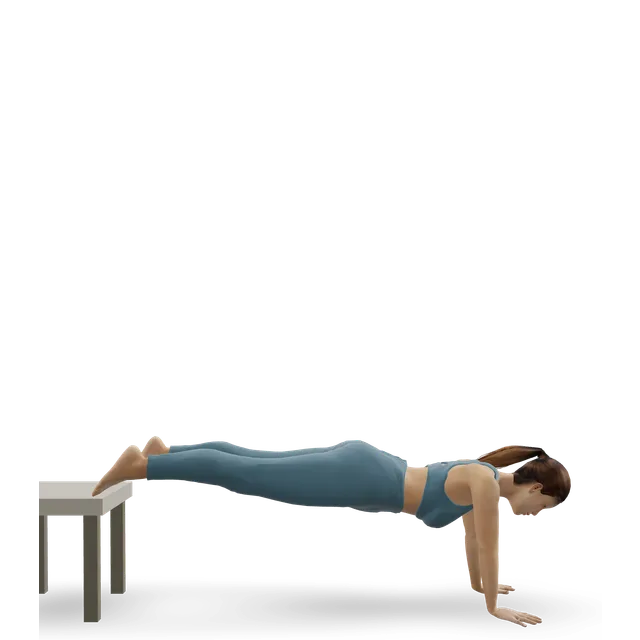
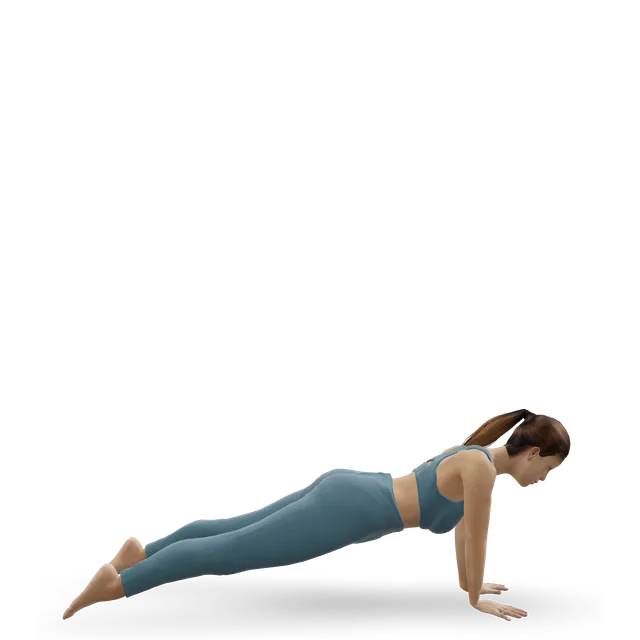
Use harder versions (feet-raised push-ups put about 74% of body weight on the hands, against 64% for a floor push-up), one leg at a time, slower lowering, and a loaded backpack or a pair of dumbbells.

Source 11

Do enough sets, and add a pull

Build towards about 10 hard sets per muscle a week, with about 4 as a floor when time is short, over 2 or 3 full-body sessions. Bodyweight sessions are mostly pushing, so add band rows, inverted rows or chin-ups.

Sources 1, 10, 15

Bands and dumbbells widen your options

Band training gave similar strength gains to weights and machines across 8 studies, and an adjustable pair of dumbbells makes adding load simple. Protein, food and sleep are the same as in a gym: our build muscle guide covers them.

Source 17

What the evidence says

Resistance training works whatever provides the resistanceStrong evidence

The 2026 position stand pooled 137 reviews of more than 30,000 people. Compared with no training, strength improved with standard, circuit, elastic band and home-based training, and muscle size with standard, circuit and band training. Training to failure, free weights against machines and set structure made no consistent difference. Bodyweight training on its own wasn't studied as a separate method, apart from the Nordic curl.

Source 1

Light and heavy loads build similar muscleStrong evidence

In 21 studies, light and heavy loads taken to failure built similar muscle, while heavy loads built more maximal strength. A network meta-analysis of 28 studies and 747 adults agreed: the difference in muscle growth between heavy and light loads was small and not significant, while heavy loads clearly won for one-rep strength.

Sources 2, 3

High reps, near failureEmerging evidence

In 49 trained men over 12 weeks, sets of 20 to 25 at 30 to 50% of their maximum built as much lean mass and fibre size as sets of 8 to 12, all to failure. In 18 untrained men, light loads to failure grew the thigh 6.8% in 10 weeks, against 7.2% with heavy loads.

Sources 4, 5

Bodyweight training grew muscleEmerging evidence

In untrained adults aged 30 to 64, a supervised bodyweight circuit to near failure twice a week for 8 weeks grew the thigh muscle by about 4% (a non-randomised trial; free weights grew it a little more and raised knee strength more). In adults over 65, low-load bodyweight training twice a week for 12 weeks grew the front of the thigh by about 10% with 3 sets and 5% with 1 set; those were the placebo groups of trials funded by a supplement maker.

Sources 6, 7

Easy home sessions didn't grow muscleEmerging evidence

In 39 middle-aged adults, online home training of 2 or 3 sets of 10 to 15 twice a week for 8 weeks raised fitness tests but didn't change thigh size. In 16 older adults, 4 sets of 35 chair squats 3 times a week for 12 weeks improved chair stands but not thigh thickness or knee strength. Both studies were small, and neither had a separate control group.

Sources 8, 9

Push-ups match a light bench pressEmerging evidence

In 18 young men, push-ups to near failure grew the chest and triceps as much as a light bench press over 8 weeks.

Source 12

BandsEmerging evidence

Across 8 studies, band training gave similar strength gains to weights and machines in the arms and legs, though the studies were of low quality. In 477 older adults, bands improved function tests, but pooled fat-free mass didn't change, with very low certainty.

Sources 17, 18

Enough sets, spread how you likeStrong evidence

Each extra weekly set added a little more growth, with diminishing returns, and 10 or more sets per muscle a week tended to do best. Training a muscle once, twice or three times a week built similar muscle when the weekly sets matched, as did 3 or 6 days a week.

Sources 13, 14, 15, 16

Supervision helps a littleEmerging evidence

In healthy older adults, home exercise raised strength a little across 17 trials. Programmes with supervision built somewhat more strength than fully unsupervised ones, with similar attendance and no serious harm. These trials were in older adults.

Sources 21, 19, 20

What nobody has testedMixed evidence

We found no trial comparing a full home bodyweight programme with a gym programme for muscle over months in young adults. The closest is one 8-week non-randomised trial in untrained middle-aged adults.

Source 6

How to build muscle without weights: the rules

Cover the patterns

A squat or lunge, a hinge or bridge, a push, a pull and a core move in each session, as our home workouts do. A review of time-efficient training names a leg move, an upper-body pull and an upper-body push as the minimum.

Source 10

Start gently

Two sets of each move with 3 or 4 reps to spare for your first 2 weeks, as our plans advise, while you learn the moves.

Then make the sets hard

Three sets, stopping 1 to 3 reps short of failure: 2 or 3 on the big moves, and 0 to 2 on the last set of small moves, as our plans say. Going all the way to failure isn't needed, but muscle growth does improve as sets end closer to it, and people misjudge the reps they have left more in long sets, so be honest with high-rep bodyweight sets.

Sources 22, 23, 24

Reps

Most sets of 6 to 20. Sets of 15 to 40 still build muscle when taken to failure, but once a move passes about 20 reps with reps to spare, make it harder rather than doing more (our editorial rule, as our 3-day home plan does).

Source 10

Make it harder in this order

Add reps; slow the lowering to 3 seconds; pause at the hardest point; move to the harder version; then add load with a backpack, dumbbells or a stronger band (our plans' progression for body weight, with the pause and backpack as our editorial additions).

Enough sets

About 4 hard sets per muscle a week is a floor for busy people; build towards about 10 or more over the months. Two full-body sessions a week meet the health guideline; three build more.

Sources 10, 1

Rest

Ninety seconds to 2 minutes between sets of the big moves and 60 to 90 seconds on small ones. To save time, pair a push with a pull and rest after the pair, as our plans suggest.

Source 25

Write it down

Note the version, the reps and how many you had left for every set, so you know what to beat next time.

Body weight that stays hard: the ladders

Each step is a move with a 3D demo below; move up a step when every set reaches the top of its range.

Push

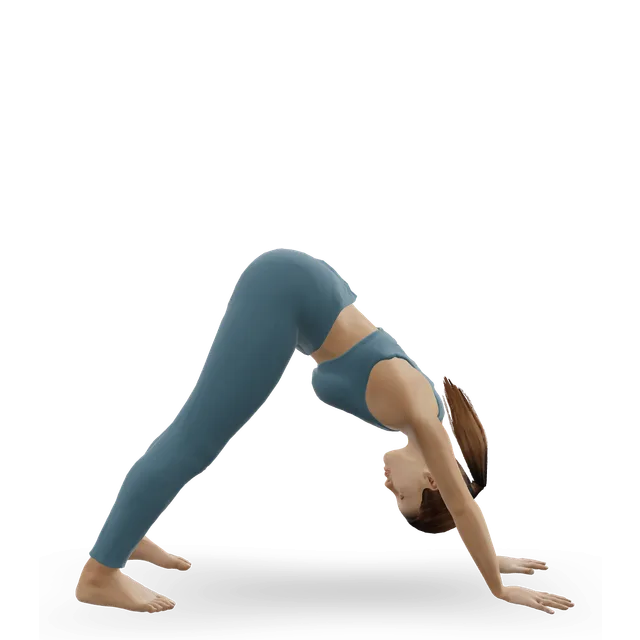
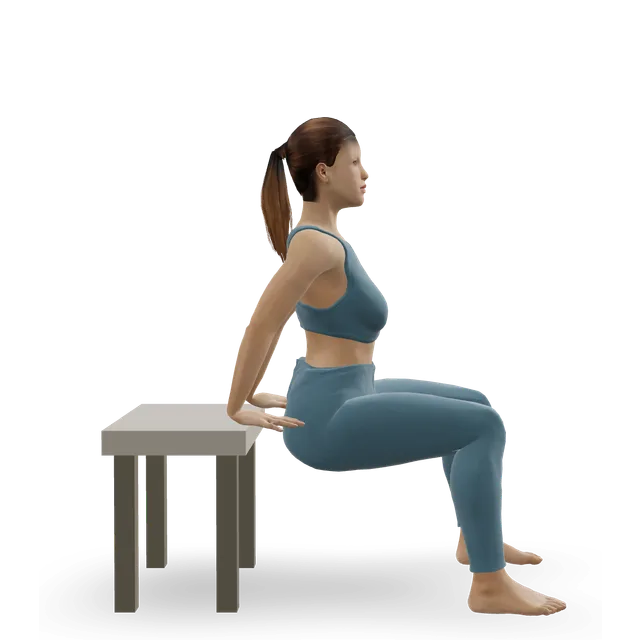
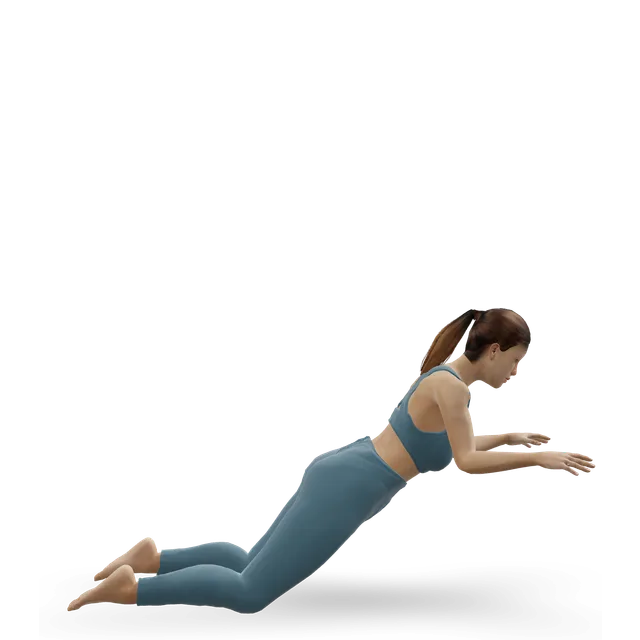
Incline, then floor, then feet-raised, then archer push-ups; pike push-ups for the shoulders; close-grip push-ups and bench dips for the triceps.

Pull

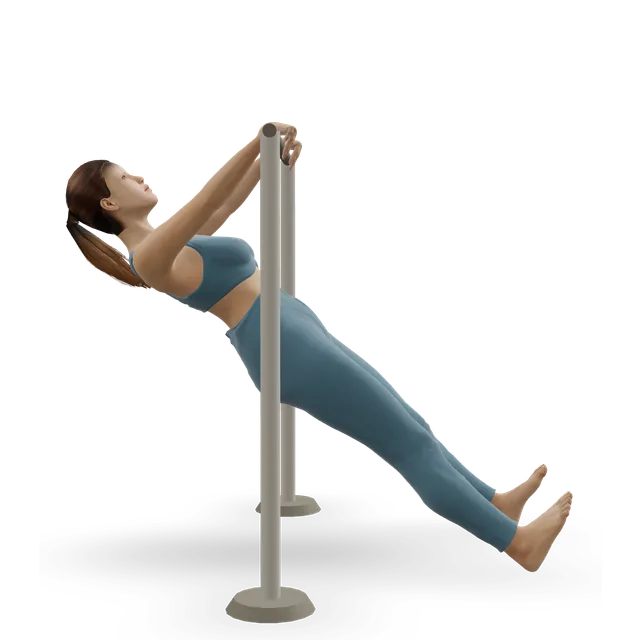
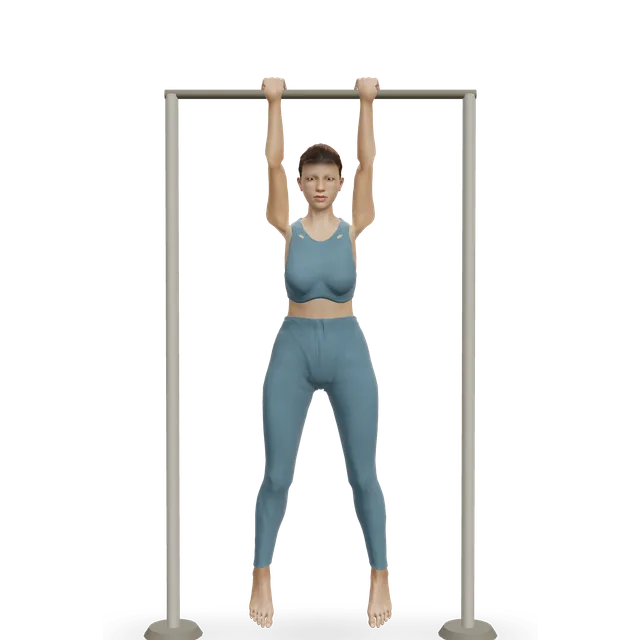
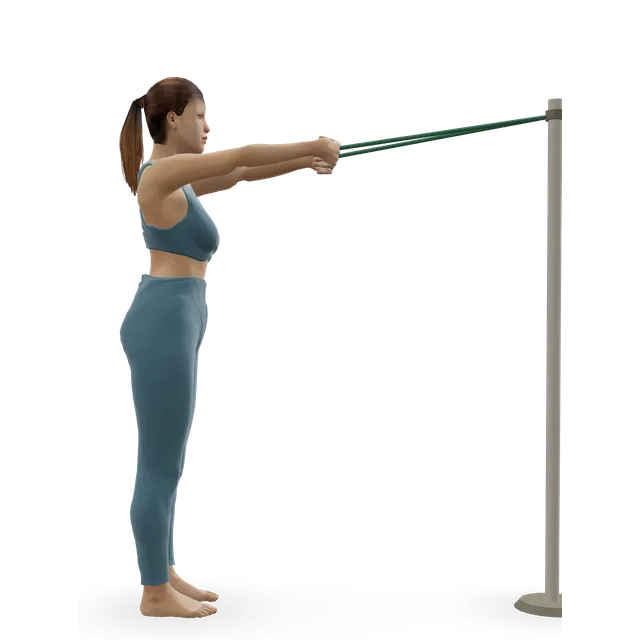
Band rows, then inverted rows with bent knees, then with a straight body, then slow negative pull-ups, chin-ups and pull-ups if you have a bar, as our full-body calisthenics workout's pull ladder does.

Legs

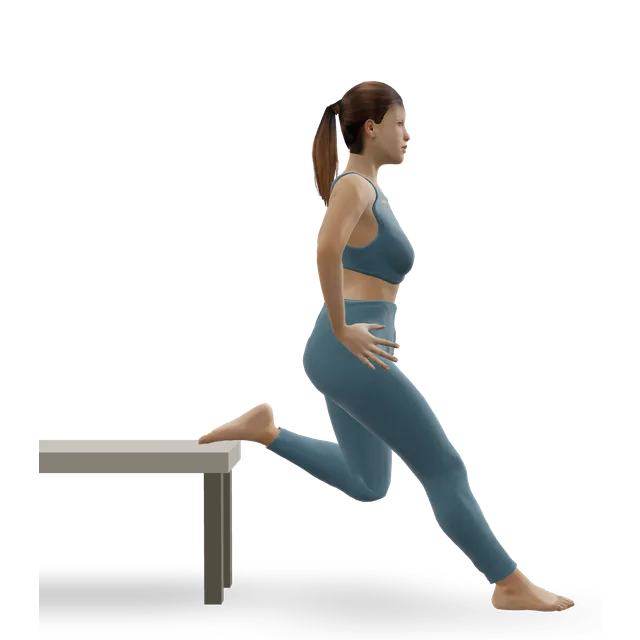
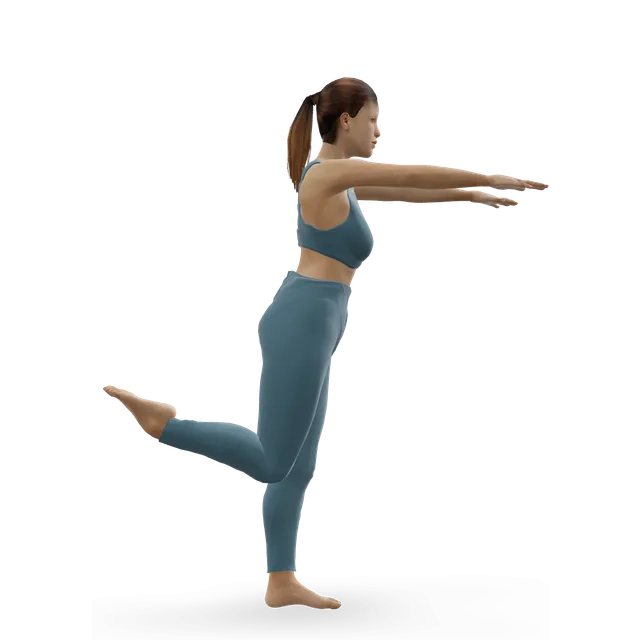
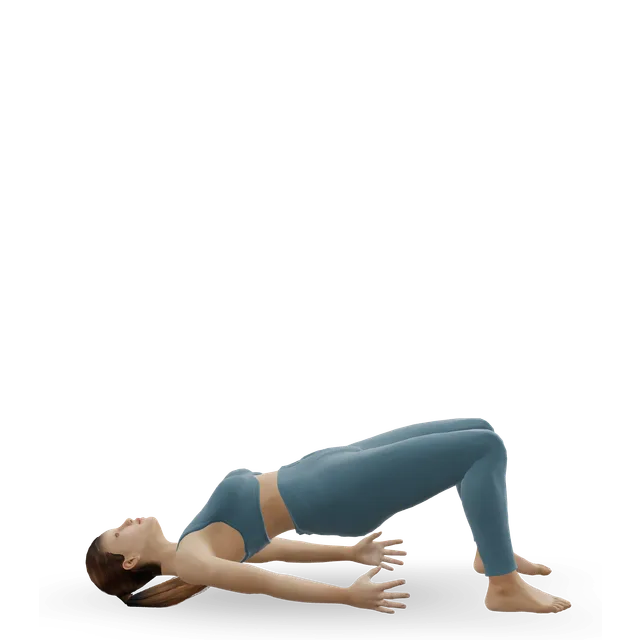
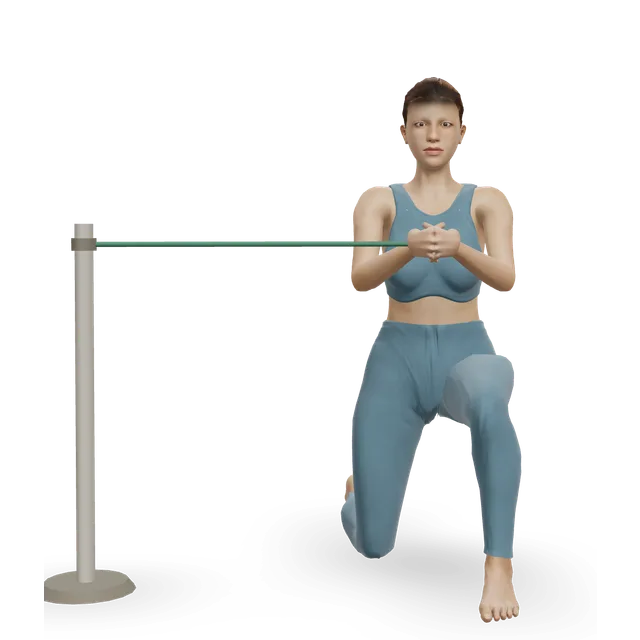
Bodyweight squats, then split squats, then Bulgarian split squats, then skater squats, as our calisthenics workout's squat ladder does, with step-ups alongside. For the hamstrings: single-leg bridges, slider curls, then Nordic curls; add single-leg Romanian deadlifts for the hinge (our suggestion).

Calves

Single-leg calf raises from a step, holding a dumbbell when 15 is easy.

Your first week of home training, step by step

Our editorial starting point, built on our plans' notes on starting weight, effort and progression and on our 3-day home workout plan.

  1. Choose your set-up: nothing at all, a band, or dumbbells with a band for pulling.
  2. Plan 3 full-body sessions a week with a day between, or 2 if that's what you'll keep.
  3. Warm up for 3 to 5 minutes, then do a lighter set of your first move.
  4. In each session, do one push, one pull, one squat or lunge, one hinge or bridge and one core move.
  5. Find the step of each move where you can do 8 to 15 good reps with 3 or 4 to spare. In a split squat, step one foot well forward, lower your back knee towards the floor with your front heel down, and press back up through your front foot.
  6. Do 2 sets of each this week, resting 60 to 90 seconds, and write down the step and the reps.
  7. From week 3, do 3 sets, stopping 1 to 3 reps short, and add reps; past about 20, slow the lowering, then move up a step.

Loading the 3D figure…

Gets into position, then repeats the movement. Technical checks passed; qualified exercise review is pending.

The movement on the figure: Split squat

No equipment: the bodyweight moves

Pick one move per pattern at the step where you stop 1 to 3 reps short within the range; our full-body calisthenics, lower body and upper body home workouts give the sets and reps.

With a band or dumbbells

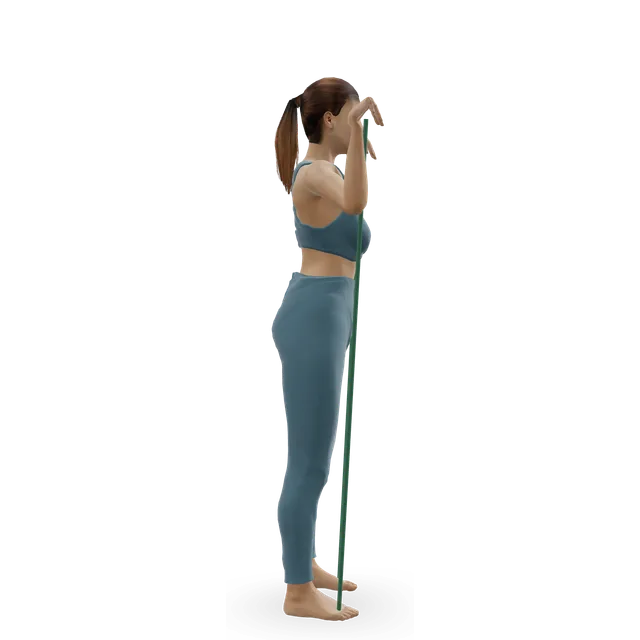
A band with a door anchor gives you a pull, and adjustable dumbbells make adding load simple. The band row's move page gives 3 sets of 10 to 15, stopping 2 to 3 reps short of failure, with 60 to 90 seconds' rest, as its editorial starting point.

What to buy, if anything

Nothing, to start

A chair, a wall, a step and a towel on a smooth floor cover every pattern except a pull, as our beginner workout plan shows.

A resistance band

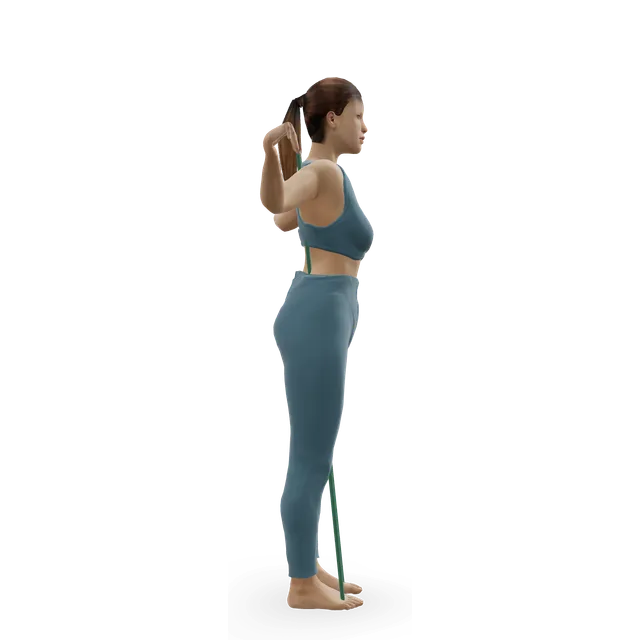
A band set with a door anchor adds rows, face pulls, presses and a Pallof press. Anchor it in a closed door on the hinge side, never a handle that can open, and check it for nicks before each session.

Adjustable dumbbells

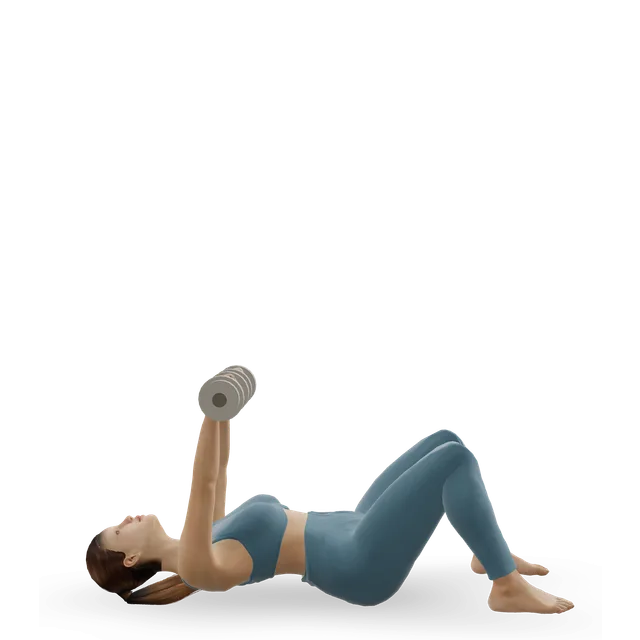
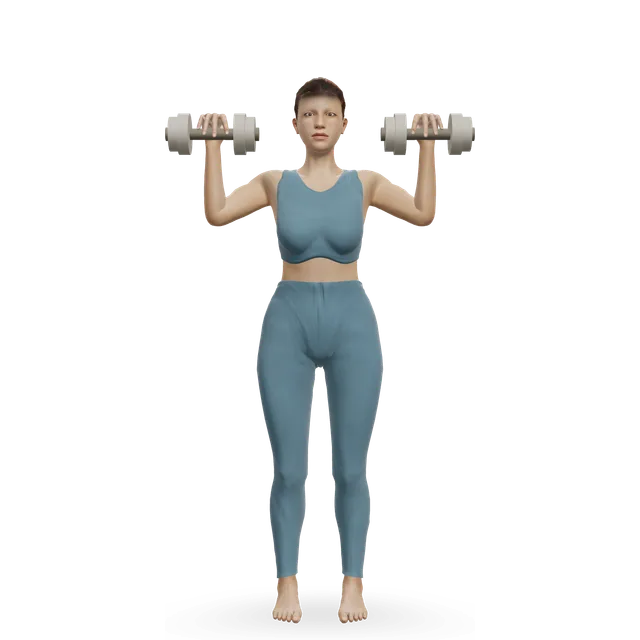
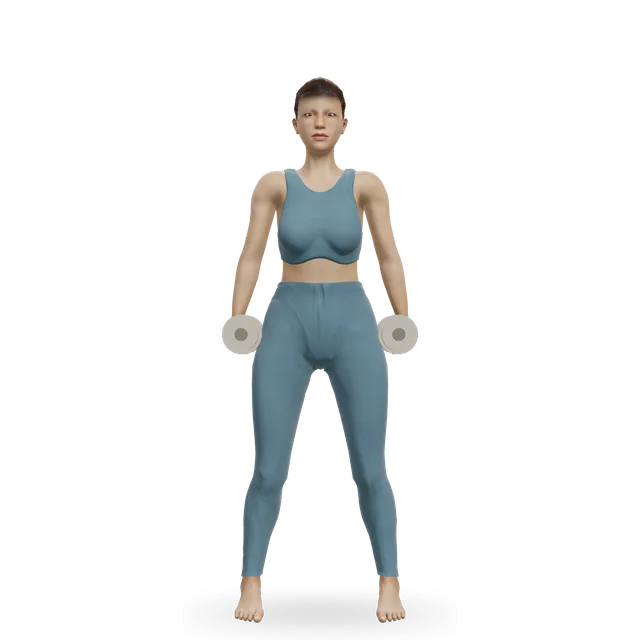
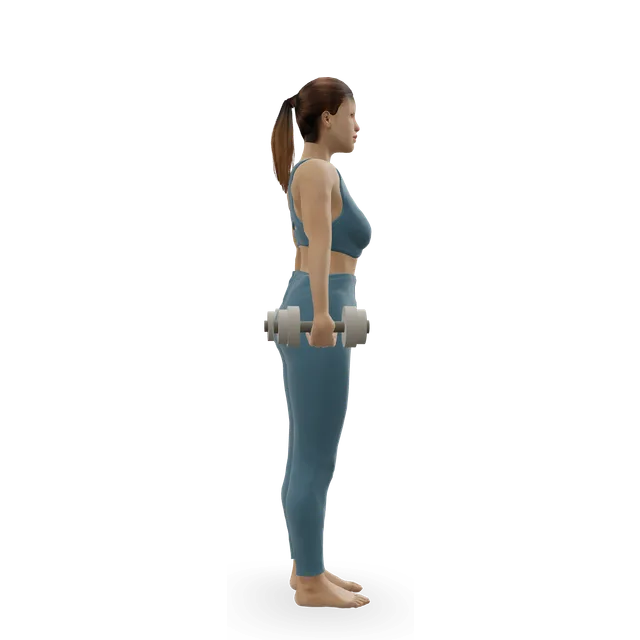
One adjustable pair covers light raises up to heavier squats and deadlifts, as our 3-day home workout plan says. With no bench, press from the floor and row with one hand on a sturdy chair.

A pull-up bar

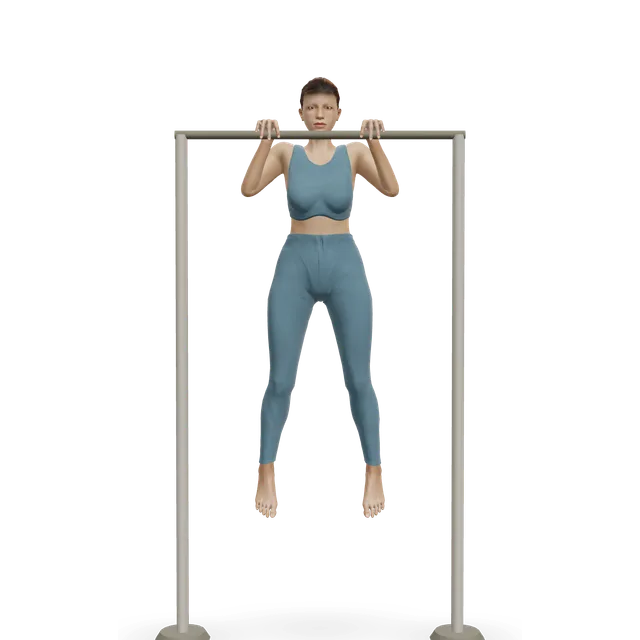
A doorway or wall-mounted bar adds chin-ups, pull-ups and hanging core moves. Test it before you hang from it.

Plans for building muscle at home

The 3-day home workout plan is the best fit, with a dumbbell track and a no-equipment track. The beginner plan suits your first month, and the calisthenics plan builds bodyweight skills over 12 weeks.

3 days a week

3-day home workout plan

Three full-body home workouts a week with dumbbells or no equipment at all, plus walks and an 8-week plan to keep progressing.

3 training days35 minBeginner
2 days a week

Beginner workout plan at home: short sessions, no equipment needed

Your first four weeks: two, then three short strength sessions a week at home plus walks, building gently to a full routine.

2 training days20 minBeginner
3 days a week

Calisthenics workout plan for beginners

A 12-week calisthenics plan for beginners: three bodyweight sessions a week with push-up, pull-up, squat and dip ladders, and a bar if you have one.

3 training days40 minBeginner
3 days a week

Resistance band workout plan: 3 full-body sessions a week, at home or away

An 8-week resistance band workout plan: three full-body sessions a week at home or away, with how to choose bands, add tension and anchor them safely.

3 training days35 minBeginner
4 days a week

Dumbbell workout plan: 4-day upper/lower split

A 4-day dumbbell-only plan for home or gym: two upper and two lower days, every set, rep and rest, and how to keep progressing when the dumbbells max out.

4 training days45 minBeginner
2 days a week

2-day full-body workout plan

Two full-body strength sessions a week: the minimum that meets health guidelines, with every set, rep and rest, and an 8-week progression.

2 training days45 minBeginner
3 days a week

4-week workout plan for beginners: three full-body sessions a week, gym or home

A 4-week workout plan for beginners and anyone coming back: three full-body sessions a week, gym or home, short walks, and what to do in week 5.

3 training days45 minBeginner

Workouts to follow

No equipment: the bodyweight, calisthenics and home workouts. With a band or dumbbells: the band and dumbbell workouts. Our 20-minute strength workout covers every pattern when time is short.

Beginner bodyweight workout

A 20-minute full-body workout with no equipment: squats, knee push-ups, bridges, lunges and planks.

20 minBeginner10 movesNo equipment

Beginner home workout

A gentle 20-minute beginner home workout with a chair, a wall and a band: sit-to-stands, wall push-ups, band rows, step-ups and dead bugs.

20 minBeginner11 movesA bench or box, A wall

Full-body bodyweight workout

An intermediate no-equipment workout: push-ups, split squats, single-leg bridges, pike push-ups and core work.

30 minIntermediate11 movesNo equipment

Full-body calisthenics workout

A full-body calisthenics workout with a ladder for every move: rows to pull-ups, push-ups, split squats to skater squats, dips, hamstring curls and knee raises.

45 minBeginner11 movesPull-up bar

Upper body workout at home

An upper body workout at home with no gym: push-ups, band rows, pike push-ups, face pulls, close-grip push-ups and Y-T-W raises, with dumbbell options.

30 minIntermediate13 movesA band, An anchor point

Lower body workout at home

A lower body workout at home: split squats, slider hamstring curls, single-leg bridges, step-ups, band walks and calf raises, with dumbbell options.

30 minIntermediate12 movesA wall, A step

Arm workout without weights: chin-ups, rows, close-grip push-ups and dips

A 30-minute bodyweight arm workout: chin-ups and rows for the biceps, close-grip push-ups and dips for the triceps, and a bar hang for your grip.

30 minIntermediate8 movesPull-up bar, A bench or box

Resistance band workout

A full-body resistance band workout: squats, rows, push-ups, presses, pull-aparts, band walks, good mornings and flyes.

30 minBeginner9 movesA band, An anchor point

Resistance band workout B: rows, push-ups, split squats and hip hinges

A 35-minute full-body band workout: rows and push-ups, split squats and an anchored hip hinge, then bridges, face pulls, raises, triceps and a Pallof press.

35 minBeginner15 movesA wall, A band

Full-body dumbbell workout

A 35-minute full-body strength workout with dumbbells: goblet squats, presses, rows, Romanian deadlifts and carries.

35 minIntermediate9 movesA band, A dumbbell

Full-body dumbbell workout B

Home dumbbell workout B: reverse lunges, push-ups, bent-over rows, single-leg glute bridges, lateral raises and side planks.

35 minIntermediate11 movesA wall, A dumbbell

Dumbbell leg workout B: single-leg and hinge

Dumbbell leg workout B: Bulgarian split squats, single-leg Romanian deadlifts, slider curls, single-leg bridges, calf raises and suitcase carries.

45 minIntermediate12 movesA bench or box, A dumbbell

20-minute full-body strength workout

A 20-minute full-body dumbbell workout: two supersets of squats, rows, Romanian deadlifts and push-ups. Twice a week covers the minimum dose.

20 minBeginner8 movesA dumbbell, A bench or box

Chest workout at home: push-ups, floor presses and flys

A 30-minute chest workout at home with a pair of dumbbells or a band: push-ups, dumbbell floor presses, flys and a squeeze press, with no bench needed.

30 minBeginner8 movesA band, A dumbbell

Back workout at home: dumbbells, a band and an optional bar

A back workout at home with dumbbells and a band: pull-ups or band-assisted pulls, two rows, face pulls, reverse flys, shrugs and Romanian deadlifts.

40 minIntermediate14 movesA band, Pull-up bar

Glute workout at home

A 25-minute glute workout with bodyweight and a mini band: bridges, clamshells, band walks, kickbacks and lunges.

25 minBeginner9 movesA wall, A band

How long it takes, and keeping it going

The same as in a gym

In trials of six weeks or more, people new to training gain measurable strength and muscle, as our plans say. In small home bodyweight studies, thigh muscle grew by about 4% in 8 weeks in untrained middle-aged adults (a non-randomised trial) and by about 5 to 10% in 12 weeks in adults over 65 (the placebo groups of trials funded by a supplement maker). Track your reps and versions, not the mirror.

Sources 6, 7

People differ

Beginners grow fastest, and on the same training some people gain much more than others, as our build muscle guide explains. Nobody can promise how much or how fast.

Keeping it going

Set days and times, keep a log, and if you can, book a session or two with a trainer or physiotherapist to check your form: in older adults, some supervision added a little strength (our reading). Our motivation guide covers habits.

Sources 19, 20

Food and sleep

About 1.6 g of protein per kg of body weight a day from food covers most people, enough food overall, and 7 to 9 hours' sleep: our build muscle guide has the evidence, and our protein calculator works out your number.

Warning signs: when to get help

Get help the same day

Call NHS 111 (in the US, your doctor or urgent care) for severe muscle pain and weakness with dark (cola-coloured) or reduced urine after unusually hard training. This can be rhabdomyolysis, which can harm the kidneys and needs prompt care.

Stop and get medical help

If you get chest pain or pressure, feel faint or dizzy, are unusually breathless, or your heart races or beats irregularly during exercise, as our plans advise.

Call 999 (911 in the US)

For chest pain that comes on suddenly and doesn't go away, feels tight or like squeezing, spreads to your arms, neck, jaw, stomach or back, or comes with sweating, feeling sick, light-headedness or breathlessness; severe difficulty breathing; someone who faints while exercising; palpitations that don't go away, or come with chest pain, shortness of breath or feeling faint; or a headache that starts suddenly and is extremely painful, especially while lifting or straining, or comes with numbness or weakness, difficulty speaking or loss of vision. The NHS says a bleed on the brain may be more likely when lifting something heavy. Don't drive yourself to A&E.

Sources 28, 29, 30, 31, 32

Ask for an urgent GP appointment or call NHS 111

Ask for an urgent GP appointment or get help from NHS 111 for a headache that's triggered or made worse by coughing, sneezing, bending down or exercising. In the US, contact your doctor or urgent care.

Source 33

During any session

Stop straight away if you feel any pain or become unwell, the NHS says, and contact 111 if your symptoms worry you or don't go away.

A dull ache in your muscles for a day or two after something new is normal. Joint pain that's sharp, gets worse during a set or lingers into the next day means switching to the easier option, and seeing a GP or physiotherapist if it carries on (our plans' rule). Our muscle soreness guide has more.

Source 27

A pop while pressing or pulling

A pop or tearing at the front of the armpit or chest during a lift, followed by bruising into the chest or upper arm, a change in the shape of the chest or armpit, or weakness pushing, can be a torn chest tendon. Don't wait for it to settle: get help the same day from NHS 111 or an urgent treatment centre, as our pec strain guide explains.

A sudden pop at the front of the elbow during a heavy pull, with bruising, a gap at the front of the elbow or a bulge in the upper arm, can be a torn biceps tendon. Go to an urgent treatment centre or A&E (in the US, urgent care or the emergency department), and don't wait for it to settle: repair is best done within the first 2 to 3 weeks.

Back pain that needs 999 or A&E

Call 999 or go to A&E: loss of feeling or numbness around the genitals or bottom, new trouble peeing or controlling your bladder or bowels, changes in genital sensation during sex or problems with erections or orgasm, or pain, tingling, weakness or numbness in both legs. These are signs of cauda equina syndrome, which needs treating in hospital urgently. Don't drive yourself.

Source 34

Pain down a leg

See a GP if pain spreading down a leg hasn't improved after a few weeks of home treatment, is getting worse or stops your normal activities. Sciatica on both sides, or weakness or numbness in both legs that's severe or getting worse, is a 999 call or a trip to A&E.

Source 35

Hernia

See a GP if you think you have a hernia, a bulge or lump that may get bigger when you strain and smaller when you lie down. Get help from NHS 111 if you have a hernia and pain in or around it, a bloated tummy, you feel or are sick, you're vomiting blood or your vomit looks like coffee grounds, you're constipated, you have a high temperature or feel hot, cold or shivery, or you've suddenly become confused. Call 999 or go to A&E for a femoral hernia (a small lump at the top of your thigh, in your groin) with very bad tummy pain, sickness, being unable to fart or poo, a high temperature or sudden confusion.

Sources 36, 37

Bands and anchors

Anchor the band in a closed door on the hinge side, or round a sturdy post: never a handle that can open.

Check first

Speak to your GP first if you haven't exercised for some time or have medical conditions or concerns, as the NHS advises. Get advice before heavy lifting or hard straining work if your blood pressure is uncontrolled, or you have heart disease or chest pain when you're active, a pacemaker or defibrillator, diabetic eye disease, glaucoma, a hernia, recent eye or tummy surgery, or you're pregnant, as our breathing guide lists. After a recent shoulder dislocation or shoulder surgery, follow our shoulder dislocation guide or your surgical team first.

After heart surgery through the breastbone, or a heart or lung transplant, follow your surgeon's advice before pushing, pulling or lifting with your arms.

Our suggestion: with any of these, keep sets short of failure, breathe out on every effort, and ask before trying the hardest moves on this page, such as Nordic curls and feet-raised push-ups.

Source 26

Wanting to be bigger

Beat says a drive to be more muscular, sometimes called muscle dysmorphia, can be part of an eating disorder, especially in men. The NHS lists exercising too much and very strict routines around food among the signs of an eating disorder, and says people with body dysmorphic disorder may take anabolic steroids because they don't see themselves as big or strong enough. See a GP; our eating disorders guide has Beat's helplines.

The NHS lists spending a lot of time worrying about your weight and body shape, eating very little food, exercising too much, and having very strict routines around food among the signs of an eating disorder, and says to see a GP as soon as you can. Worrying a lot about one area of your body can be body dysmorphic disorder. Beat's helpline in England is 0808 801 0677, and our eating disorders guide has the other numbers.

Sources 38, 39

Myths

"You can't build muscle without weights"Strong evidence

Muscle grows with light or heavy loads when the sets are hard, home-based, band and circuit training all work, and push-ups built chest muscle like a light bench press.

Sources 3, 2, 1, 12

"High reps only build endurance, not size"Strong evidence

Sets of 20 to 25 built as much muscle as sets of 8 to 12 when taken near failure. They build less maximal strength.

Sources 4, 3

"Any home workout will do"Emerging evidence

Easy, fixed-rep home sessions improved fitness but didn't grow muscle in small studies. Sets have to be close to failure and get harder over time.

Sources 8, 9

"Bands are just for rehab"Emerging evidence

Bands gave similar strength gains to weights and machines, and band training improved muscle size compared with no training.

Sources 17, 1

"You need to train every day at home to make up for no gym"Strong evidence

With weekly sets matched, how often you train barely changed muscle growth. Two or three sessions a week are enough.

Sources 15, 16

"Calisthenics builds a different kind of muscle"Mixed evidence

Muscle responds to hard sets, not to what provides the resistance. We found no study showing that body weight builds a different type of muscle.

Source 1

Questions people ask

Can you build muscle at home?

Yes. Home-based, band and circuit training all improve strength, and band and circuit training improve muscle size. What matters is that the sets are hard and get harder over time.

Can you build muscle without weights?

Yes, if each set gets close to failure: light and heavy loads built similar muscle across 28 studies, and push-ups matched a light bench press for chest growth. Body weight needs harder versions as you get stronger.

How do I build muscle at home with no equipment?

Do one push, one pull, one squat or lunge, one hinge or bridge and one core move, 3 sets each, 2 or 3 times a week, stopping 1 to 3 reps short. When a move passes about 20 reps, slow it down, then move to the harder version. Our 3-day home workout plan has a no-equipment track.

How many reps should I do at home?

Anywhere from about 6 to 20 a set works if the set is hard, and up to about 40 still builds muscle when taken to failure. Past about 20 reps, make the move harder rather than doing more.

How many days a week should I work out at home?

Two or three full-body sessions suit most people. Once your weekly sets match, how you spread them makes little difference to growth, and two days meets the health guideline.

Can you build muscle with resistance bands?

Yes: bands gave similar strength gains to weights and machines across 8 studies, and band training improved muscle size compared with no training. A band with a door anchor also gives you a pull.

Can you build muscle with just dumbbells?

Yes. An adjustable pair covers every pattern, and our dumbbell workouts and plan give the sets and reps. When they max out, slow the lowering and go single-leg.

How do I train my back at home without a bar?

Use a resistance band anchored in a closed door for rows and face pulls, or inverted rows under a secure bar or sturdy table edge, tested first. Bodyweight sessions are mostly pushing, so add a pull to every session.

How do I work my legs hard enough at home?

Go single-leg: split squats, Bulgarian split squats, step-ups, single-leg bridges and single-leg Romanian deadlifts, with slower lowering and a backpack or dumbbells when they get easy. Bodyweight squats alone soon stop being hard.

Can women build muscle at home?

Yes, in the same way: women build muscle at a similar rate to men relative to where they start, as our plans explain. Every move here has an easier and a harder step.

How long does it take to see muscle from home workouts?

The same as in a gym: trials of six weeks or more show measurable gains in beginners, and in small studies, home bodyweight training grew thigh muscle by a few per cent in 8 to 12 weeks. Track your reps and versions, not the mirror.

Do I need protein shakes to build muscle at home?

No. About 1.6 g of protein per kg of body weight a day from food is enough for most people, as our build muscle guide explains; a shake is a convenience, not a requirement.

Sources

  1. Currier 2026 · ACSM position stand: resistance training prescription for muscle function, hypertrophy and physical performance (overview of 137 reviews, Med Sci Sports Exerc)
  2. Schoenfeld 2017 · Low- against high-load training for strength and muscle growth: 21 studies (meta-analysis, J Strength Cond Res)
  3. Lopez 2021 · Training load, muscle growth and strength: 28 studies, 747 adults (network meta-analysis, Med Sci Sports Exerc)
  4. Morton 2016 · Sets of 20 to 25 against 8 to 12 reps for 12 weeks in 49 trained men (randomised trial, J Appl Physiol)
  5. Mitchell 2012 · Light against heavy loads to failure for 10 weeks in 18 men (within-person trial, J Appl Physiol)
  6. Ogawa 2023 · Free weights against a bodyweight circuit for 8 weeks in untrained adults aged 30 to 64 (non-randomised trial, Exp Physiol)
  7. Sawada 2025 · Bodyweight training twice a week for 12 weeks in adults over 65 (placebo groups of two supplement-maker-funded randomised trials, J Nutr Health Aging)
  8. Kikuchi 2023 · Online home bodyweight and band training for 8 weeks in 39 middle-aged adults (single-group pilot study, Int J Environ Res Public Health)

  9. Yoshiko 2021 · Home chair squats for 12 weeks in 16 older adults (randomised trial of two depths, Sci Rep)
  10. Iversen 2021 · No time to lift? Designing time-efficient training programmes (narrative review, Sports Med)
  11. Wurm 2010 · Forces in six push-up variations in 23 adults (lab study, ISBS conference paper of Ebben 2011)
  12. Kikuchi 2017 · Push-ups against a light bench press over 8 weeks in 18 men (randomised trial, J Exerc Sci Fit)
  13. Schoenfeld 2017 · Dose-response relationship between weekly training volume and muscle growth (meta-analysis, J Sports Sci)
  14. Pelland 2026 · The resistance training dose response: weekly volume and frequency, growth and strength (meta-regressions, Sports Med)
  15. Schoenfeld 2019 · How many times a week to train a muscle for growth: 25 studies (meta-analysis, J Sports Sci)

  16. Saric 2019 · Training 3 or 6 times a week with the same weekly work in 27 trained men (randomised trial, J Strength Cond Res)
  17. Lopes 2019 · Elastic bands against weights and machines for strength: 8 studies (meta-analysis, SAGE Open Med)
  18. Hernández-Martínez 2024 · Band training in 477 older adults: body composition and function (meta-analysis, Exp Gerontol)
  19. Lacroix 2017 · Supervised against unsupervised training in older adults: 11 studies (meta-analysis, Sports Med)
  20. Gómez-Redondo 2024 · Supervised against unsupervised exercise in older adults: 34 trials (meta-analysis, Sports Med)
  21. Chaabene 2021 · Home-based exercise and fitness in healthy older adults: 17 trials (meta-analysis, Ageing Res Rev)
  22. Refalo 2023 · Proximity to failure and muscle growth: 15 studies (meta-analysis, Sports Med)
  23. Robinson 2024 · How close to failure, strength and muscle growth (meta-regressions, Sports Med)
  24. Halperin 2022 · How accurately people predict the reps they have left: 12 studies (scoping review and meta-analysis, Sports Med)
  25. Singer 2024 · Rest between sets and muscle growth: 9 studies (Bayesian meta-analysis, Front Sports Act Living)
  26. NHS · Physical activity guidelines for adults aged 19 to 64
  27. NHS · How to warm up before exercising
  28. NHS · Chest pain (past its review date: reviewed August 2023, review due August 2026)
  29. NHS · Heart attack
  30. NHS · Heart palpitations
  31. NHS · Fainting
  32. NHS · Subarachnoid haemorrhage
  33. NHS · Headaches
  34. NHS · Back pain
  35. NHS · Sciatica
  36. NHS · Hernia
  37. NHS · Femoral hernia
  38. NHS · Eating disorders: overview
  39. NHS · Body dysmorphic disorder (BDD) (past its review date: reviewed October 2023, review due October 2026)

Exercise education, not a personal prescription, and clinical review of these guides is pending. Check with a GP before starting hard training if you have a heart condition, chest pain, dizziness or breathlessness when active, and stop for sharp or increasing pain. Health disclaimer.