Pilates guide

Pilates for breast cancer: during and after treatment, your arm and shoulder, lymphoedema, fatigue, bones and a class

Pilates can be a gentle, adaptable way to stay active during and after breast cancer treatment, and to rebuild your shoulder, strength and confidence at your own pace. In small trials, mostly after treatment, it improved shoulder movement, strength and pain about as much as other exercise; it was safe during radiotherapy; and no trial has yet tested it during chemotherapy.

It works alongside your treatment and your team's advice, never instead of them. Pilates doesn't treat cancer, and nothing on this page is a promise about how your treatment will go.

This guide covers when to start after surgery and reconstruction, your arm and shoulder, lymphoedema (moving your arm doesn't cause it), tiredness, your bones and joints on hormone treatment, the moves to change and the signs that mean calling your team, with a new 25-minute class for shoulder movement, posture and strength. Our breast cancer surgery guide has the first weeks' arm exercises, and our Pilates for cancer guide covers chemotherapy and cancer in the bones.

The short version

A kind way to stay active, alongside your treatment

Exercise during and after treatment is generally safe, and Breast Cancer Now names Pilates as an option after surgery, during chemotherapy and during radiotherapy, with your team's advice first. Pilates doesn't treat cancer, and no trial has shown it changes whether cancer comes back.

Sources 1, 2, 3

The trials are small, and mostly after treatment

About 15 small trials (14 to 156 women each; several reported more than once, and three may share participants) found Pilates improved shoulder movement, strength and pain about as much as other supervised exercise. Benefits for tiredness and quality of life were small or absent, and the gains faded once classes stopped.

Sources 4, 5, 6, 7

During treatment, the evidence is thinnest

In 156 women having radiotherapy, mat Pilates was safe and eased pain, but didn't reduce tiredness. No trial has tested Pilates during chemotherapy.

Sources 8, 4

Your team's arm exercises come first

Start Pilates once your team's early arm exercises are done and your wounds have healed, and later after a reconstruction, when your team says so. Structured arm exercise after surgery improves shoulder movement, and a UK trial added band strength work from about a month without more lymphoedema.

Sources 9, 10, 11

Moving your arm doesn't cause lymphoedema

NICE says there's no indication that physical activity causes or worsens lymphoedema, and slowly built-up weight lifting didn't increase swelling in two trials. Build arm work up slowly and get any new swelling checked early.

Sources 12, 13, 14

For tiredness add walking and strength; for bones keep your head down

Aerobic and strength exercise each probably ease cancer-related tiredness a little during treatment. Aromatase inhibitors speed up bone loss, so use head-down versions of curl-ups and avoid loaded or repeated rounding of the back.

Sources 15, 16, 17, 18

Breast cancer treatment, and where Pilates fits

Breast cancer and its treatment

Breast cancer is the most common cancer in women in the UK, and men get it too. Treatment depends on the type and size of the cancer, whether it has spread and your general health: usually surgery, removing the area with cancer or the whole breast, often with lymph nodes from the armpit, with radiotherapy, chemotherapy, hormone therapy and targeted medicines as needed. A new breast can be made at the same time or later. This guide is for everyone, during and after treatment.

Sources 19, 20, 21, 22

Your arm and shoulder

Surgery and radiotherapy to the chest and armpit can stiffen the shoulder, weaken the arm and cause pain, more often after the lymph nodes are cleared from the armpit than after a sentinel node biopsy, where only a few are removed. The NHS lists frozen shoulder or loss of shoulder movement among the possible complications of a mastectomy, and says regular exercise and stretching can help prevent stiffness after radiotherapy.

Sources 23, 24, 22, 25

Cording

Tight cords from the armpit down the arm (axillary web syndrome) were reported in up to 85% of people in some studies, usually within 8 weeks of surgery, and they usually settle within 3 months, though they can last longer. Our breast cancer surgery guide covers cording.

Source 26

Tiredness, hormone treatment and the heart

Tiredness is common during and after chemotherapy and radiotherapy. Aromatase inhibitors lower oestrogen, which can thin the bones, and NICE offers a bone density scan to women starting one; joint and muscle pain are common side effects. Some cancer treatments can affect how the heart works, which is why the chest pain and breathlessness signs below matter.

Sources 25, 27, 17, 12, 28

Reconstruction

A reconstruction may use an implant, or tissue from your back (a latissimus dorsi flap) or tummy (a DIEP or TRAM flap), and each has its own exercise timings, set by your surgical team. After a back flap, shoulder movement is reduced in the first 3 months, but lasting limits seem small for most people, on limited evidence.

Sources 29, 30, 31, 32

Where Pilates fits

Pilates is low impact, can be done lying, sitting or standing, and trains the trunk, posture, shoulders and hips at an effort you choose. Macmillan lists it among activities that help balance and strength, and Breast Cancer Now says Pilates and yoga can help build strength and suggests telling your instructor about your surgery. Breast Cancer Now also says they can reduce the risk of lymphoedema; no Pilates trial has measured that, and exercise in general has only low-certainty evidence of a lower risk.

Its limits: most mat classes are light, while the evidence for tiredness favours moderate aerobic and strength work, and many classical moves curl, twist or put weight on your arms, which matters with thinner bones, cancer in the bones or a sore arm. If you'd rather do yoga, our yoga for breast cancer guide covers it.

Sources 33, 2, 34, 1

When to start

After surgery: your team's arm exercises first

UK leaflets start gentle arm exercises the day after surgery, keep the arm below shoulder height for the first week, then add arm lifts and wall climbs from the second week, 3 times a day for the first 3 months. Our breast cancer surgery guide and its 15-minute arm routine cover this stage.

Pilates can start once those exercises feel easy and your wounds have healed: often from about 4 to 6 weeks after surgery without a reconstruction. That timing is our synthesis of the UK leaflets and the PROSPER trial, and teams vary, so start when your team says so.

Sources 9, 35, 11

After a reconstruction

Each kind of reconstruction has its own timings, set by your surgical team, and our breast cancer surgery guide gives Cancer Research UK's for implants and back flaps. Expect Pilates to come later than after surgery without a reconstruction, and after a tummy flap ask before curl-ups and roll-ups (our suggestion).

Sources 29, 30, 31

During chemotherapy

Breast Cancer Now says it may be possible to carry on with exercise such as Pilates. No trial has tested Pilates during chemotherapy, so keep it gentle and short, and use home or online classes if your white cell count is low, as Macmillan suggests. Our Pilates for cancer guide covers treatment days in more detail.

Sources 2, 4, 36

During radiotherapy

In 156 women, mat Pilates twice a week during radiotherapy was safe. Breast Cancer Now says there's no reason not to exercise during radiotherapy if you feel up to it. Keep up your arm exercises, and avoid pools while your skin is sore.

Sources 8, 2, 25

On hormone treatment, and in the years after

Most Pilates trials in breast cancer were in women on hormone treatment or after treatment had finished. Use the bone-friendly swaps below.

Sources 37, 38, 39

If cancer has spread to your bones

Experts say people with cancer in the bones should be supported and encouraged to be active, avoiding fast or loaded bending, twisting and arching through the affected area. Ask your cancer team first, and see our Pilates for cancer guide, which covers the changes and the warning signs.

Source 40

What the evidence says

About 15 small trials, mostly after treatment; none during chemotherapy.

About 15 small trialsEmerging evidence

Our searches found about 15 distinct trials of Pilates in breast cancer, with 14 to 156 women each, plus a few studies without a comparison group. Several are reported in more than one paper (the Brazilian MoveMama trial in at least 7, the HAPiMat trial in 5), and three Ukrainian trials from one group may share participants. Most are from single centres, unblinded, compared Pilates with usual care or education, and had short or no follow-up.

Sources 4, 7, 41, 38, 42

About as good as other exerciseEmerging evidence

A 2018 review found Pilates improved shoulder movement, quality of life, pain and arm function, but not more than other exercise programmes, and a 2025 review called it as effective as other exercise. In 55 women with arm problems, Pilates-based exercise matched a combined strength, stretch and range programme. A 2026 review of 6 trials (531 people) found pain eased by a medium amount, while tiredness and sleep weren't clearly better.

Sources 5, 43, 44, 6

Quality of life and moodMixed evidence

In a 2026 network analysis of 69 trials after treatment, every type of exercise except high-intensity interval training and Pilates improved quality of life against usual care, though only 3 of the trials were of Pilates. In another, Pilates eased anxiety but not depression or quality of life. Across all cancers, Pilates eased tiredness by about as much as cycling, dance and qigong, and no type clearly came out on top.

Sources 45, 46, 47

The gains faded when classes stoppedEmerging evidence

In the MoveMama trial, 69 women on hormone therapy did 16 weeks of mat Pilates 3 times a week, belly dance or education. Pilates improved shoulder movement and strength more than education, but none of the gains had lasted at 6 and 12 months. Keep some arm and shoulder work going (our reading).

Source 7

During radiotherapyEmerging evidence

In 156 women in Brazil, mat Pilates twice a week for the 5 weeks of radiotherapy didn't reduce tiredness, which rose and fell the same way in both groups, but pain was lower afterwards, and no side effects of the Pilates were seen. It's the largest Pilates trial in breast cancer.

Source 8

During chemotherapyStrong evidence

No trial has tested Pilates during chemotherapy for breast cancer; one is registered and not yet recruiting.

Sources 4, 48

On hormone treatmentMixed evidence

In 60 women with joint pain on hormone therapy, Pilates twice a week for 8 weeks eased pain more than circuit training. In the HAPiMat trial (43 women, 24 weeks), Pilates improved strength and flexibility against relaxation. In 42 women on aromatase inhibitors, it eased upper-back stiffness and pain, though many dropped out of the Pilates group. All are small trials from single centres.

Sources 37, 38, 39

Side effects aren't well recordedMixed evidence

An overview of reviews in lymphoedema warns that the absence of reported side effects doesn't confirm safety, and in one study of 15 women without a comparison group, arm volume on the treated side rose. Build up slowly and keep an eye on your arm.

Sources 49, 50

Recurrence and survivalStrong evidence

No Pilates trial has measured recurrence or survival. In observational studies, people who were most active after a breast cancer diagnosis had a lower risk of dying, but studies like these can't show cause, and a Cochrane review of exercise after treatment could draw no conclusions on recurrence or survival.

Sources 51, 3

Your arm and shoulder

Structured arm exercise after surgeryStrong evidence

In the Cochrane review, structured exercise after breast surgery improved shoulder movement, with no sign of more lymphoedema; starting very early increased wound drainage, which is why leaflets keep the arm low in the first week. In the UK PROSPER trial (392 women at higher risk of arm problems, without an immediate reconstruction), a physiotherapist-led programme with band strength exercises introduced at about a month improved arm function a year later, without more lymphoedema or complications.

Sources 10, 11

Pilates and the shoulderEmerging evidence

In small trials after treatment, Pilates improved shoulder movement and strength about as much as other supervised exercise, and more than education while classes ran. Our class below builds shoulder range, posture and strength once the early stage is done.

Sources 44, 7, 5

If your shoulder stays stiff

Ask your breast care nurse or GP about physiotherapy: NICE recommends referral for anyone whose arm and shoulder movement stays reduced after surgery or radiotherapy.

Source 12

Lymphoedema

Exercise doesn't cause or worsen lymphoedemaStrong evidence

NICE (2025) says there's no indication that physical activity causes or worsens lymphoedema, and no evidence that upper limb exercise worsens it. In the PAL trials, a year of slowly built-up weight lifting didn't increase swelling in 141 women with lymphoedema (11% against 12%) and halved flare-ups, and didn't bring it on in 154 women at risk (11% against 17%). Across 36 studies, exercise didn't worsen swelling and improved pain, function and strength.

Sources 12, 13, 14, 52

How common it isStrong evidence

About 1 in 6 people develop arm lymphoedema after breast cancer, about four times as often after the lymph nodes are cleared from the armpit (about 20%) as after a sentinel node biopsy (about 6%), often within 2 years of surgery.

Source 53

Pilates and a swollen armMixed evidence

Pilates hasn't been shown to shrink a swollen arm. In 60 women, supervised Pilates in compression garments eased lymphoedema more than a home programme, but the trial had weaknesses; water exercise did better than Pilates in an overview of reviews; arm volume didn't improve with Pilates in MoveMama; and it rose in one study without a comparison group. Compression and your lymphoedema service remain the treatment.

Sources 54, 49, 7, 50

Garments and building upMixed evidence

The expert bodies differ: the British Lymphology Society says a prescribed garment is generally best worn for activity, the Lymphoedema Support Network says always wear it when exercising, and the American College of Sports Medicine roundtable leaves it to you; NICE doesn't recommend garments to prevent lymphoedema. Wear yours if you've been given one, unless your lymphoedema team says otherwise, and build arm work up slowly. Our Pilates for lymphoedema guide covers this.

Sources 55, 56, 1, 12

Early signs to get checked

Breast Cancer Now's early signs include swelling of the hand, arm, breast or chest that may come and go, a tight, heavy or achy feeling, tingling, and a bra, rings or a watch feeling tighter, sometimes worse after strenuous activity or in hot weather. Get them checked early (see When to stop and get help).

Source 57

Tiredness (cancer-related fatigue)

Aerobic and strength exercise both help a littleStrong evidence

Cochrane reviews in 2024 and 2025 found that during treatment, cardiovascular training probably reduces cancer-related fatigue slightly and resistance training probably reduces it too, both with moderate certainty; after treatment, the evidence is uncertain. The 2024 ASCO-SIO guideline says clinicians should recommend aerobic, resistance or combined exercise to ease fatigue during treatment. Very light exercise is unlikely to help.

Sources 15, 16, 58, 1

Pilates and fatigueMixed evidence

The Pilates results for tiredness are inconsistent: helpful in a network analysis across cancers, not clearly helpful in pooled breast cancer trials or during radiotherapy, and no better than education in MoveMama.

Sources 47, 6, 8, 59

What to do

Pair Pilates with walking or cycling, building to about 30 minutes 3 times a week, the American College of Sports Medicine roundtable's dose for fatigue, as our Pilates for cancer guide gives it, and with strength work twice a week (our suggestion, from the same roundtable).

Source 1

Bones and joints on hormone treatment

Aromatase inhibitors and bone lossStrong evidence

Aromatase inhibitors can make bone loss 2 to 4 times faster than the usual rate after the menopause, and spinal fractures were more common across 30 trials. A joint position statement says exercise and enough calcium and vitamin D are needed for everyone taking them. NICE offers a bone density scan when you start one, and bone-protecting medicines where needed: that's your team's job.

Sources 17, 12, 27

Exercise barely changes bone densityEmerging evidence

In 8 trials in postmenopausal survivors, exercise had a limited effect on bone density, and in a review of longer trials it didn't preserve it. No Pilates trial with a bone density result has been published; one finished in July 2026. So think of Pilates as strength, balance and posture, not bone-building.

Sources 60, 61, 48

Moving safely with thinner bonesStrong evidence

The UK osteoporosis consensus recommends avoiding a high degree of spinal flexion (rounding forward), and says Pilates can count as strength work if repeated or end-range bending forward is avoided. Breast Cancer Now says to avoid awkward or sudden bending and twisting if you have osteoporosis and a high fracture risk. Use head-down versions of curl-ups and leave out roll-ups and rolling.

Sources 18, 62

Joint painMixed evidence

In 121 inactive women, a year of aerobic exercise plus supervised strength training twice a week cut worst joint pain by 29%, but a Cochrane review found the evidence very uncertain. Small Pilates trials eased joint pain. Don't stop your tablets because of joint pain: talk to your team.

Sources 63, 64, 37

Breathing and shoulder movement, once the early exercises are done

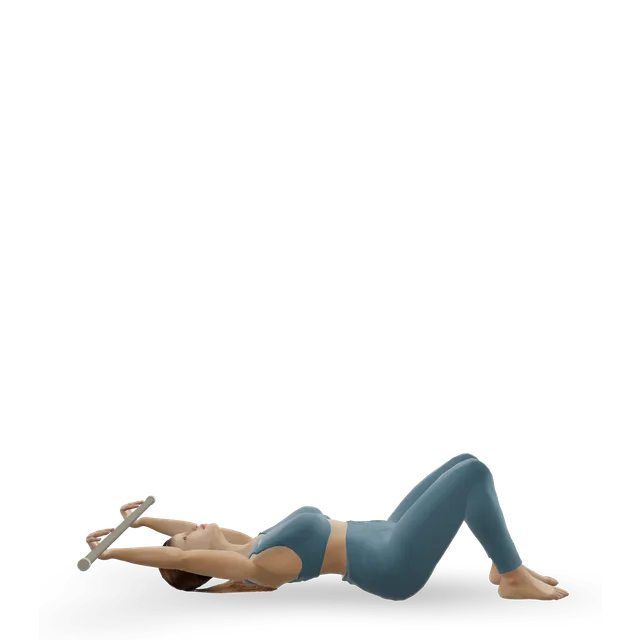
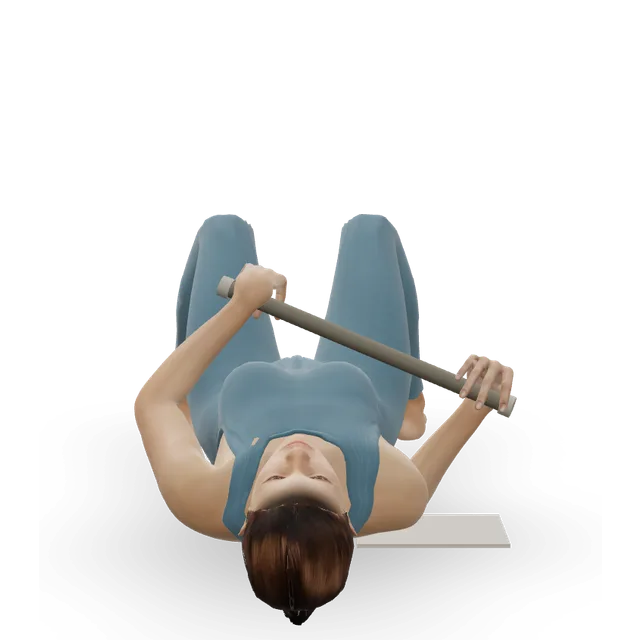
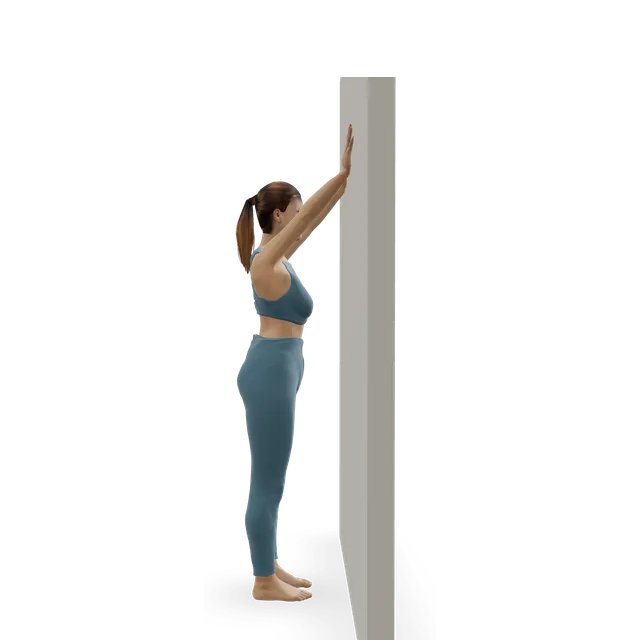
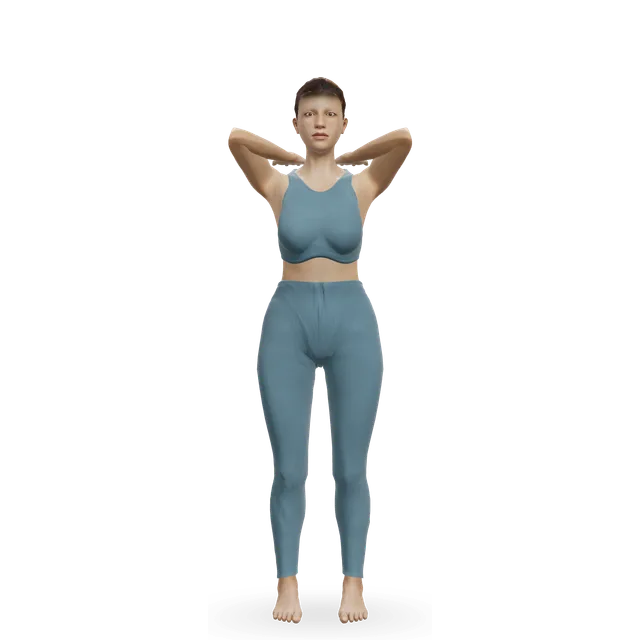
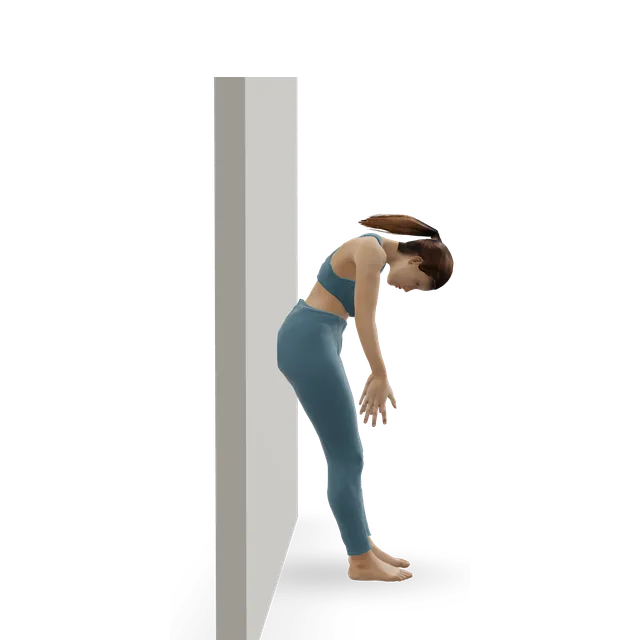
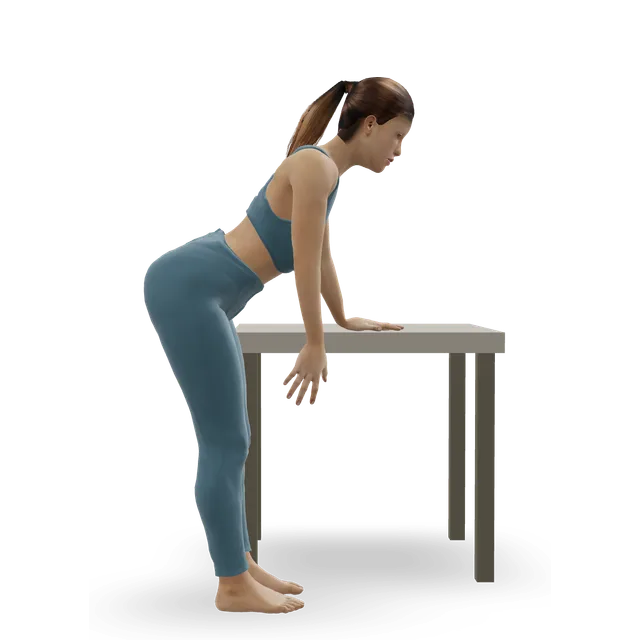
Lateral breathing: the move page's dose, "5 to 8 breaths at the start of every session". Breath reach: the move page's dose, "5 breaths, exhale longer than inhale". Arm lift lying down with a stick: the move page's dose, "5 times, holding for a count of 10", from Breast Cancer Now's leaflet. Elbow opening lying down: 5, holding for a count of 10 (adapted from the move page's dose). Stick-assisted turn-out: 8 slow each side (editorial). Table slide: 10 slow (adapted from the move page's dose). Wall climb: the move page's dose, "5 times, holding the top for a count of 10". A stretch or a pull is fine; pain isn't.

Upper back and posture

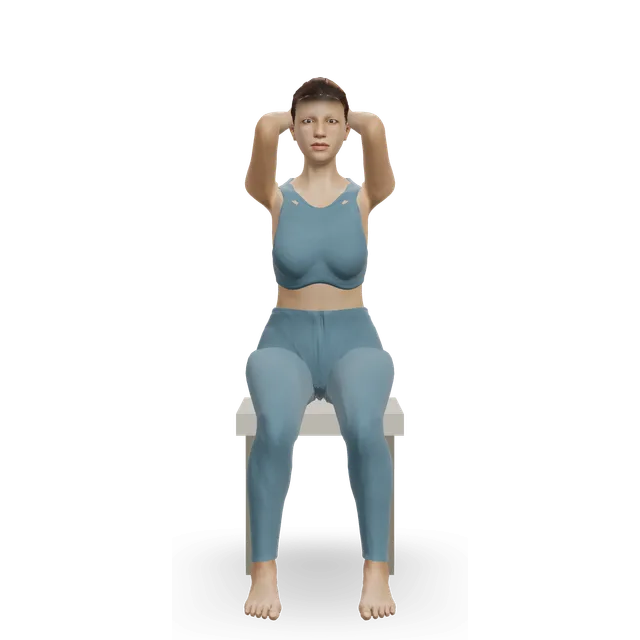
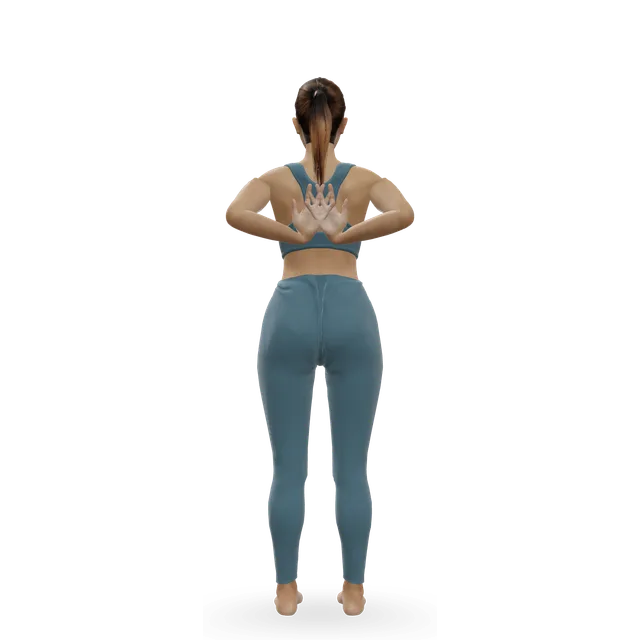
Seated upper-back lift: the move page's dose, "3 to 5 repetitions, each held 3 to 5 seconds, at least twice a week (UK osteoporosis consensus, 2022)". Swan: 3 to 5 small lifts, each held 3 to 5 seconds (our Pilates for osteoporosis class), only when lying face down is comfortable over the scar, a reconstruction or a port. Side-lying open book: 6 slow openings each side (adapted from the move page's dose); leave it out with cancer in the spine or ribs. Wall angel: 6 to 8 slow, in a small range (our Pilates for cancer class). Doorway chest opener: 2 holds of 20 to 30 seconds, a mild stretch (editorial), once your arm lifts to shoulder height comfortably, and not over a recent reconstruction.

Arm and shoulder strength, from about 4 weeks after surgery if your team agrees

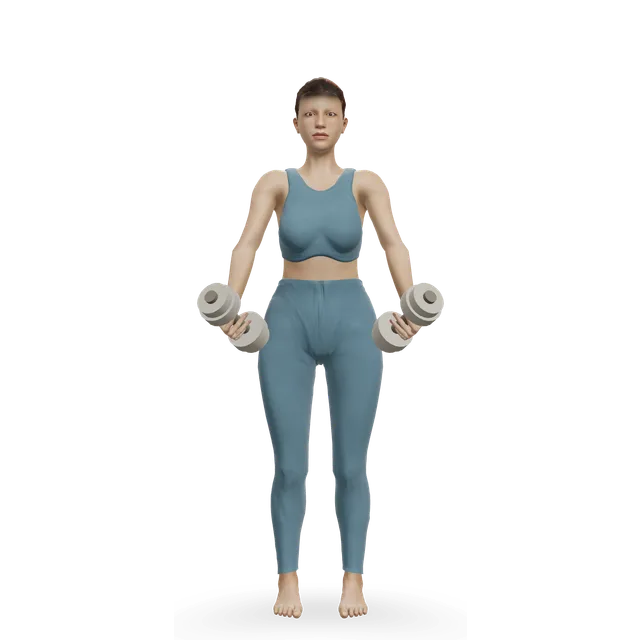
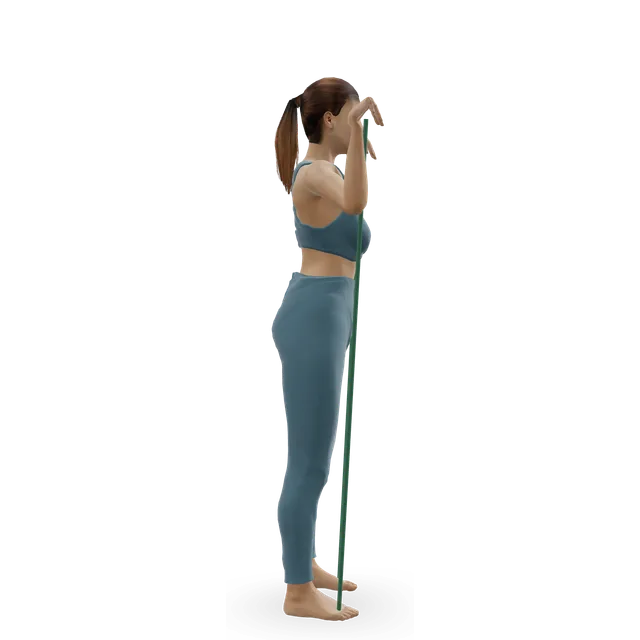
Band row: 1 set of 8 to 12 with a light band, building to 3 sets (adapted from the move page's dose). Band pull-apart and standing band external rotation: 1 set of 8 to 12 (editorial). Wall push-up: 1 set of 8 (editorial); its page says to follow your surgical team on pushing after breast surgery or reconstruction. Scaption raise: 1 set of 8 with a light weight, to shoulder height, later on (editorial). The PROSPER trial started band strength work at about a month after surgery. Add a set, then a slightly stronger band, only after a week or two with no change in your arm (our suggestion, as our Pilates for lymphoedema class says).

Trunk, hips and legs, head down

Knee folds, 5 each side, and heel slides, 8 each side (adapted from the move pages' doses); after a tummy flap, only when your team agrees. Bridge: 8 slow (our Pilates after a hip replacement class); with thinner bones, peel up only part of the way, as its page says. Dead bug: 6 each side, head down (editorial), the osteoporosis swap for curl-ups. Side kick, 8 each side (adapted from the move page's dose), and clams, 8 each side (our Pilates for cancer class), lying only on a comfortable side. Sit to stand: 8 (our Pilates for cancer class). Hip-hinge practice: 8 slow reps (our Pilates for osteoporosis class).

Balance, especially with numb feet

Single-leg stand: 2 holds of 20 seconds each side, fingertips on a counter (editorial). Semi-tandem stance: 2 holds of 10 to 20 seconds (our Pilates for cancer class). Keep a hand on the counter if chemotherapy has left your feet numb.

What to change or leave out

Weight on your hands, and planks

The leg pull front, push-ups, the knee hover and the side bend put weight through your arms: leave them out in the early months after surgery, and with a line or port in. Breast Cancer Now says planks and similar positions may need adjusting, and with lymphoedema Macmillan suggests avoiding the plank position; choose moving exercises instead.

Sources 2, 36

With a central line or PICC line

With a central line or a PICC line (a peripherally inserted central catheter: a thin tube into a vein for your treatment), Macmillan says to avoid swimming and "vigorous upper body exercises, which could displace your line". In Pilates, that means no weight on your hands and no big or fast arm circles until the line is out (our reading).

Source 33

Curl-ups and rolling, with thinner bones

Modify or avoid exercises that round your back deeply or repeatedly, especially with a weight: sit-ups, toe touches, Pilates roll-downs and curl-ups, and extreme yoga forward folds. Bend from the hips instead. You do not need to avoid bending, twisting or lifting altogether: move smoothly and keep your upper back straight.

With cancer in the spine, leave out curl-ups, roll-ups and rolling altogether, as our Pilates for cancer guide says.

Source 18

After a tummy flap (DIEP or TRAM)

Curl-ups, roll-ups, the teaser and twisting wait for your team: some tummy flaps carry a small risk of a hernia. Our breast cancer surgery guide covers the timings.

Source 31

After a back flap

Pulling and pushing up, such as rows, push-ups, and the reformer's rowing and long stretch, come back slowly, as your team advises; some pulling strength may stay lower on that side.

Source 30

Twists and side bends

The saw, the spine twist, the criss-cross and the mermaid: keep them smooth and comfortable with thinner bones, and leave them out with cancer in the spine or ribs, as our Pilates for cancer guide says.

Lying on your front or side

Only when it's comfortable over a recent scar, a reconstruction or a port (our suggestion).

The reformer

Arm work in the straps and the long stretch load the shoulder and arm. Start with the leg work and the lightest springs for the arms, and check with your team first if you have lymphoedema, a line or port, or cancer in the bones (our reading of the method).

Source 65

Classes to follow

In the first weeks after surgery, use the arm routine from our breast cancer surgery guide. Our new class takes over once that stage is done and your team agrees; its structure is our own and untested. The gentle no-twist class suits treatment days and cancer in the bones; the lymphoedema classes suit a swollen arm; the osteoporosis class has the bone swaps built in; the shoulder pain class helps if your shoulder stays sore; and the band and cardio workouts add the strength and walking that ease tiredness.

Shoulder-kind Pilates after breast cancer: a 25-minute class for shoulder movement, posture and strength

A 25-minute Pilates class after breast cancer surgery or treatment: shoulder movement, posture, head-down trunk work and light band strength, when your team agrees.

25 minBeginner21 movesBench or box, other / check instructions

Arm and shoulder exercises after breast cancer surgery

The UK breast surgery leaflet's exercises in one daily routine: a shoulder warm-up, the basic set for week 1 and the stretching set from week 2.

15 minBeginner6 movesWall, other / check instructions

Gentle no-twist Pilates during and after cancer treatment: a 25-minute class

A gentle 25-minute Pilates class for during and after cancer treatment: breathing, shoulders, legs and balance, with no curls, twists, planks or rolling.

25 minBeginner17 movesBench or box, band

Pilates for lymphoedema: a 25-minute moving class with arm and leg options

A 25-minute Pilates class for lymphoedema: breathing first, shoulder and leg pumping moves, side-lying work and light strength built up slowly, with no long holds.

25 minBeginner17 movesWall, band

Lymphoedema exercises: a daily routine for arm and leg swelling

A 15-minute daily routine for lymphoedema: deep breathing, neck and shoulders, then an arm block and a leg block to keep the muscle pump working.

15 minBeginner14 movesOther / check instructions, bench or box

Pilates for osteoporosis: a mat class with safe swaps

A 25-minute Pilates workout for osteoporosis and osteopenia: the Royal Osteoporosis Society's swaps for rounding moves, plus back strength and balance.

25 minBeginner16 movesWall, bench or box

Step-by-step Pilates for a sore shoulder: a 20-minute class

A 20-minute Pilates class for a sore shoulder: gentle range first, then shoulder-blade and rotator cuff strength, then light weight on the arms, in steps.

20 minBeginner15 movesBench or box, other / check instructions

Resistance band workout

A full-body resistance band workout: squats, rows, push-ups, presses, pull-aparts, band walks, good mornings and flyes.

30 minBeginner9 movesBand, anchor point

Easy cardio workout

A steady 30 to 45 minute cardio session at talk-but-not-sing pace: walk, cycle, row or cross-train, counting toward weekly activity guidelines.

40 minBeginner3 movesCardio machine, wall

Walking

The walking plan builds towards the 30 minutes, 3 times a week, that eases tiredness.

When to stop and get help

This is general information, not a diagnosis. A&E means accident and emergency; in the US, call 911 for 999, and use your doctor's urgent line or urgent care for NHS 111.

Why these are here

Most people never need these. They're here so you don't have to guess, and none of them means anything is your fault.

Call 999

Call 999 for chest pain that feels tight or squeezing or spreads to your arms, neck or jaw, severe difficulty breathing, or collapse. Call 999 too if difficulty breathing comes on suddenly, or you have pain in your chest or upper back: these can be signs of a blood clot in the lungs (a pulmonary embolism). Don't drive yourself to A&E (accident and emergency).

The NHS also says call 999 or go to A&E for possible sepsis, if someone is breathing very fast; is confused, has slurred speech or isn't making sense; has blue, pale or blotchy skin; has a very high or very low temperature, feels hot or cold to the touch, or is shivery; or has a rash that doesn't fade when you press it.

Sources 66, 67, 68

During treatment: your 24-hour number

Use the 24-hour number you were given, or NHS 111 if you can't reach them, if during treatment you have:

  • A temperature over 37.5°C or below 36°C, or you suddenly feel unwell even with a normal temperature.
  • Signs of infection, such as feeling shivery, a sore throat, a cough, diarrhoea, or needing to pee a lot or pain when peeing.
  • Throbbing or cramping pain, swelling and warmth in a leg or arm, or coughing up blood, which can be signs of a blood clot. Sudden breathlessness or chest pain means 999 (see above).

Source 69

After a mastectomy

Call 111, or get help from 111 online, if you've recently had a mastectomy and have:

  • Sudden pain or swelling.
  • Bleeding from your wounds.
  • Sudden loss of feeling in your arm.
  • Pain and swelling in one leg, which can be a blood clot (deep vein thrombosis, or DVT): call 999 instead if you're also breathless or have chest pain.

Sources 22, 67

Swelling in your arm, hand, breast or chest

Swelling, tightness, heaviness, aching, tingling or stiffness in the arm, hand, fingers, breast, chest wall or shoulder on the side you had treatment for breast cancer: get advice from your breast care nurse, treatment team or GP as soon as you notice it. Discomfort can be an early sign of lymphoedema.

New swelling with no signs of a clot or infection: see your GP or cancer team, who may refer you to a lymphoedema service.

Signs of infection (cellulitis) or a blood clot in a swollen limb need urgent medical attention. If the swollen or at-risk area changes during or after exercise, stop and contact your lymphoedema specialist.

Sources 57, 67, 70, 71

Hot, painful skin, or a clot

Skin that is painful, hot and swollen can be cellulitis: ask for an urgent GP appointment or get help from NHS 111. Call 999 or go to A&E if you also have a very high temperature or feel hot, cold or shivery, have a fast heartbeat or fast breathing, feel dizzy, faint or confused, or have purple patches on your skin.

Same day (urgent GP appointment or NHS 111): throbbing pain in one leg (rarely both), usually the calf or thigh; swelling in one leg (rarely both); red, blue or darkened skin around the painful area, which may be harder to see on brown or black skin; or swollen veins. This can be a deep vein thrombosis (DVT). It is more likely after surgery, a hospital stay, 3 or more days in bed, a journey of over 4 hours, pregnancy or a recent birth, cancer, a previous clot, or contraception or hormone replacement therapy (HRT) that contains oestrogen.

Call 999 or go to A&E if breathing suddenly becomes difficult, if pain in your chest or upper back comes on suddenly with breathlessness or a very fast heartbeat, or if someone passes out. Do not drive yourself. It can be a blood clot that has reached the lungs.

Sources 70, 67, 72

A new lump or change

See a GP if you have a lump or swelling in your breast, chest or armpit, or any change in your breasts or nipples that is not normal for you.

Source 73

Stop and speak to a doctor

Macmillan says stop exercising, and speak to a doctor straight away, if you get any sudden symptoms, including:

  • Dizziness, chest pain, a racing heart, breathing problems or feeling sick.
  • Unusual back or bone pain, or unusual muscle pain.
  • A headache that doesn't go away.

Source 33

During treatment: blood counts, numb feet and sore skin

With a low white cell count, your doctor may advise avoiding busy places such as gyms and pools: Macmillan suggests online classes. With low platelets, exercise gently and avoid high-impact activities. With anaemia, rest when you need to.

With nerve damage after some chemotherapy, Macmillan says to get advice if you feel unsteady and to check your feet regularly, and an exercise bike may suit you better than running or brisk walking. In Pilates, do standing balance work holding a support, and use fists or forearms if your hands are numb (our suggestion). In one trial, Pilates eased nerve pain and improved a stepping balance test.

Macmillan doesn't recommend swimming while your skin is irritated by radiotherapy. Mat Pilates is a good swap if lying on your back or side is comfortable (our suggestion).

Sources 33, 74, 75

Cancer in the bones

If breast cancer has spread to your bones, read the bone and spinal cord warning signs on our Pilates for cancer guide before you start, and ask your cancer team first.

What's normal

Some soreness or stiffness for 2 to 3 days after exercise, and tiredness during it, is common. If you feel very sore or very tired, do a bit less next time.

Source 33

Chest pain or fainting during exercise: call 999

Some cancer treatments can affect how the heart works (our summary of Macmillan's heart health page). Call 999 if:

  • You get sudden pain or discomfort in your chest that doesn't go away; it can feel like squeezing or pressure, burning or indigestion.
  • The pain spreads to your left or right arm, or your neck, jaw, stomach or back.
  • You have chest pain and feel sweaty, sick, light-headed or short of breath.
  • Someone faints while exercising, can't be woken within 1 minute, or has chest pain or a pounding, fluttering or irregular heartbeat.

Sources 66, 76, 77, 28

Breathlessness

Call 999 or go to A&E (accident and emergency) straight away for severe difficulty breathing (gasping, choking or not able to get words out), a chest that feels tight or heavy, pain that spreads to your arms, back, neck and jaw, lips or skin turning very pale, blue or grey, or sudden confusion. If you're more short of breath than usual, or your heart is racing, fluttering or skipping beats, contact NHS 111.

Source 78

Stop and get advice if

You feel any pain or become unwell, as the NHS advises for its Pilates videos, and especially for chest pain or pressure, unusual breathlessness, dizziness or fainting. If you have a health problem, an injury or any symptoms, get advice from a healthcare professional, such as a GP, before you start.

Source 79

Myths

"Lifting your arm, or lifting weights, causes lymphoedema"Strong evidence

NICE says physical activity, including upper limb exercise, doesn't cause or worsen it; slowly built-up weight lifting didn't increase swelling in the PAL trials; and structured arm exercise after surgery didn't raise lymphoedema in the Cochrane review or the UK PROSPER trial. The first-week shoulder-height limit in UK leaflets is a short early limit for wound healing, not a lifelong rule.

Sources 12, 13, 14, 10, 11, 9

"Rest is best during treatment"Strong evidence

Exercise is generally safe during and after treatment, and aerobic and strength exercise each probably ease tiredness a little during treatment. The changes during treatment are for blood counts, lines and sore skin, not a ban. Rest when you need to as well.

Sources 1, 15, 16, 36

"Avoid all upper-body exercise after surgery"Strong evidence

UK leaflets start gentle arm exercises the day after surgery, and structured exercise improves arm function. A reconstruction has its own timings, set by your team.

Sources 9, 11, 29

"Pilates stops breast cancer coming back"Strong evidence

No trial has measured recurrence with Pilates. Being active is linked with a lower risk of dying only in observational studies, which can't show cause. Pilates is for how you feel and move.

Sources 51, 3

"Pilates drains lymph and shrinks a swollen arm"Mixed evidence

Not shown: one small trial with weaknesses reported less severity, water exercise did better than Pilates, arm volume didn't improve with Pilates in one trial and rose in a study without a comparison group. Compression and the lymphoedema service remain the treatment.

Sources 54, 49, 7, 50, 12

"Pilates rebuilds bone on aromatase inhibitors"Emerging evidence

No Pilates bone trial has been published, and exercise in general barely changes bone density in postmenopausal survivors. It does build strength and balance.

Sources 48, 60, 61

"Pilates is gentle, so every move is safe after breast cancer"Strong evidence

Curls, rolls and twists need changing with thinner bones or cancer in the bones, and planks and weight on the hands need changing early on and with a line in.

Sources 18, 40, 36

"You must always wear a sleeve to exercise, or never"Mixed evidence

The expert bodies differ, from generally best to always to your choice, and NICE doesn't recommend sleeves to prevent lymphoedema. Wear yours if you've been given one, unless your lymphoedema team says otherwise.

Sources 55, 56, 1, 12

Questions people ask

Is Pilates good for breast cancer patients and survivors?

It can be a good way to stay active and rebuild your shoulder and strength. In small trials after treatment, it improved shoulder movement, strength and pain about as much as other exercise. It doesn't treat the cancer, and it works alongside your team's advice.

When can I start Pilates after breast cancer surgery?

Once your team's early arm exercises are done and your wounds have healed, often some weeks after surgery, and later after a reconstruction. Start gently, build up, and go by what your team says; our breast cancer surgery guide has the week-by-week arm exercises.

Can I do Pilates during chemotherapy?

Breast Cancer Now says it may be possible to carry on with exercise such as Pilates. No trial has tested Pilates during chemotherapy, so keep it gentle and use home or online classes when your white cell count is low. If you have a temperature or feel suddenly unwell, call your 24-hour number rather than exercising.

Can I do Pilates during radiotherapy?

Yes, if you feel up to it: in 156 women having radiotherapy, mat Pilates was safe and eased pain, though it didn't reduce tiredness. Keep up your arm exercises, and avoid pools while your skin is sore.

Will Pilates give me lymphoedema, or make it worse?

No: NICE says physical activity, including arm exercise, doesn't cause or worsen lymphoedema. Build up arm work slowly, wear your garment if you've been given one, and get any new swelling checked early.

Is Pilates good for lymphoedema after breast cancer?

It's safe to do, but it hasn't been shown to shrink a swollen arm. Our Pilates for lymphoedema guide has the trials, compression advice and a class.

Can I do Pilates after a mastectomy and reconstruction?

Yes, once your surgeon or physiotherapist agrees. After an implant or a back flap, arm lifts and pulling come back over weeks; after a tummy (DIEP or TRAM) flap, ask your team before curl-ups and roll-ups, because some tummy flaps carry a small hernia risk.

Is reformer Pilates OK after breast surgery?

It can be, once your arm moves well: start with the leg work and the lightest springs for the arms. With lymphoedema, a line or a port, or cancer in the bones, check with your team first.

Does Pilates help fatigue after breast cancer?

A little at best: the Pilates trials are mixed. Walking or cycling and strength exercise have the strongest evidence for cancer-related tiredness, so do both alongside Pilates.

I'm on an aromatase inhibitor. Is Pilates safe for my bones?

Yes, with head-down versions of curl-ups and no deep or loaded rounding, because these tablets can thin your bones. Pilates won't rebuild bone, but it builds strength and balance, and small trials found it eased joint pain.

Can Pilates stop breast cancer coming back?

No study has shown that. Being active is linked with better survival in observational studies, which can't prove cause. Pilates is for how you feel and move.

When should I stop and get help?

During treatment, a temperature over 37.5°C or below 36°C, or suddenly feeling unwell, means calling your 24-hour number straight away. See your GP or breast team for new swelling in your arm, hand, breast or chest, or a new lump or change, and call 999 for chest pain or sudden breathlessness.

Sources

  1. Campbell 2019 · Exercise guidelines for cancer survivors (international roundtable consensus, Med Sci Sports Exerc; read in full)
  2. Breast Cancer Now · Physical activity, exercise and primary breast cancer (reviewed February 2024; read in full)
  3. Lahart 2018 · Physical activity for women after treatment for breast cancer: 63 trials (Cochrane review)
  4. PubMed, Europe PMC and ClinicalTrials.gov · Our searches for Pilates trials in breast cancer, lymphoedema, hormone therapy, chemotherapy and radiotherapy (November 2026)
  5. Pinto-Carral 2018 · Pilates for women with breast cancer (systematic review and meta-analysis, Complement Ther Med)
  6. Ryu 2026 · Pilates for people with breast cancer: 6 trials, 531 people (systematic review and meta-analysis, Oncol Nurs Forum)
  7. Boing 2026 · Mat Pilates, belly dance or education for the arm in 69 women on hormone therapy after breast cancer surgery, the MoveMama trial (RCT, Support Care Cancer; read in full)
  8. Torres 2023 · Mat Pilates during radiotherapy in 156 women with breast cancer (RCT, Support Care Cancer)
  9. Breast Cancer Now · Exercises after breast cancer surgery (leaflet BCC6, April 2024; read in full)
  10. McNeely 2010 · Exercise for arm and shoulder problems after breast cancer treatment (Cochrane review)
  11. Bruce 2021 · A physiotherapist-led exercise programme after breast cancer surgery in 392 women, UK PROSPER (RCT, BMJ; read in full)
  12. NICE NG101 · Early and locally advanced breast cancer: diagnosis and management (updated 2025): recommendations (read in full)
  13. Schmitz 2009 · Weight lifting in 141 women with breast cancer-related lymphoedema, the PAL trial (RCT, N Engl J Med)
  14. Schmitz 2010 · Weight lifting in 154 women at risk of breast cancer-related lymphoedema (RCT, JAMA)
  15. Wagner 2025 · Cardiovascular training for fatigue in people with cancer (Cochrane review)
  16. Ernst 2024 · Resistance training for fatigue in people with cancer (Cochrane review)
  17. Hadji 2025 · Bone loss on aromatase inhibitors in hormone-sensitive breast cancer (joint position statement of seven societies, J Bone Oncol; read in full)
  18. Brooke-Wavell 2022 · Strong, steady and straight: UK consensus on physical activity and exercise for osteoporosis (Br J Sports Med; read in full)
  19. NHS · What is breast cancer in women?
  20. NHS · Treatment for breast cancer in men
  21. NHS · Treatment for breast cancer in women
  22. NHS · Mastectomy
  23. Hidding 2014 · Arm and shoulder problems after breast cancer treatment (systematic review, PLoS One)
  24. Che Bakri 2023 · Arm problems after lymph node clearance or sentinel node biopsy (systematic review and meta-analysis, Ann Surg)
  25. NHS · Radiotherapy: side effects (past its review date: reviewed June 2023, review due June 2026)
  26. Yeung 2015 · Axillary web syndrome, or cording (systematic review, J Cancer Surviv)
  27. Breast Cancer Now · Breast cancer and osteoporosis (reviewed February 2026; read in full)
  28. Macmillan Cancer Support, with the British Heart Foundation · Heart health and cancer (reviewed January 2024; read in full)
  29. Cancer Research UK · Exercises after breast reconstruction using implants (reviewed June 2026; read in full)
  30. Cancer Research UK · Exercises after breast reconstruction using back muscle (latissimus dorsi flap) (reviewed July 2026; read in full)
  31. Breast Cancer Now · After breast reconstruction: what to expect (reviewed December 2023; its planned review was due April 2026; read in full)
  32. Steffenssen 2019 · Shoulder function after a back (latissimus dorsi) flap reconstruction (systematic review and meta-analysis, Ann Plast Surg)
  33. Macmillan Cancer Support · Physical activity and cancer (booklet, 6th edition, November 2023; read in full)
  34. Plinsinga 2026 · Exercise and developing cancer-related lymphoedema: 17 studies (systematic review and meta-analysis, JNCI Cancer Spectr)
  35. Hull University Teaching Hospitals NHS Trust · Exercises after breast surgery involving the lymph nodes in the armpit (leaflet, February 2026; read in full)
  36. Macmillan Cancer Support · Exercising safely (reviewed November 2023; review due November 2026, being reviewed; read in full)
  37. Barbosa 2021 · Pilates or circuit training for joint pain on hormone therapy in 60 women (RCT, Support Care Cancer)
  38. Bertoli 2023 · Mat Pilates, strength and flexibility on hormone therapy, the HAPiMat trial (RCT, Disabil Rehabil)
  39. Tarnas 2026 · Pilates for upper-back stiffness and pain on aromatase inhibitors in 42 women (RCT, Sci Rep)
  40. Campbell 2022 · Exercise for people with cancer in the bones (expert consensus, JCO Oncol Pract; read in full)
  41. Boing 2020 · The MoveMama trial's plan: Pilates and dance for women on hormone therapy for breast cancer (trial protocol, Trials; read in full)
  42. Odynets 2019 · Water exercise, yoga or Pilates after breast cancer surgery (RCT, Integr Cancer Ther; read in full)
  43. Quintero-Lopez 2025 · Pilates for pain and function in people with cancer (systematic review, Eur J Oncol Nurs)
  44. Zengin Alpozgen 2017 · Pilates-based exercise for arm problems after breast cancer treatment in 55 women (RCT, Eur J Cancer Care)
  45. Zhao 2026 · Types of exercise and quality of life after breast cancer treatment: 69 trials (network meta-analysis, Front Oncol; read in full)
  46. Zhou 2026 · Mind-body exercise for quality of life, anxiety and depression in breast cancer: 55 trials (network meta-analysis, Front Public Health; read in full)
  47. Xie 2026 · Exercise and mind-body approaches for cancer-related fatigue (network meta-analysis, Complement Ther Med)
  48. ClinicalTrials.gov · Registered Pilates trials in breast cancer: NCT07334626, Pilates and bone density on aromatase inhibitors in 60 women, Egypt (completed July 2026, no results posted), and NCT07599098, studio Pilates during treatment, Brazil (not yet recruiting)
  49. Aguilera-Eguía 2026 · Exercise for lymphoedema after breast cancer: 9 reviews (overview of systematic reviews, J Clin Med; read in full)
  50. Stan 2012 · Pilates for 15 breast cancer survivors (uncontrolled study, Clin J Oncol Nurs)
  51. Friedenreich 2020 · Physical activity and survival after cancer: 136 studies (meta-analysis of observational studies, JNCI Cancer Spectr; read in full)
  52. Hayes 2022 · Exercise to prevent and treat cancer-related lymphoedema: 36 studies (systematic review and meta-analysis, Med Sci Sports Exerc)
  53. DiSipio 2013 · How often arm lymphoedema follows breast cancer: 72 studies (systematic review and meta-analysis, Lancet Oncol)
  54. Şener 2017 · Clinical Pilates for arm lymphoedema after breast cancer in 60 women (RCT, J Breast Health; read in full)
  55. British Lymphology Society · Lymph facts: movement and physical activity (reviewed April 2023; read in full)
  56. Lymphoedema Support Network · Your questions answered (reviewed October 2025; read in full)
  57. Breast Cancer Now · Lymphoedema (reviewed May 2024; read in full)
  58. Bower 2024 · Managing fatigue in adults after cancer: ASCO and Society for Integrative Oncology guideline update (J Clin Oncol; read in full)
  59. Boing 2023 · Mat Pilates, belly dance and fatigue in the MoveMama trial (RCT, Complement Ther Clin Pract)
  60. Yu 2025 · Exercise and bone health in postmenopausal women with breast cancer (systematic review and meta-analysis, Front Oncol)
  61. Fornusek 2017 · Exercise for bone health after breast cancer treatment (systematic review and meta-analyses, J Cancer Surviv)
  62. Breast Cancer Now · Looking after your bones (reviewed February 2026; read in full)
  63. Irwin 2015 · A year of exercise for joint pain on aromatase inhibitors in 121 women, the HOPE trial (RCT, J Clin Oncol)
  64. Roberts 2020 · Exercise for joint and muscle symptoms on aromatase inhibitors: 7 studies (Cochrane review)
  65. Pilatesology 2024 · Classical reformer order and spring settings: basic (PDF; read in full)
  66. NHS · Chest pain (past its review date: reviewed August 2023, review due August 2026)
  67. NHS · DVT (deep vein thrombosis)
  68. NHS · Sepsis
  69. NHS · Chemotherapy
  70. NHS · Cellulitis
  71. NHS · Lymphoedema (past its review date: reviewed March 2023, review due March 2026)
  72. NHS · Pulmonary embolism
  73. NHS · Symptoms of breast cancer in women
  74. Cancer Research UK · Exercise and cancer (reviewed May 2025; read in full)
  75. Elfahl 2026 · Pilates for nerve damage after chemotherapy in 96 people (RCT, Explore)
  76. NHS · Fainting
  77. NHS · Heart attack
  78. NHS · Shortness of breath
  79. NHS · Pilates video for beginners, with its safety advice

Exercise education, not a personal prescription, and clinical review of these guides is pending. If you are pregnant, have a health condition or have had recent surgery, check with a doctor, midwife or physiotherapist before starting, and stop for sharp or increasing pain. Health disclaimer.