Wall climb (finger walk up the wall)
Facing a wall, you walk your fingers up it until you feel a stretch, hold, and slide back down; then you do the same standing side-on. UK breast surgery leaflets use it to win back lifting the arm forwards and out to the side, with the wall taking some of the arm's weight. There's no 3D demo for this move yet: follow the written steps.
Movement guide
Wall climb (finger walk up the wall)
Make it easier or harder
Start where you can move well, then step up.
Easier option
This is already one of the gentlest options for these muscles.
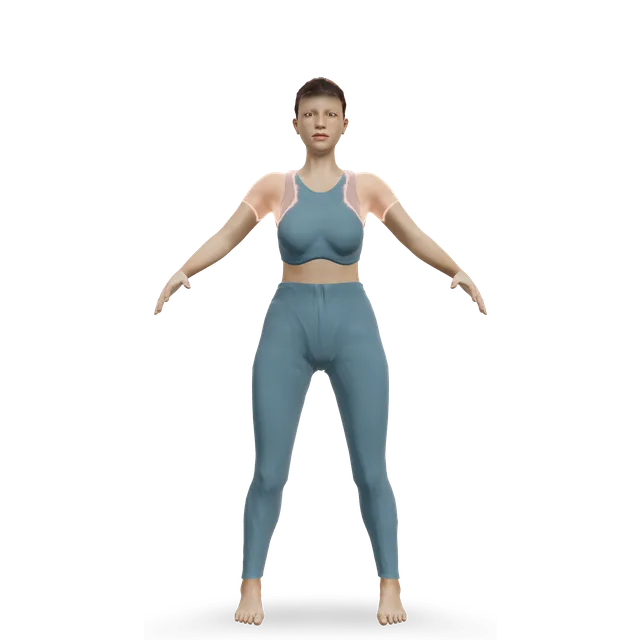
Harder option
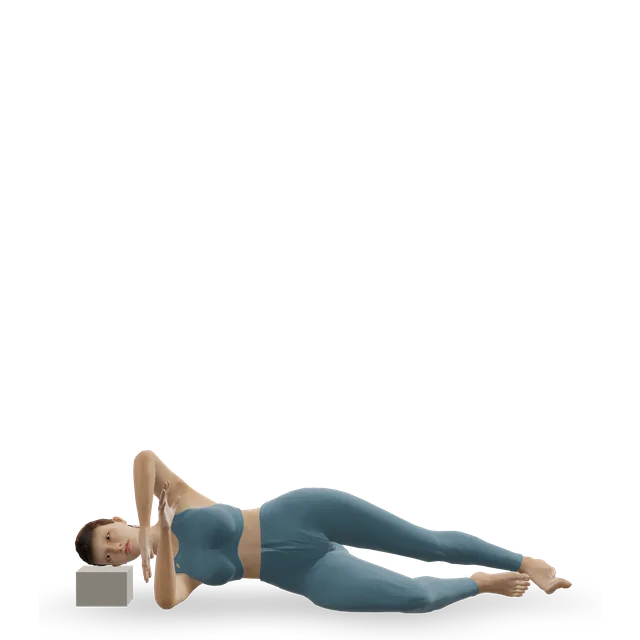 3D demoSleeper stretchIntermediate · No equipment
Similar move, intermediate grade.
Source-researched guide. Clinical review is pending.
How to move
- Stand close to a wall and facing it, feet apart, and put both hands on the wall at shoulder height.
- Looking straight ahead, walk your fingers (or slide your hands) up the wall as far as you can, until you feel a stretch but not pain.
- Hold there and count to 10, then slide your hands back down to shoulder height. Try to get a little higher each time.
- Side-on: stand with the side of your operation nearest the wall and your hand on it, elbow bent and shoulders relaxed. Creep your hand up as far as you can, letting the elbow straighten, hold for a count of 10, then lower.
- If your arm won't go up the wall yet, stand side-on to a worktop with your hand flat on it and walk your body slowly backwards, keeping your hand still (Cancer Research UK's easier version).
Form cues
- Shoulders down and relaxed, away from your ears.
- A stretch is fine; pain isn't.
- Resting your forehead on the wall can help you relax.
Practice and cautions
5 times, holding the top for a count of 10, 3 times a day for the first 3 months: Breast Cancer Now's leaflet. Hull's DIEP leaflet holds for 10 seconds, 5 to 10 times.
Breast Cancer Now starts it from the second week after breast surgery, once any removable stitches and drains are out. Hull's leaflet after lymph node clearance starts it from day 8; after implants or a back flap reconstruction Cancer Research UK adds it from 3 to 4 weeks, and Hull's DIEP leaflet from week 4. Follow your own team's leaflet. Stop and contact your breast care nurse or surgeon if you have a fluid swelling (seroma), a wound problem, or pain that gets worse during the exercise or carries on afterwards. This is movement education, not an assessment or treatment prescription. Stop for sharp or increasing pain, dizziness, numbness or tingling; seek individual guidance for symptoms, injury or restrictions.
Sources and review status
Sources support the educational description; they do not establish that this exercise is suitable for you.
- Breast Cancer Now 2024 · Exercises after breast cancer surgery (leaflet BCC6) ↗
- Hull University Teaching Hospitals NHS Trust 2026 · Exercises after breast surgery involving axillary node dissection (physiotherapy leaflet) ↗
- Hull University Teaching Hospitals NHS Trust 2024 · Advice and exercises after DIEP breast reconstruction (physiotherapy leaflet) ↗
- Cancer Research UK · Exercises after breast reconstruction using implants ↗
- Cancer Research UK · Exercises after breast reconstruction using muscle from your back ↗
- American Cancer Society · Exercising after breast cancer surgery ↗
No variation is labeled clinically validated.
What it works
Muscles
Main: Shoulders. Also: Back.
Anatomy: Deltoid, Rotator cuff, Supraspinatus, Infraspinatus, Subscapularis, Teres minor.
Equipment
A wall
Level
Beginner. See the easier and harder options above.
Workouts that use it
Guides that use it
Similar moves
 3D demoWall angelBeginner · A wall
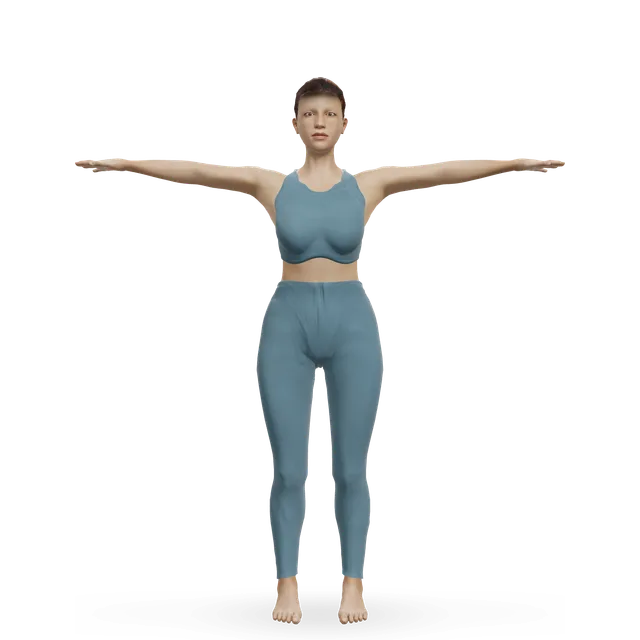 3D demoArm circlesBeginner · No equipment
 3D demoCross-body shoulder stretchBeginner · No equipment
 3D demoDownward-facing dog (Adho Mukha Svanasana)Beginner · No equipment
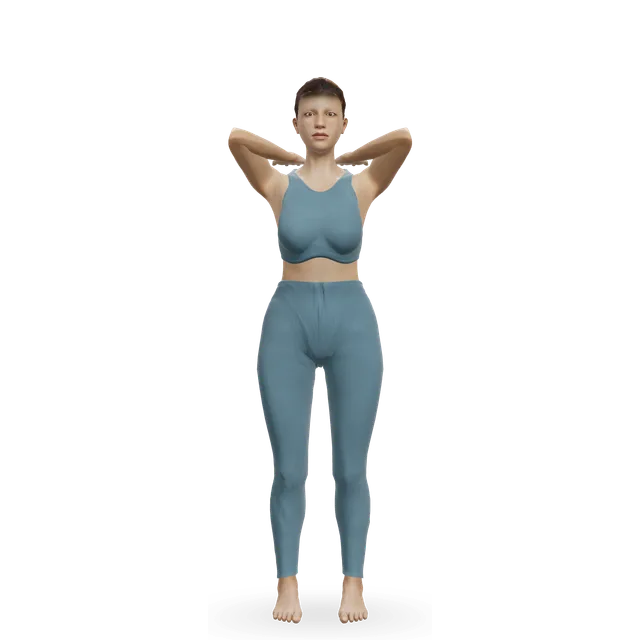 3D demoElbow circlesBeginner · No equipment
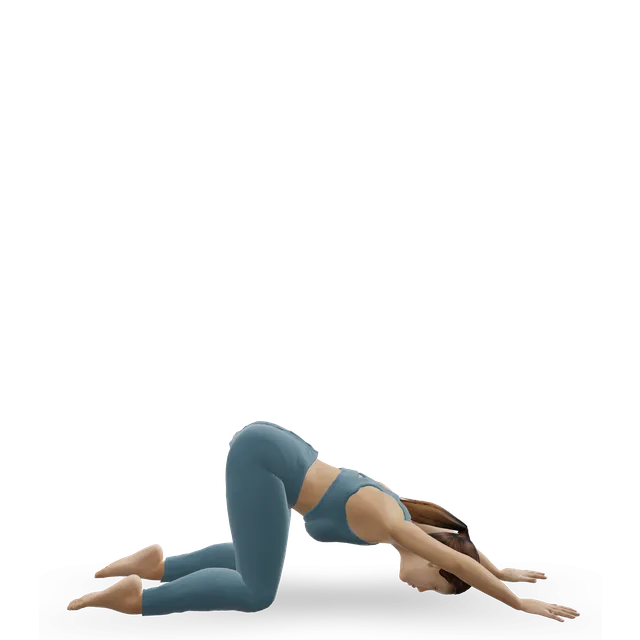 3D demoExtended puppy pose (Uttana Shishosana)Beginner · No equipment
Browse more
Questions people ask
What muscles does the Wall climb (finger walk up the wall) work?
Mainly the shoulders, with help from the back.
What equipment do I need for the Wall climb (finger walk up the wall)?
A wall.
Is the Wall climb (finger walk up the wall) good for beginners?
It is graded beginner, so it suits most people starting out. When it feels easy, try the Sleeper stretch.
How do I make the Wall climb (finger walk up the wall) harder?
Progress to the Sleeper stretch, or add load, range or slower lowering once your form is solid.