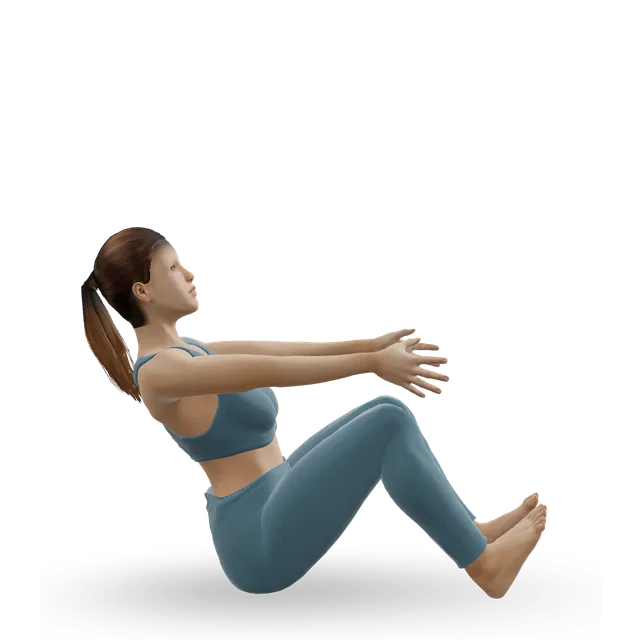
Yoga guide

Yoga for kyphosis: a rounded upper back, what the yoga trial found, back-strengthening poses, osteoporosis swaps and a class

Kyphosis is the forward curve of your upper back; when it's bigger than usual, your back looks rounded or hunched. Yoga can help a little, mostly through poses that strengthen the muscles along your spine. In the one trial of yoga for a rounded upper back, 6 months of classes improved two measures of the curve by about 4% to 5% in adults over 60, but those were secondary measures, the yoga group's own curve lessened by under a degree, and the trial's main measure didn't change.

Yoga sits beside care from your GP, and your osteoporosis team if your bones are fragile, never in place of it. It won't reshape bones that are wedge-shaped or have fractured.

This guide covers the kinds of kyphosis and when a new hunch needs a GP, what the yoga and exercise trials show, the poses to build on, the swaps if you have osteoporosis or have had a spinal fracture, Scheuermann's in teenagers, and our 25-minute yoga for posture class, which is built the same way as the trial's classes.

The short version

One yoga trial, a small change

In 118 adults aged 60 and over, hour-long classes 3 times a week for 6 months improved two secondary measures of the curve by 4.4% and 5% against monthly talks, and the yoga group's own curve lessened by under a degree. The main measure, height, chair stands and quality of life didn't change.

Source 1

Back strength is what moves the curve, a little

The best exercise trial reduced the curve by 3 degrees on X-ray after 6 months of spine-strengthening and posture classes, and 24 studies agree on a small effect. Stretching on its own doesn't change posture, so the face-down back lifts matter most.

Sources 2, 3, 4

Aim for strength and comfort, not a straight back

The NHS says physiotherapy exercises help back pain and stiffness "But they will not improve the curve in your spine or stop it getting worse". Trials find a few degrees at most, so the gains to look for are strength, comfort and confidence.

Source 5

A new hunch can be a spinal fracture

Only about 40% of people with the most curved backs have spinal fractures, but a new or growing hunch, height loss or sudden back pain needs a GP. Many spinal fractures are never noticed.

Sources 6, 7

With osteoporosis, keep the back strong and the rounding out

A UK consensus recommends back-strengthening exercises held 3 to 5 seconds and repeated 3 to 5 times, at least twice a week, and modifying deep or repeated forward bending. Spinal fractures have been reported after yoga poses that fold the spine forward.

Sources 8, 9

Know the warning signs

Back pain with numbness or weakness in both legs, bladder or bowel changes or chest pain needs 999; sudden back pain after a minor fall, lift or cough needs a GP. The full list is below.

Sources 10, 5

What kyphosis is

The curve, and what's normal

Seen from the side, your upper back curves gently backwards. The angle grows after 40, faster in women, from an average of 43 degrees at 55 to 60 to 52 degrees at 76 to 80. A curve over about 40 degrees is usually called hyperkyphosis, and 20% to 40% of older adults have one, though there's no agreed cut-off for older people.

Sources 6, 11

Three kinds

Postural kyphosis "often affects teenagers. It's the most common type". In Scheuermann's kyphosis, the back of the spinal bones grows faster than the front, which "makes the vertebrae wedge-shaped". Congenital kyphosis, from a spine that didn't form properly before birth, is rare. Kyphosis can also follow a spinal injury, arthritis or osteoporosis.

Source 5

Why it grows with age

Disc wear, weaker back muscles, habits of posture and spinal fractures all play a part, and genes account for about half of the differences between people. Each spinal fracture adds about 3.8 degrees.

Sources 6, 11

Flexible or fixed

A postural slouch straightens when you stand tall or lie flat; a curve from wedge-shaped or fractured bones doesn't. Our kyphosis guide explains how a curve is measured and has two self-checks.

Where yoga fits

As back-extensor strength, posture practice, upper-back movement, breathing and balance, the same ingredients as the best exercise trial, next to your GP and your osteoporosis team.

Sources 8, 2

When a hunch is a spinal fracture

A hunch isn't always osteoporosisEmerging evidence

Only about 40% of people with the most severe curves have spinal fractures; disc wear and weaker muscles explain many of the rest.

Sources 6, 11

Many spinal fractures are silentStrong evidence

The Royal Osteoporosis Society lists "unexplained back pain and muscle spasms", "height loss" and "a curved spine or change in posture" as signs, and says you may not always know a spinal fracture has happened. It also says "spinal fractures caused by osteoporosis do not cause paralysis".

Source 7

They heal in their new shapeStrong evidence

A spinal fracture takes 6 to 12 weeks to heal, in its new compressed shape, so it can leave height loss and a more curved back. The NHS says some older people develop a stooped posture when spinal bones have broken.

Sources 12, 13

What to do

See your GP about a new or growing hunch, height loss or back pain you can't explain. Osteoporosis medicines reduce the risk of more fractures; yoga sits alongside them, not in place of them.

Sources 7, 13

What the evidence says

One yoga trial has tested yoga for kyphosis, so this guide also draws on exercise trials, and says where it does.

The Yoga for Kyphosis trial: two measures improved a littleEmerging evidence

In 118 adults aged 60 and over (average age 75, a quarter with a spinal fracture), hour-long hatha classes 3 times a week for 24 weeks were compared with monthly lunch talks. Against the talks group, the flexicurve angle improved by 4.4% (about 1.8 degrees) and a related index by 5%, but these were secondary outcomes, and the yoga group's own curve lessened by under a degree (0.93 degrees) while the talks group's grew by 0.82 degrees. The trial's main measure of the curve, height, chair stands, walking speed and quality of life didn't change.

There were "No negative side effects of Yoga", and the yoga group reported less upper back pain. Half came to at least 80% of classes. The trial was registered two years after it ended, and its authors called it "developmental, not definitive".

Sources 1, 14

The pilot: no comparison groupMixed evidence

In 21 women aged 60 and over, two 1-hour classes a week for 12 weeks went with half a centimetre more height and 2 cm less distance from ear to wall, but the curve angle didn't change. There were no side effects, and there was no comparison group.

Source 15

No yoga trial sinceMixed evidence

Our search found no later yoga trial for the curve. A small Turkish trial of hatha yoga and reformer Pilates in younger adults is listed as recruiting, past its planned end, with no results. A 10-week study in women who weren't chosen for kyphosis gave no effect sizes, and comparing practitioners with students can't show that yoga caused a difference.

Sources 16, 17, 18, 19

Exercise reduces an age-related curve a littleEmerging evidence

Across 24 studies of adults aged 45 and over, exercise reduced the curve by a small amount (moderate certainty), with small gains in quality of life and pain; falls weren't reduced, and there were no serious side effects. A 2025 analysis of 19 studies (1,084 people) found a somewhat larger effect, at low certainty.

Sources 3, 20

The best trial: about 3 degrees in 6 monthsEmerging evidence

In the SHEAF trial (Study of Hyperkyphosis, Exercise and Function), 99 adults aged 60 to 88 did physiotherapist-led spine strengthening and posture classes, 1 hour 3 times a week for 6 months, plus posture practice at home. Their curve fell 3 degrees more than a health education group's, "approximating the magnitude of change from an incident vertebral fracture". Physical function didn't change, and 1.6 degrees came back in the 6 months after the classes stopped.

Source 2

Reviews disagree on how longMixed evidence

One review found programmes over 13 weeks did slightly better; another judged programmes over 3 months ineffective in older adults. Adding breathing techniques helped teenagers but not older adults, in 5 small studies.

Sources 20, 21, 22

Uncontrolled studies report bigger changesMixed evidence

In 21 women, 12 weeks of group exercise went with 5 to 6 degrees less curve, with no comparison group. Treat figures like this as the most you might see, not what to expect.

Source 23

Back strength and later fracturesMixed evidence

Two years of back-strengthening didn't change posture on X-ray in 60 women overall. Ten years later, the 50 who were followed up had fewer spinal fractures if they'd done the exercises (1.6% of their spinal bones against 4.3%), a small study.

Sources 24, 25

Strengthening, not stretchingEmerging evidence

A 2025 consensus of 20 stretching researchers agreed that stretch training doesn't improve posture. Chest openers can feel good; the back lifts do the work.

Source 4

What the NHS says, and why trials still find a change

The NHS line

The NHS page on kyphosis says: "If you have physiotherapy, you may be given some specific exercises to help reduce back pain and stiffness. But they will not improve the curve in your spine or stop it getting worse." It also says "You should be able to exercise if you have kyphosis. Strengthening your core muscles (the muscles around your tummy and lower back) can help."

Source 5

Both can be true

The trials above found small reductions in the curve, a few degrees at most, mostly in age-related curves. That fits the NHS's caution: exercise won't straighten a structural curve or one from fractured bones, and the main gains are strength, comfort and how you move. Our reading is that both are true.

Sources 2, 3

What a rounded upper back goes with

Everyday functionEmerging evidence

In 1,578 older adults, the bigger the curve, the more often people needed their arms to get up from a chair (nearly 4 times the odds at the biggest curves).

Source 26

FallsEmerging evidence

A bigger curve went with injurious falls in 1,883 older adults (asked about at the same visit), with more falls over a year in 72 older adults, and with somewhat more falls over 3 years in older men (12% more for each standard step up in the curve). These are links; strength and balance training are what reduce falls.

Sources 27, 28, 29

Fractures and earlier deathEmerging evidence

Women with a hunched posture had about 1.7 times the risk of a future fracture, and in older adults a hunched posture went with earlier death. In older women, the link with death was mainly in those who already had spinal fractures. None of this shows that changing the curve changes the risk.

Sources 30, 31, 32

Breathing

The NHS says a severe curve can cause "very bad back pain and difficulty breathing", and the UK consensus recommends breathing exercises for symptoms made worse by a severe curve.

Sources 5, 8

What a yoga class for kyphosis looks like

The trial's four series

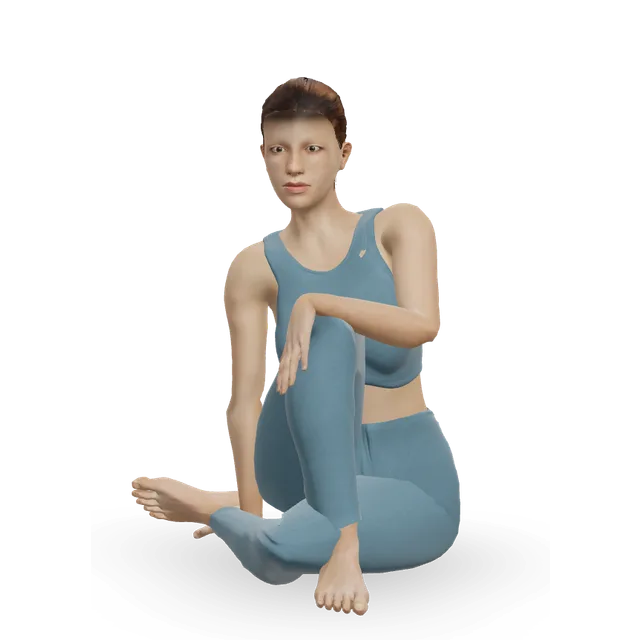
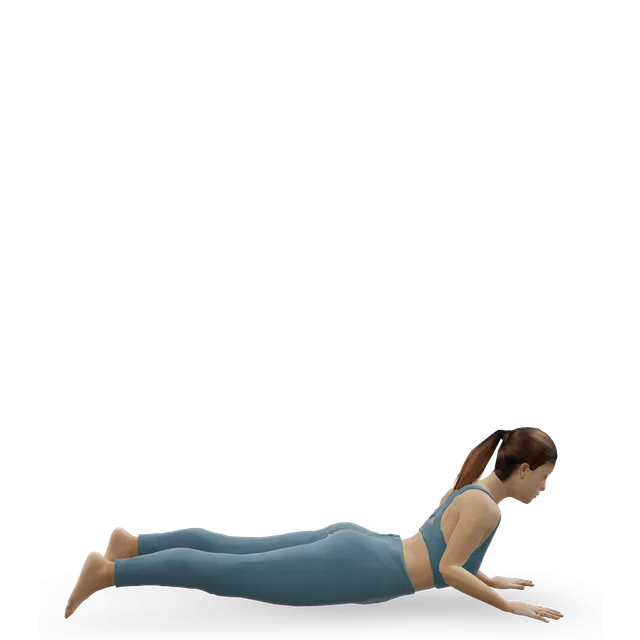
The trial's hour-long classes ran in four series, getting harder every few weeks: lying on your back (breathing, arm raises, a half bridge, knees to chest and a supported lying twist), in a chair (arm raises, a seated cobra, warrior II and a seated twist), on the floor and face down (cat and cow, balancing cat, locust with blankets under the chest, and sphinx), and standing with a chair for balance (mountain, chair pose, warrior I, puppy at the wall and wall push-ups). People were told not to raise their arms to extreme positions.

Sources 33, 1

What to change

With osteoporosis, keep the knees-to-chest and lying twists gentle and the rounding small, as the UK consensus advises. Our 25-minute yoga for posture class uses the same building blocks without the rounded positions.

Source 8

How much to do

Back lifts in every session

Repeat each back-strengthening pose 3 to 5 times, holding each lift for 3 to 5 seconds, at least twice a week: the UK consensus dose. The Royal Osteoporosis Society's posture exercises use a similar dose, on 2 or 3 days a week with a day's rest in between. Lift a little, keep your neck long and your eyes down, and lower slowly.

Sources 8, 34

2 or 3 sessions a week, kept up

The trials ran classes 3 times a week for 6 months, and some of the change faded when they stopped. Our editorial starting point is our 25-minute class 2 or 3 times a week, judged after about 3 months by how you feel and move.

Sources 1, 2

Stand and sit tall, little and often

Practising standing and sitting tall a few times a day was SHEAF's home programme.

Source 2

Add strength and balance for your bones

The UK consensus recommends balance and strength exercise, including yoga, at least twice a week to reduce falls, and older adults should do strength, balance and flexibility work on at least 2 days a week. Walking and leg strength work add the rest.

Sources 8, 35

Back strength: the heart of it

Locust and low cobra: 3 to 5 lifts, each held 3 to 5 seconds, at least twice a week (the UK consensus dose, as in our yoga for posture class). Sphinx: 2 holds of 3 to 5 breaths, and bird dog: 5 each arm and leg, holding 3 to 5 seconds (our yoga for posture class). The seated upper-back lift: 3 to 5 repetitions held 3 to 5 seconds (the move's page). Y-T-W raises: 5 of each letter (our kyphosis exercises for seniors routine).

Standing and sitting tall

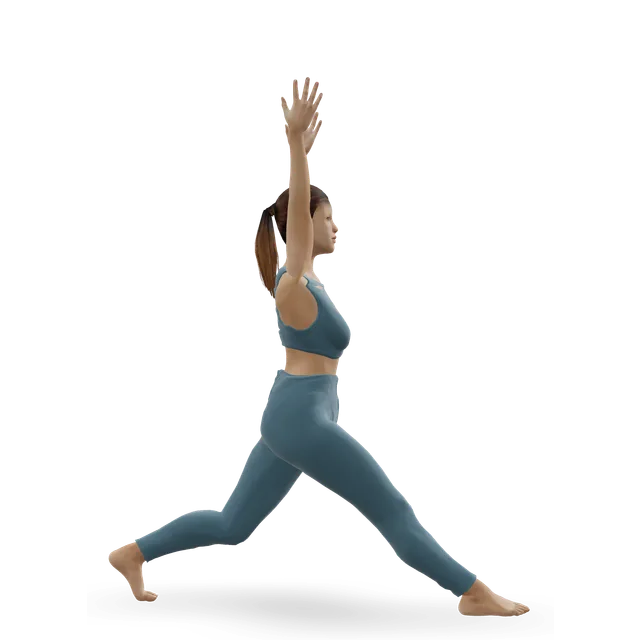
Mountain pose: 5 to 10 slow breaths, 2 or 3 times; breath reach: 5 breaths, breathing out longer than in (the moves' pages). Chin tuck: 5 holds of 3 to 5 seconds, and wall angel: 8 slow slides, in a small range if your back is very curved (our kyphosis exercises for seniors routine). High lunge with your arms up, 3 to 5 breaths each side, chair pose, 3 holds of 5 breaths, and tree pose by a wall, 3 to 5 breaths each side (our yoga for posture class).

Upper-back movement, for comfort

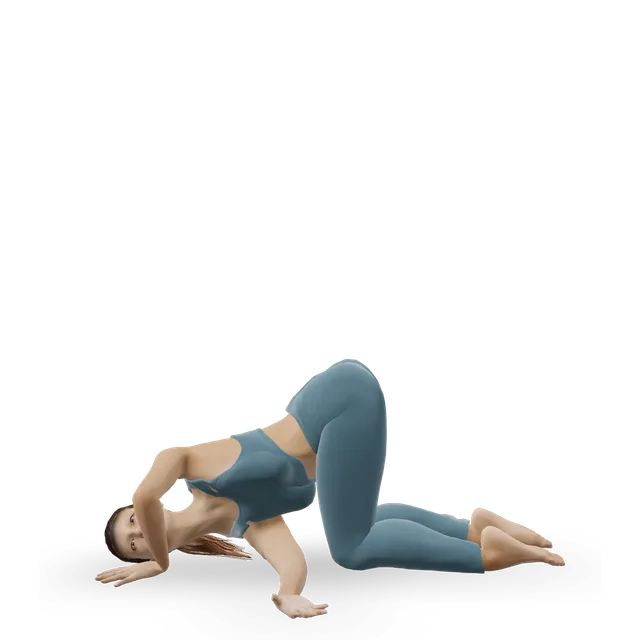
Cat-cow: 8 slow waves, keeping the rounding small with osteoporosis; thoracic rotation: 6 each side; the open book: 8 to 10 each side (the moves' pages). Thread the needle: about 5 slow breaths each side (our yoga for posture class). Doorway chest opener: 2 holds of 30 seconds each side, elbow at or below shoulder height (our kyphosis exercises for seniors routine), for comfort only.

Breathing and rest

Slow breathing: 2 minutes lying with your knees bent, in for about 4 and out for about 6 (our yoga for posture class), or at least 5 minutes as a practice on its own (the move's page). Corpse pose: 5 minutes with your knees on a cushion and a folded blanket under your head if your chin pokes up; roll to your side to get up (our yoga for posture class, with our suggestion of the blanket).

Legs and balance, for bones and falls

Sit to stand: 8 to 10 slow stands; tandem stance: 30 seconds each way round, then 10 steps (our yoga for osteoporosis class). Single-leg stand: 2 holds of 20 to 30 seconds each leg, beside a wall (our Pilates for osteoporosis class).

With osteoporosis or after a spinal fracture

The UK consensusStrong evidence

It asks for "'how to' rather than 'don't do'", noting that most people with osteoporosis are unlikely to fracture during these activities. "Movements or exercise that involve sustained, repeated or end-range flexion should be modified or avoided." "Rotation (twisting) movements should be safe if performed smoothly and comfortably." People who already move comfortably and smoothly can carry on.

Source 8

After a spinal fractureStrong evidence

The consensus recommends daily back-strengthening, with a physiotherapist's advice, and says "Yoga and Pilates and similar exercise programmes should be considered to help with posture and pain", ideally led by an instructor trained to work with older people or osteoporosis. In trials after a spinal fracture, exercise made a timed walk about 1 second quicker; its effects on fractures and falls are very uncertain.

Sources 8, 36

Bend from the hips, twist smoothly

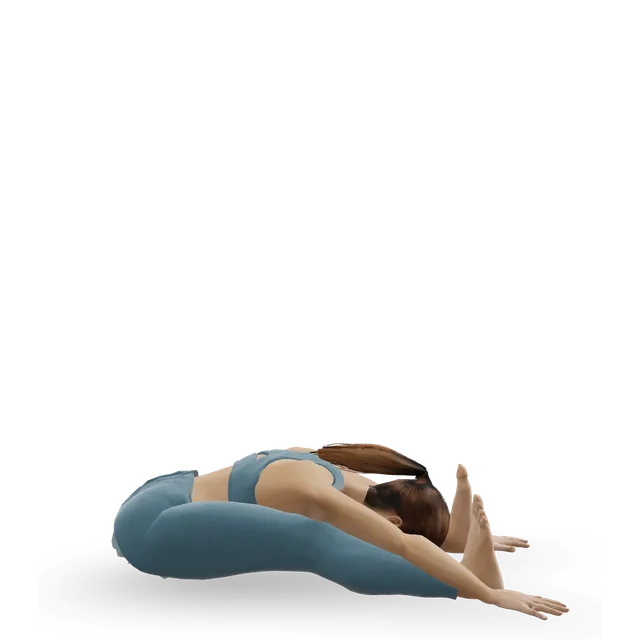
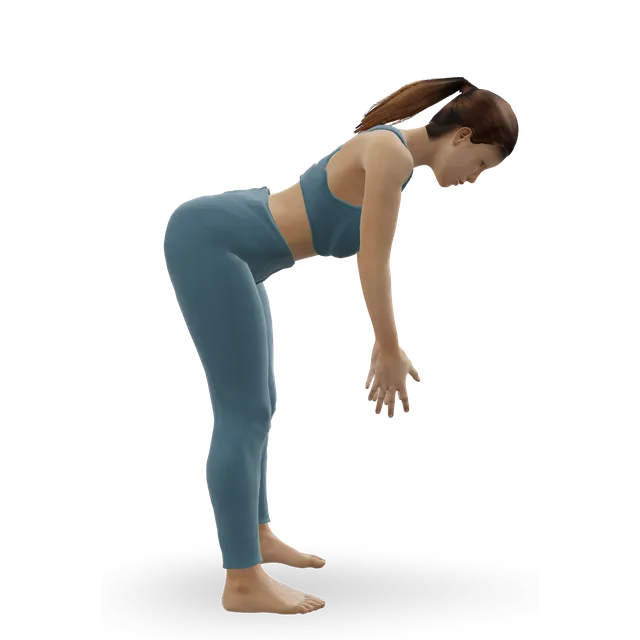
Modify or avoid exercises that round your back deeply or repeatedly, especially with a weight: sit-ups, toe touches, Pilates roll-downs and curl-ups, and extreme yoga forward folds. Bend from the hips instead. You do not need to avoid bending, twisting or lifting altogether: move smoothly and keep your upper back straight.

Twisting should be safe if you do it smoothly and comfortably. Slow down and shorten fast or forceful twists, and leave out the added weight.

Sources 37, 8

Why forward rounding is the worryMixed evidence

In a small 1984 study that wasn't randomised, 89% of women with spinal osteoporosis given forward-bending exercises had new spinal fractures, against 16% given back-extension exercises. Case series describe spinal fractures after yoga poses that fold the spine forward (3 people, then 9), and 13 of 89 people treated for yoga injuries at one spine clinic had compression fractures. These can't say how often it happens, but they're why deep folds are swapped.

Sources 38, 9, 39, 40

See a physiotherapist or doctor first if you

The Royal Osteoporosis Society suggests advice before you start if you:

  • have spinal fractures that are causing pain and other symptoms
  • have broken many bones
  • are recovering from a broken bone
  • are having problems exercising because of other medical conditions
  • have had many falls

More detail

Our yoga for osteoporosis guide covers the poses to change, the fracture reports and what they can't show, and a class with the swaps built in.

Poses to change or leave out

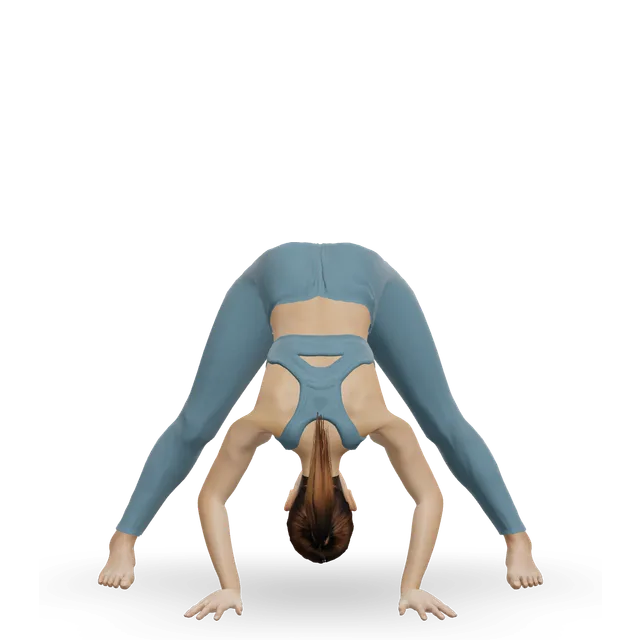
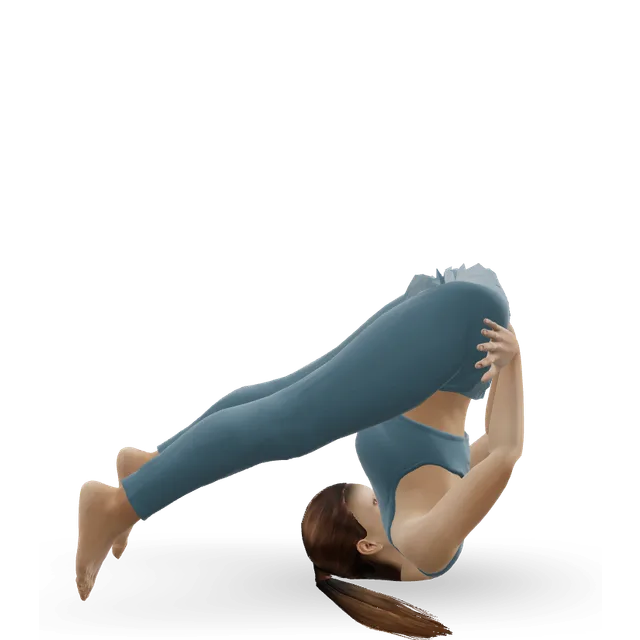
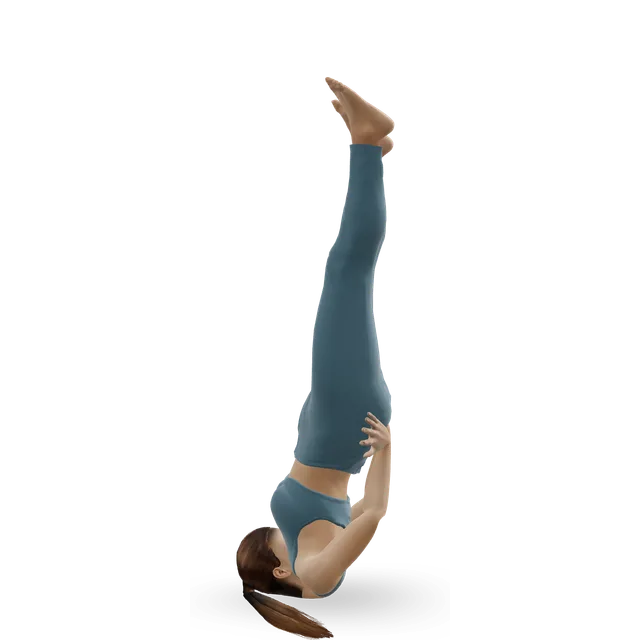
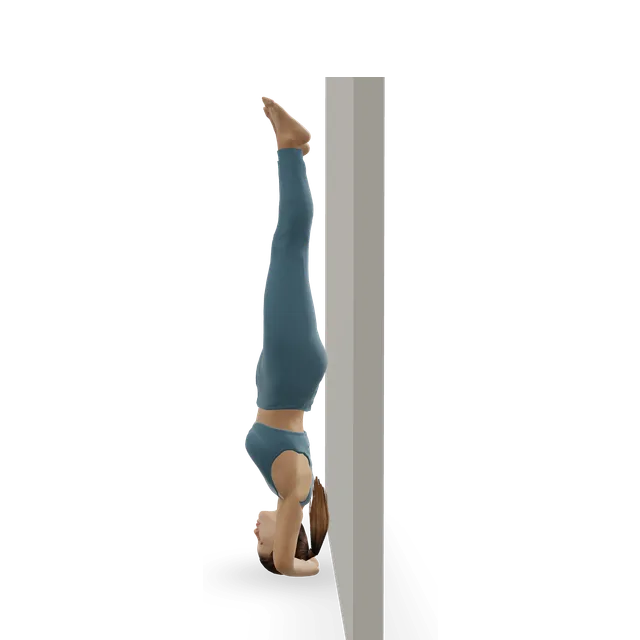
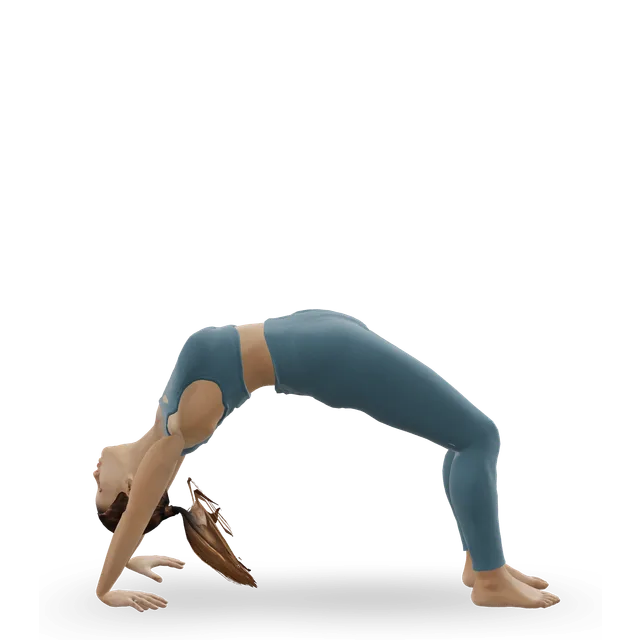
Deep forward folds: fold from the hips with a long back instead (the hip hinge fold, 5 slow folds with 3 breaths at the bottom, the move's page). Leave out plough, shoulder stand and headstand, which load a rounded neck and upper back, and deep backbends such as camel and wheel, which weren't part of the yoga trial and carry neck and low back cautions. Keep twists smooth, and keep the knees bent in boat pose.

Teenagers and Scheuermann's

A slouch or Scheuermann's?

A teenage slouch is usually postural kyphosis, which straightens when they stand tall. Scheuermann's is a stiff curve from wedge-shaped bones. The NHS says a specialist may suggest a brace for a child with mild to moderate Scheuermann's.

Source 5

Exercise for a teenager's curveMixed evidence

In one trial in 50 adolescents with Scheuermann's, daily Schroth exercises for a year reduced the curve a little more than general exercise, in a small study whose groups differed at the start. A 2025 review of 9 trials found exercise improved the curve in teenagers and young adults. No trial has tested yoga.

Sources 41, 42

Where yoga fits

Follow the specialist's plan; yoga can be general strength and movement alongside it. Our Pilates for teenagers and Scheuermann's disease guides have more.

Classes to follow

Start with our 25-minute yoga for posture class 2 or 3 times a week: it's built from the same blocks as the trial's classes, with the UK consensus dose for back lifts. With osteoporosis, use our yoga for osteoporosis class; if getting down to the floor is hard, use chair yoga.

Yoga for posture: a 25-minute back-strengthening practice

Twenty-five minutes of back-strengthening yoga for posture: arm and leg reaches, face-down back lifts and standing poses with the arms raised.

25 minBeginner15 movesNo equipment

Kyphosis exercises for seniors: a spine-strengthening routine

A 30-minute routine for a rounded upper back in later life, built from the SHEAF trial: floor back-strengthening, posture practice and gentle mobility.

30 minBeginner13 movesA bench or box, A wall

Yoga for osteoporosis: a 30-minute class with the safe swaps built in

A 30-minute yoga class for osteoporosis: standing strength, balance at a wall, back-strengthening holds and hip hinges in place of deep forward folds.

30 minBeginner19 movesA bench or box, A wall

Chair yoga for seniors

A free 20-minute chair yoga class for older adults: slow breathing, gentle seated stretches and twists, standing poses holding the chair, and a calm finish.

20 minBeginner18 movesA bench or box, Something with weight

Seated chair yoga: 15 minutes, no standing

A 15-minute chair yoga routine done entirely sitting: slow breathing, neck, shoulder and wrist stretches, seated twists and side bends, and a calm finish.

15 minBeginner16 movesA bench or box

Pilates for posture: upper back, shoulders and neck

A 20-minute Pilates routine for posture: breathing, head and shoulder-blade control, back strength and upper-back mobility, with no loaded rounding.

20 minBeginner13 movesA wall, A band

Upper back mobility routine

A 12-minute routine for a stiff upper back and rounded shoulders: chin tucks, wall angels, Y-T-W raises and open books.

12 minBeginner8 movesA foam roller, A wall

Follow a plan

For people without recent spinal fractures who are steady on their feet.

Glaucoma and high blood pressure

These lines are from our glaucoma and high blood pressure guides, word for word.

Glaucoma

Downward dog raised eye pressure by about three-quarters and a standing forward bend by about half, and it fell back within 2 minutes of sitting up; a headstand doubled it. Skip headstands, shoulder stands and other full inversions, and keep other head-down poses brief or use a supported version.

Source 43

High blood pressure that isn't controlled

Skip headstands, shoulder stands and long head-down holds while your blood pressure is uncontrolled; the moves' own pages already say so. This is a precaution, not a trial finding.

Keep to slow, easy breathing: fast, forceful breathing and breath holds raised blood pressure during the practice in a small study.

Source 44

Warning signs: when to get help

These are the warning signs from our kyphosis, Pilates for kyphosis, osteoporosis and back pain guides, word for word. This is general information, not a diagnosis. A&E means accident and emergency; in the US, call 911 for 999.

Call 999 or go to A&E (911 in the US)

Get emergency help for back pain with any of these:

  • Pain, tingling, weakness or numbness in both legs.
  • Numbness or loss of feeling around your genitals or bottom.
  • Changes in bladder or bowel control, or in sexual sensation or function.
  • Chest pain.
  • Pain after a serious accident.

Source 10

Signs of pressure on the spinal cord

Call 999 or go to A&E: new problems walking, loss of bladder or bowel control, or a sudden loss of coordination, such as difficulty doing up buttons. These can be signs of pressure on the spinal cord.

Get an urgent GP appointment or call NHS 111

Get advice soon (in the US, your doctor or urgent care) for back pain with any of these:

  • You feel hot, cold, shivery or generally unwell.
  • Severe pain that starts suddenly or gets worse quickly.

Source 10

See a GP soon

Book a GP appointment for any of these:

  • Your back has changed shape, or there's a lump or swelling.
  • A new or increasing hunch, or height loss.
  • New back pain after a minor fall, bend, lift or cough: it can be a spinal fracture from osteoporosis, and not every spinal fracture hurts.
  • Pain between your shoulders, pain that's worse at night, or back pain with weight loss you can't explain.

Sources 10, 7

A possible spinal fracture

See your doctor about unexplained back pain, especially in the upper back, or a change in body shape such as losing height or a more curved back. These can be signs of a spinal fracture, though not all spinal fractures hurt.

Unexplained back pain with muscle spasms, loss of height, or a curved spine or change in posture: a possible osteoporotic spinal fracture, more likely with older age or long-term steroid tablets.

Nerve problems with a spinal fracture need urgent specialist care.

Sudden mid or lower back pain after a minor fall, lift, cough or sneeze, especially from 50 or with long-term steroid tablets.

Often worse moving or changing position and eased by lying down. It can be an osteoporotic spinal fracture, so see a GP; height loss or a new curve in the upper back are other signs.

Sources 7, 13

Children and teenagers

See a GP if you think your child might have kyphosis. A curve can get worse until growth stops, and a stiff, sharp or painful curve that doesn't straighten when standing tall isn't a simple slouch. Rarely, a curve that keeps growing causes weakness, numbness or tingling in the legs, bladder or bowel changes, or difficulty breathing.

Source 5

A severe curve

See a GP if you think you or your child might have kyphosis. A severe curve can cause very bad back pain and difficulty breathing.

Source 5

Stop exercising if you feel

Stop, and call 111, or 999 in an emergency, if you feel:

  • sick
  • dizzy or light-headed
  • severely short of breath
  • clammy or sweaty
  • tightness in your chest
  • any pain

During yoga

Stop any pose that brings on sudden back or rib pain, and don't push through pain in a fold, twist or backbend. Sudden new back pain after a bend, lift, cough or minor fall needs a GP (our suggestions).

Chest pain or fainting while exercising: call 999

Call 999 if:

  • You get sudden pain or discomfort in your chest that doesn't go away; it can feel like squeezing or pressure, burning or indigestion.
  • The pain spreads to your left or right arm, or your neck, jaw, stomach or back.
  • You have chest pain and feel sweaty, sick, light-headed or short of breath.
  • Someone faints while exercising, can't be woken within 1 minute, or has chest pain or a pounding, fluttering or irregular heartbeat.

Sources 45, 46

Before you start

The NHS advises getting advice from a healthcare professional first if you have a health problem, an injury or symptoms, or have recently had a heart attack or an operation.

Myths

"Yoga can straighten any rounded back"Strong evidence

The one yoga trial improved two secondary measures but not its main one, and the yoga group's curve lessened by under a degree. The best exercise trial found 3 degrees, fractured bones heal in their compressed shape, and the NHS says exercises won't improve the curve.

Sources 1, 2, 12, 5

"Chest openers and backbends fix a hunch"Emerging evidence

Stretching on its own doesn't change posture. The yoga trial used gentle face-down back lifts and arm raises, not camel or wheel, and strengthening is what moved the curve.

Sources 4, 33, 2

"A hunched back always means osteoporosis"Strong evidence

Only about 40% of the most curved backs have spinal fractures, but a new hunch or height loss still needs checking.

Sources 6, 7

"You can't do yoga with osteoporosis"Strong evidence

The UK consensus says yoga "should be considered" even after a spinal fracture, with the deep rounding swapped out.

Source 8

"Kyphosis can't change after 50"Emerging evidence

Adults aged 60 to 88 reduced the curve by 3 degrees in 6 months, and 24 studies agree on a small effect.

Sources 2, 3

"Yoga practitioners have straighter backs, so yoga straightens backs"Mixed evidence

That comparison set practitioners aged 18 to 68 against students aged 18 to 30. It can't show that yoga caused the difference.

Source 19

Questions people ask

Can yoga help kyphosis?

A little, mainly through poses that strengthen your back. In the one yoga trial, 6 months of classes improved two secondary measures of the curve by about 4% to 5% in adults over 60, with the yoga group's own curve lessening by under a degree, but not the main measure. Expect gains in strength, comfort and posture awareness more than a straighter back.

Can yoga fix a hunched back?

Not fully. A slouch can straighten when you stand tall, but a curve from wedge-shaped or fractured bones doesn't reshape, and the NHS says exercises won't improve a curve or stop it getting worse. Back-strengthening exercise reduced an age-related curve by about 3 degrees in the best trial.

What are the best yoga poses for kyphosis?

Poses that strengthen the back, such as locust, low cobra, sphinx and bird dog, held 3 to 5 seconds and repeated 3 to 5 times. Add standing poses with your arms raised, gentle upper-back rotation and slow breathing. These match the yoga trial's class and the UK osteoporosis consensus.

Which yoga poses should I avoid with kyphosis?

Deep or held forward folds, plough, shoulder stand and headstand, and deep backbends such as camel and wheel, especially if you have osteoporosis. Fold from the hips with a long back instead, and keep twists smooth and comfortable.

How long does it take to see a difference?

The trials that found a change ran classes 3 times a week for 6 months, and some of the change faded when classes stopped. You may feel stronger and more comfortable within weeks, but don't expect a visible change in shape quickly.

How often should I do yoga for kyphosis?

Two or three times a week. The UK osteoporosis consensus suggests back-strengthening at least twice a week, and the trials used 3 classes a week. Practise standing and sitting tall for a few moments through the day too.

Is yoga safe with kyphosis and osteoporosis?

Yes, with changes. The UK consensus says yoga should be considered even after a spinal fracture, but advises modifying sustained, repeated or deep forward bending. Choose a teacher trained to work with older people or osteoporosis.

Is a hunched back a sign of osteoporosis?

Sometimes. Only about 40% of people with the most curved backs have spinal fractures, but a new or growing hunch, height loss, or sudden back pain after a minor fall or lift needs a GP. Spinal fractures from osteoporosis don't cause paralysis.

Can yoga help Scheuermann's kyphosis?

No trial has tested yoga in Scheuermann's. A specialist may suggest a brace for a growing teenager, and in one trial specific exercises reduced the curve a little more than general exercise. Yoga can be general strength and movement alongside the specialist's plan.

Is yoga or Pilates better for kyphosis?

No trial has compared them. What matters in either is back-strengthening: that is what reduced the curve in the best exercise trial, and the yoga trial's change was small. Our Pilates for kyphosis guide covers the Pilates version.

Can yoga help a dowager's hump?

A rounded upper back with osteoporosis is kyphosis, and this guide applies. A soft hump at the base of the neck is a different thing; our neck hump guide explains both.

Should I use a yoga wheel or foam roller to open my upper back?

Not if you have osteoporosis or spinal fractures: our foam roller move says to get it cleared first if you have osteoporosis. Without osteoporosis, short gentle holds are fine for comfort, but strengthening, not stretching, is what changes posture.

Sources

  1. Greendale 2009 · Yoga for a rounded upper back in 118 adults aged 60 and over: the Yoga for Kyphosis trial (randomised trial, J Am Geriatr Soc; read in full)

  2. Katzman 2017 · Spine strengthening and posture training in 99 older adults: the SHEAF trial (randomised trial, Osteoporos Int; read in full)
  3. Ponzano 2021 · Exercise for age-related hyperkyphosis: 24 studies (systematic review and meta-analysis with GRADE, Arch Osteoporos)
  4. Warneke 2025 · Practical recommendations on stretching: a consensus of 20 research experts (Delphi study, J Sport Health Sci)
  5. NHS · Kyphosis
  6. Katzman 2010 · Age-related hyperkyphosis: causes, consequences and management (review, J Orthop Sports Phys Ther; read in full)
  7. Royal Osteoporosis Society · Osteoporosis symptoms (reviewed September 2026)
  8. Brooke-Wavell 2022 · Strong, steady and straight: UK consensus on exercise for osteoporosis (consensus statement, Br J Sports Med; read in full)
  9. Sinaki 2013 · Spinal fractures after yoga flexion poses in 3 people with thin bones (case series, Pain Pract)
  10. NHS · Back pain
  11. Koelé 2020 · How much hyperkyphosis matters (narrative review, Front Endocrinol; read in full)
  12. Royal Osteoporosis Society · Spinal fractures (vertebral fractures) (patient information, past its review date: reviewed April 2022, review due April 2025)
  13. NHS · Osteoporosis (past its review date: reviewed October 2022, review due October 2025)
  14. ClinicalTrials.gov · NCT00781729: the Yoga for Kyphosis trial (registered in October 2008, after the trial ended in 2006)
  15. Greendale 2002 · Yoga in 21 women with a rounded upper back (pilot study with no comparison group, Am J Public Health; read in full)
  16. PubMed · Our search for studies of yoga and kyphosis: 11 records, no yoga trial since 2009 (October 2026)
  17. ClinicalTrials.gov · NCT06846697: hatha yoga and reformer Pilates for postural kyphosis in 30 adults (recruiting, past its planned end; no results)
  18. Momeni 2025 · Cyclic yoga in 42 middle-aged women (controlled study, J Bodyw Mov Ther)
  19. Grabara 2021 · Spinal curves in 667 yoga practitioners and 578 students (cross-sectional study, PeerJ)
  20. Dimitrijević 2025 · Exercise and the kyphosis angle: 19 studies, 1,084 people (meta-analysis, Healthcare; read in full)
  21. Jenkins 2021 · Treatments to reduce thoracic hyperkyphosis: 28 trials (systematic review and meta-analysis, Musculoskelet Sci Pract)
  22. Kirkbir 2026 · Exercise with breathing techniques for a rounded upper back: 5 studies, 247 people (systematic review and meta-analysis, Healthcare; read in full)
  23. Katzman 2007 · Group exercise and flexed posture in 21 older women (study with no comparison group, Arch Phys Med Rehabil)
  24. Itoi 1994 · Back-strengthening exercise and posture in 60 women aged 49 to 65 (randomised trial, Mayo Clin Proc)
  25. Sinaki 2002 · Stronger back muscles and spinal fractures 10 years on: 50 women (follow-up of a randomised trial, Bone)
  26. Kado 2005 · Hyperkyphosis and everyday physical function in 1,578 older adults (cross-sectional study, J Gerontol A Biol Sci Med Sci)
  27. Kado 2007 · Hyperkyphosis and injurious falls in 1,883 older adults (cross-sectional study, J Gerontol A Biol Sci Med Sci)
  28. McDaniels-Davidson 2018 · Kyphosis and falls over a year in 72 older adults (cohort study, Osteoporos Int)
  29. McDaniels-Davidson 2020 · Kyphosis and falls over 3 years in older men (cohort study, Osteoporos Int)
  30. Huang 2006 · Hyperkyphosis and future fractures in 596 women (cohort study, J Bone Miner Res)
  31. Kado 2004 · Hyperkyphosis and earlier death in 1,353 older adults (cohort study, J Am Geriatr Soc)
  32. Kado 2009 · Hyperkyphosis and earlier death in 610 older women (cohort study, Ann Intern Med)
  33. Wang 2012 · The Yoga for Kyphosis trial's pose series, and reaching and shoulder-blade position in 21 people (study with no comparison group, J Yoga Phys Ther; read in full)
  34. Royal Osteoporosis Society · Exercises to help with posture (patient information, past its review date: reviewed February 2019, review due February 2022)
  35. NHS · Physical activity guidelines for older adults
  36. Gibbs 2019 · Exercise after an osteoporotic spinal fracture: 9 trials, 749 people (Cochrane review)
  37. Royal Osteoporosis Society · How to exercise safely for bones (reviewed June 2026)
  38. Sinaki 1984 · Flexion or extension exercises in 59 women with spinal osteoporosis (non-randomised study, Arch Phys Med Rehabil)
  39. Sfeir 2018 · Spinal compression fractures linked with yoga in 9 people (case series, Eur J Phys Rehabil Med)
  40. Lee 2019 · Soft tissue and bone injuries from yoga in 89 people at one spine clinic (case series, Mayo Clin Proc)
  41. Bezalel 2019 · Schroth exercises for Scheuermann's kyphosis in 50 adolescents (randomised trial, Asian Spine J; read in full)
  42. Fernández 2025 · Exercise for hyperkyphosis in teenagers and young adults: 9 trials (systematic review, Physiother Res Int)
  43. Jasien 2015 · Eye pressure in four head-down yoga poses: 20 people with and without glaucoma (observational study, PLoS One)
  44. Nivethitha 2021 · Heart rate and blood pressure during four yogic breathing techniques: 20 healthy adults (lab study, Int J Yoga)
  45. NHS · Chest pain (past its review date: reviewed August 2023, review due August 2026)
  46. NHS · Fainting

Exercise education, not a personal prescription, and clinical review of these guides is pending. If you are pregnant, have a health condition such as glaucoma, high blood pressure or osteoporosis, or have had recent surgery, check with a doctor, midwife or physiotherapist before starting, and stop for sharp or increasing pain. Health disclaimer.