Yoga guide

Yoga for horse riders: the seat, hips and lower back, balance and posture in the saddle, falls, what the evidence shows, and a class

Riding asks your lower back and hips to follow the horse every stride while your trunk stays steady, and most riders are one-sided. Yoga for horse riders, or equestrians, can train both sides evenly: turning the upper back each way, the front and back of the hips, standing balance, a hinge into your jumping position and slow breathing. But no study has tested yoga in riders, and no exercise has been shown to stop falls, so it goes alongside riding lessons, strength work and a good hat.

This guide covers what riding asks of your body, what the rider studies show about the seat, one-sidedness and back pain, hips, falls and concussion, older riders, the poses to start with and to change, and a free 25-minute class with a 3D demo of every move. It ends with the warning signs after a fall.

The short version

No study of yoga in riders

Our searches found no trial or study of yoga in horse riders. The only exercise studies in riders are tiny: 9 riders with back pain, a 4-rider gym pilot and 11 para-equestrian riders, none with a proper comparison group. The British Horse Society says yoga and Pilates build core strength and flexibility, without citing studies.

Sources 1, 2, 3, 4, 5

Most riders are one-sided

In small motion studies, riders turned or leaned the same way whichever direction they rode. Yoga can train both sides evenly; that it straightens your seat hasn't been tested.

Sources 6, 7, 8

Back pain is common

Between about a quarter and nearly 9 in 10 riders have low back pain at any one time. In people with long-lasting back pain (not riders), yoga helped a little more than no exercise and about as much as other back exercise.

Sources 9, 10

Technique and tack beat strength for jolts

Shorter stirrups and the standing phase of rising trot cut the jolts through the spine, and the riders' strength didn't explain the difference. Sitting trot loads the lower back most.

Sources 11, 12

Yoga can't stop falls

No exercise has been shown to prevent falls from a horse. A hat to a current standard protects against bleeding in or around the brain, though not against every concussion.

Sources 1, 13, 14, 15

After a knock to the head, the concussion stages come first

British Equestrian allows stretching and practising your riding position not before day 7, resistance training not before day 14 and riding not before day 21. Yoga fits inside those stages, never ahead of them.

Sources 16, 17

What riding asks of your body, and where yoga fits

A pelvis that moves with the horseEmerging evidence

In 7 high-level dressage riders on a treadmill, the rider's pelvis rocked the opposite way to the saddle each stride, and the lower back arched and then bent with it. In more collected trot the pelvis tilted back and the lower back bent more; in free trot the pelvis tilted forward. Riding asks the lower back and hips to follow that movement both ways, every stride.

Sources 18, 19

How much the back takesEmerging evidence

In 21 dressage riders, the load through the lower back rose from walk to rising trot to canter to sitting trot. In 13 riders, shorter stirrups cut the jolts at the base of the spine, the neck and the head in the standing phase of rising trot, and strength measures didn't relate to the jolts; the authors suggest technique training.

Sources 12, 11

What riders' bodies showMixed evidence

In 12 junior elite riders, the inner thighs were 8% to 19% stronger than the outer hips, and all 5 show jumpers tested had tight hip flexors, against none of the 5 dressage riders. Sport riders had better core stability than recreational riders and non-riders, in a one-off comparison of 75 people. But in 22 dressage riders, physiotherapy screening didn't separate experts from novices. These are small studies and associations.

Sources 20, 21, 22

Where yoga fits

Off the horse: even, both-sides work for the trunk and hips, hip flexor and hip turning range, standing balance, a hinge into your jumping position, and slow breathing to settle. The British Horse Society's rider fitness page says riders need to be equally muscled and flexible on both sides. Yoga doesn't replace lessons for your position, a suitable horse, a hat and body protector, or strength work; our horse riding page covers those, and our Pilates for horse riders guide has more trunk work.

Source 5

What the evidence says

Riding lessons, a suitable horse, a hat and strength work carry the evidence. Yoga has no study in riders.

No yoga study in ridersStrong evidence

PubMed found 4 records for yoga with equestrian, rider, horse riding, horseback, jockey or dressage, and none was a study in riders. A search of full texts (462 records, the first 60 checked) found none either, and there is no Pilates trial in riders.

Source 1

Rider exercise studies are tinyMixed evidence

In 9 riders with long-lasting back pain, an 8-week exercise programme improved pain and riding, with no comparison group. A 2026 pilot split 4 riders between gym training and none, and measured saddle pressure. Eleven para-equestrian squad riders who added endurance and strength training rated a standard ride as easier by the end of the season, again without a comparison group. A 2025 review of 17 rider studies found only 2 that tested any training.

Sources 2, 3, 4, 23

Yoga for back pain, in generalEmerging evidence

Across 21 trials (2,223 people, mostly women in their 40s and 50s, none riders), yoga gave a small improvement in back function and pain at 3 months compared with no exercise, smaller than the amount people usually notice, and about the same as other back exercise. Back pain flaring was the commonest side effect. No trial was blinded, so treat the size of the effect with caution.

Source 10

Balance work helps in other sports, not tested in ridingEmerging evidence

Across 25 trials in sport, balance training roughly halved injuries and strength training cut them to under a third, while stretching made no difference. None was in riding. In college athletes, 10 weeks of yoga improved flexibility and a one-leg stand, in a study that wasn't randomised.

Sources 24, 25

Stretching after a ride and sorenessStrong evidence

The British Horse Society suggests stretching after a ride to help prevent muscle soreness. Across 12 studies, stretching before or after exercise lowered next-day soreness by about 1 point out of 100, too little to notice. Stretch after riding because it feels good and keeps your range.

Sources 5, 26

Both sides: your seat and symmetry

Riders are often one-sidedEmerging evidence

All 17 riders in one video study turned to the same side. In 10 riders, the same lopsided posture showed whichever direction they rode, and each degree of lopsidedness on a rocking balance chair predicted about 2.4 degrees when riding. In 127 riders, small differences between the sides went with competition level and years of riding, and 10 experienced dressage riders were lopsided in sitting trot. All small studies.

Sources 6, 7, 8, 27

What yoga can do about it (our reading)

Train every pose and turn the same amount on both sides, and notice which side is stiffer or wobblier. Whether off-horse work changes your seat is untested: the researchers who linked chair and saddle posture suggest testing seated, off-horse training in future studies. The British Horse Society's Riding Fit awards include learning three things to improve your symmetry and the key areas for riders to stretch.

Sources 7, 28

Back pain in riders

How common it isEmerging evidence

Across 14 studies of 4,527 riders, mostly of low quality, 27.9% to 87.9% had low back pain at any one time, and riding workload and stable work went with it in some studies. 61.7% of 347 Portuguese riders had back pain in the past year. 88% of 58 elite riders had a history of back pain, against 33% of non-riders, without more worn discs on scans.

Sources 9, 29, 30

Side endurance, jolts and the backMixed evidence

In 19 young riders, weaker side-plank endurance (under 65 seconds) went with back pain, an association in a small study. Shorter stirrups and rising trot changed the jolts more than strength did.

Sources 31, 11

Where yoga fits (our reading)

If your back hurts, yoga is a reasonable way to keep moving and build trunk endurance, about as useful as other back exercise. Keep backbends small if arching hurts, and look at stirrup length and rising trot with your instructor.

Source 10

Hips

Strong inner thighs, tight fronts of the hipsMixed evidence

In 12 junior elite riders, the inner thighs were stronger than the outer hips, and the show jumpers tested all had tight hip flexors. The British Horse Society says tight hip flexors can lead to lower back pain. Low lunges and hip flexor stretches, hip turning both ways, and work for the outer hips suit most riders; inner-thigh squeezes aren't a priority (our reading of one small study).

Sources 20, 5

Falls: what yoga can and can't do

Hats, body protectors, roads and the rules are on our horse riding page.

Falls can be seriousEmerging evidence

In British Columbia, riding led to 0.49 hospital admissions per 1,000 hours of riding and one death per 10,000 riders a year, 60% of them from head injury. Head injuries outnumber spinal injuries five to one, and jumping is the riding activity most likely to injure the spine. In an Australian trauma registry, most major injuries came from a fall or being thrown, and the chest, spine and head were the commonest areas hurt.

Sources 32, 33, 34

Fitness hasn't been shown to prevent fallsMixed evidence

In a pilot of 14 jockeys and track riders, lower aerobic fitness went with falls, but so did greater strength and power. No trial has tested yoga or any other exercise to prevent riding falls.

Sources 13, 1

Your hatStrong evidence

In 20 matched pairs, riders without hats had about 9 times the odds of bleeding in or around the brain. But 91% of head injuries in riders whose hats were returned after falls were concussions, and 85% of concussed riders in one survey were wearing a hat. British Equestrian: "While a riding hat will reduce the risk of serious injury, it won’t prevent you from getting a concussion". The Pony Club's rule says hats must be replaced after a severe impact.

Sources 14, 15, 35, 36, 37

Back to yoga after a fall or concussion

Our yoga after a concussion and exercise after a concussion guides have the full stages.

British Equestrian's stages come first

British Equestrian's guidance: "IF IN DOUBT, SIT THEM OUT". Stop riding at once and get checked by a healthcare professional or NHS 111 within 24 hours. Its return: complete rest for 48 hours; light activity from 48 to 72 hours, with no resistance training; grooming, stretching or practising your riding position not before day 7; training drills, which may include resistance training, not before day 14; and riding a suitable horse, supervised, not before day 21. See your GP if symptoms aren't improving after 21 days. In competition, follow your governing body's current concussion rules.

Source 16

Where yoga fits (our suggestion)

After your doctor's advice and never faster than the guidance: slow breathing and gentle seated or lying moves at stage 3 at the earliest, standing and strength poses at stage 4 at the earliest, and no head-down poses or inversions until you're cleared. Drop back a stage if symptoms return.

Sources 16, 17

Older riders and bones

Who gets hurtEmerging evidence

In an Australian registry of 624 major riding injuries, the highest rate was at ages 40 to 59. These are rates per head of population, not per hour of riding, so they partly reflect who rides.

Source 34

Bones

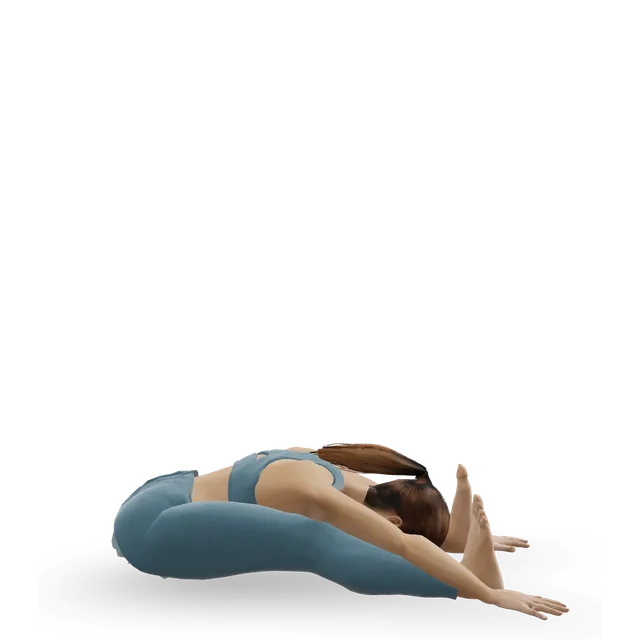
Modify or avoid exercises that round your back deeply or repeatedly, especially with a weight: sit-ups, toe touches, Pilates roll-downs and curl-ups, and extreme yoga forward folds. Bend from the hips instead. You do not need to avoid bending, twisting or lifting altogether: move smoothly and keep your upper back straight.

Twisting should be safe if you do it smoothly and comfortably. Slow down and shorten fast or forceful twists, and leave out the added weight.

Fitting yoga around riding

Our suggested week

Our editorial starting point:

  • Yoga once or twice a week, after riding or on non-riding days.
  • Strength work on at least 2 days a week, as the NHS advises for all adults; our strength workout for horse riders covers it.
  • The 10-minute horse riding warm-up before you get on, not a yoga class.
  • Lessons for your position, and every move done equally on both sides.

Source 38

Both sides of the trunk

Cat-cow: "8 waves, slower than feels natural" (the move page's dose). Thoracic rotation: "6 rotations per side, moving with the breath" (the move page's dose), the same amount each way. Open book: "8 to 10 slow openings each side, pausing 2 seconds at the end" (the move page's dose). Bird dog, 5 holds of 10 seconds each side, and knee side plank, 2 holds of 20 to 30 seconds each side, the same time both sides (our Pilates for horse riders class).

Hips: front, back and turning

Low lunge, 45 seconds each side with the back knee padded, and reclined figure four, 45 seconds each side holding behind the thigh (our yoga for runners routine). Half-kneeling hip flexor stretch, 30 seconds each side (our strength workout for horse riders). 90/90 switch: "10 slow switches, pause at the ends" (the move page's dose).

Balance and your position

Mountain pose, 5 to 10 slow breaths, twice, weight even on both feet (adapted from the move page's dose). Tree pose, 30 seconds each side, fingertips on a wall at first (our yoga for runners routine). Hip hinge, 8 times, then hold your jumping position twice for 20 seconds (our horse riding warm-up).

Breathing and rest

Slow breathing, 2 minutes, in for about 4 and out for about 6, with no holds, and lying twist, 45 seconds each side (our yoga for tennis players class). Corpse pose, 3 minutes (adapted from the move page's dose).

Poses to change or leave out

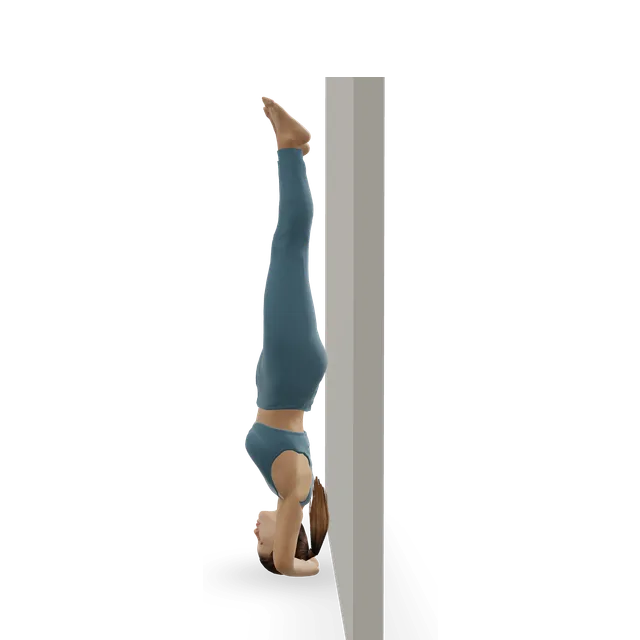
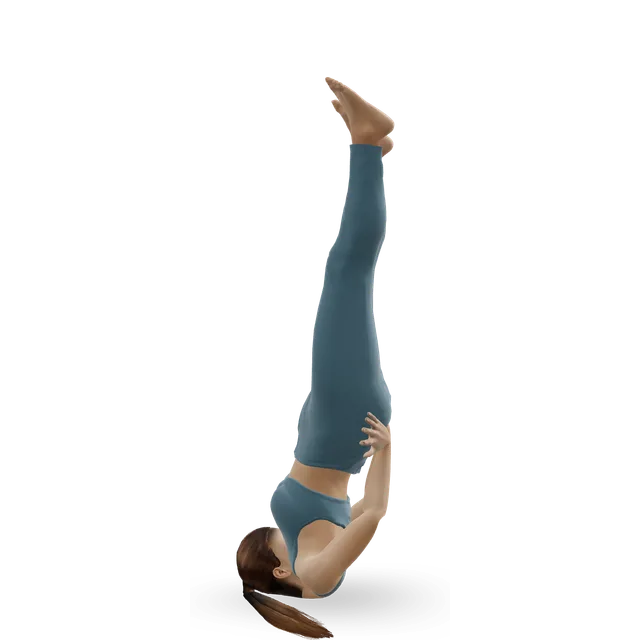
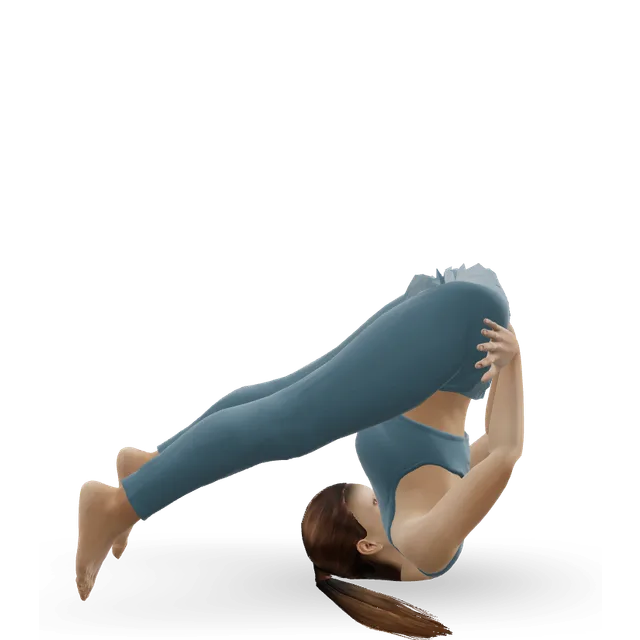
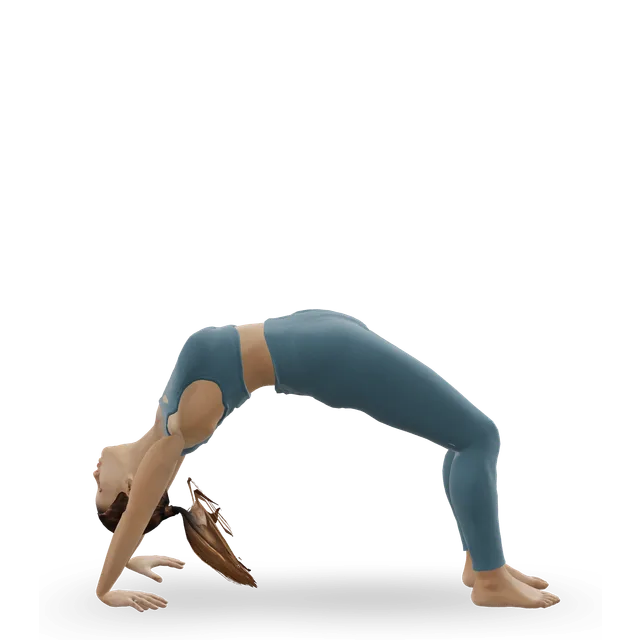
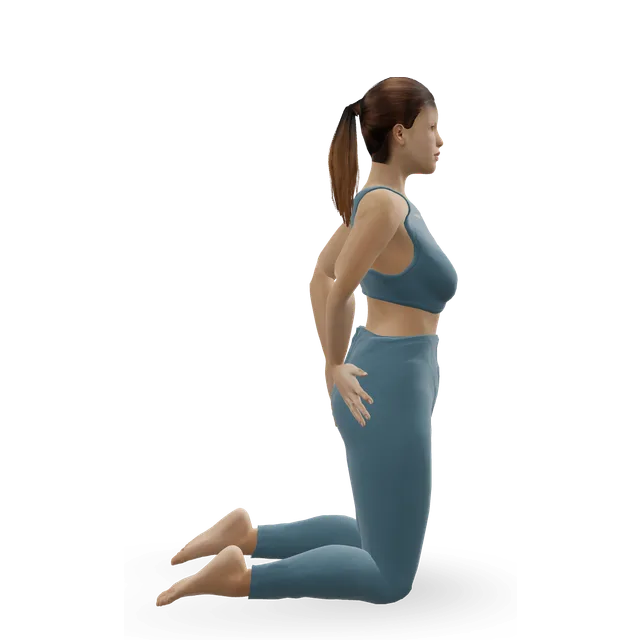
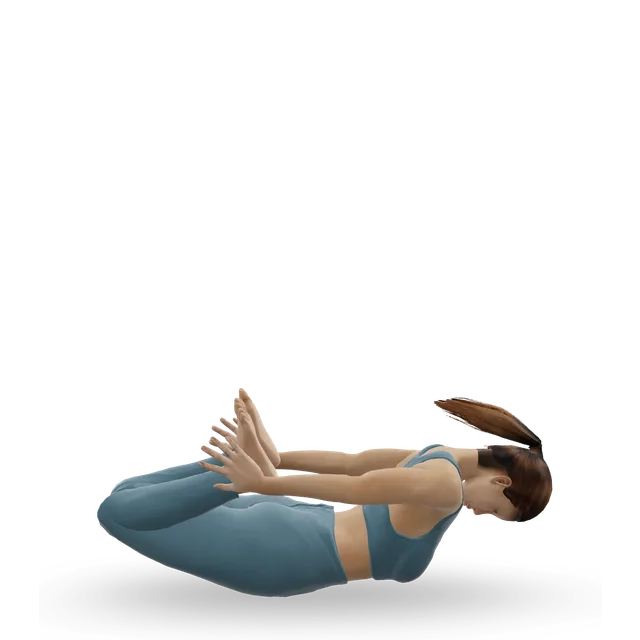
Headstands, shoulder stands and plough aren't needed for riding, and after any knock to the head no head-down poses or inversions until you're cleared. Leave out deep backbends (wheel, camel, bow) if arching hurts your back (our suggestion). With osteoporosis or a past spinal fracture, swap the seated forward fold for a flat-back hinge from the hips.

A class and workouts to follow

After riding or on a non-riding day, our 25-minute class for riders: our own selection, untested in a trial. Before you get on, the horse riding warm-up; for strength, the strength workout for horse riders, twice a week. Our Pilates for horse riders class is an alternative with more trunk work.

Both-sides yoga for horse riders: a 25-minute class for the hips, back and balance, after riding or on a non-riding day

A 25-minute yoga class for horse riders: the trunk and hips worked equally on both sides, standing balance, your jumping position and slow breathing.

25 minBeginner14 movesNo equipment

Horse riding warm-up: hips, back and balance before you get on

A 10-minute warm-up before you ride: marching, arm circles, cat-cow, thoracic rotations, hip circles, Cossack squats, bridges, balance and hip hinges.

10 minBeginner10 movesA wall

Strength workout for horse riders: core endurance, hips, legs and back

A 40-minute off-horse session for riders: curl-ups, side planks, bird dogs and dead bugs, hip work, squats, step-ups and wall sits, rows, carries and balance.

40 minBeginner17 movesA wall, A band

Seat-and-symmetry Pilates for horse riders: a 25-minute mat and standing class

A 25-minute Pilates class for horse riders: trunk endurance, pelvis and hip control both sides, upper-back rotation, balance and a two-point hold.

25 minBeginner16 movesA wall

Yoga for back pain (gentle beginner sequence)

A gentle 20-minute yoga sequence for back pain, based on the first weeks of a 12-week trial programme: lying, all-fours and standing poses, then rest.

20 minBeginner12 movesFirm cushion

Yoga for balance: a 30-minute standing class, from steady to moving

Thirty minutes of standing yoga for balance: strong standing poses, one-leg poses at the wall, and side steps, backward steps, reaches and sit-to-stands.

30 minBeginner16 movesA wall, A bench or box

Yoga for hip flexors: a 25-minute stretch-and-strengthen class for the front of the hip

A 25-minute yoga class for tight or weak hip flexors: lunges and warriors to stretch the front of the hip, then poses and leg lifts to strengthen it.

25 minBeginner15 movesA wall, Firm cushion

Restorative yoga sequence: 45 minutes of supported rest

A 45-minute restorative yoga sequence: five fully supported poses held for 4 to 10 minutes each, with slow breathing and a long final rest.

45 minBeginner6 movesFirm cushion, A wall

Head-up yoga after a concussion: a 15-minute seated and standing class with a symptom check

A 15-minute head-up yoga class after a concussion: seated breathing and spine moves, then gentle standing poses at a counter, with a symptom check.

15 minBeginner12 movesA bench or box, A wall

Warning signs: when to stop and get help

These are the warning signs from our Pilates for horse riders, horse riding and yoga guides, word for word. This is general information, not a diagnosis. A&E means accident and emergency; in the US, call 911 for 999.

A fall with a knock to the head: call 999

The NHS's 999 list includes anyone who has hit their head and has fallen from a height of more than 1 metre, which in our reading covers a fall from a horse. British Equestrian's red flags need immediate help from a medical professional, or 999 if none is there: neck pain, a severe or worsening headache, double vision, weakness or tingling in the arms or legs, being sick, losing consciousness or getting drowsier, a fit, or restless, combative or agitated behaviour. Don't move them or take off their riding hat unless you're trained, unless they're having difficulty breathing.

Sources 39, 16

Suspected concussion

No more riding that day: if in doubt, sit them out. They shouldn't get back on, go home alone or drive, and should be seen by a healthcare professional or NHS 111 within 24 hours. Contact NHS 111 straight away if they feel dizzy or take medicine that thins the blood.

With a suspected concussion, if in doubt, sit them out. The UK's grassroots guidelines say no sport for at least 24 hours, get checked by a healthcare professional or NHS 111 within 24 hours, follow a staged return, and no competition before day 21; if symptoms last beyond 28 days, stay out of sport and see a doctor. Yoga waits too: gentle breathing fits the early, light-activity stages, and no head-down poses or inversions until you're cleared (our reading). Our concussion guide has the stages.

Sources 16, 17

A neck or back injury

Neck pain, or weakness or tingling in the arms or legs, after a fall are among British Equestrian's red flags: call 999. Call 999 or go to A&E (accident and emergency) for back pain after a serious accident, with symptoms in both legs, or with changes in your bladder or bowels.

Call 999 or go to A&E: loss of feeling or numbness around the genitals or bottom, new trouble peeing or controlling your bladder or bowels, changes in genital sensation during sex or problems with erections or orgasm, or pain, tingling, weakness or numbness in both legs. These are signs of cauda equina syndrome, which needs treating in hospital urgently. Don't drive yourself.

Sources 16, 40

Kicked or crushed

Kicks and crushes can injure organs in the tummy without much to see, so get checked the same day after a kick to the tummy or chest, even if you feel fine (our suggestion). Our horse riding page has the full warning signs, including face, eye, shoulder and wrist injuries.

Source 46

Chest pain or fainting: call 999

Call 999 if:

  • You get sudden pain or discomfort in your chest that doesn't go away; it can feel like squeezing or pressure, burning or indigestion.
  • The pain spreads to your left or right arm, or your neck, jaw, stomach or back.
  • You have chest pain and feel sweaty, sick, light-headed or short of breath.
  • Someone faints while exercising, can't be woken within 1 minute, or has chest pain or a pounding, fluttering or irregular heartbeat.

Sources 41, 42

Unusual breathlessness

Call 999 or go to A&E (accident and emergency) straight away for severe difficulty breathing (gasping, choking or not able to get words out), a chest that feels tight or heavy, pain that spreads to your arms, back, neck and jaw, lips or skin turning very pale, blue or grey, or sudden confusion. If you're more short of breath than usual, or your heart is racing, fluttering or skipping beats, contact NHS 111.

Source 43

Pregnant

Our pregnancy guide lists horse riding among activities with a high risk of falling, and the NHS advises against sports where you could fall or bump your tummy.

Avoid riding, and talk to your midwife. Our yoga in pregnancy guide covers the yoga side (our suggestion, following our Pilates for horse riders guide).

Source 44

During yoga

A joint pain that is sharp, gets worse during a session, lingers into the next day or changes how you move is a reason to use an easier version, and to see a GP or physiotherapist if it keeps happening (the rule in our plans). Muscle soreness for a day or two after something new is normal. In a hot class, stop if you feel dizzy, sick or unwell; our hot yoga guide lists the signs of heat illness.

With glaucoma, or high blood pressure that isn't under control, skip headstands, shoulder stands and long head-down holds. With osteoporosis, swap deep forward folds for a flat-back hinge from the hips, and twist smoothly. In pregnancy, our yoga in pregnancy guide covers the changes. NCCIH advises beginners to avoid headstands, shoulder stands, the lotus position and forceful breathing.

You can say no to any hands-on adjustment, and a teacher registered with Yoga Alliance must get your explicit consent each time.

Source 45

Before you start

The NHS advises getting advice from a healthcare professional first if you have a health problem, an injury or symptoms, or have recently had a heart attack or an operation.


Myths

"Yoga prevents riding falls"Strong evidence

No study of yoga in riders exists, and no exercise has been shown to prevent falls; in a jockey pilot, greater strength went with more falls, not fewer. A hat to a current standard is what protects your head.

Sources 1, 13, 14

"Yoga will fix your crooked seat"Mixed evidence

Untested. The only off-horse training studies are a 4-rider pilot and an uncontrolled 9-rider programme. Yoga trains both sides evenly; lessons work on your position.

Sources 3, 2, 7

"A stronger core stops the jolts"Emerging evidence

Stirrup length and rising trot changed the jolts through the spine, and strength didn't relate to them.

Source 11

"Stretch after riding so you won't be sore"Strong evidence

Stretching changes next-day soreness by about 1 point out of 100. Stretch because it feels good and keeps your range.

Source 26

"A riding hat prevents concussion"Strong evidence

A hat cuts the risk of serious injury, but most head injuries in hat-wearing riders are concussions, and 85% of concussed riders in one survey were wearing one.

Sources 36, 35, 15

"You need to be flexible to do yoga"

No. Every pose here has an easier version with a wall, a chair or a cushion, and the NHS lists yoga among muscle-strengthening activities for all adults.

Source 38

Questions people ask

Is yoga good for horse riders?

It can be a good way to train what riding asks for: even hips and trunk on both sides, hip flexor and hip turning range, standing balance and calm breathing. No study has tested yoga in riders, so use it alongside lessons and strength work, not instead of them.

What are the best yoga poses for horse riders?

Cat-cow and upper-back turns done equally both ways, bird dog and a knee side plank, low lunge and a hip flexor stretch, figure four and 90/90 switches, tree pose and a hinge into your jumping position. Our 25-minute class puts them together.

Can yoga help back pain from riding?

It may. In people with long-lasting back pain, yoga helped a little more than no exercise and about as much as other back exercise, though no trial has been in riders. For jolts in trot, shorter stirrups and rising trot matter more than strength.

Will yoga improve my position in the saddle?

It hasn't been tested. Most riders are one-sided, and yoga can train both sides evenly, but lessons with an instructor are what work on your position.

Is yoga good for dressage riders?

The same ideas apply. The load through the lower back is highest in sitting trot, so build even trunk endurance and keep deep backbends out if arching hurts.

Will yoga stop me falling off?

No exercise has been shown to prevent falls. Wear a hat to a current standard and replace it after a severe impact; a hat cuts serious head injury but not every concussion.

How often should riders do yoga?

Once or twice a week, after riding or on non-riding days, is a sensible start (our suggestion), alongside strength work on 2 days a week as the NHS advises for all adults. Before you get on, use the 10-minute horse riding warm-up.

Is yoga or Pilates better for horse riders?

Neither has been tested in riders. Pilates has more trunk work; yoga has more hip range, standing balance and breathing. Choose the one you'll keep doing.

Can I do yoga after a fall or concussion?

Follow British Equestrian's stages and your doctor first: stretching and practising your riding position not before day 7, resistance training not before day 14 and riding not before day 21. Keep yoga inside those stages, with no head-down poses until you're cleared.

Is yoga good for older riders?

Yes, for balance, hips and trunk, with changes if you have osteoporosis: hinge from the hips instead of deep forward folds, and twist smoothly. Balance work and a good hat matter at every age.

When should a rider get help after a fall?

Call 999 for a knock to the head: the NHS list includes a fall from more than 1 metre, and British Equestrian's red flags include neck pain, a severe or worsening headache, double vision and weak or tingling limbs. Don't move the rider or take off their hat unless you're trained, unless they're having difficulty breathing.

Sources

  1. PubMed · Search for yoga with equestrian, rider, horse riding, horseback, jockey or dressage: 4 records, none in riders (1 November 2026)
  2. Weeks 2024 · An 8-week exercise programme for back pain in 9 riders (uncontrolled study, J Sports Med Phys Fitness)
  3. Zeliszewska-Duk 2026 · Gym exercise and saddle pressure in 4 riders (pilot study, PLoS One; read in full)
  4. Stolz 2026 · Extra endurance and strength training in 11 para-equestrian squad riders (before-and-after study, Int J Sports Physiol Perform)
  5. The British Horse Society · Rider fitness (last reviewed July 2022)
  6. Symes 2009 · Rider asymmetry in 17 riders (video study, Vet J)
  7. Engell 2019 · Riders' side-to-side posture when riding and on a balance chair (motion study, Hum Mov Sci)
  8. Hobbs 2014 · Posture, flexibility and grip strength in 127 riders (cross-sectional study, J Hum Kinet)
  9. Duarte 2024 · Low back pain in equestrians: 14 studies (systematic review, Sports; read in full)
  10. Wieland 2022 · Yoga for chronic non-specific low back pain: 21 trials, 2,223 people (Cochrane review)
  11. Keener 2021 · Stirrup length, rising trot and jolts through the spine in 13 riders (lab study, J Strength Cond Res)
  12. Mason 2020 · Loading of the lower back in 21 dressage riders (field study, J Sport Rehabil)
  13. Hitchens 2011 · Fitness and falls in jockeys and track riders (pilot study, BMJ Open)
  14. Bier 2018 · Helmets and brain injury in riders: 20 matched pairs (case-control study, Br J Neurosurg)
  15. Connor 2019 · Head injuries and helmet damage in real riding falls (retrospective study, Sports Med Open; read in full)
  16. British Equestrian · Concussion and return to riding guidelines (version 1.0, updated February 2023; read in full)
  17. UK Government and Sport and Recreation Alliance · UK concussion guidelines for non-elite (grassroots) sport (November 2024 update; read in full)
  18. Byström 2009 · How the saddle and rider move at collected trot: 7 high-level dressage pairs (treadmill study, Equine Vet J)
  19. Byström 2015 · Rider movement at different degrees of collection (treadmill study, Hum Mov Sci)
  20. Havertz 2025 · Strength and movement in 12 junior elite riders (cross-sectional study, BMC Sports Sci Med Rehabil; read in full)
  21. Skwierawska 2025 · Core stability in sport riders, recreational riders and non-riders (cross-sectional study, Folia Med Cracov)
  22. Heidbuchel 2023 · Expert and novice dressage riders on a riding simulator (cross-sectional study, J Equine Vet Sci)
  23. Balog 2025 · Rider performance and horse welfare: 17 studies (narrative review, Front Sports Act Living; read in full)
  24. Lauersen 2014 · Exercise programmes to prevent sports injuries: 25 randomised trials, 26,610 people (meta-analysis, BJSM)
  25. Polsgrove 2016 · 10 weeks of yoga, flexibility and balance: 26 male college athletes (controlled study, Int J Yoga; read in full)
  26. Herbert 2011 · Stretching to prevent or reduce muscle soreness after exercise: 12 studies (Cochrane review)
  27. Alexander 2015 · Posture in sitting trot and a taping test in 10 dressage riders (randomised crossover study, Phys Ther Sport)
  28. The British Horse Society · Riding Fit challenge awards and checklists (last reviewed December 2025)
  29. Duarte 2024 · Low back pain in 347 Portuguese riders (survey, Sports)
  30. Kraft 2009 · Back pain and spine scans in 58 elite riders and 30 non-riders (case-control study, Am J Sports Med)
  31. Cejudo 2020 · Trunk side endurance and back pain in 19 young riders (cross-sectional study, Children)
  32. Sorli 2000 · Five years of riding injury admissions in British Columbia (cohort study, Inj Prev)
  33. Silver 2002 · Spinal injuries from horse riding (review with UK spinal unit surveys, Spinal Cord)
  34. Knee 2025 · Major trauma in equestrian activities in New South Wales, 2012 to 2022: 624 cases (registry study, Injury)
  35. Glace 2023 · Concussions and helmet use in 210 equestrians (survey, J Sci Med Sport)
  36. British Equestrian · Concussion (with concussion mythbusters)
  37. The Pony Club · Hat rule (January 2026)
  38. NHS · Physical activity guidelines for adults aged 19 to 64
  39. NHS · Head injury and concussion
  40. NHS · Back pain
  41. NHS · Chest pain (past its review date: reviewed August 2023, review due August 2026)
  42. NHS · Fainting
  43. NHS · Shortness of breath
  44. NHS · Exercise in pregnancy
  45. NCCIH (US National Center for Complementary and Integrative Health) · Yoga: effectiveness and safety
  46. Dick 2021 · Injuries from horses in 162 patients at a Scottish district hospital (retrospective study, Scott Med J)

Exercise education, not a personal prescription, and clinical review of these guides is pending. If you are pregnant, have a health condition such as glaucoma, high blood pressure or osteoporosis, or have had recent surgery, check with a doctor, midwife or physiotherapist before starting, and stop for sharp or increasing pain. Health disclaimer.