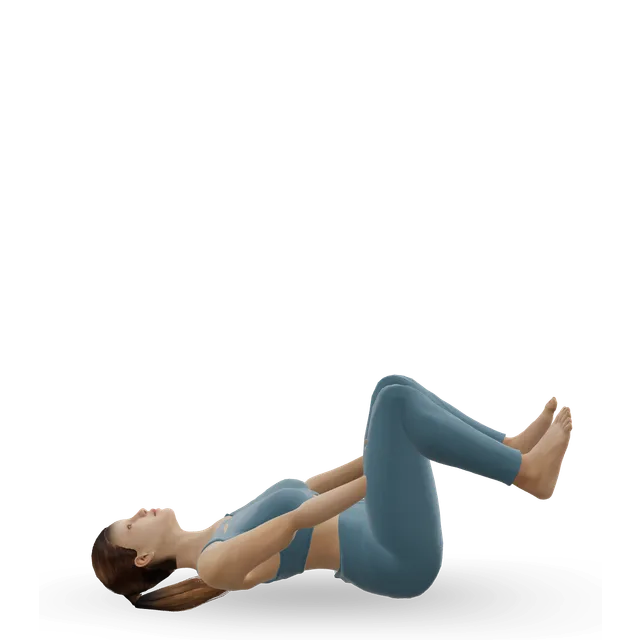
Yoga guide

Yoga for rowers: the back and ribs, hips at the catch, breathing, recovery between sessions, what the evidence shows, and a class

Yoga can be useful off the water for rowers: hip and hamstring range so the lean at the catch comes from your hips, moving endurance work for the back and buttocks, the upper back, and slow breathing on an easy day. But no published trial has tested yoga in rowers, and no programme has been shown to prevent rowing back pain, so it sits beside your rowing and strength training, not in place of them.

This guide covers where rowers get hurt (the low back and the ribs), why the lower back doesn't need more bending, what the evidence shows, breathing and recovery, juniors and masters rowers, the poses to use and to change with a sore rib, and a free 25-minute class with a 3D demo of every move.

The short version

The low back is hurt most; ribs cost the most time

In 153 Australian international rowers, the lower back was injured most often and rib injuries took the most training time; 83% of injuries came on gradually from overuse. Rib stress fractures affect about 8% to 16% of elite rowers over a career.

Sources 1, 2

No published yoga trial in rowers

We found no published trial of yoga in rowers. One unpublished university study put 16 rowers through 9 weeks of yoga with no comparison group: it showed yoga can fit a rowing season, not that it helps.

Sources 3, 4

Use your hips at the catch, not your lower back

World Rowing's summary of the 2021 expert consensus asks for at least 130 degrees of hip flexion and flexible hamstrings. Rowers without back pain tip the pelvis forward at the catch, and tiredness rounds the lower back, more on the rowing machine.

Sources 5, 6

Moving trunk work, not long planks

World Rowing's summary: "Training should focus on dynamic trunk exercises to improve endurance of the posterior chain. Static exercises such as 'planks' are unlikely to help."

Source 5

A rib that hurts to breathe needs checking early

Pain at the side of the chest that gets worse with deep breaths, coughing or rolling over in bed may be a rib stress fracture: see a GP or physiotherapist early.

Source 7

Count yoga in your training load

Most rowing injuries are overuse injuries, and spikes in training load go with injury. Keep yoga for lighter days, not straight before a hard piece; juniors 15 and under can count it as core and conditioning.

Sources 1, 8, 9

Where rowers get hurt

The low back, at every levelStrong evidence

The lower back was the commonest injury site in Australian internationals (84 of 270 injuries over 8 seasons) and at the 2007 junior and senior world championships. Over 12 months, 40 of 76 New Zealand international rowers (53%) had back pain, and World Rowing says about 2 in 3 adult rowers have back pain in a year, against about 1 in 3 people in the community.

Sources 1, 10, 11, 12, 5

Who gets back painEmerging evidence

Across 10 studies of 2,082 rowers, previous back pain was the one clear risk factor, with 2.65 times the odds of another episode; training volume and sweep or sculling weren't significant in the pooled analysis. In single studies, more training hours and long sessions on the rowing machine went with more back pain: World Rowing links rowing machine sessions of more than 30 minutes without a break to back pain.

Sources 13, 12, 5

RibsStrong evidence

Rib stress fractures affect 8.1% to 16.4% of elite rowers, 2% of university rowers and 1% of junior elite rowers, mostly in ribs 4 to 8 at the side of the chest. In the Australian team, a fracture cost a median of 69 days before full training on the water. A systematic review found no study testing any way to prevent them.

Sources 2, 14, 15

Older indoor rowersEmerging evidence

At the 2023 World Rowing Indoor Championships (180 responders, median age 50.5), overuse injuries outnumbered sudden ones by about 7 to 1. Only 1 in 5 of those invited answered, so treat it as a rough picture.

Source 16

What the stroke asks of your back, ribs and hips

The stroke

At the catch the trunk leans forward about 30 degrees; the drive starts with the legs, the back swings through and the arms finish. British Rowing notes the load repeats many times a minute for the whole session, and that instability around the hips, pelvis and lower back early in the drive, when the load is heaviest, risks injury.

Sources 7, 17

Why the lower back doesn't need more bendingEmerging evidence

In 10 high-level rowers, the lower lumbar spine came close to the end of its bending range at the catch. Across 22 small studies (429 rowers), tiredness increased lower-back bending at the catch, more on the rowing machine; in 19 elite men it rose 4.4 degrees on the machine against 1.3 in a single scull. One study of 6 elite rowers found technique held over an hour, so it isn't universal. The range rowers want is at the hips and hamstrings.

Sources 6, 18, 19, 20, 21

Ribs

Experts link rib stress fractures to the pull of the serratus anterior (a muscle on the side of the ribs) against the external oblique (a tummy muscle), long low-rate pieces on the rowing machine in winter, and low bone density or missed periods. In 133 elite rowers, restricting food went with lower bone density in the spine and ribs, an association.

Sources 7, 2, 22

Where yoga fits

Off the water: hip flexion and hamstring range for the catch, moving endurance work for the back and buttocks, the upper back, slow breathing, and an easy-day session that counts in your load. British Rowing says "Good flexibility is strongly encouraged to enable good posture to occur." Our Pilates for rowers guide covers the Pilates version, and our rowing page has technique, strength training and safety.

Sources 5, 17

What the evidence says

Strength training, managing your training load and technique carry the evidence. Yoga has no published trial in rowers.

No published yoga trialStrong evidence

PubMed found no records for yoga, asana or pranayama with rowing or rowers in the title or abstract, and 18 in all fields, none a yoga study in rowers.

Source 3

One unpublished, uncontrolled studyMixed evidence

In a 2020 university thesis, 16 male varsity rowers did two 60-minute yoga sessions a week for 9 weeks during their season. Attendance was high and no one reported a side effect. Hip strength rose, but the team's strength programme ran at the same time, and hip flexion range fell 4.3%, measured after a hard on-water session that morning. There was no comparison group and it isn't peer reviewed, so it shows only that yoga can fit a season.

Source 4

Flexibility hasn't been shown to prevent back painMixed evidence

In 31 college women followed for a season, flexibility screening didn't differ between the 18 who got back pain and those who didn't. A 1984 study of 17 rowers found a correlation between stretching and less back pain, and junior world championship rowers who stretched for more than 10 minutes after training reported fewer sudden injuries, an unadjusted link in a recall survey. None tested stretching as prevention.

Sources 23, 24, 10

What the experts agree onStrong evidence

"There is no one proven way to prevent back pain in rowers." The 2021 consensus says prevention and management should include education on risk factors, rowing biomechanics and training load, and treatment early unloading, pain control and exercise.

Sources 25, 5

Treating back pain in young rowersEmerging evidence

In 60 teenage rowers with long-lasting back pain, hamstring stretching or hamstring exercise 4 times a week for 12 weeks eased pain more than taping, in a single-blind trial; it treated existing pain and isn't yoga. In 36 teenage rowers, physiotherapy that retrains movement and works on worries about pain lowered pain while rowing by 2.4 points out of 10. A programme of exercise, education and conditioning went with less back pain in one school than in three others, without randomisation.

Sources 26, 27, 28

Core training and performanceMixed evidence

In college rowers, 8 weeks of core endurance training improved none of the performance tests. In 26 elite rowers, trunk stability training improved back-related disability by about 5 points out of 100 but not pain, in a study that wasn't randomised.

Sources 29, 30

Ribs

What a rib stress fracture feels like

It often starts as a vague ache in the chest wall and builds into sharp pain that is worse with coughing, deep breathing and changing position. Rib stress fractures generally heal in 6 to 8 weeks if found early, a review says, though the Australian team lost a median of 69 days.

Source 7

In yoga, with a rib injury (our suggestion)

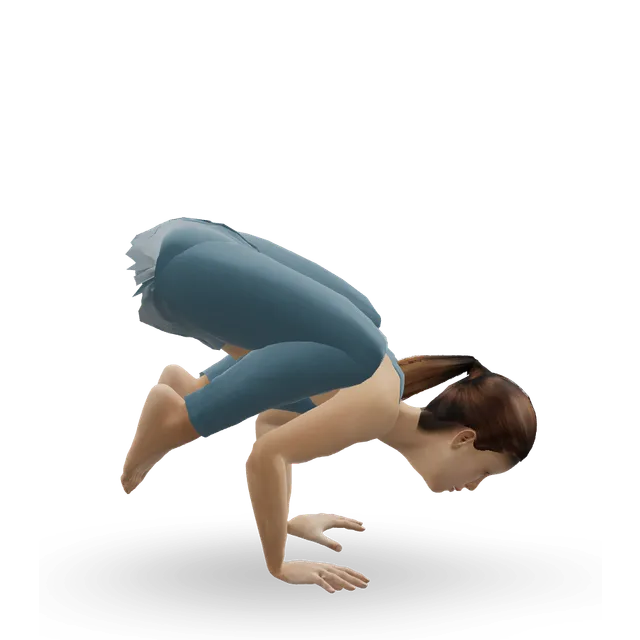
Follow your physiotherapist and our rib injury guide's stages. Leave out twists, side bends, side planks and arm balances until your physiotherapist agrees, don't lie on the sore side, and stop any pose that makes the rib hurt to breathe. No yoga guidance covers rib stress injuries.

Sources 7, 31

Eating enough

Low energy intake harms bone in women and men, and it's a suspected driver of rib injuries. See your GP, and eat enough for your training.

Source 22

Breathing and recovery between sessions

Slow breathing settles you, brieflyEmerging evidence

Slow breathing raises heart rate variability, a sign of the calming nervous system, during and straight after a session. In 20 athletes, 15 minutes of yoga after hard intervals settled breathing faster than stretching for 10 to 15 minutes. But 4 weeks of slow breathing after sprint training didn't improve recovery or performance in a trial of 34 people.

Sources 32, 33, 34

Breathing muscle training isn't yogaMixed evidence

Training the breathing muscles against a device improved rowing time in one small trial and not in another. In 48 elite rowers screened in the UK, breathing pattern problems (42%) and exercise-related cough (71%) were common, while objective asthma was found in 10%: a cough or wheeze that doesn't settle needs a doctor, not a breathing practice.

Sources 35, 36, 37

Soreness and loadStrong evidence

Stretching barely changes next-day soreness. The International Olympic Committee (IOC) says poor load management is a major cause of injury, so count a strong yoga class as a session. British Rowing: "The next session is only as good as the recovery (refueling, repairing, rehydrating and resting) from the previous session."

Sources 38, 39, 9

Juniors and masters rowers

Juniors

British Rowing's guidance is "J15 and under and older rowers new to strength training to be core/trunk & conditioning only." and "The stage at which rowers become tired, where technique and posture fluctuate, is where the rower is most prone to injury." A yoga class counts as core and conditioning (our reading). British Rowing also asks for a low drag setting on the rowing machine for young rowers.

Sources 9, 17

A young rower's back

A teenager in a sport that arches or twists the back, such as gymnastics, dance, diving, volleyball, cricket fast bowling, baseball pitching, weightlifting, football or rugby, with back pain that lasts more than a couple of weeks, is worse arching back or stops them training: get it checked by a GP or sports physiotherapist. It can be a stress fracture in the spine.

Source 46

Masters rowers and bones

Modify or avoid exercises that round your back deeply or repeatedly, especially with a weight: sit-ups, toe touches, Pilates roll-downs and curl-ups, and extreme yoga forward folds. Bend from the hips instead. You do not need to avoid bending, twisting or lifting altogether: move smoothly and keep your upper back straight.

Twisting should be safe if you do it smoothly and comfortably. Slow down and shorten fast or forceful twists, and leave out the added weight.

Fitting yoga around rowing

Our suggested week

Our editorial starting point:

  • One or two 25-minute yoga sessions a week, on lighter days or after easy water sessions.
  • More in the off-season, fewer in race season, and never straight before a hard piece or a test.
  • Hinge from the hips, and keep rounding of the lower back small after a long session on the rowing machine.
  • Keep your strength training: yoga doesn't replace it.

Source 39

Learn the hip hinge for the catch

Steps 1 to 4 are the move page's instructions, as on our Pilates for rowers guide; step 5 is our reading of World Rowing's advice on hip flexion and the finding that rowers without back pain tip the pelvis forward at the catch.

  1. Stand with your feet about hip-width apart, knees soft, and your hands in the creases at the front of your hips.
  2. Send your hips back as your trunk leans forward, keeping your back in a steady, comfortable shape and your neck in line with it.
  3. Go only as far as you can without your lower back rounding; start with a small range.
  4. Press through your feet and bring your hips forward to stand.
  5. In the boat or on the rowing machine, let the forward lean at the catch come from this hinge, not from rounding your lower back.

See the movement on the 3D figure: Hip-hinge practice

The catch: hips and hamstrings

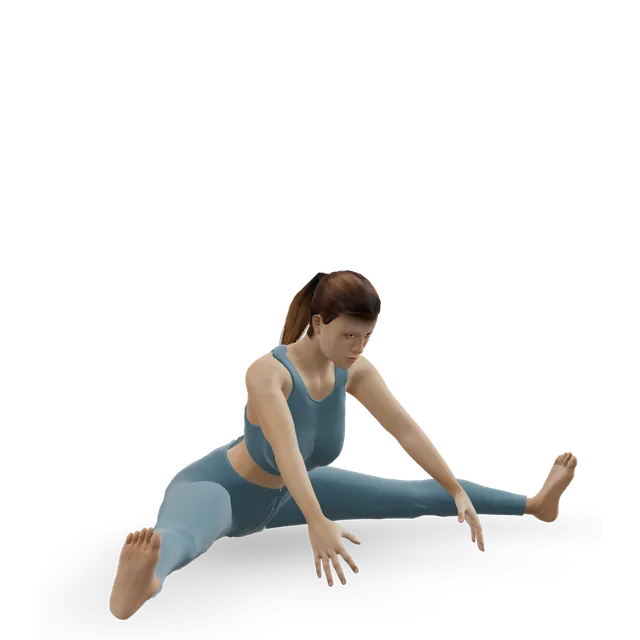
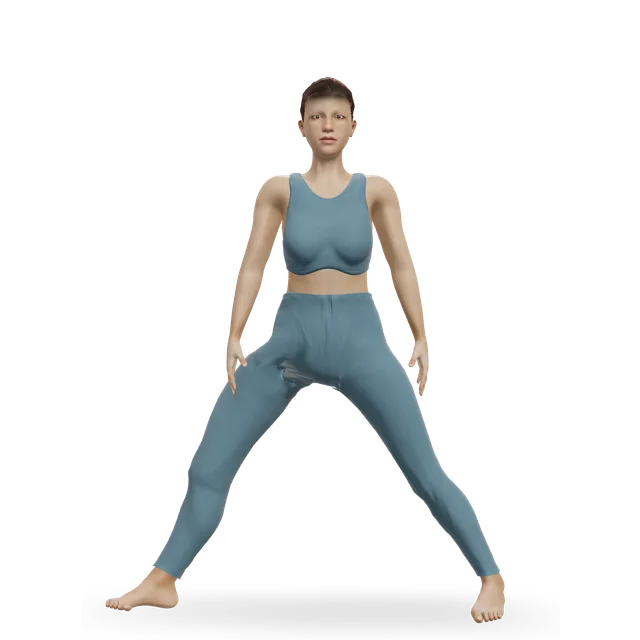
Hip hinge, 8 times (our strength workout for rowers). Strap hamstring stretch, 45 seconds each side with the other knee bent, easing off if the leg tingles, low lunge, 45 seconds each side, and reclined figure four, 45 seconds each side (our yoga for runners routine). 90/90 switch: "10 slow switches, pause at the ends" (the move page's dose).

Back and buttocks, moving

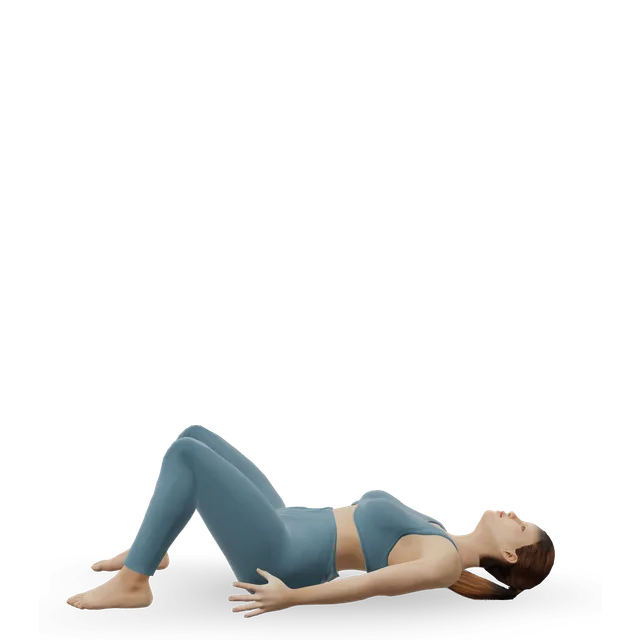
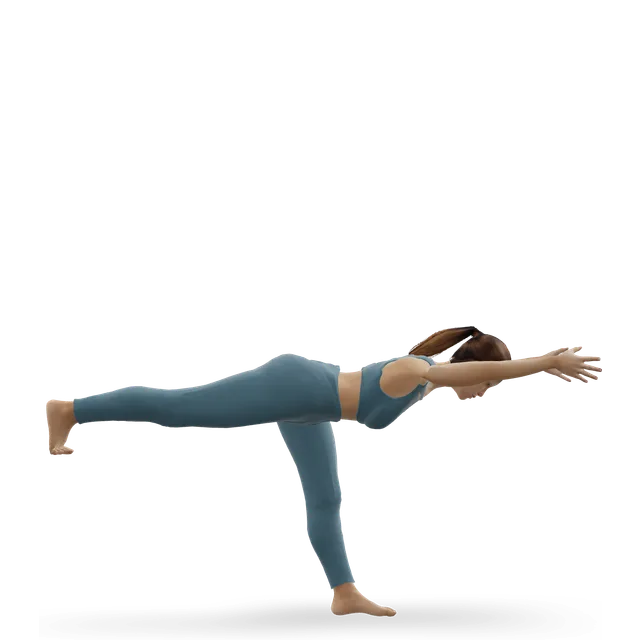
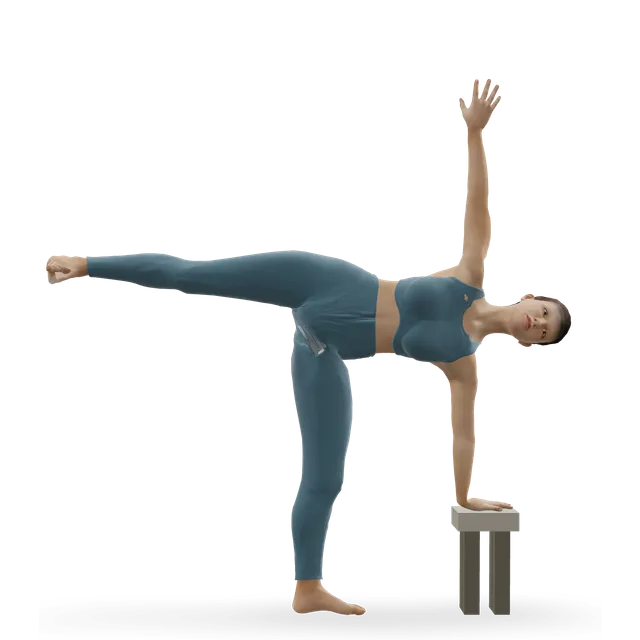
Bird dog, 2 sets of 6 each side holding each for 5 seconds, and side plank, 2 holds of 20 seconds each side on your forearm, knees down to start (our Pilates for rowers class). Glute bridge, 10 slow lifts, warrior III, 3 to 5 breaths each side with your hands on a wall, and locust, 3 holds of 3 breaths (our yoga for glutes class). Leave out the side plank with rib pain.

Upper back and shoulder blades

Thoracic rotation: "6 rotations per side, moving with the breath" (the move page's dose), left out with rib pain. Y-T-W raises, 5 of each shape (our Pilates for rowers class). Sphinx, 2 holds of 20 to 30 seconds, skipped if arching hurts (our yoga for swimmers class). Cat-cow: "8 waves, slower than feels natural" (the move page's dose), keeping the rounding small after a long session on the rowing machine (our suggestion).

Hands, breathing and rest

Wrist and forearm flow, 1 minute (our yoga for cyclists class): gentle movement, not a treatment for forearm pain from feathering. Slow breathing, 2 minutes, in for about 4 and out for about 6, with no holds (our yoga for tennis players class). Child's pose, 1 minute, knees wide, and corpse pose, 3 minutes (adapted from the move pages' doses). Legs up the wall is optional, 2 minutes (our yoga for runners routine).

Poses to change or leave out

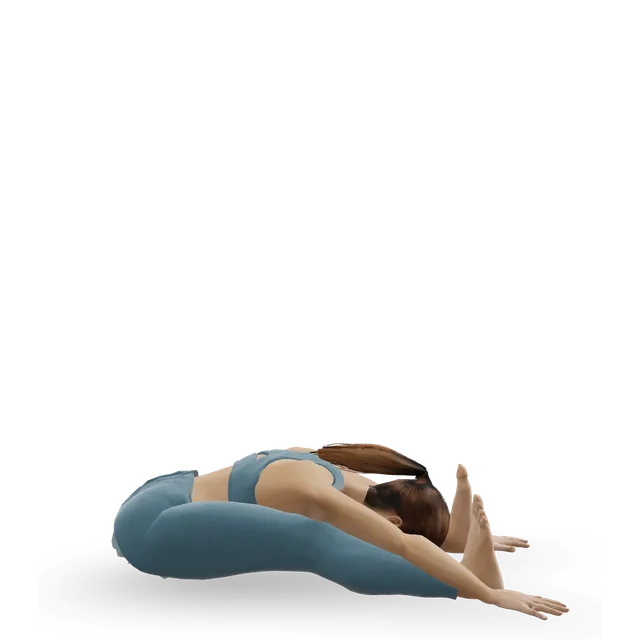
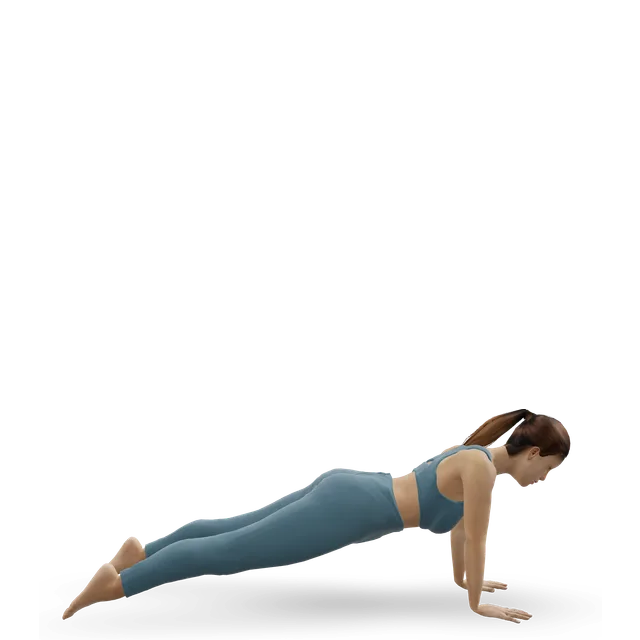
Swap long, rounded seated forward folds for a hinge from the hips or the strap hamstring stretch: the lower back already nears its bending limit at the catch (our suggestion; no study has tested yoga folds in rowers). With a rib stress injury, no twists, side bends, side planks or arm balances until your physiotherapist agrees, and don't lie on the sore side (our suggestion). Long static planks aren't needed.

A class and workouts to follow

On lighter days, our 25-minute class for rowers: our own selection, untested in a trial. The strength workout for rowers is the gym side, and our Pilates for rowers class is an alternative with more trunk work.

Yoga for rowers: a 25-minute class for the hips at the catch, back endurance and the upper back, off the water

A 25-minute yoga class for rowers: hip and hamstring range for the catch, moving work for the back and buttocks, the upper back, and slow breathing.

25 minBeginner16 movesNo equipment

Strength workout for rowers: legs, hinge, pull and trunk

A 50-minute strength session for rowers: back squats, Romanian deadlifts, chest-supported rows, push-ups, side planks, bird dogs and Pallof presses.

50 minIntermediate15 movesCardio machine, A band

Off-the-erg Pilates for rowers: a 25-minute class for trunk endurance, hips, upper back and shoulder blades

A 25-minute mat Pilates class for rowers: hip hinging and hip range for the catch, moving trunk endurance, glutes, hamstrings, upper back and shoulder blades.

25 minBeginner19 movesNo equipment

Rowing machine workout for beginners: set-up, technique and steady rounds

A 25-minute beginner rowing machine workout: set the damper, learn the stroke one part at a time, row three easy rounds of 4 to 5 minutes, then stretch.

25 minBeginner4 movesCardio machine

Yoga for back pain (gentle beginner sequence)

A gentle 20-minute yoga sequence for back pain, based on the first weeks of a 12-week trial programme: lying, all-fours and standing poses, then rest.

20 minBeginner12 movesFirm cushion

Yoga for tight hips

A hip-opening yoga sequence: low lunge, lizard, goddess, pigeon, bound angle and happy baby.

25 minBeginner10 movesA wall

Restorative yoga sequence: 45 minutes of supported rest

A 45-minute restorative yoga sequence: five fully supported poses held for 4 to 10 minutes each, with slow breathing and a long final rest.

45 minBeginner6 movesFirm cushion, A wall

Breathing exercises to relax

A 6-minute breathing routine: slow breathing, crocodile breathing, alternate nostril breathing, box breathing and 4-7-8 breathing.

6 minBeginner5 movesNo equipment

Warning signs: when to stop and get help

These are the warning signs from our Pilates for rowers, rowing, rib injury and yoga guides, word for word. This is general information, not a diagnosis. A&E means accident and emergency; in the US, call 911 for 999.

Chest pain or fainting: call 999

Call 999 if:

  • You get sudden pain or discomfort in your chest that doesn't go away; it can feel like squeezing or pressure, burning or indigestion.
  • The pain spreads to your left or right arm, or your neck, jaw, stomach or back.
  • You have chest pain and feel sweaty, sick, light-headed or short of breath.
  • Someone faints while exercising, can't be woken within 1 minute, or has chest pain or a pounding, fluttering or irregular heartbeat.

Sources 40, 41

On the rowing machine

British Rowing's safety alert on indoor rowing says: "If you do not feel well then do not exercise. If something is making you feel unwell then stop doing it."

Source 42

Unusual breathlessness

Call 999 or go to A&E (accident and emergency) straight away for severe difficulty breathing (gasping, choking or not able to get words out), a chest that feels tight or heavy, pain that spreads to your arms, back, neck and jaw, lips or skin turning very pale, blue or grey, or sudden confusion. If you're more short of breath than usual, or your heart is racing, fluttering or skipping beats, contact NHS 111.

Source 43

A rib that hurts

Pain at the side of the chest that builds with rowing, or hurts when you breathe deeply, cough or sneeze, needs a physiotherapist or doctor early, before it becomes a fracture. Our rib injury guide has more.

Rib pain with no injury that builds up with rowing, golf or other training: see a GP. It may be a rib stress fracture.

After a fall or blow to the ribs, call 999 or go to A&E if breathlessness or chest pain gets worse, you have pain in your tummy or shoulder, or you cough up blood.

Sources 7, 31

Back pain: call 999

Call 999 or go to A&E: loss of feeling or numbness around the genitals or bottom, new trouble peeing or controlling your bladder or bowels, changes in genital sensation during sex or problems with erections or orgasm, or pain, tingling, weakness or numbness in both legs. These are signs of cauda equina syndrome, which needs treating in hospital urgently. Don't drive yourself.

Call 999 or go to A&E: back pain with chest pain, or back pain that started after a serious accident, such as a car crash.

Source 44

Back pain: the same day

Same day (GP or NHS 111): back pain and you feel hot, cold, shivery or generally unwell, or severe pain that starts suddenly or is getting worse quickly.

Same day: leg weakness that is getting worse.

Source 44

During yoga

A joint pain that is sharp, gets worse during a session, lingers into the next day or changes how you move is a reason to use an easier version, and to see a GP or physiotherapist if it keeps happening (the rule in our plans). Muscle soreness for a day or two after something new is normal. In a hot class, stop if you feel dizzy, sick or unwell; our hot yoga guide lists the signs of heat illness.

With glaucoma, or high blood pressure that isn't under control, skip headstands, shoulder stands and long head-down holds. With osteoporosis, swap deep forward folds for a flat-back hinge from the hips, and twist smoothly. In pregnancy, our yoga in pregnancy guide covers the changes. NCCIH advises beginners to avoid headstands, shoulder stands, the lotus position and forceful breathing.

You can say no to any hands-on adjustment, and a teacher registered with Yoga Alliance must get your explicit consent each time.

Source 45

Before you start

The NHS advises getting advice from a healthcare professional first if you have a health problem, an injury or symptoms, or have recently had a heart attack or an operation.


Myths

"Flexibility prevents rowing injuries"Mixed evidence

Flexibility screening didn't predict back pain in college rowers, and there is no proven way to prevent back pain in rowers. Build endurance, use your hips and manage your load.

Sources 23, 5

"A bendy lower back is a safe back"Emerging evidence

The lower back already nears its bending limit at the catch and bends further as you tire. The range you want is at the hips and hamstrings.

Sources 18, 6

"Yoga will give you more hip range for the catch"Mixed evidence

It hasn't been shown. In the one rowing yoga study, unpublished and with no comparison group, hip flexion range fell over 9 weeks in season, measured after a hard session.

Source 4

"Planks are the best core work for rowers"Emerging evidence

World Rowing's summary of the consensus says static exercises such as planks are unlikely to help, and favours moving trunk exercises for the back and buttocks.

Source 5

"Yoga breathing will improve your erg score"Mixed evidence

No study has tested yoga breathing in rowers. Breathing muscle training with a device has mixed results, and slow breathing didn't speed recovery in another sport.

Sources 35, 36, 34

"Rib pain is just a pulled muscle; row through it"Strong evidence

Rib pain that is worse with breathing, coughing or changing position can be a stress fracture, which cost elite rowers about 10 weeks of full training on the water. Get it checked early.

Sources 7, 14

Questions people ask

Is yoga good for rowers?

It can be useful off the water: hip and hamstring range for the catch, moving endurance work for the back and buttocks, the upper back and slow breathing. No published trial has tested it in rowers, so it supports rowing and strength training rather than replacing them.

What are the best yoga poses for rowers?

Hip hinges, a strap hamstring stretch, low lunge and 90/90 switches for the catch; bird dog, bridges and warrior III for the back and buttocks; upper-back turns and Y-T-W raises. Our 25-minute class puts them together.

Can yoga prevent back pain in rowers?

Nobody has shown that any programme prevents it, and the rowing experts say so plainly. Use your hips at the catch, build endurance with moving exercises, and manage your training load.

Will yoga improve my hip flexion for the catch?

It hasn't been shown. World Rowing asks for at least 130 degrees, but in the one rowing yoga study, unpublished and uncontrolled, hip flexion range fell over 9 weeks, measured after a hard session.

Should rowers stretch their lower back?

Not into long, deep rounding: the lower back already nears its bending limit at the catch and rounds more as you tire. Fold from your hips and keep hamstring and hip work as the focus.

Should I do yoga before or after rowing?

After rowing or on a lighter day. Before a hard piece, use a rowing warm-up; long holds just before hard efforts can cost a little power.

Can I do yoga with a rib stress fracture?

Only the gentle parts your physiotherapist agrees to: breathing, and poses that don't twist, side-bend or load the ribs, without lying on the sore side. Follow your physiotherapist's plan for getting back to rowing.

Does yoga breathing help rowing?

It hasn't been tested in rowers. Slow breathing settles you after training, but it isn't a performance aid, and a cough or wheeze that doesn't settle needs a doctor.

Can junior rowers do yoga?

Yes. British Rowing keeps rowers 15 and under to core, trunk and conditioning work, and a yoga class fits that. A junior whose back pain lasts or is worse arching needs a check.

How often should rowers do yoga?

Once or twice a week, on lighter days, is a sensible start (our suggestion). Count a strong class in your weekly load.

When should a rower see a doctor?

For a rib that hurts more to breathe, cough or roll over, back pain that lasts or keeps coming back, or forearm pain with feathering that keeps returning. Back pain with numbness around the genitals or bottom, weakness in both legs, or bladder or bowel changes needs 999.

Sources

  1. Trease 2020 · Injury and illness in 153 Australian international rowers over eight seasons (cohort, BJSM)
  2. McDonnell 2011 · Rib stress fractures among rowers (review, Sports Med)
  3. PubMed · Search for yoga, asanas or pranayama with rowing, rowers or oarsmen in the title or abstract: no records (1 November 2026)
  4. Kit 2020 · A 9-week yoga programme in 16 varsity rowers (unpublished MSc thesis with no comparison group, University of Victoria; read in full)
  5. World Rowing · Guide for managing low back pain in rowers: a summary of the 2021 consensus (May 2021; read in full)
  6. Nugent 2021 · Rowing-related low back pain and rowing technique: 22 studies, 429 rowers (systematic review, BJSM)
  7. Hosea 2012 · Rowing injuries (review, Sports Health; read in full)
  8. Drew 2016 · Training load and injury, illness and soreness: 35 studies (systematic review, Sports Med)
  9. British Rowing · How much, how often: training levels for young rowers (updated February 2019; read in full)
  10. Smoljanovic 2009 · Injuries in 398 junior world championship rowers (survey, Am J Sports Med)
  11. Smoljanovic 2015 · Injuries in 634 senior world championship rowers (survey, Int Orthop)
  12. Newlands 2015 · Low back pain in 76 international rowers over 12 months (cohort, BJSM)
  13. Ze 2025 · Risk factors for low back pain in rowers: 10 studies, 2,082 rowers (systematic review and meta-analysis, BMC Sports Sci Med Rehabil; read in full)
  14. Harris 2020 · Rib stress injuries in 151 Australian Rowing Team athletes (cohort, BJSM)
  15. D'Ailly 2016 · Rib stress fractures in rowers: return to sport, risk factors and prevention, 17 studies (systematic review, J Sports Med Phys Fitness)
  16. Schulz 2026 · Injuries and illnesses at the 2023 World Rowing Indoor Championships: 180 responders (survey, J Sci Med Sport)
  17. British Rowing · Youth rowing guidance 2024 (read in full)
  18. Strahan 2011 · Spine and pelvis movement in sweep and scull rowing machine rowing, 10 rowers (lab study, Clin J Sport Med)
  19. Wilson 2013 · Lower-back movement on the rowing machine and in a single scull in 19 elite rowers (lab study, Sports Biomech)
  20. Caldwell 2003 · Repeated rowing, lower-back bending and back muscle activity in 16 rowers (lab study, Clin Biomech)
  21. Mackenzie 2008 · Rowing technique over a one-hour session in 6 elite rowers (lab study, J Sports Sci Med)
  22. Lundy 2022 · Nutrition and rib stress injury history in 133 elite rowers (cross-sectional study, J Sci Med Sport)
  23. Gonzalez 2018 · Screening tests and low back pain in 31 college women rowers (cohort, J Athl Train)
  24. Howell 1984 · Flexibility, stretching and back pain in 17 lightweight women rowers (correlation study, Am J Sports Med)
  25. Wilson 2021 · Preventing and managing low back pain in elite and subelite rowers (consensus statement, BJSM)
  26. Sekibağ 2026 · Hamstring stretching, hamstring exercise or taping for back pain in 60 teenage rowers (single-blind randomised trial, J Back Musculoskelet Rehabil)
  27. Ng 2015 · A cognitive functional approach for back pain in 36 teenage rowers (randomised trial, BJSM)
  28. Perich 2011 · A multi-part programme for back pain in schoolgirl rowers (non-randomised controlled trial, Knee Surg Sports Traumatol Arthrosc)
  29. Tse 2005 · Core endurance training and performance in 45 college rowers (controlled study, J Strength Cond Res)
  30. Schäfer 2022 · Trunk stability training in 26 elite rowers (non-randomised pilot study, PLoS One)
  31. NHS · Broken or bruised ribs
  32. Laborde 2022 · Voluntary slow breathing, heart rate and heart rate variability: 223 studies (systematic review and meta-analysis, Neurosci Biobehav Rev)
  33. Petviset 2025 · Yoga or static stretching for recovery after high-intensity interval training: 20 male athletes (randomised crossover trial, Int J Exerc Sci; read in full)
  34. Raidl 2026 · Slow breathing as recovery during 4 weeks of sprint interval training: 34 people (randomised trial, Int J Sports Physiol Perform)
  35. Volianitis 2001 · Breathing muscle training and rowing performance in 14 women rowers (placebo-controlled trial, Med Sci Sports Exerc)
  36. Riganas 2008 · Breathing muscle training in 19 well-trained rowers (controlled trial, J Sports Med Phys Fitness)
  37. Hull 2024 · Breathing problems in 48 elite rowers (screening study, BJSM)
  38. Herbert 2011 · Stretching to prevent or reduce muscle soreness after exercise: 12 studies (Cochrane review)
  39. Soligard 2016 · How much is too much? Training load and the risk of injury (International Olympic Committee consensus statement, BJSM)
  40. NHS · Chest pain (past its review date: reviewed August 2023, review due August 2026)
  41. NHS · Fainting
  42. British Rowing · Safety alert: care when indoor rowing (February 2020)
  43. NHS · Shortness of breath
  44. NHS · Back pain
  45. NCCIH (US National Center for Complementary and Integrative Health) · Yoga: effectiveness and safety
  46. Selhorst 2019 · Spondylolysis in 1,025 adolescent athletes with back pain (case series, Clin J Sport Med)

Exercise education, not a personal prescription, and clinical review of these guides is pending. If you are pregnant, have a health condition such as glaucoma, high blood pressure or osteoporosis, or have had recent surgery, check with a doctor, midwife or physiotherapist before starting, and stop for sharp or increasing pain. Health disclaimer.