Fascia guide

Fascia release for the lower back: the back's fascia and pain, rolling, release and stretching, what the trials show, what helps more, and when back pain needs checking

Fascia release for the lower back usually means rolling the muscles beside the spine, pressing a ball into the buttock, a massage gun, or a therapist's myofascial release, in the hope of loosening "tight fascia". The sheet of fascia across your lower back is real and sensitive, and in people with back pain it looks thicker on scans. Release can make a stiff back feel easier for a while, but it doesn't reshape the fascia, and no study shows that loosening it fixes back pain.

The honest headline: exercise and staying active come first, as UK guidance says. Hands-on release and massage help a little for a short time, rolling the lower back is barely tested, and most new back pain settles within weeks.

This guide explains what the back's fascia does, a 12-minute routine that moves, eases and strengthens, where to roll and where not to, and the warning signs that come first.

The short version

Exercise and staying active come first

Across 249 trials, exercise eased long-term back pain by about 15 points out of 100 against no treatment, usual care or a placebo. The National Institute for Health and Care Excellence (NICE) recommends exercise, and hands-on treatment such as massage only as part of a package that includes exercise. The NHS says stay active and don't stay in bed for long periods.

Sources 1, 2, 3

The back's fascia is real, and it can hurt

The thoracolumbar fascia, the layered sheet across your lower back, is rich in nerve endings in rats. In 12 volunteers, salt water injected into it caused longer-lasting, more spreading pain than the same injection into muscle.

Sources 4, 5

Scans show changes, not causes

Across 14 studies (1,001 people), the fascia was thicker and stiffer in people with low back pain, and thicker fascia went with more pain. Every study measured people once, so the changes may follow the pain rather than cause it, and no study shows that loosening the fascia fixes back pain.

Sources 6, 7

Release and massage help a little, for a while

Across 8 trials (375 people), a therapist's myofascial release eased chronic low back pain by a small amount, and against a sham the gain was too uncertain to call worthwhile. Massage eased pain in the short term only, and its reviewers had very little confidence in the result.

Sources 8, 9, 10

Rolling the lower back is barely tested

Six trials of rolling for muscle and joint pain couldn't be pooled, and the 2 that helped added rolling to exercise. In 40 women, self-release added to exercise did better than exercise alone, and a small unblinded trial in healthy adults found a slight gain in bending.

Sources 11, 12, 13

If you roll, roll beside the spine

Keep it gentle and on the muscles beside the spine, never on the spine itself, and skip it during a flare or with pain that travels down a leg. On the buttock, stay on the outer, upper part: a nerve injury followed self-massage with a ball in the middle of the buttock.

Source 14

Check first: back pain that needs help now

Release is never a test for these. A&E means accident and emergency.

Call 999 or go to A&E

  • Call 999 or go to A&E: loss of feeling or numbness around the genitals or bottom, new trouble peeing or controlling your bladder or bowels, changes in genital sensation during sex or problems with erections or orgasm, or pain, tingling, weakness or numbness in both legs. These are signs of cauda equina syndrome, which needs treating in hospital urgently. Don't drive yourself.
  • Call 999 or go to A&E: back pain with chest pain, or back pain that started after a serious accident, such as a car crash.

Source 3

After a fall

Call 999: after a fall, you may have hurt your head, neck, back or hip, or you cannot get up.

Same day

  • Same day (GP or NHS 111): back pain and you feel hot, cold, shivery or generally unwell, or severe pain that starts suddenly or is getting worse quickly.
  • Same day: you have or have had cancer, and new back pain that is severe and doesn't let up, is getting steadily worse, is worse at night and disturbs your sleep, is worse when you cough, sneeze or strain, or comes with tenderness over the spine. Contact your cancer team or GP urgently. With cancer, new weakness, difficulty walking, numbness or bladder or bowel problems are an emergency.
  • Same day: leg weakness that is getting worse.
  • Same day (urgent GP appointment or NHS 111): new difficulty lifting the front of your foot or toes (foot drop), or a foot that slaps down or catches as you walk, especially if it is getting worse. Weakness in both legs, or with numbness around the genitals or bottom or bladder or bowel changes, is the 999 emergency above.

Sources 3, 15

The back's fascia, and what release changes

A layered sheet across the lower back

The thoracolumbar fascia wraps the long muscles beside the spine and joins the lats above, the glutes below and the deep tummy muscles at the sides. Our thoracolumbar fascia guide covers how it's built and how its layers glide.

It can hurt

In rats it is densely supplied with sensory nerve endings, including presumed pain fibres in its outer layers; human samples were only assessed roughly. In 12 healthy volunteers, salt water injected into the fascia caused pain that lasted longer, spread further and felt more unpleasant than the same injection into the back muscle or the layer under the skin. So the fascia is a plausible source of some back pain. That isn't the same as "tight fascia" causing it.

Sources 4, 5

What scans show in back pain

Pooling 14 studies of 1,001 people, mostly middle-aged with long-standing back pain, the fascia was thicker and stiffer (high certainty) and brighter on ultrasound than in people without back pain, and thicker fascia went with higher pain ratings. Whether the layers slide less is unsettled: in 121 people, sliding was about 20% lower in those with chronic back pain, while a 2025 study of 64 people found more sliding. A second review of 14 studies called the findings inconsistent.

Sources 6, 16, 17, 7

Stillness and injury

In pigs, a small injury to the fascia plus 8 weeks of restricted movement cut the sliding between its layers by 52%. The useful message is to keep a sore back moving, which is what the NHS advises, not to press it loose.

Sources 18, 3

What pressure and rolling change

Dense fascia needs forces far outside the body's normal range to change shape by even 1%, so rolling and hands-on work act mainly through the nervous system: sensors in the skin and fascia, the body's own pain control, and muscle tone. Brief changes have been measured. In 49 people with back pain, a myofascial technique lowered back muscle stiffness and fascia thickness on one side straight afterwards, with less pain then and on day 2, against a simulated technique. Foam roller exercises made the fascia slide about 1.8 mm more in young athletes, without changing how far they could bend. A brief massage didn't change sliding in people with back pain. None of this shows a lasting change.

Sources 19, 20, 21, 22, 23, 17

The muscles people blame

The quadratus lumborum, the psoas and the glutes all get blamed. Our one-sided back pain guide reports that the quadratus lumborum was less stiff, not more, in long-lasting back pain; our psoas guide reports that psoas length wasn't linked with back pain in 600 adults; and our glutes guide found no trial of glute self-release for back pain.

How back pain usually goes

In people seen within 6 weeks of it starting, average pain fell from about 56 out of 100 to 26 by 6 weeks and 21 at a year (moderate certainty), and an earlier review found much the same. Pain that has already lasted months improves more slowly: from 56 to 40 over a year in the persistent pain studies (very low certainty).

Sources 24, 25

What the evidence says

Exercise: the core treatmentStrong evidence

Across 249 trials, exercise eased chronic low back pain by 15.2 points out of 100 against no treatment, usual care or a placebo (moderate certainty) and improved function by 6.8 points; against other treatments the gains were 9.1 and 4.1 points. NICE says to consider a group exercise programme, whether strength, aerobic, mind and body, or a mix.

Sources 1, 2

Hands-on myofascial releaseEmerging evidence

Across 8 trials (375 people), a therapist's myofascial release eased chronic low back pain and improved function by small amounts, from few, low-quality trials; a second review of 8 trials found less disability but no clear effect on pain. Against a sham, 4 sessions of 40 minutes improved pain on one scale but not another in 54 people, and the authors couldn't say the gain mattered. A course of sessions helped where a single 5-minute technique didn't, and in the better-quality trials the effects didn't reach the smallest change people notice.

Sources 8, 26, 9, 27, 28

MassageEmerging evidence

A Cochrane review of 25 trials (3,096 people) found that massage eased pain and improved function in the short term only, and the reviewers had "very little confidence" that it works. More pain afterwards was the commonest side effect, in 1.5% to 25% of people. NICE: consider massage only as part of a treatment package that includes exercise.

Sources 10, 2

Rolling for back painMixed evidence

Six rolling trials for muscle and joint pain couldn't be pooled, and only 2 found a benefit, both adding rolling to exercise. In small single-site trials that we read as summaries, 40 women who added 20 minutes of self-release to stabilisation exercise twice a week for 6 weeks improved more in pain, disability and flexibility than those who only exercised, and 32 women who added self-release to Pilates improved more in pain. In 40 riders, foam rolling aimed at tight hamstrings and muscle energy technique both helped, with no untreated group, and in 45 older adults, adding roller massage to core exercise didn't improve pain or disability. No trial has tested rolling the lower back on its own in people with back pain.

Sources 11, 12, 29, 30, 31

Rolling the lower back in healthy peopleEmerging evidence

In 43 healthy adults, a 4-week home programme that included gentle lower back rolling gave a slight gain in bending and pressure tolerance, but nobody was blinded and the groups differed at the start. Straight after rolling, the fascia slid a little more in young athletes, and lumbar flexibility improved more than with stretching or rest in 24 college athletes.

Sources 13, 23, 32

Massage guns, cupping, gua sha and tape

Our massage gun guide found one back pain trial: a gun added to physiotherapy eased pain by about 1 point out of 10 more, below the change people usually notice. Our cupping, gua sha and kinesiology tape guides found small, short-lived effects in back pain trials, and little or no difference against a sham or heat.

What NICE says not to offerStrong evidence

Belts or corsets, foot orthotics, rocker sole shoes, traction, acupuncture, ultrasound, transcutaneous or percutaneous electrical nerve stimulation (TENS or PENS) and interferential therapy.

Source 2

Where the evidence is thin

No trial has tested lower back rolling on its own for back pain, and the hands-on trials are small and short. We read most studies' summaries (abstracts), not their full texts.

What helps: doses

Each dose names its source or is our editorial starting point. Doses are starting points, not prescriptions.

Keep moving

Stay active and keep up your daily activities, as the NHS advises; walking, swimming, yoga and Pilates may help. Walking 5 to 10 minutes, several times a day, is our back pain guide's starting dose.

Source 3

Exercise you'll keep doing

Bird dog, 2 sets of 6 each side, and glute bridges, 2 sets of 10, are our back release routine's editorial starting points; our back pain guides build from there. Two or three sessions a week, building over weeks, is our editorial starting point.

Source 1

Release, if you want it

Rolling the muscles beside the spine or the outer buttock: about 90 seconds per muscle, for example 2 or 3 slow rounds of 30 to 45 seconds, the move pages' dose, from a review of rolling studies. Knees to chest: hold 20 to 30 seconds, 2 to 4 times, the move page's editorial dose. Use a pressure you can breathe through.

Source 33

Where to roll, where not to, and who should ask first

Beside the spine, never on it

Keep it gentle and on the muscles beside the spine, never on the spine itself. Skip it during a flare of back pain or with pain that travels down a leg. Knees to chest or windscreen wipers do a similar job without a roller.

The outer buttock, never the middle

On the glutes, stay on the outer, upper part of the buttock. A man injured his sciatic nerve after self-massage with a ball in the middle of the buttock, in a case report.

Rolling that eases the buttock for a while doesn't treat the cause. Leg weakness, numbness that is spreading, or pain that keeps getting worse needs assessing, not more pressure.

Source 14

Ask first

Keep the pressure light, or ask your doctor first, if you take blood thinners, which make bruising more likely, have very weak bones, or have a nerve condition such as peripheral neuropathy that leaves the skin numb: the NHS lists these among the reasons hands-on treatment such as osteopathy may not be safe. With osteoporosis, ask before sitting your full weight on a hard roller (our suggestion).

Sources 34, 35

Expert cautions for rolling

In an expert consensus of 37 researchers, open wounds and broken bones were reasons not to roll, and inflammation, a clot, a bone infection or bone forming in a muscle after an injury were at least reasons for caution.

Source 36

Pregnancy

In later pregnancy, avoid lying flat on your back for more than a few minutes. Clots are more likely in pregnancy and for 6 weeks after birth: a pregnant woman had a clot reach her lungs shortly after a leg massage, so never roll or massage a swollen or painful leg. Our pregnancy guide covers massage guns and rolling.

Sources 37, 38

Ease a stiff lower back in about 12 minutes: move, release around it, then strengthen

The cat-cow, knees-to-chest, windscreen wiper and glute roll doses are their move pages' (the roll's from a review of rolling studies; the knees-to-chest and windscreen wiper doses are called editorial on those pages). The breathing, bird dog and bridge doses are our back release routine's, and the walk is our back pain guide's starting dose. The lower back roll is left out on purpose, as in our back release routine. No trial has tested this sequence.

  1. Check first: numbness around the genitals or bottom, bladder or bowel changes, weakness or numbness in the legs, back pain with a fever or after a fall, or pain that travels below the knee needs the warning signs above, not release. Skip any rolling during a flare.
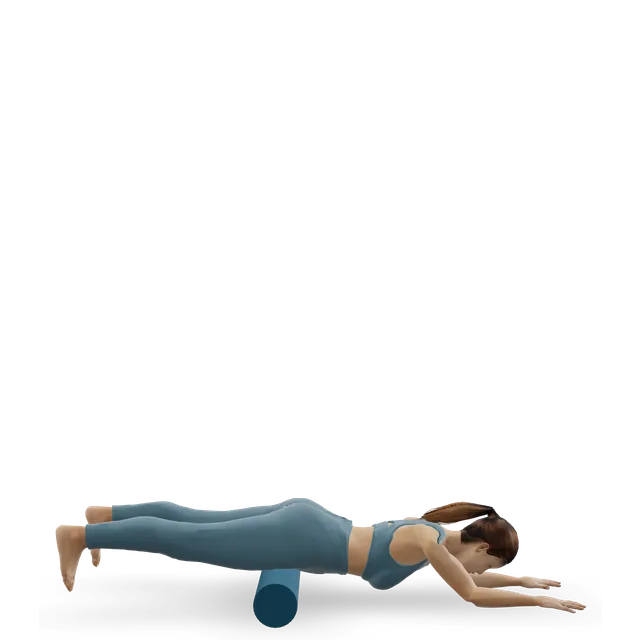
  2. Breathe: lie on your front with your forehead on your hands and take 6 slow breaths into your lower back and sides.
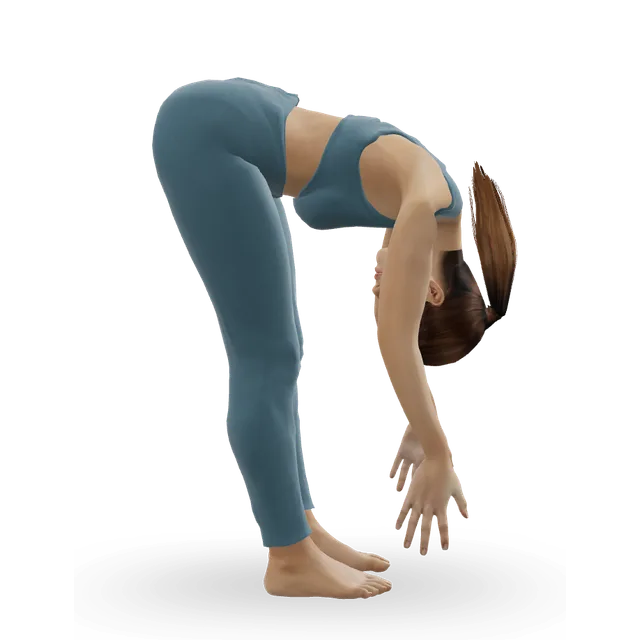
  3. Move: on all fours, 8 cat-cow waves, slower than feels natural and in a small, comfortable range.
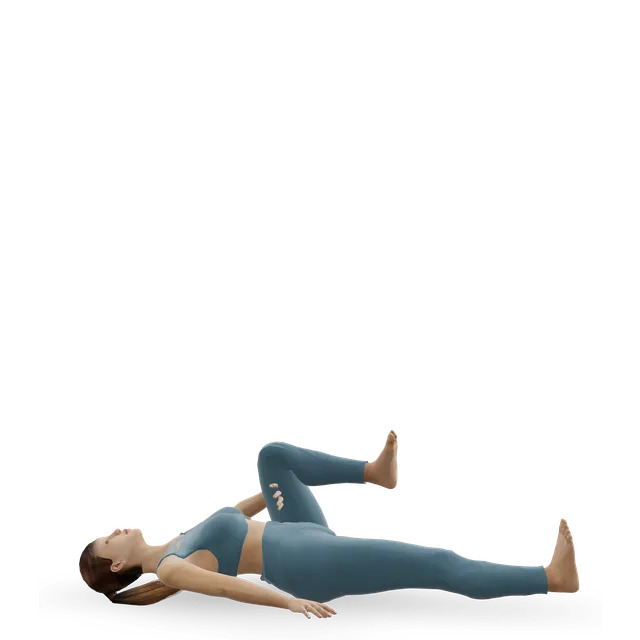
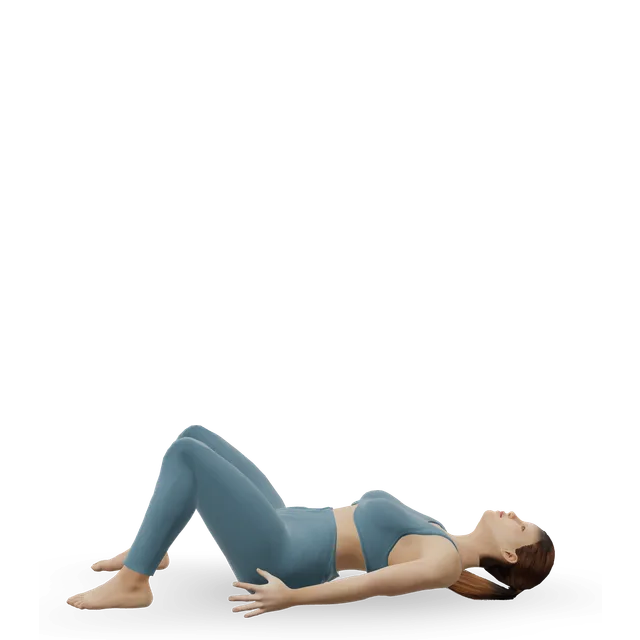
  4. Ease: lying on your back, hug both knees towards your chest and hold 20 to 30 seconds, 2 to 4 times. With osteoporosis, avoid deep or repeated rounding.
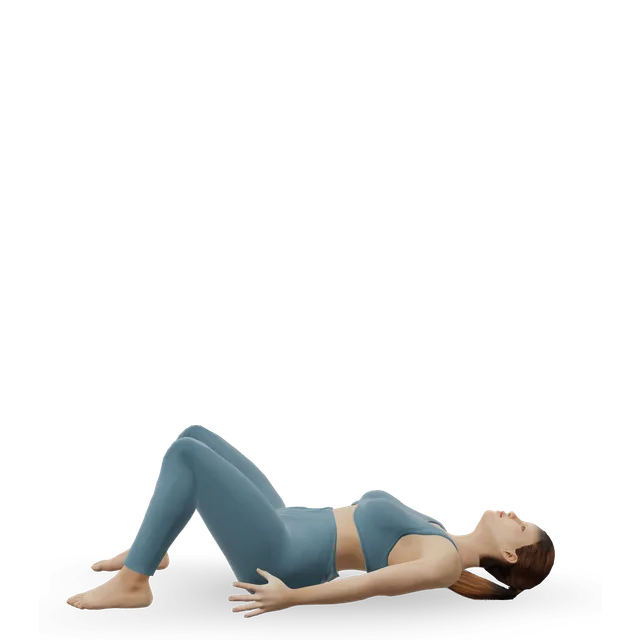
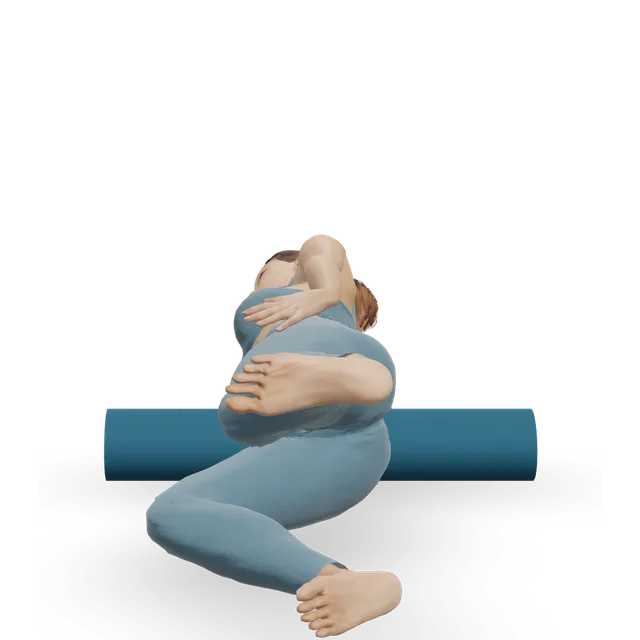
  5. Rotate: windscreen wipers with your knees together, 10 slow passes side to side, 2 rounds.
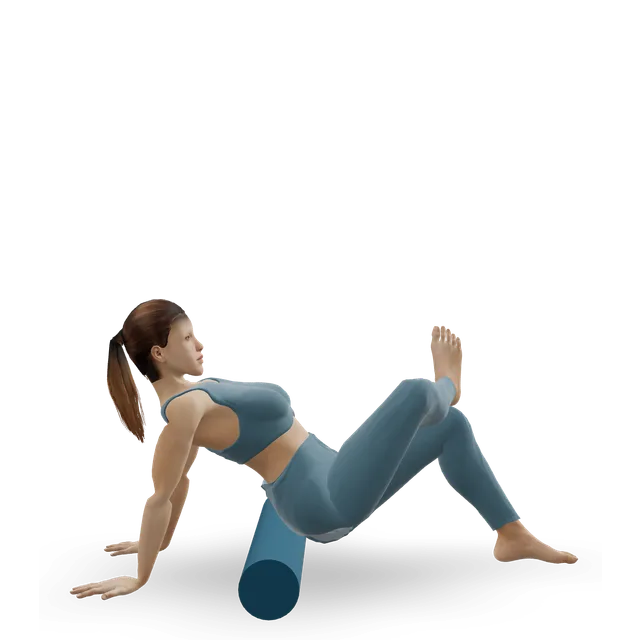
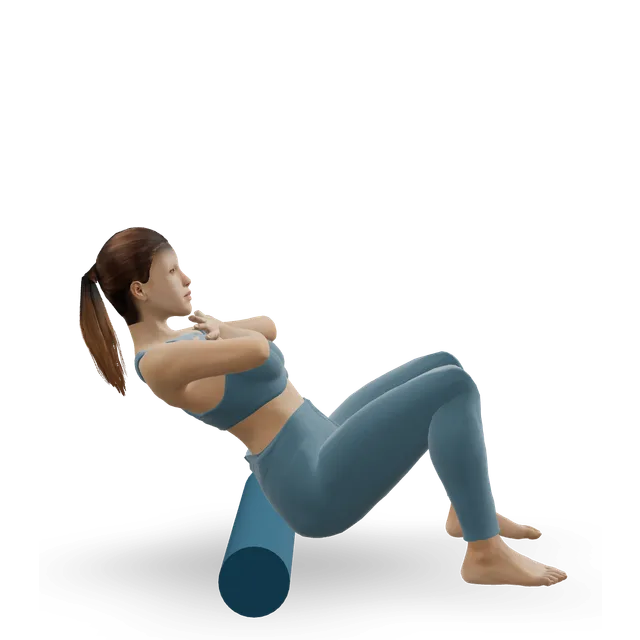
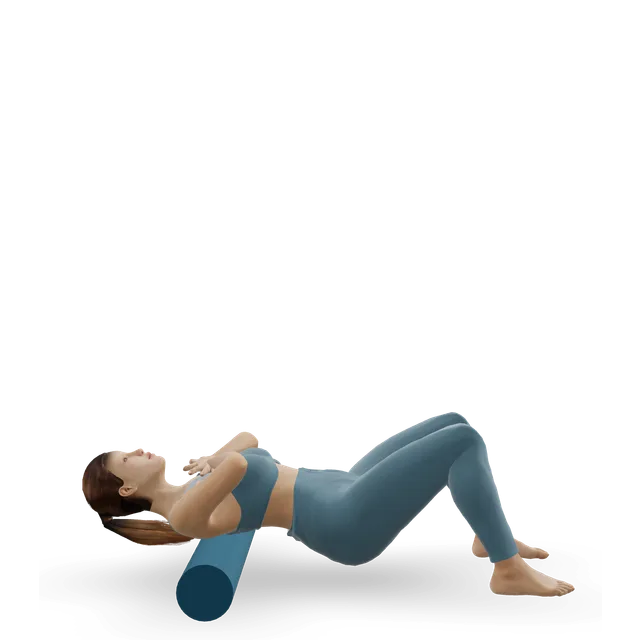
  6. Optional, glutes: sit on a foam roller, cross one ankle over the other knee and lean onto the outer, upper buttock. Roll slowly for about 90 seconds a side, never deep in the middle, and stop if tingling runs down the leg.
  7. Strengthen: bird dog, 2 sets of 6 each side, then glute bridges, 2 sets of 10.
  8. Finish with a 5 to 10-minute walk.

Loading the 3D figure…

Gets into position, then repeats the movement. Technical checks passed; qualified exercise review is pending.

The movement on the figure: Cat-cow

Move

Slow, comfortable movement in every direction; these are the backbone of a sore back's first days.

Ease

Hold each stretch where it feels easy, 20 to 30 seconds, 2 to 4 times; skip deep rounding with osteoporosis.

Release (optional)

About 90 seconds per muscle, beside the spine and on the outer buttock only, and never during a flare or with pain down a leg.

Strengthen and walk

Two or three times a week, building slowly; this is the part with the evidence.

Routines to follow

Our back release routine moves, rolls the upper back and lats, and strengthens, with no lower back rolling on purpose; the strengthening and McGill routines carry the exercise.

Fascia release for the back

Gentle rolling for the upper back and lats, rotation and segmental spine work, then two easy strength moves. Exercise is what back-pain guidelines recommend.

15 minBeginner11 movesA foam roller

Lower back stretch routine

Seven gentle stretches and mobility moves for a stiff lower back, done lying and kneeling.

12 minBeginner7 movesA wall

Spine mobility routine: neck to pelvis, every direction

A 15-minute routine that moves your neck, upper back and lower back through bending, arching, side bending and twisting, then holds the spine steady.

15 minBeginner12 movesNo equipment

McGill big 3 core routine

The McGill big three for the core: curl-ups, side planks and bird dogs, each held for 10 seconds at a time in falling sets of 5, 3 and 1 reps.

12 minBeginner3 movesNo equipment

Lower back strengthening workout: bird dogs to supermans, no equipment

A 20-minute floor workout for your back muscles: bird dogs and bridges, then a face-down ladder from the locust to the superman, with side planks and dead bugs.

20 minBeginner13 movesNo equipment

Pilates for back pain (gentle routine)

A gentle 15-minute Pilates-based routine for ongoing low back pain, built from neutral-spine moves with options for backs that dislike bending or arching.

15 minBeginner10 movesNo equipment

Yoga for back pain (gentle beginner sequence)

A gentle 20-minute yoga sequence for back pain, based on the first weeks of a 12-week trial programme: lying, all-fours and standing poses, then rest.

20 minBeginner12 movesFirm cushion

Hip release routine: roll, stretch, strengthen

Stiff hips and glutes: a few minutes of rolling the glutes and thighs, two stretches while the extra range lasts, then strength work to keep it. About 15 minutes.

15 minBeginner7 movesA foam roller

Yoga for sciatica: a gentle sequence that lets your leg decide

A gentle 25-minute yoga sequence for sciatica: breathing, a nerve glide, poses chosen by how your leg responds, and standing strength, with no straight-leg folds.

25 minBeginner16 movesNo equipment

When back pain needs checking

The 999 and same-day signs are near the top of this page.

See a GP

  • Back pain that hasn't improved after a few weeks of looking after it at home, stops you doing day-to-day activities, worries you, or you're struggling to cope.
  • Unexplained weight loss, or a lump, swelling or change in the shape of your back.
  • Pain that doesn't improve with rest or is worse at night, or pain that is worse when you sneeze, cough or poo.
  • Unexplained back pain with muscle spasms, loss of height, or a curved spine or change in posture: a possible osteoporotic spinal fracture, more likely with older age or long-term steroid tablets.

Source 3

Leg pain with back pain

Same day: leg weakness that is getting worse; new leg pain with a history of cancer, HIV, TB or inflammatory arthritis; or leg pain with a fever, feeling unwell, loss of appetite, unexplained weight loss or night sweats.

Our sciatica guides cover nerve pain down the leg.

Source 15

Myths

"Tight fascia causes your back pain"Mixed evidence

The fascia is thicker and stiffer on scans in back pain, but measured once, so it may follow the pain, and dense fascia doesn't change shape at the forces of hands or rollers. No study shows that loosening it fixes back pain.

Sources 6, 7, 19

"Foam rolling your lower back fixes back pain"Mixed evidence

Rolling trials for pain couldn't be pooled, and the ones that helped added rolling to exercise; the lower back trial in healthy adults was small and unblinded. Exercise has the evidence.

Sources 11, 13, 1

"Release breaks up knots and adhesions in the back"Mixed evidence

Rolling works mainly through the nervous system, and finding trigger points by pressing isn't reliable. You can't squash or stretch dense fascia into a new shape.

Sources 20, 21, 19

"Rest a bad back until it settles"Mixed evidence

The NHS says stay active and don't stay in bed for long periods, and most new back pain eases a lot within 6 weeks.

Sources 3, 24

"Rolling right on the spine releases it best"Mixed evidence

No trial supports it, and our lower back roll's move page keeps the roller beside the spine, never on it.

Source 11

Questions people ask

Can tight fascia cause lower back pain?

The lower back's fascia is sensitive and can hurt, and in people with back pain it looks thicker and stiffer on scans. But those studies measured people once, so the changes may follow the pain, and no study shows that loosening the fascia fixes back pain. "Tight" is a feeling, not something a scan or a therapist can measure.

Does foam rolling help lower back pain?

It can ease how the back feels for a while, but it's barely tested for pain. The trials that found a benefit added rolling to exercise, so treat rolling as a warm-up for movement, not the treatment.

Is it safe to foam roll your lower back?

Gently, beside the spine and never on the bony middle, it's reasonable for most people. Skip it during a flare or with pain that travels down a leg, and ask first if you have osteoporosis or take blood thinners. Knees to chest or windscreen wipers do a similar job without the roller.

How do you release fascia in your lower back?

Move it, ease the muscles around it, then strengthen it: cat-cow, knees to chest, windscreen wipers, an optional roll of the outer buttock, then bird dog, bridges and a walk. Pressure changes how the area feels through the nervous system; it doesn't reshape the fascia.

Does myofascial release work for lower back pain?

A little. Across 8 trials, a therapist's myofascial release eased chronic low back pain and disability by small amounts, and against a sham the gain was too uncertain to call worthwhile. NICE says hands-on treatment should only come alongside exercise.

Is massage good for lower back pain?

It helps in the short term only. A Cochrane review of 25 trials found massage eased pain for a while, with very little confidence in the result, and some people felt more pain afterwards. Use it, if you like it, alongside exercise.

Can I use a massage gun on my lower back?

On the muscles beside the spine, lightly and briefly, for comfort; never on the spine itself. In the one back pain trial, adding a gun to physiotherapy eased pain by about 1 point out of 10 more, below the change people usually notice. In pregnancy, read our pregnancy guide first.

Should I stretch or strengthen my lower back?

Exercise of most kinds eases long-term back pain, by about 15 points out of 100 against no treatment or usual care, so choose what you'll keep doing. Walking, Pilates and yoga all count, and gentle stretches help many people move more easily.

How long does lower back pain take to go?

New back pain usually improves a lot within 6 weeks: average pain fell from about 56 out of 100 to 26. Pain that has lasted months improves more slowly, so see a GP if it isn't improving after a few weeks.

What does fascia pain in the lower back feel like?

There's no test for "fascia pain": in a study, irritating the fascia caused deep, aching, spreading pain, much like ordinary back pain. Numbness around the genitals or bottom, bladder or bowel changes, or weakness in the legs aren't fascia and need urgent help.

When should I see a doctor about back pain?

Call 999 for numbness around the genitals or bottom, bladder or bowel changes, or weakness or numbness in both legs. Get a same-day check for back pain with a fever or feeling unwell, or with a history of cancer, and see a GP if it isn't improving after a few weeks or is worse at night.


Sources

  1. Hayden 2021 · Exercise therapy for chronic low back pain (Cochrane review of 249 trials)
  2. NICE · Low back pain and sciatica in over 16s: assessment and management (NG59)
  3. NHS · Back pain
  4. Tesarz 2011 · The nerve supply of the thoracolumbar fascia in rats and humans (laboratory study, Neuroscience)
  5. Schilder 2014 · Pain from salt water injected into the thoracolumbar fascia (experimental study of 12 volunteers, Pain)
  6. Wilke 2026 · The thoracolumbar fascia in people with and without low back pain (meta-analysis of 14 studies, Sports Medicine Open)
  7. Schleip 2026 · Ultrasound measures of the thoracolumbar fascia in low back pain, and how they respond to treatment (systematic review of 14 studies, European Spine Journal)
  8. Wu 2021 · Myofascial release for chronic low back pain (meta-analysis of 8 trials, Frontiers in Medicine)
  9. Arguisuelas 2017 · Myofascial release against a sham for chronic low back pain (randomised trial of 54 people, Spine)
  10. Furlan 2015 · Massage for low back pain (Cochrane review of 25 trials)
  11. Santos 2024 · Foam rolling for muscle and joint pain (systematic review of 6 trials, BMC Musculoskeletal Disorders)
  12. Song & Yim 2025 · Self-release added to stabilisation exercise for chronic low back pain (randomised trial of 40 women, Medical Science Monitor)
  13. Fijavž 2024 · A home programme of lower back foam rolling in healthy adults (randomised trial of 43 people, Frontiers in Physiology)
  14. Cho 2019 · A sciatic nerve injury after self-massage of the buttock with a ball (case report, Medicine)
  15. NHS · Sciatica
  16. Langevin 2011 · Less sliding in the thoracolumbar fascia in chronic low back pain (study of 121 people, BMC Musculoskeletal Disorders)
  17. Tomita 2025 · Thoracolumbar fascia sliding in people with and without low back pain (study of 64 people, Insights into Imaging)
  18. Bishop 2016 · Fascia injury and restricted movement in pigs (animal study, PLoS One)
  19. Chaudhry 2008 · A 3D model of how fascia deforms in manual therapy (modelling study, Journal of the American Osteopathic Association)
  20. Behm & Wilke 2019 · Do self-myofascial release tools release fascia? (narrative review, Sports Medicine)
  21. Keter 2025 · How manual therapy works (living review of 62 reviews, PLoS One)
  22. Devantéry 2023 · A myofascial technique against a simulated one in chronic low back pain (randomised study of 49 people, Bioengineering)
  23. Griefahn 2017 · Foam roller exercises and the thoracolumbar fascia (randomised trial in young athletes, Journal of Bodywork and Movement Therapies)
  24. Wallwork 2024 · How acute, subacute and persistent low back pain change over time (meta-analysis of 47 cohorts, Canadian Medical Association Journal)
  25. da C Menezes Costa 2012 · The outlook for acute and persistent low back pain (meta-analysis of 33 cohorts, Canadian Medical Association Journal)
  26. Chen 2021 · Myofascial release for low back pain (meta-analysis of 8 trials, Complementary Therapies in Medicine)
  27. Ożóg 2023 · Myofascial release on its own for chronic low back pain (systematic review of 6 trials, Journal of Clinical Medicine)
  28. Laimi 2018 · Myofascial release for chronic muscle and joint pain (systematic review, Clinical Rehabilitation)
  29. Ha 2026 · Self-release added to Pilates for chronic low back pain (randomised trial of 32 women, Medicine)
  30. Khan 2024 · Foam roller self-release against muscle energy technique in riders with low back pain (randomised trial of 40 people, Scientific Reports)
  31. Ozsoy 2019 · Roller massage added to core exercise for back pain in older adults (randomised trial of 45 people, Clinical Interventions in Aging)
  32. Nakai 2023 · Rolling the lower back in college athletes (crossover study of 24 people, Sports)
  33. Hughes & Ramer 2019 · How long to roll each muscle (systematic review of 22 studies, International Journal of Sports Physical Therapy)
  34. NHS · Herbal medicines and complementary therapies
  35. NHS · Anticoagulant medicines: side effects
  36. Bartsch 2021 · Expert consensus on when not to foam roll (Delphi study of 37 experts, Journal of Clinical Medicine)
  37. NHS · Exercise in pregnancy
  38. NHS · DVT (deep vein thrombosis)

Movement education, not medical advice. Stop for sharp or increasing pain, numbness or tingling, and get individual advice if you are pregnant, after an injury or surgery, or managing a health condition. Health disclaimer.