3D demo
Lower back foam rolling
Stretching · Back
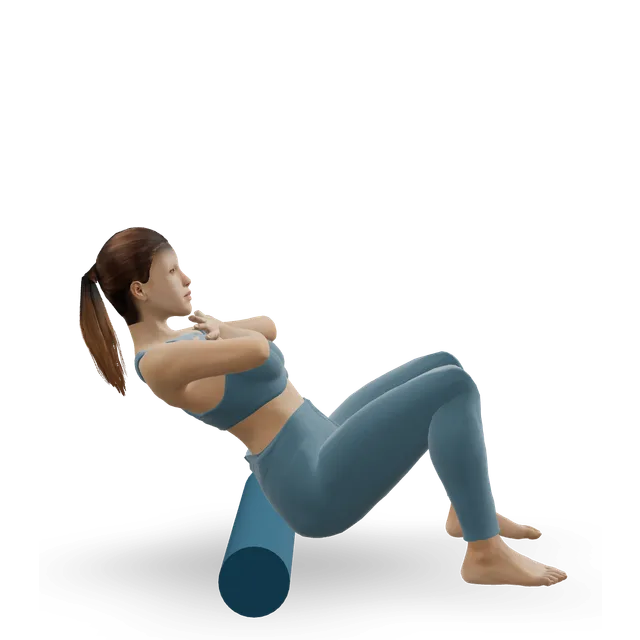
Loading the 3D figure…
The figure repeats the movement from its starting position. Drag to turn it; the arrows open the demos either side.
Sitting back against a foam roller across your lower back, arms crossed, you lift your hips and lean back, then shift a little to one side so the roller presses on the muscles beside the spine rather than the spine itself. In young athletes, foam roller exercises briefly increased glide in the fascia of the lower back but did not change how far the back bent. NASM advises against rolling directly over the lumbar spine.
Movement guide
Lower back foam rolling
Make it easier or harder
Choose a version that fits your control and comfort.
Easier option
Adjust support to keep the pressure comfortable. A more painful roll is not a required next step. Foam rolling review: pressure is not a standardised progression
Harder option
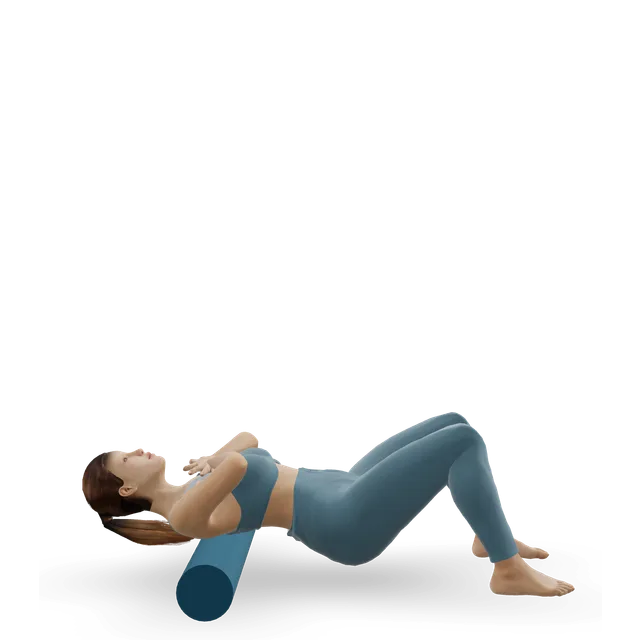 3D demoUpper back foam rollingIntermediate · A foam roller
Similar move, intermediate grade.
Source-researched guide.
Form cues
- Keep the movement small and slow.
- Keep your weight off the bony spine.
- Avoid: arching hard over the roller.
Practice and cautions
About 90 seconds for each muscle you roll, for example 2 or 3 slow rounds of 30 to 45 seconds. In a review of rolling studies, about 90 seconds per muscle was the least that eased soreness after exercise.
Keep it gentle and on the muscles beside the spine, never on the spine itself. Skip it during a flare of back pain or with pain that travels down a leg. This is movement education, not an assessment or treatment prescription. Stop for sharp or increasing pain, dizziness, numbness or tingling; seek individual guidance for symptoms, injury or restrictions.
Sources and review status
Sources support the educational description; they do not establish that this exercise is suitable for you.
- Griefahn 2017 · Foam roller exercises briefly increased glide in the thoracolumbar fascia but not how far the back bent (RCT of 38 athletes, J Bodyw Mov Ther) ↗
- NASM · Foam rolling and self-myofascial release: the trainer's application guide (the effect is neural, not tissue release; don't roll directly over the lumbar spine or joints) ↗
- Hughes & Ramer 2019 · Duration of rolling: about 90 seconds per muscle was the least that eased soreness (systematic review of 22 studies, IJSPT) ↗
- Free Exercise DB · community text ↗
Unlicense · Free Exercise DB contributors; derived from wrkout/exercises.json. Text import; no photographs or media. · Revision f00c92c7dcf1216a928a52c3706c7ce8e2f71ed5
No variation is labeled clinically validated.
What it works
Muscles
Main: Back.
Anatomy: Latissimus dorsi, Teres major, Trapezius, Rhomboids, Erector spinae, Multifidus.
Equipment
A foam roller
Level
Beginner. See the easier and harder options above.
Guides that use it
Similar moves
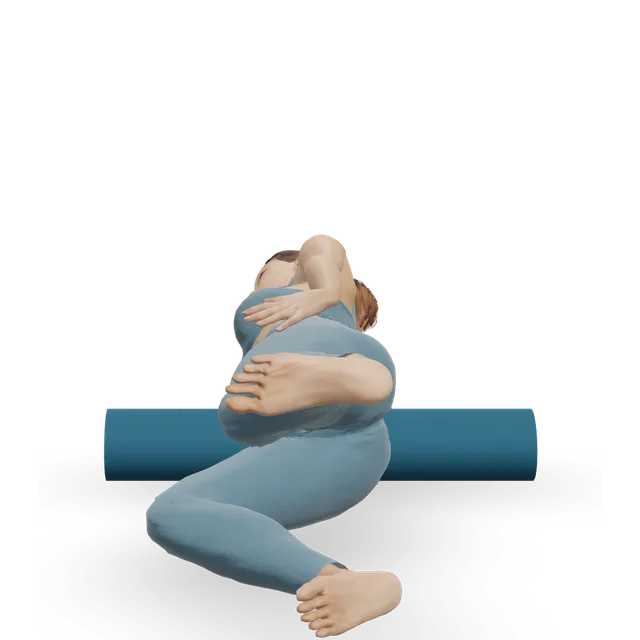
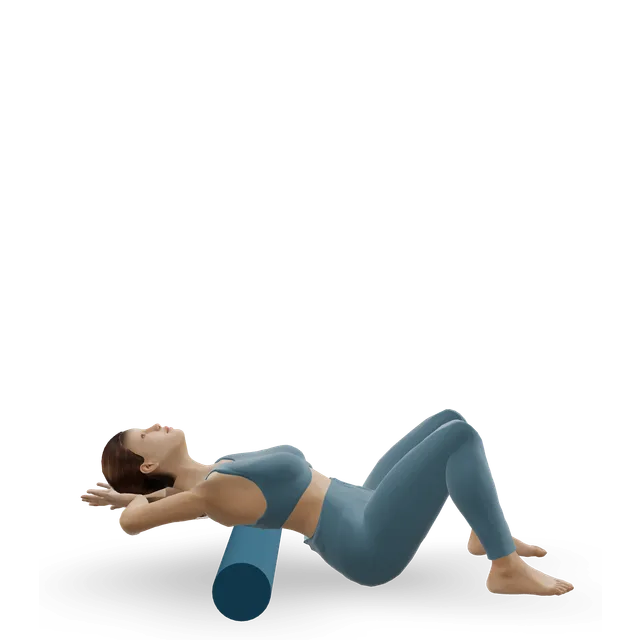
Browse more
Questions people ask
What muscles does the Lower back foam rolling work?
Mainly the back.
What equipment do I need for the Lower back foam rolling?
A foam roller.
Is the Lower back foam rolling good for beginners?
It is graded beginner, so it suits most people starting out. When it feels easy, try the Upper back foam rolling.
How do I make the Lower back foam rolling harder?
Progress to the Upper back foam rolling. Follow that guide’s technique and any stated timing.