Yoga flows
Yoga for frozen shoulder: a 20-minute gentle class, with a 10-minute version for the painful stage
A gentle yoga class for a frozen shoulder, done sitting and standing, with no weight on your arms. Block A is for every day in the very painful stage: do it with corpse pose at the end for a 10-minute version, staying pain-free. The standing block keeps the rest of you strong with your arms low. Add block C only once the pain is mostly 6 out of 10 or less and night pain comes and goes, stretching to mild discomfort. It sits beside your GP's or physiotherapist's care, including any injection, and won't speed the shoulder's recovery on its own. You need a chair, a table, a stick or broom handle, a wall and a cushion.
A. Every day, pain-free (about 8 minutes)
- Beginner · 3D demoSitting tall, shoulders soft. In through your nose for about 4, out for about 6Easier: Breath reachHarder: Crocodile breathing (prone diaphragmatic breathing)
- Pendulum exercise (Codman's pendulum)About 1 minBeginner · Shoulders, Back, Abs · 3D demoLean on a table with your good hand and let your body sway the sore arm in small circlesHarder: Table slide (seated forward reach)
- Table slide (seated forward reach)10 slow repsBeginner · Shoulders, Back · 3D demoSitting, slide your hands forward only as far as is pain-freeEasier: Pendulum exercise (Codman's pendulum)Harder: Overhead lat stretch at a bench (elbows on the bench)
- Stick-assisted external rotation (lying)10 slow repsBeginner · Shoulders, Chest · 3D demoLying down, elbow at your side on a folded towel; the good arm pushes the stick, pain-freeHarder: Standing band external rotation
- Shoulder rolls10 slow circles each wayBeginner · Shoulders, Back, Neck · 3D demoSmall circles if it's soreHarder: Shoulder CARs (controlled articular rotations)
- Thoracic rotation6 each sideBeginner · 3D demoArms crossed; sitting is fineEasier: Side-lying open bookHarder: World's greatest stretch

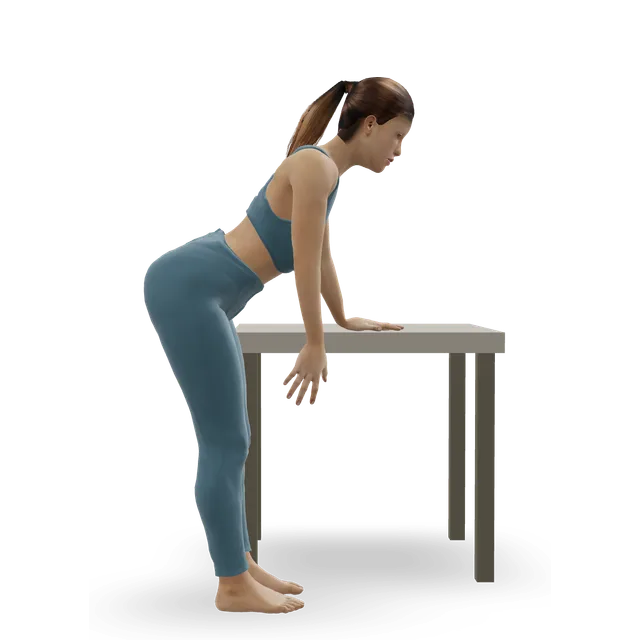

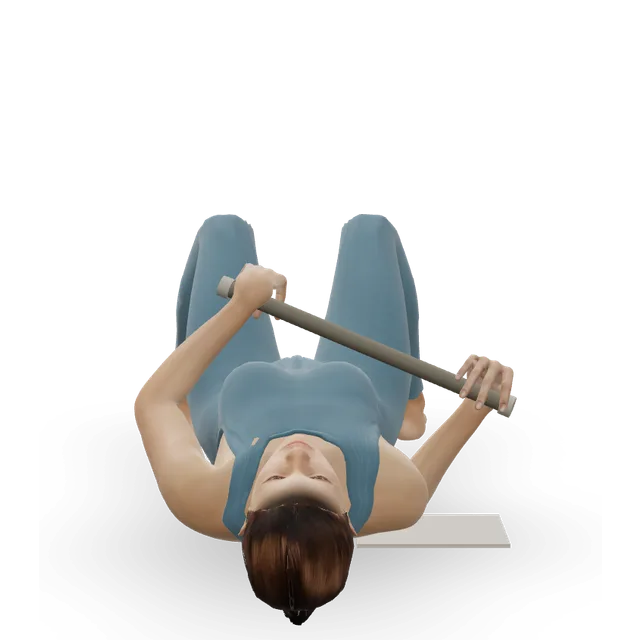


B. Stand with your arms low (about 4 minutes)
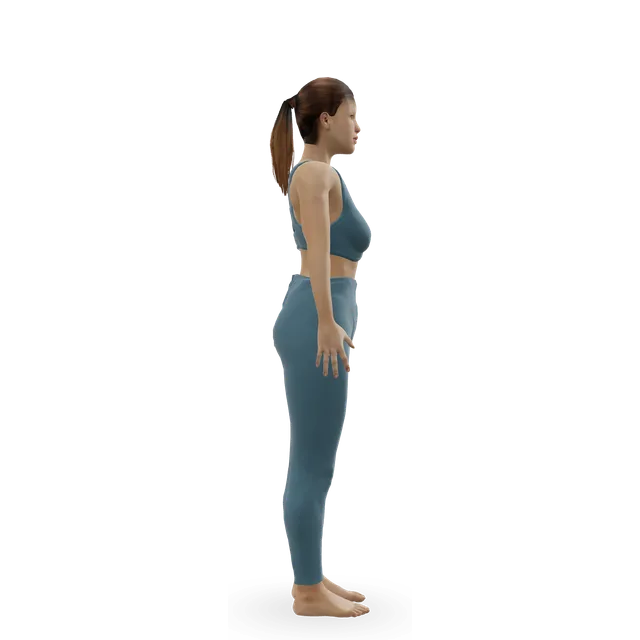
- Mountain pose (Tadasana)5 breathsBeginner · Calves, Back, Abs · 3D demoPalms turned forwardHarder: Tree pose (Vrksasana)
- Chair pose (Utkatasana)3 holds of 15 sBeginner · Quads, Glutes, Shoulders · 3D demoHands on your thighsHarder: Revolved chair pose (Parivrtta Utkatasana)
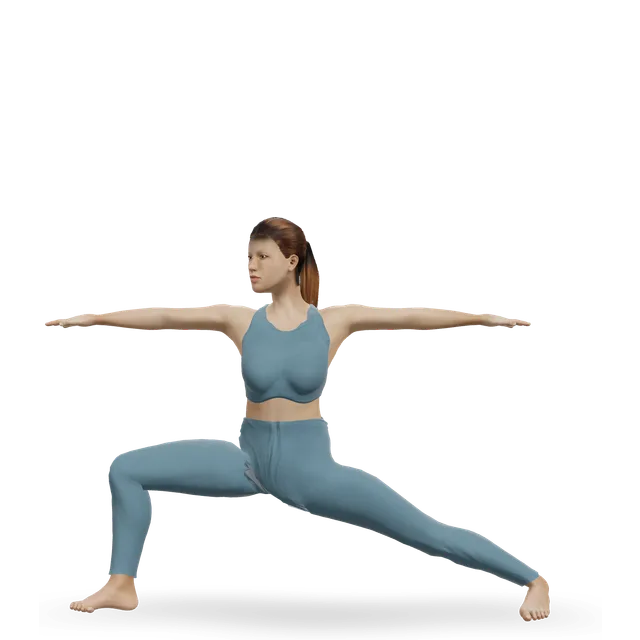
- Warrior II (Virabhadrasana II)3 breaths each sideIntermediate · Quads, Glutes, Adductors · 3D demoHands on your hips if holding the arms out hurtsEasier: Chair pose (Utkatasana)Harder: Extended side angle (Utthita Parsvakonasana)
- Tree pose (Vrksasana)3 to 5 breaths each sideBeginner · Glutes, Hip abductors, Calves · 3D demoFingertips of your good hand on a wall; foot never pressed into the side of your kneeEasier: Mountain pose (Tadasana)Harder: Standing hand-to-big-toe pose (Utthita Hasta Padangusthasana)




C. Gentle holds, only once it's less sore (about 5 minutes)
- Table slide (seated forward reach)5 to 10 reps with a 10 to 20 s holdBeginner · Shoulders, Back · 3D demoTo mild discomfort, not painEasier: Pendulum exercise (Codman's pendulum)Harder: Overhead lat stretch at a bench (elbows on the bench)
- Stick-assisted external rotation (lying)3 to 5 holds of 20 to 30 sBeginner · Shoulders, Chest · 3D demoElbow stays at your sideHarder: Standing band external rotation
- Wall climb (finger walk up the wall)5 slow climbs, holding the top for a count of 10Beginner · Shoulders, Back · 3D demoWalk your fingers up the wall and stop at mild discomfort, shoulder downHarder: Sleeper stretch
- Cross-body shoulder stretch3 holds of 20 to 30 sBeginner · Shoulders, Back · 3D demoArm at chest height; lower it if the front of the shoulder pinchesHarder: Sleeper stretch
- Doorway chest opener2 holds of 20 to 30 sBeginner · Chest, Shoulders · 3D demoElbow below shoulder height at firstEasier: Elbows backHarder: Fish pose (Matsyasana)
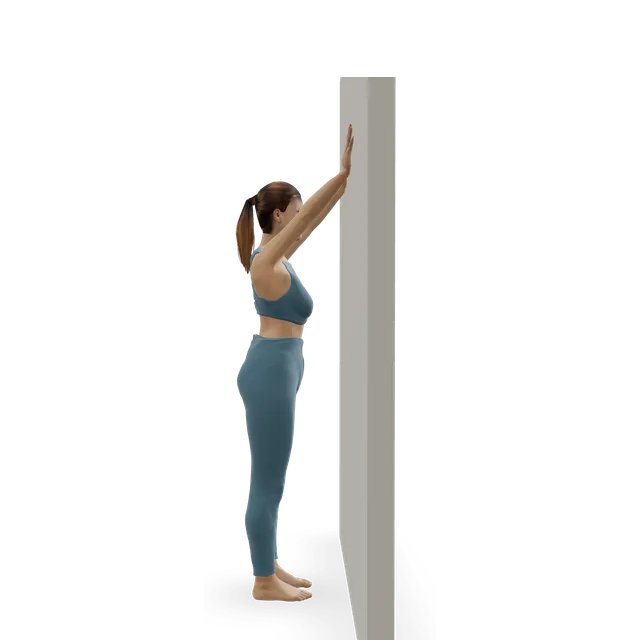


D. Rest (3 minutes)
- Beginner · 3D demoA cushion under the sore arm; roll onto your good side to get up

Tips
- In the very painful stage (pain 7 out of 10 or more, or constant night pain), do block A and corpse pose every day, about 10 minutes, and stay pain-free.
- Add block C when the pain is mostly 6 out of 10 or less: stretch to mild discomfort and hold. A stretch should not leave a lasting flare; if it does, go gentler next time.
- Don't let anyone push your arm, and skip binds, cow-face and eagle arms, downward dog and plank until the shoulder has settled.
- If you have diabetes, check your blood sugar as your team advises; frozen shoulder is more common with diabetes.
- Call 999 for chest pain that spreads to your arm, neck or jaw; go to A&E (accident and emergency) if, after a fall, your shoulder looks out of place.
The doses are suggested starting points, not a prescription. Choose a range you can control and stop for sharp or increasing pain, numbness or tingling. Get individual advice after an injury or surgery, or if you are pregnant or managing a health condition.
Guides that recommend it
Find more moves like these
More yoga flows

Beginner yoga flow
A 20-minute beginner yoga sequence: mountain, chair, warrior II, triangle, tree, down dog, cobra and child's pose.
20 minBeginner11 movesA step
Sun salutation flow
A 20-minute flow built on sun salutations A and B, with warrior poses and a short cool-down.
20 minIntermediate8 movesNo equipment



Yoga for tight hips
A hip-opening yoga sequence: low lunge, lizard, goddess, pigeon, bound angle and happy baby.
25 minBeginner10 movesA wallQuestions people ask
How long does the yoga for frozen shoulder: a 20-minute gentle class, with a 10-minute version for the painful stage take?
About 20 minutes, including any warm-up and cool-down listed. Shorten it by doing fewer rounds; lengthen it by adding one.
What equipment do I need?
You need: A bench or box, Other / check instructions, A wall. Each move links to its guide, where you can find an alternative if you are missing something.
Is it suitable for beginners?
It is written for beginners. 6 of its 14 moves have an easier option listed beside them if you need one.
How do I make it easier or harder?
Use the easier or harder option listed under each move, change the number of rounds, or adjust the rest. Progress one change at a time.