Yoga guide

Yoga for the neck and shoulders: stiffness and tension, desk posture, what yoga can and can't change, the evidence, and a class

A stiff, tense neck and tight shoulders are common after long days at a desk, driving or a stressful week, and they usually settle. Yoga can help you keep them moving: in small trials it eased long-lasting neck pain a little, about as much as other exercise, and in office workers it did as well as stretching. Strengthening the muscles around your shoulder blades has the best evidence, so pair slow neck movement and stretches with simple strength work and slow breathing.

This guide covers what neck and shoulder tension is, why posture is a weaker cause than people think, what stress has to do with it, what the trials show, breaks and desk set-up, the poses to start with and the ones to leave out, slow neck movements step by step, and the classes to follow, with a 3D demo of every move. If your neck pain comes with arm symptoms, a severe headache or chest pain, go to the warning signs first; our yoga for neck pain and yoga for shoulders guides go deeper.

The short version

Everyday neck and shoulder stiffness is common and usually settles

NHS inform: "Most problems should have improved within 8 weeks." The NHS says shoulder pain should start feeling better within 2 weeks. The muscles from the neck to the top of the shoulder are where most people feel it.

Sources 1, 2

Yoga helps a little, about as much as other exercise

Against usual care or self-care, yoga eased disability from long-lasting neck pain in 3 trials (188 people), and pain and disability in 10 trials (686 people), in the short term. The best overview rates the certainty low for pain and moderate for disability, short term only, with no long-term comparisons. Against other exercise there was no clear difference, and reviews of 40 and 51 trials found no single best type.

Sources 3, 4, 5, 6, 7

Strengthening the neck and shoulder blades has the best evidence at work

A year of neck strength training cut pain and disability in 180 women office workers, and 2 minutes a day with a band cut neck and shoulder pain by 1.4 points out of 10 in 10 weeks. In office workers, yoga did about as well as stretching. So pair the stretches with strength work.

Sources 8, 9, 10

Posture is a weak cause on most evidence

Sitting posture wasn't linked with neck pain in 1,108 teenagers, upright sitting went with more persistent pain in young women, and the neck angle while texting didn't predict new neck pain over a year, while poor sleep and low activity did. One cohort of office workers points the other way. Stretching didn't change posture across 23 trials; strengthening did.

Sources 11, 12, 13, 14, 15

Feeling tense matters, but it isn't only the muscles

In office workers, feeling medium or high muscle tension predicted new neck pain, but measured muscle activity and pain are only loosely linked. Relaxation eased neck pain against no treatment, but no more than physiotherapy. Slow breathing belongs in a class for calm, not as a cure.

Sources 16, 17, 18, 19

Keep weight off your head, and know the signs

In headstand the head carried up to 40% to 48% of body weight, and headstand and shoulder stand are the poses most often named in reports of harm. Use slow turns, tilts and nods one at a time, as NHS inform's exercises do; we found no study of fast neck rolls either way. Neck pain with arm weakness, clumsy hands or a sudden severe headache needs urgent help; the warning signs below have the details.

Sources 20, 21, 22, 23

What neck and shoulder tension is

Where you feel it

Stiffness or aching in the band of muscle from the back of the neck to the top of the shoulder (the upper trapezius and, beneath it, the levator scapulae) and around the shoulder blades, often after long desk days, driving, a bad night or a stressful week. The NHS lists sitting at a desk for a long time among the common causes of neck pain. NHS inform: "Neck problems are rarely caused by any serious disease or damage." Our neck and shoulder pain guide maps where the pain goes.

Sources 24, 1

Tension and stress

Mental arithmetic and colour-word tests raised trapezius muscle activity in 62 women. In 214 office workers followed for a year, more sitting hours, job strain and stress raised the risk of neck pain, and more neck movement, endurance and physical activity lowered it.

Sources 25, 14

Shoulders

The NHS says to "stay active and gently move your shoulder" and to "try shoulder exercises for 6 to 8 weeks to stop pain returning", but "do not make up your own strenuous exercises or use heavy gym equipment". A painful shoulder has its own guide: our yoga for shoulder pain guide.

Source 2

What a class looks like in the trials

In the Iyengar trials for neck pain, one 90-minute class a week for 9 weeks; in office workers, one 30-minute hatha class a week for 4 weeks with home practice. NHS inform's neck exercises are slow turns and tilts held for 2 seconds, and "It’s better to do small amounts throughout the day."

Sources 26, 27, 10, 22

What the evidence says: yoga and other exercise

Yoga eased long-lasting neck pain in the short termEmerging evidence

Against usual care, 3 trials (188 people) found a large short-term effect on neck disability, and "In the two studies that included safety data, no serious adverse events occurred." A review of 10 trials (686 people) found similar short-term effects on pain and disability, and its authors "draw a very cautious conclusion". The best overview rates the evidence low certainty for pain and moderate for disability, and "Long-term effects could not be analyzed due to a lack of studies."

Sources 3, 4, 5

The trials are smallEmerging evidence

In 77 adults, 9 weekly Iyengar classes cut pain at rest far more than self-care exercise, though 23 dropped out of follow-up; in 51 adults, yoga beat a home exercise manual. A year later, pain was lower in people who kept practising, in a follow-up with no comparison group. In 89 adults with neck pain and stress, seated meditation eased pain at rest but not disability. These trials are small, single-centre, unblinded and mostly from one German group, and we found no Cochrane review of yoga for neck pain.

Sources 26, 27, 28, 29, 30

Against other exercise: about the sameEmerging evidence

The best overview: "Compared to exercising controls, there was no effect". Across 40 trials, "There is not one superior type of physical exercise for people with chronic non-specific neck pain.", on very low quality evidence, and in 51 trials (4,140 people), mind-body exercise, strength training and flexibility training had almost identical effects on disability. Rankings that put yoga first rely on small trials and indirect comparisons.

Sources 5, 6, 7, 31, 32

Yoga, Pilates and neck exercises head to headMixed evidence

Yoga matched Pilates in 56 people in a trial that wasn't fully randomised, and matched Pilates and isometric neck exercise in another 56.

Sources 33, 34

Strengthening helps; stretching alone may notEmerging evidence

The Cochrane exercise review found moderate-quality evidence for strengthening "focused on the neck, shoulder and shoulder blade region", and "when only stretching exercises were used no beneficial effects may be expected". The Chartered Society of Physiotherapy: "In most cases, it doesn’t appear to matter what type of exercise you do, as long as you remain active."

Sources 35, 36

What the evidence says: desk work, strength and breaks

Neck and shoulder strength training at workEmerging evidence

In 180 women office workers, a year of neck strength or endurance training cut pain and disability against advice to stretch and do aerobic exercise; the authors found "stretching and aerobic exercising alone proved to be a much less effective form of training than strength training". In 48 women with trapezius pain at computer jobs, 10 weeks of specific strengthening cut worst pain by about 79%. In 198 workers, "as little as 2 minutes of daily progressive resistance training for 10 weeks" eased pain.

Sources 8, 37, 9

Exercise helps prevent it tooEmerging evidence

Exercise roughly halved new episodes of neck pain over a year across 5 trials, and reviews of office workers and of short exercise bouts at work found benefits on low-certainty evidence, with likely publication bias.

Sources 38, 39, 40

Lighter training did lessEmerging evidence

In 393 women office workers at five centres, lighter dynamic training and relaxation training did no better than ordinary activity for neck pain over a year. How hard and how specific the training is seems to matter.

Source 41

Yoga at work: about as good as stretchingMixed evidence

In 150 office workers with mild to moderate neck or shoulder pain, a weekly 30-minute hatha class for 4 weeks with home practice was "tentatively found to be non-inferior to stretching exercise", though only 130 were analysed; muscle pain and tension were the commonest side effects. A Thai trial found yoga and stretching equal, but its instructors were also the assessors, and an Indian trial analysed only 118 of 291 people.

Sources 10, 42, 43

Breaks: the law, and what trials foundMixed evidence

The Health and Safety Executive (HSE): "Take short breaks often, rather than longer ones less often. For example 5 to 10 minutes every hour is better than 20 minutes every 2 hours." Its set-up advice includes "Top of screen level with eyes, about an arm's length away". But in trials, extra breaks "may make little to no difference to the new onset of musculoskeletal neck pain", and workstation changes on their own made little difference to existing complaints. Take the breaks for comfort.

Sources 44, 45, 46, 47

What the evidence says: posture

Posture predicted little in young peopleEmerging evidence

In 1,108 17-year-olds, "There was no significant difference in the odds of neck pain or headache across the clusters." of sitting posture. At 22, posture didn't predict persistent neck pain in men, and in women relaxed postures went with less pain than upright sitting, so "The practice of generic public health messages to sit up straight to prevent neck pain needs rethinking."

Sources 11, 12

Texting angle didn't predict new neck painEmerging evidence

In 457 adults followed for a year, the neck angle while texting didn't raise the odds of neck pain, while poor sleep and too little activity did.

Source 13

Forward head posture: a few degrees, cause unknownMixed evidence

Adults with neck pain have slightly more forward head posture, about 3 degrees, in studies that measured both at one time and so can't show which came first.

Sources 48, 49

Some studies point the other wayMixed evidence

In 214 office workers followed for a year, a neutral upper-back posture went with less risk of neck pain, and heavy smartphone use was linked with neck pain in 7 studies that looked back in time. So posture isn't irrelevant; it's a weak cause on most evidence.

Sources 14, 50

Stretching doesn't change posture; strengthening does a littleEmerging evidence

Across 23 trials, stretching didn't change spinal posture, while strengthening did. In people with neck pain, exercise shifted the head angle about 3 degrees alongside less pain, without showing one caused the other. Move often and strengthen rather than chase a perfect posture.

Sources 15, 51

What the evidence says: stress and tension

Stress raises shoulder muscle activityEmerging evidence

In 62 women, "Each of the two mental stress tests induced a significant increase in EMG activity." (EMG, or electromyography, measures the electrical activity of a muscle.)

Source 25

But muscle activity and pain are only loosely linkedEmerging evidence

In an hour of stressful work, neck and shoulder pain developed whatever the muscle activity: "the mean level of the EMG response is of little consequence for pain development during stressful conditions". In office workers, "pain provoked by psychosocial stress factors may not be mediated through increased muscle activity".

Sources 17, 18

Feeling tense predicted neck painEmerging evidence

Across prospective studies of office workers, feeling medium or high muscle tension predicted new neck pain, as did a keyboard close to the body, little variety in tasks and low satisfaction with the workplace.

Source 16

Relaxation: some help, not a treatment on its ownMixed evidence

Across 16 trials, relaxation techniques eased long-lasting neck pain against no treatment, but no more than physiotherapy, and an app-based relaxation programme didn't help 220 people. Slow breathing and rest have a place for calm and comfort.

Sources 19, 52

What the evidence says: shoulders

A painful shoulder: one session of advice did as well as sixStrong evidence

In 708 people with rotator cuff pain, one physiotherapy advice session with a home exercise programme did as well as up to six sessions of progressive exercise.

Source 53

Exercise type and passive treatmentsMixed evidence

For rotator cuff pain, exercise wasn't clearly better than passive treatments in the short term, on low-certainty evidence, and programmes that train movement control were slightly better than general exercise for disability.

Sources 54, 55

Yoga for the shoulders specificallyMixed evidence

Yoga brought small to medium gains in shoulder rotation in 444 women after breast cancer surgery, with no difference in pain, and added nothing to usual treatment for frozen shoulder in 72 people. A review found "Limited evidence" for shoulder mobility overall.

Sources 56, 57, 58

Neck safety in yoga

About as safe as other exerciseStrong evidence

Across 94 trials, yoga was about as safe as usual care and other exercise. In observational studies, serious events were 1.9% and "most were mild and transient". US emergency department data didn't count neck injuries separately.

Sources 59, 60, 61

Reports of harm cluster around inversionsEmerging evidence

In 76 published cases, "headstand, shoulder stand, lotus position, and forceful breathing were the most common yoga postures and breathing techniques cited". A 2026 review found headstand behind 15 of 84 events, and "Fifty-four percent had pre-existing vulnerabilities." In headstand the head carried up to 40% to 48% of body weight, and a 63-year-old man with neck arthritis had spinal cord compression and two torn neck arteries after a yoga session. These are case reports, with no rates, and the first review's authors add: "Therefore, there is no need to discourage yoga practice for healthy people."

Sources 21, 62, 20, 63

Neck rolls

We found no study testing whether fast neck rolls or full head circles harm or help (213 records, almost all a vertigo test). NHS inform's exercises are slow single-direction movements: "Hold for 2 seconds then return to where you started."

Sources 23, 22

Slow neck movements, one direction at a time

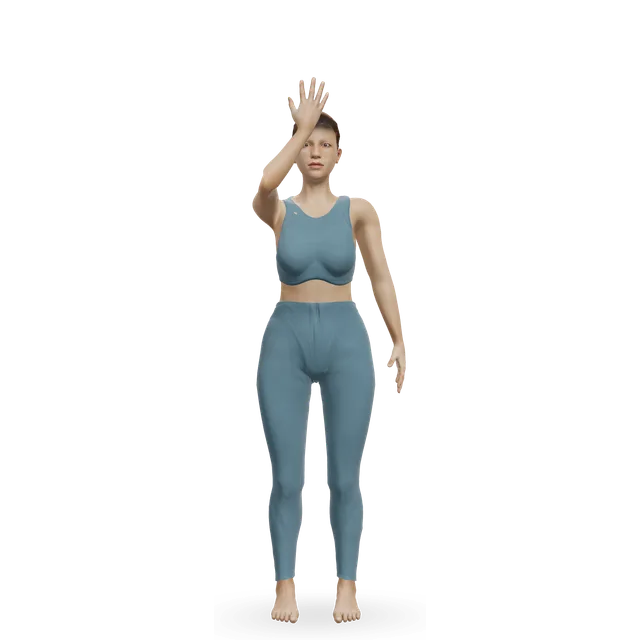
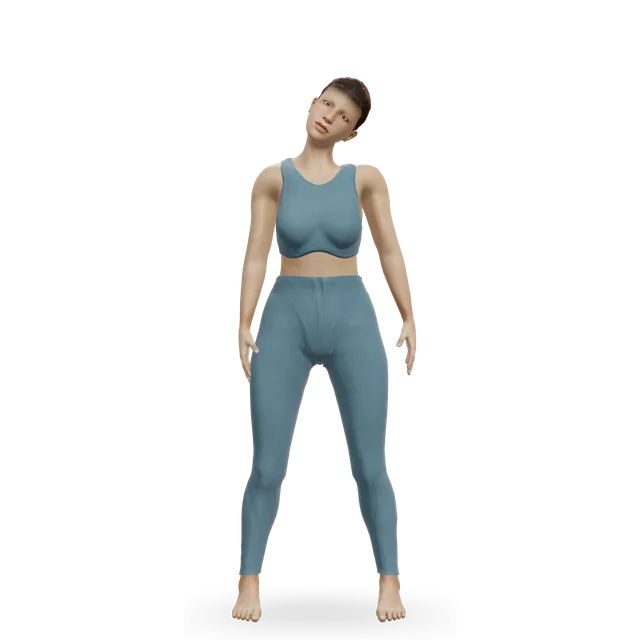
From NHS inform's exercises for neck problems. The 3D demo shows neck circles; with a sore neck, do the turns, tilts and nods separately, as the move's page advises.

  1. Sit tall on a chair that can't roll, feet flat and shoulders soft, or lie on your back.
  2. Turn: with your head facing forward, slowly turn your head to one side as far as is comfortable. Hold for 2 seconds, come back to the middle, and repeat on the other side.
  3. Tilt: slowly tilt your head towards one shoulder as far as is comfortable. Hold for 2 seconds, come back, and repeat on the other side.
  4. Nod: bring your chin down towards your chest, then slowly bring it back up.
  5. Start with 2 to 3 of each and add 1 or 2 every few days, building towards about 10.
  6. Keep any pain at 5 out of 10 or below. If it goes higher, do fewer, move more slowly or rest longer between movements.
  7. Little and often: a few at a time through the day, for example every hour at your desk.

See the movement on the 3D figure: Neck CARs (controlled articular rotations)

How much

Our editorial starting point, from NHS inform's neck exercises, the HSE's advice on breaks and a trial of band training. Doses are starting points, not prescriptions.

Little and often

Our editorial starting point:

  • The slow neck movements above, a few at a time through the day.
  • A short movement break every hour at a screen.
  • Shoulder-blade strength with a band 2 or 3 times a week, or 2 minutes a day, the dose in a trial of band training.
  • One of the classes below, or the moves on this page, 2 or 3 times a week.

Sources 22, 44, 9

Give it time

Most of the trials ran for 4 to 10 weeks. If your neck pain hasn't eased after a few weeks, see a GP or physiotherapist.

Sources 26, 10, 9

Settle and breathe

Slow breathing 2 minutes, sitting tall, in for about 4 and out for about 6, with no holds (our yoga for shoulders class). Breath reach: "5 breaths, exhale longer than inhale" (the move page's dose), arms only as high as is comfortable.

The neck, one direction at a time

Neck CARs as separate movements: 3 slow nods, 3 turns and 3 tilts each way, each held 2 seconds; chin tuck 5 holds of 5 seconds; lying chin tuck 5 holds of up to 10 seconds (our yoga for neck pain class). Isometric neck holds, optional, 3 to 5 holds of 5 to 10 seconds each direction at a light effort (our neck and shoulder strength routine). Dizziness, light-headedness or tingling into an arm are stop signs, as the neck CARs page says.

The tops of the shoulders

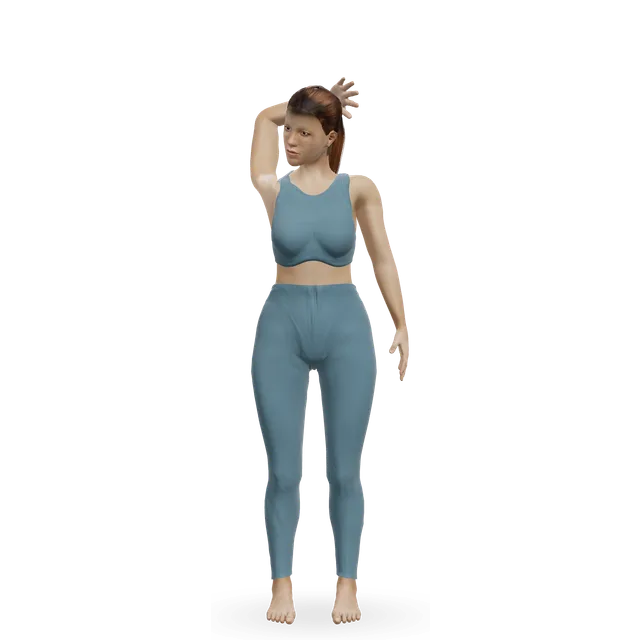
Shoulder rolls 10 slow circles each way (our yoga for neck pain class). Upper trap release: "2 slow holds of 30 seconds per side" (the move page's dose), letting the weight of your head do the stretch. Levator scapulae stretch: "Hold 20 to 30 seconds, 2 to 4 times each side" (from the move page's dose). Side neck stretch: "Hold 5 to 10 seconds, 2 to 4 times each side" (from the move page's dose). Gentle stretches feel good, but on their own they may not ease long-lasting pain.

Shoulder-blade strength

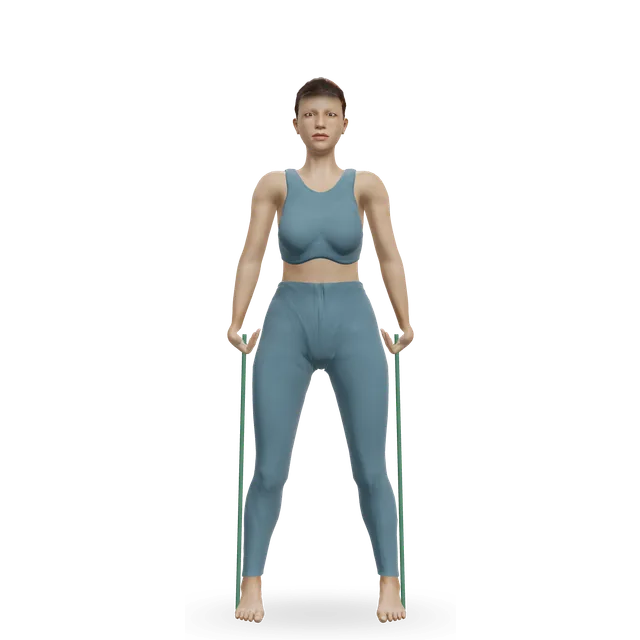
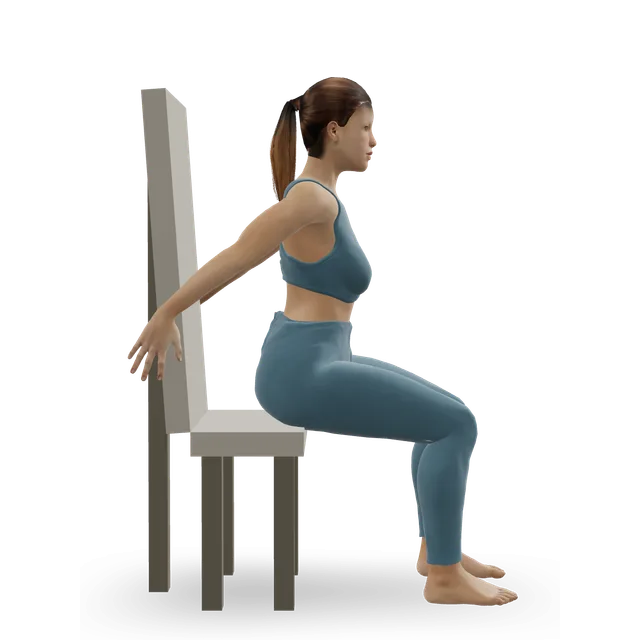
Locust 3 holds of 3 breaths, arms by your sides, eyes on the floor (our yoga for neck pain class). Prone Y-T-W raises 1 round of 8 of each letter; wall angel 8 slow slides, a small range is fine; band row 2 sets of 10 to 15; band external rotation 2 sets of 10 to 15, light band, elbow at your side (our yoga for shoulders class). Band lateral raise 2 sets of 10 to 15 (our neck and shoulder strength routine). Seated upper-back lift: "3 to 5 repetitions, each held 3 to 5 seconds" (from the move page's dose), good at a desk.

Upper-back mobility

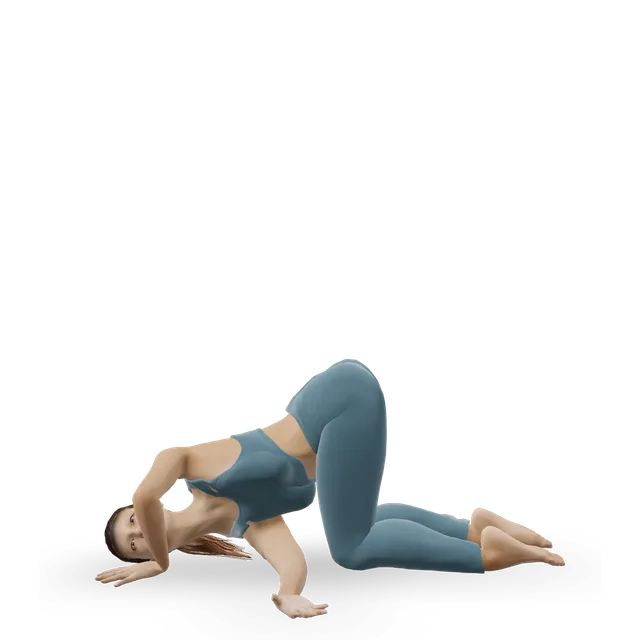
Cat-cow: "8 waves, slower than feels natural" (the move page's dose), head in line with your spine. Thread the needle 30 seconds each side, the side of your head on a folded towel (our yoga for neck pain class). Thoracic rotation: "6 rotations per side, moving with the breath" (the move page's dose). Side-lying open book: "8 to 10 slow openings each side, pausing 2 seconds at the end" (from the move page's dose), a cushion under your head.

The chest and the front of the shoulders

Doorway chest opener 30 seconds each side, elbow at shoulder height (our stress relief workout); ease off for tingling. Chair chest and shoulder stretch: "Hold 15 to 30 seconds, 2 to 4 times" (from the move page's dose), good at a desk.

Standing, head level

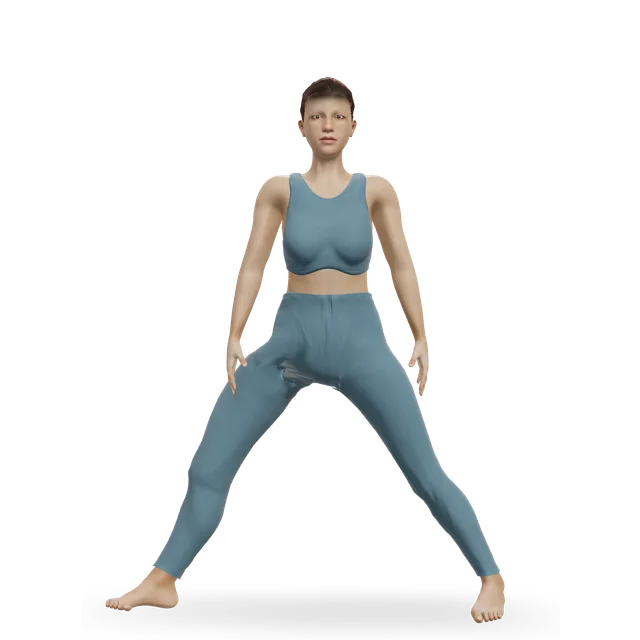
Mountain pose 5 slow breaths, chin level, shoulders soft; warrior II 3 breaths each side, looking straight ahead if turning to the front hand is uncomfortable; triangle 3 breaths each side, looking down or ahead, not up (our yoga for neck pain class).

Rest, head supported

Child's pose 1 minute, forehead on a block or stacked fists; corpse pose 3 minutes, a folded towel under your head (our yoga for neck pain class).

Poses to change or leave out

Headstand, shoulder stand and plough

Leave them out: they load the head and neck, up to 40% to 48% of body weight in headstand, and lead the case reports of harm.

Sources 20, 21, 62

Poses that drop the head back

Leave out fish, camel, wheel and a deep upward-facing dog while your neck is sore, as our yoga for neck pain guide does.

Fast neck rolls and full head circles

Do separate, slow nods, turns and tilts instead. No study supports fast rolls either way, and NHS inform's exercises move in one direction at a time.

Sources 23, 22

Pulling your head into a stretch

Let its weight do the work. The levator scapulae stretch's page says: "The hand is a guide, not a winch; hauling the head down strains the neck it is meant to relieve."

Long head-down holds with glaucoma or high blood pressure

Keep downward-facing dog and head-hanging folds brief, or put your hands on a chair, as downward-facing dog's caution says. Head-down poses raised eye pressure within a minute in a small study.

Source 64

Binds while a shoulder is sore

Hold a strap in cow face arms, or leave cow face and eagle arms out while a shoulder is sore, as our yoga for shoulders guide says.

Classes to follow

The yoga for neck pain class is floor-based, with the head supported or level; the yoga for shoulders class works the shoulder blades and rotator cuff; the stretches and desk routines fit a working day; the strength routine isn't yoga but trains the part with the best evidence. The neck and shoulder stretches routine includes neck circles: make them separate nods, turns and tilts if your neck is sore.

Yoga for neck pain: a 20-minute gentle sequence

Twenty minutes of slow breathing, small neck movements, poses that keep your head supported or level, and upper-back strength, with nothing that loads the neck.

20 minBeginner14 movesStep

Yoga for your shoulders: a 25-minute class for the shoulder blades, the rotator cuff, weight on your hands in steps and reach overhead

A 25-minute yoga class for your shoulders: shoulder-blade lifts, band work for the rotator cuff, plank and downward dog built up in steps, and reach overhead.

25 minBeginner17 movesWall, band

Neck and shoulder stretches

Eight gentle neck and shoulder stretches for desk stiffness, done standing or seated in ten minutes.

10 minBeginner8 movesWall

Neck and shoulder strength routine

Deep neck holds and shoulder-blade strength in under 20 minutes: one of the best-supported kinds of exercise for a stiff, sore neck.

18 minBeginner11 movesBand, anchor point

10-minute desk yoga routine: seated and standing

Ten minutes of yoga at your desk, no mat needed: slow breathing, neck, shoulder, wrist and spine moves in your chair, then standing poses with a hand on the desk.

10 minBeginner13 movesBench or box, wall

3-minute desk movement break

A 3-minute standing break to repeat every 30 to 60 minutes at your desk: sit-to-stands, calf raises, marching, an upper-back turn and chin tucks.

3 minBeginner5 movesBench or box, wall

Neck and shoulder knots routine: press, stretch, strengthen

Knotted neck and shoulders: a minute of self-pressure, two gentle stretches, then the shoulder-blade strength work that eased neck pain in trials.

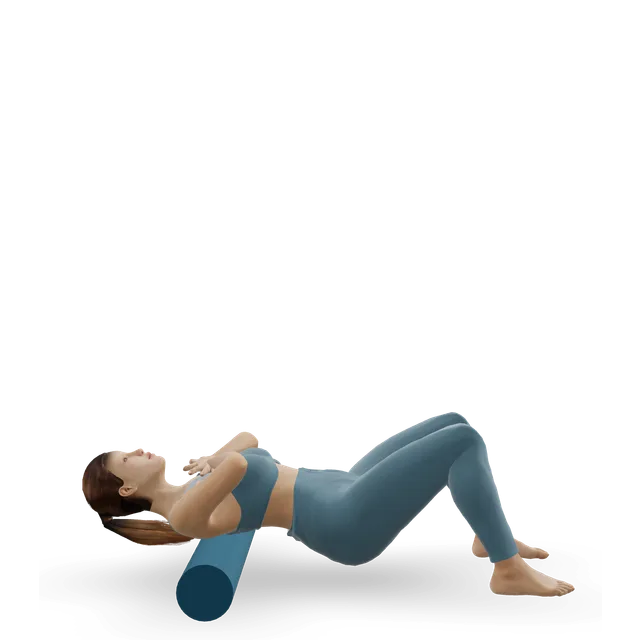
15 minBeginner8 movesFoam roller, band

Stress relief workout: a 12-minute move, loosen and breathe reset

A 12-minute reset for stressful days: 4 minutes of brisk movement, 3 minutes to loosen your neck, shoulders and back, then 5 minutes of slow breathing.

12 minBeginner10 movesBench or box, wall
Show all 16 workoutsShow fewer workouts

Yoga for posture: a 25-minute back-strengthening practice

Twenty-five minutes of back-strengthening yoga for posture: arm and leg reaches, face-down back lifts and standing poses with the arms raised.

25 minBeginner15 movesNo equipment

Upper back mobility routine

A 12-minute routine for a stiff upper back and rounded shoulders: chin tucks, wall angels, Y-T-W raises and open books.

12 minBeginner8 movesFoam roller, wall

Yoga for opening the chest: a 25-minute class for the chest, shoulders and upper back

A 25-minute yoga class that opens the chest and shoulders, moves the upper back, strengthens it with back lifts and ends in supported rest.

25 minBeginner14 movesWall, firm cushion

Yoga for shoulder pain: a 20-minute sequence that builds up weight on the arms

A 20-minute yoga sequence for shoulder pain: gentle movement, standing poses with the arms low, shoulder strength, and weight on the arms built up from the wall.

20 minBeginner16 movesBench or box, wall

Pilates for neck pain: a 20-minute head-supported class

A 20-minute Pilates class for neck pain: head-supported core work, upper-back and shoulder-blade strength, gentle neck movement and slow breathing.

20 minBeginner15 movesWall

Yoga for headaches and migraine: a 20-minute calm practice

A calm 20-minute practice for between headaches: slow breathing, gentle neck and shoulder movement, a few easy poses and a long rest, with no heat and no breath holds.

20 minBeginner14 movesFirm cushion

Seated chair yoga: 15 minutes, no standing

A 15-minute chair yoga routine done entirely sitting: slow breathing, neck, shoulder and wrist stretches, seated twists and side bends, and a calm finish.

15 minBeginner16 movesBench or box

Breathing exercises to relax

A 6-minute breathing routine: slow breathing, crocodile breathing, alternate nostril breathing, box breathing and 4-7-8 breathing.

6 minBeginner5 movesNo equipment

Who should change what

Neck pain, arm symptoms, neck arthritis or a past neck injury

Leave out headstand, shoulder stand, plough and poses that drop the head back, as our yoga for neck pain guide says, and do separate nods, turns and tilts rather than circles.

A painful shoulder

Start with our yoga for shoulder pain guide's plan and class, and see a physiotherapist if it isn't settling (our suggestion).

Glaucoma or high blood pressure

Breathe out through every effort, especially with high blood pressure, heart disease, glaucoma or diabetic eye disease, a hernia, or in pregnancy (our guide to getting stronger). With glaucoma or uncontrolled high blood pressure, skip headstands, shoulder stands and other full inversions, and keep other head-down poses brief or supported.

Sources 65, 66

Heart disease

Arm or shoulder pain with chest symptoms is a 999 call, not a stretch: see the warning signs below.

Very flexible joints

Keep stretches mild and in the middle of your range, and favour the strengthening moves: the NHS says not to overextend your joints just because you can.

Source 67

Warning signs: when to get help

These are the site's lines from our yoga for neck pain, yoga for shoulders and neck pain guides, word for word. This is general information, not a diagnosis. A&E means accident and emergency; in the US, call 911 for 999, and use your doctor's urgent line or urgent care for NHS 111.

Neck pain: call 999 or go to A&E

  • Call 999 or go to A&E: a headache that came on suddenly and is extremely painful; numbness or weakness in the face or body; a drooping face, or being unable to lift both arms and keep them up; difficulty speaking, swallowing, balancing, walking or remembering; double vision or loss of vision; drowsiness or confusion. A torn neck artery often starts with headache and neck pain, sometimes with dizziness or tingling, so head or neck pain unlike any you have had before needs checking.
  • Call 999 or go to A&E: new problems walking, loss of bladder or bowel control, or a sudden loss of coordination, such as difficulty doing up buttons. These can be signs of pressure on the spinal cord.
  • Call 999 or go to A&E: a stiff neck and you can't look at bright lights; a very painful headache; a very high or very low temperature, feeling hot or cold to the touch, or shivering; confusion, slurred speech or not making sense; a rash that does not fade when you press a glass on it; or a first seizure (fit). These can be signs of meningitis. Call too for any other symptoms you're worried might be meningitis.
  • Call 999 or go to A&E after a neck injury if the person is unresponsive, has severe neck pain or cannot move their head, has fallen from a height such as 5 or more stairs, or is drunk or has taken recreational drugs. Do not drive yourself. Being 65 or over, a dangerous fall or crash (from more than 1 metre or 5 stairs, diving, a high-speed or rollover crash, being thrown from a vehicle, a bicycle collision or an accident on a motorised recreational vehicle), or tingling in the arms or legs after an injury puts you at high risk of a broken neck: get checked.
  • Call 999: chest pain that spreads to your arm, neck or jaw, especially with breathlessness, sweating or feeling sick. It could be a heart attack.

Sources 1, 24, 68, 69

Shoulder or arm pain: call 999

  • Call 999: shoulder or arm pain with chest pain that feels tight or squeezing, or chest pain that spreads to your arms, neck or jaw, especially with shortness of breath, sweating or feeling sick. It could be a heart attack.
  • Call 999: you suddenly can't fully lift both arms and keep them there, because of weakness or numbness in one arm, especially if one side of your face droops or you slur your words or sound confused. It could be a stroke. Call even if the signs have stopped.
  • Call 999 or go to A&E: after a fall or injury, your shoulder looks out of place or has changed shape, you cannot move your arm, or your shoulder is painful, bruised or swollen. Do not drive yourself, and do not try to put it back in yourself.

Sources 70, 71, 72, 2, 24

Pain that comes and goes with effort

Get help from NHS 111: pain or tightness in your chest, neck, shoulders, jaw or arms that comes and goes, often brought on by exercise, stress, emotion or cold and easing after a few minutes' rest. It can be angina, a sign of a heart problem. If you've been diagnosed with angina, get help from NHS 111 too if it feels worse than before, is happening more often, lasts longer or happens when you're resting.

Source 71

Headache, jaw pain or sight problems

Contact a GP immediately, go to 111.nhs.uk or call NHS 111: a new or frequent headache that usually comes on suddenly (your scalp may also feel sore or tender), pain in the jaw muscles or tongue when eating or talking, or problems with your sight, such as double vision or loss of vision in 1 or both eyes. With pain and stiffness around the shoulders, these can be signs of temporal arteritis (giant cell arteritis), which up to 1 in 5 people with polymyalgia rheumatica develop. If you suddenly can't see from 1 or both eyes, call 999 or go to A&E.

Sources 73, 74

Neck pain with numbness or pins and needles in an arm: the same day

  • Same day (urgent GP appointment or NHS 111): severe neck pain that starts suddenly or gets worse quickly; heaviness or weakness in the arms or legs; pins and needles in an arm along with neck or arm pain; or pain between the shoulder blades.
  • Same day: clumsiness in your hands, or numbness, pins and needles or weakness in one or both arms, that is getting worse; problems with balance or walking since the neck pain started; or neck pain with a severe headache.
  • Arm weakness or numbness that keeps getting worse, severe pain that painkillers and rest do not touch, or an unexplained fever.

Sources 1, 24, 68, 69

A hot, swollen or suddenly weak shoulder: the same day

  • Same day (GP or NHS 111): the shoulder or arm is hot, swollen or red, or you have a high temperature (although not everyone has one) or feel unwell. A joint infection needs same-day care.
  • Same day (GP or NHS 111): sudden or very bad shoulder pain; you cannot move your arm; the arm or shoulder is badly swollen or has changed shape; pins and needles that do not go away; no feeling in the arm; the arm is hot or cold to the touch; pain that started after an injury such as a fall; or severe pain in both shoulders.
  • Same day (GP or NHS 111): sudden weakness lifting the arm after an injury or fall. A rotator cuff tear caused by an injury needs urgent referral to a shoulder specialist. After a dislocation in anyone over 40, the rotator cuff should be checked: about 40% have a tear.

Source 2

See a GP or physiotherapist

  • Neck pain or stiffness that has not eased after a few weeks, or after 8 weeks of looking after it yourself; painkillers are not helping; or you are worried. In many areas you can refer yourself to NHS physiotherapy.
  • Neck pain with feeling generally unwell, or that started while you were ill with another condition such as rheumatoid arthritis or cancer; or neck pain with blurred vision, ringing in the ears or dizziness.
  • Severe pain that is constant or disturbs your sleep, a fever or unexplained weight loss, or a history of cancer, inflammatory arthritis, TB, a weakened immune system, neck surgery or a violent injury. Serious causes are very rare, but these need checking.

Sources 24, 1

Shoulder pain, arm symptoms or stiffness that isn't settling

  • Pain that is getting worse or has not improved after 2 weeks of looking after it yourself, or it is very hard to move your arm. In many areas you can refer yourself to physiotherapy.
  • Your shoulder has partly or fully come out of joint, or you worry it might.
  • Pins and needles or a cold arm alongside neck pain, or a new loss of strength or feeling in the arm that you cannot explain (a possible nerve problem).
  • No improvement after 6 weeks of exercise, or arm symptoms still there beyond 6 to 12 weeks.
  • See a GP if you have pain and stiffness for more than a week, especially if you're over 50, it's in both shoulders (often the neck and hips too) and the stiffness lasts longer than 45 minutes in the morning. It can be polymyalgia rheumatica.

Sources 2, 24, 73

During neck exercises

NHS inform's neck exercise advice: rate your pain from 0 to 10. During exercise, 0 to 3 is minimal and 4 to 5 is acceptable; 6 or more is too much. If it goes higher, do fewer repetitions, move more slowly or rest longer between movements.

Exercise should not make your neck worse overall. Soreness from a new exercise should ease quickly, and your neck should be no worse the next morning. Stop any exercise that makes your symptoms worse or causes new pain.

Arm symptoms are the exception, as in our neck pain guides. If a pose sends pain, tingling or numbness further down your arm, or the extra symptoms last more than an hour afterwards, make the movement smaller or leave it out.

Stop and get checked for dizziness, double vision, slurred speech, trouble swallowing or any of the warning signs above.

Source 22

Dizziness in a pose

If a pose that tips your head back or turns it hard brings on dizziness, blurred vision or a sudden headache, come out slowly and sit down. If it doesn't settle within a few minutes, treat it as one of the urgent signs above, and don't repeat that pose (our suggestion, from case reports).

Sources 75, 21

Neck circles

Stop if neck circles bring on dizziness, light-headedness or tingling into an arm. Make the movement smaller, with separate turns and nods, and see a GP if it keeps happening. Our neck pain guide has more.

Strengthening a sore shoulder

During shoulder strengthening, pain up to about 5 out of 10 is acceptable, and a little is expected. By your next session it should be back to where it was before. If it isn't, use a lighter band or weight or a smaller range next time, not nothing.

Source 76

Tell the teacher

Before a class, tell the teacher about neck pain, arm symptoms, or a past neck injury or operation. NCCIH advises people with health conditions to talk with their health care provider and the yoga teacher about their needs.

Source 65

During yoga

A joint pain that is sharp, gets worse during a session, lingers into the next day or changes how you move is a reason to use an easier version, and to see a GP or physiotherapist if it keeps happening (the rule in our plans). Muscle soreness for a day or two after something new is normal. In a hot class, stop if you feel dizzy, sick or unwell; our hot yoga guide lists the signs of heat illness.

You can say no to any hands-on adjustment, and a teacher registered with Yoga Alliance must get your explicit consent each time.

Sources 21, 60, 65, 66

Head-down poses, bones and pregnancy

With glaucoma, or high blood pressure that isn't under control, skip headstands, shoulder stands and long head-down holds. With osteoporosis, swap deep forward folds for a flat-back hinge from the hips, and twist smoothly. In pregnancy, our yoga in pregnancy guide covers the changes. NCCIH advises beginners to avoid headstands, shoulder stands, the lotus position and forceful breathing.

Sources 64, 65

Before you start

The NHS advises getting advice from a healthcare professional first if you have a health problem, an injury or symptoms, or have recently had a heart attack or an operation.

If you have a heart, lung or joint condition, are pregnant or have recently been unwell, start gently and read our guide for your condition. Muscle soreness for a day or two after a new exercise is common and fades as you repeat it.

If you have a heart condition, follow your cardiac team's advice on how hard to work, and stop for the warning signs above. People with long-term conditions may wish to ask their specialist before starting. With uncontrolled high blood pressure, avoid straining against a held breath; the high blood pressure guide has more.


Myths

"Bad posture causes neck pain"Emerging evidence

On most evidence it's a weak cause: sitting posture wasn't linked with neck pain in 1,108 teenagers, upright sitting went with more persistent pain in young women, and the neck angle while texting didn't predict new neck pain while poor sleep and inactivity did. One cohort of office workers found a neutral upper-back posture went with less risk.

Sources 11, 12, 13, 14

"Stretching your chest and neck will fix your posture"Emerging evidence

Stretching didn't change posture across 23 trials; strengthening did a little.

Source 15

"Neck rolls release tension safely"

No study has tested fast neck rolls or head circles for harm or benefit, and NHS inform's exercises are slow single-direction movements held for 2 seconds. Do separate, slow nods, turns and tilts.

Sources 23, 22

"Yoga is the best exercise for neck and shoulder tension"Emerging evidence

Against other exercise there was no clear difference, reviews find no single best type, and strengthening has the strongest workplace evidence. Choose what you'll keep doing, and add strength work.

Sources 5, 6, 7, 8, 9

"Tight shoulders just need stretching"Emerging evidence

Stretching alone may not help long-lasting neck pain, while strengthening the neck and shoulder blades did in trials. Do both.

Sources 35, 8, 37

"Headstands and shoulder stands strengthen the neck"Emerging evidence

No trial shows it. The head carries up to 40% to 48% of body weight in headstand, and these are the poses most often named in reports of harm.

Sources 20, 21, 62

"Tension is all in your muscles, so massage or stretch it out"Emerging evidence

Stress raises muscle activity, but pain tracks the feeling of tension more than measured activity. Movement, strength and calm all help, and none is a cure.

Sources 25, 17, 18

"Take enough breaks and the ache will go"Mixed evidence

Breaks are the law for screen users and worth taking, but extra breaks made little difference to new neck pain in trials.

Sources 44, 46

Questions people ask

Is yoga good for a stiff neck and shoulders?

Yes, as one way to keep them moving and strong. For long-lasting neck pain, yoga eased pain and disability in small trials in the short term, about as much as other exercise, and in office workers it did as well as stretching.

What are the best yoga poses for neck and shoulder tension?

Slow nods, turns and tilts; shoulder rolls; the upper trap and levator stretches; thread the needle; and back lifts like locust, with wall angels and a band row for the shoulder blades. Strengthening has the best evidence for desk neck and shoulder pain, so pair the stretches with it.

Can yoga help neck and shoulder pain from desk work?

It may: in 150 office workers, weekly hatha classes with home practice did about as well as stretching. Specific strengthening has stronger evidence: 2 minutes a day with a band eased neck and shoulder pain by 1.4 points out of 10 in 10 weeks.

Is bad posture the cause of my neck pain?

Probably not on its own. Sitting posture didn't predict neck pain in a large study of young people, and the neck angle while texting didn't predict new neck pain over a year, while poor sleep and too little activity did. Move often rather than holding one perfect position.

Are neck rolls safe?

We found no study testing fast neck rolls for harm or benefit. NHS inform's exercises use slow single-direction turns and tilts held for 2 seconds, and this guide does the same. Stop if any neck movement makes you dizzy or sends tingling into an arm.

Why do I hold tension in my neck and shoulders?

Stress raises activity in the trapezius, the muscle across the top of your shoulders, and office workers who felt tense were more likely to develop neck pain. Slow breathing and movement breaks help many people feel looser, though relaxation alone isn't a neck pain treatment.

Should I stretch or strengthen tight shoulders?

Both. Stretching alone may not ease long-lasting neck pain, while neck and shoulder strength training did in office workers. The moves on this page include both.

How often should I do yoga for my neck and shoulders?

Little and often: NHS inform suggests small amounts throughout the day, and the HSE says short frequent breaks are better than long rare ones. The slow neck movements through the day, with shoulder-blade strength 2 or 3 times a week, is a sensible start (our suggestion).

Which poses should I avoid?

Headstand, shoulder stand and plough, which put weight on your neck, and poses that drop your head back, such as fish, camel and wheel, while your neck is sore. In headstand, the head carried up to 40% to 48% of body weight.


Is chair yoga good for neck and shoulders?

Yes: neck movements, shoulder rolls, the shoulder-top stretches, seated twists and slow breathing all work in a chair that can't roll. Our seated chair yoga class is done sitting, and our desk yoga routine fits a working day.

When should I see a doctor about neck and shoulder pain?

See a GP or physiotherapist if it hasn't eased after a few weeks, or a shoulder hasn't improved after 2 weeks. Get same-day help for worsening numbness, pins and needles or weakness in an arm, or clumsy hands. Call 999 for a sudden severe headache, a drooping face or arm weakness, or chest pain spreading to your arm, neck or jaw.

Is yoga better than physiotherapy for neck pain?

No trial shows that, and yoga doesn't replace it. The Chartered Society of Physiotherapy says the type of exercise matters less than staying active, and a physiotherapist can tailor it to you.

Sources

  1. NHS inform · Neck problems (updated November 2026)
  2. NHS · Shoulder pain (past its review date: reviewed May 2023, review due May 2026)
  3. Cramer 2017 · Yoga for chronic neck pain: 3 trials, 188 people (systematic review and meta-analysis, Clin Rehabil; its pain and quality-of-life confidence intervals are misprinted)
  4. Li 2019 · Yoga for long-lasting neck pain: 10 trials, 686 people (systematic review and meta-analysis, Medicine; read in full)
  5. Rasmussen-Barr 2023 · Exercise types for long-lasting neck pain: 25 reviews (review of systematic reviews with GRADE, BMC Musculoskelet Disord; read in full)
  6. de Zoete 2020 · Exercise for long-lasting neck pain: 40 trials (network meta-analysis, Br J Sports Med)
  7. Guo 2026 · Exercise types and neck disability: 51 trials, 4,140 people (network meta-analysis, PeerJ)
  8. Ylinen 2003 · Neck strength or endurance training for 180 women office workers with long-lasting neck pain (randomised trial, JAMA)
  9. Andersen 2011 · Two or 12 minutes a day of band training for 198 workers with neck and shoulder pain (randomised trial, Pain)
  10. Kuptniratsaikul 2023 · Hatha yoga against stretching for 150 office workers with neck or shoulder pain (non-inferiority randomised trial, Complement Ther Med)
  11. Richards 2016 · Sitting neck posture and neck pain in 1,108 17-year-olds (cross-sectional cohort study, Phys Ther)
  12. Richards 2021 · Neck posture at 17 and persistent neck pain at 22 in 686 young adults (prospective cohort study, Phys Ther)
  13. Correia 2025 · Neck angle while texting and new neck pain over a year in 457 adults (prospective cohort study, Braz J Phys Ther)
  14. Jun 2021 · Risk factors for new neck pain in 214 office workers followed for a year (prospective cohort study, Hum Factors)
  15. Warneke 2024 · Stretching or strengthening and spinal posture: 23 trials (systematic review and meta-analysis, Sports Med Open)
  16. Jun 2017 · Physical risk factors for new neck pain in office workers: 12 prospective studies (systematic review and meta-analysis, Int Arch Occup Environ Health)
  17. Bansevicius 1997 · An hour of mental stress, muscle activity and neck and shoulder pain in 36 people (lab study, Headache)
  18. Vasseljen 1996 · Stress, shoulder muscle activity and neck and shoulder pain in office and manual workers (case-control study, Pain)
  19. Basco-López 2025 · Relaxation techniques for long-lasting neck pain: 16 trials (systematic review and meta-analysis, Health Psychol)
  20. Hector 2015 · Head and neck loading in headstand in 45 experienced practitioners (lab study, J Bodyw Mov Ther)
  21. Cramer 2013 · Adverse events associated with yoga: 76 published cases (systematic review of case reports, PLoS One; read in full)
  22. NHS inform · Exercises for neck problems
  23. Our searches · PubMed and Europe PMC for trials of neck rolls or head circles (4 November 2026): 213 records, almost all a vertigo test, none testing harm or benefit
  24. NHS · Neck pain (past its review date: reviewed April 2023, review due April 2026)
  25. Lundberg 1994 · Mental stress and shoulder muscle activity in 62 women (lab study, Int J Behav Med)
  26. Michalsen 2012 · Iyengar yoga against self-care exercise in 77 adults with long-lasting neck pain (pilot randomised trial, J Pain)
  27. Cramer 2013 · Iyengar yoga against a home exercise manual in 51 adults with long-lasting neck pain (randomised trial, Clin J Pain)
  28. Cramer 2013 · Yoga for chronic neck pain: a 12-month follow-up of 51 adults, with no comparison group by then (follow-up study, Pain Med)
  29. Jeitler 2015 · Meditation against home exercise in 89 adults with neck pain and stress (randomised trial, J Pain)
  30. Our searches · PubMed and Europe PMC for a Cochrane review of yoga for neck pain (4 November 2026): none, and no protocol
  31. Gao 2024 · Mind-body exercise for long-lasting neck pain: 18 trials (network meta-analysis, Curr Pain Headache Rep)
  32. Shen 2026 · Exercise types for neck pain: 30 trials (network meta-analysis, J Back Musculoskelet Rehabil)
  33. Dunleavy 2016 · Pilates or yoga groups in 56 adults with long-lasting neck pain (quasi-randomised trial, Physiotherapy)
  34. Uluğ 2018 · Pilates, yoga or isometric exercise in 56 adults with long-lasting neck pain (randomised trial, J Rehabil Med)
  35. Gross 2015 · Exercises for neck pain: 27 trials (Cochrane review; summary read)
  36. Chartered Society of Physiotherapy · Treatment for neck pain (last reviewed May 2026)
  37. Andersen 2008 · Specific strength training against cycling for 48 women with trapezius muscle pain (randomised trial, Arthritis Rheum)
  38. Teichert 2023 · Exercise to prevent neck pain: 5 trials, 1,722 people (systematic review and meta-analysis, J Orthop Sports Phys Ther)
  39. Jones 2024 · Exercise for office workers with long-lasting neck pain: 8 trials (systematic review and meta-analysis, Appl Ergon)
  40. Yaghoubitajani 2026 · Short exercise bouts at work for neck and shoulder pain: 19 trials (systematic review and meta-analysis, Sci Rep)
  41. Viljanen 2003 · Dynamic muscle training, relaxation training or ordinary activity for 393 women office workers with neck pain (randomised trial, BMJ)
  42. Thanasilungkoon 2023 · A Thai exercise routine, yoga or stretching for 80 office workers' neck and shoulder pain (randomised trial with assessors who also taught, Int J Exerc Sci; read in full)
  43. Telles 2009 · Daily yoga for aches in 291 computer users, only 118 analysed (randomised trial, Work)
  44. Health and Safety Executive · Display screen equipment: work routine and breaks (updated March 2025)
  45. Health and Safety Executive · Good posture when using display screen equipment
  46. Luger 2025 · Work breaks to prevent aches and pains: 9 trials, 626 workers (Cochrane review)
  47. Mehta 2026 · Ergonomic changes for work-related arm, neck or shoulder complaints: 20 studies (Cochrane review)
  48. Mahmoud 2019 · Forward head posture and neck pain: 15 cross-sectional studies (systematic review and meta-analysis, Curr Rev Musculoskelet Med)
  49. Rani 2023 · Head and neck posture and neck pain: 26 studies (systematic review and meta-analysis, Indian J Orthop)
  50. Chen 2025 · Heavy smartphone use and neck pain: 7 retrospective studies (systematic review and meta-analysis, Postgrad Med J)
  51. Xing 2026 · Exercise for forward head posture with neck pain: 10 trials (systematic review and meta-analysis, J Pain Res)
  52. Pach 2022 · App-based relaxation for 220 adults with long-lasting neck pain (randomised trial, JMIR Mhealth Uhealth)
  53. Hopewell 2021 · Progressive exercise or one advice session, with or without an injection, for 708 people with rotator cuff problems, the GRASP trial (randomised trial, Lancet; read in full)
  54. Liu 2026 · Exercise against passive treatments for rotator cuff shoulder pain: 19 trials (systematic review and meta-analysis, Musculoskelet Sci Pract)
  55. Lafrance 2024 · Exercise type and dose for rotator cuff shoulder pain: 22 trials (systematic review and meta-analysis, J Orthop Sports Phys Ther)
  56. Lam 2025 · Yoga for shoulder movement in 444 women after breast cancer surgery (randomised trial, Sports Med Open; read in full)
  57. Jain 2020 · Yoga poses added to usual treatment for frozen shoulder in 72 people (randomised trial, J Ayurveda Integr Med)
  58. Rathore 2024 · Yoga and spine and shoulder mobility: 8 studies (systematic review, J Bodyw Mov Ther)
  59. Cramer 2015 · The safety of yoga: 94 trials, 8,430 people (systematic review and meta-analysis, Am J Epidemiol)
  60. Cramer 2018 · Injuries and other adverse events with yoga: 9 observational studies (systematic review, J Sci Med Sport)
  61. Swain 2016 · Yoga injuries in US emergency departments, 2001 to 2014 (surveillance study, Orthop J Sports Med; read in full)
  62. Sharma 2026 · Adverse events in 70 yoga case reports and series (systematic review, J Integr Med)
  63. Nayar 2022 · Torn neck arteries and spinal cord compression after a yoga session in a 63-year-old man (case report, Spinal Cord Ser Cases)
  64. Jasien 2015 · Eye pressure in four common yoga positions: 10 people with glaucoma and 10 without (lab study, PLoS One)
  65. NCCIH 2023 · Yoga: effectiveness and safety (US National Center for Complementary and Integrative Health)
  66. Yoga Alliance · Code of conduct: consent before hands-on adjustments
  67. NHS · Joint hypermobility syndrome (past its review date: reviewed August 2023, review due August 2026)
  68. NHS · Meningitis: symptoms (last reviewed June 2026)
  69. NHS · Cervical spondylosis (past its review date: reviewed August 2023, review due August 2026)
  70. NHS · Heart attack (last reviewed March 2026)
  71. NHS · Chest pain (past its review date: reviewed August 2023, review due August 2026)
  72. NHS · Stroke: symptoms (last reviewed September 2024)
  73. NHS · Polymyalgia rheumatica (past its review date: reviewed April 2023, review due April 2026)
  74. NHS · Temporal arteritis (past its review date: reviewed August 2023, review due August 2026)
  75. Shenouda 2026 · Reduced blood flow to the back of the brain during yoga, with blurred vision and dizziness (case report, Case Rep Ophthalmol)
  76. Holmgren 2012 · Specific shoulder exercises against general exercise in 102 people with long-standing impingement pain (randomised trial, BMJ)

Exercise education, not a personal prescription, and clinical review of these guides is pending. If you are pregnant, have a health condition such as glaucoma, high blood pressure or osteoporosis, or have had recent surgery, check with a doctor, midwife or physiotherapist before starting, and stop for sharp or increasing pain. Health disclaimer.