Pilates guide

Pilates for the neck and shoulders: stiffness and tension, desk posture, the upper back, the evidence, and a routine

A stiff, tense neck and tight tops of the shoulders are some of the commonest aches there are, especially with desk work, phones and stress, and most settle within a few weeks. Pilates can help, mainly because a good class strengthens the upper back and shoulder blades, trains the small nod that steadies the neck, and gets a stiff upper back moving. In trials of long-lasting neck pain it helped more than doing nothing, but not more than other exercise.

This guide covers what "tight" really means, why posture matters less than you've been told, what helps at a desk, how to keep Pilates from straining your neck, the moves and classes to follow, and the signs that need a doctor first. Our Pilates for neck pain guide covers neck pain in depth; our Pilates for shoulders guide covers shoulder strength and mobility. A sudden, severe headache or neck pain unlike any before, or weakness in an arm or the face, needs 999: the warning signs are below.

The short version

A stiff, tense neck and shoulders is common and usually settles

In one Japanese town, 45.6% of adults had neck and shoulder stiffness in 3 months, and neck pain is most common between 45 and 74. "Most neck pain only lasts a few weeks", the NHS says, and most neck problems improve within 8 weeks.

Sources 1, 2, 3, 4

Pilates helps more than doing nothing, not more than other exercise

In trials of long-lasting neck pain, Pilates eased pain by about 1.5 points out of 10 against no exercise, at very low certainty, and other exercise did slightly better. No single type of exercise is best.

Sources 5, 6, 7

Strengthening has the most support

Strength training for the neck, shoulder blades and arms eases long-lasting neck pain (moderate-quality evidence), and even 2 minutes a day with a band helped desk workers.

Sources 8, 9, 10

Stretching helps a little

Neck and shoulder stretches twice a day eased office workers' neck pain by 1.4 points out of 10 over 4 weeks, but stretching alone did less than strengthening. Do both.

Sources 11, 8

Posture is a weaker cause than you've been told

Sitting posture at 17 didn't predict neck pain at 22, and bending your neck to text didn't predict new neck pain over a year; poor sleep and inactivity did.

Sources 12, 13

Protect your neck in class

Nod first, breathe out as you curl, rest your head on your hands or a towel, and lower it when your neck tires. Leave out moves that put weight on your neck while it's sore.

Sources 14, 15, 16, 17, 18

Why your neck and shoulders feel tight

How common it is

In 1,122 adults in a Japanese town, 45.6% had neck and shoulder stiffness in the past 3 months. In 1,185 Thai office workers, the head and neck were the commonest place for aches over a year (42%). Worldwide, neck pain affected 203 million people in 2020, most often between 45 and 74, and more women than men. New shoulder problems seen by UK GPs peak at around 50.

Sources 1, 19, 2, 20

What "tight" means

The tops of the shoulders are the upper trapezius and levator scapulae; the deep neck flexors sit at the front of the neck; the middle and lower trapezius and the serratus anterior steady the shoulder blades. In office workers with neck pain, the upper trapezius was measurably stiffer (by 11.3% in one small study), and stiffness went with more disability and more worry about moving. Feeling tight doesn't mean a muscle is short: our Pilates for shoulders guide explains.

Sources 21, 22

Tension, sameness and stressMixed evidence

In office workers, feeling tense, doing the same task all day and a keyboard close to the body went with later neck pain. Job demands and job strain added to the risk of neck and shoulder trouble in long-term studies, though one review of office workers found stress didn't predict neck pain. Stress raised neck and shoulder muscle activity in laboratory studies, and in one Japanese hospital, long computer time and poor sleep went with neck and shoulder stiffness.

Sources 23, 24, 25, 26, 27

The upper back and shoulder blades

The upper back and shoulder blades move with your neck and arms. People with long-lasting neck pain more often show uneven shoulder-blade movement, though the evidence is of very low quality and the cause unknown. Sitting tall lets you reach higher in the moment.

Sources 28, 29, 30

What a Pilates class asks of your neck

Many mat moves lift your head off the mat: the hundred, the chest lift, the single-leg stretch and criss-cross. Teachers say strain happens mostly when you hold your head up for a long time; the head weighs about 5 kg, and a curl that's too small often strains the neck. STOTT PILATES teaches a small nod before curling, and pads or pillows to stop the neck arching. A few classical moves put weight on the neck: the roll-over, jack knife and control balance.

Sources 17, 31, 32

Who is in the research

The Pilates neck trials are small (30 to 88 people), mostly in Turkey, Brazil and the US, in adults with long-lasting neck pain, and none blinded the participants or therapists. Only one small study, with no comparison group, enrolled people with neck and shoulder pain together. So this guide leans on the Pilates neck pain trials and on desk-worker strength and stretching trials.

Sources 5, 33, 34

What the evidence says

Against no exercise: a small drop in painMixed evidence

In the newest review (8 trials, 439 people), Pilates eased long-lasting neck pain by about 1.5 points out of 10 against no exercise or minimal treatment (very low certainty, from 5 studies), and disability by about 3.7 points on the Neck Disability Index, a questionnaire about daily life (low certainty). Most trials followed people for a month or less. The comparison groups ranged from no treatment to minimal care, many trials gave every group other treatments too, and the review has some inconsistencies, such as trial sizes that differ from the trials' own reports.

Source 5

Against other exercise: not betterEmerging evidence

Other exercise did slightly better for pain right after treatment (by 0.5 points out of 10, low certainty), and an earlier review found Pilates no better than other treatments at 3 months. The reviewers see Pilates as a complement, not a superior approach.

Sources 5, 35

The trials behind itEmerging evidence

In the best-quality trial, 64 adults did Pilates on the mat and equipment twice a week for 12 weeks, and pain, disability and quality of life improved more than with medicines alone, followed to 180 days. Pilates, yoga and neck holds did equally well in 56 people; Pilates and yoga groups were equally effective in another 56, with no change in range of movement or posture; and neck stabilisation exercise beat Pilates for pain in 45 people.

Sources 36, 37, 38, 39

Pilates at workMixed evidence

Across 12 trials of Pilates at work, disability improved more consistently than pain. In 30 office workers, an 8-week supervised class with the chest lift and hundred at their easiest eased neck pain, but the trial had no group without Pilates.

Sources 40, 41

No type of exercise is bestEmerging evidence

In 40 trials, no single type of exercise was best for long-lasting neck pain; yoga, Pilates, tai chi and qigong as a group helped about as much as motor control and strengthening exercise, at very low quality. Overviews of 52 and 25 reviews agree.

Sources 6, 7, 42

What guidelines sayStrong evidence

The US physiotherapy guideline recommends mixed exercise for the neck and shoulder-blade region, and endurance exercise for the neck, shoulders and trunk; it doesn't mention Pilates. A 2016 neck pain guideline asks clinicians to reassure people that most neck pain is harmless and settles, and to stress keeping active and moving.

Sources 43, 44

What helps most: strength, the shoulder blades and the chin nod

Strength firstStrong evidence

The Cochrane review found moderate-quality evidence that strength training for the neck, shoulders, upper back and arms eases long-lasting neck pain, while stretching alone may do little. In 180 women office workers followed for a year, neck strength and endurance training both beat advice to stretch and do aerobic exercise.

Sources 8, 45

At a desk, even a few minutes a dayEmerging evidence

In 48 women with neck and shoulder pain from computer work, 10 weeks of specific strength training cut their worst pain by about 79%, while cycling helped little. In 198 workers, 2 minutes a day of band training for 10 weeks reduced pain and tenderness. Reviews of office workers favour strengthening, at low certainty.

Sources 9, 10, 46, 47

The shoulder bladesMixed evidence

Adding shoulder-blade exercise to neck exercise eased pain more, but not disability (5 small trials); on its own it did about as well as neck exercise. Lying face down and side-lying arm raises and turning the arm out work the middle and lower trapezius without much of the upper; raising the arm overhead lying face down worked the lower trapezius most.

Sources 48, 49, 50, 51

The chin nodEmerging evidence

Training the deep muscles at the front of the neck with a small nod improves control but doesn't build much strength, so it works best alongside other exercise. In 58 people with long-lasting neck pain, 6 weeks of it helped them keep their head upright while working at a computer.

Sources 52, 53

The upper backMixed evidence

Upper back mobility exercise did as well as spinal manipulation in 26 office workers and beat neck stabilisation exercise in 24 people; one session of self-mobilisation changed range but not pain. These are tiny trials, and we found no review of them.

Sources 54, 55, 56, 57

StretchingEmerging evidence

In 96 office workers with neck pain, neck and shoulder stretches twice a day, 5 days a week for 4 weeks, eased pain by 1.4 points out of 10 more than an ergonomics leaflet. Over a year, strength training with stretching and stretching alone did about equally, though few people kept it up.

Sources 11, 58

How much

Pilates trials ran 30 to 60 minutes, 1 to 3 times a week, for 4 to 12 weeks; desk workers' band training took 2 to 12 minutes a day; stretching was twice a day. Our Pilates for posture class 2 or 3 times a week for 8 to 12 weeks is our editorial starting point.

Sources 5, 36, 10, 11

Posture, phones and pain

Adults with neck pain hold their heads slightly further forwardEmerging evidence

On average by a few degrees, in reviews of studies that measured people once; teenagers with neck pain don't, and age confuses the picture.

Sources 59, 60

Posture didn't predict neck painEmerging evidence

In 686 young Australians, sitting posture at 17 didn't predict neck pain at 22, and the authors say advice to sit up straight to prevent neck pain needs rethinking. In 396 adults followed for a year, bending the neck while texting didn't predict neck pain; poor sleep and inactivity did. Texting posture wasn't linked with neck pain in 150 young adults either.

Sources 12, 13, 61

Changing posture doesn't reliably change painEmerging evidence

Exercise changed head and shoulder angles in 28 trials of people with rounded shoulders and a forward head, but its effects on pain were inconclusive. Clinical Pilates changed head and neck angles more than home exercise in 46 people, with no difference in pain or disability. A 2026 review found exercise eased pain in people with a forward head, but a published letter points out that several of its trials compared exercise with other active treatments, and the results varied widely.

Sources 62, 63, 64, 65

Strength changes posture more than stretchingEmerging evidence

In healthy people, moderate-certainty evidence doesn't support stretching to correct posture, and strengthening may help. If you want to change how you sit and stand, strengthen your upper back.

Source 66

What it means

Move often and vary your position, strengthen your upper back and shoulder blades, and don't chase a perfect posture. Our posture class's tip puts it this way: physiotherapists say your best posture is your next posture.

At your desk

Changing the set-up alone makes little differenceEmerging evidence

Workstation and ergonomic changes on their own may make no meaningful difference to neck, shoulder and arm pain, a Cochrane review concluded in 2026. Sit-stand desks cut sitting by about 100 minutes a day in the short term, but in a UK trial of 146 NHS office workers, aches and pains didn't differ at 12 months.

Sources 67, 68, 69

Breaks: short and oftenMixed evidence

Whether extra breaks help is very uncertain (9 trials), though prompted active breaks cut new neck pain in one trial (17% against 44%). The Health and Safety Executive advises: "Take short breaks often, rather than longer ones less often."

Sources 70, 71, 72

Exercise at work can prevent neck painEmerging evidence

In 567 office workers at higher risk, daily neck stretches plus endurance training twice a week cut new neck pain over 12 months: 12.1% got it, against 26.7% without the programme.

Source 73

Look after your sleep and your day

Poor sleep, inactivity and feeling tense all went with neck pain in office workers. These are associations, but moving more and sleeping well are worth protecting (our suggestion). Our Pilates for office workers guide has a 15-minute class you can do by your desk.

Sources 13, 23

Protecting your neck in Pilates

Nod, breathe out and support your headEmerging evidence

In 13 men, a chin nod before the curl-up lowered the work of the big muscle at the side of the neck and raised the abdominals' work. Breathing out slowly as you curl, and supporting your head, reduced neck muscle work in other small studies. STOTT PILATES teaches a small nod "without jamming the chin into the chest".

Sources 14, 15, 16, 32

Rest your head, and change the move

Teachers suggest a folded towel or firm pillow behind your head, not under your neck, keeping your neck in line with your spine, and changing a move rather than working through pain. Breathing cues differ between teachers, so treat them as cues, not rules.

Sources 17, 18, 74

Rare harms

One case report links a Pilates class with a leak of spinal fluid (a new headache that eased lying down); another describes both shoulders dislocated and broken during arm work on a Pilates machine. In a lab study, heavier springs raised shoulder muscle work, so build springs up gradually and learn reformer arm work with a teacher.

Sources 75, 76, 77

The chest lift, with your neck looked after

From the chest lift move page (its dose is 8 to 10 reps; rest your head between reps if your neck aches), STOTT PILATES' head nod, and small studies in which a chin nod, breathing out and supporting the head reduced neck muscle work in curl-ups.

  1. Lie on your back, knees bent and feet flat, and lace your hands behind the base of your skull with your elbows wide.
  2. Breathe in to prepare.
  3. Nod your chin slightly, keeping a space about the size of a small fist between chin and chest.
  4. Breathe out as you curl your head and shoulders up, letting your hands carry the weight of your head.
  5. Lower with control and rest your head fully on the mat between reps.
  6. If your neck works harder than your tummy, lower your head and rest it on a folded towel for the next ones.

See the movement on the 3D figure: Chest lift (Pilates curl-up)

Breathe and settle

Lateral breathing: 5 to 8 breaths at the start of every session (from the move page's dose); breath reach: 5 breaths, exhale longer than inhale (the move page's dose).

The neck, gently

Chin tuck: 8 slow reps with a 3 to 5 s hold, sliding your head straight back (our Pilates for posture class); lying chin tuck: 5 gentle holds of up to 10 s, a small nod with your head resting, and neck CARs (controlled articular rotations): 3 turns, 3 tilts and 3 nods, as separate movements rather than circles (our Pilates for neck pain class); chin tuck with head lift: 3 to 5 holds of 5 s, building toward 10 holds of 10 s over the weeks, once the gentle versions are easy (our neck and shoulder strength routine).

The upper back

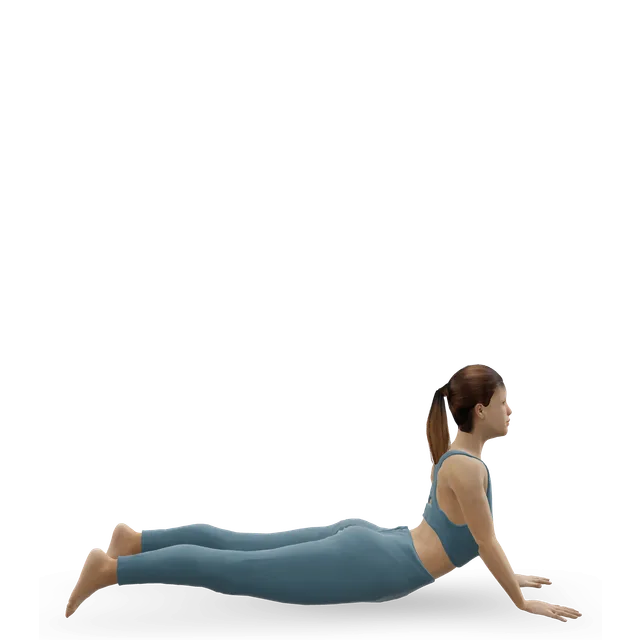
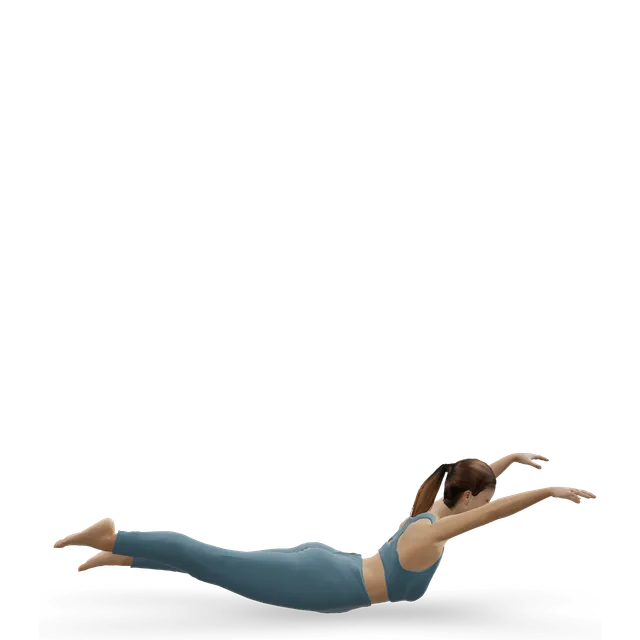
Swan: 5 to 6 reps, kept small and looking at the mat (from the move page's dose); prone Y-T-W raises: 5 of each shape, forehead on a towel, thumbs up and shoulders away from your ears (our Pilates for neck pain class); swimming: 2 sets of 20 to 30 s, long neck and small quick lifts (our Pilates for posture class); seated upper-back lift: 5 holds of 3 to 5 s (our Pilates for office workers class).

The shoulder blades and rotator cuff

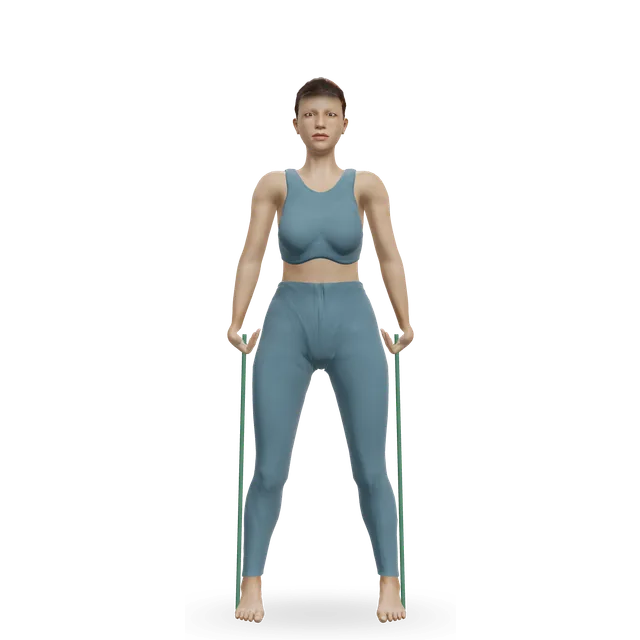
Band row: 3 sets of 10 to 15, stopping 2 to 3 reps short of failure (from the move page's dose); band pull-apart: 2 sets of 12 to 15 without shrugging, and wall angel: 8 slow reps (our Pilates for posture class); band external rotation: 2 sets of 12 each arm, elbow at your side on a rolled towel, and scapular push-up: 8 reps (our Pilates for shoulders class); knee hover: 3 holds of 15 to 30 seconds (from the move page's dose).

Upper back mobility

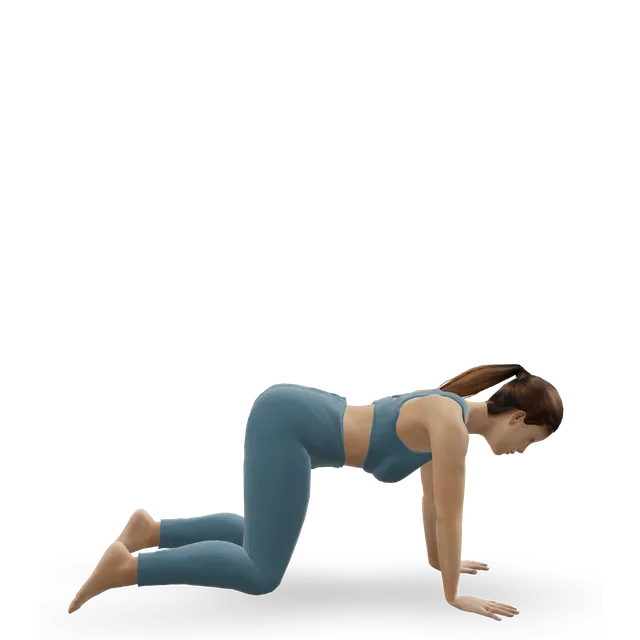
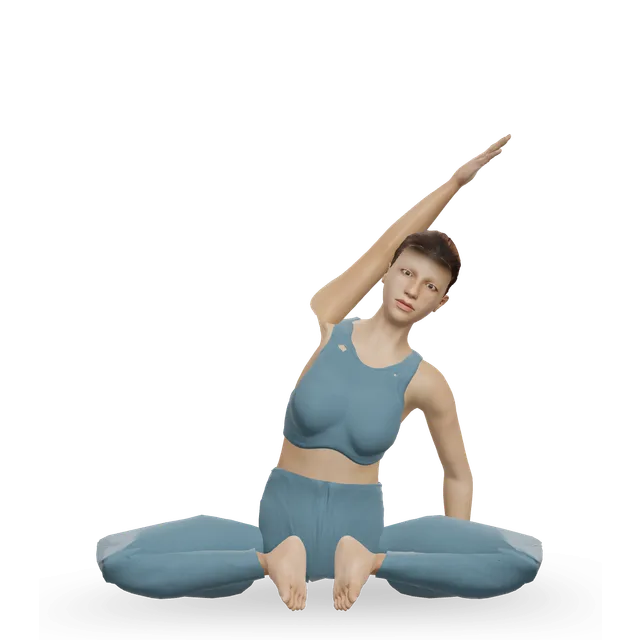
Open book: 8 to 10 slow openings each side, pausing 2 seconds at the end, mermaid: 3 each direction, each side, and spine twist: 3 to 4 each side (from the move pages' doses); thoracic rotation: 6 rotations per side, moving with the breath, and cat-cow: 8 waves, slower than feels natural (the move pages' doses).

Stretch the tops of the shoulders and the chest

Upper trap release: 2 slow holds of 30 seconds per side (the move page's dose), letting your hand's weight do the work without pulling; levator scapulae stretch: hold 20 to 30 seconds, 2 to 4 times each side (from the move page's dose); doorway chest opener: 2 holds of 30 s each side (our Pilates for posture class), starting with the elbow low after a shoulder dislocation, as its move page says.

Moves to leave out or change while your neck is sore

Moves that put weight on your neck

Leave out moves that put weight on your neck, such as the roll-over, jack knife and control balance, while you have neck pain or tingling in an arm. In curl-ups, let your hands carry your head, and rest it between repetitions. Most new neck problems start to settle within 8 weeks, according to NHS inform.

Sources 18, 4

Curl-ups and the ab series

If your neck works harder than your abs, lower your head, rest it in your hands, and nod gently without jamming your chin down. Neck pain that persists, or spreads into an arm, is a reason to see our neck pain guide or a professional.

In the neck pull, never pull on your head, and leave it out with a neck problem, as its move page says.

Source 32

Neck circles

Stop if neck circles bring on dizziness, light-headedness or tingling into an arm. Make the movement smaller, with separate turns and nods, and see a GP if it keeps happening. Our neck pain guide has more.

The shoulders

Shoulders stiffen with ageStrong evidence

In 2,404 adults, lifting the arm forward fell by about 40 to 43 degrees between 20 and 91. Shoulder pain affects a median of 16% of people in community studies, more often women, and new shoulder problems seen by UK GPs peak at around 50.

Sources 29, 78, 20

A rounded upper back isn't why shoulders hurtEmerging evidence

Upper back rounding didn't differ between people with and without shoulder pain (a moderate level of evidence), though you can lift your arm higher sitting tall than slouched.

Source 30

Pilates for a painful shoulder: barely testedMixed evidence

Only one small Pilates trial has treated shoulder pain itself: 33 people for 10 days. In a pilot study of 24 inactive women, 12 reformer sessions strengthened the muscles that steady the shoulder blades.

Sources 79, 80

A painful shoulder needs its own planStrong evidence

For pain when you lift your arm (subacromial pain), exercise is the first treatment, a review of reviews concluded. A shoulder that won't move in any direction may be a frozen shoulder, which needs a clinician. Our Pilates for shoulder pain, impingement and frozen shoulder guides cover these.

Sources 81, 82

A routine, and how often

Our editorial routine, built on the trials' doses (Pilates 1 to 3 times a week for 4 to 12 weeks; band training from 2 minutes a day; stretching twice a day) and the Health and Safety Executive's advice on breaks.

  1. Two or three times a week, do our 20-minute Pilates for posture class: chin tucks, wall angels, swan, swimming, the knee hover, open book, mermaid and band pull-aparts.
  2. Most other days, do a few minutes of band work, such as rows and pull-aparts.
  3. Stretch the tops of your shoulders and your chest gently, once or twice a day.
  4. Take short movement breaks often through the working day.
  5. Keep your head supported in curl-ups, and lower it when your neck tires.
  6. Give it 8 to 12 weeks, the length of most trials, adding a little every week or two.

Classes to follow

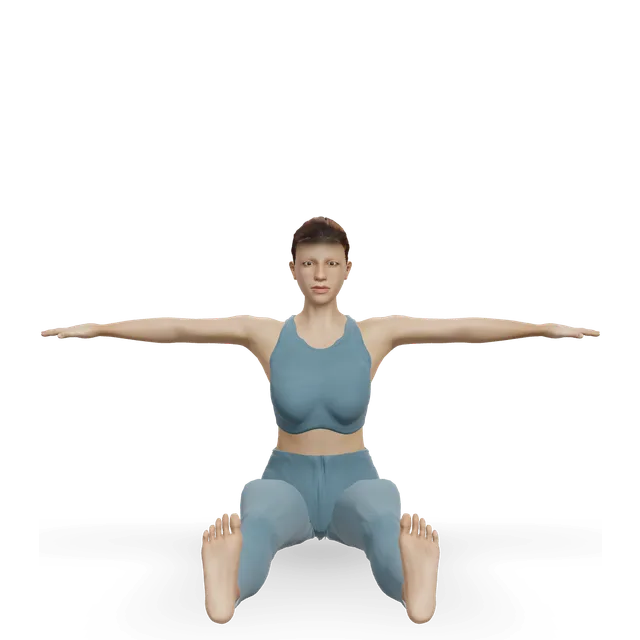
Our Pilates for posture class is the main class: chin tucks, wall angels, swan, swimming, the knee hover and bird dog, open book, mermaid and spine twist, band pull-aparts and a doorway stretch. The neck pain class keeps your head supported throughout; the office workers class needs no floor; the shoulders class works the shoulder blades and rotator cuff; the strength routine adds deep neck holds and band work. The stretches routine uses neck circles: with a sore neck, use separate turns and nods instead.

Pilates for posture: upper back, shoulders and neck

A 20-minute Pilates routine for posture: breathing, head and shoulder-blade control, back strength and upper-back mobility, with no loaded rounding.

20 minBeginner13 movesWall, band

Pilates for neck pain: a 20-minute head-supported class

A 20-minute Pilates class for neck pain: head-supported core work, upper-back and shoulder-blade strength, gentle neck movement and slow breathing.

20 minBeginner15 movesWall

No-floor office Pilates: a 15-minute class by your desk, with a chair, a wall and an optional band

A 15-minute office Pilates class with no floor work: seated breathing and upper-back lifts, band and wall strength, standing legs and hips, and an unwind.

15 minBeginner15 movesBench or box, band

Shoulder Pilates: a 25-minute class for the shoulder blades, the rotator cuff, weight on your hands and reach overhead

A 25-minute Pilates class for healthy shoulders: the shoulder blades face down, a light band for the rotator cuff, weight on your hands in steps, and reach.

25 minBeginner20 movesBand, anchor point

Neck and shoulder strength routine

Deep neck holds and shoulder-blade strength in under 20 minutes: one of the best-supported kinds of exercise for a stiff, sore neck.

18 minBeginner11 movesBand, anchor point

Neck and shoulder stretches

Eight gentle neck and shoulder stretches for desk stiffness, done standing or seated in ten minutes.

10 minBeginner8 movesWall

3-minute desk movement break

A 3-minute standing break to repeat every 30 to 60 minutes at your desk: sit-to-stands, calf raises, marching, an upper-back turn and chin tucks.

3 minBeginner5 movesBench or box, wall

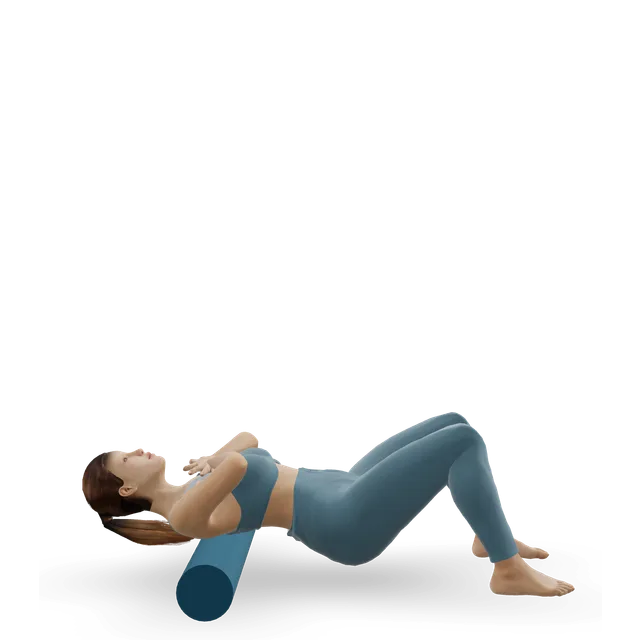
Neck and shoulder knots routine: press, stretch, strengthen

Knotted neck and shoulders: a minute of self-pressure, two gentle stretches, then the shoulder-blade strength work that eased neck pain in trials.

15 minBeginner8 movesFoam roller, band

Plans

For a habit, the 4-week beginner plan, using the head-down versions in its tummy work.

Who should change what

A painful shoulder

The NHS says not to make up your own strenuous exercises or use heavy gym equipment with shoulder pain, so leave arm weights and reformer straps until it settles or a physiotherapist guides you. A tingling, numb or weak arm, or a shoulder that feels like it's clicking or locking, can mean an unstable shoulder, sometimes with hypermobility.

Build up in steps from the wall, leave out the leg pulls, the kneeling side kick and control balance, and do the side bend as a knee side plank while it hurts, as our shoulder pain class advises. Do push-ups against a wall, and skip rocking, as their move pages say. Our Pilates for shoulder pain guide has the pain rule and the plan. After breast cancer surgery, start with your team's exercises; our Pilates for breast cancer guide has more.

Source 83

A shoulder that feels it might slip

Keep your arm in front of you, avoid taking it out to the side and turning it back, and stop if it feels about to slip, as our shoulder pain class advises. Build up prone swimmers slowly, as its move page says.

Headaches with a stiff neck

Our Pilates for headaches guide covers headaches that come with a stiff neck; for a sudden, severe or unusual headache, use the warning signs below.

Sore wrists

Sore wrists? Make fists or go onto your forearms.

High blood pressure

Breathe out as you lift, and don't hold your breath.

If you have a heart condition, follow your cardiac team's advice on how hard to work, and stop for the warning signs above. People with long-term conditions may wish to ask their specialist before starting. With uncontrolled high blood pressure, avoid straining against a held breath; the high blood pressure guide has more.

Bigger bodies

Start where you're comfortable: chair, wall and standing versions all count. Our Pilates for plus-size bodies guide covers getting up and down from the floor and the equipment that helps.

Warning signs: when to get help

These are the warning signs of our neck pain, shoulder and Pilates guides, word for word; the spinal cord line under "Clumsy hands" is ours. This is general information, not a diagnosis. A&E means accident and emergency; in the US, call 911 for 999, and use your doctor's urgent line or urgent care for NHS 111.

Call 999 or go to A&E: the neck

  • Call 999 or go to A&E: new problems walking, loss of bladder or bowel control, or a sudden loss of coordination, such as difficulty doing up buttons. These can be signs of pressure on the spinal cord.
  • Call 999 or go to A&E: a headache that came on suddenly and is extremely painful; numbness or weakness in the face or body; a drooping face, or being unable to lift both arms and keep them up; difficulty speaking, swallowing, balancing, walking or remembering; double vision or loss of vision; drowsiness or confusion. A torn neck artery often starts with headache and neck pain, sometimes with dizziness or tingling, so head or neck pain unlike any you have had before needs checking.

Sources 3, 84, 85

Call 999: chest pain

Call 999: shoulder or arm pain with chest pain that feels tight or squeezing, or chest pain that spreads to your arms, neck or jaw, especially with shortness of breath, sweating or feeling sick. It could be a heart attack.

Sources 86, 87

Chest pain or fainting while exercising: call 999

Call 999 if:

  • You get sudden pain or discomfort in your chest that doesn't go away; it can feel like squeezing or pressure, burning or indigestion.
  • The pain spreads to your left or right arm, or your neck, jaw, stomach or back.
  • You have chest pain and feel sweaty, sick, light-headed or short of breath.
  • Someone faints while exercising, can't be woken within 1 minute, or has chest pain or a pounding, fluttering or irregular heartbeat.

Sources 87, 86, 88

Unusual breathlessness

Call 999 or go to A&E (accident and emergency) straight away for severe difficulty breathing (gasping, choking or not able to get words out), a chest that feels tight or heavy, pain that spreads to your arms, back, neck and jaw, lips or skin turning very pale, blue or grey, or sudden confusion. If you're more short of breath than usual, or your heart is racing, fluttering or skipping beats, contact NHS 111.

Source 89

The same day: the neck and arms

  • Same day (urgent GP appointment or NHS 111): severe neck pain that starts suddenly or gets worse quickly; heaviness or weakness in the arms or legs; pins and needles in an arm along with neck or arm pain; or pain between the shoulder blades.
  • Same day: clumsiness in your hands, or numbness, pins and needles or weakness in one or both arms, that is getting worse; problems with balance or walking since the neck pain started; or neck pain with a severe headache.
  • Arm weakness or numbness that keeps getting worse, severe pain that painkillers and rest do not touch, or an unexplained fever.

Source 3

The shoulder: call 999, or get help the same day

  • Call 999 or go to A&E: after a fall or injury, your shoulder looks out of place or has changed shape, you cannot move your arm, or your shoulder is painful, bruised or swollen. Do not drive yourself, and do not try to put it back in yourself.
  • Same day (GP or NHS 111): the shoulder or arm is hot, swollen or red, or you have a high temperature (although not everyone has one) or feel unwell. A joint infection needs same-day care.
  • Same day (GP or NHS 111): sudden or very bad shoulder pain; you cannot move your arm; the arm or shoulder is badly swollen or has changed shape; pins and needles that do not go away; no feeling in the arm; the arm is hot or cold to the touch; pain that started after an injury such as a fall; or severe pain in both shoulders.
  • Same day (GP or NHS 111): sudden weakness lifting the arm after an injury or fall. A rotator cuff tear caused by an injury needs urgent referral to a shoulder specialist. After a dislocation in anyone over 40, the rotator cuff should be checked: about 40% have a tear.

Source 83

See a GP or physiotherapist

  • Neck pain or stiffness that has not eased after a few weeks, or after 8 weeks of looking after it yourself; painkillers are not helping; or you are worried. In many areas you can refer yourself to NHS physiotherapy.
  • Neck pain with feeling generally unwell, or that started while you were ill with another condition such as rheumatoid arthritis or cancer; or neck pain with blurred vision, ringing in the ears or dizziness.
  • Pain that is getting worse or has not improved after 2 weeks of looking after it yourself, or it is very hard to move your arm. In many areas you can refer yourself to physiotherapy.
  • Your shoulder has partly or fully come out of joint, or you worry it might.
  • Pins and needles or a cold arm alongside neck pain, or a new loss of strength or feeling in the arm that you cannot explain (a possible nerve problem).

Sources 3, 4, 83

Clumsy hands or unsteady walking

Clumsy hands (trouble with buttons, keys, a phone or writing), numbness in your hands, or unsteady walking and falls can come from pressure on the spinal cord in the neck (degenerative cervical myelopathy). People sometimes put these down to getting older, so tell a GP about them (our suggestion).

Source 90

During Pilates

NHS inform's neck exercise advice: rate your pain from 0 to 10. During exercise, 0 to 3 is minimal and 4 to 5 is acceptable; 6 or more is too much. If it goes higher, do fewer repetitions, move more slowly or rest longer between movements.

Exercise should not make your neck worse overall. Soreness from a new exercise should ease quickly, and your neck should be no worse the next morning. Stop any exercise that makes your symptoms worse or causes new pain.

Arm symptoms are the exception, as in our neck pain guides. If a move sends pain, tingling or numbness further down your arm, or the extra symptoms last more than an hour afterwards, make the movement smaller or leave it out.

Stop and get checked for dizziness, double vision, slurred speech, trouble swallowing or any of the warning signs above.

If you feel a pop or a sudden sharp pain in your neck during a move, stop. If a new headache follows, especially one that eases when you lie down, get advice the same day, and call 999 for any of the urgent headache or brain signs above (our suggestion, from a case report). Don't go back to rolling or upside-down moves until it's been checked.

Sources 91, 75

Stop the session if

You feel any pain or become unwell, as the NHS advises for its Pilates videos, and especially for chest pain or pressure, unusual breathlessness, dizziness or fainting. If you have a health problem, an injury or any symptoms, get advice from a healthcare professional, such as a GP, before you start.

Source 92

Before you start

The NHS advises getting advice from a healthcare professional first if you have a health problem, an injury or symptoms, or have recently had a heart attack or an operation.

If you have a heart, lung or joint condition, are pregnant or have recently been unwell, start gently and read our guide for your condition. Muscle soreness for a day or two after a new exercise is common and fades as you repeat it.

Source 92

Myths

"Bad posture causes neck and shoulder pain, so fix your posture and the pain goes"Emerging evidence

Posture at 17 didn't predict neck pain at 22, and texting posture didn't predict new neck pain; exercise changed head angles without reliably changing pain.

Sources 12, 13, 62, 63

"A strong core stops neck pain"Emerging evidence

No trial has tested core training to prevent neck pain. What helps is strengthening the neck, shoulder blades and arms, and Pilates as a whole is no better than other exercise.

Sources 8, 9, 5

"Pilates is the best exercise for neck pain"Emerging evidence

It helps more than doing nothing, but other exercise did slightly better for pain, and no type is clearly best.

Sources 5, 6, 7

"Stretch your tight neck and shoulders every day and they'll be fixed"Mixed evidence

Stretching helps a little in the short term, but strengthening has more support, and stretching alone may do little.

Sources 11, 8, 45

"Text neck damages your spine"Emerging evidence

One trial called it "a dangerous disorder" without evidence. Texting posture didn't predict neck pain over a year, while poor sleep and inactivity did; heavy phone use goes with neck pain in studies that look back in time, which can reflect sleep, inactivity or mood rather than posture.

Sources 93, 13, 94

"A better chair or desk will sort it out"Emerging evidence

Ergonomic changes on their own may make no meaningful difference to neck and shoulder pain, and sit-stand desks didn't change aches in a UK trial.

Sources 67, 69

"Pilates ab work always strains your neck, so avoid it"Emerging evidence

A small nod first, breathing out and resting your head on your hands or a towel reduce neck muscle work. Lower your head when your neck tires.

Sources 14, 15, 16, 17

"Hunching ages you" or "Pilates reverses neck ageing"

We found no study showing either. Shoulders do stiffen with age (lifting the arm forward fell about 40 degrees across adult life in one large study), and keeping them moving and strong is the realistic aim.

Source 29

"Your shoulders hurt because your upper back is rounded"Emerging evidence

Upper back rounding didn't differ between people with and without shoulder pain.

Source 30

"You need a reformer for neck and shoulder Pilates"Emerging evidence

The trials used mat and equipment classes and found results similar to other exercise. If you use a reformer, keep the springs light for arm work at first.

Sources 5, 38, 77

Questions people ask

Is Pilates good for the neck and shoulders?

It can help a stiff, tense neck and shoulders: in trials of long-lasting neck pain, it eased pain more than doing nothing, though not more than other exercise. It works best when it includes upper back and shoulder-blade strength.

Can Pilates help neck and shoulder pain?

For everyday neck and shoulder pain, yes, modestly, with the warning signs in mind. Our Pilates for neck pain guide has the trials and a full plan, and a shoulder that hurts when you lift your arm has its own guide.

What are the best Pilates exercises for the neck and shoulders?

The chin nod, the swan and swimming with a long neck, prone Y-T-W raises, wall angels, band rows and pull-aparts, the open book and a gentle upper trap stretch. Strengthening the neck, shoulder blades and arms has the most evidence.

Why are my neck and shoulders always tense?

Often it's doing the same task for hours, feeling tense and poor sleep rather than posture alone: tension and little task variety went with later neck pain in office workers. Moving often and strengthening your shoulders help more than chasing a perfect posture.

Is Pilates good for a stiff neck?

Gentle Pilates can help it move again, and most neck pain settles within a few weeks. Keep your head supported and leave out moves that put weight on your neck while it's sore.

Does Pilates fix forward head posture?

Exercise can change head angles, but pain doesn't reliably follow, and posture is a weak cause of neck pain. If you want to change your posture, strength work does more than stretching.

Why does Pilates hurt my neck?

Usually because your head is lifted for a long time in moves like the hundred. Nod your chin slightly first, breathe out as you curl, rest your head on your hands or a towel, and lower it when your neck tires.

Are neck and shoulder stretches enough?

They help a little in the short term: about 1.4 points out of 10 in office workers. Add strengthening, which has stronger evidence, even 2 minutes a day with a band.

How often should I do Pilates for my neck and shoulders?

Two or three times a week for 8 to 12 weeks is a good start, close to what the trials used. On desk days, add short movement breaks and a few minutes of band work.

Will a new chair or standing desk help?

Probably not much on its own: ergonomic changes made little difference to neck and shoulder pain in a 2026 review, and standing desks cut sitting but not aches. Change position often instead.

Is reformer Pilates good for the neck and shoulders?

It can be, with your head on the headrest and light springs for arm work, but it hasn't been shown to be better than the mat. Leave out upside-down moves that put weight on your neck while it's sore.

When should I see a doctor about neck and shoulder pain?

Call 999 for a sudden, severe headache or neck pain unlike any before, especially with dizziness, vision or speech changes, or weakness in an arm or the face. Get same-day advice for worsening numbness, tingling or weakness in an arm, or clumsy hands.

Sources

  1. Kumagai 2021 · Low back pain and neck and shoulder stiffness in 1,122 adults in a Japanese town (cross-sectional study, BMC Musculoskelet Disord)
  2. GBD 2021 Neck Pain Collaborators 2024 · Global burden of neck pain, 1990 to 2020 (Lancet Rheumatology)
  3. NHS · Neck pain (past its review date: reviewed April 2023, review due April 2026)
  4. NHS inform · Neck problems
  5. Lazoura 2025 · Pilates for chronic neck pain: 8 trials (systematic review and meta-analysis, BMC Musculoskelet Disord; read in full)
  6. de Zoete 2021 · Exercise types for chronic neck pain compared (network meta-analysis of 40 RCTs, BJSM)
  7. Amin 2026 · Exercise for neck pain: an overview of 52 systematic reviews (J Man Manip Ther)
  8. Gross 2015 · Exercises for mechanical neck disorders (Cochrane systematic review)
  9. Andersen 2008 · Specific strength training against leg cycling for chronic neck muscle pain in 48 women (randomised trial, Arthritis Rheum)
  10. Andersen 2011 · 2 or 12 minutes a day of band training for neck and shoulder pain in 198 workers (RCT, Pain)
  11. Tunwattanapong 2016 · Neck and shoulder stretching for office workers with neck pain (RCT, Clin Rehabil)
  12. Richards 2021 · Neck posture at 17 and neck pain at 22: 686 young people (cohort study, Phys Ther)
  13. Correia 2025 · Neck bending while texting did not predict neck pain in 396 adults followed for a year; poor sleep and low activity did (cohort, Braz J Phys Ther)
  14. Lee 2016 · Restricting neck bending during curl-ups in 13 men (muscle activity study, J Phys Ther Sci; read in full)
  15. Yoon 2014 · Breathing out slowly during curl-ups in 12 adults (muscle activity study, J Electromyogr Kinesiol)
  16. Warden 1999 · A head and arm support frame against ordinary curl-ups in 22 students (lab study, Med Sci Sports Exerc)
  17. Pilatesology 2023 · What to do if you have neck pain in Pilates (classical teaching platform)
  18. Pilates Anytime · The 34 Pilates mat exercises (teaching platform)
  19. Janwantanakul 2008 · Aches and pains in 1,185 office workers (survey, Occup Med)
  20. Linsell 2006 · Adults consulting for shoulder problems in UK general practice (population study, Rheumatology)
  21. Kocur 2019 · Neck posture and upper trapezius stiffness in 32 office workers with and without neck pain (cross-sectional study, PM R)
  22. Leong 2026 · Upper trapezius stiffness and neck disability in 88 office workers (cross-sectional study, Physiother Theory Pract)
  23. Jun 2017 · Physical risk factors for neck pain in office workers (systematic review and meta-analysis, Int Arch Occup Environ Health)
  24. Kraatz 2013 · Psychosocial work factors and new neck and shoulder disorders (systematic review of longitudinal studies, Int Arch Occup Environ Health)
  25. Eijckelhof 2013 · Workplace stressors and neck, shoulder and forearm muscle activity during computer work (systematic review and meta-analysis of laboratory studies, Eur J Appl Physiol)
  26. Onda 2022 · Neck and shoulder pain (katakori) in Japanese hospital workers (cross-sectional study, Fukushima J Med Sci)
  27. Paksaichol 2012 · What predicts new neck pain in office workers: 7 cohort studies (systematic review, Occup Environ Med)
  28. Javdaneh 2025 · Neck pain and shoulder-blade movement: 19 studies (systematic review, BMC Musculoskelet Disord)
  29. Gill 2020 · Shoulder range of movement by age and sex in 2,404 community adults (population study, BMC Musculoskelet Disord)
  30. Barrett 2016 · Upper-back posture and shoulder pain, range and function (systematic review, Manual Therapy)
  31. Isacowitz · Placement of the head in Pilates (excerpt from a teacher-training textbook, Human Kinetics)
  32. STOTT PILATES (Merrithew) · The five basic principles: breathing, pelvic and rib cage placement, shoulder blades, head and neck
  33. Şimşek 2025 · Clinical Pilates in 28 people with long-lasting neck and shoulder pain (study without a comparison group, J Midwifery Health Sci)
  34. PubMed · Our searches for Pilates neck trials from 2023 to 2026, and for second reports of the main neck trials (4 November 2026): 31 records in PubMed and 32 in Europe PMC, with one study of neck and shoulder pain together
  35. Martini 2022 · Pilates for neck pain: 5 trials (systematic review and meta-analysis, J Bodyw Mov Ther)
  36. Cazotti 2018 · Pilates for chronic neck pain in 64 adults (RCT, Arch Phys Med Rehabil)
  37. Uluğ 2018 · Pilates, yoga or isometric exercise in 56 adults with neck pain (randomised study, J Rehabil Med)
  38. Dunleavy 2016 · Pilates or yoga groups in 56 adults with neck pain (quasi-randomised study, Physiotherapy)
  39. Akodu 2021 · Neck stabilisation or Pilates in 45 adults with neck pain (RCT, J Bodyw Mov Ther)
  40. Tsartsapakis 2026 · Pilates at work: 12 trials, 582 people (systematic review and meta-analysis, J Funct Morphol Kinesiol; read in full)
  41. Göz 2026 · Pilates, with or without taping, for neck pain in 30 office workers (randomised trial, Pain Res Manag; read in full)
  42. Rasmussen-Barr 2023 · Exercise types for chronic neck pain: 25 reviews (review of systematic reviews, BMC Musculoskelet Disord; read in full)
  43. Blanpied 2017 · Neck pain, revision 2017 (clinical practice guideline, J Orthop Sports Phys Ther; read in full)
  44. Côté 2016 · Management of neck pain and associated disorders: the OPTIMa guideline (Eur Spine J)
  45. Ylinen 2003 · Neck muscle training for chronic neck pain in women (RCT, JAMA)
  46. Jones 2024 · Exercise for office workers with chronic neck pain: 8 trials (systematic review and meta-analysis, Appl Ergon)
  47. Louw 2017 · Exercise for office workers with neck pain: 8 trials (systematic review and meta-analysis, S Afr J Physiother)
  48. Prakash 2024 · Shoulder-blade exercises for neck pain: 5 trials, 116 people (systematic review and meta-analysis, Spine Surg Relat Res)
  49. Prakash 2026 · Shoulder-blade or neck exercises for neck pain: 108 people (randomised trial, Pain Res Manag)
  50. Cools 2007 · Trapezius balance in 12 shoulder-blade exercises in 45 people (EMG study, Am J Sports Med)
  51. Ekstrom 2003 · Trapezius and serratus anterior activity in 10 exercises in 30 healthy adults (muscle activity study, JOSPT)
  52. Blomgren 2018 · Deep neck flexor training in chronic neck pain: 12 RCTs (systematic review, BMC Musculoskelet Disord)
  53. Falla 2007 · Neck exercise and sitting posture in 58 people with chronic neck pain (RCT, Phys Ther)
  54. Seo 2022 · Upper back mobility exercise or manipulation for office workers with neck pain: 26 people (randomised trial, Med Sci Monit)
  55. Kim 2026 · Upper back flexibility exercise or neck stabilisation in 24 people with neck pain and forward head posture (randomised trial, Medicina)
  56. Nakamaru 2019 · Upper back self-mobilisation over taped tennis balls for neck pain (randomised trial of 52 people, Journal of Bodywork and Movement Therapies)
  57. PubMed · Our search for reviews and trials of upper back (thoracic) exercise for neck pain (4 November 2026): 14 records in PubMed and 15 in Europe PMC, no review
  58. Häkkinen 2008 · Strength training and stretching against stretching alone for chronic neck pain (one-year randomised trial of 101 people, Clinical Rehabilitation)
  59. Mahmoud 2019 · Forward head posture and neck pain: 15 studies (systematic review and meta-analysis, Curr Rev Musculoskelet Med)
  60. Rani 2023 · Head and neck posture and neck pain: 26 studies (systematic review and meta-analysis, Indian J Orthop; marked as a corrected publication in 2023, with no correction notice found)
  61. Damasceno 2018 · Text neck and neck pain in 18 to 21 year olds (cross-sectional study, Eur Spine J)
  62. Khorramroo 2026 · Corrective exercise for upper crossed syndrome: 28 trials, 901 people (systematic review and meta-analysis, BMC Sports Sci Med Rehabil)
  63. Hürer 2021 · Clinical Pilates against home exercise for head and neck posture in 46 people (randomised trial, J Comp Eff Res)
  64. Xing 2026 · Exercise for forward head posture in people with neck pain: 10 trials (systematic review and meta-analysis, J Pain Res)
  65. Nahak 2026 · Letter on the forward head posture meta-analysis (J Pain Res; read in full)
  66. Warneke 2024 · Stretching or strengthening and posture in healthy people: 23 studies (systematic review and meta-analysis, Sports Medicine Open)
  67. Mehta 2026 · Workstation and ergonomic changes for work-related arm, neck and shoulder complaints: 20 studies (Cochrane review)
  68. Shrestha 2018 · Workplace changes to reduce sitting at work: 34 studies (Cochrane review)
  69. Edwardson 2018 · Sit-stand desks with coaching for 146 NHS office workers: the SMArT Work trial (cluster randomised trial, BMJ; read in full)
  70. Luger 2025 · Work breaks to prevent aches and pains: 9 trials, 626 workers (Cochrane review)
  71. Waongenngarm 2021 · Prompted active breaks for neck and back pain in 193 office workers (cluster randomised trial, Scand J Work Environ Health)
  72. Health and Safety Executive · Work routine and breaks (display screen equipment)
  73. Sihawong 2014 · Workplace exercise to prevent neck pain in 567 office workers over 12 months (cluster randomised trial, Occup Environ Med)
  74. Balanced Body · The CORE: Pilates teachers on the hundred and supporting the head (teaching blog posts; contributors' views are their own)
  75. Davis 2014 · A spinal fluid leak after a reformer Pilates class (case report, J Med Case Rep)
  76. Bohlen 2023 · Both shoulders dislocated, with fractures, in a 69-year-old woman during reformer resistance work (case report, JSES Rev Rep Tech; read in full)
  77. Seo 2025 · Shoulder-girdle muscle activity with lighter and heavier springs in reformer arm work: 22 healthy men (lab study, Life; one lab's small sample of young men, shared with Mun 2025)
  78. Lucas 2022 · How common shoulder pain is worldwide: 61 studies (systematic review, BMC Musculoskelet Disord)
  79. Atılgan 2017 · Clinical Pilates for shoulder pain in 33 people (randomised trial, J Bodyw Mov Ther)
  80. Dos Santos 2017 · Twelve reformer sessions and shoulder-blade strength in 24 inactive women (pilot study with a control group, J Bodyw Mov Ther)
  81. Pieters 2020 · Conservative physical therapy for subacromial shoulder pain: an update of systematic reviews (umbrella review, JOSPT)
  82. Challoumas 2020 · Comparison of treatments for frozen shoulder (systematic review and network meta-analysis, JAMA Network Open)
  83. NHS · Shoulder pain (past its review date: reviewed May 2023, review due May 2026)
  84. NHS · Symptoms of a stroke
  85. Rushton 2023 · The international framework for checking the neck for artery problems before treatment (consensus statement, J Orthop Sports Phys Ther; a corrigendum was published that we couldn't read)
  86. NHS · Heart attack
  87. NHS · Chest pain (past its review date: reviewed August 2023, review due August 2026)
  88. NHS · Fainting
  89. NHS · Shortness of breath
  90. Davies 2018 · Degenerative cervical myelopathy (clinical review, BMJ; read in full)
  91. NHS inform · Exercises for neck problems
  92. NHS · Pilates for beginners (exercise video, with safety information)
  93. Bharal 2023 · Neck stabilisation, Pilates or isometric exercise for text neck in 75 people (RCT, Eur Rev Med Pharmacol Sci)
  94. Chen 2025 · Smartphone overuse and neck pain: 7 studies, 10,715 people (systematic review and meta-analysis, Postgrad Med J)

Exercise education, not a personal prescription, and clinical review of these guides is pending. If you are pregnant, have a health condition or have had recent surgery, check with a doctor, midwife or physiotherapist before starting, and stop for sharp or increasing pain. Health disclaimer.