Strength at home
Unilateral workout: one leg and one arm at a time (dumbbells)
This session trains every main pattern one side at a time, so a weaker side can't hide behind a stronger one: split squats, single-leg Romanian deadlifts and single-leg bridges for the legs and hips, one-arm rows and presses for the upper body, and a one-sided carry for the trunk. Single-leg and single-arm training builds one-side strength best, and two-side lifts build two-side strength best, so use it alongside your usual training, once or twice a week. Small differences between your sides are normal. The order and pairings are our editorial starting point; no trial has tested this session as a whole.
Warm-up
- Standing hip CARs3 slow circles each way with each leg, 20 to 30 seconds a circleBeginner · Glutes, Hip flexors, Hip abductors · 3D demoThe move page's dose (our editorial starting point). A hand on the wallEasier: Hip circles on all foursHarder: 90/90 hip lift-off
- Shoulder CARs (controlled articular rotations)3 circles each armBeginner · Shoulders, Back · 3D demoWithin a range that doesn't pinchEasier: Arm circlesHarder: Sleeper stretch
- Bodyweight squat10 repsBeginner · Quads, Glutes, Hamstrings · 3D demoTo a comfortable depthEasier: Sit squat (partial squat)Harder: Dumbbell goblet squat



Balance check
- Single-leg stand2 holds of 20 to 30 s each legBeginner · Hip abductors, Calves, Glutes · 3D demoNext to a counter, touching it only if you need to. Notice which side wobbles more, and start the one-side moves below with that sideEasier: Tandem stance and heel-to-toe walkHarder: Single-leg reach matrix

Superset A
3 rounds · Rest 90 s after each pair
- Split squat3 sets of 8 to 12 each sideIntermediate · Quads, Glutes, Hamstrings · 3D demoWeaker side first. Stop 2 to 3 reps short of failure; a hand on a wall is fine, and hold a dumbbell in each hand when bodyweight is easy. Harder: rear-foot-elevated split squats, 3 sets of 6 to 10 each sideEasier: Bodyweight squatHarder: Reverse lunge
- Supported single-arm dumbbell row3 sets of 10 to 12 each sideIntermediate · Back, Biceps, Shoulders · 3D demoWeaker side first. One hand and knee on a bench or sturdy chair; pull your elbow back towards your hip without twistingEasier: Incline ring rowHarder: Bent-over barbell row


Superset B
3 rounds · Rest 90 s after each pair
- Single-leg Romanian deadlift3 sets of 6 to 8 each sideAdvanced · Hamstrings, Glutes, Abs · 3D demoWeaker side first. A dumbbell in the hand opposite the standing leg, with your fingertips on a wall at first; stop 2 to 3 reps shortEasier: Dumbbell Romanian deadlift
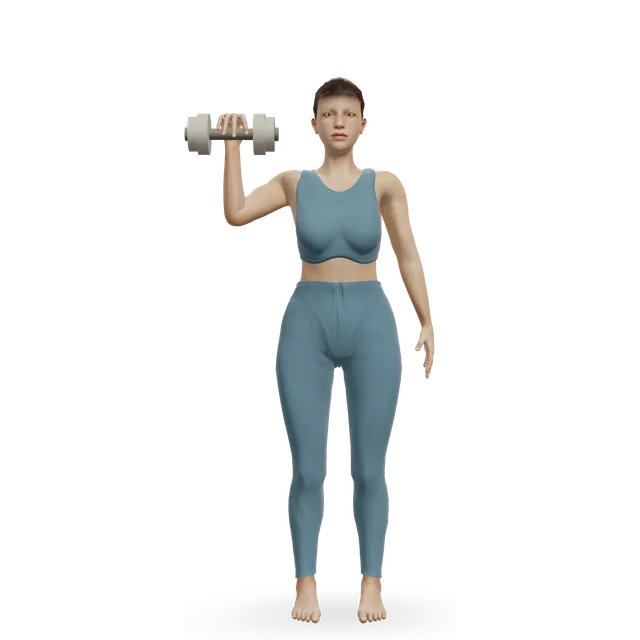
- One-arm dumbbell shoulder press3 sets of 8 to 12 each sideIntermediate · Shoulders, Triceps, Abs · 3D demoWeaker side first. Stand tall and press without leaning away; stop 2 to 3 reps short. Sore shoulder overhead: a one-arm dumbbell bench press instead, same doseEasier: Machine shoulder pressHarder: Push press

Finisher
Rest 60 s between sets
- Single-leg glute bridge2 sets of 8 to 12 each sideIntermediate · Glutes, Hamstrings, Abs · 3D demoWeaker side first. Hold for 2 seconds at the top, keeping your hips levelEasier: Glute bridgeHarder: Barbell hip thrust
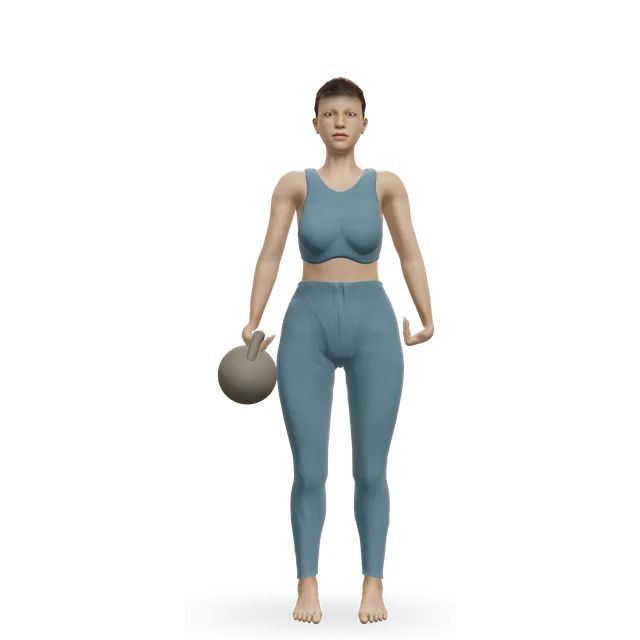
- Suitcase carry2 walks of 20 to 30 m each sideIntermediate · Abs, Forearms, Back · 3D demoThe heaviest dumbbell you can carry without leaningEasier: Farmer's carryHarder: Overhead carry (waiter's walk)

Cool-down (optional)
- Half-kneeling hip flexor stretch30 s each sideBeginner · Quads, Glutes · 3D demoHarder: Couch stretch
- Beginner · Chest, Shoulders · 3D demoEasier: Elbows backHarder: Fish pose (Matsyasana)


Tips
- Weaker side first (our editorial rule, from a review of studies in young athletes): start every one-side set with your weaker side, choose the weight for that side, and do the same reps on the stronger side, even if it could do more.
- Don't add extra sets for your weaker side unless a physiotherapist suggests it. If a gap of about 15% or more on a simple test isn't closing after about 6 weeks, or came with pain or an injury, see one (our editorial suggestion).
- In your first two weeks, do 2 sets of each and stop every set with 3 or 4 reps to spare, as our plans advise for new exercises. Then add reps until every set reaches the top of its range, and take the smallest weight step.
- Keep your two-leg and two-arm lifts in your week too: this session adds to them rather than replacing them.
- No bench or step: reverse lunges, 3 sets of 6 to 8 each leg, instead of split squats. A band and no dumbbells: band rows, 3 sets of 10 to 15, instead of the one-arm row. Knee sore on split squats: a shorter range, or step-ups on a low step.
- Sudden weakness or numbness on one side, a leg that's swollen and painful, or weakness that keeps getting worse is not a muscle imbalance: get it checked, as our muscle imbalances guide explains.
- Stop for chest pain or pressure, dizziness, unusual breathlessness or a racing or irregular heartbeat, and get medical help.
The doses are suggested starting points, not a prescription. Choose a range you can control and stop for sharp or increasing pain, numbness or tingling. Get individual advice after an injury or surgery, or if you are pregnant or managing a health condition.
Guides that recommend it
Find more moves like these
More strength at home



Beginner bodyweight workout
A 20-minute full-body workout with no equipment: squats, knee push-ups, bridges, lunges and planks.
20 minBeginner10 movesNo equipment


Full-body bodyweight workout
An intermediate no-equipment workout: push-ups, split squats, single-leg bridges, pike push-ups and core work.
30 minIntermediate11 movesNo equipment


Full-body dumbbell workout
A 35-minute full-body strength workout with dumbbells: goblet squats, presses, rows, Romanian deadlifts and carries.
35 minIntermediate9 movesA band, A dumbbellQuestions people ask
How long does the unilateral workout: one leg and one arm at a time (dumbbells) take?
About 45 minutes, including any warm-up and cool-down listed. Shorten it by doing fewer rounds; lengthen it by adding one.
What equipment do I need?
You need: A wall, A dumbbell, A bench or box, A kettlebell. Each move links to its guide, where you can find an alternative if you are missing something.
Is it suitable for me?
It is written at intermediate level. 11 of its 12 moves have an easier option listed beside them; use them freely.
How do I make it easier or harder?
Use the easier or harder option listed under each move, change the number of rounds, or adjust the rest. Progress one change at a time.