Training guide

How to fix muscle imbalances: what's normal, when it matters and how to train each side

Almost everyone is a little stronger or bigger on one side, usually the side they write or kick with. Small differences are normal, and the evidence that they cause injury is weak and inconsistent. A few gaps do matter, mostly after an injury on one side or in sports like rugby and football, and those are worth closing.

This guide covers what counts as normal, when an imbalance matters, a simple way to check your sides, single-leg and single-arm moves with 3D demos, how to train a weaker side, front-to-back balance, posture claims, how long it takes, and the signs that a difference between your sides is a medical problem rather than a training one.

The short version

Small differences are normal

In one 1989 study of 310 adults, right-handers gripped about 13% harder with their dominant hand, while left-handers' hands were about equal. Nearly a third of 229 adults were stronger with their non-dominant hand, and differences of about 3 to 4% between legs in hamstring strength were normal in athletes.

Sources 1, 2, 3

The link with injury is weak and inconsistent

Of 31 studies in athletes, 10 found a link between a difference in the legs and injury, 10 a partial link and 8 none. In older adults, differences between the legs didn't reliably predict falls.

Sources 4, 5, 6

Some gaps matter, mostly after an injury

A hamstring strength difference of 15% or more went with 2.4 times the risk of a hamstring strain in 178 rugby players, and correcting strength imbalances brought footballers' risk back to normal. After an ACL reconstruction, more even thigh strength before returning to sport cut reinjury.

Sources 7, 8, 9

Train one side at a time, as well as both

Across 24 trials, single-leg and single-arm training built more one-side strength, and two-side training more two-side strength, with similar muscle growth. Use both.

Sources 10, 11, 12

Start with your weaker side

One 2026 review of 11 studies in young athletes found that starting sets with the weaker side, or giving it more work, narrowed the difference between sides more consistently than training both sides the same.

Source 13

Training one side helps the other

Training one limb made the untrained one about 12% stronger on average across 31 trials, which helps when one arm or leg is injured.

Source 14

What a muscle imbalance is, and what's normal

Two kinds of imbalance

Side to side: one arm or leg stronger, bigger or more flexible than the other. Front to back: one muscle group weak compared with its opposite, such as the hamstrings against the quadriceps, or the muscles that turn the shoulder out against those that turn it in.

Sources 18, 16, 17

Your dominant side is often stronger

In one 1989 study of 310 adults (we read its summary), right-handers gripped 12.7% harder with their dominant hand and left-handers about the same with both. In a 2025 study, a third of 229 adults gripped harder with their non-dominant hand. So which side is stronger, and by how much, varies.

Sources 1, 2

Small differences in athletes

A review of hamstring testing in athletes (we read its summary) found that differences between legs of about 3 to 4% were normal and shouldn't be read as meaningful on their own.

Source 3

15% is a research convention, not a danger line

Many studies flag a difference of 15% or more, but the figure changes with the test and the formula used, and no single threshold applies to everyone. Use it as a rough marker for when to look more closely, not as a diagnosis.

Sources 5, 16, 7, 6

Where differences come from

Handedness and footedness, one-sided sports such as tennis, throwing and kicking, jobs and carrying habits, and especially a past injury on one side (our reading; a previous hamstring strain was itself a strong risk factor in rugby players).

Source 7

A difference in size

One arm, calf or side of the chest a little bigger is common and usually comes from handedness, how you train and how you're built (our suggestion). A difference with a lump, pain or a change in the nipple, one that appears in a child, or swelling, is a reason to see a GP.

Does a muscle imbalance cause injury?

In athletes, the evidence is mixedMixed evidence

Of 31 studies of 6,228 athletes, 8 found no link between a difference in the legs and injury, 10 a partial link and 10 a link, and the evidence was of moderate to low quality. A review of 28 cohort studies called the findings "highly inconsistent".

Sources 4, 5

In older adults, no reliable link with fallsMixed evidence

In 26 studies of 10,167 older adults, findings for strength and power differences were inconsistent, and the largest study, of 5,347 people, found no link with repeated falls. The certainty was very low.

Source 6

Hamstrings, especially after a strainEmerging evidence

In 178 rugby players, a between-leg difference in hamstring strength of 15% or more raised the risk of a hamstring strain 2.4 times, and a previous strain 4.1 times. In 462 professional footballers, untreated strength imbalances raised the risk 4.7 times, and correcting them, checked on a retest, brought it back to that of players without imbalances. Across 78 studies, older age and a previous hamstring strain were the strongest risk factors.

Sources 7, 8, 19

Front to backEmerging evidence

In 138 female college athletes, weak hamstrings compared with the quadriceps went with more leg injuries. In professional baseball pitchers, weaker shoulder rotators that turn the arm out went with throwing injuries. Both are small studies in athletes.

Sources 16, 17

After an ACL reconstructionEmerging evidence

In 106 people, those who returned to sport without passing return-to-sport tests (scores over 90 on thigh strength and hop symmetry and knee function) had more reinjuries, and more even thigh strength before returning cut the reinjury rate. Your physiotherapist runs these tests.

Source 9

PerformanceEmerging evidence

Strength differences between legs may hurt jumping, kicking and cycling performance, but all 18 studies were associations, with no trials.

Source 18

What the evidence says about training a difference

One side at a time builds one-side strengthStrong evidence

Across 24 trials, single-leg and single-arm training built more one-side strength and one-leg jumping, and two-side training more two-side strength, with no difference in muscle growth. Two smaller pooled analyses agree.

Sources 10, 11, 12

Weaker side firstEmerging evidence

One 2026 review of 11 studies of 297 athletes aged 12 to 30 found that starting with the weaker limb, or giving it more work, reduced the difference between sides more consistently than general or two-side training. The programmes varied, and we read only its summary.

Source 13

One-leg jumpingEmerging evidence

In 8 trials of 157 athletes, one-leg jump training reduced differences between the legs in jump tests.

Source 20

Cross-educationStrong evidence

Training one limb made the untrained limb 11.9% stronger on average across 31 trials of 785 people.

Source 14

Posture-based imbalancesEmerging evidence

In upper crossed syndrome (rounded shoulders and a forward head, blamed on tight and weak muscles), corrective exercise improved posture angles a lot in 28 trials of 901 people, but not pain, function or strength consistently.

Source 15

No trial in people who aren't athletesMixed evidence

The training and injury studies were in athletes. We found no trial of an imbalance programme in non-athletes, and none showing that evening out your sides prevents injury outside sport.

Sources 13, 4

Check and train a weaker side, step by step

Our editorial starting point. Starting with the weaker side comes from one 2026 review of 11 studies in young athletes; the 15% marker and the retest timing are editorial, and extra sets for the weaker side are for a physiotherapist to suggest.

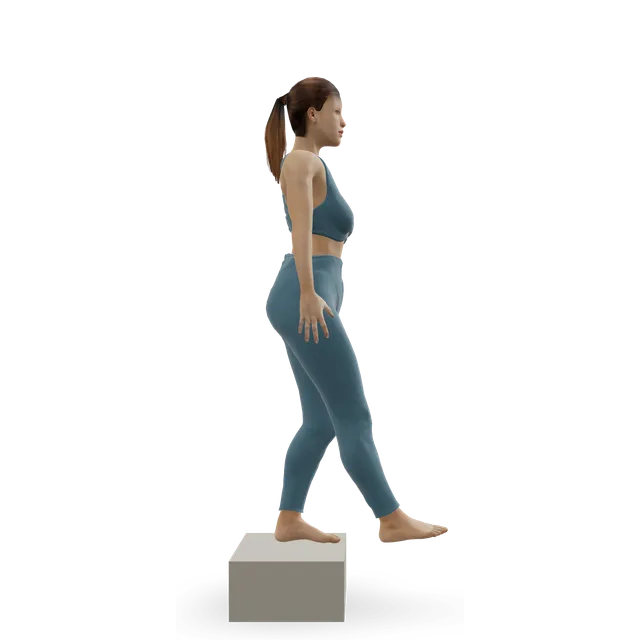
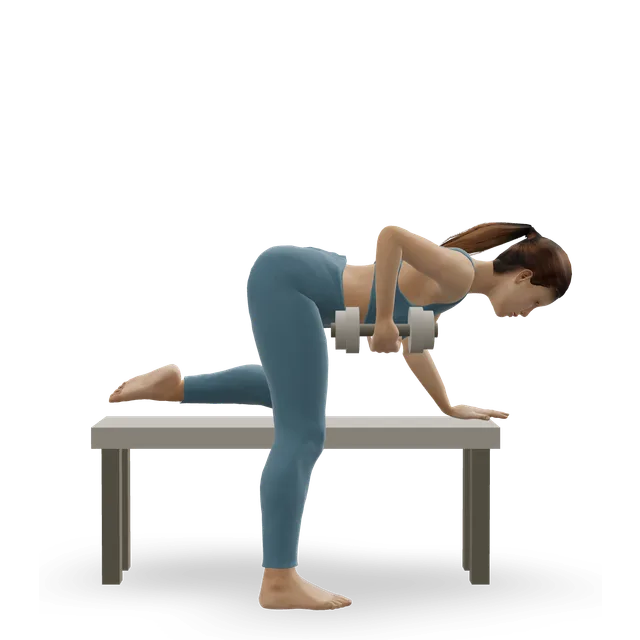
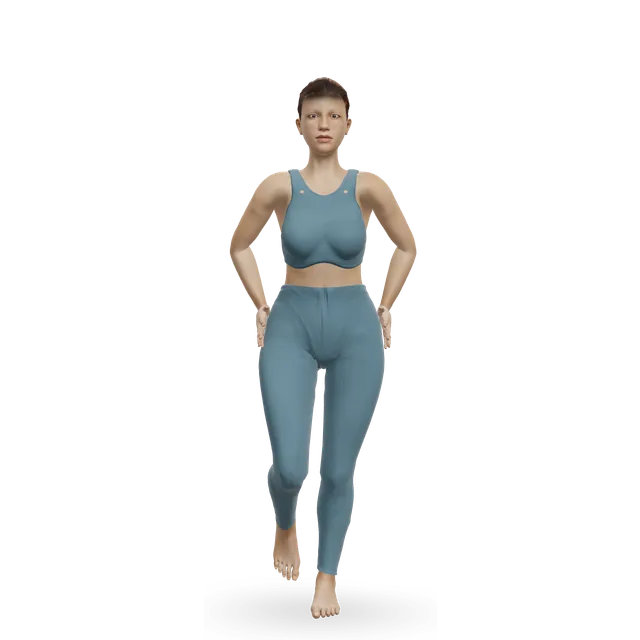
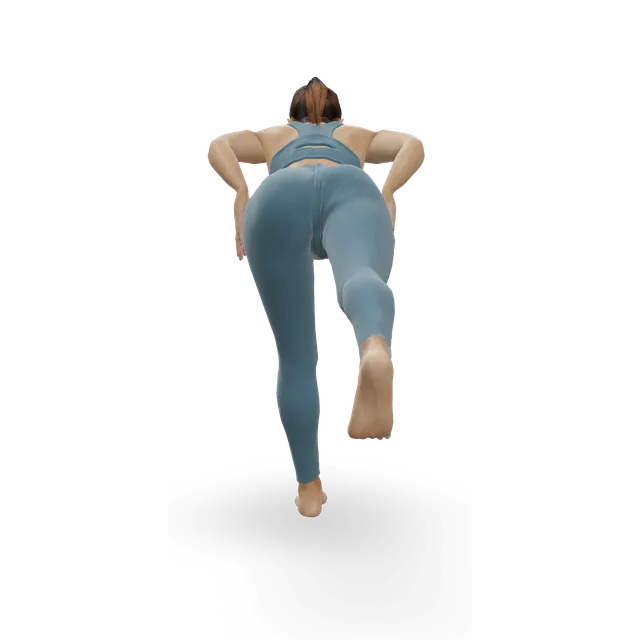
  1. Warm up, then pick one single-leg move (a split squat or step-up) and one single-arm move (a one-arm row).
  2. With a weight you could lift about 10 to 12 times, do as many good reps as you can on each side, stopping when your form slips, and write both numbers down. Add a one-leg stand next to a counter, in seconds.
  3. Work out the gap: the stronger side minus the weaker, divided by the stronger, times 100. Small gaps are normal.
  4. In your sessions, start each one-side set with your weaker side, pick the weight for that side, and do the same reps on the stronger side.
  5. Keep your two-leg and two-arm lifts too: one-side work adds to them rather than replacing them.
  6. Retest every 4 to 6 weeks the same way. If the gap is 15% or more and not closing, is getting bigger, or came with pain or an injury, see a physiotherapist.

Loading the 3D figure…

Gets into position, then repeats the movement. Technical checks passed; qualified exercise review is pending.

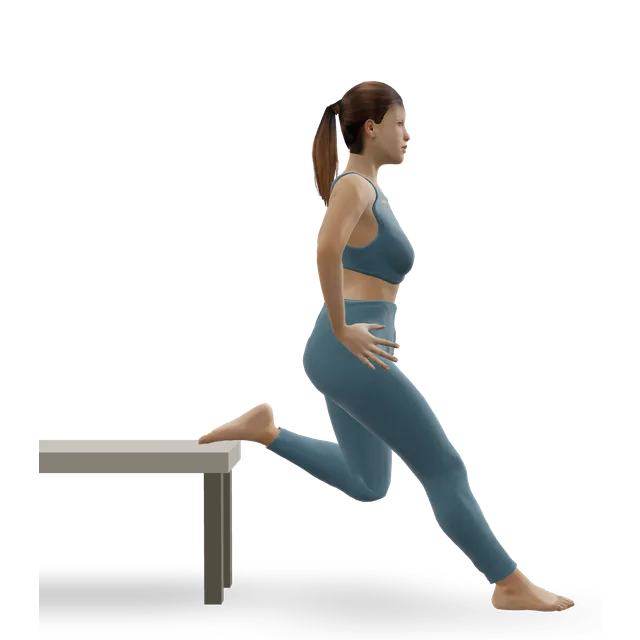
The movement on the figure: Split squat

How to train a weaker side

Decide whether it matters

If you're not in pain, not injured and not in a sport where it shows, a small difference needs no fixing: train both sides as usual. It's worth working on if a simple test shows a gap of about 15% or more that isn't closing, you've had an injury on one side (especially a hamstring strain or an ACL reconstruction), you play a one-sided or sprinting sport, or the difference bothers you (our suggestion).

Sources 1, 3, 7, 8, 9

Add one-side moves, keep two-side lifts

Add one or two single-leg or single-arm moves to each session rather than swapping everything: one-side training builds one-side strength best, and two-side lifts build two-side strength best.

Sources 10, 11

Weaker side first, same reps on both

Start every one-side set with your weaker side, choose the weight for it, and match its reps on the stronger side, even if the stronger side could do more. Dumbbells rather than a barbell let each side do its own work in presses and rows. If a gap of 15% or more doesn't close after about 6 weeks, a physiotherapist can say whether extra work for the weaker side makes sense (our suggestion).

Source 13

How much

Two or three sets of 6 to 12 each side, stopping 2 or 3 reps short of failure, twice a week, adding reps and then weight, as in our plans. The studies of training a difference lasted 4 weeks or more, so retest every 4 to 6 weeks (our suggestion).

Source 13

Front-to-back balance

Most of our plans already have at least as many pulls as pushes, which our workout plan for men calls a sensible programming habit, not a proven pain cure. If you press a lot, add hamstring work and the back of the shoulder; throwers and racket players can add rotator cuff work for the shoulder.

Sources 16, 17

By body part

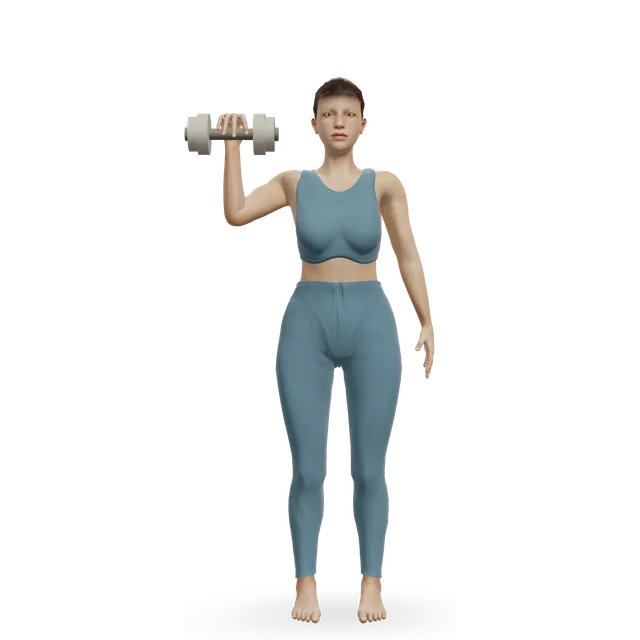
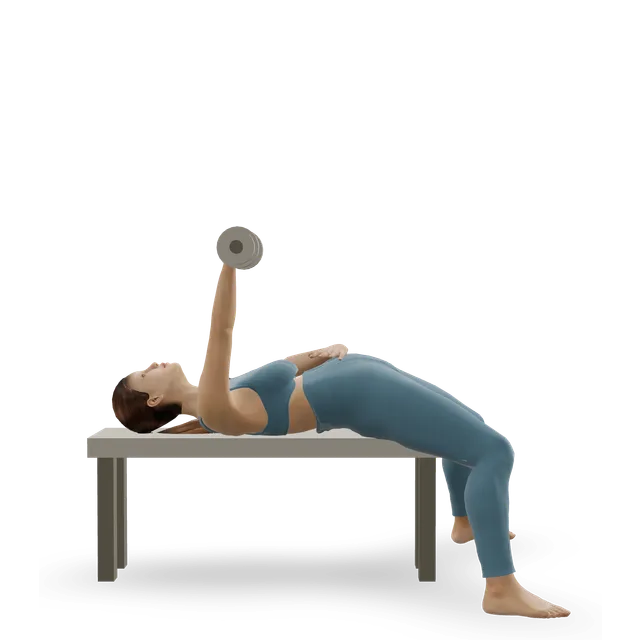
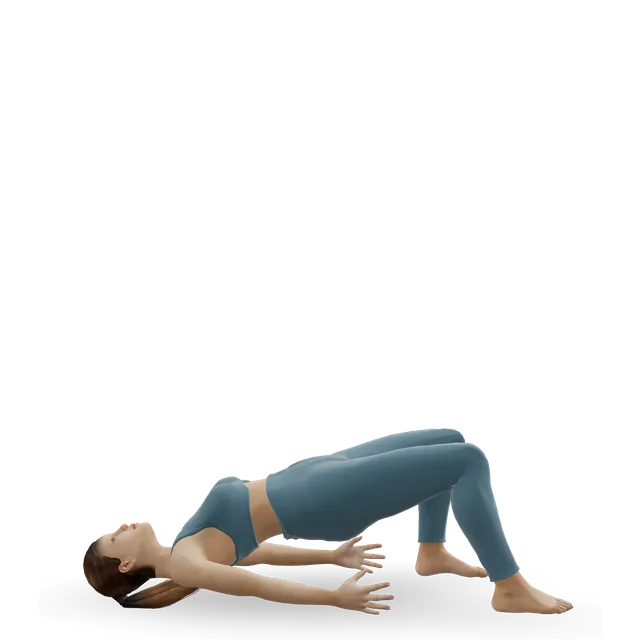
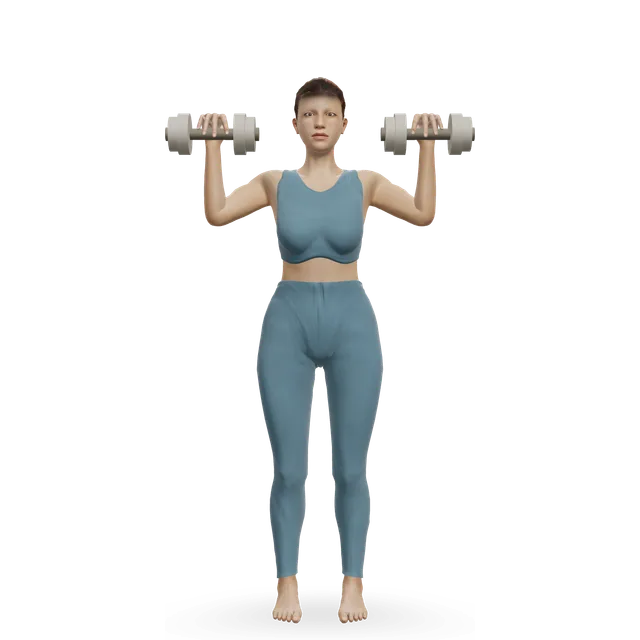
Arms: one-arm rows, presses and curls with dumbbells. Legs: split squats, step-ups, single-leg Romanian deadlifts and single-leg calf raises. Chest: one-arm dumbbell presses and push-ups. Glutes and hips: single-leg bridges, step-ups and hip airplanes (our suggestion).

After an injury on one side

Your physiotherapist's plan comes first. Training the uninjured side keeps some strength in the injured one while it recovers, and after an ACL reconstruction the return-to-sport tests are theirs.

Sources 14, 9

Posture, uneven shoulders and hips

Corrective exercise changes posture angles but not reliably pain. For shoulder height, our uneven shoulders guide says:

Rows, pull-aparts and shoulder blade raises build the muscles that move and hold the shoulder blades. Train both sides the same: there's no evidence that working one side harder levels the shoulders. These are reasons to train, not a way to change your shape (our editorial view).

That's about shape, not strength: the weaker-side rules above are for a measured strength gap.

Source 15

Common slips

Testing a different way each time; letting the stronger side set the weight or do extra reps; swapping every two-side lift for one-side work; chasing a perfect mirror image; and training through new numbness or weakness (our suggestions).

One leg at a time

Each leg has to do its own work, so a weaker side can't hide. Our unilateral workout, dumbbell leg workout B, lunge progression and step-up workouts give the sets and reps; start with your weaker leg.

One arm at a time

One-arm rows, presses and carries also make your trunk resist leaning and twisting. Our unilateral workout gives the doses.

Front-to-back balance and one-leg control

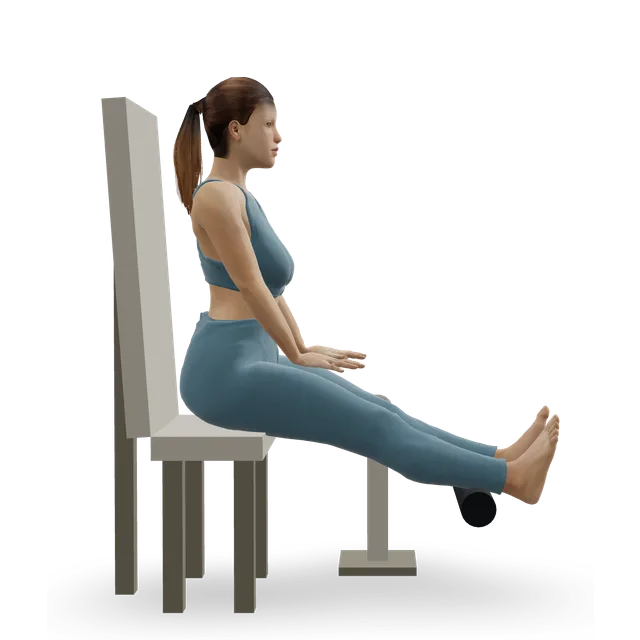
The pulls, hamstring and hip work that pressing-heavy routines miss, plus one-leg control. Do the balance moves next to a counter.

Workouts to follow

Our unilateral workout trains every main pattern one side at a time, with the weaker-side rules in its tips. Dumbbell leg workout B, the lunge and step-up workouts focus on the legs.

Unilateral workout: one leg and one arm at a time (dumbbells)

A 45-minute unilateral workout with dumbbells: split squats, one-arm rows, single-leg deadlifts, one-arm presses, bridges and carries, weaker side first.

45 minIntermediate12 movesA wall, A dumbbell

Dumbbell leg workout B: single-leg and hinge

Dumbbell leg workout B: Bulgarian split squats, single-leg Romanian deadlifts, slider curls, single-leg bridges, calf raises and suitcase carries.

45 minIntermediate12 movesA bench or box, A dumbbell

Learn to lunge: split squat to walking lunge

A 25-minute session from the split squat to the walking lunge: ankle and balance prep, slow split squats, reverse lunges, then walking lunges.

25 minBeginner11 movesA wall, A bench or box

Step-up workout: from the bottom stair to a loaded box

A 30-minute step-up workout at home or in the gym: step-ups, split squats, step-downs and calf raises on one step, with the height set to your level.

30 minBeginner9 movesA wall, A step

Glute session A: bridges to hip thrusts, split squats and side-hip work

Session A of the 30-day glute challenge: a bridge-to-hip-thrust ladder, a split squat ladder and side-hip work, at home or in the gym.

20 minBeginner16 movesA wall, A band

Resistance band workout B: rows, push-ups, split squats and hip hinges

A 35-minute full-body band workout: rows and push-ups, split squats and an anchored hip hinge, then bridges, face pulls, raises, triceps and a Pallof press.

35 minBeginner15 movesA wall, A band

Power and balance workout: fast lifts and one-leg control

A 40-minute session of fast sit-to-stands, step-ups and medicine-ball pushes for power, then balance holds and steps beside a counter.

40 minBeginner17 movesA wall, A bench or box

Balance training workout: from standing still to moving

A 20-minute balance workout for steady adults: harder stances, head turns and eyes closed, single-leg reaches and hinges, step-ups and stuck landings.

20 minIntermediate13 movesA wall, A dumbbell

Upper body gym workout B

Upper body workout B: overhead press, pull-ups, incline dumbbell press, chest-supported rows, face pulls, hammer curls and triceps extensions.

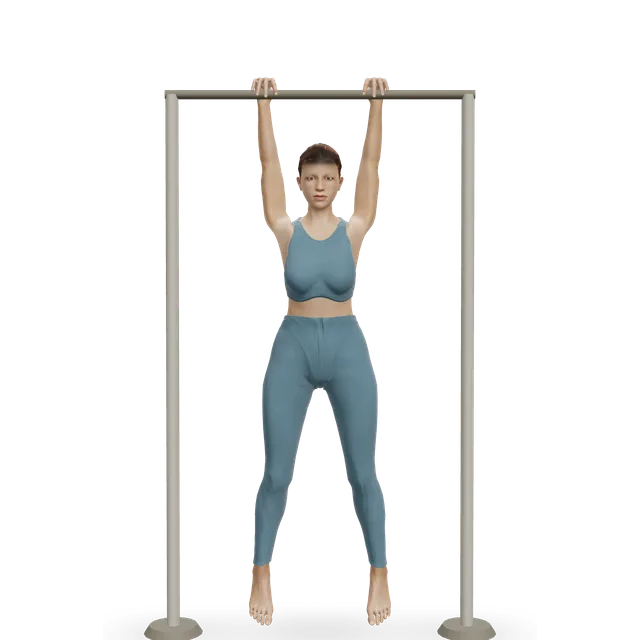
50 minIntermediate13 movesA band, Pull-up bar

Both-sides Pilates for athletes: a 30-minute class for trunk endurance, hips, the back of the body and one-leg balance

A 30-minute Pilates class for athletes in any sport: trunk endurance, hips, the back of the body, rotation and one-leg balance, done equally on both sides.

30 minIntermediate18 movesA wall

Plans

The dumbbell workout plan's lower day B is a single-leg session; the 4-day split and the plan for men keep pulls at least level with pushes.

Warning signs: when a difference between your sides is medical

Sudden weakness on one side is not an imbalance

Call 999, even if it passes: sudden weakness or numbness in one arm, with a drooping face or slurred speech. These are signs of a stroke.

Our suggestion, from the NHS stroke page, which also lists weakness or numbness down one side of your body: sudden weakness or numbness down one side is a 999 call, whatever else is going on.

Source 21

A leg that's bigger because it's swollen

Throbbing pain and swelling in one leg, with red, blue or darkened skin or swollen veins. Call 999 instead if you're also short of breath or have chest pain.

Our suggestion: a difference in size that came on over days, with pain or swelling, is not a muscle imbalance.

Source 22

Weakness that keeps getting worse

Our suggestion: weakness in one hand or leg that's getting worse over weeks or months, trouble gripping, a foot that catches or drops, muscle twitching with weakness, or pins and needles that keep coming back are for a GP, not a training plan.

Sources 23, 24

A shoulder blade, shoulder or hip that has changed shape

Our suggestion: a shoulder blade that sticks out, a shoulder that has started to droop after an operation in the neck, or ribs or a hip that stick out on one side, especially in a child or teenager, need checking. Our uneven shoulders, scoliosis and lateral pelvic tilt guides have the details.

Source 25

Shoulder pain

Ask for an urgent GP appointment or get help from NHS 111 for sudden or very bad shoulder pain, an arm you can't move, a shoulder that has changed shape or is badly swollen, pins and needles that don't go away, no feeling in your arm or shoulder, an arm or shoulder that's hot or cold to touch, pain after an injury or a fall, or severe pain in both shoulders. Go to A&E if, after an injury, you can't move your arm or your shoulder looks out of place or has changed shape. See a GP if shoulder pain is getting worse or hasn't improved after 2 weeks.

Source 26

Stop and get medical help

If you get chest pain or pressure, feel faint or dizzy, are unusually breathless, or your heart races or beats irregularly during exercise, as our plans advise.

Call 999 (911 in the US)

For chest pain that comes on suddenly and doesn't go away, feels tight or like squeezing, spreads to your arms, neck, jaw, stomach or back, or comes with sweating, feeling sick, light-headedness or breathlessness; severe difficulty breathing; someone who faints while exercising; palpitations that don't go away, or come with chest pain, shortness of breath or feeling faint; or a headache that starts suddenly and is extremely painful, especially while lifting or straining, or comes with numbness or weakness, difficulty speaking or loss of vision. The NHS says a bleed on the brain may be more likely when lifting something heavy. Don't drive yourself to A&E.

Sources 27, 28, 29, 30, 31

Ask for an urgent GP appointment or call NHS 111

Ask for an urgent GP appointment or get help from NHS 111 for a headache that's triggered or made worse by coughing, sneezing, bending down or exercising. In the US, contact your doctor or urgent care.

Source 32

Back pain that needs 999 or A&E

Call 999 or go to A&E: loss of feeling or numbness around the genitals or bottom, new trouble peeing or controlling your bladder or bowels, changes in genital sensation during sex or problems with erections or orgasm, or pain, tingling, weakness or numbness in both legs. These are signs of cauda equina syndrome, which needs treating in hospital urgently. Don't drive yourself.

Same day (GP or NHS 111): back pain and you feel hot, cold, shivery or generally unwell, or severe pain that starts suddenly or is getting worse quickly.

Source 33

Pain down a leg

See a GP if pain spreading down a leg hasn't improved after a few weeks of home treatment, is getting worse or stops your normal activities. Sciatica on both sides, or weakness or numbness in both legs that's severe or getting worse, is a 999 call or a trip to A&E.

Source 34

Hernia

See a GP if you think you have a hernia, a bulge or lump that may get bigger when you strain and smaller when you lie down. Get help from NHS 111 if you have a hernia and pain in or around it, a bloated tummy, you feel or are sick, you're vomiting blood or your vomit looks like coffee grounds, you're constipated, you have a high temperature or feel hot, cold or shivery, or you've suddenly become confused. Call 999 or go to A&E for a femoral hernia (a small lump at the top of your thigh, in your groin) with very bad tummy pain, sickness, being unable to fart or poo, a high temperature or sudden confusion.

Sources 35, 36

A pop while pressing or pulling

A pop or tearing at the front of the armpit or chest during a lift, followed by bruising into the chest or upper arm, a change in the shape of the chest or armpit, or weakness pushing, can be a torn chest tendon. Don't wait for it to settle: get help the same day from NHS 111 or an urgent treatment centre, as our pec strain guide explains.

A sudden pop at the front of the elbow during a heavy pull, with bruising, a gap at the front of the elbow or a bulge in the upper arm, can be a torn biceps tendon. Go to an urgent treatment centre or A&E (in the US, urgent care or the emergency department), and don't wait for it to settle: repair is best done within the first 2 to 3 weeks.

After an injury or operation on one side

Our suggestion: after an ACL reconstruction, a fracture, a tendon repair or a joint replacement, your physiotherapist's plan and tests come first; the checks on this page are not return-to-sport tests.

Myths

"Any imbalance between your sides causes injury"Mixed evidence

The evidence is inconsistent and of moderate to low quality, and in older adults differences between the legs didn't reliably predict falls. Specific gaps, such as in the hamstrings after a strain, matter more.

Sources 4, 5, 6, 7

"Your sides should be perfectly equal"Emerging evidence

Your dominant side is often a little stronger, a third of people are stronger on their non-dominant side, and small hamstring differences are normal in athletes.

Sources 1, 2, 3

"Only unilateral training fixes imbalances, so drop the barbell"Strong evidence

One-side training builds one-side strength best, and two-side training two-side strength, with similar muscle growth. Use both.

Sources 10, 11

"Do extra sets on your weak side for good"Emerging evidence

Starting with the weaker side narrowed gaps in young athletes. Once the gap is small, train both sides the same, and leave extra sets for one side to a physiotherapist's advice.

Source 13

"Crossed syndromes cause your pain"Emerging evidence

Corrective exercise changed posture angles but not pain or function consistently. Our pain guides cover each pain.

Source 15

Questions people ask

Is it normal to have a muscle imbalance?

Yes, a small one. In one older study, right-handers gripped about 13% harder with their dominant hand and left-handers about the same with both, and a third of people are stronger on their non-dominant side.

How do I fix a muscle imbalance?

Add one-side moves such as split squats, step-ups, single-leg deadlifts and one-arm rows and presses, start each set with your weaker side, and let it set the weight and reps. That approach narrowed side-to-side gaps in young athletes; keep your two-side lifts too.

Do muscle imbalances cause injury?

For most imbalances, the evidence is weak and inconsistent. A few specific ones matter more, such as a hamstring strength difference of 15% or more in rugby players, especially after a previous strain.

How do I fix a muscle imbalance in my arms?

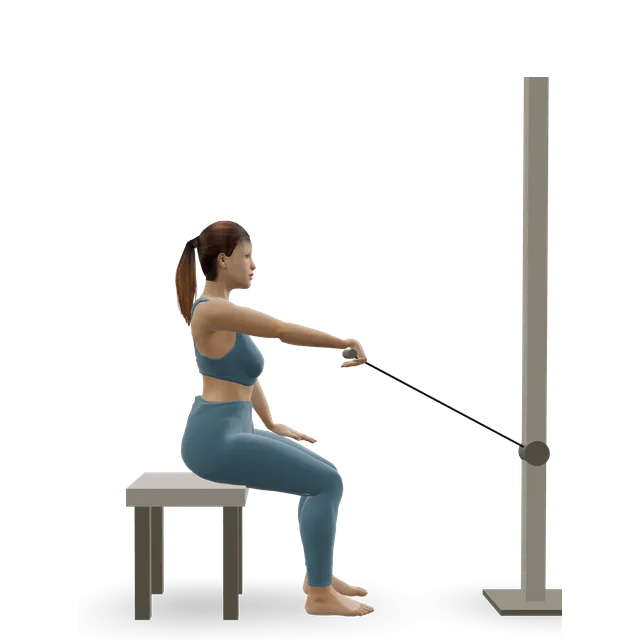
Train one arm at a time with dumbbells or a cable (rows, presses and curls), weaker arm first, with the same reps on both. If one arm is weaker after an injury, follow your physiotherapist's plan first.

How do I fix a muscle imbalance in my legs?

Split squats, step-ups, single-leg Romanian deadlifts, single-leg bridges and single-leg calf raises, weaker leg first. After an ACL reconstruction or a hamstring strain, your physiotherapist's tests come first.

Why is one side of my chest bigger than the other?

Usually a mix of handedness, how you train and how you're built. One-arm dumbbell presses can help even out the strength; a lump, a nipple change, pain, or a difference that appears in a child needs a GP.

Can a muscle imbalance cause back or knee pain?

Not reliably: corrective exercise changed posture angles but not pain or function consistently in trials. Our pain guides cover each pain, and strength work usually helps whatever the symmetry.

How long does it take to fix a muscle imbalance?

Studies in young athletes lasted 4 weeks or more and narrowed the gaps; retest every 4 to 6 weeks. Strength gaps usually close before size differences, and there are no trials in people who aren't athletes.

Should I do extra sets on my weaker side?

Start with the weaker side and match the reps on the stronger side first. If a gap of about 15% or more persists after about 6 weeks, a physiotherapist can say whether extra work for that side makes sense; once the gap is small, train both the same.

Is unilateral training better than bilateral training?

Neither is better overall: one-side training builds more one-side strength, two-side training more two-side strength, and muscle growth is similar. Use both.

Does training one arm make the other arm stronger?

A little, yes: about 12% on average across 31 trials. It's useful when one arm or leg is in a cast or recovering.

When is a difference between my sides a medical problem?

When it came on suddenly or recently, keeps getting worse, or comes with numbness, tingling, swelling or pain. Sudden weakness or numbness on one side is a 999 call; weakness that's slowly getting worse needs a GP.

Sources

  1. Petersen 1989 · Grip strength and hand dominance: challenging the 10% rule in 310 adults (study, Am J Occup Ther; abstract read)
  2. Cuyul-Vásquez 2025 · One third of people grip harder with their non-dominant hand: 229 adults (cross-sectional study, Sci Rep)
  3. Sundh 2026 · Hamstring strength testing in sport, including normal differences between legs: 161 studies (systematic review and meta-analysis, PLoS One; abstract read)
  4. Helme 2021 · Does lower-limb asymmetry increase injury risk in sport? 31 studies (systematic review, Phys Ther Sport)
  5. Guan 2022 · Differences between legs in performance tests and sport injury: 28 cohort studies (systematic review, J Clin Med)
  6. Kasicki 2026 · Lower-limb asymmetry, falls, physical performance and frailty in older adults: 26 studies (systematic review, J Clin Med)
  7. Bourne 2015 · Eccentric knee flexor strength and hamstring injury in rugby union (cohort study, Am J Sports Med)
  8. Croisier 2008 · Strength imbalances and hamstring injury in 462 professional footballers (cohort study, Am J Sports Med)
  9. Grindem 2016 · Return-to-sport criteria and knee reinjury after ACL reconstruction in 106 people (cohort study, BJSM)
  10. Xin 2026 · Single-leg against two-leg training: 24 trials (systematic review and meta-analysis, BMC Sports Sci Med Rehabil)
  11. Kassiano 2025 · Single-limb against two-limb training for muscle growth and strength: 9 studies (systematic review and meta-analysis, Sports Med)
  12. Liao 2022 · Single-limb against two-limb resistance training for strength, jumping and speed: 14 studies (meta-analysis, Biology of Sport)
  13. Martos-Arregui 2026 · Training aimed at the weaker limb against general programmes: 11 studies in young athletes (systematic review, Sports Med Open; abstract read)
  14. Manca 2017 · Cross-education: strength in the untrained limb after one-side training, 31 trials (meta-analysis, Eur J Appl Physiol)
  15. Khorramroo 2026 · Corrective exercise for upper crossed syndrome: 28 trials (systematic review and meta-analysis, BMC Sports Sci Med Rehabil)
  16. Knapik 1991 · Preseason strength and flexibility imbalances and injuries in 138 female college athletes (cohort study, Am J Sports Med)
  17. Byram 2010 · Preseason shoulder strength and injury in professional baseball pitchers (cohort study, Am J Sports Med)
  18. Bishop 2018 · Differences between limbs and sports performance: 18 studies (systematic review, J Sports Sci)
  19. Green 2020 · Risk factors for hamstring strain injury in sport: 78 studies (systematic review and meta-analysis, BJSM)
  20. Sun 2025 · One-leg jump training and differences between legs in athletes: 8 trials (meta-analysis, Frontiers in Physiology)
  21. NHS · Symptoms of a stroke
  22. NHS · DVT (deep vein thrombosis)
  23. NHS · Motor neurone disease (MND)
  24. NHS · Pins and needles
  25. NHS · Scoliosis (past its review date: reviewed April 2023, review due April 2026)
  26. NHS · Shoulder pain (past its review date: reviewed May 2023, review due May 2026)
  27. NHS · Chest pain (past its review date: reviewed August 2023, review due August 2026)
  28. NHS · Heart attack
  29. NHS · Heart palpitations
  30. NHS · Fainting
  31. NHS · Subarachnoid haemorrhage
  32. NHS · Headaches
  33. NHS · Back pain
  34. NHS · Sciatica
  35. NHS · Hernia
  36. NHS · Femoral hernia

Exercise education, not a personal prescription, and clinical review of these guides is pending. Check with a GP before starting hard training if you have a heart condition, chest pain, dizziness or breathlessness when active, and stop for sharp or increasing pain. Health disclaimer.