Shoulder pain from bowling: fast and spin bowling, throwing in the field, ten-pin, and what helps

A sore shoulder after bowling is common in cricket, and most players keep playing: it is usually the rotator cuff and the muscles that slow the arm after release, after more overs or throws than the shoulder is used to. Throwing from the field matters as much as bowling, and fast bowlers, spinners and fielders each load the shoulder differently. Clicking, catching, a dead arm or pain that keeps coming back points to the labrum or a loose shoulder, which needs checking; the ten-pin swing is covered too.

This guide starts with the signs that need a 999 call or accident and emergency (A&E), such as arm pain with chest pain or a shoulder that looks out of place after a dive, and those that need a general practitioner (GP) or the National Health Service's 111 line (NHS 111) the same day, such as sudden weakness lifting the arm. It then maps the causes by where it hurts and how you bowl and field, sets out the England and Wales Cricket Board's (ECB's) and Cricket Australia's limits for young bowlers in their own words, and gives a four-stage plan with a 3D demo of every move, back to bowling and fielding.

When to get help first

Exercise is for pain that has been checked or is clearly mild and settling.

Get urgent medical help if

  • Call 999: shoulder or arm pain with chest pain that feels tight or squeezing, or chest pain that spreads to your arms, neck or jaw, especially with shortness of breath, sweating or feeling sick. It could be a heart attack.
  • Get help from NHS 111: pain or tightness in your chest, neck, shoulders, jaw or arms that comes and goes, often brought on by exercise, stress, emotion or cold and easing after a few minutes' rest. It can be angina, a sign of a heart problem. If you've been diagnosed with angina, get help from NHS 111 too if it feels worse than before, is happening more often, lasts longer or happens when you're resting.
  • Someone who faints while exercising, or who has fainted and can't be woken within a minute, has chest pain or a pounding, fluttering or irregular heartbeat, or hasn't fully recovered.
  • Call 999 or go to A&E: after a fall or injury, your shoulder looks out of place or has changed shape, you cannot move your arm, or your shoulder is painful, bruised or swollen. Do not drive yourself, and do not try to put it back in yourself.
  • Same day (GP or NHS 111): sudden weakness lifting the arm after an injury or fall. A rotator cuff tear caused by an injury needs urgent referral to a shoulder specialist. After a dislocation in anyone over 40, the rotator cuff should be checked: about 40% have a tear.
  • Same day (GP or NHS 111): sudden or very bad shoulder pain; you cannot move your arm; the arm or shoulder is badly swollen or has changed shape; pins and needles that do not go away; no feeling in the arm; the arm is hot or cold to the touch; pain that started after an injury such as a fall; or severe pain in both shoulders.
  • Same day (GP or NHS 111): the shoulder or arm is hot, swollen or red, or you have a high temperature (although not everyone has one) or feel unwell. A joint infection needs same-day care.
  • Same day: sudden severe pain at the top of the arm during a throw or a fall, and the arm can't be lifted or is badly swollen or bruised. A weakened growth plate can break, and it needs an X-ray.
  • Call 999 or go to A&E: a hand or arm that suddenly turns cold, pale, blue or grey and painful, or goes numb and weak. Blood may not be getting through.
  • Same day (urgent GP appointment or NHS 111): throbbing or cramping pain, swelling, redness and warmth in one arm. These can be signs of a blood clot caused by thoracic outlet syndrome, which can be life-threatening if not treated quickly.
  • Call 999 or go to A&E if breathing suddenly becomes difficult, if pain in your chest or upper back comes on suddenly with breathlessness or a very fast heartbeat, or if someone passes out. Do not drive yourself. It can be a blood clot that has reached the lungs.
  • Same day (urgent GP appointment or NHS 111): severe neck pain that starts suddenly or gets worse quickly; heaviness or weakness in the arms or legs; pins and needles in an arm along with neck or arm pain; or pain between the shoulder blades.
  • Same day: clumsiness in your hands, or numbness, pins and needles or weakness in one or both arms, that is getting worse; problems with balance or walking since the neck pain started; or neck pain with a severe headache.
  • Call 999 or go to A&E: new problems walking, loss of bladder or bowel control, or a sudden loss of coordination, such as difficulty doing up buttons. These can be signs of pressure on the spinal cord.
  • Call 999: you suddenly can't fully lift both arms and keep them there, because of weakness or numbness in one arm, especially if one side of your face droops or you slur your words or sound confused. It could be a stroke. Call even if the signs have stopped.

See a doctor or physiotherapist if

  • Pain that is getting worse or has not improved after 2 weeks of looking after it yourself, or it is very hard to move your arm. In many areas you can refer yourself to physiotherapy.
  • Your shoulder has partly or fully come out of joint, or you worry it might.
  • Pins and needles or a cold arm alongside neck pain, or a new loss of strength or feeling in the arm that you cannot explain (a possible nerve problem).
  • No improvement after 6 weeks of exercise, or arm symptoms still there beyond 6 to 12 weeks.
  • Pain at the top or outside of the upper arm when throwing, or throws that are slower or less accurate: stop throwing and see a GP or a sports physiotherapist. X-rays of both shoulders may be needed, and stopping straight away gives the best early results.
  • Pain that comes back when throwing restarts: stop again and get it reviewed. It comes back in up to 1 in 4 children.
  • Inner-elbow pain when you throw, or a feeling that the elbow gives way, especially in a young thrower: stop throwing and see a GP or a sports physiotherapist.
  • Locking, catching or a dead arm that keeps stopping you playing despite rehab, or no improvement after about 3 months of rehab: ask for a specialist opinion.
  • Losing throwing speed or control, needing a much longer warm-up, a dead arm, or pain that comes back each time you build up your throwing: see a physiotherapist or sports doctor.
  • The muscle over the back of the shoulder blade looks thinner, or turning the arm outwards is weak, even without pain: see a GP or physiotherapist. In overhead athletes this is usually a squeezed nerve, and it often settles with strengthening.
  • A throwing arm that tires easily, with a hand that feels cold or turns blue, grey or pale, or pins and needles: see a GP. Rarely, a blood vessel or nerve near the top of the ribs or in the armpit is being squeezed (thoracic outlet syndrome).
  • Weakness or clumsiness in the hand, or the small muscles of the hand looking thinner: see a GP promptly. A specialist review says weakness or wasting caused by TOS needs a surgeon's assessment within a few weeks at most.
  • Strength getting worse, or the shoulder not clearly better by 12 weeks of exercise: ask for a specialist opinion.
  • Not improving after a good 3 months of exercise, or the arm is clearly weak: ask for a specialist opinion.
  • After a hit in sport, burning pain or weakness in the arm that lasts more than a few days: get it checked.
  • A past history of cancer, an unexplained lump or swelling, weight loss, or pain that is constant and does not ease when you change position.
  • A shoulder that aches after bowling or throwing and keeps coming back over a season, even if you're still playing, or that changes how you bowl or field: see a physiotherapist, ideally one who works with cricketers. In club cricketers, shoulder pain that didn't stop play went with a later shoulder injury that did (our suggestion, built on a small study of club cricketers, a survey of English county cricketers, the shoulder hub's see-a-GP line and our throwing guide's internal impingement line).

Where does it hurt?

Location narrows the likely causes; it does not diagnose.

A general ache in the shoulder and upper arm the day after a long spell, a day in the field or a big net session, easing as you move

Overloaded rotator cuff and shoulder blade muscles, the commonest cause. A few days of lighter bowling and throwing usually settle it; this guide covers it.

The outside of the upper arm, worse lifting the arm, bowling or throwing, and later at night

Rotator cuff tendon pain, which is common. Strengthening within the pain rule helps.

Read: Shoulder impingement (rotator cuff pain) →

Deep at the back of the shoulder as the arm goes back to throw, with stiffness, a longer warm-up, or lost speed or accuracy

Possibly the cuff pinched inside the joint (internal impingement), common in throwers. A spell off throwing and rehab come first.

Read: Shoulder pain when throwing →

Deep inside, with clicking, catching, locking or a dead arm when bowling or throwing

Possibly a tear of the cartilage rim at the top of the socket (a SLAP tear) or a loose shoulder, which is less common. Rehab comes first.

Read: SLAP tear →

The shoulder slipped or came out after a dive in the field, a fall or a collision

A dislocation or instability, which often follows a fielding or training injury. Go to A&E if it looks out of place.

Read: Shoulder dislocation and instability →

Sudden weakness lifting the arm after a fall or a dive

A possible rotator cuff tear, which is uncommon: get help the same day.

Read: Rotator cuff tear →

One point on top of the shoulder at the end of the collarbone, worse with the arm across the chest

The joint at the end of the collarbone (the AC joint), or rarely a stress fracture of the collarbone, reported once in a fast bowler.

Read: AC joint injury and pain →

The front of the shoulder at the top of the arm, worse throwing or reaching back

The biceps tendon, usually with the cuff, which is less common.

Read: Biceps tendinitis (shoulder) →

Around or between the shoulder blades after bowling, sometimes with an uneven or winging blade

The shoulder blade muscles or the upper back. A shoulder blade that sticks out (winging) needs checking.

Read: Winged scapula →

Low on the side of the ribs on the non-bowling side, sudden in the delivery

A side strain, common in fast bowlers.

Read: Abdominal strain →

Neck pain with pain, pins and needles or numbness down the arm

A nerve from the neck, which is less common: see the warning signs.

Read: Pinched nerve in the neck →

A burning dead arm right after a collision or a dive that settles within minutes

A stinger, which is uncommon. Burning or weakness that lasts more than a few days needs checking.

Read: Back of shoulder pain →
Show all 19 areasShow fewer areas

Understand it

Common in cricket, but mostly a niggle players play throughEmerging evidence

Cricket asks the shoulder for two different actions. In bowling the arm swings over the top almost straight, and a lab study recorded "A large peak shoulder distraction force" (a pull on the joint) early in the follow-through, within the range reported for baseball and softball pitchers; in fielding, a hard flat throw takes the arm back and whips it forward, as in other throwing sports. A study of 106 elite South African cricketers concluded that cricketers' shoulders adapt differently from the classic thrower's shoulder of baseball, and 17% had a shoulder injury over a season.

Cricket is a safe game for most players: over 10 seasons of elite Australian men's cricket, "Cricket is a much safer sport to play at the elite level for batsmen, fieldsmen, wicketkeepers, and spin bowlers than the football codes", while fast bowlers missed about 16% of potential playing time, and in junior club cricket "injury rates in junior cricket players are low, but increase with age level of play". How common shoulder pain is depends on how it is counted. Counting time lost, the shoulder is a small share: in elite Australian men over 10 seasons, shoulder instability, tendon and other shoulder injuries together were about 3.7 of 64 match time-loss injuries per 100 players a season, about 6% (our sum of the three shoulder rows in the study's table), and about 1% of players were unavailable with one at any time. In the men's and women's competitions of The Hundred, about 8% and 12% of injuries were to the shoulder, nearly all without missed play.

Counting any pain, it is large: in English county cricket, "Twenty-three per cent of the participants described shoulder injury during the 2005 season", "Eighteen per cent of all study participants felt pain on throwing at some stage", and "Professional cricketers generally play on with shoulder injuries without missing matches, though their performance, especially during fielding, is often compromised". Playing on has a cost: in 32 provincial and club cricketers, shoulder pain that hadn't stopped play at the start of a season went with a shoulder injury that did later (9 of the 32 were injured), in a small study.

Sources 32, 23, 37, 38, 3, 17, 1, 15

Women, spinners and club cricketersEmerging evidence

In women's cricket, "The most prevalent body regions injured were the shoulder and knee, and most were sustained by fast bowlers"; in elite women's T20, "The greatest incidence occurred in the shoulder", and "throwing related shoulder injury had the highest incidence (2.3 injuries per 100 match days)". Over 8 seasons of elite Australian women, 409 shoulder injuries were recorded (12.9 per 100 players a season): "Gradual onset injuries were most commonly experienced by pace bowlers (51%)", "Sudden onset injuries were most commonly sustained whilst fielding (69%)" and "Four in five injuries were non-time-loss".

In 42 young spinners and 70 young fast bowlers at English county centres, injuries were rare per ball, but "In spin bowlers, the site incidence was shoulder 0.055 and low back 0.011" per 1,000 balls, and the authors suggest "shoulder injuries in wrist spinners merit further study". In community cricket in New Zealand, "Lumbosacral, shoulder and knee injuries were common amongst all playing positions", and in a review of community cricket, the shoulder was 32% of the upper limb insurance claims in New Zealand. In 39 club fast bowlers in a South African thesis (not peer reviewed), 9 had shoulder pain over a season; 12 of 26 elite Australian female fast bowlers had a history of shoulder pain; and 15% of elite teenage cricketers in Victoria reported shoulder problems in a year, mostly mild.

Sources 18, 4, 2, 5, 19, 39, 40, 41, 42

Throwing from the field loads the shoulder as much as bowlingEmerging evidence

Most sudden shoulder injuries in elite Australian women happened fielding, and throwing-related shoulder injury was the commonest single injury in elite women's T20. In 28 elite Australian cricketers, "Players were at a significantly increased risk of injury if they completed more than 75 throws/week" (a relative risk of 1.73), counting arm injuries, not the shoulder alone. A 40-throw fielding session cut inward turning of the shoulder by 3.9 degrees straight afterwards, a short-lived change.

Sources 2, 4, 6, 25

The cricketer's shoulder changes with years of throwingMixed evidence

In elite cricketers, those who regularly bowl or throw overarm had 7.9 degrees less inward turning and 8.6 degrees more outward turning in the bowling shoulder than the other, and the link with pain needed more study. Across 17 studies of 2,195 overhead athletes, "The pooled results of this systematic review and meta-analysis did not reach statistical significance for any shoulder motion measurement and its correlation to shoulder or elbow injury". In elite female fast bowlers, "There were no bilateral differences in average torques or average torque ratios, nor were there any differences in rotation range of motion, torques or torque ratios in the bowling shoulder between bowlers with and without a history of shoulder pain". So a difference between your shoulders is usually an adaptation, not a diagnosis.

Sources 22, 23, 24, 41

Loose shoulders, the labrum and the rare causesEmerging evidence

Most shoulder pain from bowling is the rotator cuff and the muscles that slow the arm after release working harder or longer than they are used to. A loose shoulder or a torn rim of cartilage around the socket (the labrum) is less common: a review of fast bowlers after a labral repair notes that instability "often follows injuries sustained during fielding and training". A stress fracture of the collarbone in a fast bowler is a single case report.

Even in professionals, operations are uncommon: in professional Australian cricketers from 2015 to 2024, shoulder stabilisation for instability was the third commonest operation, at about 1 per 110 player years (0.91 per 100), keyhole surgery for the labrum or a cuff tear was rarer (0.23 per 100), and "There were no open shoulder reconstructions attempted on the bowling arm of any fast bowlers."

Sources 35, 36, 16

When a scan helpsEmerging evidence

Most shoulder pain from bowling needs no scan: the examination of where it hurts, what movement brings it on and how strong the shoulder is decides, and range differences between the shoulders are common in cricketers without pain. An X-ray is needed after a fall or a dive with a shoulder that may be broken or out of place, and for a young thrower with pain at the top of the arm. A magnetic resonance imaging (MRI) scan, sometimes with dye in the joint, matters when instability or a labral tear is suspected and surgery is being considered; our throwing guide explains why scans of throwers' shoulders find changes in many that don't hurt.

Sources 22, 24

How it usually goesEmerging evidence

Most shoulder niggles settle within days to weeks, and most cricketers play on. The NHS says you usually need to look after shoulder pain yourself for 2 weeks before it starts to ease, and to get medical help if it doesn't. In elite Australian women, modified throwing, diving and bowling lasted from two weeks to six months, and "Players typically returned to full unrestricted match play between 1 and 8.5 months, longer for recurrent injuries".

After a dislocation, the NHS says recovery usually takes 6 to 12 weeks, and "It may take up to 16 weeks to fully return to playing some sports". After shoulder stabilisation across sports, 79% returned fully to sport, and the authors say throwing sports may do less well; after a repair of a SLAP tear, "only 63% of overhead athletes returned to their previous level of play", and a later review of competitive overhead athletes also found a moderate return. In professional Australian cricketers, keyhole shoulder operations, which included SLAP repairs, "dropped substantially" over a decade. No one can promise a date.

Sources 1, 2, 12, 43, 29, 30, 31, 16

When it isn't bowling: the causes the warning signs cover

Some shoulder and arm pain has causes bowling didn't create, and the warning signs follow the pages behind them. Arm or shoulder pain with chest pain can be the heart, as the NHS heart attack and angina pages say; someone who faints while exercising needs a 999 call, as the NHS fainting page explains; a hot, swollen joint can be an infection, which the NHS septic arthritis page says needs urgent treatment; and the NHS stroke page gives the signs of a stroke. Neck pain with pins and needles down the arm can be a nerve from the neck, as the NHS neck pain page describes. Sudden weakness lifting the arm after an injury can be a torn rotator cuff, which UK care pathways say needs urgent referral, and they add that 40% of people over 40 who dislocate a shoulder have a cuff tear; a primary care review covers the other causes of shoulder pain. For cuff pain that isn't easing, the UK pathway runs about 6 weeks of physiotherapy, and a further 6 if it is helping, before referral; in a trial, 24% who did specific exercises chose surgery within a year against 63% who did general exercises, and in a cohort of 452 people with cuff tears, few chose surgery after 3 months. A swollen, throbbing arm can be a blood clot, which the NHS deep vein thrombosis (DVT) and thoracic outlet syndrome pages describe, and a specialist review of nerve-type thoracic outlet syndrome says weakness or wasting of the arm muscles calls for prompt surgery, "within a few weeks at most".

In throwers, deep pain at the back of the shoulder with lost speed or a longer warm-up can be the cuff pinched inside the joint (internal impingement), as a review and the American Academy of Orthopaedic Surgeons (AAOS) describe; painless wasting of the muscle over the back of the shoulder blade is usually a squeezed nerve in overhead athletes, as studies of volleyball players found; and the soreness rules for throwing come from published interval throwing programmes, which a 2025 review of nine found varied widely in length, intensity and progression.

Sources 52, 53, 54, 55, 56, 57, 58, 59, 60, 61, 62, 63, 64, 65, 66, 67, 68, 69, 70, 71, 72, 73
What helps, and how strong the evidence is

Strengthening within a pain limit works for rotator cuff pain (general population)Strong evidence

No trial has tested shoulder rehab in cricketers. For rotator cuff pain in the general population, specific strengthening of the rotator cuff and shoulder blade, with pain allowed up to 5 out of 10, improved function more than general exercise in a trial of 102 people with long-standing pain, and fewer then chose surgery (20% against 63%). In long-lasting muscle and joint pain, exercise that allowed some pain did no worse than pain-free exercise. NHS inform's shoulder exercises use a pain scale of 0 to 3 minimal, 4 to 5 acceptable and 6 to 10 excessive, with pain "no worse the morning after you've exercised". The plan's stage 2 uses the Thrower's Ten, a throwing handout whose exercises are done "in three sets of ten each".

Sources 27, 28, 44, 49

A shoulder warm-up cut shoulder problems in handball; in cricket it is untested for injuryEmerging evidence

In 660 elite handball players, a related throwing sport, a short shoulder warm-up three times a week "reduced the prevalence of shoulder problems in elite handball and should be included as a part of the warm-up", the authors concluded: average prevalence over a season was 17% against 23% (odds ratio 0.72). In 65 teenage community pace bowlers randomised by club, an 8-week programme at training improved shoulder strength and other risk factors, but the authors say research is needed to confirm whether such programmes cut injuries in this group.

A review proposes slow lowering work for the muscles at the back of the shoulder in young pace bowlers, and New Zealand Cricket's community warm-up names the shoulder ("Repeated overhead activities of throwing and bowling as well as diving while fielding") and includes shoulder activation exercises.

Sources 13, 14, 48, 26

Throwing load: more than about 75 throws a week went with more arm injuryEmerging evidence

In one small cohort of 28 elite cricketers, more than 75 throws a week went with more arm injuries. No governing body sets a throwing limit: the ECB's regulations and guidelines and Cricket Australia's junior guidelines limit fast bowling to protect the lower back, and neither mentions the shoulder, though the ECB says "if a Fast Bowler also plays another ‘overhead’ sport (such as tennis or badminton) it is recommended that these workloads are managed carefully alongside bowling". Keeping long hard throws below about 75 a week while the shoulder settles is our suggestion.

Sources 6, 9, 10, 11

The governing bodies' limits for young fast bowlers, in their own words (built for the back)Mixed evidence

In England and Wales, the ECB's regulations "provide a mandatory limit to the amount a Fast Bowler can bowl during a Spell, and during a game, in order to reduce the risk of significant injury" for bowlers aged 19 and under: at most 4 overs a spell and 8 a day at 11 and below, 5 and 10 at 12 and 13, 5 and 12 at 14 and 15, 6 and 15 at 16 and 17, and 7 and 18 at 18 and 19, and "A Fast Bowler must adhere to the restrictions associated with their age, not the level of Junior Cricket they are playing in." Its guidelines add that "In any 7-day period, it is recommended there should be a maximum of 4 bowling days with only 1 instance of bowling on consecutive days", rest days after bigger days, and "A post-season 4-week bowling break."

In Australia, Cricket Australia says "Bowlers aged under 17: Follow the 1, 3, 5 Rule" ("1 day of bowling before a bowling rest day (avoid back to back bowling days), 3 max bowling sessions per week, 5 max overs in a spell") and, from 17 to 19, "2 days max bowling in a row, 4 days max per week, 6 max overs in a spell". Both bodies built these limits around stress fractures in the lower back; neither covers the shoulder or throwing, so for the shoulder they are a floor, not a full plan.

Sources 9, 10, 11

Bowling load: avoid sudden spikes and long gapsEmerging evidence

In fast bowlers, "maintaining a workload that is too low or infrequent is an equally significant risk factor for injury as maintaining a high bowling workload", and "large increases in acute workload are associated with increased injury risk in elite cricket fast bowlers"; high workloads raised the risk in the weeks that followed, and tendon injuries were the most affected by workload patterns. In a review of 16 studies of adult fast bowlers, technique factors such as shoulder counter-rotation, and weaker inward turning strength in the bowling shoulder, were associated with injury. These studies counted all injuries, not the shoulder alone, and no study has shown that changing the action prevents shoulder pain.

Sources 7, 8, 20, 21, 45

Ten-pin: no study of the shoulderEmerging evidence

No study has looked at shoulder pain in ten-pin bowlers. Emergency department records show mostly finger, trunk and fall injuries, a 1988 review describes "the cumulative stress of pushing a heavy bowling ball thousands of times" (we read its abstract), and college bowlers' injuries were mostly in the arm. All the ten-pin advice on this page is our suggestion: a lighter ball, fewer games, a relaxed swing that lets the ball's weight do the work rather than muscling the backswing, and lifting the ball from the return with both hands.

Sources 33, 34, 46, 47

Stretching the back of the shoulder and screening tests: less than they promiseMixed evidence

Stretching the back of the shoulder is often pushed as the fix for lost inward turning, but that loss is a normal adaptation in throwers and only weakly linked with injury; stretch only a clear side-to-side loss, gently. Screening hasn't separated shoulders that will hurt from those that won't, and an expert consensus says "There is an absence of high-quality evidence to support rehabilitation and return-to-sport decisions following shoulder injuries in athletes."

Sources 22, 24, 41, 50

How much pain is OK while you exercise?

The shoulder pain rule: up to 5 out of 10 for strength work, and the soreness rules for throwingEmerging evidence

During shoulder strengthening, pain up to about 5 out of 10 is acceptable, and a little is expected. By your next session it should be back to where it was before. If it isn't, use a lighter band or weight or a smaller range next time, not nothing.

This is how the Holmgren trial set each person's load: pain was not allowed above 5 out of 10 during the exercises, and any increase had to settle back to the starting level before the next session; otherwise the load came down. If pain climbs week on week, or a warning sign appears, stop and get it checked.

After a dislocation, stop if you get the feeling the shoulder is about to slip out.

Stop and get checked if you get a sharp pain with a sudden loss of strength: a small tear can get bigger.

For throwing, use the soreness rules from published interval throwing programmes. No soreness: move up a step. Sore in the warm-up but gone within the first 15 throws: repeat the last session. Sore during the session: stop, take 2 days off and drop back a step. Sore more than an hour after throwing or the next day: take a day off and repeat the last session. These rules are expert advice and haven't been tested in trials.

Two exceptions: a child with Little League shoulder keeps the top of the arm pain-free, as our Little League shoulder guide says; and with a loose shoulder, stop at any feeling of slipping (our suggestion). A dead arm, catching, a cold or swollen arm, or pins and needles that don't go away aren't pain-rule questions: see the warning signs.

Chest discomfort that comes on with effort, such as brisk walking or stairs, and eases within a few minutes of rest, or feels tight, squeezing or heavy, or comes with breathlessness, sweating or feeling sick, is not a pain-rule question: that is how angina and heart attacks behave. Stop, and follow the warning signs.

For a SLAP tear (editorial, built on expert advice): stop or shorten any movement that brings a sharp, deep catch, a clunk or a dead-arm feeling, and stay out of the cocked throwing position (arm up and turned back) until the plan's later stages.

For bowling and fielding (our suggestion, built on the rules above): judge each net session, spell or day in the field by your shoulder during it, that evening and the next morning, and use the throwing soreness rules above for each step of the return to bowling and throwing. Batting and fielding close in can carry on within 5 out of 10, settled by the next session. Young fast bowlers keep to their governing body's limits whatever the shoulder feels like. A dead arm, catching, a feeling of the shoulder slipping, pins and needles down the arm, or chest, jaw or arm pain on the field aren't pain-rule questions: stop and see the warning signs.

Sources 27, 66, 67, 51, 53, 52

The exercise plan: 4 stages

Start at the first stage. Each move opens a full guide with a 3D demo.

Stage 1

Settle: a spell off hard throwing and full-pace bowling, keep the shoulder moving, start the cuff

About the first 2 weeks: everyday use of the arm, batting and fitness work for the legs and trunk carry on; hard throwing and full-pace bowling stop for now, as the NHS keeps the shoulder moving. With a diagnosed SLAP tear, dislocation, rotator cuff tear or Little League shoulder, that guide's plan replaces this one; after surgery, your surgical team's plan comes first.

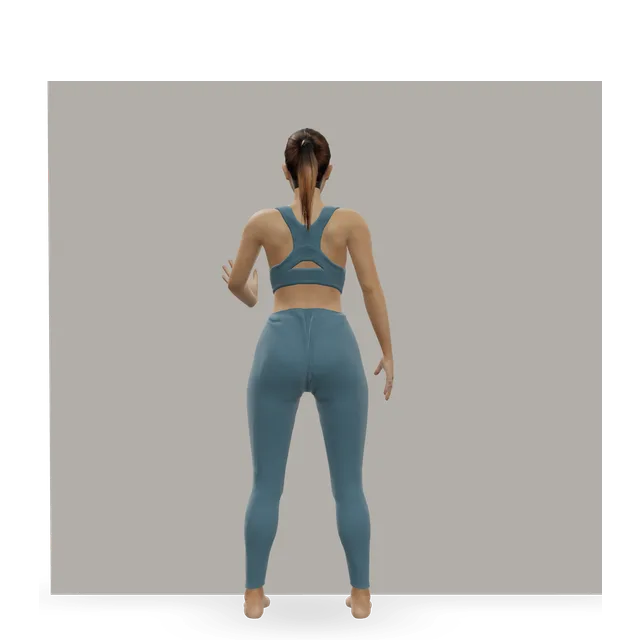
Shoulder CARs (controlled articular rotations) demonstrated on the 3D figure3D demoShoulder CARs (controlled articular rotations)Beginner · No equipment

3 slow circles each way with each arm, 20 to 30 seconds a circle · From the move page's dose (an editorial starting point). Work round a painful arc, as the move page says

Easier: Arm circles · Harder: Sleeper stretch

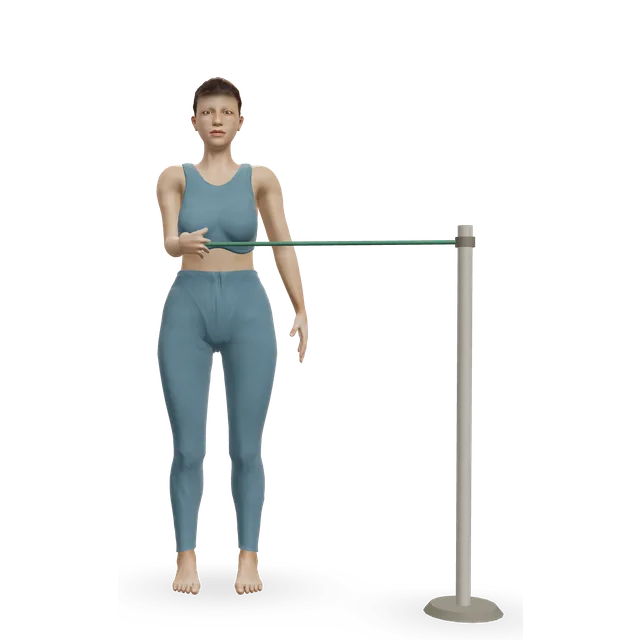
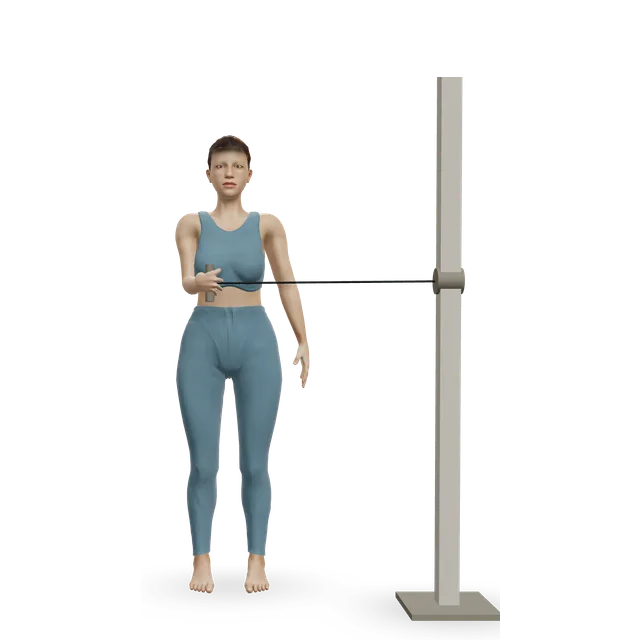
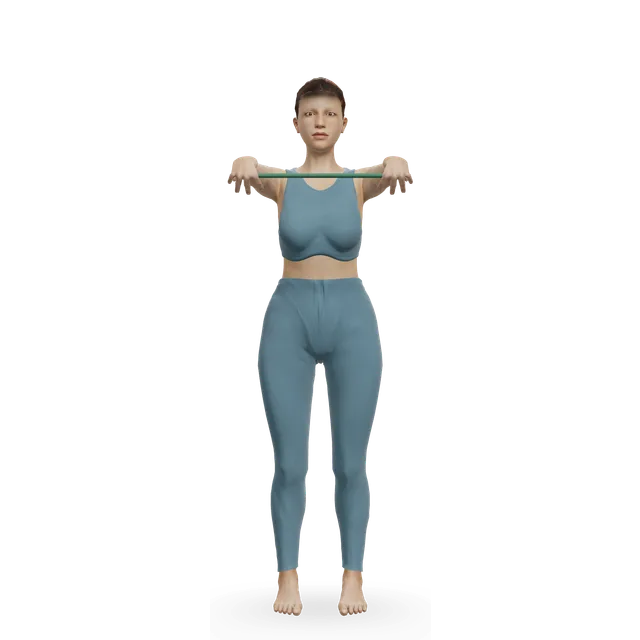
Standing band external rotation demonstrated on the 3D figure3D demoStanding band external rotationBeginner · A band + An anchor point

2 to 3 sets of 15, light band, elbow at your side, in the comfortable middle of the range · As in our throwing guide; the Holmgren trial repeated each exercise 15 times in three sets, twice a day

Easier: Stick-assisted external rotation (lying) · Harder: Side-lying external rotation

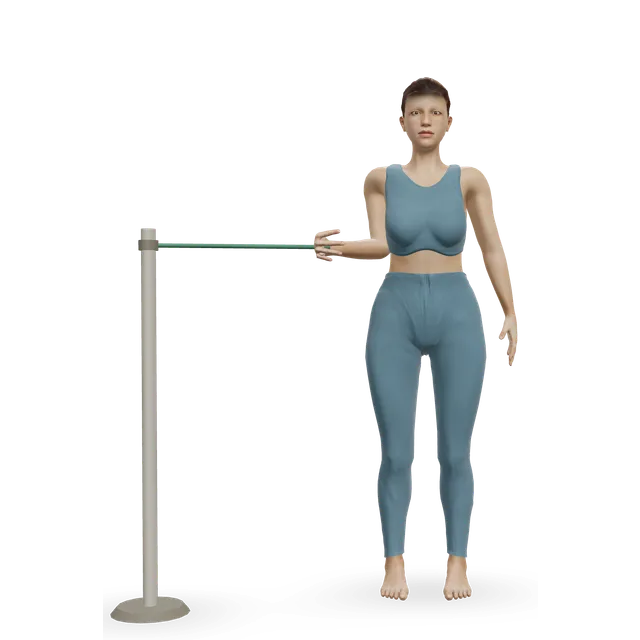
Band internal rotation demonstrated on the 3D figure3D demoBand internal rotationBeginner · A band + An anchor point

2 to 3 sets of 15, elbow at your side · As in our throwing guide (editorial)

Harder: Side-lying external rotation

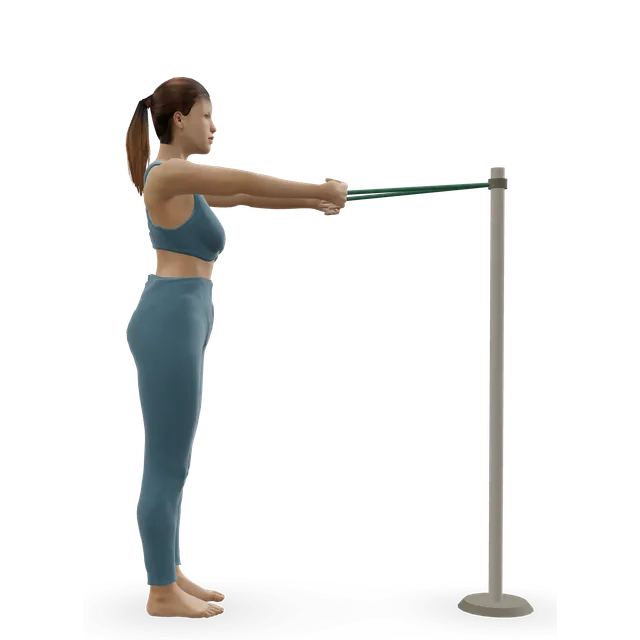
Band row demonstrated on the 3D figure3D demoBand rowBeginner · A band + An anchor point

3 sets of 10 to 15 · From the move page's dose (an editorial starting point). Shoulder blade work like the Holmgren trial's

Harder: Supported single-arm dumbbell row

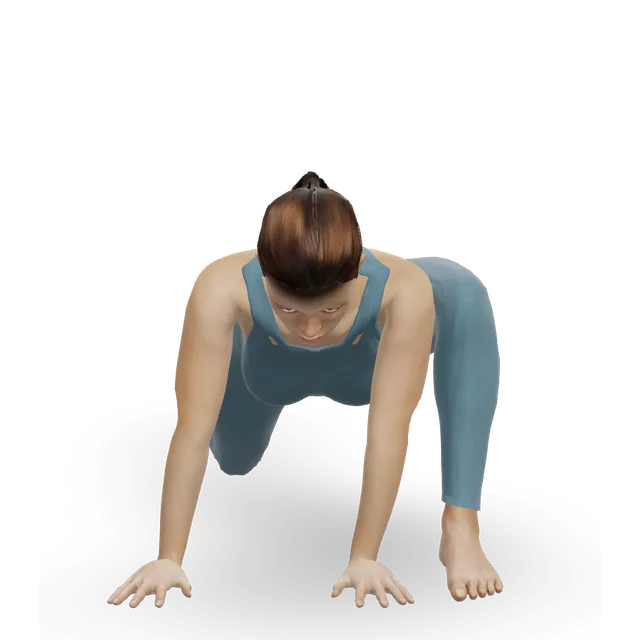
Thoracic rotation demonstrated on the 3D figure3D demoThoracic rotationBeginner · No equipment

6 rotations per side, moving with the breath · The move page's dose. Upper-back turning, as in the handball warm-up that cut shoulder problems

Easier: Side-lying open book · Harder: World's greatest stretch

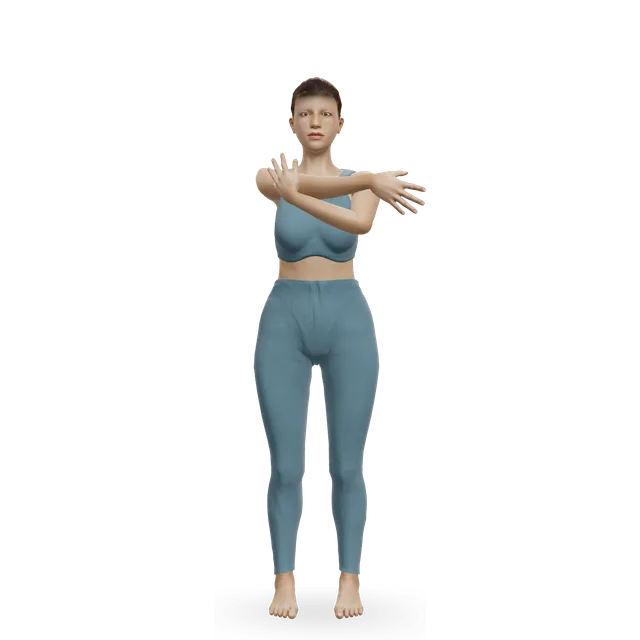
Cross-body shoulder stretch demonstrated on the 3D figure3D demoCross-body shoulder stretchBeginner · No equipment

Only if the bowling arm has clearly lost inward turning: 5 holds of 30 s, once a day · As in our throwing guide (the McClure trial's dose, in people without pain). Skip it if the top of the shoulder is sore or the shoulder feels loose, as the move page says

Harder: Sleeper stretch

Move on when: Daily use is comfortable, turning the arm outwards against a light band is within the pain rule, and pain at rest has settled (editorial, as in our throwing guide).

Follow along: a timer, a cue and the next move, one step at a time.
Stage 2

Build: rotator cuff, shoulder blade, hips and trunk

About weeks 2 to 6, 3 to 5 days a week: the cuff and shoulder blade strength that throwing programmes ask for, and the legs and trunk that power the delivery and the throw.

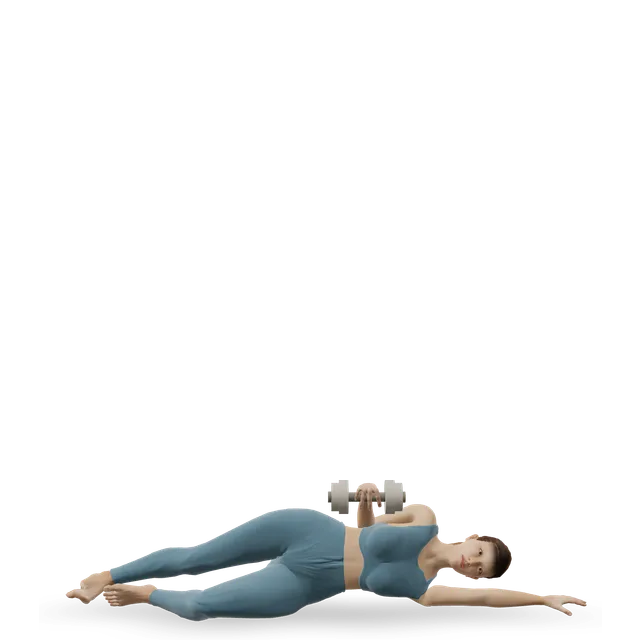
Side-lying dumbbell external rotation (on a bench) demonstrated on the 3D figure3D demoSide-lying dumbbell external rotation (on a bench)Beginner · A dumbbell + A bench or box

8 to 15 reps, working up to 3 sets, with a light dumbbell once the movement is easy without one · From the move page's dose (NHS Ayrshire and Arran). The Thrower's Ten includes lying on your side turning the arm out

Easier: Standing band external rotation · Harder: Incline reverse fly with external rotation

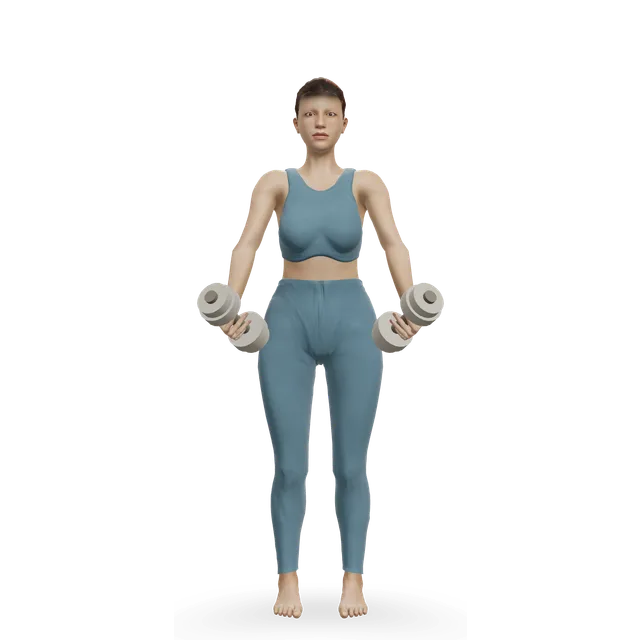
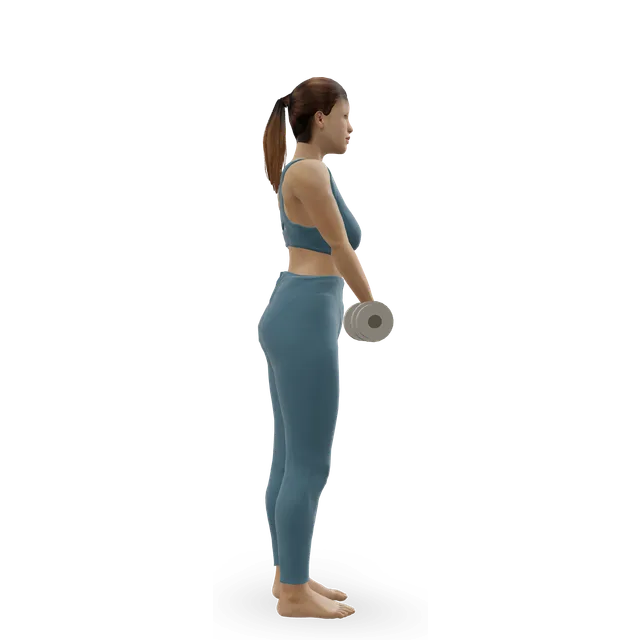
Scaption raise demonstrated on the 3D figure3D demoScaption raiseBeginner · A dumbbell

3 sets of 10, thumb up, to shoulder height, hold 2 s and lower slowly · The Thrower's Ten's dose and cue ("Do not go above shoulder height")

Easier: Band lateral raise · Harder: Smith machine upright row

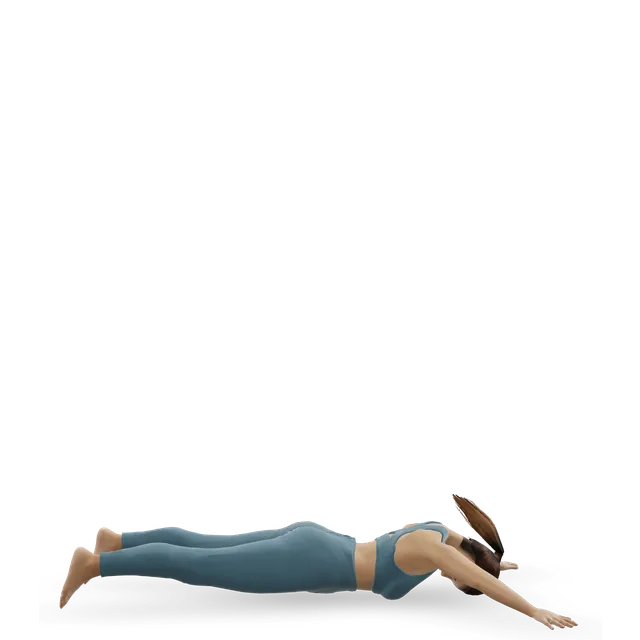
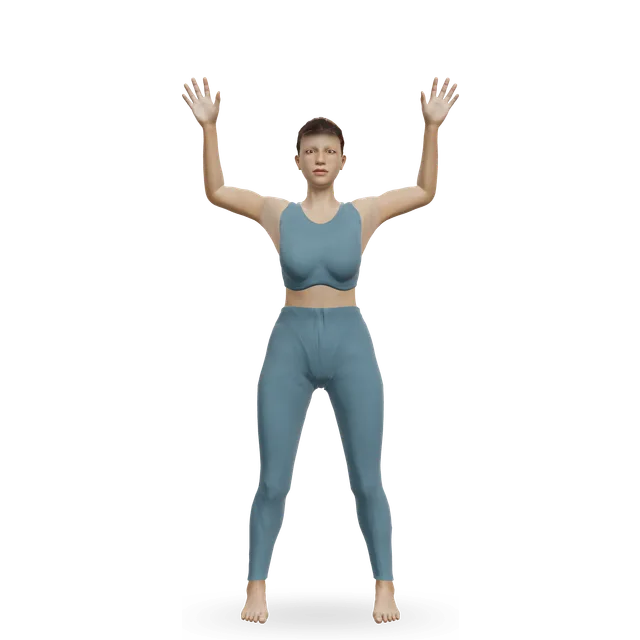
Prone Y-T-W raises demonstrated on the 3D figure3D demoProne Y-T-W raisesBeginner · No equipment

3 sets of 10 of each shape, forehead on a towel · The Thrower's Ten's face-down raises and rows, three sets of ten

Easier: Wall angel · Harder: Bent-over reverse fly

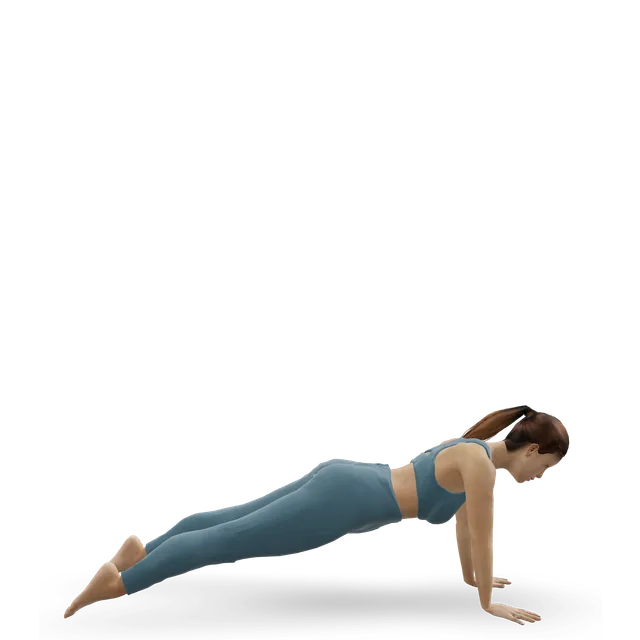
Scapular push-up (push-up plus) demonstrated on the 3D figure3D demoScapular push-up (push-up plus)Beginner · No equipment

3 sets of 10, on a wall, then a table, then the floor · The Thrower's Ten's push-up progression, three sets of ten

Easier: Dumbbell shoulder-blade punch · Harder: Push-up

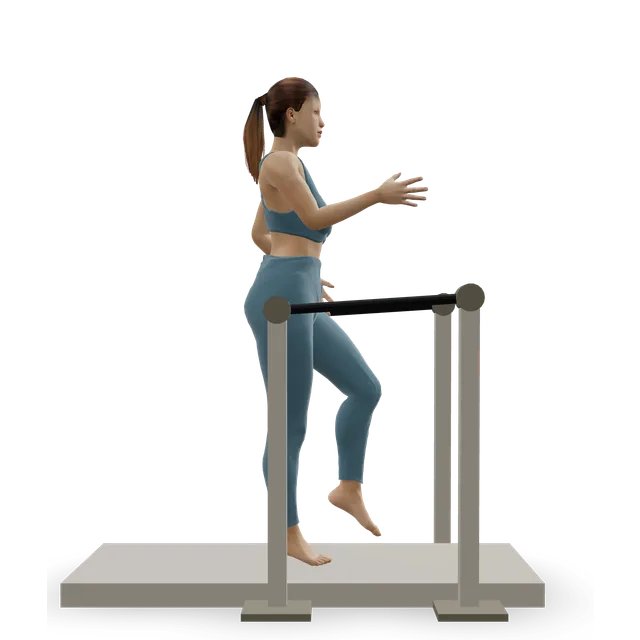
Single-leg Romanian deadlift demonstrated on the 3D figure3D demoSingle-leg Romanian deadliftAdvanced · A dumbbell

2 sets of 8 each leg, no weight at first, fingertips on a wall · As in our throwing guide (editorial). The legs and trunk power the throw

Easier: Dumbbell Romanian deadlift

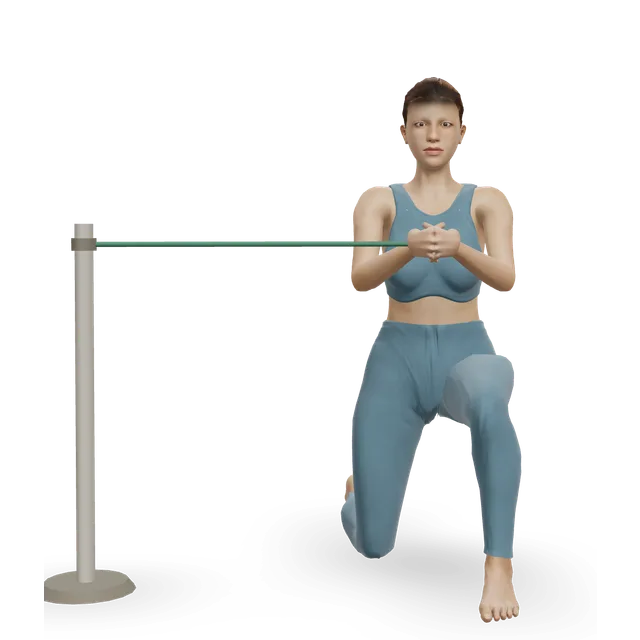
Half-kneeling Pallof press demonstrated on the 3D figure3D demoHalf-kneeling Pallof pressBeginner · A band + An anchor point

2 sets of 10 each side · As in our throwing guide (editorial). Trunk control

Harder: Pallof press

Move on when: Shoulder movement is full and equal to the other side (allowing for the usual small loss of inward turning), turning the arm outwards and inwards against resistance is pain-free, and strength feels similar on both sides: the usual checks before an interval throwing programme, as in our throwing guide.

Follow along: a timer, a cue and the next move, one step at a time.
Stage 3

Strength in the bowling and throwing position, and power

About weeks 6 to 10, 2 or 3 days a week: strength with the arm raised, then light medicine-ball throws that bring the legs, trunk and arm together before you throw or bowl for real.

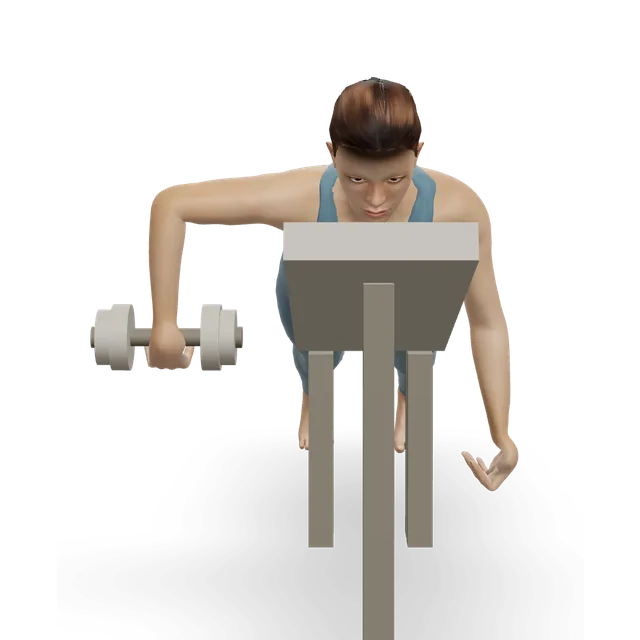
Prone dumbbell external rotation demonstrated on the 3D figure3D demoProne dumbbell external rotationIntermediate · A dumbbell + A bench or box

3 sets of 8 to 15 with a light dumbbell · From the move page's dose (NHS Ayrshire and Arran's rotation with the arm at 90 degrees). Start with rotation with the elbow at your side, and stop short of any pinch, as the move page says

Easier: Side-lying dumbbell external rotation (on a bench) · Harder: Barbell rear-delt row

Cable external rotation demonstrated on the 3D figure3D demoCable external rotationBeginner · A cable machine

3 sets of 10 to 12, heavier · As in our throwing guide (editorial)

Harder: Side-lying external rotation

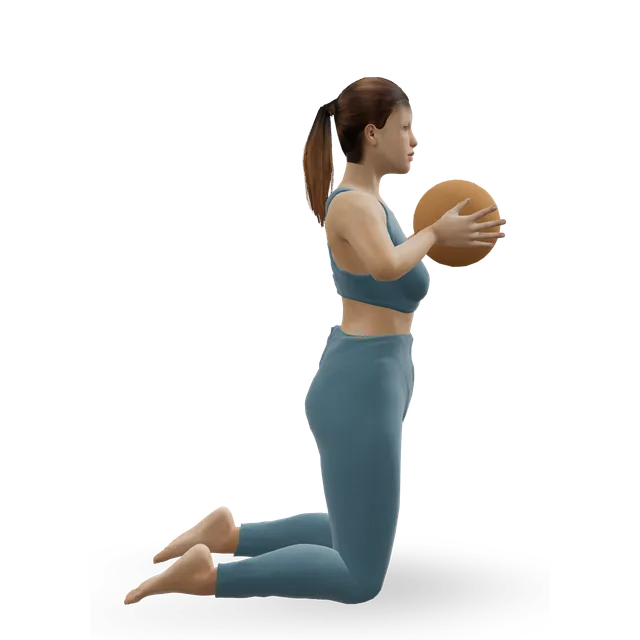
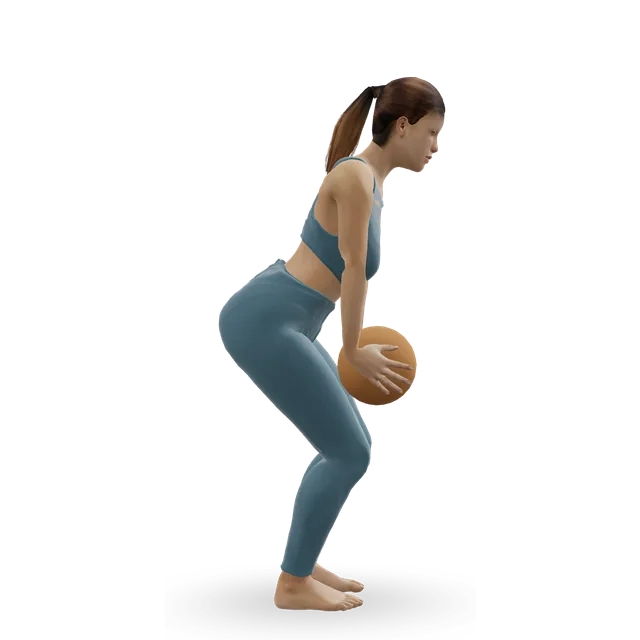
Medicine-ball chest push demonstrated on the 3D figure3D demoMedicine-ball chest pushBeginner · Medicine ball

2 sets of 5, light ball, two hands · As in our throwing guide (editorial)

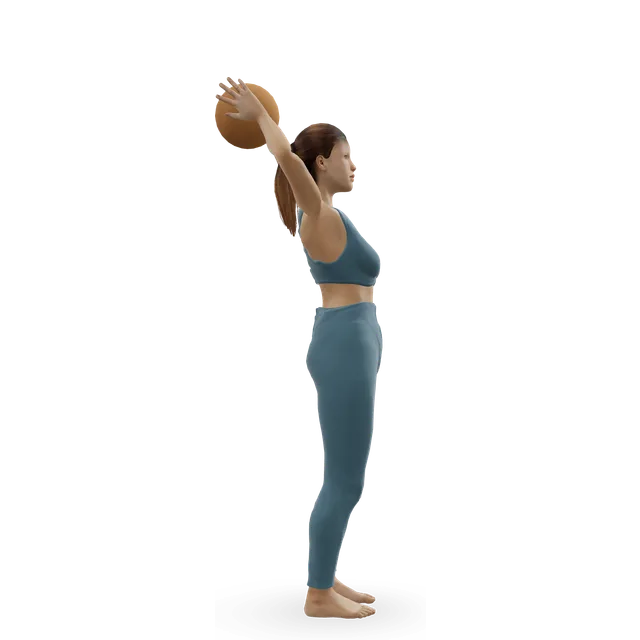
Harder: Two-hand overhead throw

Two-hand overhead throw demonstrated on the 3D figure3D demoTwo-hand overhead throwIntermediate · Medicine ball

2 sets of 5, light ball · As in our throwing guide (editorial); in our strength workout for fast bowlers

Easier: Medicine-ball chest push · Harder: Lying one-arm overhead throw

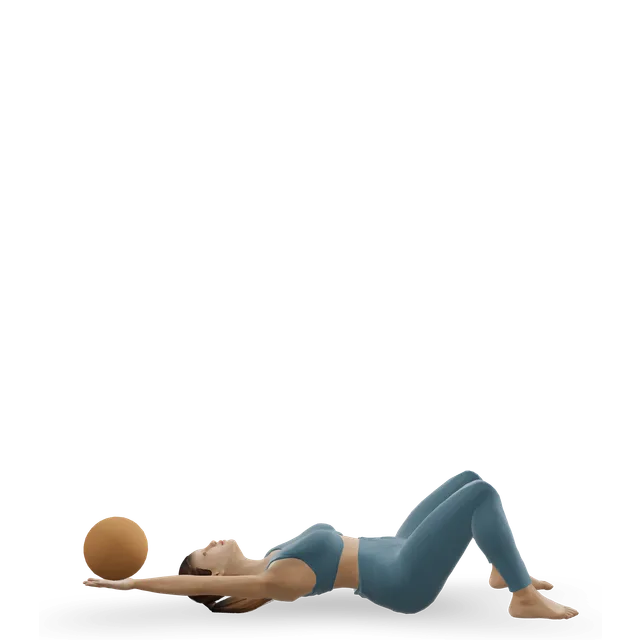
Lying one-arm overhead throw demonstrated on the 3D figure3D demoLying one-arm overhead throwIntermediate · Medicine ball

2 sets of 5 each arm, light ball · As in our throwing guide (the throwing arm strength workout's dose)

Easier: Two-hand overhead throw

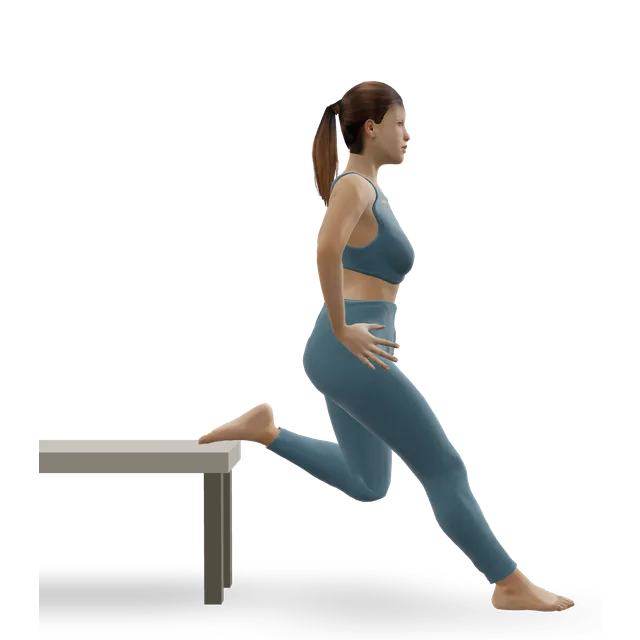
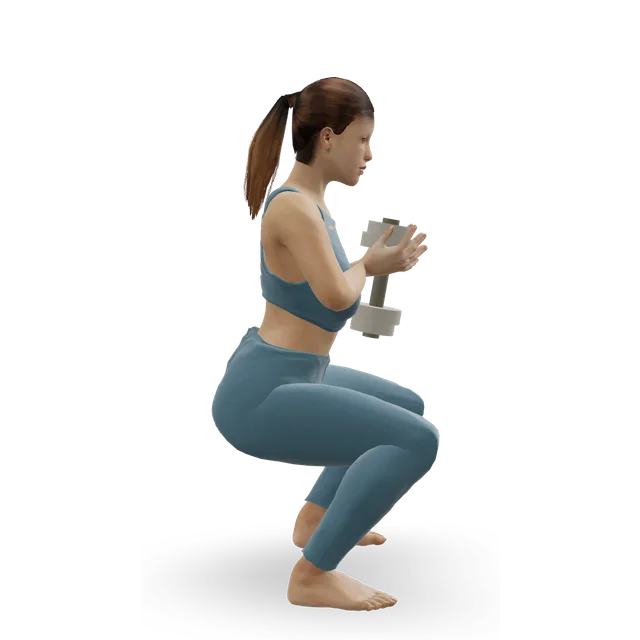
Rear-foot-elevated split squat (Bulgarian split squat) demonstrated on the 3D figure3D demoRear-foot-elevated split squat (Bulgarian split squat)Intermediate · A bench or box

3 sets of 6 to 8 each leg · As in our back pain from bowling guide (editorial): the braced front leg of the delivery

Easier: Reverse lunge · Harder: Split squat jump

Move on when: Light medicine-ball throws cause no pain during or the next morning, and the stage 2 checks still hold (editorial).

Follow along: a timer, a cue and the next move, one step at a time.
Stage 4

Back to bowling and fielding: the warm-up, then the steps back

From about weeks 8 to 12, then for good: a shoulder warm-up before every session and at least 3 times a week, as in the handball trial, and a step-by-step return to throwing and bowling by the written steps below, with the soreness rules.

World's greatest stretch demonstrated on the 3D figure3D demoWorld's greatest stretchIntermediate · No equipment

4 slow reps each side, moving with the breath, 1 or 2 rounds, as part of a warm-up · From the move page's dose (an editorial starting point). In our cricket warm-up

Easier: Low lunge (Anjaneyasana) · Harder: Active pancake lift-off

Standing band external rotation demonstrated on the 3D figure3D demoStanding band external rotationBeginner · A band + An anchor point

10 to 12 each arm with the elbow by your side · As in our cricket warm-up (editorial)

Easier: Stick-assisted external rotation (lying) · Harder: Side-lying external rotation

Band pull-apart demonstrated on the 3D figure3D demoBand pull-apartIntermediate · A band

15 · As in our cricket warm-up (editorial); shoulder blade strength, as in the handball warm-up

Easier: Prone Y-T-W raises · Harder: Tuck back lever

Shoulder CARs (controlled articular rotations) demonstrated on the 3D figure3D demoShoulder CARs (controlled articular rotations)Beginner · No equipment

3 slow circles each arm · As in our cricket warm-up (editorial)

Easier: Arm circles · Harder: Sleeper stretch

Medicine-ball scoop throw (backward overhead throw) demonstrated on the 3D figure3D demoMedicine-ball scoop throw (backward overhead throw)Beginner · Medicine ball

3 sets of 3 to 5 throws, resting a minute between sets · From the move page's dose (an editorial starting point). Whole-body power before full-effort throwing

Harder: Two-hand overhead throw

Move on when: Each step is pain-free with no soreness the next day before you move on, as the interval throwing programme says; then full-effort throwing, then bowling at full pace, then matches. Keep the warm-up going. If pain comes back during the build-up, drop back a step for a week, not to nothing.

Follow along: a timer, a cue and the next move, one step at a time.

What to change for now

What to do now (written steps)

Our 3D figure can't show these. They come from the NHS shoulder pain page and workload studies in cricketers; no trial has tested what to do after shoulder pain from bowling, and where a step is our suggestion, it says so.

  • 1. Keep the shoulder moving: the NHS says "stay active and gently move your shoulder", don't make up your own strenuous exercises or use heavy gym equipment, and get medical help if it isn't starting to feel better after 2 weeks.
  • 2. Take a spell off hard throwing and full-pace bowling while it hurts; keep batting, fielding close to the bat and fitness work for the legs and trunk (our suggestion).
  • 3. In the field, return the ball underarm or with a relay, and keep long hard throws below about 75 a week (our suggestion, from a small study of elite cricketers).
  • 4. Bowl fewer overs and shorter spells for a week or two, not none, then build back gradually; long gaps went with injury in fast bowlers as well as heavy weeks.
  • 5. Clicking, catching, a dead arm, a shoulder that slips, or arm pain with chest pain isn't an ordinary bowling ache: see the warning signs.

Sources 12, 6, 7

Young fast bowlers and workloads (written steps)

The governing bodies' rules, in their own terms; they protect the lower back, and neither sets a throwing limit or mentions the shoulder.

  • 1. England and Wales: bowlers aged 19 and under keep to the ECB's mandatory maximum overs per spell and per day for their age (4 and 8 at 11 and below, rising to 7 and 18 at 18 and 19), whatever level of junior cricket they play.
  • 2. The ECB recommends at most 4 bowling days in any 7, with only 1 instance of bowling on consecutive days, and a 4-week bowling break after the season.
  • 3. After any break of 2 weeks or more, young bowlers follow the ECB's Ready to Bowl build-up before bowling at full pace.
  • 4. Australia: under 17, Cricket Australia's 1, 3, 5 rule (1 day of bowling before a rest day, at most 3 bowling sessions a week and 5 overs in a spell); from 17 to 19, at most 2 days in a row, 4 days a week and 6 overs in a spell.
  • 5. Another overhead sport, such as tennis or badminton, adds to the load, and the ECB asks for it to be managed carefully alongside bowling.
  • 6. Throwing: no body sets a limit, so count hard throws in training and keep the number steady from week to week (our suggestion).

Sources 9, 10, 11

Bowling and fielding come back (written steps)

The fielding steps follow a US hospital's interval throwing programme, an expert programme not tested in trials; the cricket-specific steps are our suggestion. Use the throwing soreness rules for each step.

  • 1. Fielding throws: throw every other day, moving on only when "the throwing session was pain free and there is no residual soreness the next day"; use a hop, a skip and then the throw, with an arcing throw rather than a flat one. Start with 25 throws at about 14 m (45 feet), a rest, then 25 more, and build through about 18, 27, 37 and 46 m to 55 m (60 to 180 feet), with two or more sessions at each distance.
  • 2. Then flat, hard returns from the boundary, then diving and match fielding (our suggestion).
  • 3. Bowling: no shoulder-specific programme has been published. Young fast bowlers follow the ECB's Ready to Bowl build-up in England and Wales, or Cricket Australia's pre-season build-up and its 1, 3, 5 or 2, 4, 6 rules. For adults (our suggestion): a short run-up at half pace in the nets, then three-quarter pace, then the full run-up, then match spells, adding overs gradually with a rest day after a bowling day; spinners build up their overs and the revolutions on the ball the same way.
  • 4. Bring fielding in the deep and bowling back separately: add one before the other, not both in the same week (our suggestion).
  • 5. Ten-pin (our suggestion): a few practice frames with a lighter ball, then one game, then two, then a league night, with your usual ball last and a warm-up before the first game.
  • 6. Keep it up: the warm-up before every session, two strength sessions a week (the stage 2 and 3 moves, our strength workout for fast bowlers or our throwing arm strength workout), and the governing body's breaks for young bowlers. If pain keeps coming back, see a physiotherapist or sports doctor.

Sources 51, 10, 11

Positions to swap, and why

Habit or positionWhy it mattersInstead
Long, hard throws from the boundary while it hurtsMore than 75 throws a week went with more arm injury, and most sudden shoulder injuries in elite women happened fielding.Field close in, return the ball underarm or by relay, and use the interval programme later.
Bowling through a niggle all seasonIn club cricketers, a niggle played through went with a later shoulder injury that stopped play.Fewer overs and an early physiotherapy check.
A big jump in overs, a tournament or extra nets after a quiet spellSudden spikes went with more injuries in fast bowlers, and so did long gaps.Build up gradually; young bowlers follow the ECB's Ready to Bowl build-up after 2 weeks off.
Diving on an outstretched arm with a shoulder that has slipped beforeInstability often follows fielding and training injuries.Field where you won't need to dive until it's strong, and build the rotator cuff.Try: Standing band external rotation
Skipping the shoulder warm-upA shoulder warm-up three times a week cut shoulder problems in handball.Band pull-aparts and outward rotations before every session.Try: Band pull-apart
Stretching the back of the shoulder hard to undo lost inward turningIt's a normal adaptation in throwers, weakly linked with injury.The cross-body stretch only for a clear side-to-side loss, gently.
Resting the arm completelyThe NHS says stay active and gently move your shoulder.Shoulder circles and everyday use.Try: Shoulder CARs (controlled articular rotations)
Heavy overhead pressing in the gym while bowling hurtsThe NHS says don't make up your own strenuous exercises or use heavy gym equipment while your shoulder hurts.Cuff and shoulder blade work first, such as raises to shoulder height with the thumb up.Try: Scaption raise
Ten-pin: muscling a heavy ball through the backswingIt loads the front of the shoulder (our suggestion).A lighter ball and a relaxed swing, and rows for the shoulder blade.Try: Band row

Routines to follow

More moves for this area

Questions people ask

Why does my shoulder hurt after bowling?

Usually the rotator cuff and the muscles that slow the arm after release, after more bowling or throwing than your shoulder is used to. It's common, and most cricketers keep playing. Clicking, catching, a dead arm or pain that keeps coming back needs checking.

Why does my shoulder hurt after bowling after a long time?

Coming back after a break loads a shoulder that has lost some conditioning: in fast bowlers, long gaps between bowling went with injury as well as heavy weeks. Build back gradually, as the ECB's Ready to Bowl build-up does for young bowlers, and warm up the shoulder first.

Why does my shoulder hurt when I throw a cricket ball?

Throwing from the field is a common cause: more than 75 throws a week went with more arm injury in elite cricketers, and most sudden shoulder injuries in elite women happened fielding. Our throwing guide covers the throwing shoulder in detail.

Is shoulder pain common in fast bowlers?

Yes, but it rarely stops play: in elite Australian women, gradual shoulder injuries were mostly in pace bowlers, and four in five injuries caused no missed play. About 1 in 4 club fast bowlers had shoulder pain over a season in one thesis.

Can spin bowling hurt my shoulder?

Yes: in young spinners, injuries were rare per ball but mostly to the shoulder. The same plan applies, with overs and revolutions built back gradually.

Should I keep bowling with a sore shoulder?

Not at full pace through pain: cut your overs and hard throws, keep batting and fielding close in, and come back by steps once strength and movement are full. A niggle you play through all season is worth an early check.

How many overs can a young fast bowler bowl?

In England and Wales, the ECB's mandatory limits are 4 overs a spell and 8 a day at 11 and below, rising to 7 and 18 at 18 and 19; in Australia, Cricket Australia's 1, 3, 5 rule applies under 17. These protect the back; there is no throwing limit.

What exercises help shoulder pain from bowling?

Rotator cuff and shoulder blade strength first, then strength with the arm raised, then medicine-ball throws, with hip and trunk work throughout, and a shoulder warm-up at least 3 times a week. The four stages above build them up.

Do I need a scan?

Usually not at first: range differences between the shoulders are common in cricketers without pain. A scan helps if the shoulder has slipped, catches or locks, or surgery is being considered.

Why does my shoulder hurt after ten-pin bowling?

No study has looked at it; it's usually the rotator cuff or the biceps tendon after more games or a heavier ball than you're used to (our reading). A lighter ball, fewer games and the strength work here usually help (our suggestion).

How long does a bowler's shoulder take to heal?

Niggles settle in days to weeks; in elite women, returns took from 1 to 8.5 months, longer for injuries that came back. After a dislocation, the NHS says up to 16 weeks for some sports. No one can promise a date.

When should I worry?

Call 999 for arm or shoulder pain with chest pain or breathlessness, and go to A&E for a shoulder that looks out of place. Get help the same day for sudden weakness lifting the arm, a hot, swollen shoulder with a fever, or pins and needles that don't go away. In the US, call 911 where this page says 999.

Related exercise guides

Other pain guides

Sources

  1. Ranson 2008 · Shoulder injury in English professional cricketers (survey, Phys Ther Sport)
  2. Pritchard 2026 · Shoulder injuries in elite female cricketers over eight seasons (surveillance study, Shoulder Elbow)
  3. Orchard 2016 · Injuries in elite Australian male cricketers over 10 seasons (surveillance study, Open Access J Sports Med)
  4. Warren 2019 · Injuries in elite women's T20 cricket (surveillance study, J Sci Med Sport)
  5. Gregory 2002 · Injuries in spin and fast bowling in young cricketers (cohort study, Clin J Sport Med)
  6. Saw 2011 · Throwing workload and injury in 28 elite cricketers (cohort study, BJSM)
  7. Dennis 2003 · Bowling workload and injury in 90 elite fast bowlers (cohort study, J Sci Med Sport)
  8. Hulin 2014 · Spikes in acute workload and injury in elite fast bowlers (cohort study, Br J Sports Med)
  9. England and Wales Cricket Board (ECB) · Recreational Cricket Safety Regulations, December 2025 update (regulation 5: fast bowling)
  10. England and Wales Cricket Board (ECB) · Recreational Cricket Safety Guidelines, December 2025 update (fast bowling guidelines and the Ready to Bowl template)
  11. Cricket Australia · Community Cricket Junior Pace Bowling Workload Guidelines (2026)
  12. NHS · Shoulder pain (past its review date: reviewed May 2023, review due May 2026)
  13. Andersson 2017 · A shoulder injury prevention programme in 660 elite handball players (cluster RCT, Br J Sports Med)
  14. Forrest 2020 · An exercise programme for 65 adolescent pace bowlers (cluster-randomised trial, J Sci Med Sport)
  15. Olivier 2020 · Shoulder range, muscle length and later shoulder injury in 32 cricketers (prospective cohort study, S Afr J Physiother)
  16. Orchard 2026 · Operations in professional Australian cricketers, 2015 to 2024 (surveillance study, Indian J Orthop)
  17. Williams 2024 · Injuries in the men's and women's Hundred competitions, 2021 to 2023 (injury surveillance study, BMJ Open Sport Exerc Med)
  18. Jacobs 2022 · Injuries in female cricketers: 23 studies (systematic review and meta-analysis, JBI Evid Synth)
  19. McLeod 2023 · Cricket injury insurance claims in New Zealand, 2008 to 2018 (registry study, J Sci Med Sport)
  20. Orchard 2009 · High bowling workloads and injury risk weeks later (cohort study, Am J Sports Med)
  21. Orchard 2015 · Fast bowling workload patterns and injuries in 235 bowlers (cohort study, Br J Sports Med)
  22. Giles 2008 · Shoulder rotation range and shoulder pain in elite cricketers (survey, Phys Ther Sport)
  23. Dutton 2019 · The cricketer's shoulder: not a classic throwing shoulder (study, Phys Ther Sport)
  24. Keller 2018 · Lost inward rotation and injury in overhead athletes: 17 studies, 2,195 athletes (systematic review and meta-analysis, Sports Health)
  25. Newton 2018 · A fielding session and shoulder range in 19 cricketers (lab study, Phys Ther Sport)
  26. New Zealand Cricket · NZC community warm-up programme (2025)
  27. Holmgren 2012 · Specific exercise and the need for surgery in subacromial impingement (RCT, BMJ)
  28. Smith 2017 · Should exercise be painful in long-lasting muscle and joint pain? 7 trials (meta-analysis, Br J Sports Med)
  29. Baur 2026 · Return to sport after shoulder stabilisation in athletes (meta-analysis, Orthop J Sports Med)
  30. Sayde 2012 · Return to play after SLAP repair: 14 studies, 506 patients (systematic review, Clin Orthop Relat Res)
  31. DeFroda 2022 · Return to play after SLAP repair in competitive overhead athletes (systematic review, Arthroscopy)
  32. Stuelcken 2010 · The shoulder distraction force in cricket fast bowling (lab study, J Appl Biomech)
  33. Kerr 2011 · Bowling injuries in US emergency departments, 1990 to 2008 (national injury surveillance study, Clin Pediatr)
  34. Au 2026 · Bowling injuries in US emergency departments, 2014 to 2023 (national injury surveillance study, J Sport Rehabil)
  35. Nimse 2023 · Rehabilitation and return to play for fast bowlers after a labral repair (narrative review, Indian J Orthop)
  36. Read 2008 · A collarbone stress fracture in a fast bowler (case report, J Med Case Rep)
  37. Orchard 2006 · Injuries to elite male cricketers in Australia over 10 years (surveillance study, J Sci Med Sport)
  38. Finch 2010 · Fielders and batters are injured too: injuries in junior club cricket (prospective cohort, J Sci Med Sport)
  39. McLeod 2020 · Medical-attention injuries in community cricket (systematic review, BMJ Open Sport Exerc Med)
  40. Dawood 2021 · Shoulder pain in amateur fast bowlers (PhD thesis, University of the Witwatersrand; not peer reviewed)
  41. Stuelcken 2008 · Shoulder strength and range in elite female fast bowlers with and without shoulder pain (cross-sectional study, J Sci Med Sport)
  42. Green 2013 · Shoulder blade position in elite young cricketers with shoulder problems (cross-sectional study, J Sci Med Sport)
  43. NHS · Dislocated shoulder
  44. NHS inform · Exercises for shoulder problems (including how to tell if you're exercising at the right level)
  45. Olivier 2016 · Factors linked with non-contact injuries in adult fast bowlers (systematic review, Sports Med)
  46. Duda 1988 · Pinning down bowling injuries (review, Phys Sportsmed; we read its abstract)
  47. Zabierek 2023 · Injuries in 101 elite collegiate ten-pin bowlers (survey, J Sport Rehabil)
  48. Forrest 2018 · Injury prevention for adolescent pace bowlers (review, Sports Med)
  49. University of Utah Orthopaedics · The Thrower's Ten exercise programme (patient handout adapted from the American Sports Medicine Institute)
  50. Schwank 2022 · The 2022 Bern consensus statement on shoulder injury prevention, rehabilitation and return to sport (consensus statement, J Orthop Sports Phys Ther)
  51. Massachusetts General Hospital · Interval throwing programme (patient handout based on Reinold 2002)
  52. NHS · Heart attack: symptoms
  53. NHS · Angina
  54. NHS · Fainting
  55. NHS · Septic arthritis
  56. NHS · Thoracic outlet syndrome
  57. NHS · DVT (deep vein thrombosis)
  58. NHS · Neck pain and stiff neck (past its review date: reviewed April 2023, review due April 2026)
  59. NHS · Stroke: symptoms
  60. Corpus 2016 · Internal impingement of the shoulder in overhead athletes (review, World J Orthop)
  61. AAOS OrthoInfo · Shoulder injuries in the throwing athlete (patient information, American Academy of Orthopaedic Surgeons)
  62. Ferretti 1987 · Suprascapular nerve problems in 96 top-level volleyball players (study, J Bone Joint Surg Am)
  63. Mazza 2021 · Suprascapular nerve problems in 82 professional volleyball players (cross-sectional study, Phys Sportsmed)
  64. Ferretti 1998 · Suprascapular nerve injury in volleyball players followed for 5.5 years (case series, Am J Sports Med)
  65. Dengler 2022 · Nerve-type thoracic outlet syndrome: presentation, diagnosis and treatment (review, Dtsch Arztebl Int)
  66. Axe 2009 · Data-based interval throwing programmes for baseball players, with soreness rules (programme paper, Sports Health)
  67. Langhans 2025 · Baseball interval throwing programmes: 9 programmes compared (systematic review, Sports Health)
  68. Kulkarni 2015 · BESS/BOA patient care pathway: subacromial shoulder pain (Shoulder & Elbow)
  69. Brownson 2015 · BESS/BOA patient care pathway: traumatic anterior shoulder instability (Shoulder & Elbow)
  70. Noorani 2019 · BESS/BOA patient care pathway: atraumatic shoulder instability (Shoulder & Elbow)
  71. Mitchell 2005 · Shoulder pain: diagnosis and management in primary care (clinical review, BMJ)
  72. Hallgren 2014 · A specific exercise strategy reduced the need for surgery: 1-year follow-up (RCT, BJSM)
  73. Kuhn 2013 · Physical therapy for atraumatic full-thickness rotator cuff tears: the MOON cohort (prospective cohort, JSES)

Exercise education, not a diagnosis or treatment plan. It is written from the guidelines and studies listed above; review by a clinician is pending. If your pain follows an injury, is severe, is getting worse, or comes with any warning sign listed on this page, get it assessed. Health disclaimer.