Skill progressions
Learn the Turkish get-up, stage by stage
A practice session for the Turkish get-up. You'll warm up getting down to the floor and back, practise holding an arm overhead, then learn the get-up in parts with no weight, then with a shoe balanced on your fist. Only when the shoe stays put on both sides do you pick up a light bell. Go slowly, pausing at each stage, and never do get-ups to fatigue.
Warm-up
- Get Up and Down from the Floor3 slow cyclesBeginner · 3D demoAny way that's comfortable, with a sturdy chair close byEasier: Sit to stand from a chairHarder: Bodyweight get-up
- Glute bridge10 repsBeginner · Glutes, Hamstrings, Abs · 3D demoThe hip lift you'll use in the bridge stageEasier: Pelvic tilt into bridgeHarder: Glute kickback (quadruped hip extension)
- Shoulder CARs (controlled articular rotations)3 slow circles each armBeginner · 3D demoEasier: Arm circles
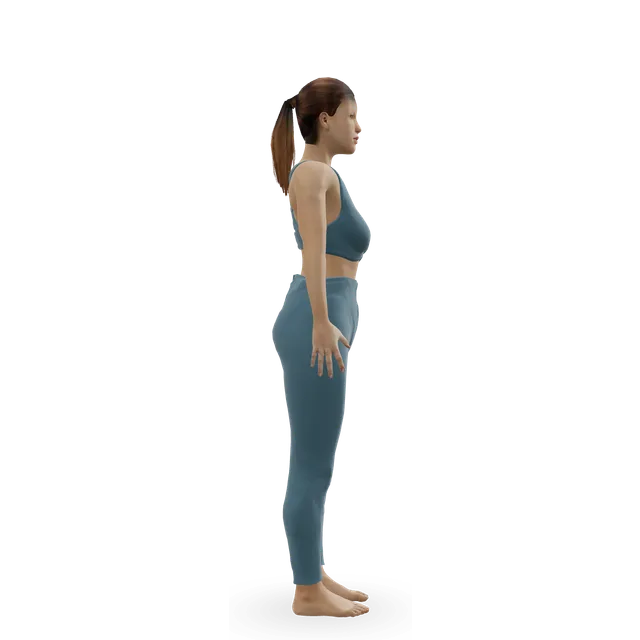


Overhead hold
- Overhead carry (waiter's walk)2 walks of 10 to 15 m each armIntermediate · Shoulders, Abs, Triceps · 3D demoA light weight, arm locked straight overhead. Only if you can hold your arm up there without pain; otherwise skip itEasier: Suitcase carryHarder: Yoke walk
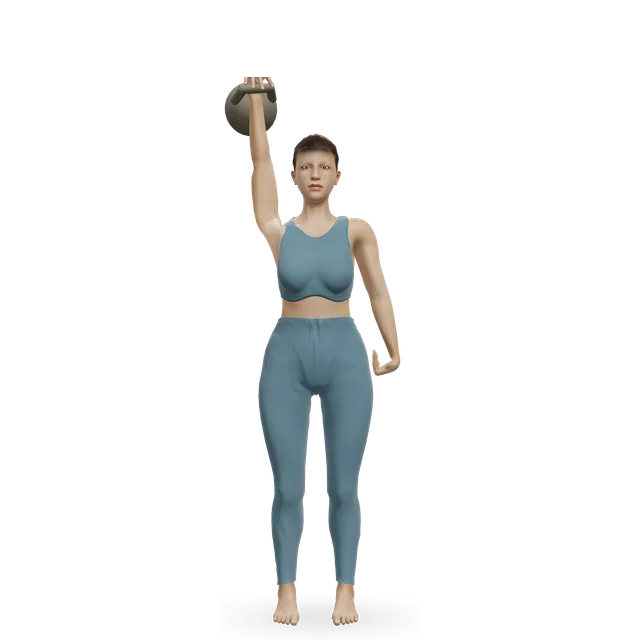
The stages, no weight
- Bodyweight get-up3 each side, to the bridge and backIntermediate · Shoulders, Abs, Glutes · 3D demoThe half get-up: roll to your elbow, post to your hand, lift your hips, then reverse. Fist up and eyes on itEasier: Get Up and Down from the FloorHarder: Turkish get-up
- Bodyweight get-up2 each side, all the way upIntermediate · Shoulders, Abs, Glutes · 3D demoSweep to kneel, then stand, pausing 2 s at each stage, and reverse every stage on the way downEasier: Get Up and Down from the FloorHarder: Turkish get-up
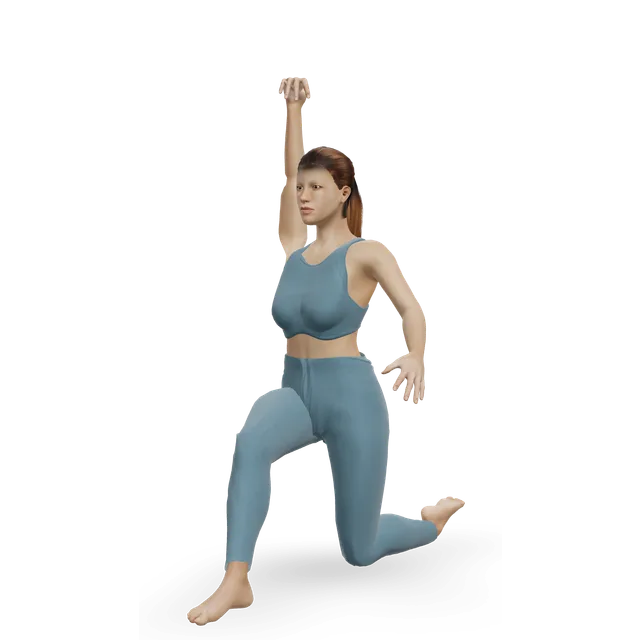
The shoe drill
- Bodyweight get-up2 each sideIntermediate · Shoulders, Abs, Glutes · 3D demoWith a shoe balanced on your raised fist. If it falls, your arm drifted: slow downEasier: Get Up and Down from the FloorHarder: Turkish get-up
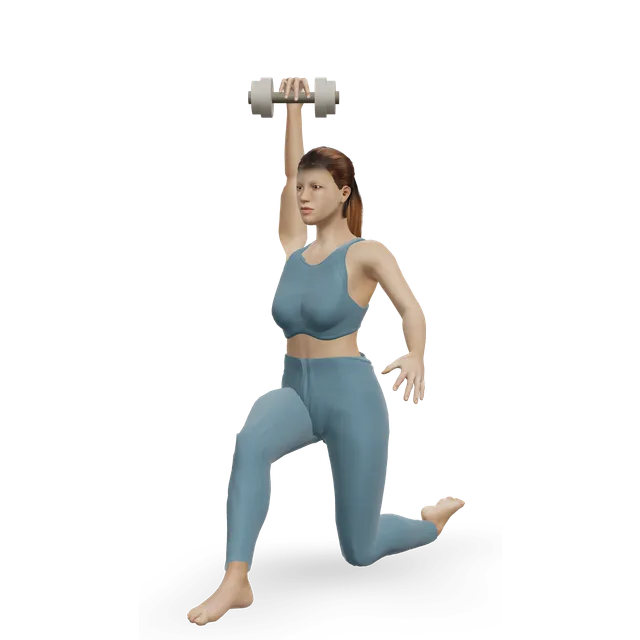
Loaded (once the shoe stays put on both sides)
- Turkish get-up2 or 3 singles each sideAdvanced · Shoulders, Abs, Glutes · 3D demoYour lightest bell. Use two hands and a roll to your side to get it up and to put it down, and rest as long as you need between singlesEasier: Bodyweight get-up
Cool-down (optional)
- Cross-body shoulder stretch30 s each sideBeginner · Shoulders, Back · 3D demoHarder: Sleeper stretch
- Half-kneeling hip flexor stretch30 s each sideBeginner · Quads, Glutes · 3D demoPad under your kneeHarder: Couch stretch


Tips
- Decide your bail before every rep: if your arm bends or wavers, steer the bell away from your body and let it fall while you move the other way. Never try to catch it.
- Get the bell up and down with two hands and a roll to your side, never one-handed from the floor.
- Wrist straight, elbow locked and arm vertical, with your eyes on the bell until you're kneeling. Keep your shoulder away from your ear and let your shoulder blade move with your arm.
- Ready for a bell when the shoe stays put on both sides; ready for kettlebell workout B's get-ups when 3 singles each side feel steady.
- With a painful or unstable shoulder, practise the stages with your arm out of it and keep pain to 5 out of 10 or less. After shoulder or hip surgery, check with your team first.
- In pregnancy, avoid long spells lying on your back after the first trimester, as our pregnancy guide says, and don't start learning loaded get-ups.
The doses are suggested starting points, not a prescription. Choose a range you can control and stop for sharp or increasing pain, numbness or tingling. Get individual advice after an injury or surgery, or if you are pregnant or managing a health condition.
Guides that recommend it
Find more moves like these
More skill progressions




Push-up progression workout
Work up to full push-ups: wall, incline and knee push-ups, then the floor push-up and harder variations.
15 minBeginner8 movesA wall, A bench or box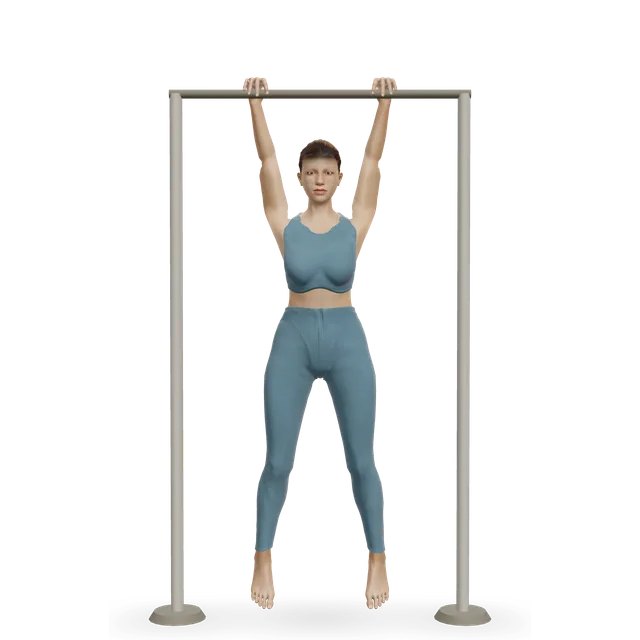

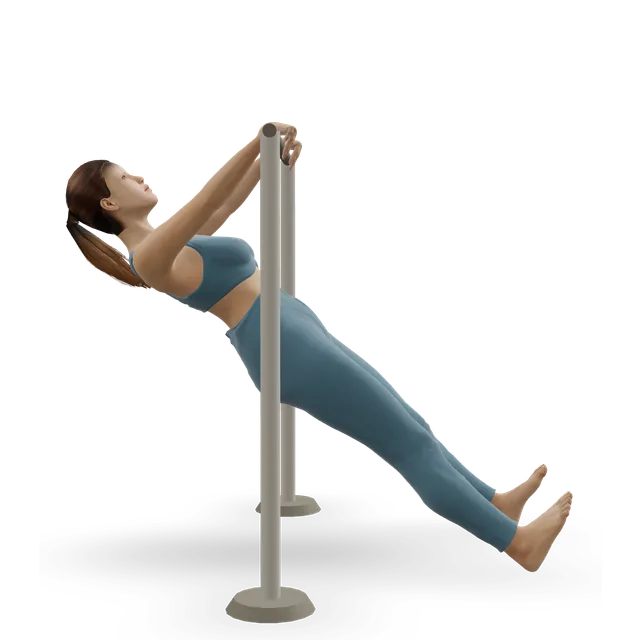
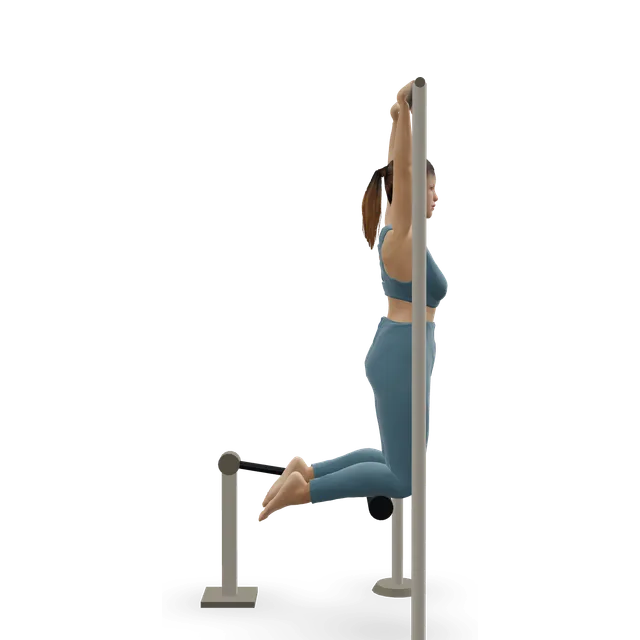
Pull-up progression workout
Work up to your first pull-up: dead hangs, scapular pulls, rows, negatives and assisted pull-ups.
25 minBeginner7 movesPull-up bar, A step

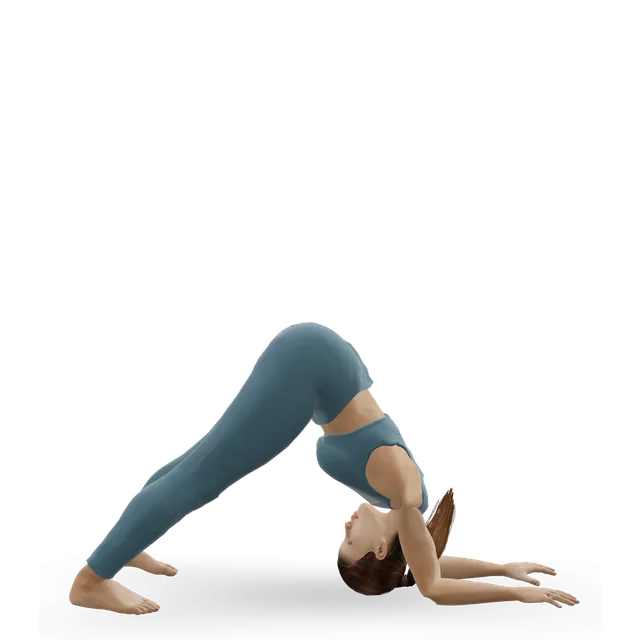
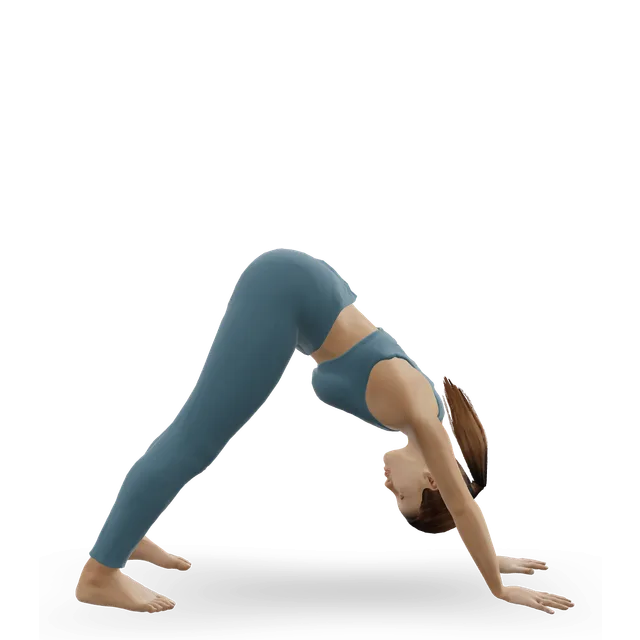
Handstand progression
Build toward a handstand: wrist prep, dolphin pose, pike push-ups, crow, the wall handstand and freestanding holds.
25 minAdvanced8 movesA wallQuestions people ask
How long does the learn the turkish get-up, stage by stage take?
About 25 minutes, including any warm-up and cool-down listed. Shorten it by doing fewer rounds; lengthen it by adding one.
What equipment do I need?
You need: A dumbbell, A kettlebell. Each move links to its guide, where you can find an alternative if you are missing something.
Is it suitable for beginners?
It is written for beginners. 6 of its 8 moves have an easier option listed beside them if you need one.
How do I make it easier or harder?
Use the easier or harder option listed under each move, change the number of rounds, or adjust the rest. Progress one change at a time.