Common in hitters, usually overuse, and rarely seriousEmerging evidence
"Epidemiological research has revealed that volleyball athletes are, in general, at greatest risk of acute ankle injuries and overuse conditions of the knee and shoulder". In 422 US college club players, "Approximately 60% of participants reported a history of shoulder problems", more often in attackers and jump servers than in setters, defensive specialists and float servers, and nearly half of those with problems reported some loss of function. In elite men followed weekly, about 1 in 5 had a shoulder problem in any week (19%), and 67% had some shoulder complaint during a season. At the 2001 beach world championships, shoulder problems were 10% of overuse complaints.
Serious shoulder injury is uncommon. In the world governing body's indoor surveillance, the shoulder was 5.0% of injuries, with "outside hitters more shoulder injuries" than other positions, and nearly half of all injuries cost no time. "The anatomic regions with the most injuries were the ankle, knee, and shoulder" in 490 elite Spanish players. In US college players, shoulder problems were a bigger share of injuries that cost under a day than of those that cost time, and a weekly questionnaire study found "Standard injury surveillance methods only capture a small percentage of the overuse problems affecting the athletes, largely because few problems led to time loss from training or competition".
Sources 32, 1, 2, 18, 4, 33, 5, 34, 19
Spiking and the jump serve load the shoulder mostEmerging evidence
"Because volleyball involves repetitive overhead motions, such as spiking and blocking, players are prone to overuse injuries of the shoulder", says the American Orthopaedic Society for Sports Medicine (AOSSM), and one lab study's authors note that "around 80% of shoulder pain in volleyball players is linked with the spiking movement". In 14 college players, shoulder forces and speeds were highest in spikes, lower in float serves and lowest in roll shots, and the arm was lifted to about 130 degrees at contact in every skill, more than in a tennis serve or a pitch. An elite player "may perform as many as 40,000 spikes in one season".
The arm cocks back hard and then brakes the swing, which loads the rotator cuff and the back of the shoulder (our reading). The American Academy of Orthopaedic Surgeons (AAOS) says "Young athletes who use their arms overhead for swimming, baseball, tennis, and volleyball are particularly at risk" of rotator cuff pain. These figures come from one lab study of 14 players, so they show which skills load the shoulder most, not a safe number of hits.
Sources 35, 23, 6, 7, 36
Strength balance and the shoulder bladeEmerging evidence
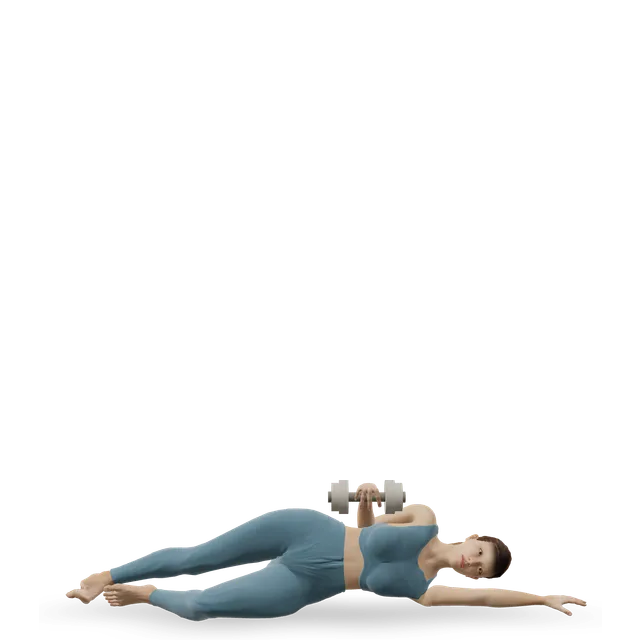
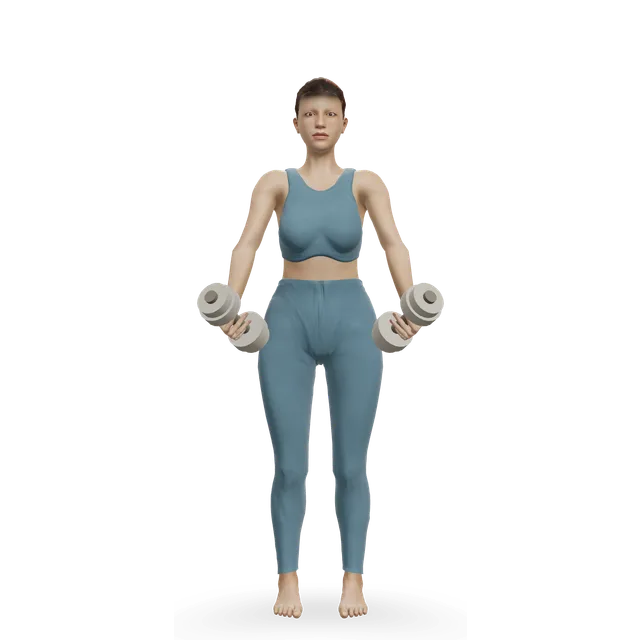
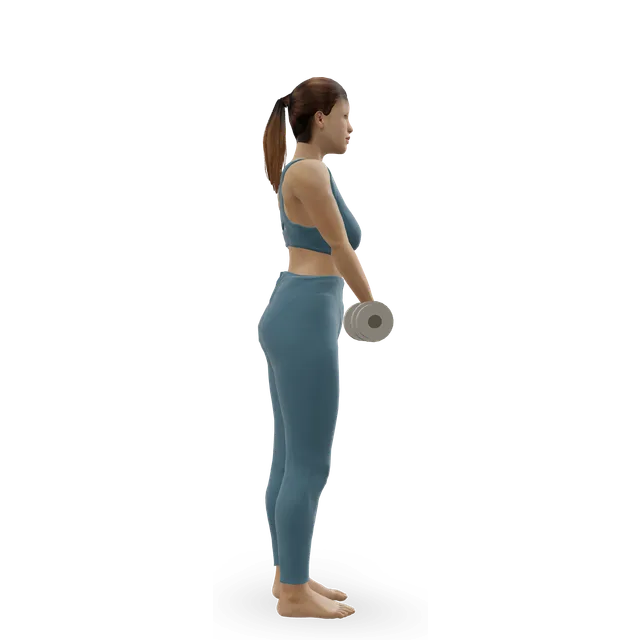
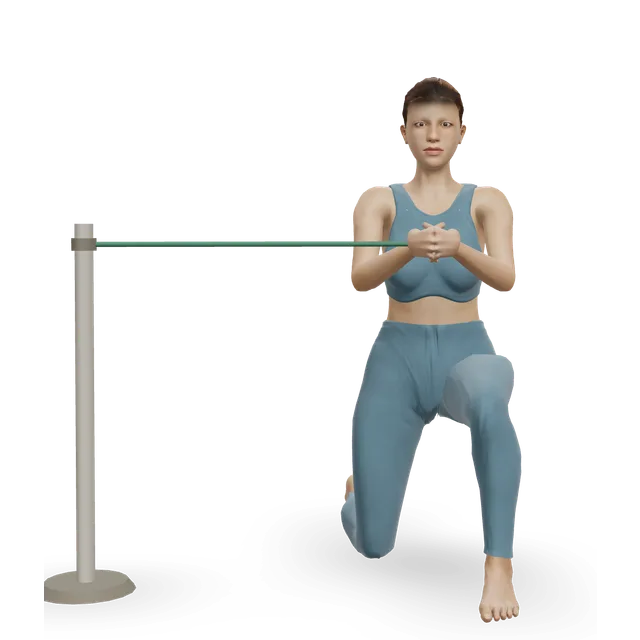
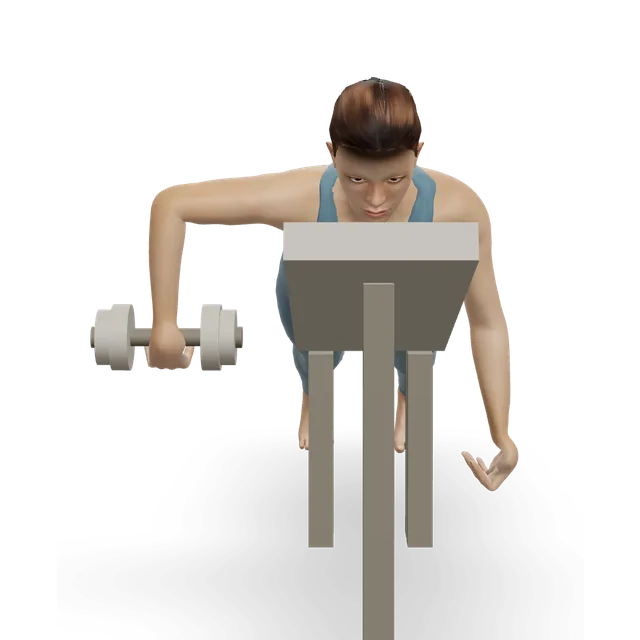
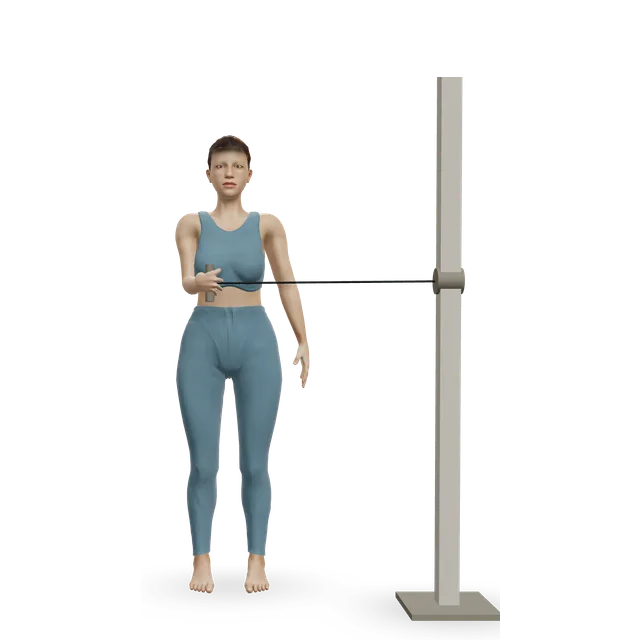
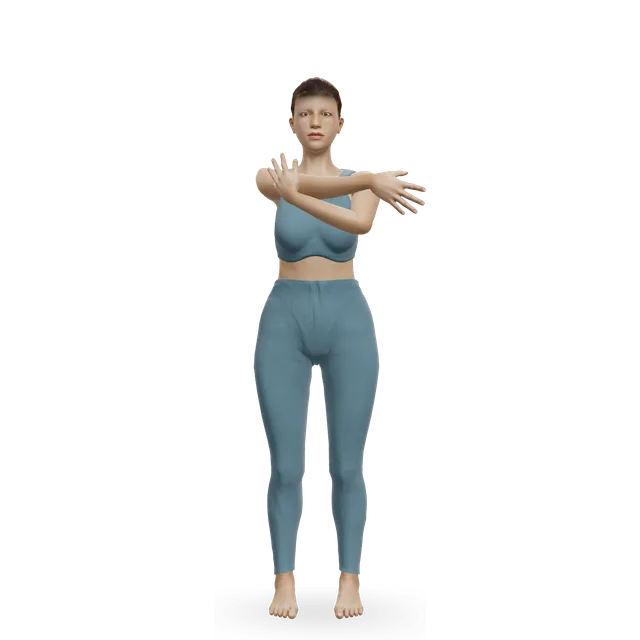
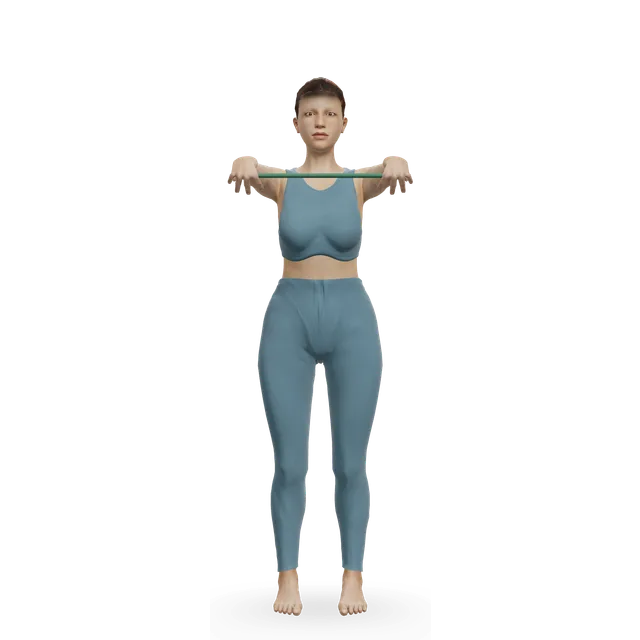
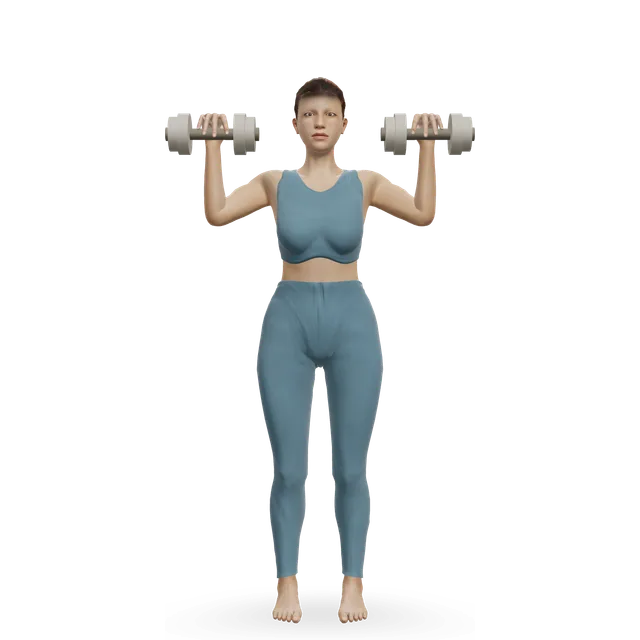
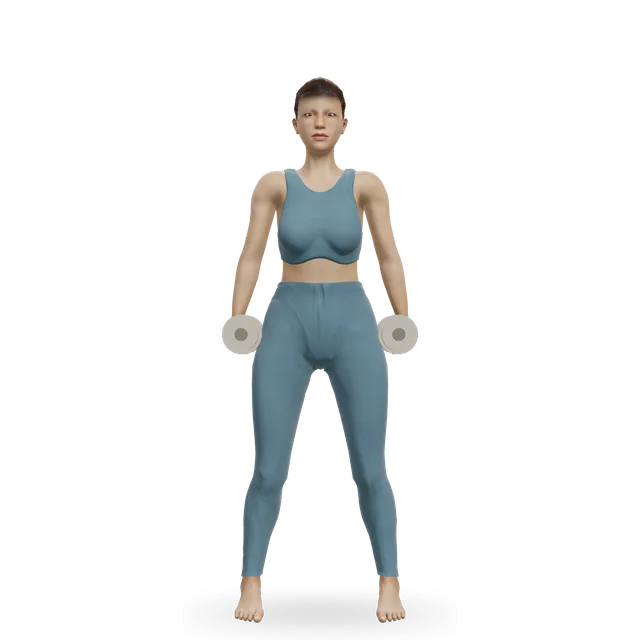
In 16 English elite players followed for a season, weaker outward rotators (lowering) against stronger inward rotators went with shoulder injury, and the authors write "We conclude that rotator muscle strength imbalance may play an important role in shoulder injuries in high-level volleyball players" (a very small study). A review of 15 studies of volleyball shoulders advised that "Strengthening of the external rotators should be used alongside shoulder stretching and joint mobilisations, core strengthening and optimisation of spike technique as part of injury management and prevention programmes".
In the college club players, shoulder problems went with poorer shoulder blade control, core instability and tight front-of-chest muscles; players with shoulder pain spiked with less backward tilt of the shoulder blade. Across sports, an abnormally moving shoulder blade gave "a 43% increased risk of a shoulder pain event over a 9 to 24 months follow-up". Overall, "All investigated potential risk factors for shoulder injury in overhead sports had limited evidence, and most were non-modifiable (eg, sex)", so no single cause should be blamed.
Sources 21, 22, 1, 23, 24, 31
Lost inward rotation is normal in hittersEmerging evidence
Unlike in baseball, "the GIRD in volleyball athletes appears to be anatomical as a response to the repetitive overhead movements and not to be associated with shoulder pain/injury" (GIRD is glenohumeral internal rotation deficit, the hitting shoulder turning inwards less). In the college club players, "this deficit was not associated with shoulder problems", and a meta-analysis of mostly baseball players didn't find a significant link either.
Sources 22, 1, 25
The rotator cuff, the labrum and a loose shoulderEmerging evidence
The commonest cause is the rotator cuff (often called impingement): pain on the outside of the shoulder and upper arm when hitting, serving or lifting the arm overhead, often with a painful arc and pain lying on that side. The NHS says shoulder impingement "usually gets better in a few weeks or months". The AOSSM adds that the cuff muscles are "rarely completely torn in young players" and "Often, rest and physical therapy services may be enough to resolve pain". In adults, a cuff tear usually follows a fall: the AAOS says "most tears in young adults are caused by a traumatic injury, like a fall".
Deep pain with clicking, catching, a dead arm or a feeling of slipping can be a SLAP tear (a tear at the top of the labrum) or instability. USA Volleyball lists labral tears among volleyball shoulder problems; no volleyball study gives how often they happen. The AAOS: "In most cases, the initial treatment for a SLAP injury is nonsurgical". A shoulder that comes out of joint after a fall or a collision at the net needs A&E (accident and emergency), and the NHS says "Once you dislocate your shoulder, there's an increased risk it could happen again".
Sources 20, 35, 37, 41, 42, 43
A hollow at the back of the shoulder blade: the nerve to the infraspinatusEmerging evidence
The suprascapular nerve supplies the infraspinatus, which turns the arm outwards, and in volleyball players it can be squeezed at the back of the shoulder blade, often without pain. In 1985, "twelve players were found to have asymptomatic isolated paralysis of the infraspinatus of the dominant side" among 96 top-level players; signs of the nerve problem were found in 22 of 66 German high-level players (33%), all on the hitting side; infraspinatus wasting was found in 30% of professional beach players' hitting shoulders, and visibly in 34% of another group (mostly slight); and in 82 Italian professionals in 2021, 9% of men and 12% of women had it, and "None of them complained of pain or reduced performance when they played".
These figures span four decades and different ways of looking (examination, nerve tests, scans), so they show it is common in elite hitters, not a precise rate. "Entrapment of the suprascapular nerve at the spinoglenoid notch is a usually painless syndrome that is frequently observed in volleyball players", and why volleyball players get it more than other overhead athletes is unclear: "For reasons that are poorly understood, volleyball players are at greater risk of developing IS than are athletes who compete in other overhead sports" (IS is infraspinatus syndrome).
Sources 8, 38, 9, 39, 10, 11, 40
When a scan or test mattersEmerging evidence
Most volleyball shoulder pain is diagnosed from the story and an examination; the NHS says a health professional "might send you for tests (such as an X-ray) to check the cause". Scans mislead in hitters: in 20 elite overhead athletes without symptoms, "Eight of 20 (40%) dominant shoulders had findings consistent with partial- or full-thickness tears of the rotator cuff as compared with none (0%) of the nondominant shoulders", and none had shoulder problems 5 years later; in 96 people without symptoms, 34% had rotator cuff tears on magnetic resonance imaging (MRI), rising to 54% over 60 but only 1 of 25 aged 19 to 39; and in beach players, "Pain in the hitting shoulder was present in 63% of the players, without clear correlations to the investigated clinical and imaging parameters".
A scan matters after a dislocation or a fall with sudden weakness, for catching or a dead arm that keeps stopping you playing, and for new wasting, where nerve tests and an MRI look for a cyst pressing on the nerve.
Sources 3, 17, 30, 9, 26
How it usually goesEmerging evidence
The NHS says to look after shoulder pain for 2 weeks before it starts to ease, and that "It can take 6 months or longer to recover from shoulder pain"; shoulder impingement "usually gets better in a few weeks or months". After a 12-week specific exercise programme, 69% in the trial group reported a successful outcome, defined as "large improvement or recovered".
Infraspinatus wasting usually stays but rarely matters: of 16 players followed for an average of 5.5 years, 13 were still playing and 3 had retired without symptoms (a small group, so the long-term picture rests on few players). After a dislocation, "It usually takes 6 to 12 weeks to recover from a dislocated shoulder. It may take up to 16 weeks to fully return to playing some sports, but for some recovery can take longer". No one can promise a date.
Sources 3, 20, 12, 11, 43
When it isn't volleyball: the causes the warning signs cover
Some shoulder pain has causes volleyball didn't create, or needs more than a plan, and the warning signs follow the pages behind them. A shoulder that looks out of place after a fall follows the NHS shoulder pain and dislocated shoulder pages. Shoulder or arm pain with chest pain can be a heart attack, pain that comes and goes with effort can be angina, fainting while exercising needs a 999 call, and an arm that suddenly can't be lifted can be a stroke, as the NHS heart attack, angina, fainting and stroke pages say. UK care pathways for shoulder pain and instability, and a primary care review, say a rotator cuff tear caused by an injury needs urgent referral, and a hot, swollen shoulder can be a joint infection, as the NHS septic arthritis page says.
A hand or arm that suddenly turns cold and pale needs emergency care, as a UK patient leaflet on blocked blood supply says; a swollen, throbbing arm can be a clot from thoracic outlet syndrome, and sudden breathlessness a clot in the lungs, as the NHS thoracic outlet syndrome, deep vein thrombosis (DVT) and pulmonary embolism pages say. Pins and needles or weakness down the arm with neck pain can be a pinched nerve or pressure on the spinal cord, as the NHS cervical spondylosis and neck pain pages, NHS inform's neck problems page, an NHS hospital leaflet and a US neck pain guideline describe. A new headache, jaw pain or sight problems with stiff shoulders can be temporal arteritis, as the NHS polymyalgia rheumatica and vision loss pages say; a cough that won't go away with shoulder pain needs a GP, as the NHS lung cancer page says.
Shoulder pain that isn't improving after about 3 months of good exercise, or a cuff tear not clearly better by 12 weeks, needs a specialist opinion, as a trial follow-up and a cohort of people with cuff tears suggest; catching or a dead arm that keeps stopping you playing follows the AAOS SLAP page, two cohorts and a review of non-surgical care; lost hitting speed or a dead arm follows a review of internal impingement and the AAOS page on throwing injuries; and a thinner muscle over the back of the shoulder blade follows the volleyball nerve studies and a review of the nerve.
Sources 3, 43, 53, 54, 55, 56, 57, 58, 59, 60, 61, 62, 63, 64, 65, 66, 67, 68, 69, 70, 71, 72, 42, 73, 74, 75, 76, 77, 8, 10, 11, 26, 78, 79, 80