Sports training
Volleyball injury prevention
Balance board training cut ankle sprains in volleyball players who had sprained before; Shoulder Control more than halved shoulder injuries in teenage handball players, though it hasn't been tested in volleyball; and programmes with Nordics, lunges, calf raises and controlled landings did best for knees in female athletes. No programme has been shown to prevent jumper's knee, so manage how much you jump as well. Do this 2 or 3 times a week, and fold the shoulder block into your warm-up in season. You need a balance board or firm cushion, light and medium bands, a light dumbbell and a step.
Ankles
- Single-leg stand3 × 30 s each legBeginner · Hip abductors, Calves, Glutes · 3D demoEyes shut when it's easy, with a wall close byEasier: Tandem stance and heel-to-toe walkHarder: Single-leg reach matrix
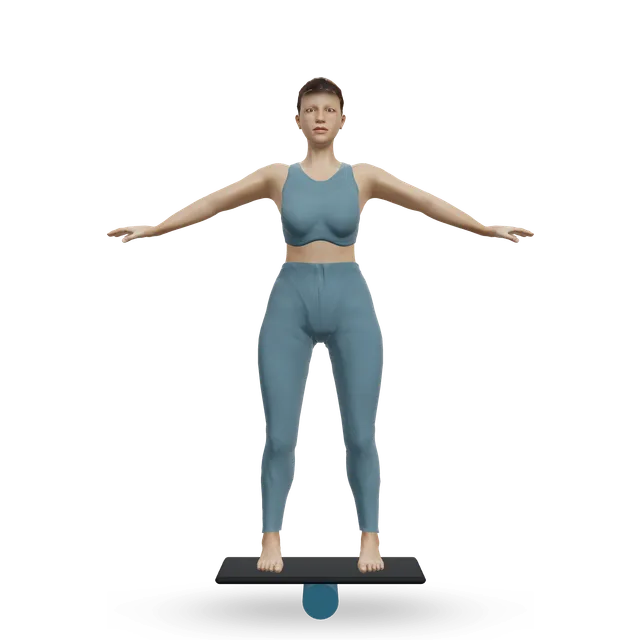
- Balance board stand3 × 30 sBeginner · Calves, Shins, Hamstrings · 3D demoTwo feet, then one; hold a wall at first. Skip it if you've had a knee injuryEasier: Single-leg stand
- Single-leg hop and stick2 × 5 each legIntermediate · Quads, Glutes, Calves · 3D demoLand and hold for 2 sEasier: Standing broad jump with stuck landingHarder: Alternate-leg bounding


Shoulder Control: one exercise per group, 30 s each (3 rounds out of season)
2 rounds
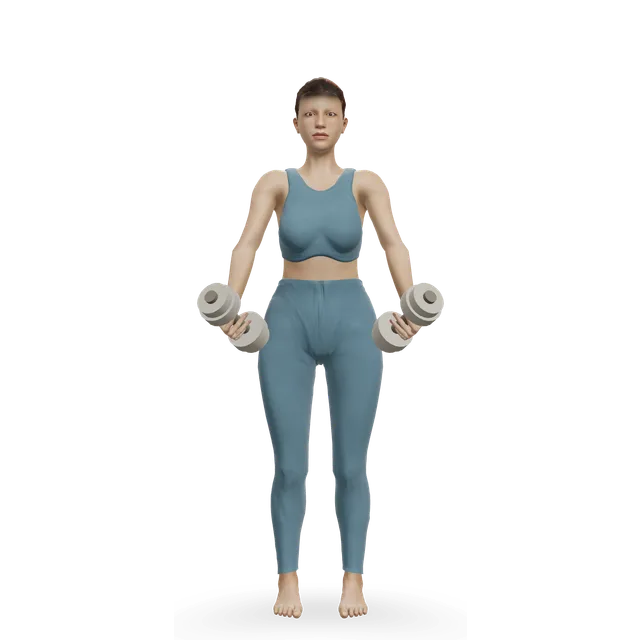
- Scaption raise30 sBeginner · Shoulders, Chest · 3D demoThumbs up, to shoulder height, 1 to 2 s each wayEasier: Band lateral raiseHarder: Smith machine upright row
- Beginner · Shoulders, Chest, Abs · 3D demoOn your knees and forearms at firstEasier: Dumbbell shoulder-blade punchHarder: Pike push-up
- Thoracic rotation30 s each sideBeginner · 3D demoTurn from the ribsEasier: Side-lying open bookHarder: World's greatest stretch
- Single-leg Romanian deadlift30 s each sideAdvanced · Hamstrings, Glutes, Abs · 3D demoThe one-arm diver: reach one arm forwards as you hinge on one legEasier: Dumbbell Romanian deadlift
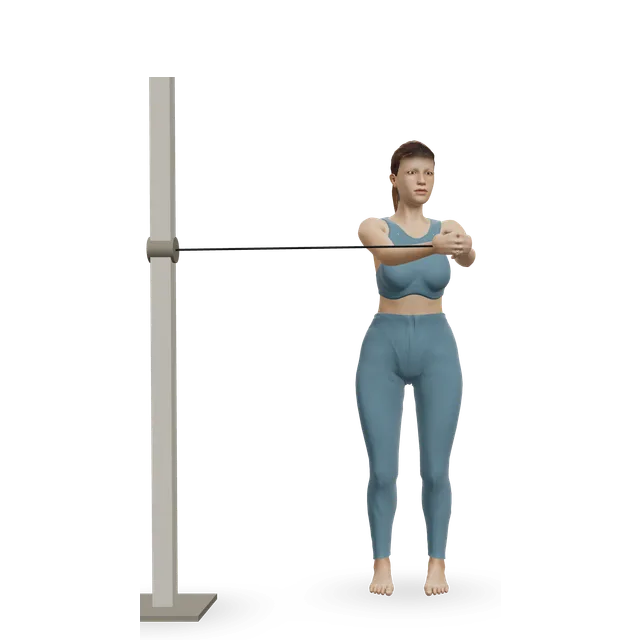
- Cable press and rotation30 s each sideIntermediate · Abs, Shoulders, Chest · 3D demoWith a band or cable: arms straight, turn and returnEasier: Half-kneeling Pallof pressHarder: Cable wood chop



Knees
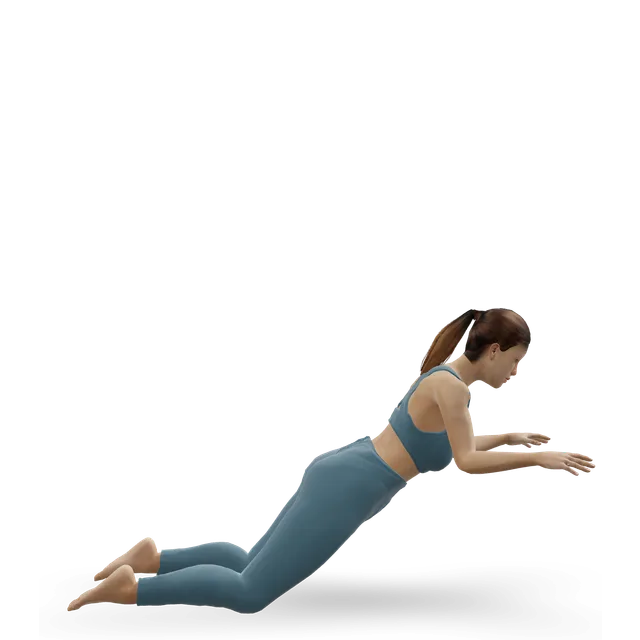
- Nordic curl2 × 3 to 6Advanced · Hamstrings, Glutes · 3D demoLower as slowly as you canEasier: Slider hamstring curlHarder: Full Nordic curl
- Walking lunge2 × 8 each legIntermediate · Quads, Glutes, Hamstrings · 3D demoKnee over the middle toesEasier: Split squatHarder: Split squat with dumbbells
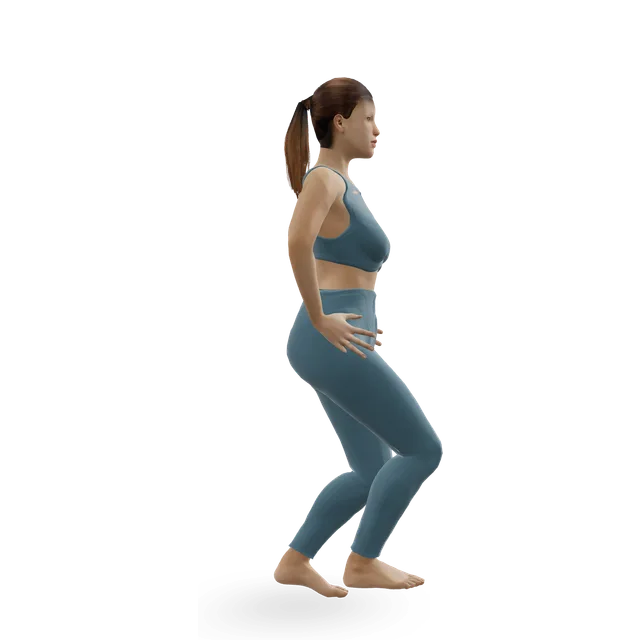
- Single-leg calf raise from a step2 × 12 each legIntermediate · Calves · 3D demoSlow on the way downEasier: Slow calf raiseHarder: Single-leg pogo hops

Back
- Bird dog2 × 6 each side, hold 5 sBeginner · Back, Abs, Glutes · 3D demoHips levelEasier: Bird dog, one limb at a timeHarder: Bear crawl
- Side plank2 × 20 to 30 s each sideIntermediate · Abs, Hip abductors, Shoulders · 3D demoOn your knees at firstEasier: Knee side plankHarder: Side plank with leg lift


Tips
- After a sprain, do the ankle block 3 times a week for 8 weeks once you're back playing, and wear a brace for the season, as our sprained ankle guide sets out.
- Skip the balance board if you've had a knee injury and keep to the floor balance: in the Dutch trial, overuse knee injuries rose in such players.
- Move up a Shoulder Control level when an exercise stops being challenging, as the trial did: band rotations with the arm out at shoulder height, a forearm plank to a push-up position, a light dumbbell for the diver.
- Knee tendon pain: keep it at 3 out of 10 or less and settled by the next morning, as in our jumper's knee guide. Shoulder discomfort: up to about 5 out of 10, settling by your next session, as in our shoulder guides.
- Painless wasting at the back of the hitting shoulder is common in volleyball players, but new wasting or weakness should still be checked, as our infraspinatus page explains.
The doses are suggested starting points, not a prescription. Choose a range you can control and stop for sharp or increasing pain, numbness or tingling. Get individual advice after an injury or surgery, or if you are pregnant or managing a health condition.
Guides that recommend it
Find more moves like these
More sports training


Injury prevention exercises for runners
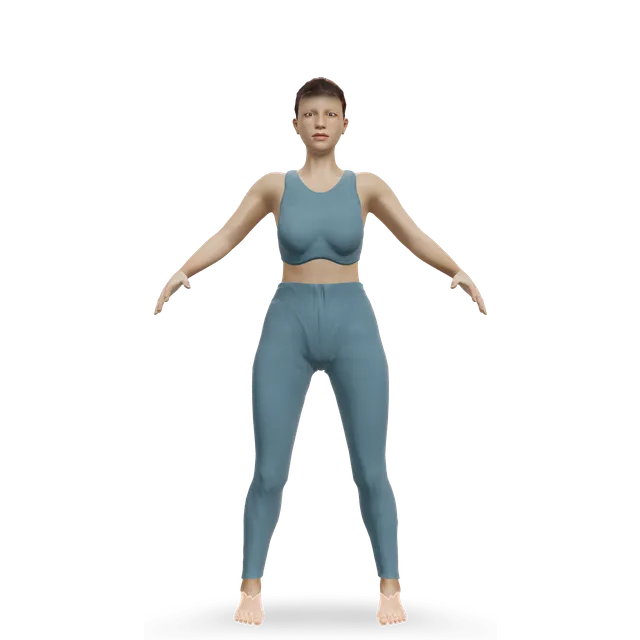
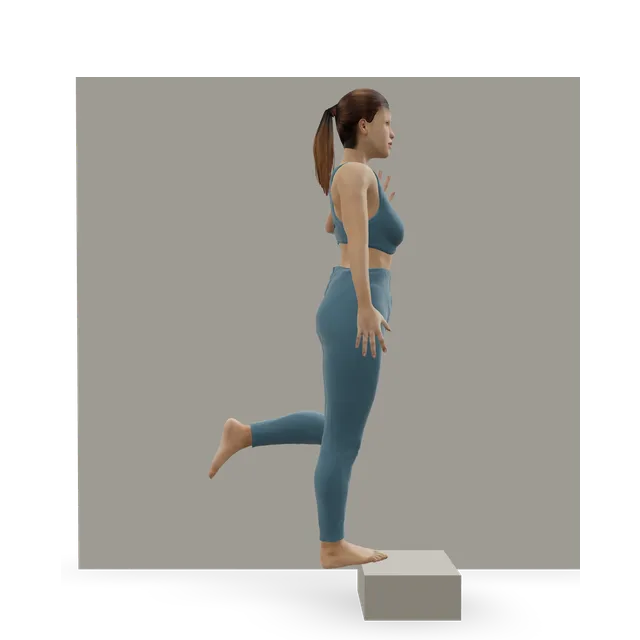
Foot, calf, balance and hop exercises taken from the running trials with positive results, in a 25-minute home routine for 3 or 4 days a week.
25 minBeginner11 movesOther / check instructions, A bench or box



Plyometrics for runners
A 20-minute hop and bound session for runners: ankle bounces to pogo hops, one-leg hops and bounding, building foot contacts slowly over 10 weeks.
20 minIntermediate8 movesCardio machine



Strength workout for cyclists (gym)
A 50-minute gym session for cyclists: heavy squats, one-leg presses, hip flexion and calf raises as in the cycling trials, plus jumps for bone.
50 minIntermediate13 movesCardio machine, A barbellQuestions people ask
How long does the volleyball injury prevention take?
About 30 minutes, including any warm-up and cool-down listed. Shorten it by doing fewer rounds; lengthen it by adding one.
What equipment do I need?
You need: A wall, Other / check instructions, A dumbbell, A cable machine, An anchor point, A step. Each move links to its guide, where you can find an alternative if you are missing something.
Is it suitable for beginners?
It is written for beginners. 13 of its 13 moves have an easier option listed beside them if you need one.
How do I make it easier or harder?
Use the easier or harder option listed under each move, change the number of rounds, or adjust the rest. Progress one change at a time.