Sports training
Volleyball warm-up
In a Dutch trial of 672 recreational players, a 15-minute warm-up of cardio, core, knee, shoulder and ankle exercises, done at least twice a week, went with about a fifth fewer sudden injuries, though the result was borderline once the researchers adjusted for other factors. This routine keeps that structure, with exercises from a Canadian volleyball programme that is still being tested and shoulder work from a programme that cut shoulder injuries in handball. Do it before every training session and match. You need a light band, a light dumbbell or a second band, and a partner for the Nordics.
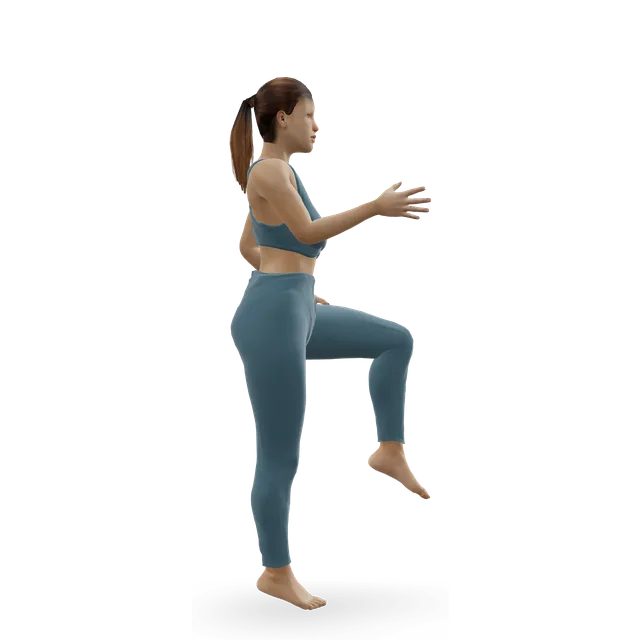
Raise (2 to 3 min)
- Skipping10 m each directionBeginner · Calves, Hip flexors, Quads · 3D demoForwards, then backwardsEasier: Ankle bounces (mini pogo)Harder: Alternate-leg bounding
- Side-stepping (sideways walking)2 × 10 m each directionBeginner · Hip abductors, Glutes, Adductors · 3D demoLow and quick. Carioca when it's easyHarder: Lateral band walk
- Shuttle runs2 × 10 mAdvanced · Quads, Glutes, Calves · 3D demoA controlled zig-zagEasier: Treadmill jogging


Core (2 to 3 min)
- Forearm plank2 × 20 to 30 sIntermediate · Abs, Shoulders, Glutes · 3D demoLong body, ribs downEasier: Stomach vacuum (drawing-in)Harder: Plank walk-up
- Side plank6 to 10 each sideIntermediate · Abs, Hip abductors, Shoulders · 3D demoReach the top arm up, then under your body. On your knees at firstEasier: Knee side plankHarder: Side plank with leg lift


Knees and ankles (4 to 5 min)
- Single-leg Romanian deadlift3 to 6 each legAdvanced · Hamstrings, Glutes, Abs · 3D demoThe airplane: arms out like wings, hinge, hold for 2 s, stand tall. No weight neededEasier: Dumbbell Romanian deadlift
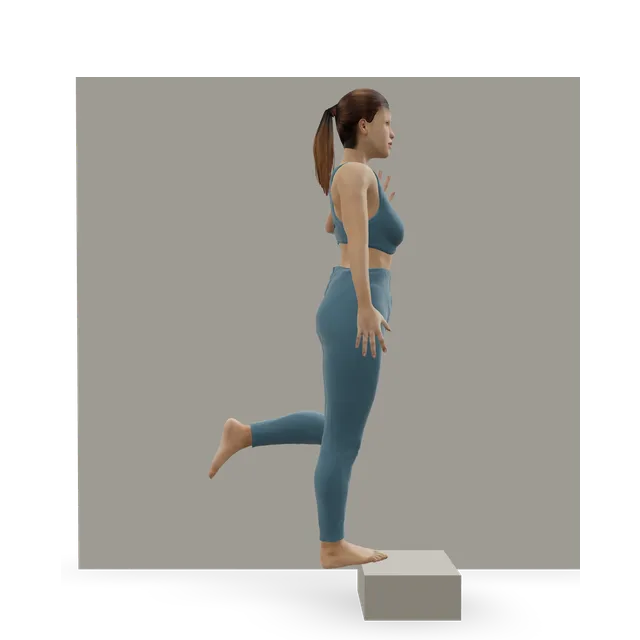
- Beginner · Quads, Glutes, Hamstrings · 3D demoLand on both feet, knees bent and over your toes. Later, have a partner nudge you as you landHarder: Box drop landing
- Nordic curl3 to 5Advanced · Hamstrings, Glutes · 3D demoA partner holds your ankles; lower slowlyEasier: Slider hamstring curlHarder: Full Nordic curl
- Reverse lunge3 to 6 each leg in each directionIntermediate · Quads, Glutes, Hamstrings · 3D demoClock lunges: back, sideways and diagonallyEasier: Split squatHarder: Split squat with dumbbells



Shoulders (4 to 5 min)
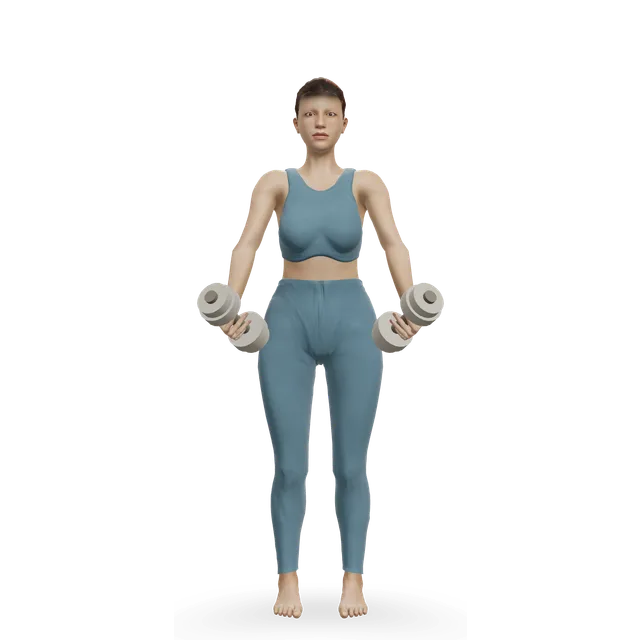
- Scaption raise2 × 30 sBeginner · Shoulders, Chest · 3D demoLight weight, thumbs up, to shoulder height; 1 to 2 s each wayEasier: Band lateral raiseHarder: Smith machine upright row
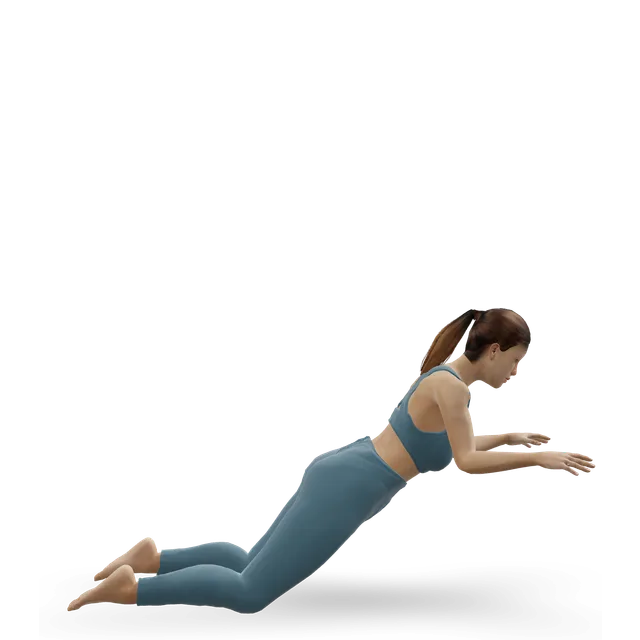
- Scapular push-up (push-up plus)2 × 30 sBeginner · Shoulders, Chest, Abs · 3D demoOn your knees and forearms at firstEasier: Dumbbell shoulder-blade punchHarder: Pike push-up
- Standing band external rotation2 × 30 s each armBeginner · Shoulders, Back · 3D demoElbow by your side, 1 to 2 s each wayHarder: Side-lying external rotation


At the net
- Intermediate · Quads, Glutes, Calves · 3D demoBlock jumps: jump straight up, hands high, land on both feetEasier: Standing long jumpHarder: Box-to-box depth jump
Tips
- Then pass and set, hit at half pace building to full, and serve last (our suggestion).
- After an ankle sprain, wear a brace or tape for 6 to 12 months and add balance training, as Norwegian researchers advise.
- With a previous knee injury, keep balance work on the floor: a balance board programme raised overuse knee injuries in such players in one trial.
- On the beach, do the same routine in the sand, drink more, and follow the NHS heat and sun advice.
The doses are suggested starting points, not a prescription. Choose a range you can control and stop for sharp or increasing pain, numbness or tingling. Get individual advice after an injury or surgery, or if you are pregnant or managing a health condition.
Guides that recommend it
Find more moves like these
More sports training


Injury prevention exercises for runners
Foot, calf, balance and hop exercises taken from the running trials with positive results, in a 25-minute home routine for 3 or 4 days a week.
25 minBeginner11 movesOther / check instructions, A bench or box


Plyometrics for runners
A 20-minute hop and bound session for runners: ankle bounces to pogo hops, one-leg hops and bounding, building foot contacts slowly over 10 weeks.
20 minIntermediate8 movesCardio machine



Strength workout for cyclists (gym)
A 50-minute gym session for cyclists: heavy squats, one-leg presses, hip flexion and calf raises as in the cycling trials, plus jumps for bone.
50 minIntermediate13 movesCardio machine, A barbellQuestions people ask
How long does the volleyball warm-up take?
About 15 minutes, including any warm-up and cool-down listed. Shorten it by doing fewer rounds; lengthen it by adding one.
What equipment do I need?
You need: A wall, A dumbbell, An anchor point, A band. Each move links to its guide, where you can find an alternative if you are missing something.
Is it suitable for beginners?
It is written for beginners. 10 of its 13 moves have an easier option listed beside them if you need one.
How do I make it easier or harder?
Use the easier or harder option listed under each move, change the number of rounds, or adjust the rest. Progress one change at a time.