Yoga flows
Off-court yoga for volleyball players: a 25-minute class for ankles, one-leg balance, landing shapes and the hitting shoulder
A 25-minute yoga class for volleyball players, for after practice or a lighter day, once or twice a week. It works ankle bend and calf strength, one-leg balance (the same kind of work as the balance part of the programmes that cut repeat sprains), landing shapes and the trunk, then the muscles that steady the shoulder blade and turn the hitting arm out, with upper-back rotation, and ends with a rest. It leaves out deep backbends, because spikers already arch to hit. It doesn't replace the team warm-up before every session, a brace or tape after a sprain, or jump and strength training. No trial has counted injuries after yoga in volleyball players, so the structure is our editorial choice, built from our yoga for basketball players and tennis players classes.
Settle (about 3 minutes)
- Beginner · 3D demoLie on your back, knees bent. In through your nose for about 4, out for about 6Easier: Breath reachHarder: Crocodile breathing (prone diaphragmatic breathing)
- Cat-cow8 wavesBeginner · Back, Abs · 3D demoSlow; on your forearms if a finger or wrist is soreHarder: Half lord of the fishes (Ardha Matsyendrasana)


Ankles and calves (about 4 minutes)
- Knee-to-wall ankle rock10 slow rocks each sideBeginner · 3D demoFront foot a few centimetres from the wall; the knee touches the wall while the heel stays down
- Slow calf raise2 sets of 10Beginner · Calves · 3D demoUp for 2, down for 3, hands on the wallEasier: Seated bent-knee calf raise (soleus raise)Harder: Standing dumbbell calf raise


One leg (about 6 minutes)
- Single-leg stand2 holds of 30 seconds each legBeginner · Hip abductors, Calves, Glutes · 3D demoKnee soft; eyes closed once it's easy. After a sprain, the injured leg second, next to a wallEasier: Tandem stance and heel-to-toe walkHarder: Single-leg reach matrix
- Single-leg reach matrix2 rounds of 5 reaches in each direction, each legIntermediate · Quads, Hip abductors, Glutes · 3D demoTouch the floor lightly in front, to the side and behind; knee over your middle toesEasier: Standing crossed-leg side reachHarder: Single-leg Romanian deadlift
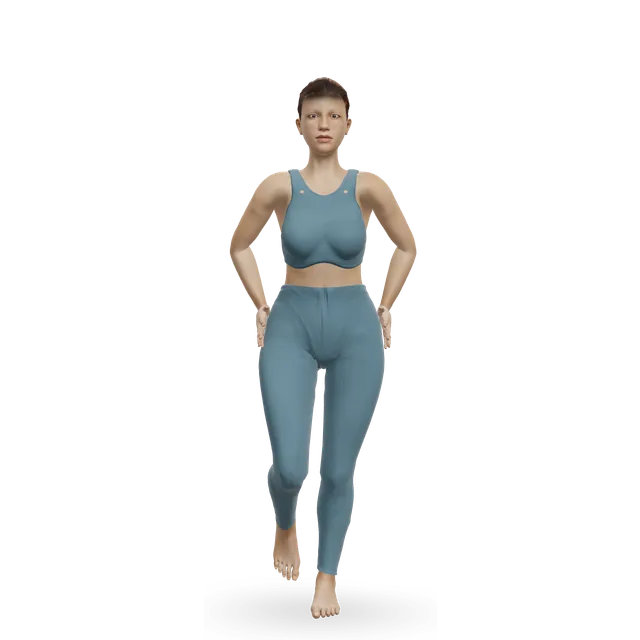
- Warrior III (Virabhadrasana III)3 breaths each side, twiceAdvanced · Glutes, Hamstrings, Back · 3D demoHands on a chair at hip height, hips levelEasier: High lunge (crescent lunge, Ashta Chandrasana)Harder: Standing splits (Urdhva Prasarita Eka Padasana)


Landing shapes and trunk (about 4 minutes)
- Chair pose (Utkatasana)2 holds of 30 secondsBeginner · Quads, Glutes, Shoulders · 3D demoKnees over your toes, weight through the whole foot, like a soft landing; keep it shallow with a sore knee tendonHarder: Revolved chair pose (Parivrtta Utkatasana)
- Side plank2 holds of 20 to 30 seconds each sideIntermediate · Abs, Hip abductors, Shoulders · 3D demoOn your forearm, knees down to startEasier: Knee side plankHarder: Side plank with leg lift


The hitting shoulder (about 5 minutes)
- Thoracic rotation6 each sideBeginner · 3D demoTurn from the ribs with your hips still; the same amount each wayEasier: Side-lying open bookHarder: World's greatest stretch
- Prone Y-T-W raises5 of each shapeBeginner · Back, Shoulders, Neck · 3D demoForehead on a folded towel; small lifts, thumbs upEasier: Wall angelHarder: Bent-over reverse fly
- Locust pose (Salabhasana)2 holds of 5 breathsBeginner · Back, Glutes, Hamstrings · 3D demoArms reaching forward, a little off the floor; keep it low if arching pinches your backEasier: Seated upper-back lift (sit tall, shoulders back)Harder: One-legged bow (half locust)
- Scapular push-up (push-up plus)2 sets of 10Beginner · Shoulders, Chest, Abs · 3D demoOn a wall if a shoulder, wrist or finger is soreEasier: Dumbbell shoulder-blade punchHarder: Push-up




Hips and rest (about 3 minutes)
- Low lunge (Anjaneyasana)45 seconds each sideBeginner · Hip flexors, Quads, Glutes · 3D demoBack knee padded; tuck your pelvis underEasier: Half-kneeling hip flexor stretchHarder: High lunge (crescent lunge, Ashta Chandrasana)
- Supine hamstring stretch with a strap45 seconds each sideBeginner · Hamstrings, Calves · 3D demoStop at a mild pull, about 3 out of 10Easier: Leg-up hamstring stretchHarder: Contract-relax hamstring stretch (PNF)



Tips
- Do the team warm-up before every practice and match; this class is for after practice or a lighter day, not before play. Long holds just before explosive work cost a little power (our suggestion, from a review of stretching studies).
- Rate your knee pain from 0 to 10 during and after exercise. In the pain-monitoring model used in knee trials, 0 to 2 counts as safe, up to 5 as acceptable and above 5 as too much. Aim for 0 to 3 most of the time.
- Back pain that is worse arching back and has lasted more than a couple of weeks can be a stress fracture of the spine (spondylolysis): get it checked.
- Call 999 or go to A&E if you heard a crack, the joint has changed shape or points at an odd angle, it's numb or tingling, or the skin has turned blue or grey or is cold. Get help from NHS 111 or an urgent treatment centre if you can't put any weight on it or walk more than a few steps.
The doses are suggested starting points, not a prescription. Choose a range you can control and stop for sharp or increasing pain, numbness or tingling. Get individual advice after an injury or surgery, or if you are pregnant or managing a health condition.
Guides that recommend it
Find more moves like these
More yoga flows

Beginner yoga flow
A 20-minute beginner yoga sequence: mountain, chair, warrior II, triangle, tree, down dog, cobra and child's pose.
20 minBeginner11 movesA step

Sun salutation flow
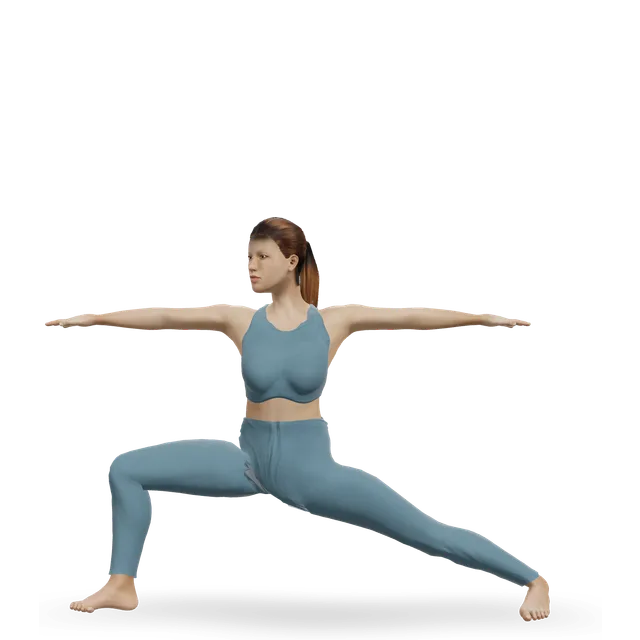
A 20-minute flow built on sun salutations A and B, with warrior poses and a short cool-down.
20 minIntermediate8 movesNo equipment


Yoga for tight hips
A hip-opening yoga sequence: low lunge, lizard, goddess, pigeon, bound angle and happy baby.
25 minBeginner10 movesA wallQuestions people ask
How long does the off-court yoga for volleyball players: a 25-minute class for ankles, one-leg balance, landing shapes and the hitting shoulder take?
About 25 minutes, including any warm-up and cool-down listed. Shorten it by doing fewer rounds; lengthen it by adding one.
What equipment do I need?
You need: A wall. Each move links to its guide, where you can find an alternative if you are missing something.
Is it suitable for beginners?
It is written for beginners. 12 of its 16 moves have an easier option listed beside them if you need one.
How do I make it easier or harder?
Use the easier or harder option listed under each move, change the number of rounds, or adjust the rest. Progress one change at a time.