Shoulder pain from rugby: tackles, dislocations, the AC joint, the rotator cuff, stingers and help

A sore shoulder after a rugby tackle is common, and most shoulder knocks and sprains settle within days to a couple of weeks. The tackle, the try-scoring dive and falls onto the shoulder load it more than any other part of the game. Most often it's a bruise or a sprain of the joint at the point of the shoulder (the acromioclavicular, or AC, joint), and a burning, dead arm after a hit is usually a stinger that passes in minutes. A shoulder that slips out is different: young players often dislocate again, and it needs checking, with surgery to discuss.

This guide starts with the signs that need a 999 call or accident and emergency (A&E), such as a shoulder that looks out of place, symptoms in both arms after a collision, or shoulder pain with chest pain, and those that need a general practitioner (GP) or the National Health Service's 111 line (NHS 111) the same day, such as new weakness lifting the arm. It then maps the causes by where it hurts and how it happened, gives the tackle rules of World Rugby, the Rugby Football Union (RFU) and the Rugby Football League (RFL) and the Activate warm-up in their own words, covers pads, surgery after a dislocation and stingers, and gives a four-stage plan with a 3D demo of every move, back to tackling and matches.

When to get help first

Exercise is for pain that has been checked or is clearly mild and settling.

Get urgent medical help if

  • Call 999 or go to A&E: after a fall or injury, your shoulder looks out of place or has changed shape, you cannot move your arm, or your shoulder is painful, bruised or swollen. Do not drive yourself, and do not try to put it back in yourself.
  • Go to A&E, or call 999 if you can't get there: after an injury, your shoulder has swollen very quickly, a bone is sticking out of the skin, it's bleeding heavily, or you have difficulty breathing, chest pain or are coughing up blood. A broken collarbone can look like an AC joint injury.
  • Call 999: shoulder or arm pain with chest pain that feels tight or squeezing, or chest pain that spreads to your arms, neck or jaw, especially with shortness of breath, sweating or feeling sick. It could be a heart attack.
  • Get help from NHS 111: pain or tightness in your chest, neck, shoulders, jaw or arms that comes and goes, often brought on by exercise, stress, emotion or cold and easing after a few minutes' rest. It can be angina, a sign of a heart problem. If you've been diagnosed with angina, get help from NHS 111 too if it feels worse than before, is happening more often, lasts longer or happens when you're resting.
  • Call 999 if someone faints while exercising, or has chest pain that doesn't go away, spreads to the arms, neck, jaw, stomach or back, or comes with sweating, feeling sick, light-headedness or breathlessness.
  • At the pitch: neck pain or tenderness after a collision, or severe neck pain. Keep the player still and call 999. Only trained healthcare professionals should move a player with a suspected neck injury.
  • Numbness, tingling, burning or weakness in both arms, in more than one limb, or in the legs: keep the player still and call 999. It can be an injury to the spinal cord, even if it passes in minutes.
  • Weakness in the arm that doesn't settle within minutes: the player doesn't go back on, and needs urgent medical assessment, by ambulance if necessary.
  • Same day: arm weakness, numbness or burning that is still there after the game, or that keeps coming back. Go to an urgent treatment centre or A&E, or get help from NHS 111.
  • Same day (GP or NHS 111): sudden weakness lifting the arm after an injury or fall. A rotator cuff tear caused by an injury needs urgent referral to a shoulder specialist. After a dislocation in anyone over 40, the rotator cuff should be checked: about 40% have a tear.
  • Same day (GP or NHS 111): sudden or very bad shoulder pain; you cannot move your arm; the arm or shoulder is badly swollen or has changed shape; pins and needles that do not go away; no feeling in the arm; the arm is hot or cold to the touch; pain that started after an injury such as a fall; or severe pain in both shoulders.
  • Same day (GP or NHS 111): the shoulder or arm is hot, swollen or red, or you have a high temperature (although not everyone has one) or feel unwell. A joint infection needs same-day care.
  • Call 999: you suddenly can't fully lift both arms and keep them there, because of weakness or numbness in one arm, especially if one side of your face droops or you slur your words or sound confused. It could be a stroke. Call even if the signs have stopped.
  • Call 999 or go to A&E: new problems walking, loss of bladder or bowel control, or a sudden loss of coordination, such as difficulty doing up buttons. These can be signs of pressure on the spinal cord.
  • Call 999 or go to A&E after a neck injury if the person is unresponsive, has severe neck pain or cannot move their head, has fallen from a height such as 5 or more stairs, or is drunk or has taken recreational drugs. Do not drive yourself. Being 65 or over, a dangerous fall or crash (from more than 1 metre or 5 stairs, diving, a high-speed or rollover crash, being thrown from a vehicle, a bicycle collision or an accident on a motorised recreational vehicle), or tingling in the arms or legs after an injury puts you at high risk of a broken neck: get checked.

See a doctor or physiotherapist if

  • Pain that is getting worse or has not improved after 2 weeks of looking after it yourself, or it is very hard to move your arm. In many areas you can refer yourself to physiotherapy.
  • Your shoulder has partly or fully come out of joint, or you worry it might.
  • Still very painful and swollen 3 weeks after the injury, still painful at 8 weeks despite painkillers, or struggling to move the shoulder as before at 6 weeks: contact the clinic or team that treated you, as NHS trust leaflets advise.
  • Arm symptoms or weakness that last more than a few days: see a sports doctor or physiotherapist for a full examination. Symptoms beyond 2 to 3 weeks need further tests, such as nerve tests and an MRI (magnetic resonance imaging) scan.
  • A second stinger, or stingers that keep coming back: see a sports medicine or spine specialist, usually with an MRI scan, before going back to contact sport.
  • A shoulder blade that sticks out, or a shoulder you can't lift properly after the injury: see a doctor. A nerve to the shoulder muscles may be injured.
  • Pins and needles or a cold arm alongside neck pain, or a new loss of strength or feeling in the arm that you cannot explain (a possible nerve problem).
  • Strength getting worse, or the shoulder not clearly better by 12 weeks of exercise: ask for a specialist opinion.
  • A past history of cancer, an unexplained lump or swelling, weight loss, or pain that is constant and does not ease when you change position.

Where does it hurt?

Location narrows the likely causes; it does not diagnose.

One point on top, at the end of the collarbone, after a fall or a hit on the point of the shoulder; a bump or step there

The AC joint, the commonest rugby shoulder injury. Most are sprains that settle without surgery.

Read: AC joint injury and pain →

The shoulder slipped out, or looks out of place, after a tackle or a try-scoring dive

A dislocation. Less common but the costliest: go to A&E, as the warning signs say.

Read: Shoulder dislocation and instability →

A shoulder that slips partly out, a dead arm, or worry about tackling after an earlier dislocation

Instability, often with a torn rim of cartilage (the labrum). Common after a first dislocation in young men; ask about surgery.

Read: Shoulder dislocation and instability →

Burning, tingling or a dead arm down one arm after a hit, gone in minutes

A stinger. Common in young players; symptoms in both arms, or weakness that lasts, are urgent.

Read: Stingers and burners →

The front or top of the collarbone, very painful, swollen or changed shape after a fall

A broken collarbone. Less common: NHS 111 or A&E.

Read: Broken collarbone →

Deep inside, with clicking, catching or pain on tackling, after a big hit

A tear of the rim of cartilage in the socket (the labrum), such as a superior labrum anterior to posterior (SLAP) tear. Less common: a specialist opinion if it keeps stopping you playing.

Read: SLAP tear →

New weakness lifting the arm after a fall or a try-scoring dive

A rotator cuff tear. Uncommon in young players; get help the same day.

Read: Rotator cuff tear →

The outside of the shoulder, worse lifting the arm and lying on it, building over weeks of contact and gym work

Rotator cuff related pain. Common; the plan's cuff and shoulder blade work suits it.

Read: Shoulder impingement (rotator cuff pain) →

The front of the chest near the armpit after a tackle with the arm out, with bruising

A torn chest muscle (pectoralis). Uncommon: our pec strain guide says when to get it checked.

Read: Pec strain or tear →

Neck pain with pain, pins and needles or numbness down the arm

A nerve from the neck. Less common: see the warning signs.

Read: Pinched nerve in the neck →

Arm or shoulder pain with chest pain, or pain that comes on with exercise and eases with rest

Possibly the heart: call 999, or NHS 111 for pain that comes and goes, as the warning signs say.

Understand it

Common, mostly in matches, and mostly in the tackleStrong evidence

Across 37 studies (10,093 players, nearly all men), shoulder injuries ran at 11.02 per 1,000 match hours against 0.20 per 1,000 training hours, and cost 57 days on average: "Shoulder injuries in rugby occur far more often in matches than in training, result in prolonged time loss, and are most sustained in tackling". In the English Premiership, "A mean of 241 player-days per club per season were lost to shoulder injuries". In English community clubs, "A total of 254 time-loss shoulder injuries were reported, an overall incidence of 2.2 per 1 000 h (95% CI: 1.9 to 2.4), and a mean injury severity of 9.5 weeks missed (95% CI: 8.2 to 10.8)" (h is hours, CI the confidence interval), most in back-row forwards.

In Irish schoolboys aged 17 to 19, "The tackle accounted for the majority (81%) of shoulder injuries". In elite women, the shoulder was the commonest upper limb injury site, and in rugby league "the shoulder has now been reported to be the most common injury site". These studies count injuries that cost playing time; knocks that cost none aren't counted, and no study gave the share of minor shoulder injuries. Many players carry niggles: in 86 uninjured players mid-season, "55% of players reported a level of RSS dysfunction despite being uninjured" (RSS is the Rugby Shoulder Score).

Sources 1, 2, 3, 4, 5, 6, 7

How it happens: the tackler, the try-scorer and the direct blowEmerging evidence

In 24 elite players referred to a shoulder surgeon, video showed three patterns: "These are the 'Try-Scorer', characterised by hyperflexion of the outstretched arm such as when scoring a try; the 'Tackler', extension of the abducted arm behind the player while tackling; and the 'Direct Impact', a direct blow to the arm or shoulder when held by the side in neutral or slight adduction". In plain words: the arm reaching forward to score, the arm forced back while tackling, and a blow with the arm at the side. "The injury occurred during a tackle in 17 (71%), ruck or maul in 3 (12.5%), open play in 3 (12.5%) and scrum in 1 (4%)".

In Super Rugby, "Direct impact to the shoulder, either through player-to-player contact or contact with the ground, is the main cause of shoulder injury". Our rugby page adds arm tackles with the arm stretched out, and a lowered head in front of the ball carrier, as the risky tackles. Video case series show how injuries happen, not why one player is hurt and another isn't.

Sources 8, 9

The AC joint: the commonest, and usually a sprainEmerging evidence

In the Premiership, "The most common match injury was acromioclavicular joint injury (32%); the most severe was shoulder dislocation and instability (mean severity, 81 days absent), which also caused the greatest proportion of absence (42%) and had the highest rate of recurrence (62%)". The American Academy of Orthopaedic Surgeons (AAOS): "The most common cause of a separation of the AC joint is a fall directly onto the shoulder", and "Good pain-free function often returns even with a very large bump".

In US military cadets, where "The intercollegiate sports of men's rugby, wrestling, and hockey had the highest incidence rate of AC joint injury", "The majority of the AC joint injuries were low-grade (145 sprains, 89%) injuries, with 17 high-grade injuries", and "The average time lost to injury for low-grade sprains was 10.4 days compared with high-grade injuries at 63.7 days". In an older survey, "In a random sample of 105 first class rugby players, 45% gave a history of injury of the acromioclavicular joint", and "All continued to play at the highest level". A broken collarbone can look the same, as the warning signs say.

Sources 2, 10, 11, 12

Dislocation and instability: young men often dislocate againStrong evidence

The AAOS: "Usually, a dislocation from an injury is very painful and obvious", while a partial dislocation (subluxation) "can be harder to detect". In 252 people aged 15 to 35 treated in a sling, "instability developed in 55.7% of the shoulders within the first two years after the primary dislocation and increased to 66.8% by the fifth year", and "There is substantial variation in the risk of instability, with younger males having the highest risk and females having a much lower risk".

Across 10 studies, "Recurrent instability following a first-time traumatic anterior shoulder dislocation was 39%", much higher in people aged 40 or under, in men and in people with loose joints. In Japanese school players, "During the season, 54.3% of the shoulders with at least one episode of shoulder dislocation had reinjury". In the Premiership, dislocation and instability cost 81 days on average and recurred most.

Sources 13, 14, 15, 16, 2

Labral tears, the rotator cuff and stingersEmerging evidence

In professional players whose shoulder pain didn't settle with rehabilitation, "A superior labrum anterior to posterior (SLAP) lesion was evident at arthroscopy in 72 of the 87 cases (83%), while rotator cuff tears were evident in 43% of cases (n = 37)", and "in 30% of the cases, no definite injury could be recalled". These are selected players with lasting problems, not all players. "Rotator cuff injury is uncommon in contact sports and there is little published literature on the treatment of rotator cuff tears in rugby players"; in the video series, the try-scoring fall caused 5 of the 6 cuff tears.

The AAOS: "Burners and stingers are injuries that occur when nerves in the neck and shoulder are stretched or compressed (squeezed together) after an impact", and "In most cases, burners and stingers are temporary, and symptoms quickly go away". In 569 young Japanese players, 20.9% had at least one in a season, and "Although nearly 80% of the players experienced only minimal (0-1 day) time loss injuries, neurological deficits sometimes last beyond 1 month". Severe nerve injuries are rare: a national nerve injury unit described 13 from tackles, in which "The pattern of nerve lesion was related to the posture of the neck and the forequarter at the moment of impact". Most stinger evidence comes from American football.

Sources 17, 18, 8, 19, 20, 21, 22

When a scan or test mattersEmerging evidence

For a stinger, the AAOS says "Imaging tests, such as X-rays, magnetic resonance imaging (MRI) scans, and nerve studies are not usually needed" unless symptoms last or there are warning signs. After a dislocation, the NHS: "You will usually have an X-ray to check your shoulder is dislocated", and "You may be offered a scan to check if your shoulder has been damaged". The AAOS: "An X-ray is necessary to determine if there is a bone injury", while "an MRI is rarely required at the time of the dislocation". Across 8 emergency department studies, "The prevalence of concomitant fracture was 17.5%": about 1 in 6 dislocated shoulders also had a broken bone.

An AC joint injury is graded on X-ray. MRI scans of sore professional shoulders often show several findings, "and many have two or more abnormalities", so a scan answers a question the examination raises.

Sources 19, 23, 13, 24, 10, 25

What usually happensEmerging evidence

Shoulder pain in general: the NHS says "You usually need to do these things for 2 weeks before shoulder pain starts to ease" and "It can take 6 months or longer to recover from shoulder pain". AC joint: low-grade sprains cost about 10 days and high-grade injuries about 2 months in cadets, and across sports about 91% returned to sport after an AC joint injury, 88% at their previous level. Stingers cost 2.9 days on average, most none.

Dislocation: the NHS says "It usually takes 6 to 12 weeks to recover from a dislocated shoulder. It may take up to 16 weeks to fully return to playing some sports"; in the Premiership it cost 81 days on average. After stabilisation surgery, "Ninety-two percent of patients were able to return to rugby, 88% at their preinjury level of play" in 130 Argentinian players, and pooled return times were about 6 months; these figures come from cohorts and case series, not trials. Later in life, 14% of 146 retired professionals had clinical shoulder arthritis, and each shoulder operation doubled the odds. No one can promise a date.

Sources 26, 11, 27, 23, 2, 28, 1, 20, 29

When it isn't rugby: the causes the warning signs cover

Some shoulder pain has causes rugby didn't create, or needs more than a plan, and the warning signs follow the pages behind them. A shoulder that looks out of place, or a bump at the top with fast swelling after a fall, follows the NHS shoulder pain, dislocated shoulder and broken collarbone pages. Shoulder or arm pain with chest pain can be a heart attack, pain that comes and goes with effort can be angina, fainting or chest pain on the pitch needs a 999 call, and an arm that suddenly can't be lifted can be a stroke, as the NHS heart attack, angina, chest pain, fainting and stroke pages say. A hot, swollen shoulder can be a joint infection, as the NHS septic arthritis page says, and UK care pathways for shoulder pain and instability, with a primary care review, say a rotator cuff tear caused by an injury needs urgent referral.

After a collision, the UK grassroots concussion guidelines, World Rugby and the Gaelic Athletic Association (GAA) agree that only trained healthcare professionals should move a player with a suspected neck injury; symptoms in both arms or the legs, weakness that lasts and repeat stingers follow the stingers studies and reviews behind our stingers guide. Pressure on the spinal cord and a neck injury follow the NHS cervical spondylosis page, NHS inform's neck pages and NICE's spinal injury guideline (NICE is the National Institute for Health and Care Excellence), and a nerve from the neck the NHS neck pain page. A cuff tear not clearly better by 12 weeks follows a cohort of people with cuff tears, and an AC joint that is slow to settle follows two NHS trust leaflets.

Sources 26, 23, 30, 63, 64, 65, 66, 67, 31, 68, 69, 70, 71, 72, 73, 74, 75, 76, 77, 78, 79, 80, 81, 82, 83, 84, 85, 32, 33, 86, 87, 88, 89
What helps, and how strong the evidence is

Exercise is the main treatmentStrong evidence

No trial has tested shoulder rehabilitation in rugby players, so the evidence comes from shoulder pain in general. In 102 people with persistent shoulder pain (not athletes), a rotator cuff and shoulder blade programme beat general exercise: "A significantly lower proportion of patients in the specific exercise group subsequently chose to undergo surgery: 20% (10/51) v 63% (29/46)". The NHS: "try shoulder exercises for 6 to 8 weeks to stop pain returning", and after a dislocation, "The hospital may recommend regular physiotherapy appointments to help make your shoulder muscles stronger and reduce the risk of dislocating your shoulder again".

Rehabilitation and a brace can get some players through a season after their shoulder slips: in 30 US athletes (not rugby players), "Most of the athletes were able to return to their sport and complete their seasons after an episode of anterior shoulder instability, although 37% experienced at least 1 additional episode of instability during the season".

Sources 34, 26, 23, 35

After a first dislocation in a young player, surgery cuts repeat dislocationsStrong evidence

Across 5 randomised trials (average age about 23, not rugby players), "Overall, 6.3% of operative patients experienced recurrent instability at latest follow-up compared with 46.6% of nonoperative patients (P < .00001)". In US college contact athletes who chose their own treatment, "Of the 10 athletes electing nonoperative treatment, 4 (40%) successfully returned to play without recurrence during the subsequent season", against 26 of 29 (90%) after keyhole stabilisation.
The AAOS: "Chronic shoulder instability is often first treated with nonsurgical options. If these options do not relieve the pain and instability, you may need surgery". Whether to operate is a decision with a shoulder surgeon: young collision-sport players often choose surgery, while older players and those who don't return to contact may not need it.

Sources 36, 37, 38

Back to rugby after shoulder surgery: about 9 in 10, in cohorts and case seriesEmerging evidence

In 130 Argentinian rugby players, "The rate of recurrence was 20% in the Bankart group and 4% in the Latarjet group (P = .01)" (a Bankart repair reattaches the torn rim of cartilage; a Latarjet moves a piece of bone to the front of the socket). In 62 French players followed for over 5 years, recurrence was 18.8% after open Bankart and 3.3% after Latarjet, and after keyhole Latarjet, "Eighty-four percent of rugby players returned to rugby within a mean period of 6.6 months" and "Recurrence rate was 7%". Across rugby studies, "Pooled return to play times for anterior instability shoulder surgery were 5.9 months".

In 11 professional players with full-thickness cuff tears repaired by keyhole surgery, "The mean time taken to return to full match play at the preinjury level was 4.8 months", and "Patients with isolated SLAP tears were the quickest to return to sports, at an average of 2.6 months postsurgery". These are cohorts and case series, not trials; the choice of operation is a surgeon's, with the player, and our shoulder stabilisation surgery guide covers recovery.

Sources 28, 39, 40, 1, 18, 41

AC joint injuries: most do as well without surgeryEmerging evidence

A Cochrane review of 6 trials (357 adults): "There is low-quality evidence that surgical treatment has no additional benefits in terms of function, return to former activities, and quality of life at one year compared with conservative treatment". The AAOS says most people with this injury, professional athletes included, return to normal function without surgery, and "It is often worthwhile to wait and see if reasonable function returns without surgical treatment". Across sports, starting strengthening within 6 weeks went with a faster return.

Sources 42, 10, 27

A dislocated shoulder goes back in hospital or with trained clinicians, with an X-rayEmerging evidence

The NHS: "do not try to put your arm back in yourself", and "do not move your upper arm" while you wait. In a survey of 38 professional teams, trained clinicians usually put the shoulder back in the medical room, and all players had an X-ray within 24 hours. A review: "Reduction is safest in patients aged < 40 years with no neurovascular compromise, and when minimal attempts are performed" (reduction is putting the joint back; neurovascular compromise is damage to the nerves or blood supply).

About 1 in 6 dislocated shoulders seen in emergency departments also has a broken bone, and in 334 emergency patients a first dislocation was one of the features linked to a fracture alongside it. That is why a team-mate or coach shouldn't pop it back on the pitch.

Sources 23, 43, 44, 24, 45

Tackle height and technique, in the governing bodies' wordsEmerging evidence

World Rugby's law: "Tacklers have a responsibility to tackle below the relevant high tackle sanction line", the shoulder line in elite rugby and, in community rugby for seasons starting after 1 July 2026, the waist or the base of the breastbone, as each union chooses. England's community union has used below the base of the sternum (the breastbone) since July 2023, "The area of the tummy or belly and below", and its under-15 to under-18 variation says "The tackler must grip and hold the ball carrier below the base of the sternum (the area of the tummy or belly and below)". Community rugby league: "The legal limit for any contact has been lowered from shoulder height (i.e. below the neck) to arm pit height (i.e. below the shoulder) and any contact above the arm pit will therefore be penalised".

World Rugby's Tackle Ready programme aims "to build on the safe tackling introduction provided in RugbyReady to increase technical understanding and mastery for both player and coach". In Scottish community rugby after its change, "players were 22 per cent more likely to tackle bent at the waist, the recommended technique to reduce player head proximity and contact". These changes aimed at head injuries; no study has reported shoulder injury rates after them.

Sources 46, 47, 48, 49, 50, 51, 52

Activate and shoulder injuries: no reduction shownMixed evidence

World Rugby: "Activate is an exercise programme for rugby training sessions and pre-match warm-ups that should be used to prepare players for the physical requirements of playing rugby", and its adult phases include partner holds for the shoulders. In the adult trial, shoulder injuries weren't lower (27 in all, more in the programme group), though "the intervention group had fewer shoulder dislocations (1 vs 5 dislocations) but more muscle/tendon injuries (15 vs 4 injuries) than the control group"; the authors said AC joint injuries from direct impact "are likely to be difficult to prevent through movement control programmes".

In the schoolboy trial, the upper limb injury burden was lower but the result was uncertain. Shoulder exercise programmes cut shoulder injuries in women's handball and volleyball, with very low certainty and no rugby studies.

Sources 53, 54, 55, 56, 57

Shoulder pads soften lighter knocks; no study shows they prevent injuriesEmerging evidence

In the laboratory, "All pads were found to reduce peak impact force and increase time to peak impact", but "The pads appear to ''bottom out'' under higher-impact loads and therefore offer little protection when the athlete may need it most". In tackles, the force fell "directly above the acromioclavicular joint, while forces in the surrounding areas were not reduced". In a New Zealand club cohort, "The protective equipment used in rugby union has limited effectiveness in preventing injuries". No study shows pads prevent dislocations or other shoulder injuries.

Sources 58, 59, 60

Stingers: back only when the symptoms have goneEmerging evidence

The AAOS: "Athletes should never be allowed to return to sports if they have weakness or neck pain". In the Japanese cohort, "The reinjury rate for stingers per season was 37.3% (95% CI, 30.4-44.2)", and most of the evidence on returning comes from American football. Our stingers guide sets out the checks before contact.

Sources 19, 20, 22

Preventing shoulder injuries in rugby: no study found

We found no study showing that an exercise programme, shoulder pads, strapping or the lower tackle heights prevent shoulder injuries in rugby, and no study of stretching or foam rolling for them. Tackle technique, strength and a staged return are the levers this guide uses.

How much pain is OK while you exercise?

Up to 5 out of 10 for strength work, 0 to 3 for contact, and zero tolerance for slipping or arm symptomsEmerging evidence

During shoulder strengthening, pain up to about 5 out of 10 is acceptable, and a little is expected. By your next session it should be back to where it was before. If it isn't, use a lighter band or weight or a smaller range next time, not nothing.

This is how the Holmgren trial set each person's load: pain was not allowed above 5 out of 10 during the exercises, and any increase had to settle back to the starting level before the next session; otherwise the load came down. If pain climbs week on week, or a warning sign appears, stop and get it checked.

After a dislocation, stop if you get the feeling the shoulder is about to slip out.

Stop and get checked if you get a sharp pain with a sudden loss of strength: a small tear can get bigger.

Any burning, tingling, numbness or weakness down the arm, or neck pain, during or after an exercise means stop and get it checked. Returning to play needs nerve function back to normal and pain-free neck and shoulder movement, and AAOS says athletes should never return with weakness or neck pain.

Before contact: pain-free, full neck and shoulder movement and full strength on both sides, then a gradual return to collision work.

In the sling and early movement weeks, follow the NHS leaflets: the exercises shouldn't cause too much pain, do fewer if they make it worse, and don't push into pain. Pendulums can feel uncomfortable at first and usually ease after a few swings.

For this joint (editorial): no end-range reaching across your body while the top of the shoulder is sore, because that movement reproduces AC joint pain. After an operation, one NHS trust says aching and stretching feelings are normal, but intense pain lasting more than 30 minutes means doing the exercises less forcefully or less often.

For rugby (our suggestion, built on the rules above and the stinger and dislocation return criteria): judge each session by your shoulder during it, that evening and the next morning. Strength work can go up to 5 out of 10 if it settles by your next session. Contact work (tackle bags, then live contact) keeps to 0 to 3 with no pain the next day; if the shoulder is worse, go back a contact step, not to no rugby. Any feeling of slipping, a dead arm, burning or numbness down the arm, new weakness, or a bump at the top of the shoulder after a fall isn't a pain-rule question: stop and see the warning signs.

Sources 34, 61, 23, 90, 91, 19, 75, 92, 93, 88, 89, 94, 95

The exercise plan: 4 stages

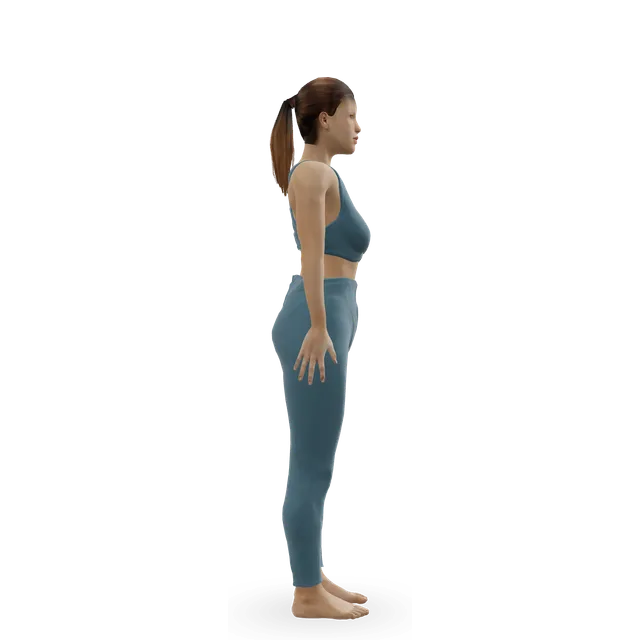
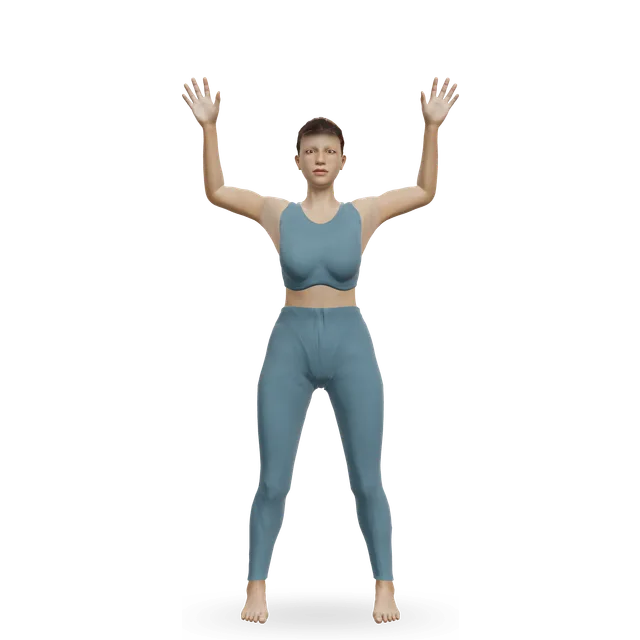
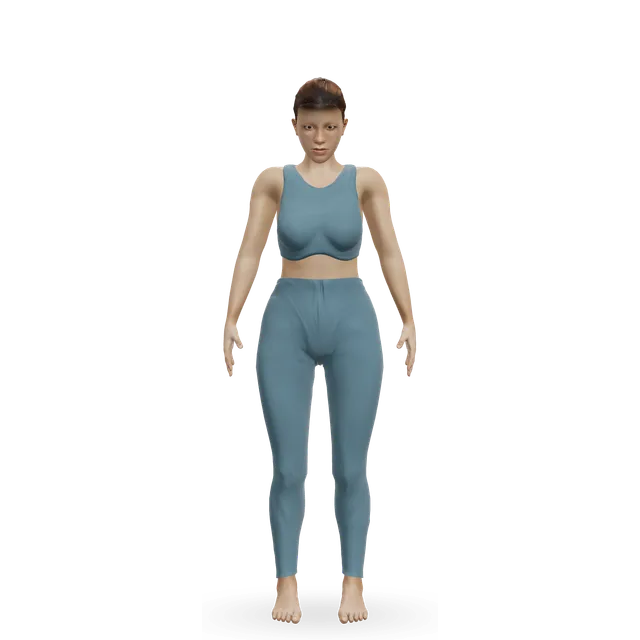
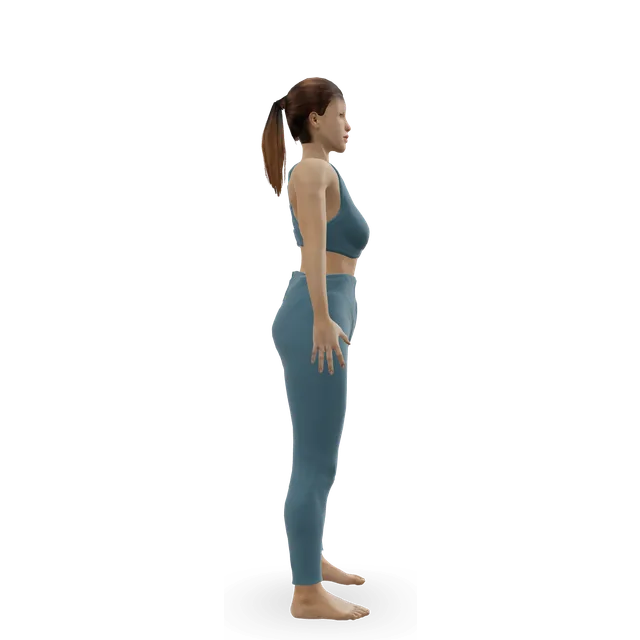
Start at the first stage. Each move opens a full guide with a 3D demo.

Stage 1

Settle: gentle movement and light strength

About weeks 0 to 2: keep the shoulder moving below shoulder height, switch on the rotator cuff and the shoulder blade muscles, and keep the rest of you training (legs, trunk, running) within the pain rule. No contact, no tackling and no heavy pressing. After a dislocation, the plan starts only once the shoulder has been put back and checked in hospital, alongside your clinic's sling advice; with a diagnosed AC joint injury, broken collarbone, rotator cuff tear or SLAP tear, that guide's plan comes first, and after surgery your surgical team's. With a stinger, our stingers guide comes first, and no contact until its checks are met.

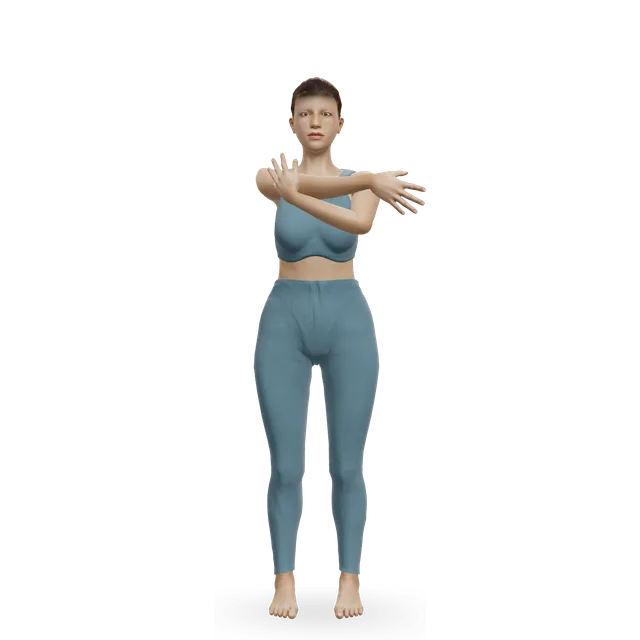
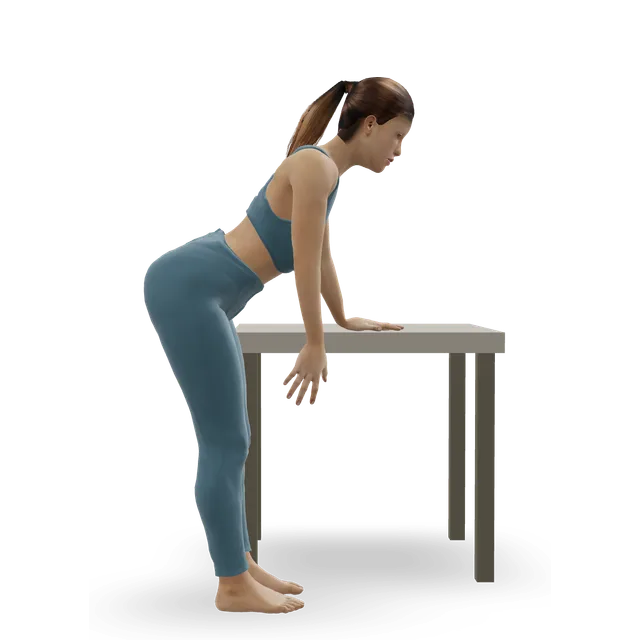
Pendulum exercise (Codman's pendulum) demonstrated on the 3D figure3D demoPendulum exercise (Codman's pendulum)Beginner · A bench or box

About 1 minute (10 small circles each way), 2 to 3 times a day · From the move page's dose (an editorial starting point). In the first days, if it eases the ache

Harder: Table slide (seated forward reach)

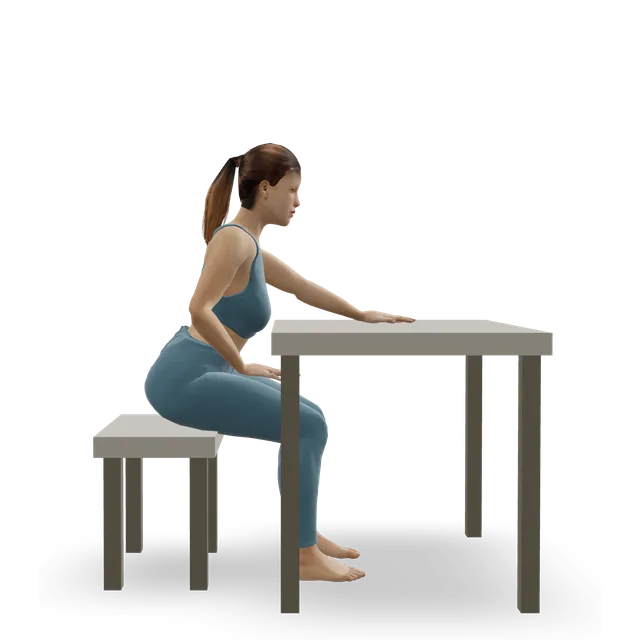
Table slide (seated forward reach) demonstrated on the 3D figure3D demoTable slide (seated forward reach)Beginner · A bench or box

10 slow reps, twice a day, below shoulder height · As in our shoulder dislocation guide (editorial). Keep the hand below shoulder height after a dislocation until your clinician says otherwise, as the move page says

Easier: Pendulum exercise (Codman's pendulum) · Harder: Overhead lat stretch at a bench (elbows on the bench)

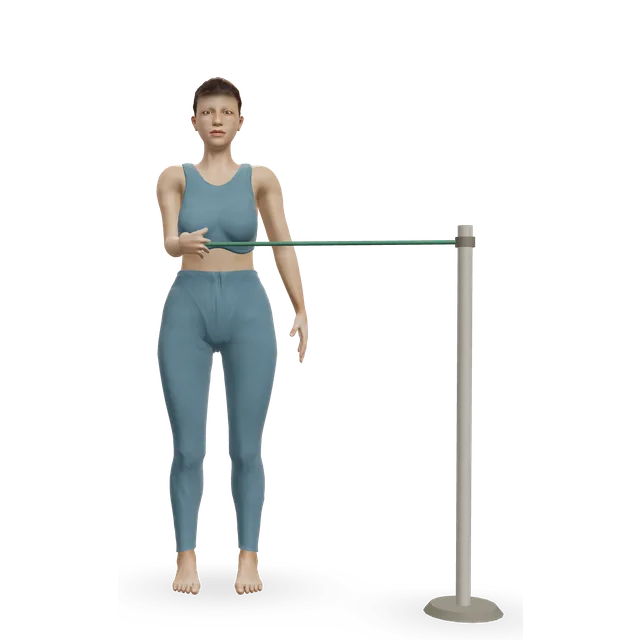
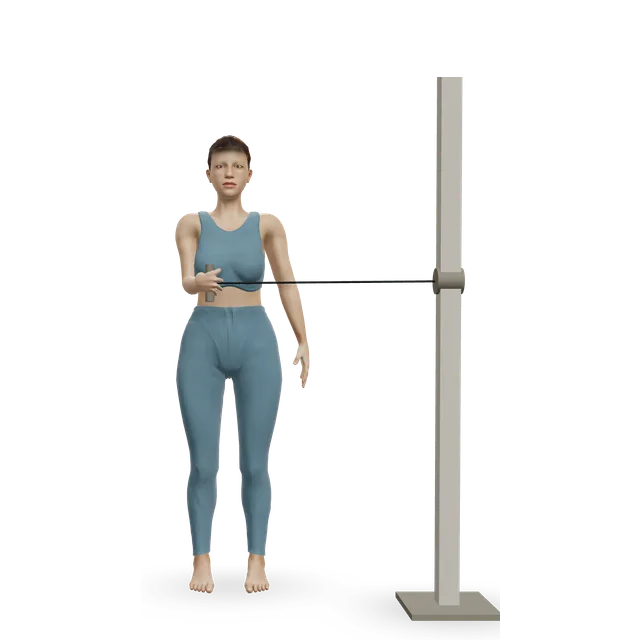
Standing band external rotation demonstrated on the 3D figure3D demoStanding band external rotationBeginner · A band + An anchor point

2 sets of 10 to 15, elbow at your side · As in our shoulder dislocation guide (editorial). Stop short of any feeling of slipping

Easier: Stick-assisted external rotation (lying) · Harder: Side-lying external rotation

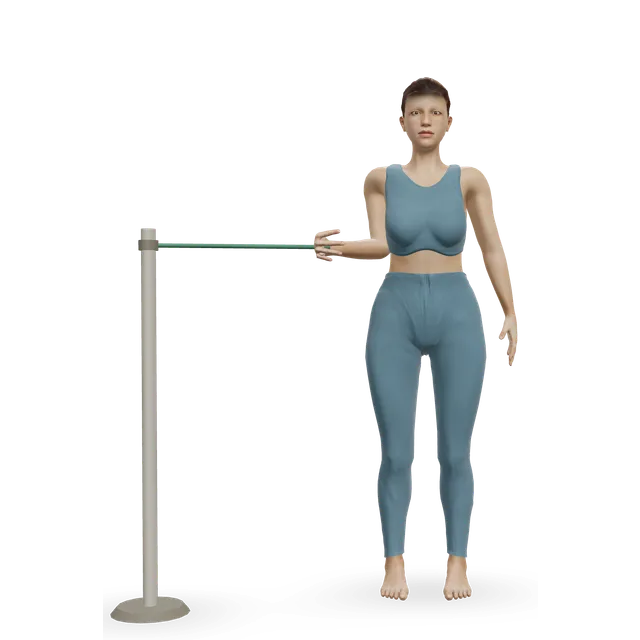
Band internal rotation demonstrated on the 3D figure3D demoBand internal rotationBeginner · A band + An anchor point

2 sets of 10 to 15, elbow at your side · As in our shoulder dislocation guide (editorial)

Harder: Side-lying external rotation

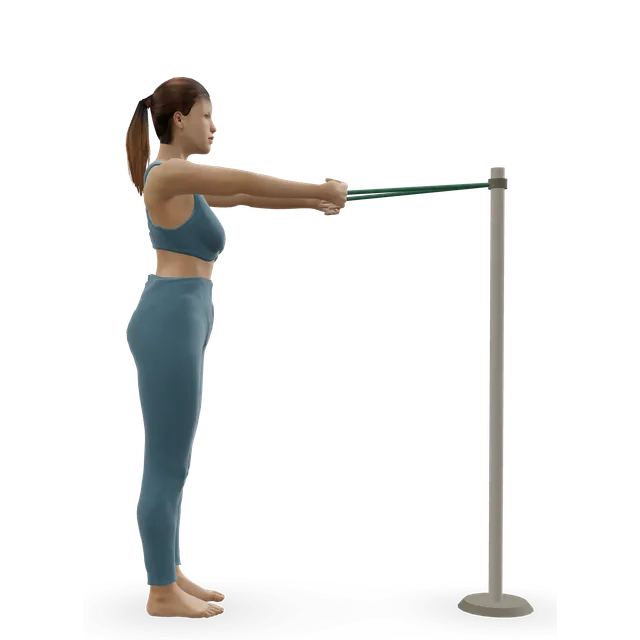
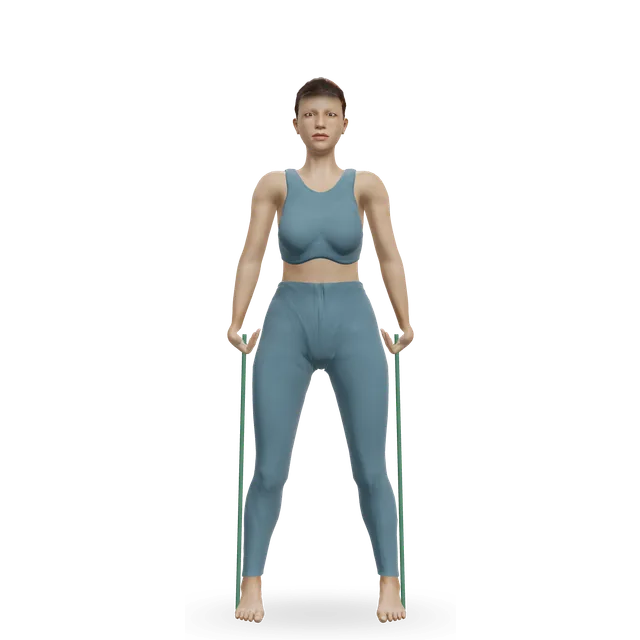
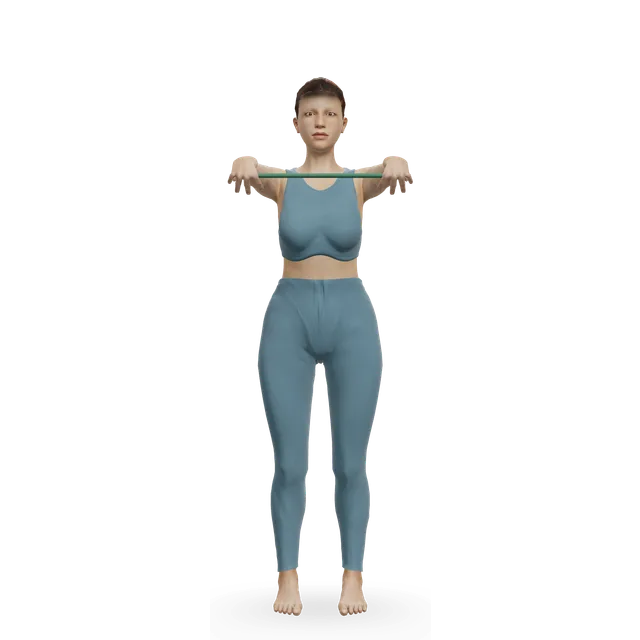
Band row demonstrated on the 3D figure3D demoBand rowBeginner · A band + An anchor point

2 sets of 12, light band · As in our shoulder dislocation guide (editorial)

Easier: Seated upper-back lift (sit tall, shoulders back) · Harder: Supported single-arm dumbbell row

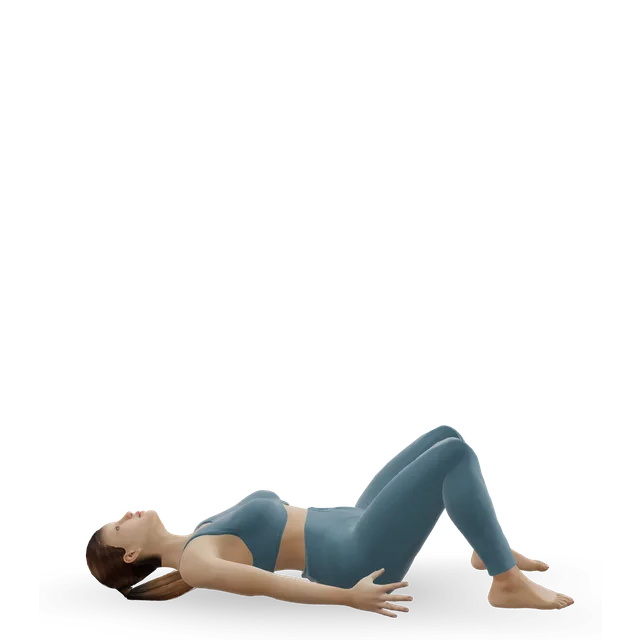
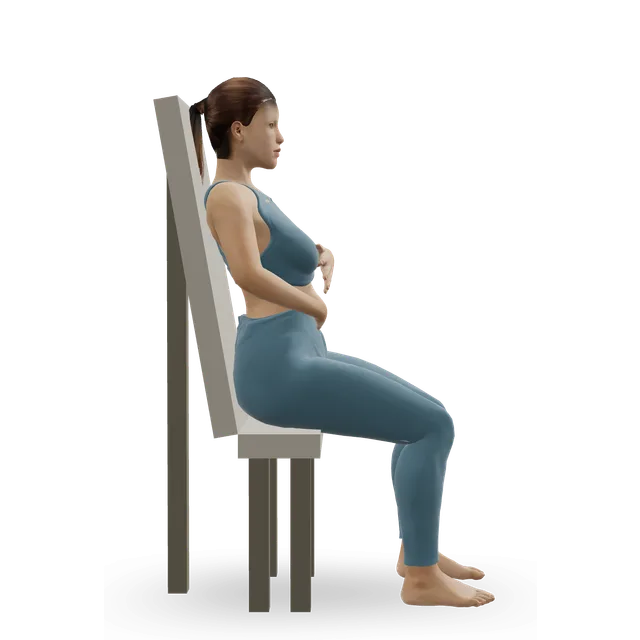
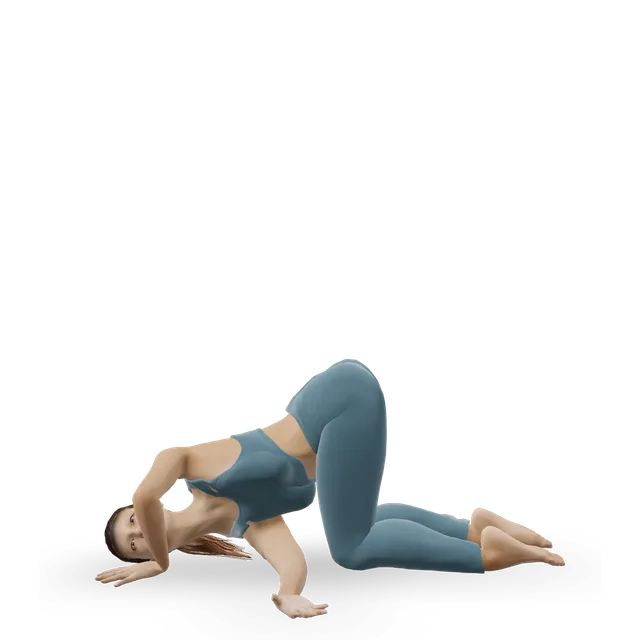
Thoracic rotation demonstrated on the 3D figure3D demoThoracic rotationBeginner · No equipment

6 rotations per side, moving with the breath · The move page's dose. Upper back turning

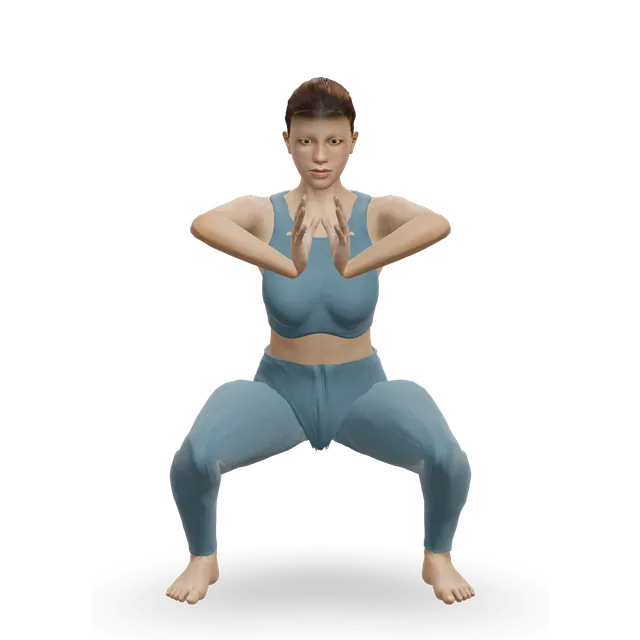
Easier: Side-lying open book · Harder: World's greatest stretch

Move on when: Everyday use is comfortable, you can lift the arm to shoulder height and turn it out against a light band without pain or any feeling of slipping, and night pain has settled (editorial).

Follow along: a timer, a cue and the next move, one step at a time.
Stage 2

Build: rotator cuff, shoulder blade and trunk

About weeks 2 to 8: 3 or more strength sessions a week for the cuff and shoulder blade, the base of the shoulder programmes that worked in trials, with the trunk.

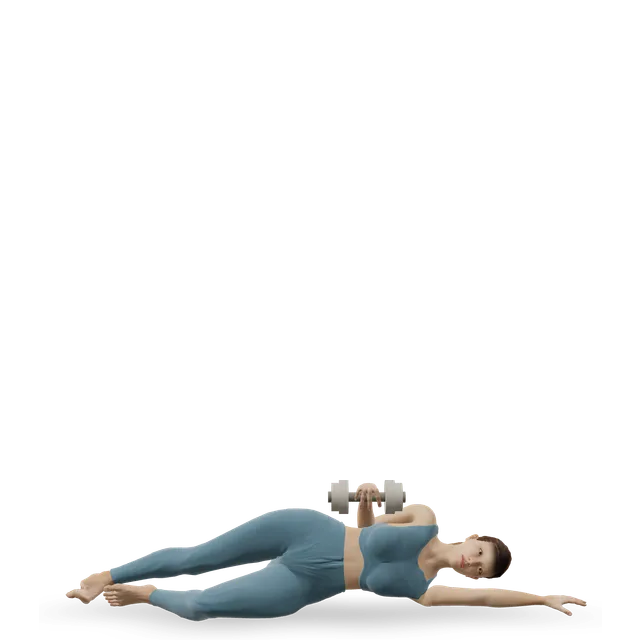
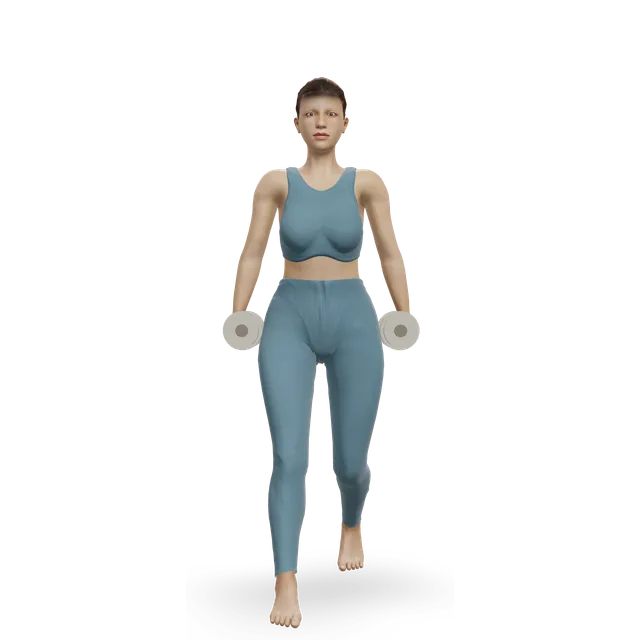
Side-lying external rotation demonstrated on the 3D figure3D demoSide-lying external rotationBeginner · A dumbbell

3 sets of 12 to 15 · As in our shoulder dislocation guide (editorial)

Easier: Standing band external rotation · Harder: Cuban rotation

Scapular push-up (push-up plus) demonstrated on the 3D figure3D demoScapular push-up (push-up plus)Beginner · No equipment

3 sets of 10 · As in our shoulder dislocation guide (editorial). On a wall or bench first

Easier: Dumbbell shoulder-blade punch · Harder: Push-up

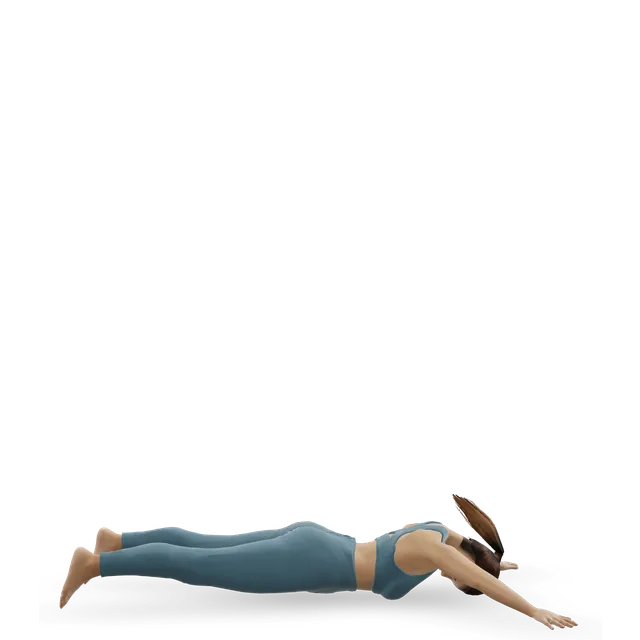
Prone Y-T-W raises demonstrated on the 3D figure3D demoProne Y-T-W raisesBeginner · No equipment

2 rounds of 8, Y and T in a comfortable range · As in our shoulder dislocation guide (editorial)

Easier: Wall angel · Harder: Bent-over reverse fly

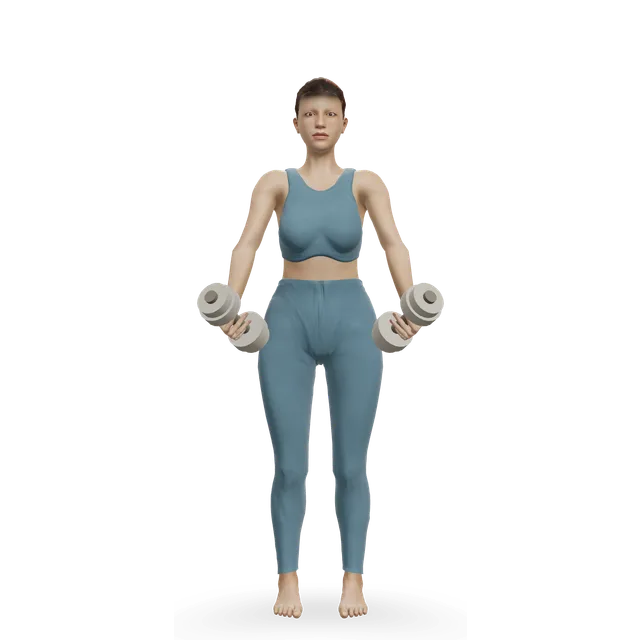
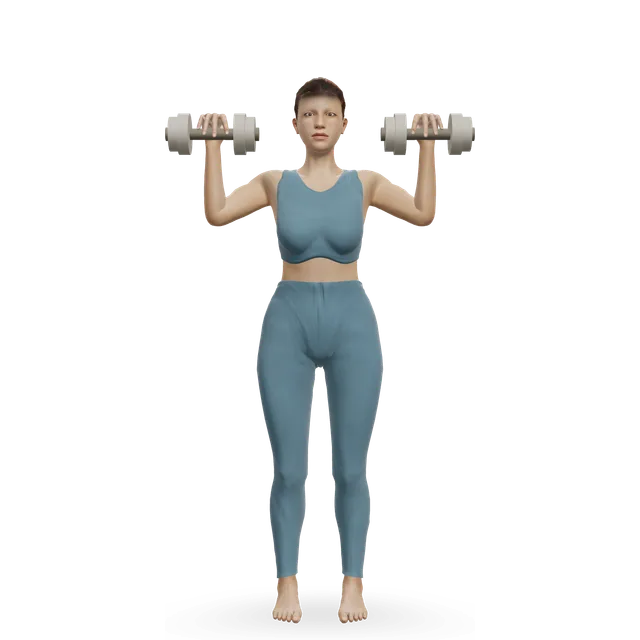
Scaption raise demonstrated on the 3D figure3D demoScaption raiseBeginner · A dumbbell

3 sets of 10 to 12 · As in our shoulder dislocation guide (editorial). Thumbs up, to shoulder height

Easier: Band lateral raise · Harder: Smith machine upright row

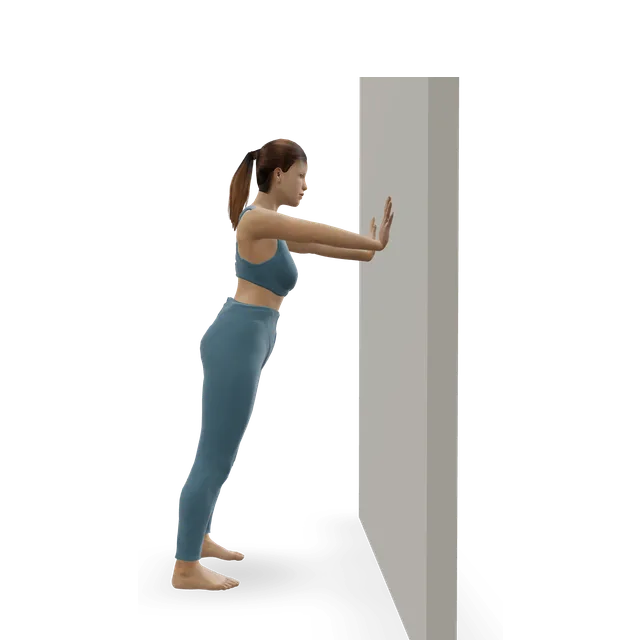
Wall push-up demonstrated on the 3D figure3D demoWall push-upBeginner · A wall

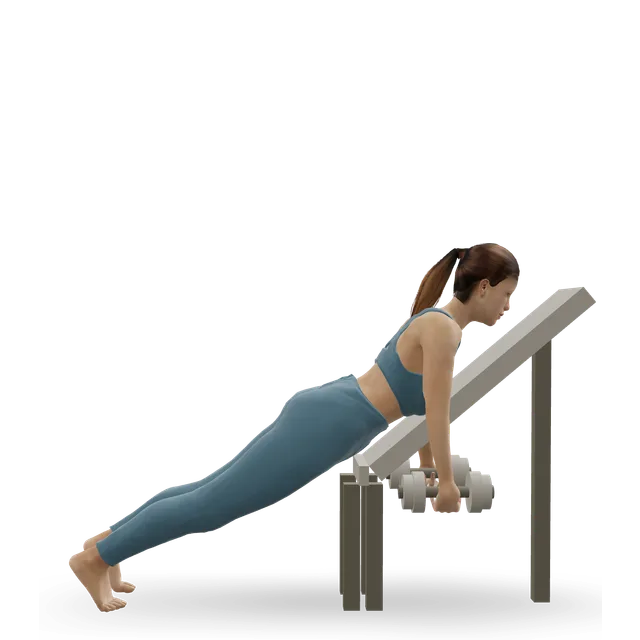
3 sets of 10 · As in our shoulder dislocation guide (editorial). Then incline push-ups, 3 sets of 10

Harder: Push-up

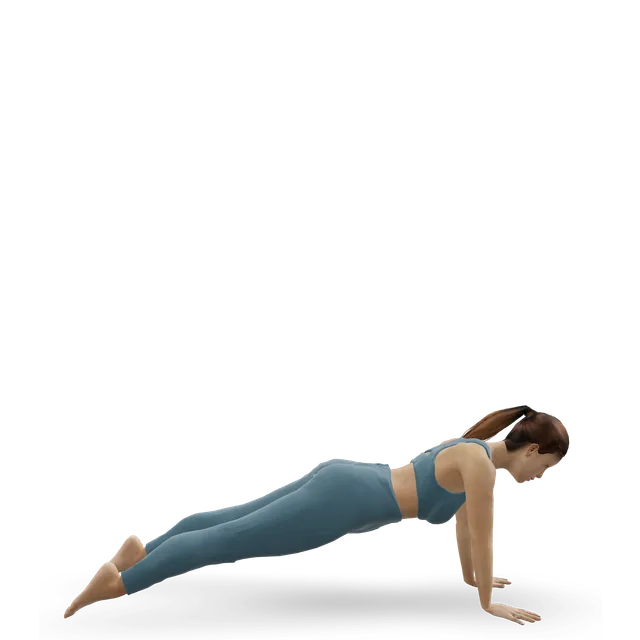
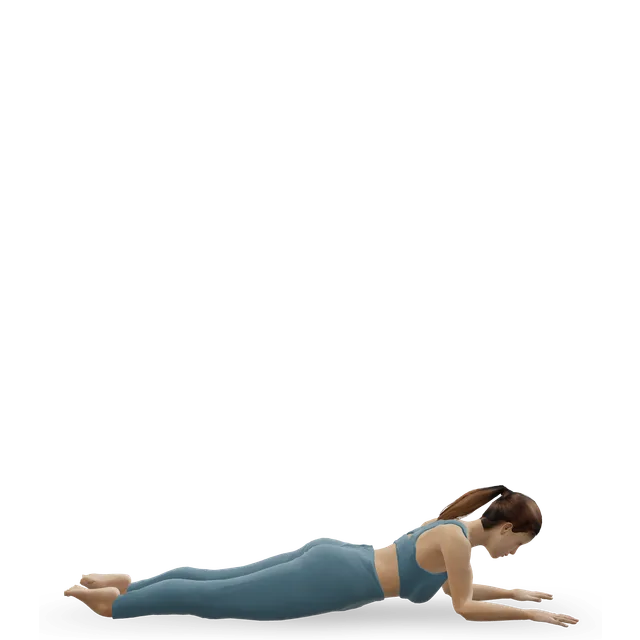
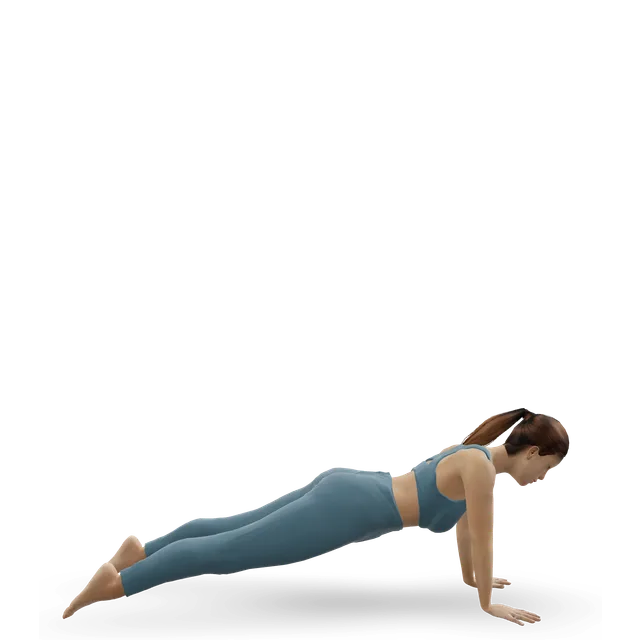
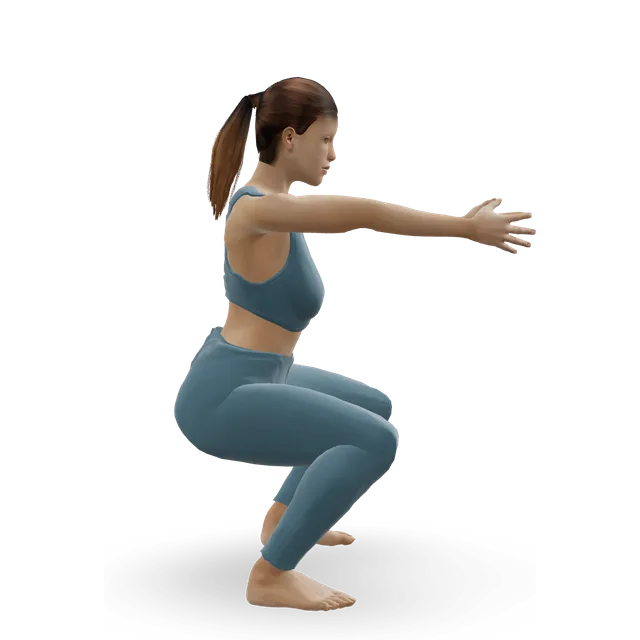
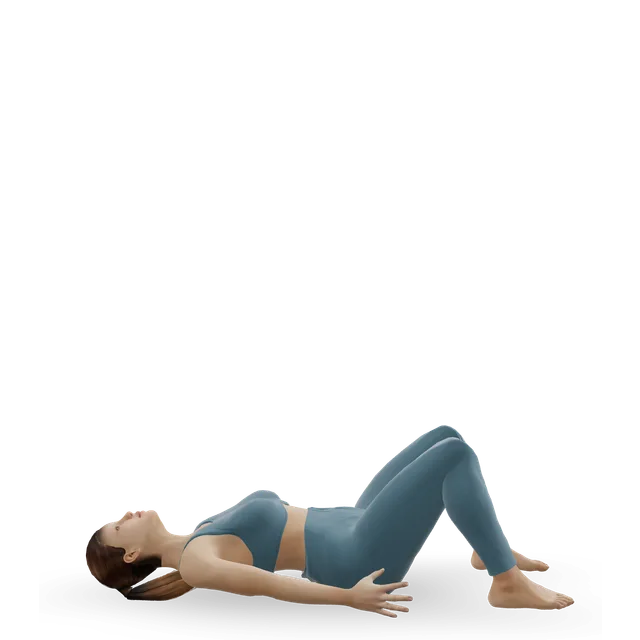
Knee plank demonstrated on the 3D figure3D demoKnee plankBeginner · No equipment

3 holds of 20 to 30 s · As in our shoulder dislocation guide (editorial)

Easier: Side-lying tummy draw-in · Harder: Forearm plank

Move on when: You can do every set with control and no apprehension, and strength feels close to the other side (editorial, as in our shoulder dislocation guide).

Follow along: a timer, a cue and the next move, one step at a time.
Stage 3

Strength for contact: pressing, pulling, carrying and weight through the arms

About weeks 8 to 12 and beyond, 2 or 3 sessions a week: the strength the tackle, the ruck and the hand-off ask for.

Push-up demonstrated on the 3D figure3D demoPush-upIntermediate · No equipment

3 sets of 8 to 12 · As in our shoulder dislocation guide (editorial)

Easier: Wall push-up · Harder: Close-grip push-up (close triceps position)

Chest-supported dumbbell row demonstrated on the 3D figure3D demoChest-supported dumbbell rowBeginner · A dumbbell + A bench or box

3 sets of 8 to 12 · As in our shoulder dislocation guide (editorial)

Easier: Band row · Harder: Supported single-arm dumbbell row

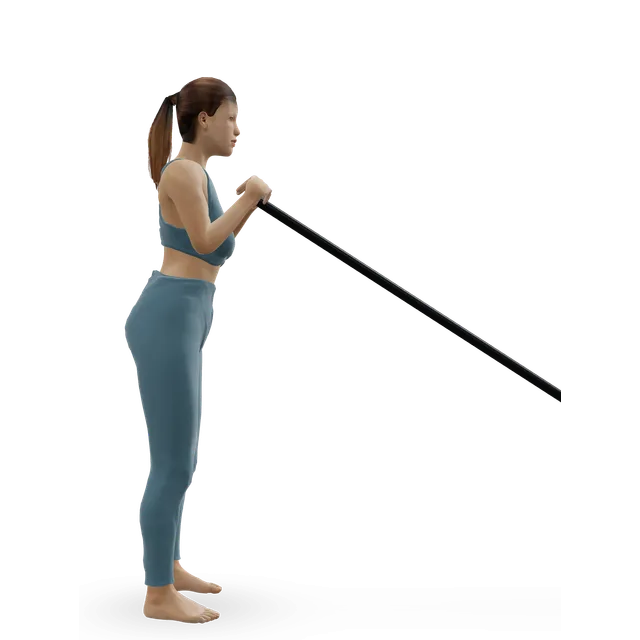
Landmine jammer demonstrated on the 3D figure3D demoLandmine jammerIntermediate · A barbell

3 sets of 8 to 10 · As in our shoulder dislocation guide (editorial). Pressed without the dip, as a landmine press

Easier: Kettlebell halo · Harder: Barbell clean and press

Cable external rotation demonstrated on the 3D figure3D demoCable external rotationBeginner · A cable machine

3 sets of 10, heavier · As in our shoulder dislocation guide (editorial)

Easier: Standing band external rotation · Harder: Side-lying external rotation

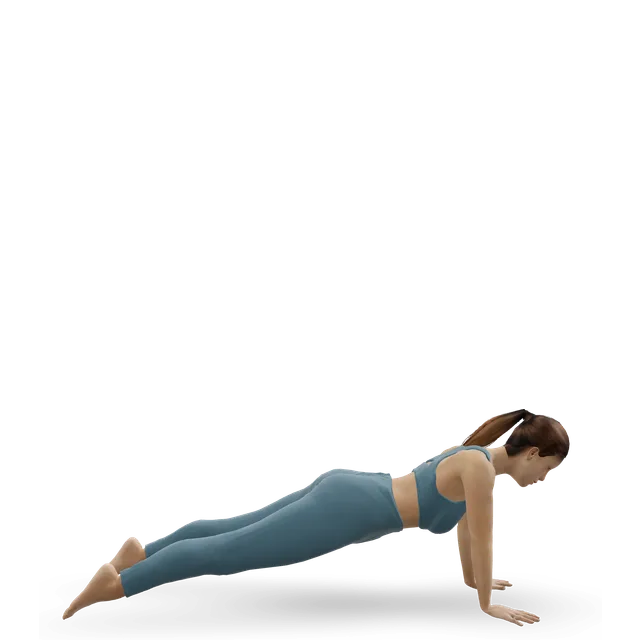
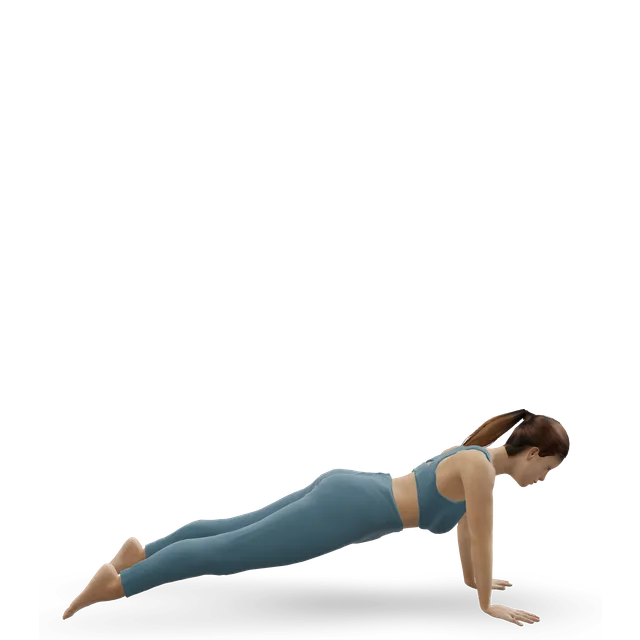
Straight-arm plank (high plank) demonstrated on the 3D figure3D demoStraight-arm plank (high plank)Intermediate · No equipment

3 holds of 20 to 30 s · As in our shoulder dislocation guide (editorial)

Easier: Knee hover (Pilates tabletop hover) · Harder: Leg pull front (Pilates leg pull down)

Farmer's carry demonstrated on the 3D figure3D demoFarmer's carryIntermediate · A dumbbell + A kettlebell

3 walks of 30 m · As in our shoulder dislocation guide (editorial)

Harder: Suitcase carry

Move on when: Push-ups, rows, landmine presses and planks are within the pain rule, with no feeling of slipping, and strength is close to the other side (editorial).

Follow along: a timer, a cue and the next move, one step at a time.
Stage 4

Back to contact: Activate's shoulder work, then tackling

From about 12 weeks, as your team allows, then for good: Activate as the warm-up at every training session, with its partner holds for the shoulders, explosive pushing, and contact back by the written steps below. The NHS says getting back to some sports can take up to 16 weeks after a dislocation. No study has tested this order; it is our suggestion, built on Activate, our rugby page's contact steps (walk-throughs, then tackle bags, then live contact) and the shoulder dislocation and stinger return criteria.

Band lateral raise demonstrated on the 3D figure3D demoBand lateral raiseBeginner · A band

2 × 15 s · As in our Activate rugby warm-up (static resisted lateral raise against a partner's hands)

Harder: Dumbbell lateral raise

Standing band external rotation demonstrated on the 3D figure3D demoStanding band external rotationBeginner · A band + An anchor point

2 × 15 s · As in our Activate rugby warm-up (static resisted outward rotation against a partner)

Easier: Stick-assisted external rotation (lying) · Harder: Side-lying external rotation

Scaption raise demonstrated on the 3D figure3D demoScaption raiseBeginner · A dumbbell

2 × 15 s · As in our Activate rugby warm-up (the shoulder workout: resist as a partner tries to move your arms)

Easier: Band lateral raise · Harder: Smith machine upright row

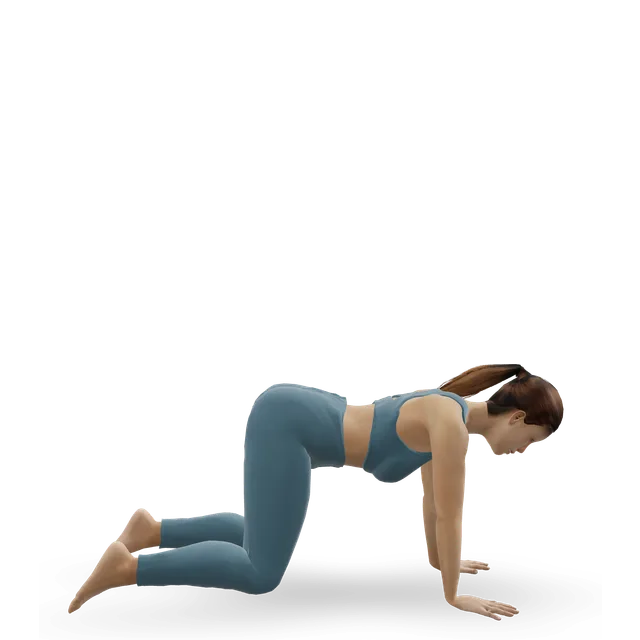
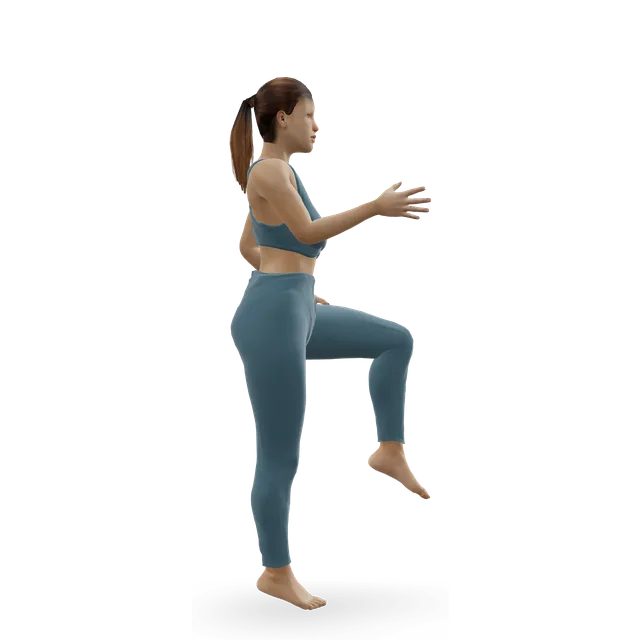
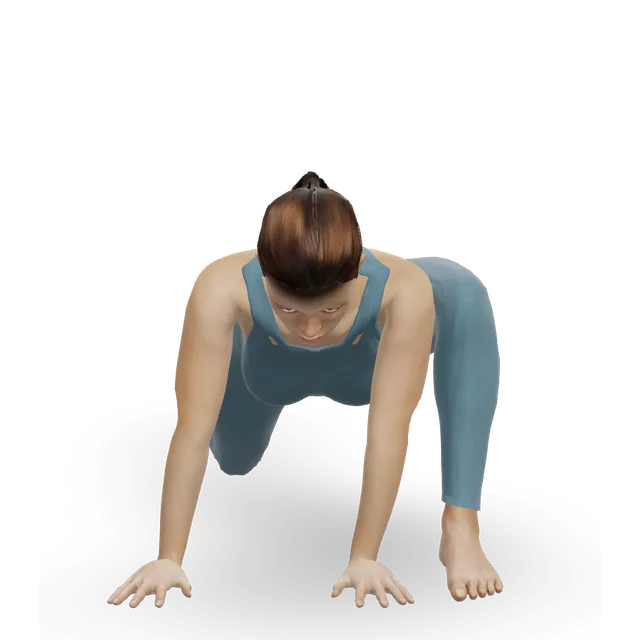
Bear crawl demonstrated on the 3D figure3D demoBear crawlIntermediate · No equipment

3 × 10 m · As in our shoulder dislocation guide (editorial). Weight through the arms on all fours

Easier: Knee hover (Pilates tabletop hover) · Harder: Spider crawl (low push-up knee drive)

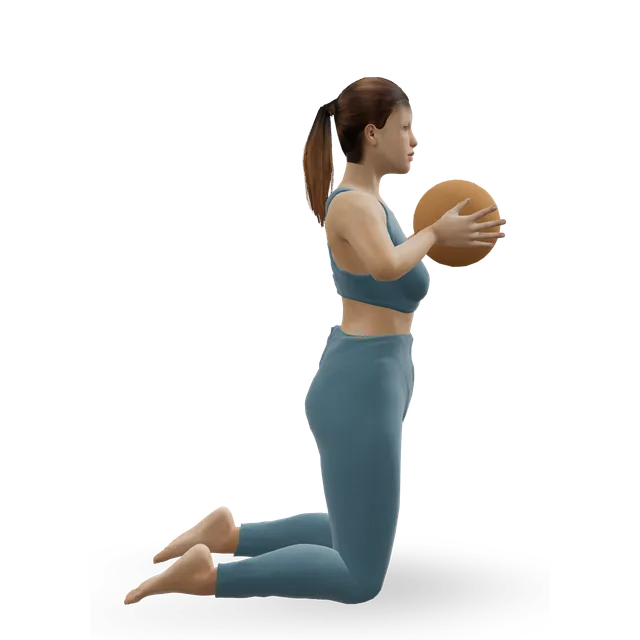
Medicine-ball chest push demonstrated on the 3D figure3D demoMedicine-ball chest pushBeginner · Medicine ball

3 sets of 5 · As in our shoulder dislocation guide (editorial). Explosive, like a hand-off

Harder: Two-hand overhead throw

Plyometric push-up demonstrated on the 3D figure3D demoPlyometric push-upAdvanced · No equipment

15 · As in our Activate rugby warm-up (pop press-ups). Only once ordinary push-ups are comfortable; leave it with shoulder pain, as the move page says

Easier: Push-up · Harder: Clock push-up

Move on when: Each contact step passes with no pain the next day, no feeling of slipping and no arm symptoms; then full training, then matches (editorial). Keep stages 2 and 3 going twice a week.

Follow along: a timer, a cue and the next move, one step at a time.

What to change for now

What to do now (written steps)

Our 3D figure can't show these. They come from the NHS and England Rugby; where a step is our suggestion, it says so.

  • 1. The NHS: "stay active and gently move your shoulder", "try shoulder exercises for 6 to 8 weeks to stop pain returning" and "do not completely stop using your shoulder", but "do not make up your own strenuous exercises or use heavy gym equipment".
  • 2. If the shoulder may have come out: "do not move your upper arm" and "do not try to put your arm back in yourself"; support the arm and go to A&E.
  • 3. For now (our suggestion): leave tackling, being tackled, rucking and heavy pressing until the shoulder is calm and strong; keep running, catching and passing within the pain rule, and keep training your legs and trunk.
  • 4. England Rugby's player safety regulation: "In particular, it is recommended to seek medical advice after injury and before recommencing any rugby activity".
  • 5. A bump at the top of the shoulder with fast swelling, a burning or dead arm that doesn't settle, symptoms in both arms, or new weakness lifting the arm isn't an ordinary rugby ache: see the warning signs.

Sources 26, 23, 62

Tackle technique and tackle height (written steps)

The laws are World Rugby's, England Rugby's and the RFL's; the technique cue is our rugby page's suggestion, and no study has tested it for shoulder injuries.

  • 1. Tackle below the sanction line for your game: in community rugby union, the waist or the base of the breastbone, as your union sets it; in community rugby league, below the armpit.
  • 2. Our rugby page's suggestion: head to the side of the ball carrier, at waist height or below, wrapping with both arms rather than reaching with one arm.
  • 3. Learn and practise it with a coach, building from walk-throughs to tackle bags to live tackles; World Rugby's Tackle Ready programme teaches safe tackling for players and coaches.

Sources 46, 47, 48, 50, 51

Back to contact (written steps)

Our suggestion, built on Activate, our rugby page's contact steps, the stinger return criteria and World Rugby's tackle guidance; none has been tested for shoulder pain. Move on when each step passes the pain rule.

  • 1. Running and skills: full running, passing and catching, with the arm strong and comfortable overhead.
  • 2. Tackle technique without contact: walk-throughs of the tackle with a coach, as above.
  • 3. Tackle bags and contact shields: low force, your good side first, then the injured side.
  • 4. Controlled live contact, then full contact training.
  • 5. Matches: part of a match, then a full match.
  • 6. Every session: Activate before training, and two strength sessions a week.
  • 7. Stop and get checked for any feeling of slipping, a dead arm, burning or numbness down the arm, or new weakness, as the warning signs say.
  • 8. After a dislocation in a young player, ask about surgery before contact; after surgery, your surgical team decides when you tackle.

Sources 54, 19, 51, 23

Positions to swap, and why

Habit or positionWhy it mattersInstead
Letting a team-mate or coach pop a dislocated shoulder back on the pitchAbout 1 in 6 dislocated shoulders seen in hospital has a broken bone, and the NHS says don't put it back yourself.Support the arm and go to A&E; trained pitch-side clinicians decide, with an X-ray.
Going back to contact as soon as a dislocated shoulder stops hurtingOver half of school players' dislocated shoulders went again within the season.The staged plan, and ask about surgery if you're young.
Arm tackles, reaching with one arm, or a lowered head in front of the ball carrierThe tackler's arm forced back is a common dislocation pattern.Head to the side, at waist height or below, wrapping with both arms (our rugby page's suggestion).
Relying on shoulder pads to prevent dislocationsThey soften lighter knocks over the AC joint but bottom out under big loads.Strength, technique and the staged return, starting with the cuff.Try: Side-lying external rotation
Playing on with a burning or dead arm that hasn't settled, or after a second stingerThe AAOS says no return to sport with weakness or neck pain.Stop, and follow our stingers guide.
Heavy bench pressing or dips while the shoulder is soreThe NHS says don't use heavy gym equipment or make up strenuous exercises.Cuff and shoulder blade work first.Try: Scapular push-up (push-up plus)
Stopping all arm movementThe NHS says don't completely stop using your shoulder.The stage 1 moves.Try: Pendulum exercise (Codman's pendulum)
Skipping the warm-upActivate is the governing bodies' warm-up, with shoulder holds in the adult phases.Our Activate rugby warm-up.Try: Band lateral raise
Asking for an MRI scan firstScans of sore professional shoulders often show several findings.Examination first; an X-ray after a dislocation or a fall, a scan if it isn't settling.

Routines to follow

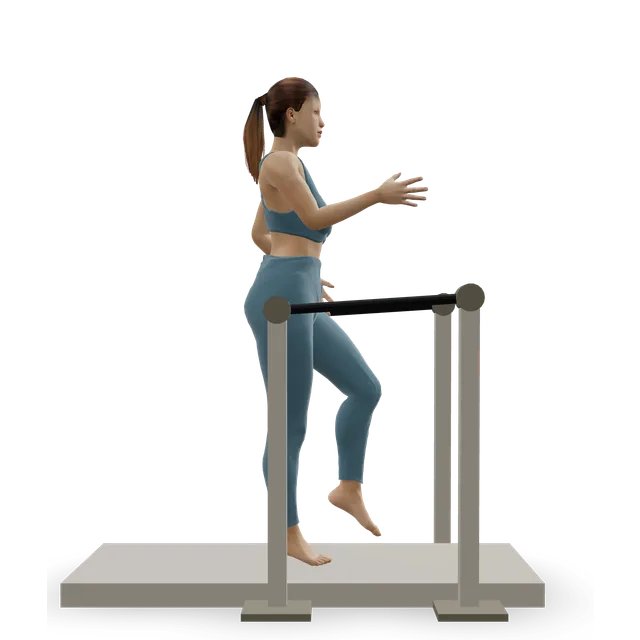
Activate rugby warm-up: the adult sample phase

England Rugby's and World Rugby's Activate warm-up, the manual's adult sample phase: running, balance, partner holds, hops, sprints and neck holds.

25 minBeginner15 movesCardio machine, wall

Strength workout for rugby players: legs, upper body, hamstrings and neck

A 55-minute gym session for rugby: jump squats and chest throws, heavy squats, bench press, Romanian deadlifts, rows, Nordic lowers, shoulder and neck work.

55 minIntermediate15 movesBand, medicine ball

Shoulder mobility and rotator cuff routine (with a band)

A 25-minute band routine for healthy shoulders: move the shoulder and upper back through their range, then strengthen the rotator cuff and shoulder blades.

25 minBeginner12 movesWall, band

Neck and shoulder strength routine

Deep neck holds and shoulder-blade strength in under 20 minutes: one of the best-supported kinds of exercise for a stiff, sore neck.

18 minBeginner11 movesBand, anchor point

Shoulder workout

A shoulder workout for all three heads: overhead press, lateral raises, reverse flyes, face pulls and rotations.

40 minIntermediate8 movesBand, barbell

Recovery-day yoga for rugby players: a 25-minute class for the neck, upper back, hips and hamstrings

Twenty-five minutes of recovery-day yoga for rugby: gentle neck and upper-back moves, hip and groin range, hamstring holds, one-leg balance, then slow breathing.

25 minBeginner16 movesWall

Recovery-day Pilates for rugby players: a 25-minute class for the neck, shoulder blades, trunk, hips and hamstrings

A 25-minute recovery-day Pilates class for rugby: mobility, neck and shoulder-blade work, trunk control, hips and hamstrings, a stretch and one-leg balance.

25 minIntermediate19 movesOther / check instructions, wall

More moves for this area

Questions people ask

Why does my shoulder hurt after a rugby tackle?

Usually a knock, a bruise or a sprain of the AC joint at the point of the shoulder, which settle within days to a couple of weeks. A shoulder that looks out of place, a bump or step at the top after a fall, a dead or burning arm that doesn't settle, or new weakness lifting the arm needs checking.

What are the most common shoulder injuries in rugby?

AC joint injuries are the commonest, and dislocations and instability cost the most time; most happen in the tackle. Stingers, rotator cuff and labral tears and broken collarbones are less common.

How long does a dislocated shoulder take to heal from rugby?

The NHS says 6 to 12 weeks to recover, and up to 16 weeks to return to some sports; in professional players it averaged about 12 weeks. After stabilisation surgery, rugby players returned at about 6 to 8 months. No one can promise a date.

Can you play rugby after a shoulder dislocation?

Yes, most players do, but young players often dislocate again without surgery. In cohorts and case series, about 9 in 10 players returned to rugby after stabilisation surgery; our shoulder dislocation guide explains when to ask about it.

Should I have surgery after my first dislocation?

It's a decision with a shoulder surgeon. In young adults, early stabilisation cut repeat dislocations from about 47% to 6% across 5 trials, so young collision-sport players often choose it. Older players and those who don't return to contact may not need it.

What is an AC joint injury, and how long is it out?

A sprain or separation of the joint at the point of the shoulder, usually from a fall onto it. Most are low grade and cost about 10 days, and high-grade ones about 2 months. Most do as well without surgery.

Do shoulder pads prevent injuries?

They soften lighter knocks over the AC joint, but no study shows they prevent dislocations or serious shoulder injuries. Tackle technique and strength matter more.

What is a stinger, and when can I play again?

A burning, numb or dead arm after a hit, from a stretched or pinched nerve, usually gone within minutes. Return only when the symptoms have gone completely, with full strength and no neck pain. Symptoms in both arms, or weakness that doesn't settle, are an emergency.

How do I prevent shoulder injuries in rugby?

Tackle technique, practised with a coach: World Rugby's Tackle Ready programme teaches it, and our rugby page suggests head to the side, at waist height or below, wrapping with both arms. Shoulder strength and Activate prepare you, though no exercise programme has been shown to prevent shoulder injuries in rugby.

Do I need a scan?

After a dislocation or a fall, an X-ray comes first. An MRI scan is for a shoulder that keeps slipping, or weakness or pain that isn't settling, when surgery is being considered.

When should I see a doctor?

Go to A&E for a shoulder that looks out of place or a bump at the top with fast swelling, and call 999 for symptoms in both arms or the legs after a collision, or shoulder or arm pain with chest pain. Get same-day help for new weakness lifting the arm, or burning or numbness that is still there after the game, and see a GP or physiotherapist if it hasn't improved after 2 weeks. In the US, call 911 where this page says 999.

Related exercise guides

Other pain guides

Sources

  1. Doyle 2026 · Shoulder injuries in rugby union: 37 studies (systematic review and meta-analysis, Arch Orthop Trauma Surg; read in full)
  2. Headey 2007 · Shoulder injuries in English professional rugby union (cohort study, Am J Sports Med)
  3. Singh 2016 · Shoulder injuries in English community rugby union (cohort study, Int J Sports Med)
  4. Leahy 2021 · Shoulder injuries in 665 Irish schoolboy rugby players (injury surveillance study, Orthop J Sports Med; read in full)
  5. White 2025 · Upper limb injuries in elite women's rugby union over five seasons (cohort study, BMJ Open Sport Exerc Med; read in full)
  6. King 2010 · Match and training injuries in rugby league (review, Sports Medicine)
  7. Partner 2022 · Shoulder problems in 86 uninjured rugby players mid-season (cross-sectional survey, Phys Ther Sport)
  8. Crichton 2012 · How elite rugby players injure their shoulders (case series, BJSM)
  9. Usman 2015 · Shoulder injuries in elite rugby union matches (cohort and video study, J Sci Med Sport)
  10. American Academy of Orthopaedic Surgeons, OrthoInfo · Shoulder separation
  11. Pallis 2012 · AC joint injuries in young adult cadets at the US Military Academy (cohort study, Am J Sports Med)
  12. Webb 1992 · AC joint injuries in 105 first-class rugby players (survey, Br J Sports Med)
  13. AAOS OrthoInfo · Dislocated shoulder
  14. Robinson 2006 · Repeat instability after a first shoulder dislocation in 252 people aged 15 to 35 (prospective cohort, J Bone Joint Surg Am)
  15. Olds 2015 · Risk factors for repeat instability after a first shoulder dislocation (systematic review and meta-analysis of 10 studies, Br J Sports Med)
  16. Kawasaki 2014 · Shoulder dislocations in 378 high school rugby players (cohort study, J Shoulder Elbow Surg)
  17. Horsley 2013 · Arthroscopy findings in 87 professional rugby players with lasting shoulder pain (case series, J Orthop Surg Res; read in full)
  18. Tambe 2009 · Keyhole rotator cuff repair in 11 professional rugby players (case series, Int J Shoulder Surg; read in full)
  19. American Academy of Orthopaedic Surgeons, OrthoInfo · Burners and stingers
  20. Kawasaki 2015 · Stingers in young rugby players (cohort of 569, Am J Sports Med)
  21. Altaf 2012 · Severe brachial plexus injuries from tackles in 13 rugby players (case series, Injury)
  22. Bowles 2020 · Stingers in college and professional collision athletes (review, Curr Rev Musculoskelet Med)
  23. NHS · Dislocated shoulder
  24. Oldrini 2023 · Broken bones alongside shoulder dislocations: 8 studies, 2,087 dislocations (systematic review, Emerg Med J)
  25. Yeap 2025 · Shoulder MRI findings in 110 professional rugby players with shoulder symptoms (retrospective study, Skeletal Radiol)
  26. NHS · Shoulder pain (past its review date: reviewed May 2023, review due May 2026)
  27. Elliott 2025 · Return to sport after AC joint injury (systematic review, J Clin Med)
  28. Rossi 2021 · Keyhole Bankart repair or Latarjet surgery in 130 competitive rugby players (cohort study, Am J Sports Med)
  29. Le Roux 2025 · Shoulder and knee arthritis in 146 retired professional rugby players (cross-sectional study, J Sci Med Sport)
  30. NHS · Broken collarbone (past its review date: reviewed August 2023, review due August 2026)
  31. NHS · Septic arthritis
  32. NHS inform · Neck injury
  33. NICE NG41 · Spinal injury: assessment and initial management
  34. Holmgren 2012 · Specific exercise and the need for surgery in subacromial impingement (RCT, BMJ)
  35. Buss 2004 · Rehab for in-season shoulder instability in 30 US athletes (case series, Am J Sports Med; a published correction we couldn't read)
  36. Belk 2023 · Stabilisation surgery or a sling after a first shoulder dislocation: 5 randomised trials (meta-analysis, Am J Sports Med)
  37. Dickens 2017 · Surgery or rehab for shoulder instability in 45 US college contact athletes (prospective multicentre study, Am J Sports Med)
  38. AAOS OrthoInfo · Chronic shoulder instability and dislocation
  39. Bonnevialle 2023 · Open Latarjet or open Bankart surgery in 62 rugby players, at least 5 years on (cohort study, Orthop J Sports Med; read in full)
  40. Mouchantaf 2024 · Return to rugby after keyhole Latarjet surgery in 73 players (case series, Arthrosc Sports Med Rehabil; read in full)
  41. Funk 2007 · SLAP tears in 51 professional rugby players having arthroscopy (cohort study, Clin J Sport Med)
  42. Tamaoki 2019 · Surgery or non-surgical care for AC joint dislocations: 6 trials of 357 adults (Cochrane review)
  43. Hawkins 2025 · How professional rugby union medical teams manage a dislocated shoulder (survey of 38 teams, Cureus; read in full)
  44. Norte 2011 · On-field management of an acute shoulder dislocation (narrative review, Phys Sportsmed)
  45. Emond 2004 · What predicts a broken bone alongside a dislocated shoulder: 334 emergency patients (case-control study, Acad Emerg Med)
  46. World Rugby · Laws of the Game, Law 14: Tackle (the high tackle sanction line)
  47. World Rugby · World Rugby lowers legal tackle height in community rugby (news release, June 2026)
  48. England Rugby (RFU) · Law variations approved to lower tackle height in community rugby union (news, April 2023)
  49. England Rugby (RFU) · Regulation 15, appendix 9: under-15 to under-18 variations to the Laws of the Game
  50. Rugby Football League (RFL) · Community game set for new tackle height laws (news, March 2024)
  51. World Rugby · Tackle Ready (coaching programme page)
  52. Scottish Rugby · Rugby tackle height change boosting player safety, study shows (news, April 2025)
  53. World Rugby · What is Activate and why should coaches use it? (governing body web page)
  54. World Rugby, England Rugby and the University of Bath · Activate injury prevention exercise programme (manual)
  55. Attwood 2018 · A warm-up programme in adult men's community rugby union: the Activate trial (cluster RCT, Br J Sports Med)
  56. Hislop 2017 · A movement control warm-up for 3,188 schoolboy rugby players (cluster randomised trial, Br J Sports Med; read in full)
  57. Heming 2025 · Preventing upper-limb injuries in sport (systematic review and meta-analysis, Br J Sports Med)
  58. Harris 2010 · Rugby shoulder pads and impact forces (laboratory study, Br J Sports Med)
  59. Pain 2008 · Shoulder pads and tackling forces (laboratory study, J Sports Sci)
  60. Marshall 2005 · Protective equipment and injuries in 304 New Zealand club rugby players (cohort study, Int J Epidemiol)
  61. Smith 2017 · Should exercises be painful in chronic musculoskeletal pain? (systematic review and meta-analysis, Br J Sports Med)
  62. England Rugby (RFU) · Regulation 9: Player safety (effective August 2026)
  63. NHS · Heart attack: symptoms
  64. NHS · Angina
  65. NHS · Chest pain (past its review date: reviewed August 2023, review due August 2026)
  66. NHS · Fainting
  67. NHS · Stroke: symptoms
  68. Kulkarni 2015 · BESS/BOA patient care pathway: subacromial shoulder pain (Shoulder & Elbow)
  69. Brownson 2015 · BESS/BOA patient care pathway: traumatic anterior shoulder instability (Shoulder & Elbow; a 2016 erratum we couldn't read)
  70. Noorani 2019 · BESS/BOA patient care pathway: atraumatic shoulder instability (Shoulder & Elbow)
  71. Mitchell 2005 · Shoulder pain: diagnosis and management in primary care (clinical review, BMJ)
  72. UK Concussion Guidelines for Non-Elite (Grassroots) Sport (November 2024 update)
  73. World Rugby · Concussion guidance (August 2024)
  74. Gaelic Athletic Association · Concussion management guidelines for Gaelic games (2024)
  75. Windmueller 2025 · Brachial plexus injuries in the contact athlete (narrative review, Ann Jt)
  76. Lamplot 2024 · Stingers in the National Football League, 2015 to 2019 (surveillance study of 691, Sports Health)
  77. Torg 1986 · Temporary spinal cord injury with brief paralysis of the limbs (case series, J Bone Joint Surg Am)
  78. Torg 1997 · Cervical cord neurapraxia in 110 cases (case series, J Neurosurg)
  79. Batrash 2026 · Neck injuries in athletes: assessment, management and return to sport (narrative review, Global Spine J)
  80. Levitz 1997 · The chronic burner syndrome (case series of 55, Am J Sports Med)
  81. Meyer 1994 · A narrow neck canal and stingers in college football players (cohort of 266, Am J Sports Med)
  82. Cantu 1997 · Stingers, temporary paralysis and a narrow neck canal: return to play (review, Med Sci Sports Exerc)
  83. Quick 2026 · Mechanisms of stingers and brachial plexus injury (letter from a UK brachial plexus team, Ann Jt)
  84. NHS · Cervical spondylosis (past its review date: reviewed August 2023, review due August 2026)
  85. NHS inform · Neck problems
  86. NHS · Neck pain and stiff neck (past its review date: reviewed April 2023, review due April 2026)
  87. Kuhn 2013 · Physical therapy for atraumatic full-thickness rotator cuff tears: the MOON cohort (prospective cohort, JSES)
  88. Oxford University Hospitals NHS · Acromioclavicular joint (ACJ) injury (emergency department leaflet, 2026)
  89. University Hospitals Sussex NHS · Minor injury to the acromioclavicular joint, grade 1 to 2 (physiotherapy leaflet, 2025)
  90. AAOS OrthoInfo · Rotator cuff tears
  91. Moosmayer 2024 · Tendon repair vs physiotherapy for small and medium rotator cuff tears: 15-year results (RCT, JBJS Am)
  92. Huang 2016 · Return to play after spine injuries (review, Sports Health)
  93. Cramer 1999 · A reconditioning programme after brachial plexus stingers in college football (clinical technique, J Athl Train)
  94. King's College Hospital NHS · Acromioclavicular joint (ACJ) stabilisation (patient leaflet)
  95. Wilkinson 2026 · Risk factors and management of weightlifter's shoulder (distal clavicle osteolysis) (scoping review, Shoulder Elbow)

Exercise education, not a diagnosis or treatment plan. It is written from the guidelines and studies listed above; review by a clinician is pending. If your pain follows an injury, is severe, is getting worse, or comes with any warning sign listed on this page, get it assessed. Health disclaimer.