Exercises after a broken ankle: a stage-by-stage recovery plan
Many broken ankles heal without an operation, often in a walking boot, in about 6 to 8 weeks. Swelling and stiffness can last for months, which is normal, and the exercises you do from the first days help you walk well again sooner.
This guide sets out the usual stages, from the boot or cast to sport, with the exercises NHS fracture clinics give and a 3D demo of each. Your fracture clinic's plan comes first: how much weight you can take and when the boot comes off depend on your break and your hospital. It also covers what trials found about boots, casts and surgery, and the warning signs that need NHS 111 or A&E.
Exercise is for pain that has been checked or is clearly mild and settling.
Get urgent medical help if
Call 999 or go to A&E: after an injury, you heard a crack, the foot or ankle has changed shape or points at an odd angle, a bone is sticking out, there is a bad cut over it, you're in severe pain, or the toes look blue or white, feel numb or are cold to touch. These can mean a broken bone. Don't drive yourself.
Same day (NHS 111): after an injury, the ankle is very painful or the pain is getting worse, there's a lot of swelling or bruising or it's getting worse, it hurts to put weight on it, it feels very stiff or is hard to move, you feel faint, dizzy or sick from the pain, or you heard a snap, grinding or popping noise when it happened. If you think it's broken, don't treat it yourself.
Same day (NHS 111), while you're recovering: the pain gets worse; a very high temperature, or feeling hot, cold or shivery, which could be an infection; the leg, foot or toes feel numb or burning; the cast is too tight, or the toes look swollen, blue or white; the cast or boot rubs or feels too loose; or there's a bad smell or discharge from under the cast.
Go to A&E: in the days after the injury or an operation, pain far worse than the injury seems to explain, a tight, full-feeling calf, pain that gets worse when the muscle is used or stretched, and tingling or burning. These are signs of acute compartment syndrome, a medical emergency; a tight cast or bandage can cause it.
Call 999: calf or leg pain or swelling with breathlessness or chest pain. It could be a clot that has reached the lungs. Do not drive yourself to A&E.
Same day (GP or NHS 111): throbbing pain and swelling in one calf, with red or darker skin. It could be a blood clot (DVT). Watch for it after an ankle injury or time in a cast or boot.
See a doctor or physiotherapist if
Your ankle isn't improving 6 weeks after the injury: go back for a review, as NICE advises.
Progress isn't what you were told to expect: contact your fracture clinic directly.
Stiffness or swelling that is getting worse rather than better, or you can't wean off the boot or crutches when your team expected you to.
The ankle keeps giving way after it has healed: see a physiotherapist. The chronic ankle instability guide covers it.
Understand it
What a broken ankle isStrong evidence
The ankle joint is formed by the shin bone (tibia), the thinner outer bone (fibula) and the talus below them, and any of them can break. The commonest break is a Weber B fracture: a break of the lower fibula, the bony bump on the outside of the ankle, at the level of the joint. Weber A breaks are lower down the same bone.
What decides treatment is whether the joint is stable, not only which bone is broken. A stable break of one bone that hasn't moved can often be treated in a walking boot or short cast. Breaks of both sides of the ankle, or with the ligament between the shin bones torn, usually need surgery. Clinicians may take an X-ray standing on the leg, or while the ankle is gently stressed, to check stability.
The NHS lists the signs: an ankle at an odd angle, severe pain, a lot of swelling or bruising, pain when you put weight on it, and sometimes feeling faint, dizzy or sick from the pain, or a snap, grinding or popping noise when it happened. NICE asks clinicians to use the Ottawa ankle and foot rules to decide who needs an X-ray; the ankle sprain guide explains them. You can have a fracture and still walk on it.
If it isn't clear whether the break is stable, guidelines ask for a review within about 2 weeks, with a repeat X-ray, standing on the leg if possible. In the US, X-rays are often repeated at about 2, 6 and 12 weeks.
NICE advises that when a break of one ankle bone is treated without surgery, you can take full weight as soon as you can tolerate it, with a fracture clinic review within 2 weeks if its stability is uncertain. Two NHS virtual fracture clinics put stable Weber A and B breaks in a walking boot for about 6 weeks, taking weight as comfort allows; another trust's general leaflet expects most people to keep weight off in a cast or boot for 6 weeks.
That's why your own fracture clinic's plan comes first: it depends on your break and your hospital.
Most broken ankles heal in about 6 to 8 weeks, a stable Weber B in about 6, though it can take longer; complete healing takes 10 to 12 weeks for most ankle fractures. Swelling, often worse at the end of the day, can go on for 3 to 6 months, and stiffness for many months after the bone has healed.
Most people are back to their normal activities within 3 to 4 months, though a limp can last several months and sport can take longer. Smoking slows bone healing.
A boot or brace is as good as a castStrong evidence
In the AIR trial, run in 20 UK trauma units with 669 adults whose fracture could be treated in a cast, a removable brace with ankle exercises from the start did as well as a plaster cast at 16 weeks, with no meaningful difference (1.8 points on a 100-point ankle score). In a trial of 247 people with stable Weber B fractures, 3 weeks in a cast or a simple brace did as well at a year as 6 weeks in a cast.
After non-surgical treatment, a 2024 Cochrane review found there may be little or no difference between removable and non-removable supports.
Surgery or not: it depends on stabilityEmerging evidence
For isolated Weber B breaks with minimal shift of the joint, a trial of 160 adults aged 18 to 65 found surgery plus a boot was no better than a boot alone at a year, and adverse events were 32% against 14%. At least 5 years later there was still no difference, and surgery still had more adverse events.
For people over 60 with unstable fractures, the AIM trial (620 people in 24 UK hospitals) found a close contact cast, a closely moulded cast put on in theatre, gave the same ankle function as surgery at 6 months. Infection and wound problems were 1% against 10%, but the bones healed out of line more often (15% against 3%), and 19% of the casting group went on to have surgery. A cast like this needs close checks in the weeks after. For most people under 60 with an unstable joint, the British Orthopaedic Association advises early surgery.
After surgery, walking early is fineStrong evidence
In the WAX trial, in 561 people across 23 NHS hospitals, walking as pain allowed from 2 weeks after surgery was as good as waiting until 6 weeks, and slightly better at 4 months, with similar complication rates (16% against 14%). Across 53 studies of 4,489 adults, early weight-bearing probably gave slightly better function, though not by an amount people would notice, and after surgery a removable support may help a little. Neither raised the number of repeat operations.
An older Cochrane review found removable supports after surgery brought more adverse events, mostly minor, and stressed that people need to be able to use them properly. The British Orthopaedic Association says most people should be allowed to take weight as tolerated after surgery unless there are specific concerns.
Supervised physiotherapy isn't essential for mostEmerging evidence
In a trial of 214 people, a supervised, individually progressed exercise programme after the cast or boot came off did no better than advice and a home programme at 1, 3 or 6 months, whatever the fracture, age or sex. Both groups were encouraged to exercise, so this doesn't show exercise is pointless: it shows most people can do it at home.
Reviews found no evidence that stretching or hands-on (manual) therapy adds to exercise, though the evidence is thin. The British Orthopaedic Association asks hospitals to give people a way to get back in touch if progress isn't as expected.
Moving early: the exercises fracture clinics giveEmerging evidence
NHS advice is to move your toes and bend your knee while in the boot or cast. If the boot comes off for exercises, one fracture clinic starts ankle movements straight away, 10 of each, 3 to 4 times a day; adds a calf stretch and balance work from about 6 weeks; and a wobble cushion and sport drills from 8 to 12 weeks. Another adds heel raises and standing on one leg once the cast is off.
This is consistent NHS advice, but we found no trials comparing these exact exercises.
An ache that settles, and swelling that doesn't climbEmerging evidence
Fracture clinic leaflets say do the exercises without causing too much pain, and repeat them as pain allows; balance holds shouldn't bring pain on.
Once you're moving the ankle, this site's foot and ankle rule applies: mild to moderate pain, no more than about 5 out of 10, that settles within an hour, with no more swelling or stiffness the next morning. If it's worse the next day, do a little less, not nothing. The 5 out of 10 figure is an editorial starting point, not a tested rule.
Swelling that's worse at the end of the day is expected for months. New sharp pain at the fracture, pain that keeps getting worse, or swelling that keeps rising needs your fracture clinic. Your team's weight-bearing instruction overrides any pain rule: putting weight on too early can let the fracture move or stop it healing.
Start at the first stage. Each move opens a full guide with a 3D demo.
Stage 1
In the boot or cast: protect it, raise it, move what you can (about weeks 0 to 6, as your team allows)
Wear the boot or cast and take weight exactly as your fracture clinic says: many stable Weber A and B breaks are walked on as comfort allows, others are kept off weight, and after surgery walking may start from about 2 weeks or later. Raise the leg, use ice for 20 minutes 3 to 4 times a day, and move your toes and bend your knee. Take the boot off at night or to rest only if you were told you can. Doses are editorial unless named.
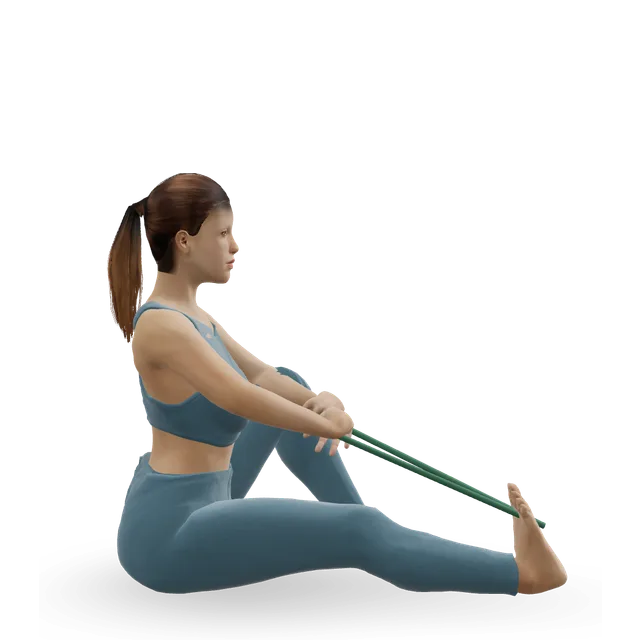
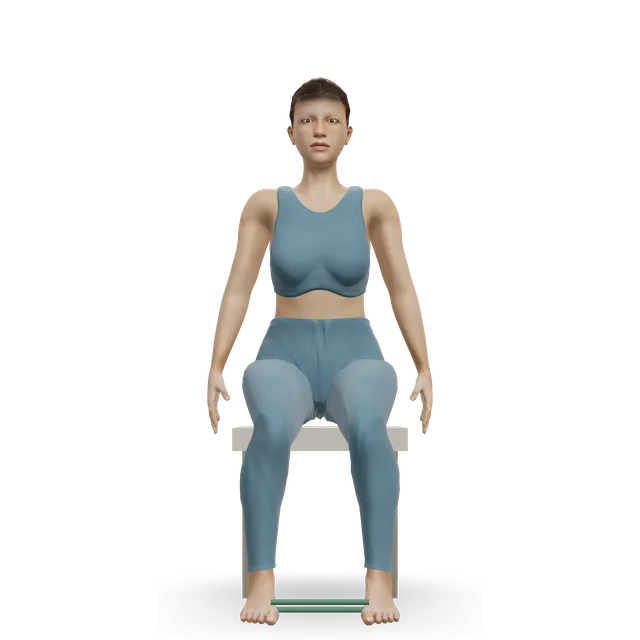
Point the foot up and down, spread the toes, then circle: 10 of each, 3 to 4 times a day · Only if your boot comes off for exercises and your team agrees. One fracture clinic's dose
Move on when: Your fracture clinic says the bone has healed enough to leave the boot or cast, often at about 6 weeks. Where stability was uncertain, that comes after a check at about 2 weeks.
Follow along: a timer, a cue and the next move, one step at a time.
Stage 2
Out of the boot: movement, walking and balance (about weeks 6 to 10, as your team allows)
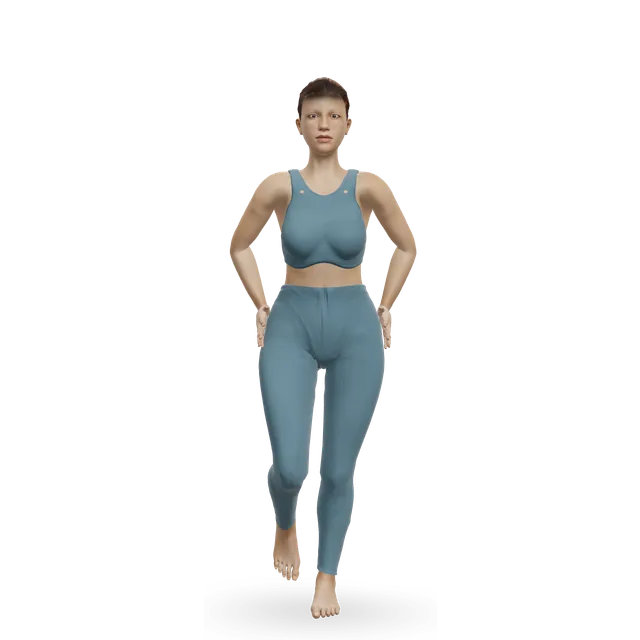
Wean off the boot, around the house first and then outside; you may still want it for long walks. Go from two crutches to one to none, walking heel to toe. From about 6 weeks, add stretches and balance. Doses are editorial unless named.
Hold 30 s: with a support, then without, then with your eyes closed · One fracture clinic's progression. If you couldn't stand on one leg before, start with one foot just in front of the other
Move on when: You walk without crutches or a limp, heel raises on both feet are comfortable, and you can stand on the injured leg for 30 s.
Follow along: a timer, a cue and the next move, one step at a time.
Stage 3
Strength, balance and back to activity (about weeks 8 to 12 and on, as your team allows)
The bone is usually healed by 8 to 12 weeks. Return to day-to-day activities guided by pain, expecting some ache and swelling after heavy tasks or long walks. Ask before contact sport; a brace may be advised for sport for several months. Doses are editorial unless named.
Move on when: Everyday walking and stairs feel normal. For sport, hopping and changing direction cause no pain or extra swelling the next day.
Follow along: a timer, a cue and the next move, one step at a time.
What to change for now
Raise it, ice it, look after the cast
Rest with the leg raised. Use ice wrapped in a cloth for about 20 minutes, 3 to 4 times a day early on (another leaflet says up to 15 minutes every few hours). Keep a plaster cast dry, don't scratch under it, and don't carry heavy things. Move your toes and bend your knee often.
Don't drive in a walking boot: it may invalidate your insurance. After a right ankle fracture, driving is often 9 to 12 weeks away; one NHS trust allows it once the cast is off at 6 weeks and you can do an emergency stop. Teams differ, so check with yours and with your insurer. Ask your doctor before going back to contact sport.
Go back for a review if your ankle isn't improving 6 weeks after the injury. If progress isn't what you were told to expect, you should be able to contact the fracture service directly. Supervised physiotherapy is most useful for people who aren't moving on with a home programme.
Usually 6 to 8 weeks, sometimes longer, and complete healing takes 10 to 12 weeks for most. Swelling can last 3 to 6 months, and most people are back to normal activities by 3 to 4 months.
Can I walk on a broken ankle in a boot?
It depends on your fracture and your hospital. Many stable Weber A and B breaks are walked on as comfort allows in a boot, and NICE advises taking weight as tolerated for one-bone breaks treated without surgery, but other fractures are kept off weight. Follow your fracture clinic's instructions.
What exercises can I do in a boot or cast?
Move your toes and bend your knee, tighten your thigh and lift the straight leg. If your boot comes off for exercises and your team agrees, point the foot up and down, spread the toes and make circles, 10 of each, 3 to 4 times a day.
Is a boot better than a cast?
For many fractures they work about as well. In a UK trial of 669 adults, a removable brace with early movement did as well as a plaster cast, and for stable Weber B breaks 3 weeks in a brace or cast did as well as 6 weeks in a cast.
Do I need surgery?
It depends on whether the joint is stable. For an isolated Weber B break with minimal shift, surgery was no better than a boot and had more complications. Unstable fractures are usually fixed early in people under 60, and a close contact cast is an option over 60.
When can I walk normally again?
Most people wean off the boot from about 6 weeks, around the house first, and go from two crutches to one to none, walking heel to toe. A limp can last a few months.
Why is my ankle still swollen?
Swelling, often worse at the end of the day, is normal for 3 to 6 months, and raising the leg helps. A calf that becomes swollen, throbbing and red needs a same-day check for a clot, and pain that keeps getting worse needs NHS 111.
How do I loosen a stiff ankle?
Keep using it, as moving it stops it getting stiff. Calf stretches, ankle rocks towards a wall and heel raises can help. Stiffness for months is common; if it isn't improving, ask for physiotherapy.
Do I need physiotherapy?
Not always. For uncomplicated fractures, advice and a home programme did as well as a supervised exercise programme in a trial. Your fracture clinic may refer you, and you should be able to contact them if you're not progressing.
When can I drive?
Not in a walking boot, which may invalidate your insurance. After a right ankle fracture it's often 9 to 12 weeks; one NHS trust allows it once the cast is off at 6 weeks and you can do an emergency stop. Check with your team and your insurer.
When can I go back to sport?
Ask your doctor before contact sport. Get walking, balance and heel raises back to normal first, then hop without pain or swelling the next day. A brace for sport may be advised for several months.
Exercise education, not a diagnosis or treatment plan. It is written from the guidelines and studies listed above; review by a clinician is pending. If your pain follows an injury, is severe, is getting worse, or comes with any warning sign listed on this page, get it assessed. Health disclaimer.