Exercise guide

Exercise in recovery from alcohol or drugs: cravings, mood, sleep and staying safe

Exercise can help you feel better in recovery from alcohol or drugs: it eases anxiety and low mood, builds fitness, gives you something to do with the time you used to spend drinking or using, and a short bout can take the edge off a craving for a while. Whether it helps people drink or use less is unclear, because the studies disagree, so it works best alongside treatment, support groups and your recovery plan.

If you drink heavily, don't stop suddenly on your own: the UK National Health Service (NHS) says it can be very dangerous to stop drinking suddenly if you're dependent on alcohol, and to get medical help first if you get withdrawal symptoms. If you are thinking about suicide or can't keep yourself safe, call 999 or go to A&E. For urgent help, call Samaritans free on 116 123, any time, or in England call 111 and select the mental health option. In the US, call or text 988.

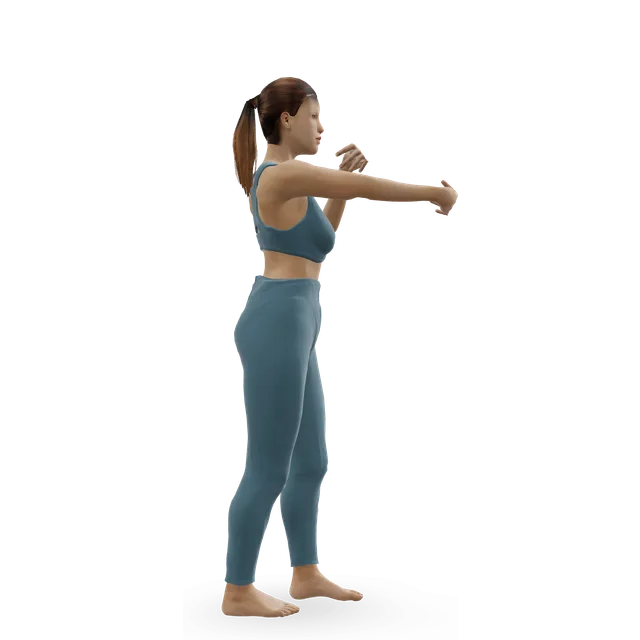
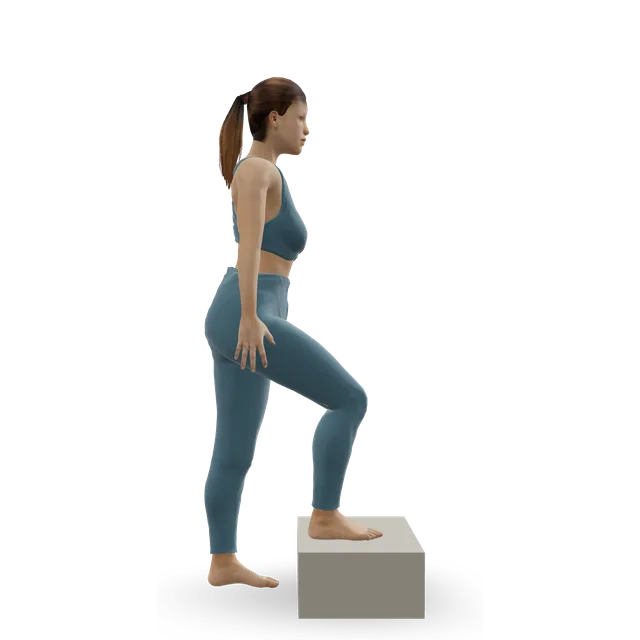
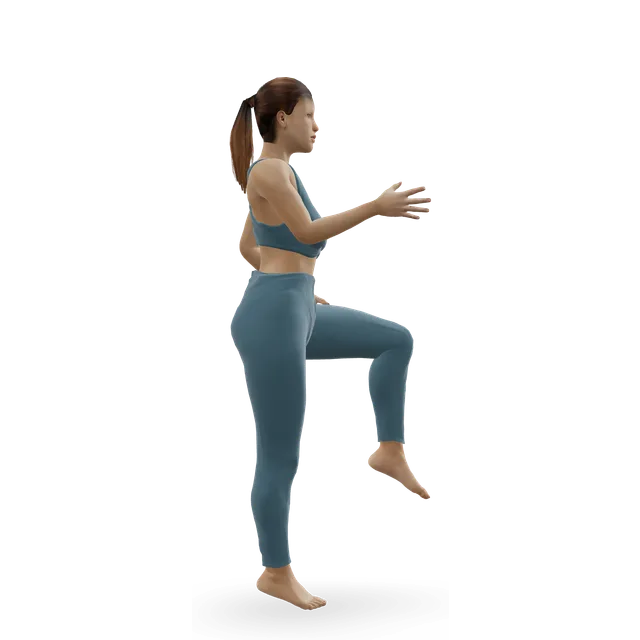
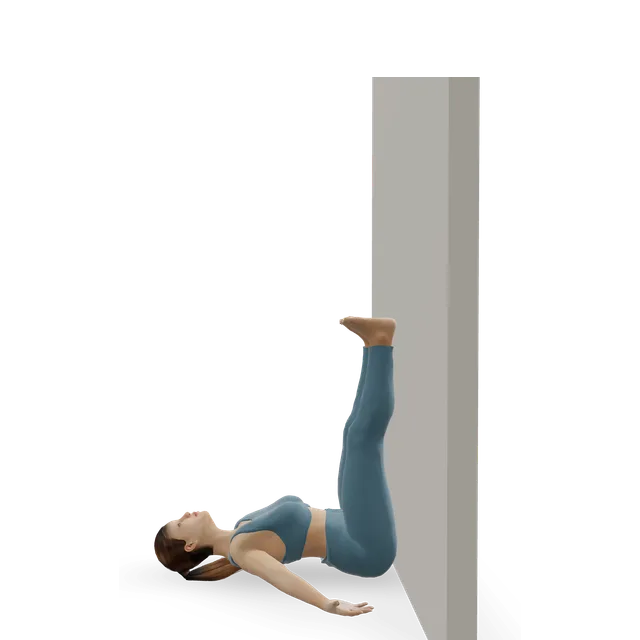
This guide covers stopping safely, what the trials show, how much to do at each stage, staying safe, and a 10-minute workout for cravings, with moves on the 3D figure.

If you need help now

Get help straight away

The NHS says a mental health emergency should be taken as seriously as a physical one, and that you will not be wasting anyone's time.

  • Call 999 or go to A&E if your life is at risk: for example, you have seriously harmed yourself or taken an overdose, or you feel you can't keep yourself safe.
  • For urgent help in England, call 111 and select the mental health option, or use 111 online.
  • Call Samaritans on 116 123. It is free, any time, day or night.
  • In the US, call or text 988, the 988 Suicide and Crisis Lifeline, any time. It supports people with substance use problems too.

Sources 1, 2, 3, 4

Alcohol and drug helplines

  • Drinkline, the national alcohol helpline: 0300 123 1110 (weekdays 9am to 8pm, weekends 11am to 4pm).
  • FRANK, for drugs: 0300 123 6600, any time, or text 82111.
  • In the US, the Substance Abuse and Mental Health Services Administration (SAMHSA) National Helpline: 1-800-662-4357, free and confidential, any time.

Sources 5, 6, 7

Stopping safely: withdrawal comes first

Don't stop heavy drinking suddenly on your ownStrong evidence

The NHS: "It can be very dangerous to stop drinking suddenly if you're dependent on alcohol. If you get withdrawal symptoms, get medical help before you try to stop drinking." If you have become physically dependent, "stopping overnight could be harmful". Your GP or local alcohol service can help you cut down or stop safely, often at home.

Sources 8, 5, 9

Withdrawal symptomsStrong evidence

The NHS lists anxiety, difficulty sleeping, feeling or being sick, a racing heartbeat, sweating and shaking, seeing, hearing or feeling things that aren't there, confusion and seizures. Symptoms begin within 6 to 12 hours of your last drink and usually last 3 to 7 days, though some can last months. Drinkaware says about 1 in 10 people with alcohol withdrawal syndrome have seizures, and most people feel better within a week, with the first 48 hours likely to be the worst.

Sources 8, 10

Where withdrawal happens

Most people get support to stop in the community, taking any medicine at home or at a local service. Some need a short stay in a medically supported unit: the National Institute for Health and Care Excellence (NICE) suggests this for people with, among other things, epilepsy or past withdrawal seizures or delirium tremens (severe confusion and shaking).

Sources 5, 11

During withdrawal

With medical support, Drinkaware suggests drinking plenty of non-alcoholic drinks (but avoiding caffeine), eating regularly, and finding ways to relax "like reading, going for a walk, or listening to music". This isn't the time for hard exercise: rest, and keep to gentle walking if your team agrees (our suggestion).

Source 10

Other drugs and medicines

Withdrawal from heavy benzodiazepine use can cause fits, so talk to a GP before stopping. The NHS: "It's important not to stop taking methadone suddenly or without talking to your GP or prescriber first." Your keyworker or local drug service can plan a safe way to cut down.

Sources 12, 13, 14

The short version

Exercise helps you feel better

In people with alcohol problems, exercise eased anxiety, low mood and stress, and improved fitness.

Sources 15, 16

Whether it cuts drinking or drug use is unclear

Reviews disagree, from no effect on drinking to a small one, and in the largest drug trial, exercise did no better than health education. Use exercise alongside treatment, not instead of it.

Sources 16, 17, 18

A short bout can ease a craving, for a while

After 12 minutes on an exercise bike, alcohol craving fell in about 7 in 10 people, but rose in about 1 in 6. Have other plans for cravings too.

Sources 19, 20

Mood and sleep often take weeks to settle

Low mood often lifts after about 4 weeks without alcohol, and poor sleep can last weeks to months after stopping. If they don't improve, there are treatments that work.

Sources 21, 22, 11

Stay safe

Don't exercise after drinking or using, eat and drink water before you exercise, and remember that after even a few days without opioids, your old dose could cause an overdose.

Sources 23, 24, 25

Alcohol and drug problems in brief

Alcohol-use disorder

The NHS: "Alcohol-use disorder is drinking alcohol in a way that's harmful." Signs include drinking more than you mean to, finding it hard to stop, cravings, and withdrawal symptoms when you cut down. Regularly drinking more than 14 units a week raises the risk of several cancers, stroke, heart disease, liver disease and brain damage.

Sources 8, 5, 26

How common it is

In England in 2023 to 2024, 18% of adults drank at harmful or risky levels and about 1 in 100 showed signs of alcohol dependence; fewer than half of them had ever had treatment. 10.6% had used an illicit drug in the past year, and signs of drug dependence rose from 3.8% of 16 to 64 year olds in 2014 to 6.7%, mostly with cannabis. In the US, 27.9 million people aged 12 and over had alcohol-use disorder in 2024.

Sources 27, 28, 29

Treatment for alcohol problemsStrong evidence

NICE asks staff to work "in a supportive, empathic and non-judgmental manner". For most people with alcohol dependence, the aim is to stop drinking, with talking therapies, help with withdrawal, medicines such as acamprosate or naltrexone afterwards, and support groups such as Alcoholics Anonymous or SMART Recovery. The NHS also suggests finding "different activities to do when you'd usually drink".

Sources 11, 8

Treatment for drug problemsStrong evidence

A GP or local drug service can help, and you'll have a keyworker. Treatment can include talking therapies, substitute medicines such as methadone or buprenorphine for opioid dependence, detox, and support groups such as UK Narcotics Anonymous or SMART Recovery. NICE recommends rewards for staying off drugs (contingency management), which can also reward taking part in healthy activities.

Sources 14, 30

Specific drug risks

FRANK says cocaine raises your heart rate and body temperature, and "even healthy young people can have a fit, heart attack or stroke" after using it. Stopping heavy cannabis use can leave you moody, irritable and struggling to sleep, and stopping benzodiazepines after heavy use can cause fits.

Sources 31, 32, 12

What the evidence says

Effect sizes put the different scales trials use onto one: about 0.2 is small, 0.5 moderate and 0.8 or more large. Most trials here are small.

Drinking: the reviews disagreeMixed evidence

In 21 studies with 1,204 people, exercise didn't reduce daily drinking, and a small fall in weekly drinking disappeared once missing studies were allowed for. Another review found no change in drinking, a third found a small fall in how much people drank (0.30, 7 trials), a fourth reported a significant fall without giving its size, and a fifth found no significant fall. Taken together, it's unclear whether exercise changes drinking.

Sources 16, 33, 17, 34, 15

What the drinking trials foundMixed evidence

In 48 people in early recovery, 12 weeks of group aerobic exercise went with fewer drinking days than brief advice to exercise. But in 175 Danish outpatients, 6 months of exercise made no difference. In 2 other trials, drinking fell just as much in the comparison groups, including 140 Swedes who took aerobic classes, yoga or phone support, and in a third, drinking fell whether or not people had extra help to exercise and wasn't linked to how much they exercised. In the Danish trial, people who were more active drank less, but that's a link, not proof that exercise caused it.

Sources 35, 36, 37, 38, 39

Drug useMixed evidence

In 302 adults with stimulant problems in residential treatment, 12 weeks of exercise 3 times a week did no better than health education. Supervised exercise improved quality of life but not urine drug tests in another review. In a review of 43 studies in treatment services, most of those that measured drug use reported less of it, and an older review of 22 trials (including people stopping smoking) found more people stayed off substances. But these reviews mix very different studies, and the large stimulant trial found no difference.

Sources 18, 40, 41, 42

Mood, anxiety and stressEmerging evidence

In people with alcohol problems, exercise eased anxiety (0.53), low mood (0.84) and stress (1.14) across 15 studies, and low mood in an earlier review (0.87, 4 trials). In the Swedish trial, yoga improved anxiety and depression scores by a large amount, more than phone support. The studies are small and vary a lot.

Sources 15, 16, 43

Fitness and quality of lifeEmerging evidence

Exercise improved aerobic fitness in people with alcohol problems (0.56 and 0.64 in two reviews) and quality of life, and quality of life during drug treatment.

Sources 16, 17, 33, 40

SleepEmerging evidence

In a network of 57 trials in people with substance use problems, mind-body exercise ranked best for sleep quality, so exercise may help sleep a little. For insomnia that lasts, cognitive behavioural therapy for insomnia (CBT-I) is what works: in 8 trials it reduced insomnia severity by about 5.5 points on a 28-point scale, though it didn't change drinking. The NHS advises exercising during the day, not in the 4 hours before bed.

Sources 44, 45, 46, 47

Where treatment carries the evidenceStrong evidence

Talking therapies, help with withdrawal, medicines, contingency management and mutual aid groups are the treatments NICE recommends. Its alcohol and drug guidelines don't mention exercise.

Sources 11, 30

Exercise and cravings

Alcohol cravings after one boutEmerging evidence

In 117 adults with alcohol problems and cravings, a 12-minute fitness test on an exercise bike reduced craving overall: it fell in 70% of people, rose in 16% and didn't change in 14%. In 140 people from the same Swedish trial, craving, mood and anxiety improved, still there 30 minutes later. In 20 people just out of detox, 10 minutes of moderate cycling eased urges during the exercise, but not afterwards. These are small studies: the Swedish ones had no comparison group.

Sources 19, 48, 20

Young adultsEmerging evidence

In 6 studies of young adults who drank too much, a single session of exercise reduced alcohol craving by a moderate amount (about 0.55) for a short time.

Source 49

Drug cravings over weeksEmerging evidence

In 30 trials with 1,717 people, aerobic exercise reduced drug cravings (0.73), more with programmes over weeks than with single bouts, but 22 of the trials were in China and certainty was low. In another 22 trials, mostly of people stopping smoking, exercise eased cravings and low mood during withdrawal. A 2026 network of 44 trials ranked mixed and aerobic exercise highest for cravings.

Sources 50, 51, 52

Cigarette cravingsMixed evidence

Short bouts of activity strongly reduce cigarette cravings, but adding exercise to stop-smoking support hasn't been shown to help people quit (21 trials, 6,607 people, low certainty).

Sources 53, 54

One tool among several

When a craving hits, try 10 minutes of brisk movement, such as the craving break workout below. If the craving is still strong, or got worse, call someone, a helpline or your recovery contact, and move away from whatever set it off (our suggestion).

Sources 19, 5

Your body's recovery

LiverStrong evidence

The NHS: "If you stop drinking, your liver can often recover." A fatty liver can usually recover, but cirrhosis, the most serious stage, "cannot usually be reversed". Stopping drinking is what helps the liver; no exercise repairs it.

Source 9

Blood pressureStrong evidence

In 36 trials with 2,865 people, cutting down lowered blood pressure in people drinking more than 2 drinks a day, most in those drinking 6 or more who roughly halved it (by about 5.5/4 mmHg). Drinkaware lists cutting down on alcohol and exercising regularly among ways to lower blood pressure.

Sources 55, 56

Heart

Drinking too much and using recreational drugs can cause cardiomyopathy, a disease of the heart muscle; if you have it, your doctor will advise how much exercise you can do. Drinking raises the risk of abnormal heart rhythms, especially during exercise in the 2 days after heavy drinking.

Sources 57, 23, 31

Nerves and balance

Drinking heavily for years can damage the nerves in your feet and hands (peripheral neuropathy). Balance and strength exercises help you stay steady; our peripheral neuropathy guide covers them.

Source 58

SleepStrong evidence

Alcohol may help you fall asleep but worsens the quality of your sleep, and "temporary insomnia is a common side-effect of alcohol withdrawal". Insomnia affects 36% to 72% of people in treatment for alcohol dependence and can last weeks to months after stopping.

Sources 59, 22

Mood

Drinkaware: people who are depressed "often find that cutting out alcohol entirely for just four weeks makes a clear difference", and anxiety usually improves within a couple of weeks of cutting down. NICE advises specific treatment if depression or anxiety doesn't improve after 3 to 4 weeks without alcohol.

Sources 21, 60, 11

Swapping one addiction for another?

Less common than people fearEmerging evidence

In a review of 96 studies, more of the studies that tested it found people improving on several fronts at once (53%) than swapping one addiction for another (18%). Swapping was more likely in younger men with more severe use and mental health problems, and went with worse outcomes.

Source 61

Exercise addictionEmerging evidence

Estimates suggest about 5% to 8% of regular exercisers show signs of exercise addiction, with wide uncertainty. In 538 exercisers, those at risk of exercise addiction were no more likely to use drugs or alcohol.

Sources 62, 63

Signs to watch

Exercising through injury or illness, feeling guilty or very anxious if you miss a session, or rigid, punishing routines. If that sounds like you, talk to your recovery worker or GP, and see our eating disorders guide.

Source 64

How much, and when

The guideline amounts

Once you're through withdrawal: at least 150 minutes a week of moderate activity, such as brisk walking, plus strength exercises on 2 days. Moderate means you can still talk, but not sing.

Source 65

What the trial programmes used

The early recovery trial used weekly supervised group sessions starting at 20 minutes and building to 40 by week 12, at a moderate effort (55% to 69% of maximum heart rate), plus 2 to 3 sessions a week on your own. Across 43 studies, the most common programme was moderate exercise 3 times a week for about an hour, for about 13 weeks. The Swedish trial offered 3 aerobic or yoga classes a week for 12 weeks.

Sources 35, 41, 66, 38

When a craving hits

About 10 to 12 minutes of continuous moderate to brisk movement, as in the cycling studies. The craving break workout below is a home version; its moves and timings are our editorial choice.

Sources 19, 20

Still drinking or using

Don't use exercise to "sweat it out": there's nothing you can do to speed up how fast your body clears alcohol. Talk to your GP or local service about a safe plan to cut down or stop.

Sources 67, 8, 14

The first weeks after stopping

Short daily walks and gentle sessions. Sleep may be poor and mood low for a few weeks as your brain recovers, so build up slowly and be kind to yourself (our suggestion).

Sources 10, 59, 21

Early recovery and beyond

Build towards 3 sessions a week, with group or supervised sessions if you can get them, then the guideline amounts, with strength twice a week and balance work if your feet are numb. Your recovery plan, mutual aid and your team's advice come first; in residential or day programmes, follow the programme's timetable.

Sources 35, 41, 65, 58

Timing and sleep

Exercise during the day, not in the 4 hours before bed. An evening walk at the time you'd usually drink can help fill the gap, if it ends well before bedtime (our suggestion).

Source 47

A first fortnight: our editorial starting point

For an adult through withdrawal with medical support or advice. Days 1 to 7: a 10-minute walk every day, ideally at the time you'd usually drink or use, after eating something and drinking water. Days 8 to 14: 20 minutes of brisk walking on 3 to 5 days, plus one beginner home workout, and the craving break when an urge hits. Then add about 5 minutes a session each week towards 150 minutes, and try a class, a running group or parkrun with someone from your recovery network.

Sources 8, 25, 65

Staying safe

Not after drinking or usingStrong evidence

Drinkaware says drinking raises the risk of abnormal, sometimes dangerous heart rhythms, "a risk which significantly increases during exercise up to two days after heavy alcohol consumption". Exercising to sweat out a hangover risks dehydration. Cocaine raises your heart rate and temperature.

Sources 23, 67, 31

Fluids and foodStrong evidence

Alcohol and heavy sweating after exercise both cause dehydration, and drinking a lot, especially without eating, can cause low blood sugar, as can poor nutrition. Drink water and eat something before you exercise in early recovery (our suggestion).

Sources 68, 25, 23

Overdose after a breakStrong evidence

FRANK says that if you stop taking heroin for just a few days, "your tolerance will rapidly drop", and taking the same dose as before risks an overdose. Exercise doesn't change this. The NHS methadone page says call 999 and give naloxone if you have it when someone has taken too much.

Sources 24, 13

On methadoneStrong evidence

Don't drive, cycle or use machines if methadone makes you tired or dizzy, and avoid alcohol. For constipation, more fibre and fluids help, and the NHS says "If you can, it may also help to do some exercise". Call 999 for problems breathing or a heartbeat that is irregular, faster or slower than usual.

Sources 69, 70

Heat

The NHS lists drug or alcohol addiction among things that raise your risk in a heatwave, and Drinkaware says alcohol adds to the risk of dehydration, heat exhaustion and heatstroke. Exercise in the cooler part of the day and drink water.

Sources 71, 72

For a craving: 10 minutes of brisk movement

About 10 minutes of continuous brisk movement indoors, at a pace where you can talk but not sing; the cycling studies used 10 to 12 minutes. The timings are ours: see the craving break workout.

Walk, cycle, run

Start with 10 minutes a day, then 20 to 40 minutes at a moderate effort, 3 times a week (the session length the early recovery trial built up to), towards 150 minutes a week (NHS guidance). Running and walking groups add company and routine.

Strength

2 days a week (NHS guidance): 2 sets of 8 to 12, stopping a couple of reps short (our editorial starting point).

Balance

For numb feet or unsteadiness after years of drinking: hold each position for 20 to 30 seconds near a counter, as in the balance exercises routine.

Calm and sleep

Gentle yoga and stretching to settle in the evening. The slow breathing move page's dose is at least 5 minutes, done regularly, with no holds; it can help you ride out a craving or anxious moment.

Workouts to follow

The craving break is for urges; the 10-minute starter suits the first days after withdrawal. In the bedtime routine, breathe in for 4 and out for 8 without the hold if the hold makes you anxious.

Craving break: a 10-minute brisk reset

A 10-minute burst of brisk movement for when a craving hits: 8 minutes of marching, stepping and punching indoors, then a minute of slow breathing.

10 minBeginner6 movesA step, A bench or box

10-minute starter workout

A 10-minute session for low-energy days: marching, sit-to-stands, wall push-ups, step-ups and bridges, then a short walk. Doing a little counts.

10 minBeginner7 movesA bench or box, A wall

Easy cardio workout

A steady 30 to 45 minute cardio session at talk-but-not-sing pace: walk, cycle, row or cross-train, counting toward weekly activity guidelines.

40 minBeginner3 movesCardio machine, A wall

Run-walk intervals for beginners

A 30-minute beginner run-walk session: a brisk walk, then 1-minute jogs with 1-minute walks, building to 3-minute runs over your first three weeks.

30 minBeginner5 movesCardio machine, A wall

Beginner home workout

A gentle 20-minute beginner home workout with a chair, a wall and a band: sit-to-stands, wall push-ups, band rows, step-ups and dead bugs.

20 minBeginner11 movesA bench or box, A wall

Balance exercises routine

Balance practice in 10 minutes: tandem stance, single-leg stands, marches, heel walks, tree pose and floor transfers.

10 minBeginner7 movesA wall, A bench or box

Gentle yoga for beginners

A 25-minute gentle yoga class for complete beginners and over-50s: slow breathing, a warm-up, supported standing poses, floor poses and a closing rest.

25 minBeginner14 movesNo equipment

Stress relief workout: a 12-minute move, loosen and breathe reset

A 12-minute reset for stressful days: 4 minutes of brisk movement, 3 minutes to loosen your neck, shoulders and back, then 5 minutes of slow breathing.

12 minBeginner10 movesA bench or box, A wall

Bedtime stretch routine

A slow, 10-minute floor routine to unwind before sleep: child's pose, twists, happy baby and slow breathing.

10 minBeginner7 movesFirm cushion, A wall

Follow a plan

A weekly plan gives your days structure. Couch to 5K pairs well with parkrun or a running group.

Warning signs and where to get help

Alcohol withdrawal: call 999 (911 in the US) or go to A&EStrong evidence

The NHS says call 999 or go to A&E if you or someone else has severe withdrawal symptoms after stopping drinking, such as the signs below. Don't drive to A&E: ask someone to drive you or call 999 and ask for an ambulance.

  • Shaking visibly.
  • Being unusually restless, irritable or upset.
  • Confusion (for example, not knowing what day it is).
  • Seeing, hearing, or feeling things that are not there.
  • Having a seizure.

Sources 8, 5

Liver: call 999 or go to A&EStrong evidence

If you're worried alcohol may be affecting your liver and:

  • You vomit blood or your poo is black and looks sticky.
  • You have pain in your tummy.
  • You have difficulty breathing or shortness of breath.
  • You feel suddenly confused, feel dizzy or have difficulty staying awake.

Source 9

Heart: stop and call 999

  • Chest pain that feels tight or like squeezing, or spreads to your arms, neck or jaw, severe difficulty breathing, or someone passes out and isn't responding normally.
  • Palpitations that don't go away, or that come with chest pain, shortness of breath or feeling faint.
  • On methadone, problems breathing or a heartbeat that is irregular, faster or slower than usual.

Sources 73, 74, 69

Overdose: call 999

FRANK: "If you or someone else needs urgent help after taking drugs or drinking, call 999 for an ambulance. Tell the crew everything you know." If someone has taken too much methadone, give naloxone if you have it; the 999 call handler can talk you through it.

Sources 24, 13

Low blood sugar and dehydration

  • Call 999 if someone has very low blood sugar, is not responding normally and has been drinking alcohol.
  • Call 999 or go to A&E if someone with signs of dehydration has blue, grey, pale or blotchy skin, lips or tongue, cold skin, difficulty breathing or lots of quick breaths, confusion, or is sleepier than normal or difficult to wake.
  • Get an urgent GP appointment or call 111 for dark yellow pee or peeing less than normal.

Sources 25, 68

Get urgent help today

  • In England, call 111 and select the mental health option, use 111 online, or ask for an urgent GP appointment.
  • Call Samaritans free on 116 123, any time, day or night. If you're under 19, you can also call Childline on 0800 1111.
  • Text SHOUT to 85258, any time.
  • In the US, call or text 988, or call the SAMHSA National Helpline on 1-800-662-4357, any time.

Sources 1, 2, 3, 4, 7

Talk to your GP, keyworker or recovery service

  • You want to cut down or stop and aren't sure it's safe.
  • Low mood or anxiety hasn't improved after 3 to 4 weeks without alcohol, or poor sleep is lasting.
  • You notice numbness, tingling or poor balance.
  • Exercise starts to feel compulsive, or you exercise through injury or illness.

Sources 8, 14, 11, 47, 58, 64

For families and friends

Al-Anon Family Groups support the families and friends of people who drink (Alateen is for 12 to 17 year olds), Adfam supports families affected by drugs and alcohol, and the National Association for Children of Alcoholics (Nacoa) helpline is 0800 358 3456. SMART Recovery runs a family and friends programme, and NICE asks services to support families too. Walk together, and praise turning up rather than results (our suggestion).

Sources 5, 8, 75, 11

Myths

"You can sweat out alcohol or speed up detox"Strong evidence

Drinkaware: "there's nothing you can do to speed up the process" of clearing alcohol, and sweating it out risks dehydration and heart rhythm problems. We found no evidence that exercise clears drugs from your body faster either.

Sources 67, 23

"A hard workout is the best way through withdrawal"Strong evidence

Alcohol withdrawal can cause seizures, and stopping suddenly can be dangerous if you're dependent. During withdrawal, rest, fluids, food, gentle activity and medical support are what's advised.

Sources 8, 10, 23

"Exercise will stop you drinking"Mixed evidence

Reviews disagree, and in several trials drinking fell as much without exercise as with it; in the largest drug trial, exercise did no better than health education. Exercise reliably helps mood, anxiety and fitness, so use it alongside your recovery plan.

Sources 16, 36, 38, 18

"Exercise just swaps one addiction for another"Emerging evidence

More studies found people improving on several fronts at once than swapping addictions, exercise addiction is uncommon, and it wasn't linked with drug or alcohol use in 538 exercisers. Watch for the warning signs anyway.

Sources 61, 62, 63

"Exercise repairs a damaged liver"Strong evidence

Stopping drinking is what lets the liver recover. Fatty liver can usually recover, but cirrhosis usually can't be reversed.

Source 9

Questions people ask

Does exercise help addiction recovery?

It helps mood, anxiety, stress, fitness and quality of life. Whether it helps people drink or use less is unclear: reviews disagree, and in several trials drinking fell just as much without exercise. Use it alongside treatment and support, not instead.

Can I exercise during alcohol withdrawal?

Get medical help first: stopping suddenly can be dangerous if you're dependent on alcohol, and withdrawal can cause seizures. While you have withdrawal symptoms, rest, drink fluids, eat regularly and keep to gentle activity such as a short walk, with medical support. Call 999 for severe symptoms such as visible shaking, confusion, seeing or hearing things that aren't there, or a seizure.

Does exercise speed up alcohol detox? Can you sweat out alcohol?

No. There's nothing you can do to speed up how fast your body clears alcohol, and trying to sweat it out risks dehydration and heart rhythm problems. Exercising soon after heavy drinking raises the risk of dangerous heart rhythms for up to 2 days.

Does exercise reduce alcohol cravings?

Often, for a while. After 12 minutes on an exercise bike, cravings fell in about 7 in 10 people with alcohol problems but rose in about 1 in 6, and in people just out of detox, urges eased only while they were exercising. The studies are small, so use it as one tool among several.

Does exercise help with drug or opioid withdrawal?

In trials, mostly of people stopping smoking, exercise eased cravings and low mood during withdrawal. Opioid and benzodiazepine withdrawal need medical support, and you shouldn't stop methadone suddenly. Gentle walking is a sensible start once your team agrees.

Can I exercise on methadone?

Yes, and the NHS says exercise may help with the constipation methadone can cause. Don't cycle or use machines if you feel tired or dizzy, avoid alcohol, and call 999 if your heartbeat is irregular, faster or slower than usual, or you have problems breathing.

What is the best exercise in recovery?

The one you'll keep doing. Trials used walking, running, cycling, aerobic classes and yoga, often 3 times a week. Yoga had the biggest effect on anxiety and low mood in one trial, and running or walking groups add company and routine.

How much exercise should I do in recovery?

Start with 10 minutes a day once you're through withdrawal, and build towards 150 minutes a week, plus strength exercises on 2 days. Programmes in trials typically ran 3 sessions a week of up to an hour, for about 12 to 13 weeks.

Can you replace one addiction with another?

It happens, but less often than people think: more studies found people improving on several fronts at once than swapping one addiction for another. Exercise addiction affects a small minority of exercisers. Watch for exercise that feels compulsive, or exercising through injury or illness.

Will exercise help me sleep after quitting drinking?

It may help a little; exercise in the day, not in the 4 hours before bed. Poor sleep is common for weeks or months after stopping and usually improves as your brain recovers. If it lasts, cognitive behavioural therapy for insomnia works well in people with alcohol problems.

Can exercise repair my liver?

Stopping drinking is what lets the liver recover, and fatty liver can usually recover if you stop. Exercise helps your fitness and mood alongside. Get urgent help for vomiting blood, black sticky poo, tummy pain or sudden confusion.

Is yoga good for addiction recovery?

It can be. In a Swedish trial, yoga classes 3 times a week improved anxiety and depression more than phone support, and drinking fell as much as with aerobic exercise. Mind-body exercise also ranked best for sleep in trials of drug treatment.


Sources

  1. NHS · Where to get urgent help for mental health ("call 111 and select the mental health option"; review was due April 2026)
  2. NHS · Help for suicidal thoughts
  3. Samaritans · Contact a Samaritan: 116 123, free, any time
  4. SAMHSA (US Substance Abuse and Mental Health Services Administration) · 988 Suicide and Crisis Lifeline: support for mental health and substance use
  5. NHS · Alcohol support
  6. FRANK · Contact FRANK: 0300 123 6600, any time, or text 82111
  7. SAMHSA · National Helpline: 1-800-662-4357, free, confidential, any time
  8. NHS · Alcohol-use disorder
  9. NHS · Alcohol-related liver disease
  10. Drinkaware · Alcohol withdrawal symptoms
  11. NICE CG115 · Alcohol-use disorders: diagnosis, assessment and management of harmful drinking and alcohol dependence (recommendations)
  12. FRANK · Benzodiazepines
  13. NHS · How and when to take methadone
  14. NHS · Drug addiction: getting help (review was due February 2026)
  15. Liu 2025 · Exercise, mental health and drinking in alcohol use disorder: 15 studies (systematic review and meta-analysis, BMJ Open)
  16. Hallgren 2017 · Exercise as treatment for alcohol use disorders: 21 studies (systematic review and meta-analysis, Br J Sports Med)
  17. Lardier 2021 · Exercise, drinking and fitness in alcohol use disorder: 7 trials (systematic review and meta-analysis, Front Psychol)
  18. Trivedi 2017 · STRIDE: exercise compared with health education for 302 adults with stimulant use disorder (randomised trial, J Clin Psychiatry)
  19. Hallgren 2021 · Changes in craving after a short bout of cycling: 117 adults with alcohol use disorder (single-group study, J Psychiatr Res)
  20. Ussher 2004 · A brief bout of exercise and alcohol urges: 20 people after detox (crossover trial, Addiction)
  21. Drinkaware · Alcohol and depression
  22. Brower 2003 · Insomnia, alcohol dependence and relapse (review, Sleep Med Rev)
  23. Drinkaware · Can alcohol affect sports performance and fitness levels?
  24. FRANK · Heroin
  25. NHS · Low blood sugar (hypoglycaemia) (review was due August 2026)
  26. NHS · The risks of drinking too much
  27. NHS England · Adult Psychiatric Morbidity Survey 2023/4, chapter 5: alcohol (2025)
  28. NHS England · Adult Psychiatric Morbidity Survey 2023/4, chapter 6: drug use and dependence (2025)
  29. NIAAA (US National Institute on Alcohol Abuse and Alcoholism) · Alcohol use disorder in the United States
  30. NICE CG51 · Drug misuse in over 16s: psychosocial interventions (recommendations)
  31. FRANK · Cocaine
  32. FRANK · Cannabis
  33. Gür 2020 · Exercise in the treatment of alcohol use disorder (systematic review and meta-analysis, Am J Health Promot)
  34. Li 2024 · Exercise in alcohol use disorders: 17 randomised trials (systematic review and meta-analysis, PLoS One)
  35. Brown 2014 · Aerobic exercise in early recovery from alcohol dependence: 48 people (randomised trial, J Subst Abuse Treat)
  36. Roessler 2017 · Exercise added to alcohol treatment in 175 Danish outpatients (randomised trial, PLoS One)
  37. Jensen 2019 · Running and brisk walking in 105 people with alcohol use disorder (randomised trial, Scand J Public Health)
  38. Gunillasdotter 2022 · FitForChange: aerobic exercise, yoga or phone support for 140 adults with alcohol use disorder (randomised trial, Drug Alcohol Depend)
  39. Weinstock 2020 · A gym membership, with or without motivational support, for 66 adults with alcohol use disorder (randomised trial, Psychol Addict Behav)
  40. Alserihi 2025 · Supervised exercise added to substance use treatment (systematic review and meta-analysis, Medicine)
  41. Piché 2023 · Physical activity programmes during substance use treatment: 43 studies (systematic review, PLoS One)
  42. Wang 2014 · Exercise for substance use disorders: 22 randomised trials (meta-analysis, PLoS One)
  43. Welford 2022 · FitForChange: anxiety and depression after yoga, aerobic exercise or usual care (trial analysis, Drug Alcohol Depend)
  44. Liu 2025 · Types of exercise and health outcomes in substance use disorders: 57 trials (network meta-analysis, Front Psychiatry)
  45. Türkmen 2025 · Cognitive behavioural therapy for insomnia in alcohol use disorder: 8 randomised trials (meta-analysis, Sleep Med Rev)
  46. Miller 2017 · Insomnia treatment in alcohol use disorder: 9 studies (meta-analysis, Drug Alcohol Depend)
  47. NHS · Insomnia
  48. Hallgren 2021 · Craving, mood and anxiety after a short bout of cycling: 140 adults with alcohol use disorder (single-group study, Drug Alcohol Depend)
  49. Sampedro-Piquero 2026 · Brief exercise and alcohol craving in young adults: 6 studies (systematic review, Eur J Sport Sci)
  50. Wang 2025 · Types of exercise and drug craving: 30 randomised trials (network meta-analysis, Addict Sci Clin Pract)
  51. Li 2023 · Exercise intensity and withdrawal symptoms in substance use disorder: 22 randomised trials (meta-analysis, Front Physiol)
  52. Li 2026 · Types of exercise for craving, mood and thinking in substance use disorder: 44 randomised trials (network meta-analysis, Front Psychiatry)
  53. Haasova 2013 · Short bouts of activity and cigarette cravings (meta-analysis of individual participant data, Addiction)
  54. Ussher 2019 · Exercise to help people stop smoking: 24 trials (Cochrane review)
  55. Roerecke 2017 · Cutting down on alcohol and blood pressure: 36 trials (systematic review and meta-analysis, Lancet Public Health)
  56. Drinkaware · Alcohol and blood pressure
  57. NHS · Cardiomyopathy (review was due May 2026)
  58. NHS · Peripheral neuropathy: causes (review was due October 2025)
  59. Drinkaware · Alcohol and sleep
  60. Drinkaware · Alcohol and anxiety
  61. Kim 2021 · Swapping one addiction for another in recovery: 96 studies (systematic review, Clin Psychol Rev)
  62. Trott 2020 · How common exercise addiction is: 13 studies (systematic review and meta-analysis, J Addict Med)
  63. Szabo 2018 · Drug, nicotine and alcohol use in 538 regular exercisers (survey, Addict Behav Rep)
  64. Beat · Physical activity, exercise and eating disorders
  65. NHS · Physical activity guidelines for adults aged 19 to 64
  66. Hallgren 2018 · FitForChange study protocol (Trials)
  67. Drinkaware · How to recover from a hangover
  68. NHS · Dehydration
  69. NHS · Side effects of methadone
  70. NHS · Common questions about methadone
  71. NHS · Heatwave: how to cope in hot weather
  72. Drinkaware · Alcohol in a heatwave
  73. NHS · Heart attack
  74. NHS · Heart palpitations
  75. Adfam · Support for families affected by drugs and alcohol

Exercise education, not a diagnosis or treatment plan, and clinical review of these guides is pending. Stop and get advice for chest pain, unusual breathlessness, dizziness or fainting, or new pain, and check with your doctor or midwife first if they have told you to limit activity. Health disclaimer.